Introduction to the SEO Case Study
Organic search remains one of the most dependable growth channels for local service businesses, yet many owners in crowded markets like New York struggle to see real movement from their efforts. This case study follows a Brooklyn based home renovation company that doubled its organic traffic in twelve months through a disciplined and data led SEO plan.
What makes this example valuable is that nothing about the approach was secret or experimental. The team fixed the foundations first, matched content to what customers actually search for, and built trust signals that search engines could verify. Every step was measured, documented, and adjusted based on real performance data.
In this article you will see how the project started, what was broken, which goals were set, and how progress was tracked. The following parts cover the tactics used and the final results in detail. By the end, you will have a clear framework that you can adapt to your own website, whether you run a small shop or a growing company.
Background of the New York Business
The company in this case study is a family owned renovation firm founded in 2014 and serving Brooklyn, Queens, and parts of Manhattan. It employs eighteen people and specializes in kitchen remodels, bathroom upgrades, and full apartment renovations for homeowners and co-op owners. Its reputation was strong among past clients, which meant most of its early growth came from referrals and word of mouth.
The website had been built in 2018 by a freelance designer and had barely changed since then. It contained around 140 pages, but most of them were short service descriptions, outdated project galleries, and a blog that had not been updated for two years. Visitors could find the phone number easily, but the site did very little to bring in new people who were searching online.
By the time the owners contacted an SEO team, paid advertising had become the main source of new leads. Monthly organic traffic sat at roughly 8,400 visits, and organic search produced about 41 qualified inquiries each month. Leadership wanted a more sustainable channel because advertising costs were climbing faster than revenue.
The business profile at the start of the project looked like this:
- Industry: residential renovation and remodeling
- Location: Brooklyn, New York, with service coverage across three boroughs
- Team size: eighteen employees including project managers and designers
- Website age: about eight years with minimal updates
- Main lead sources: referrals, paid search ads, and social media
The Challenges Before the SEO Campaign
The first challenge was a growing dependence on paid advertising. Over two years the cost per lead from paid search had risen by about 38 percent, and the owners felt trapped because pausing the ads meant an immediate drop in inquiries. A business that depends on a single paid channel has very little control over its own growth.
The second challenge was a lack of visibility for the searches that mattered most. Competitors with larger budgets and newer websites were occupying the top positions for terms such as kitchen remodeling in Brooklyn and apartment renovation contractors in New York. The company appeared on the second or third page for most of those searches, where very few people ever click.
Several other problems made the situation harder:
- Service pages were thin and offered little detail about pricing ranges, timelines, or the renovation process.
- The blog had no clear strategy, and older posts targeted broad topics that had no connection to buying intent.
- The mobile version of the site loaded slowly, which frustrated visitors who were browsing on their phones.
- Customer reviews were scattered across several platforms, and none of them were used to strengthen the website itself.
- There was no tracking setup that connected website visits to actual phone calls and form submissions.
The final challenge was internal rather than technical. The owners had tried SEO once before with a low cost provider that promised quick rankings, and the results were disappointing. Because of that experience, they were cautious and wanted clear evidence that each action would lead to measurable progress.
Initial SEO Audit Findings
Before changing anything, the team ran a full audit that covered technical health, content quality, backlinks, and local search signals. The goal was to understand exactly why the site was underperforming rather than guessing at solutions. The audit took two weeks and produced a prioritized list of problems ranked by their likely impact on traffic and leads.
The technical review showed that the site had hundreds of small issues that added up to a weak foundation. Many pages shared nearly identical title tags, several important service pages were buried four clicks deep from the homepage, and a number of old URLs returned error pages. These problems made it harder for search engines to understand which pages deserved to rank.
The content review revealed that most pages were written for the company rather than for the customer. They described the firm’s history and values but said very little about the questions homeowners actually ask, such as how long a bathroom renovation takes or what permits are required in New York City. Competitors who answered these questions clearly were capturing the traffic.
The table below summarizes the most important audit findings and the effect each one had on performance.
| Audit Area | Finding | Impact on Performance |
|---|---|---|
| Page Speed | Mobile load time averaged 5.8 seconds | High bounce rate on phones |
| Title Tags | 47 pages shared duplicate or missing titles | Weak ranking signals |
| Site Structure | Key service pages sat four clicks from the homepage | Poor crawl efficiency |
| Broken Pages | 63 URLs returned errors | Wasted authority and poor user experience |
| Content Depth | Service pages averaged under 300 words | Low relevance for buying searches |
| Local Signals | Business listings had inconsistent names and phone numbers | Reduced trust in local results |
| Backlinks | Few links from relevant local or industry websites | Limited domain authority |
The backlink review showed that the site had only a small number of quality links, and most of them came from directories with little relevance. Competitors in the same market had earned links from local news outlets, neighborhood blogs, and industry associations. This gap explained part of why the company struggled to outrank them even for searches where its content was reasonable.
The local search review found that the business listings contained different versions of the company name and phone number across several platforms. Search engines rely on consistent information to trust that a business is real and active. Fixing this was identified early as a quick win that required little cost but offered strong potential.
Setting Clear Goals and Benchmarks
After the audit, the team and the owners agreed on goals that were ambitious but realistic. The main target was to double monthly organic traffic within twelve months, which meant growing from 8,400 visits to at least 16,800. A second target was to increase qualified inquiries from organic search so that the growth in traffic would translate into real revenue.
Goals were divided into short term, medium term, and long term milestones so that progress could be reviewed every month. This structure kept everyone focused on steady improvement instead of waiting a full year to find out whether the plan was working. It also made it easier to adjust the strategy when a tactic performed better or worse than expected.
The key objectives set at the start were:
- Double organic traffic from 8,400 to more than 16,800 monthly visits
- Raise monthly qualified inquiries from organic search from 41 to at least 80
- Move at least 25 high intent keywords into the top five positions
- Bring mobile page load time below two seconds
- Reduce reliance on paid advertising by at least 30 percent
The table below shows the baseline numbers recorded before the campaign began and the targets set for the end of the twelve month period.
| Metric | Baseline at Start | Twelve Month Target |
|---|---|---|
| Monthly Organic Visits | 8,400 | 16,800 or more |
| Monthly Qualified Inquiries | 41 | 80 or more |
| Keywords in Top Five Positions | 6 | 25 or more |
| Mobile Load Time | 5.8 seconds | Under 2 seconds |
| Share of Leads from Paid Ads | 62 percent | Under 40 percent |
Tracking was set up before any optimization work started. Call tracking, form tracking, and conversion goals were connected so that every inquiry could be traced back to its source.

Keyword Research Strategy
The team began by building a keyword map around how homeowners in New York actually search when they plan a renovation. Instead of chasing broad terms with high volume, they grouped searches by intent and by borough. This showed that people searching for cost, timeline, and permit questions were much closer to hiring than people searching for general design ideas.
Over 600 keywords were collected and sorted into clusters, and each cluster was assigned to a single page so that pages would not compete with each other. Competitor gap analysis then revealed around 90 terms where rival firms ranked well and the company had no content at all. These gaps became the first priority for new pages.
The table below shows the main keyword clusters and the reasoning behind each one.
| Keyword Cluster | Example Search Theme | Search Intent | Priority |
|---|---|---|---|
| Service and Location | Kitchen remodeling in Brooklyn | Ready to hire | Very high |
| Cost Questions | Bathroom renovation cost in New York | Researching budget | High |
| Process Questions | How long does an apartment renovation take | Planning stage | High |
| Permits and Rules | Co-op renovation approval requirements | Problem solving | Medium |
| Design Inspiration | Small kitchen layout ideas | Early browsing | Low |
On Page Optimization Improvements
Once the keyword map was approved, the team rewrote the title tags and meta descriptions for all 140 pages. Each title now carried the main service, the borough, and a clear reason to click, which replaced the duplicate and missing titles found during the audit. Click through rates began to improve within weeks because the listings finally told searchers what each page offered.
Service pages were expanded from under 300 words to between 900 and 1,400 words. They now explained the renovation process, typical price ranges, expected timelines, and the permits that homeowners should prepare for in New York City. Real project photos, short client quotes, and clear calls to action were placed close to the top of each page.
The main on page changes included:
- Unique title tags and descriptions written for every important page on the site.
- Clear heading structures that matched the questions customers ask during planning.
- Internal links that connected related services, projects, and guides together.
- Descriptive image names and captions that supported both search and accessibility.
- Visible customer reviews placed directly on service pages to build trust.
Content Strategy That Drove Growth
The old blog was replaced with a focused editorial plan built around the questions found in keyword research. In twelve months the team published 52 new articles, and each one was written to help a homeowner make a decision rather than to simply fill space. Topics included realistic budgets, planning checklists, material comparisons, and honest explanations of common delays.
Several larger guides were created as cornerstone pieces, such as a complete handbook to renovating a Brooklyn brownstone and a co-op board approval guide. These long form pages attracted more visitors and also earned natural links from neighborhood websites. Shorter articles then linked back to these guides so that authority flowed toward the pages that mattered most.
Old posts were reviewed one by one, and the team chose to improve, merge, or remove each of them. Around 30 weak posts were combined into stronger articles, and the old addresses were redirected so that no visitor or ranking signal was lost. This cleanup made the whole site feel more useful and more trustworthy to both people and search engines.
Technical SEO Fixes
Technical work ran alongside content work because slow and confusing pages would have limited the value of everything else. The first target was mobile speed, since most visitors arrived on phones. Images were compressed, unused scripts were removed, and a faster hosting setup brought the average mobile load time from 5.8 seconds down to 1.7 seconds.
The team also repaired the structure of the site so that search engines could crawl it efficiently. All 63 broken URLs were redirected to the most relevant live pages, and the key service pages were moved to within two clicks of the homepage. A clean sitemap and corrected indexing rules helped search engines find new content faster.
Other technical improvements included:
- Structured data added to service pages, reviews, and frequently asked questions.
- A secure and consistent web address format across every page.
- Layout adjustments that stopped buttons and images from jumping during loading.
- Regular monthly crawls to catch new errors before they affected rankings.
Local SEO Tactics for the New York Market
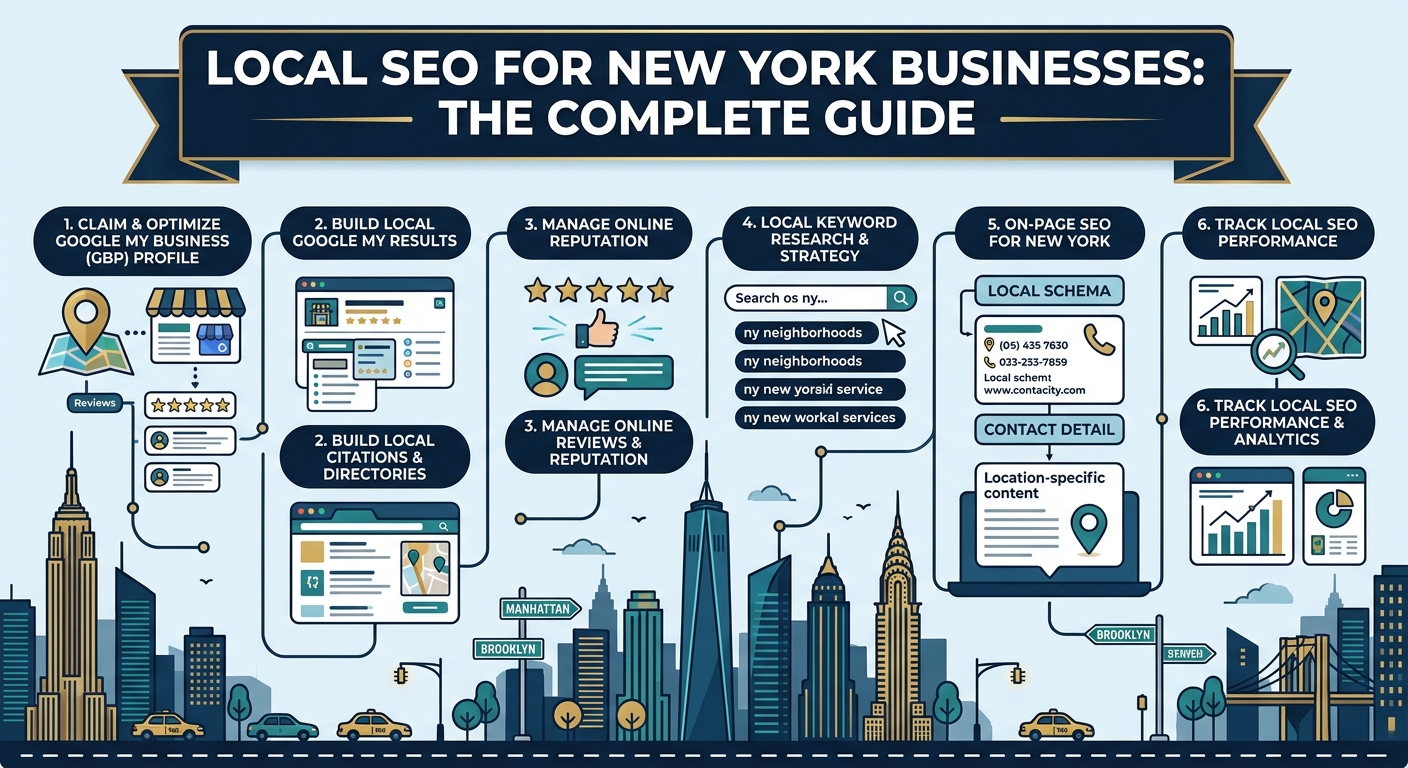
Because the company served specific neighborhoods, local visibility was just as important as national style rankings. The team first corrected every business listing so that the company name, address, and phone number matched exactly across all platforms. This simple cleanup gave search engines much stronger confidence that the business was real, active, and trustworthy.
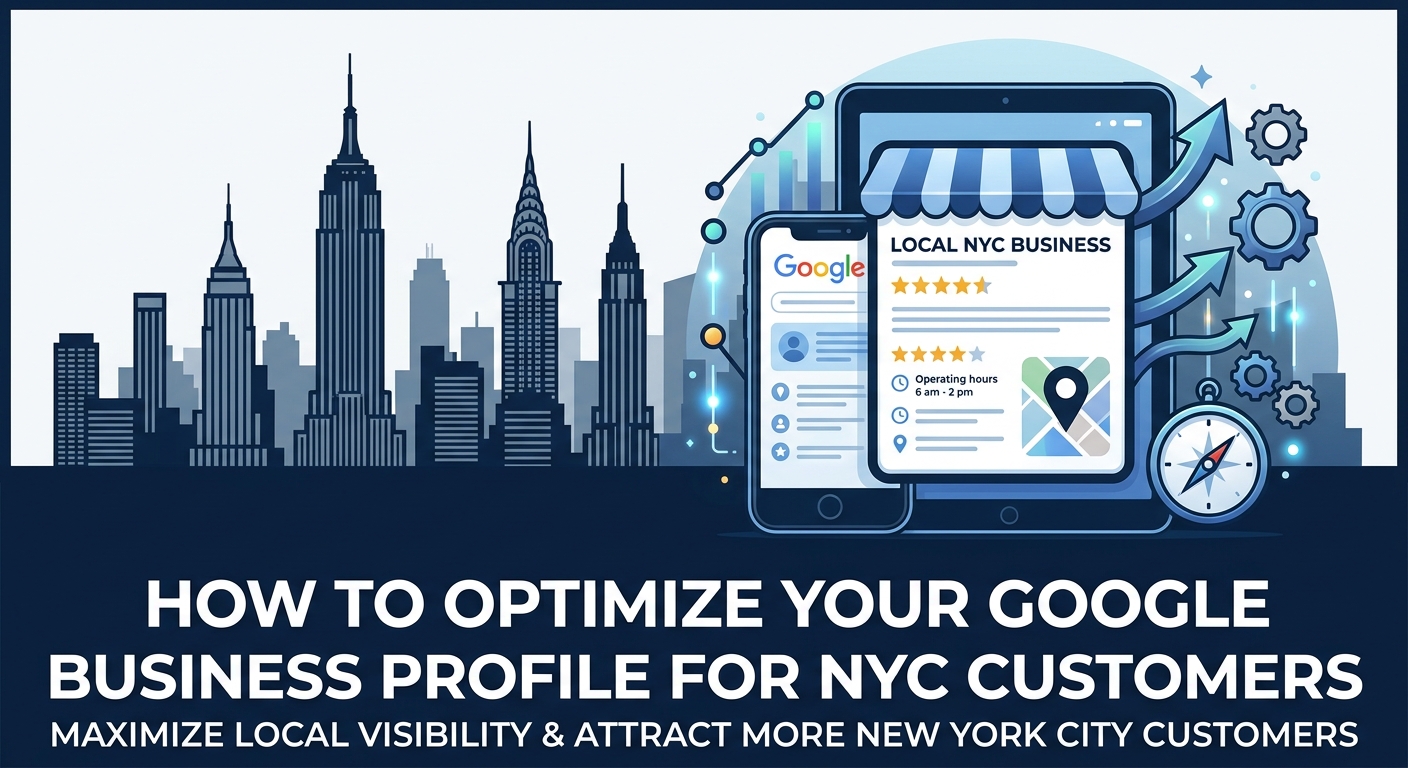
The business profile on the main map platform was fully rebuilt with accurate service areas, project photos, and a detailed description of each service. A steady review process was introduced so that satisfied clients were asked for feedback within a few days of finishing their project. The average rating stayed above 4.8, and the number of reviews grew from 37 to more than 210.
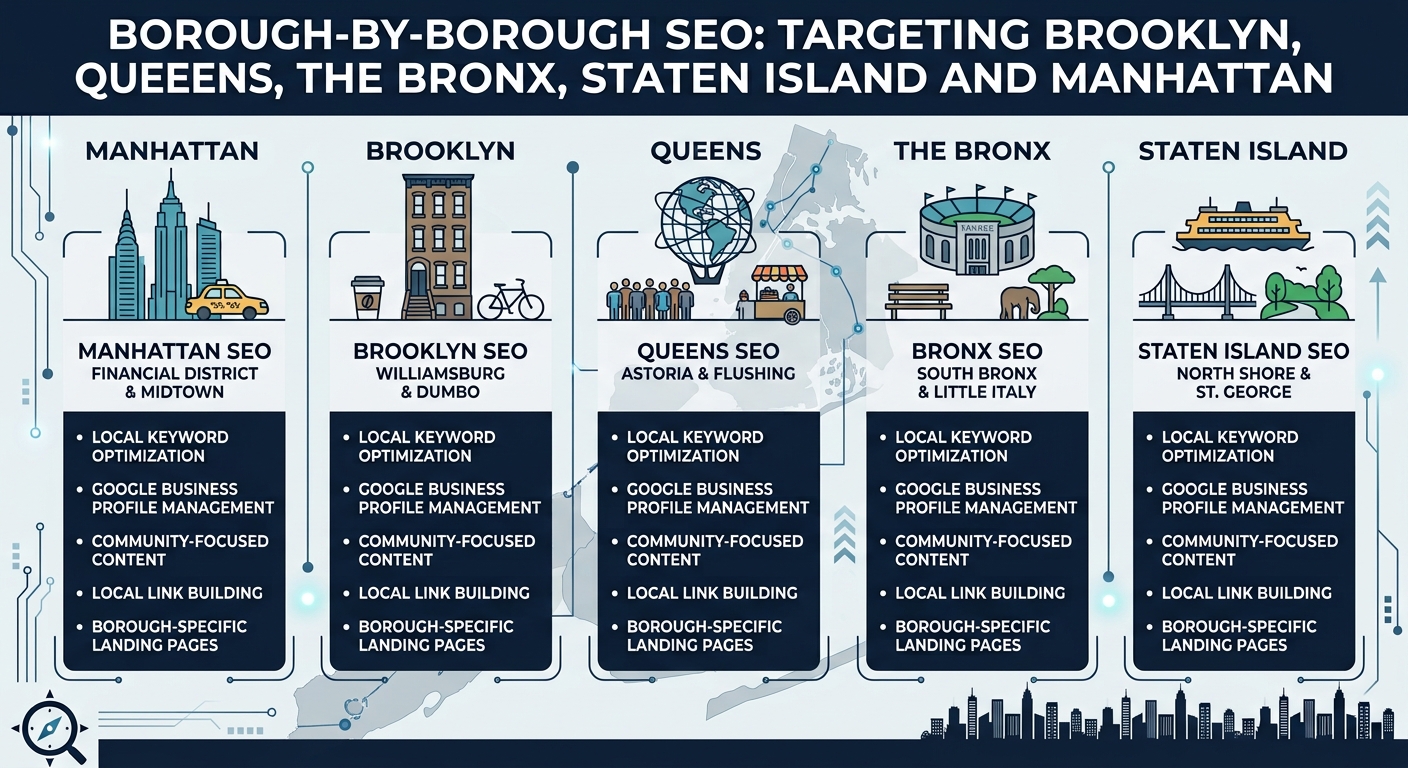
Dedicated location pages were also created for Brooklyn, Queens, and the Manhattan neighborhoods the firm served. Each page featured real projects completed in that area, local building rules, and short stories from nearby clients. This approach helped the company appear in map results and in neighborhood searches where competitors had been dominant for years.
Link Building and Authority Growth
Authority was the last major gap identified in the audit, so link building began once the content and technical foundations were stable. The team avoided bulk directories and paid link schemes. Instead, it focused on earning links from sources that real homeowners and local professionals already trusted.
The strongest links came from the cornerstone guides. Neighborhood blogs, co-op and condo community sites, and local business associations referenced the brownstone handbook and the board approval guide because those pages solved real problems. The team also shared original project cost data with regional journalists, which led to several mentions in local publications.
Over twelve months the site earned 74 new links from relevant and reputable websites. Outreach was personal and short, and every message explained exactly why the resource would help the other site’s audience. The main tactics included:
- Publishing original cost and timeline data that others wanted to cite.
- Partnering with local suppliers, architects, and property managers for shared resources.
- Sponsoring neighborhood events and earning mentions on community pages.
- Offering expert commentary to local reporters covering housing and renovation topics.
- Reclaiming unlinked brand mentions by politely asking the author to add a link.
Results and Performance Data
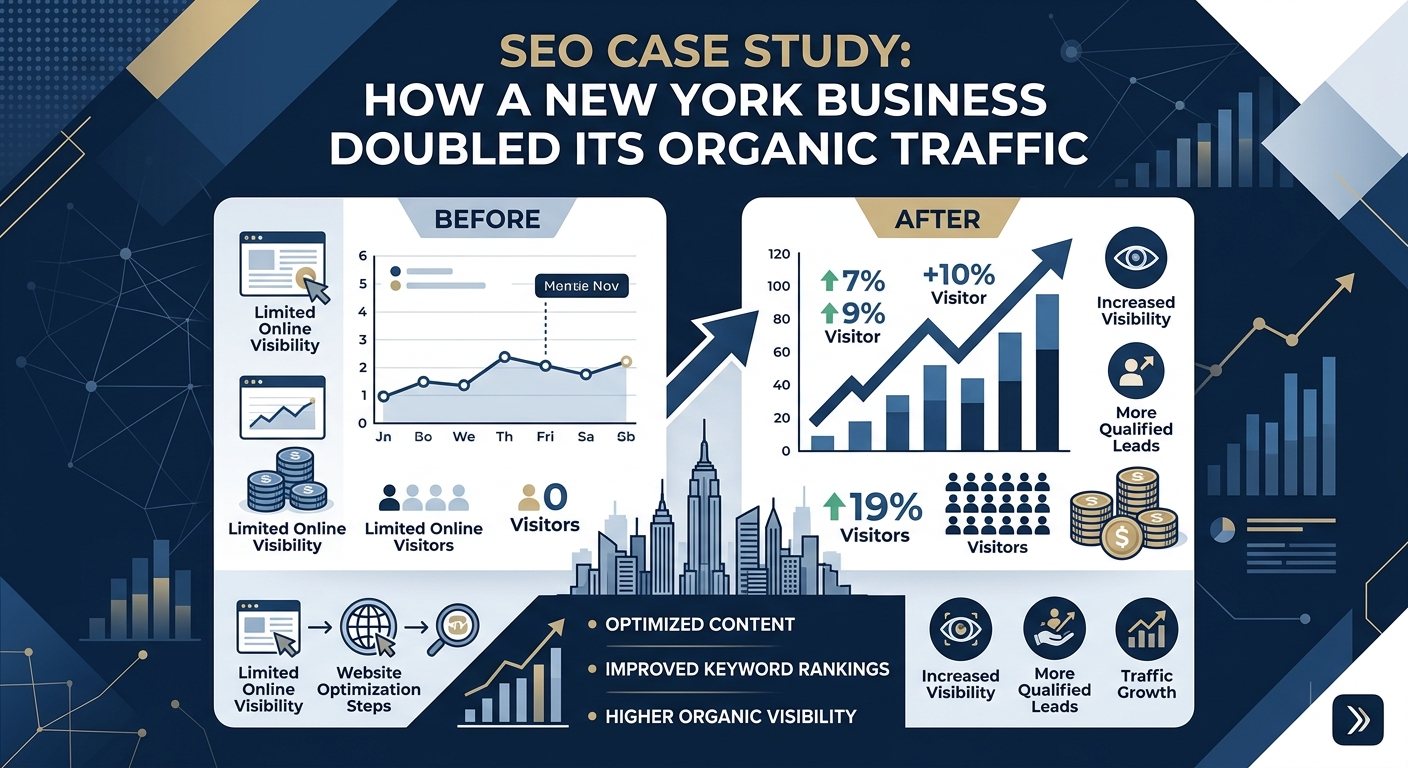
By the end of the twelve month period, the project had passed every major target set at the start. Organic traffic more than doubled, and the increase in qualified inquiries was even stronger than the increase in visits. This showed that the new content was attracting people who were ready to hire rather than casual browsers.
Growth was gradual in the first three months and then accelerated as new pages gained authority. The biggest jump came between months six and nine, when the cornerstone guides and location pages began ranking on the first page. The table below compares the starting numbers with the final results.
| Metric | Baseline at Start | After Twelve Months | Change |
|---|---|---|---|
| Monthly Organic Visits | 8,400 | 18,900 | Up 125 percent |
| Monthly Qualified Inquiries | 41 | 97 | Up 137 percent |
| Keywords in Top Five Positions | 6 | 38 | Up 533 percent |
| Mobile Load Time | 5.8 seconds | 1.7 seconds | Down 71 percent |
| Share of Leads from Paid Ads | 62 percent | 34 percent | Down 28 points |
| Google Reviews | 37 | 214 | Up 478 percent |
The business also reduced its monthly advertising budget by about 35 percent without losing total lead volume. Organic search became the largest single source of new inquiries by the tenth month. The owners finally had a growth channel that did not stop the moment they stopped paying for it.
Key Lessons From the Case Study
The first lesson is that foundations matter more than tricks. Fixing speed, structure, and broken pages created a stable base that made every later improvement work harder. Without that base, new content and links would have delivered only a fraction of their potential value.
The second lesson is that intent beats volume. Pages built around questions like cost, timeline, and permits brought fewer visitors than broad design topics would have, but those visitors were far more likely to call. Matching content to the stage of the buying journey was the single biggest driver of lead growth.
Other lessons from the project are worth remembering:
- Consistent business information across listings builds trust quickly and costs very little.
- Fewer and stronger pages usually outperform many thin pages.
- Monthly reporting keeps the plan honest and helps the team adjust early.
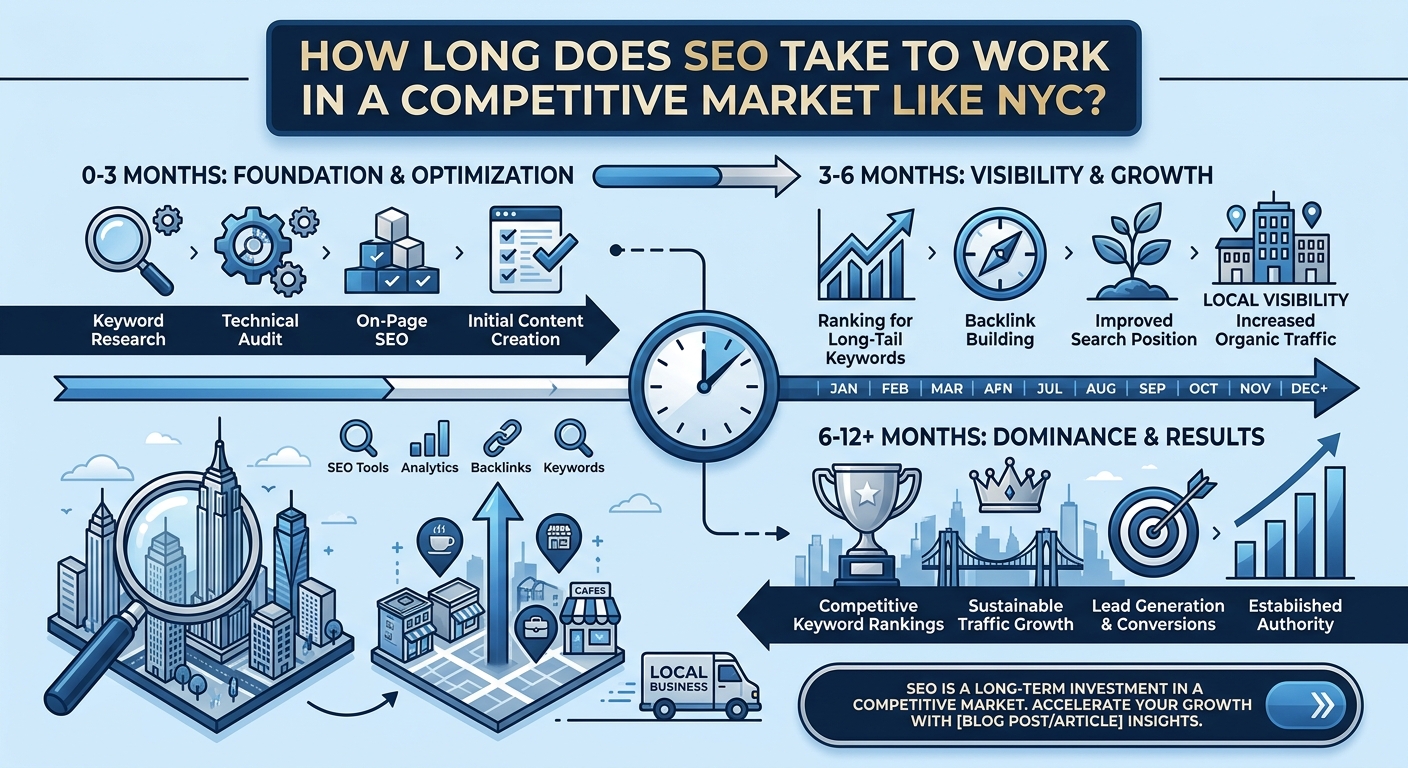
- Patience is essential because meaningful gains usually appear after the third month.
How Other Businesses Can Replicate This Success
Any business can follow the same path, even with a smaller budget. Start with a full audit so that you know exactly what is holding the site back. Then fix the technical problems, because every other effort depends on a site that loads fast and is easy to crawl.
Next, build a keyword map based on real customer questions and assign each topic to one page. Expand your most important service pages until they answer every question a buyer might ask, and support them with helpful guides. Keep your local listings accurate and ask every happy customer for a review shortly after the work is complete.
A simple twelve month roadmap looks like this:
- Months one and two: complete the audit, set up tracking, and fix critical technical errors.
- Months three and four: rewrite titles, expand service pages, and clean up local listings.
- Months five to eight: publish consistent guides, build location pages, and begin outreach.
- Months nine to twelve: strengthen top pages, earn more links, and review results to plan the next year.
Why Choose Dealmate
Dealmate helps businesses grow through search with a process that is transparent, measurable, and built around real customer behavior. The team starts with a detailed audit, sets clear targets, and reports progress in plain language so that owners always know where their investment is going. Every strategy is tailored to the market, the budget, and the goals of the business rather than copied from a template.
Clients also benefit from a balanced approach that combines technical repair, useful content, local visibility, and honest link building. Dealmate avoids shortcuts that risk penalties and focuses on gains that last. If you want a partner that treats your growth as seriously as you do, Dealmate is ready to help you build a stronger organic presence.
FAQs
1. How long does it take to see results from SEO?
Most businesses see early improvements in two to three months, especially in technical health and local visibility. Larger gains in traffic and leads usually appear between months six and twelve. The timeline depends on competition, website condition, and how consistently the work is done. Patience and steady effort are the keys to lasting growth.
2. Is it realistic for a small business to double its organic traffic?
Yes, it is realistic when the starting point is weak and the plan is focused on the right priorities. Many small sites lose traffic because of simple problems such as slow speed and thin content. Fixing these issues often unlocks fast gains. Results will vary, but steady progress is achievable with the right strategy.
3. What is the most important first step in an SEO project?
The most important first step is a complete audit of technical health, content quality, backlinks, and local signals. This audit shows exactly what is holding the site back. It also helps you rank problems by their likely impact on traffic. Without it, you risk spending money on tasks that will not move the needle.
4. How many blog posts should a business publish each month?
Quality matters far more than quantity, so the right number depends on your resources and goals. In this case study, about four to five helpful articles per month produced strong results. Each article was built around a real customer question. Publishing fewer excellent posts is better than publishing many weak ones.
5. Does local SEO matter for service businesses?
Local SEO is essential for any business that serves customers in specific areas. Most people searching for a contractor, clinic, or repair service want someone nearby. Accurate listings, strong reviews, and location pages help you appear in map results. These signals often bring the highest quality leads.
6. Are backlinks still important for ranking?
Backlinks remain one of the strongest signals of trust and authority in search. The quality of the linking website matters far more than the number of links. A few links from respected local sources can outperform dozens from irrelevant directories. Earning links through useful content is the safest long term method.
7. Can SEO replace paid advertising completely?
SEO can greatly reduce your reliance on paid advertising, but most businesses benefit from using both. Paid ads give quick visibility while organic rankings take time to build. Once organic results grow, you can lower ad spending without losing leads. The best mix depends on your goals and your market.
8. How important is mobile speed for search performance?
Mobile speed is very important because most searches now happen on phones. Slow pages frustrate visitors and cause them to leave before they take action. Search engines also use page experience signals when ranking results. Improving speed often raises both rankings and conversion rates.
9. How do I measure whether my SEO campaign is working?
Track organic visits, keyword positions, qualified inquiries, and conversion rates every month. Connect call tracking and form tracking so that you can link leads to their source. Compare each result with the baseline recorded before the project began. Revenue growth from organic leads is the clearest sign of success.
10. Why do some SEO campaigns fail to deliver results?
Many campaigns fail because they rely on shortcuts, ignore technical problems, or target the wrong keywords. Others stop too early before the content has time to gain authority. A lack of clear goals and reporting also makes it hard to adjust the plan. A transparent and patient strategy avoids most of these problems.
Conclusion
This case study shows that doubling organic traffic is not about luck or secret tactics. It is the result of fixing foundations, writing content that answers real questions, strengthening local trust signals, and earning authority in a steady and honest way. Each step supported the next, and the combined effect was far greater than any single action alone.
If your business is facing rising advertising costs or weak visibility, the same framework can help you build a more reliable growth channel. Start with a clear audit, set measurable goals, and commit to consistent improvement over the full year. With the right plan and a dependable partner, lasting organic growth is well within reach.