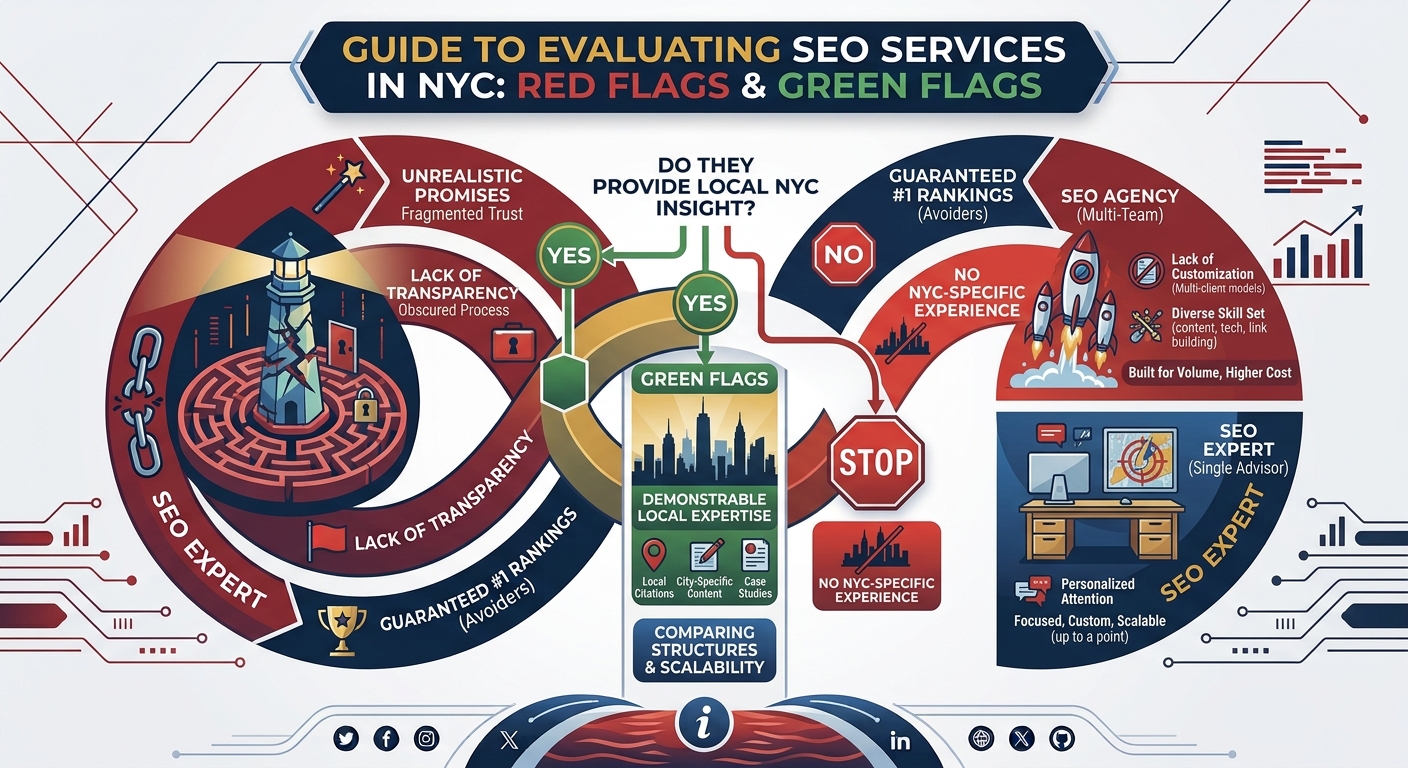
Introduction: Why the Wrong Hire Costs So Much
Hiring an SEO consultant in New York can feel like a leap of faith. The city is packed with freelancers, boutique firms, and large agencies, and almost all of them promise higher rankings, more traffic, and a stream of new customers. Sorting the skilled professionals from the confident talkers is hard, especially when you are busy running your own business.
The cost of a poor choice goes far beyond the monthly fee. Months of lost momentum, damaged search visibility, and a website filled with weak or copied content can take far longer to repair than the original contract lasted. Meanwhile, your competitors keep climbing the results page and collecting the customers you wanted.
The good news is that most bad hires leave warning signs well before any money changes hands. If you know what to look for, you can spot trouble during the first call or the first proposal and walk away early. This guide shows you exactly which red flags matter most, why they appear, and what a healthy alternative looks like.
Here is what you will gain from reading this guide:
- A clear list of warning signs in promises, pricing, methods, and communication
- Simple comparisons that show the difference between honest and risky answers
- Practical questions you can use in real interviews
- A step-by-step way to vet any consultant before you sign
Why Red Flags Matter in the NYC Market
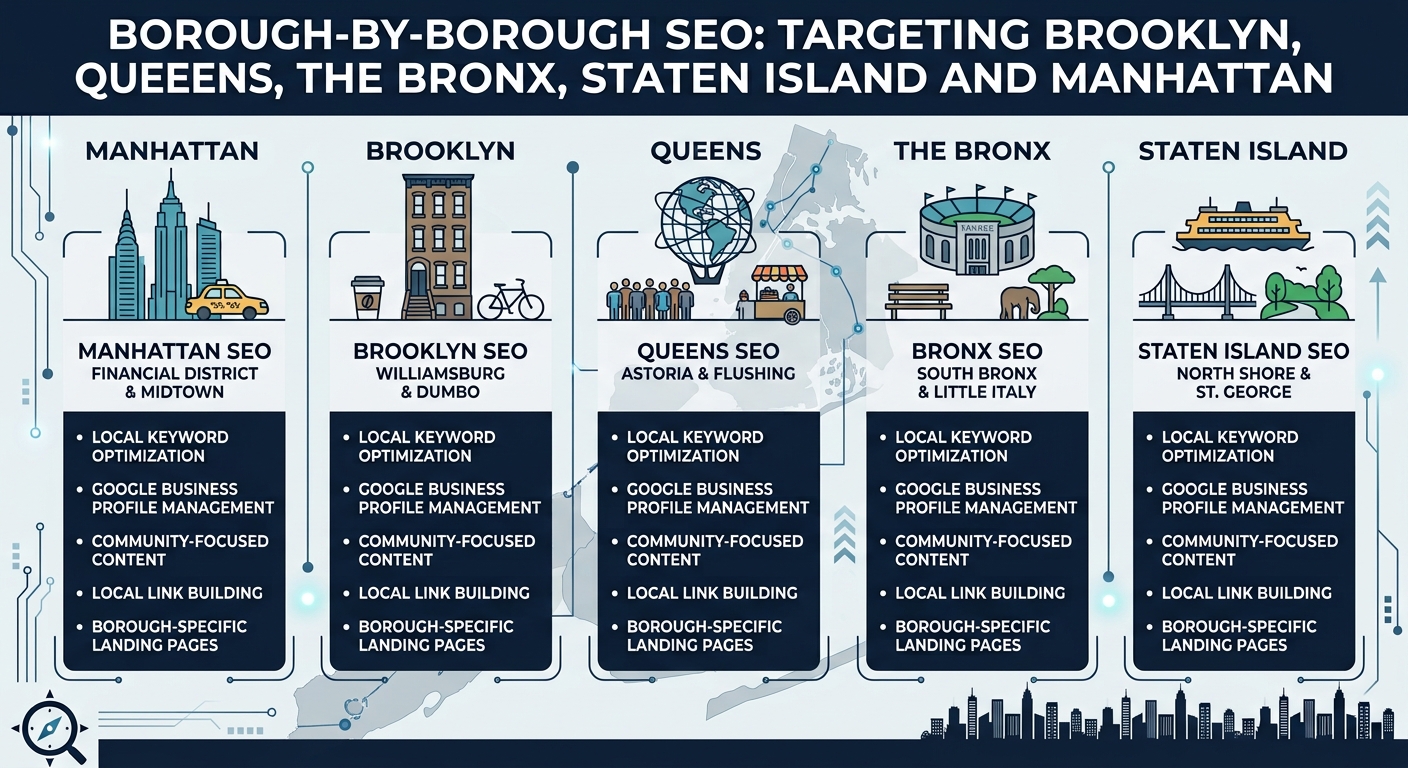
New York is one of the toughest search markets anywhere in the world. Thousands of businesses across Manhattan, Brooklyn, Queens, the Bronx, and Staten Island compete for the same customers, and many already invest heavily in digital marketing. In a market this crowded, a single weak strategy can leave you buried on page three while rivals collect the calls.
Costs are also higher here than in most regions. Marketing budgets, content production, and agency fees all carry a premium, so every month spent on poor work hurts more than it would elsewhere. A wrong decision in this city often means thousands of dollars with very little to show for it.
Another reason red flags matter is that SEO has no official license or universal certification. Anyone can describe themselves as an expert, whether they have ten years of proven results or ten days of reading blog posts. Because of this, your own judgment is the main protection you have, and it pays to sharpen it before you start interviewing.
Bad tactics can also do lasting harm. Some shortcuts, such as buying links or copying content, can trigger penalties that remove your pages from search results for months. Recovering from that kind of damage takes patient cleanup work, and you may pay twice: once for the harmful work and again for the repair.
Keep these consequences in mind when you feel tempted to overlook a warning sign:
- Wasted budget on work that never moves the needle
- Search penalties that suppress your website
- Lost time while competitors gain ground
- Content and accounts that you cannot fully control
Unrealistic Promises and Guarantees
The loudest red flag in the industry is the guarantee. Any consultant who promises a first page position, a number one ranking, or a fixed result by a certain date is either misleading you or planning to use risky tactics. Search results are shaped by hundreds of signals that change constantly, and only the search engine itself controls the final outcome.
Honest professionals talk in ranges and probabilities instead of certainties. They explain what influences results, such as your competition, your current website, and your budget, and they describe what progress should look like at each stage. A calm answer that includes some uncertainty is a far better sign than a bold promise.
Be careful with phrases that sound impressive but explain nothing. Claims like secret formula, insider method, or proprietary trick are often cover for shallow work or shortcuts that violate search guidelines. A real expert is happy to explain the process in plain language, because good SEO relies on solid fundamentals rather than hidden magic.
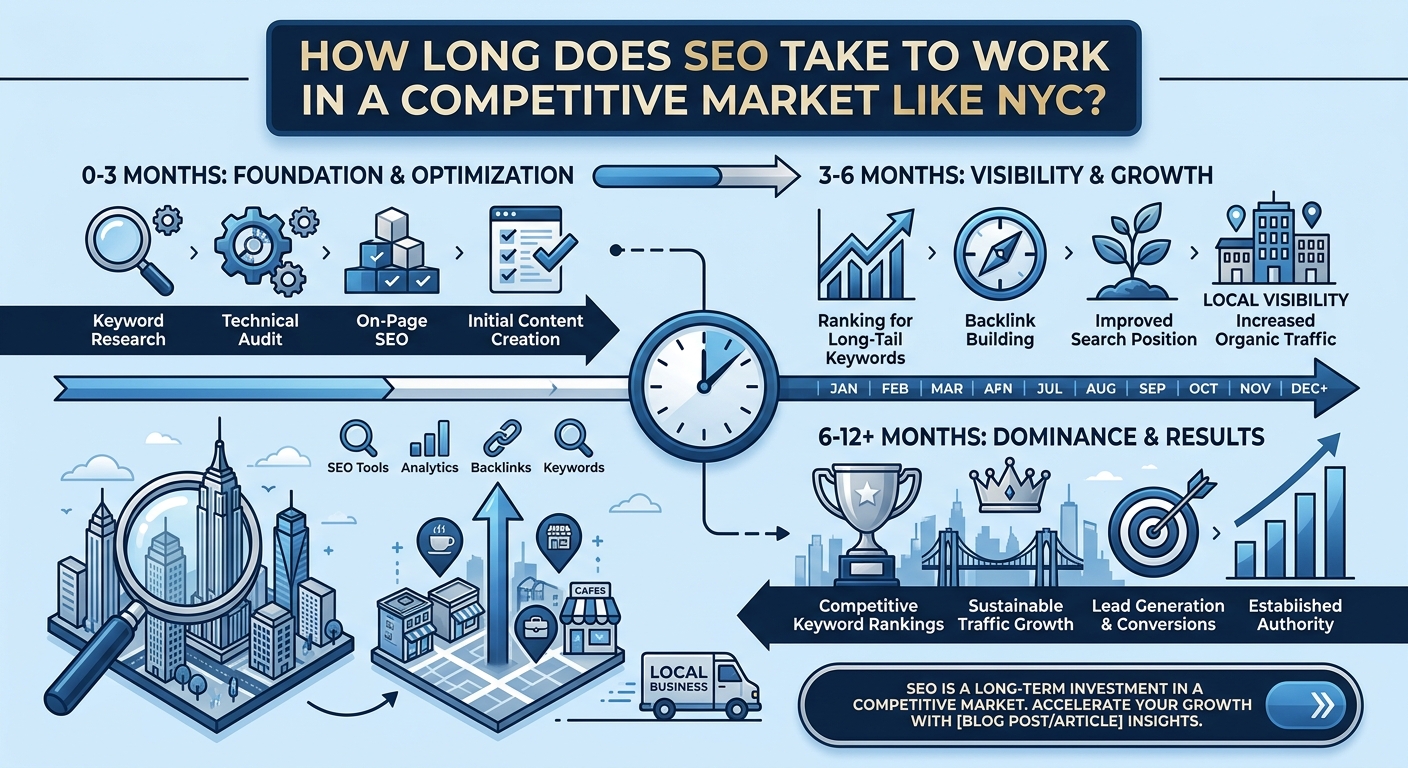
Speed claims deserve the same suspicion. In a competitive city, early improvements often appear after three to four months, while stronger gains can take six to twelve months or longer. Someone who promises dramatic results in a few weeks is either exaggerating or using methods that may harm you later.
Use these quick checks when you hear a big promise:
- Does the consultant offer a timeline range instead of a single date?
- Are the milestones tied to your business goals and not just rankings?
- Does the answer include what could slow progress?
- Is the tone honest and measured rather than pushy?
The table below compares risky claims with the honest answers you should expect instead.
| Risky Claim | Why It Is a Problem | Honest Alternative |
|---|---|---|
| We guarantee number one rankings | No one controls search results | We aim to improve visibility and will track progress monthly |
| Results in two weeks | Real gains need time to build | Early signs often appear within three to four months |
| We use a secret method | Hides weak or risky tactics | Here is our process and why each step matters |
| Our system works for every business | Ignores your market and competition | Our plan is built around your industry and area |
Pricing That Does Not Add Up
Price is where many warning signs first appear. A quote that is far below the market rate usually means the provider will cut corners, whether through mass-produced links, copied content, or minimal effort. Good SEO takes real hours from skilled people, and those hours cost money in a city like New York.
Do not assume that a very high price solves the problem, though. Some consultants charge premium fees for generic reports and templates that they reuse across clients. A fair price reflects real work tailored to your business, and you should be able to see exactly what that work is.
Vague deliverables are another common trap. Phrases such as optimization services, SEO management, or growth package say very little about what you will actually receive each month. A trustworthy proposal lists specific tasks, such as the number of content pieces, the pages to be improved, and the reports you will receive.
Hidden charges can quietly inflate your bill as well. Software tools, content writing, link outreach, and setup work are sometimes billed separately even though the proposal makes them sound included. Ask directly what is covered by the monthly fee and what costs extra, and get the answer in writing.
Pressure to decide quickly is a related warning sign. Limited-time discounts and urgent deadlines are designed to stop you from comparing options and asking questions. A confident provider gives you time to think and welcomes comparison with other candidates.
Watch for these pricing warning signs in any proposal:
- A price far below what other providers quote for similar work
- A scope of work that is vague or missing entirely
- Extra fees that appear only after you ask detailed questions
- Pressure to sign immediately for a special offer
- A refusal to explain how the price was calculated
The table below shows how healthy pricing differs from risky pricing.
| Pricing Area | Warning Sign | Healthy Sign |
|---|---|---|
| Monthly fee | Extremely cheap with big promises | Fair rate matched to a clear scope |
| Deliverables | Vague phrases like optimization work | A written list of monthly tasks |
| Extra costs | Surprise charges for tools and content | Clear statement of what is included |
| Contract terms | Long commitment with heavy penalties | Short initial term with a review point |
| Sales approach | Urgent discounts and pressure | Time to compare and ask questions |
Pricing red flags rarely appear alone, and that is why they are so useful. When unrealistic promises and unclear pricing show up together, the chance of a poor outcome rises sharply.

Risky Link Building and Content Tactics
The methods a consultant uses can make or break your long-term success. Some tactics deliver steady growth, while others create short spikes that end in penalties and lost visibility. Because you may never see the work being done, it is vital to ask how a consultant earns links and creates content before you hire anyone.
Link building is one of the most abused areas of SEO. Ethical methods include creating genuinely useful content, building relationships with local organizations, earning mentions in news and industry publications, and partnering with relevant businesses. Risky methods include buying large packages of links, joining private networks of websites, and placing links on unrelated pages that exist only to sell them.
A simple test can help you judge the answer you receive. Ask the consultant to describe a recent example of how they earned a valuable link and what made it successful. A confident professional will explain the process openly and describe the types of websites they target, while a risky one will talk about guaranteed link volume or secret networks.
Content deserves just as much scrutiny. Strong content answers real customer questions, shows genuine experience, and is written for people before search engines. Weak content is copied from other sites, spun with software, or mass-produced with little review, and it can drag down your whole website.
Search engines have become much better at recognizing low-quality material. Pages that repeat the same phrases, stuff in keywords, or add no new value may be demoted or removed from results. Recovering from that kind of damage is slow and expensive, so prevention is far better than repair.
Look out for these risky method warning signs:
- Promises of a fixed number of links each month
- Links placed on unrelated or low-quality websites
- Content that is copied, spun, or produced in bulk
- Keyword stuffing and hidden text on pages
- Refusal to explain how outreach is actually done
Healthy alternatives look very different. A responsible consultant focuses on quality over quantity, builds relationships slowly, and creates material that real customers want to read. They are also willing to refuse tactics that put your website at risk, even when a client asks for a quick fix.
Weak Reporting and Missing Transparency
Even a good strategy loses value if you cannot see what is happening. Clear reporting builds trust and lets you judge whether your investment is working. A consultant who avoids reporting, or who hides behind jargon, is giving you a strong reason to be careful.
The best reports answer one simple question, which is whether the work is helping your business grow. They connect search activity to real outcomes such as calls, form submissions, bookings, and sales. They also list completed tasks and planned next steps so you always know what your money is buying.
Weak reports look very different. Some show only impressive charts of traffic or rankings without explaining what the numbers mean for revenue. Others focus on vanity metrics, such as impressions or total keywords tracked, that look good but have little influence on your income.
Transparency goes beyond the report itself. A trustworthy consultant explains their process in plain language, answers questions without defensiveness, and admits when something did not work as planned. If every question is met with vague answers or technical buzzwords, the consultant may not understand the work or may be hiding something.
Ask to see a sample report before you hire anyone. It shows how the consultant communicates and what they consider important. If they refuse to share one, or if the sample is packed with jargon and missing business results, treat that as a warning.
The table below compares weak and strong reporting practices.
| Reporting Area | Weak Practice | Strong Practice |
|---|---|---|
| Frequency | Irregular updates or only when asked | Monthly updates with a review call |
| Content | Traffic and ranking screenshots only | Leads, calls, and revenue linked to search |
| Language | Heavy jargon with no summary | Plain explanations anyone can follow |
| Tasks | No list of completed work | Clear list of work done and next steps |
| Honesty | Only good news is shared | Challenges and setbacks are explained |
| Data access | Data shared only through the consultant | Direct access to your own analytics |
Account Ownership and Contract Traps
Ownership is one of the most important and most overlooked parts of any SEO relationship. Everything created for your business, including your website, analytics, search console, Google Business Profile, and written content, should belong to you. A consultant who sets these up under their own name can hold your business hostage if the relationship ends.
Ask specifically about access to each account and request written confirmation of ownership. A trustworthy consultant will agree immediately and give you full administrator access. Any hesitation, vague language, or suggestion that these assets belong to the provider should be treated as a serious warning.
Ownership matters even if you plan to work with the same consultant for many years. Circumstances change, and full control gives you the freedom to switch providers, bring the work in house, or audit performance independently. It also shows that the consultant is confident enough in their results to let you walk away.
Contract terms can create their own traps. Some agreements lock you into twelve months or longer with heavy cancellation fees and no way to review performance. Others include automatic renewals buried in small print, so you keep paying long after you meant to stop.
Fair agreements look different. They usually include a short initial term with a review point after the first few months, a reasonable notice period, and a clear list of monthly deliverables. They also explain what happens to your accounts, content, and data if you decide to leave.
Read every contract carefully and watch for these warning signs:
- Accounts or tools registered under the consultant’s name
- Long minimum terms with no performance review
- Heavy fees for cancelling early
- Automatic renewals hidden in the fine print
- No written scope of work or list of deliverables
- Content rights that stay with the consultant
If anything in the contract feels unclear, ask for clarification in writing before you sign. A confident consultant will happily explain every clause, while a risky one may rush you or dismiss your concerns.
Lack of Local New York Knowledge
New York searches are deeply local, and customers often search by neighborhood, borough, or even a specific street. A business in Astoria faces a very different environment from one in the Financial District, and a strategy that treats the entire city as one market will miss many of the people most ready to buy. Local knowledge is not a bonus in this city. It is a core skill.
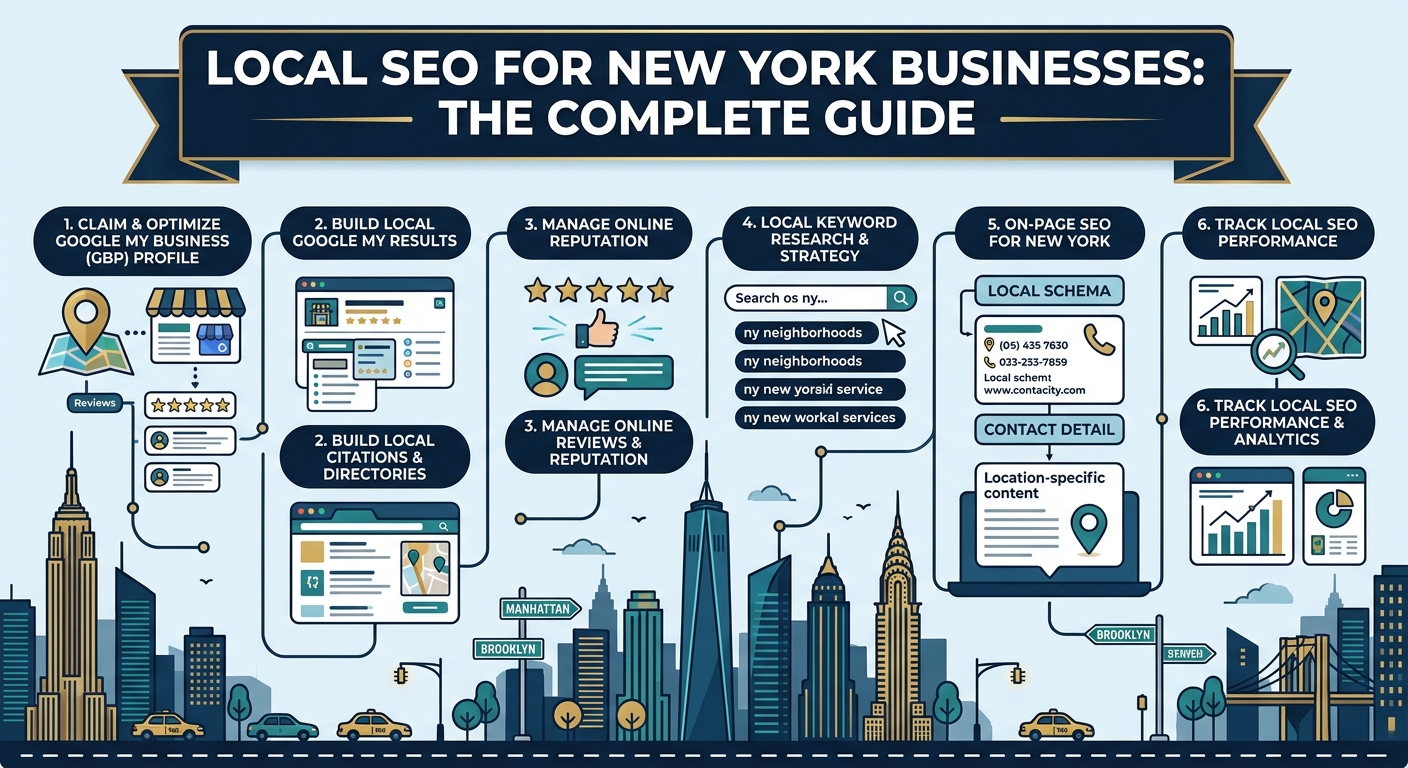
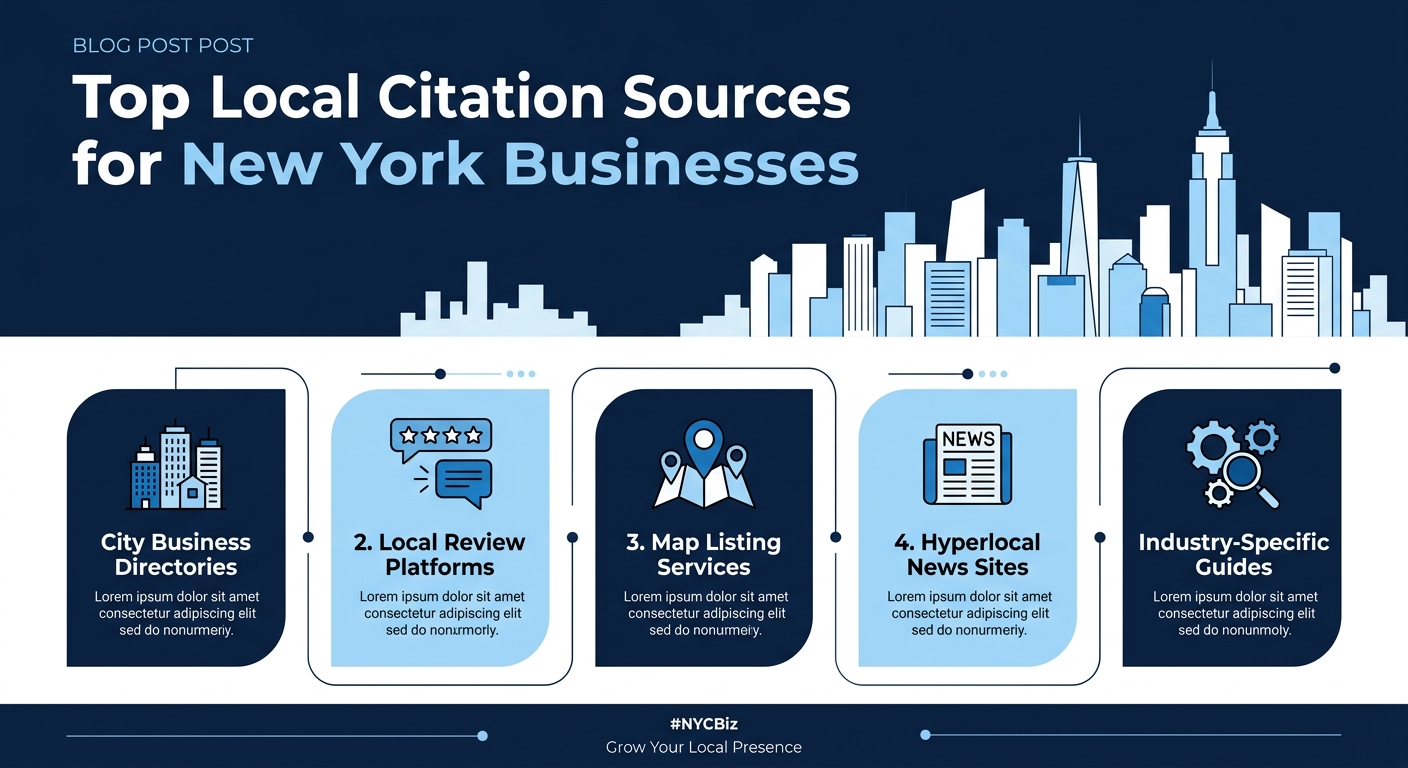
A consultant who understands New York will talk about optimizing your Google Business Profile, building consistent listings across trusted directories, and collecting genuine customer reviews. They will also describe how they plan to create location-focused pages and content that match the way real people search in your area. If you serve several boroughs, they should explain how each location will receive its own attention.
Be wary of generic answers. If the only local strategy you hear is adding the words New York to your pages, the consultant likely lacks real experience with local search. The same applies to someone who has never worked with businesses in your type of market and cannot explain how competition differs between neighborhoods.
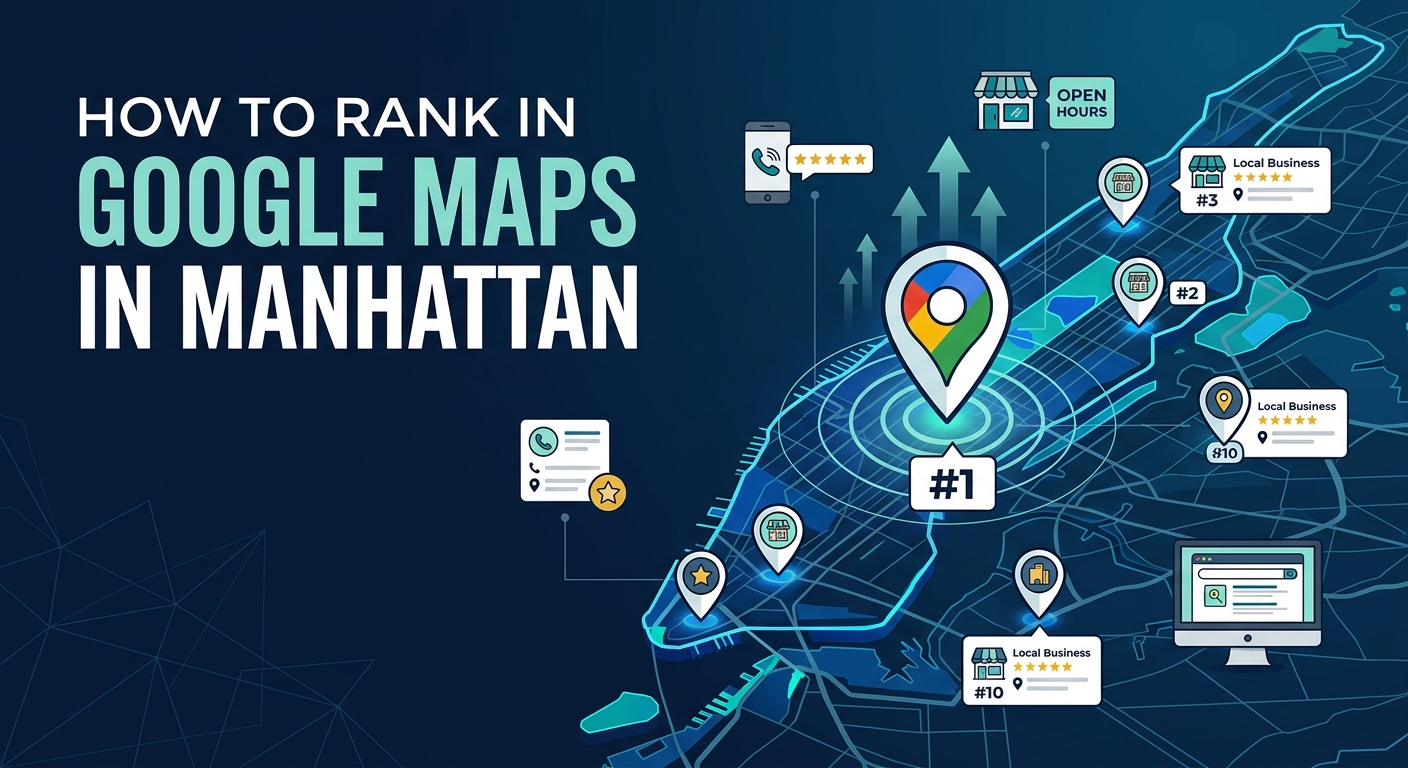
Local SEO is also tied to proximity, relevance, and reputation. A strong consultant explains how each of these influences map results and describes how they will improve all three. They should also understand how mobile searches, voice queries, and busy commuter patterns shape the way New Yorkers look for services.
Use the questions below to test local knowledge:
- How will you handle search differences between my neighborhood and others?
- What is your plan for my Google Business Profile and reviews?
- Have you worked with businesses in my borough or industry?
- How will you create content that matches local search habits?
Local expertise often separates a consultant who delivers steady results from one who offers generic advice. With the main warning signs in methods, reporting, contracts, and local skill now clear, you are ready to learn how to vet a consultant properly.

Proof of Results and Poor Communication
Experience is the best predictor of future performance, so a consultant who cannot show real results deserves close attention. Anyone can claim to be an expert, but only a genuine professional can point to past clients, measurable growth, and honest lessons from projects that did not go perfectly. Ask for case studies that include starting points, actions taken, and outcomes over time.
Strong proof includes real numbers such as growth in organic traffic, improved local rankings, or more calls and bookings, along with a clear explanation of how long each result took. Be careful if the examples come from unrelated industries, if the numbers are vague, or if the consultant refuses to share any details. Confidentiality is a fair reason to hide a client name, but a good consultant will offer alternatives such as anonymous case studies or a reference call.
References are another useful test. A confident professional will gladly connect you with a satisfied client who can describe the working relationship, the results, and how problems were handled. Reluctance to provide any reference at all is a reason to keep looking.
Communication problems are just as telling as missing proof. If a consultant is slow to reply before you sign, you can expect even less attention after the contract begins. Watch how they respond to tough questions, because defensiveness, dodging, or heavy jargon often signal weak understanding or something to hide.
Sales pressure belongs in the same category. A consultant who pushes you to sign quickly, criticizes competitors instead of explaining their own approach, or offers a discount that expires today is trying to stop you from thinking clearly. Good professionals give you time, answer every question, and respect your decision process.
Look for these warning signs in proof and communication:
- No case studies or only vague claims of success
- Examples that do not match your industry or location
- Refusal to provide references or sample reports
- Slow, unclear, or defensive replies to simple questions
- Pressure to sign quickly or criticism of other providers
The table below compares warning signs with healthy behavior in this area.
| Area | Warning Sign | Healthy Sign |
|---|---|---|
| Case studies | Vague claims with no numbers | Clear before and after results with timelines |
| References | Refusal to connect you with clients | Willingness to arrange a reference call |
| Responsiveness | Slow or inconsistent replies | Prompt, clear answers to every question |
| Tone | Defensive, pushy, or dismissive | Calm, open, and willing to explain |
| Sales style | Urgent deadlines and discounts | Time to compare and decide |
How to Vet an SEO Consultant Before Hiring
Vetting turns a gut feeling into a decision based on evidence. Start by defining what you want in plain business terms, such as more phone calls, more bookings, or more store visits. Then set a monthly budget range you can sustain for at least six months, since search results build gradually.
Next, build a shortlist of three to five candidates and ask each one the same core questions. Taking notes during every conversation keeps your decision grounded in facts instead of memory or charm. Comparing answers side by side makes differences in quality much easier to see.
Focus your questions on the areas where red flags usually hide. Ask how the audit will work, which methods are used to earn links, what reports will include, who will own the accounts, and what the contract terms are. Ask for a sample report and at least one case study from a business similar to yours.
After the interviews, score each candidate from one to five on experience, honesty about results, communication, local knowledge, and contract fairness. Give extra weight to the areas that matter most to your business, such as transparency or local expertise. The highest score is not always the winner, so also consider how comfortable you felt during the conversation.
Use this vetting checklist before you sign anything:
- Ask for case studies from businesses like yours
- Request a sample report and read it carefully
- Confirm in writing that you will own all accounts and content
- Ask how links are earned and which tactics are refused
- Review contract length, notice period, and cancellation fees
- Speak with at least one past client if possible
- Compare at least three candidates using the same questions
The table below shows a simple scoring grid you can adapt for your own interviews.
| Vetting Area | Weight | Candidate A | Candidate B | Candidate C |
|---|---|---|---|---|
| Case studies and proof | High | Score here | Score here | Score here |
| Honest timelines | High | Score here | Score here | Score here |
| Methods and risk | High | Score here | Score here | Score here |
| Reporting and ownership | Medium | Score here | Score here | Score here |
| Local New York knowledge | Medium | Score here | Score here | Score here |
| Contract fairness | Medium | Score here | Score here | Score here |
A single red flag does not always mean a consultant is dishonest, but several together should end the conversation. Trust your instincts and ask for clarification whenever something feels wrong. It is far cheaper to walk away during an interview than to escape a bad contract later.
Why Choose Dealmate
Dealmate treats search optimization as a partnership built on honesty, clear communication, and measurable outcomes. Every engagement begins with a thorough review of your website, your competitors, and your local market, so the strategy fits your goals instead of following a generic package.
The team avoids every warning sign described in this guide. Methods follow search engine guidelines, reports connect search activity to real leads, and you always know what is being done and why it matters. Here is what you can expect when you work with Dealmate:
- Honest timelines with no impossible promises
- A written scope of work that lists every deliverable
- Ethical link building and original content
- Plain-language monthly reports tied to leads and sales
- Full ownership of your accounts, content, and data
- Named contacts with clear response times
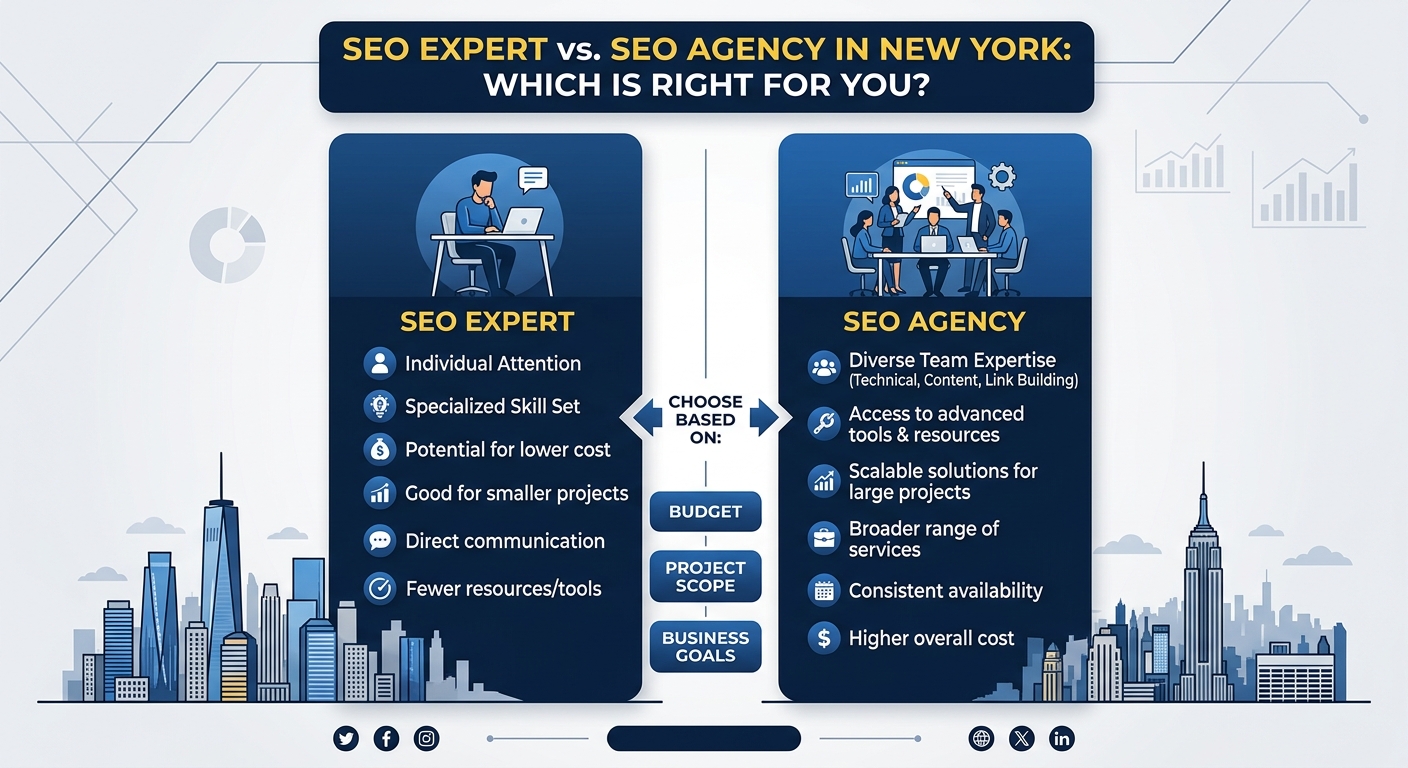
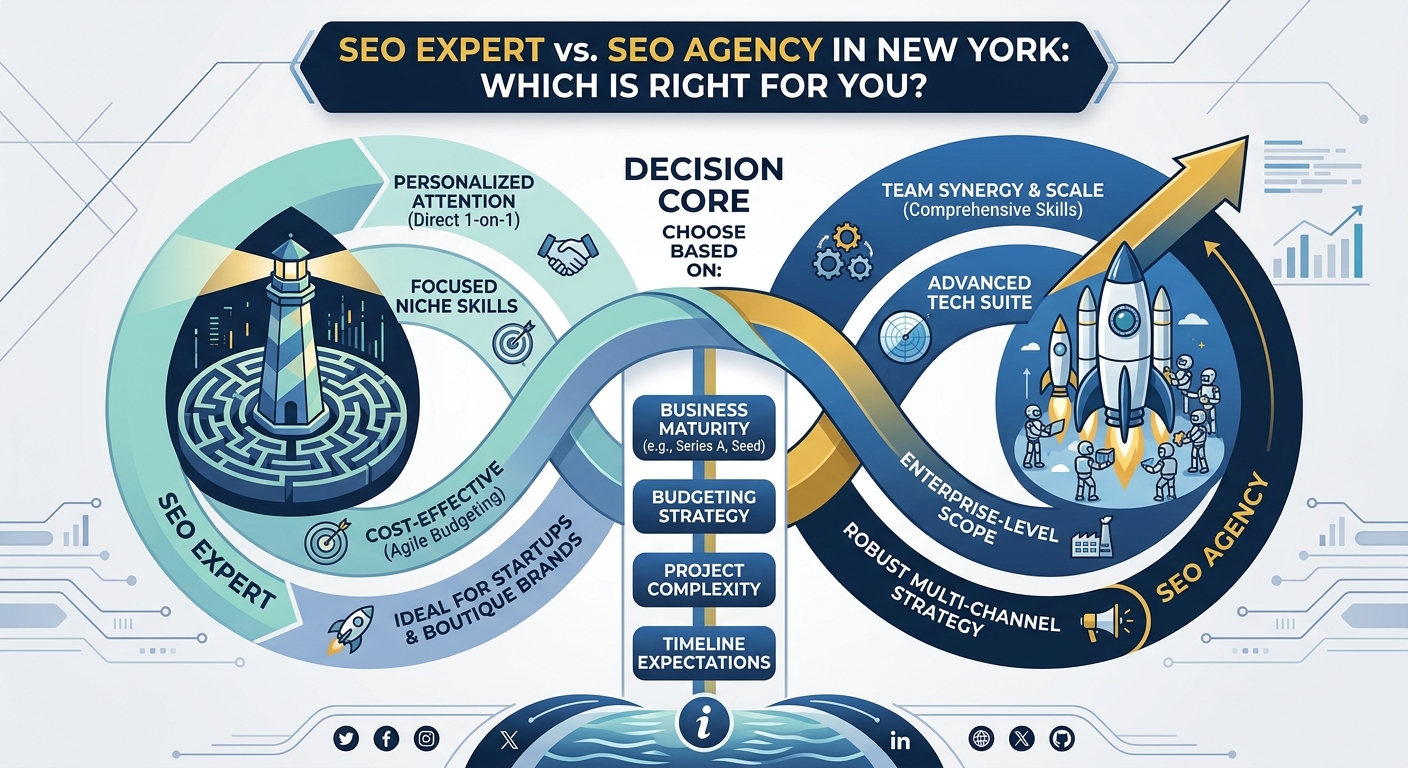
Dealmate combines the personal attention of an independent expert with the structure and depth of a full team. If you want to test the questions in this guide, the team welcomes every one of them.
Frequently Asked Questions
What is the biggest red flag when hiring an SEO consultant?
The biggest red flag is a guarantee of a specific ranking or a fixed result by a certain date. No honest professional controls search results, because hundreds of factors change constantly. Anyone offering a guarantee is either misleading you or planning to use risky tactics. Look instead for clear strategies, realistic timelines, and measurable progress.
Is a very cheap SEO package always a bad sign?
Very low prices often point to copied content, mass-produced links, or minimal effort. These shortcuts can harm your rankings and take months to repair. A fair price usually reflects real time, skill, and ongoing reporting. Focus on value and clarity instead of choosing the lowest quote.
How can I tell if a consultant uses risky link building?
Ask them to describe a recent example of how they earned a valuable link. Honest consultants explain the process openly and describe the kinds of websites they target. Promises of a fixed number of links, secret networks, or bulk packages are strong warning signs. Quality and relevance should always matter more than quantity.
What should a good SEO report include?
A useful report shows organic traffic, keyword movement, local map visibility, and the leads or sales that came from search. It should also list completed tasks and planned next steps. Plain language matters more than complicated charts. If you cannot understand a report, ask for a clearer format.
Do I need to own my accounts and website content?
Yes, you should always keep full ownership of your website, analytics, listings, and content. This protects you if you change providers or end the contract. Confirm ownership terms in writing before work begins. A trustworthy consultant will agree without hesitation.
How long should an SEO contract be?
A short initial term with a review point after the first few months is usually the safest choice. Long contracts with heavy cancellation fees can trap you with a weak provider. Look for fair notice periods and a clear list of monthly deliverables. Good work shows itself through steady progress, so a confident consultant does not need to lock you in.
Why does local knowledge matter in New York?
New York searches are shaped by neighborhoods, boroughs, and even individual streets. A consultant with local experience knows how to optimize your Google Business Profile, build consistent listings, and create location-focused content. Generic strategies often miss the nearby customers who are most ready to buy. Ask for examples of local work before you hire.
What proof of results should I ask for?
Ask for case studies from businesses similar to yours, including starting points, actions taken, and measurable outcomes. Request a reference call with a past client if possible. Honest consultants also explain how long each result took and what challenges appeared. Vague claims and refusal to share any details are reasons for caution.
How long does it take to see real results?
Most businesses notice early improvements within three to four months. Competitive New York industries may need six to twelve months for strong ranking gains. Results build gradually because search engines need time to evaluate your changes. Be wary of anyone who promises dramatic results in a few weeks.
What should I do if I already hired a bad consultant?
Start by securing ownership of your website, analytics, and listings, and request administrator access in writing. Review the contract for notice periods and cancellation terms, then end the relationship as cleanly as possible. Ask an independent professional to audit the work done so far and repair any harmful links or content. Use the vetting checklist in this guide to choose a better partner next time.
Conclusion: Choosing With Confidence
Choosing an SEO consultant in New York becomes far less risky when you know which warning signs to watch for. Unrealistic promises, unclear pricing, risky methods, weak reporting, contract traps, missing local knowledge, and poor communication all point toward trouble. Spotting even a few of them early can save you months of lost time and thousands of dollars.
Take your time, ask the same questions of every candidate, and score each answer fairly. Choose the consultant who explains the work openly, protects your ownership, and measures success by the customers you gain.