Introduction to Restaurant SEO in New York
New York is often called the dining capital of the world, and for good reason. The city holds tens of thousands of restaurants, from corner delis and family run taquerias to tasting menu destinations that book out weeks ahead. With so many options on every block, the question for any owner is not just how to cook well, but how to be found by hungry people at the exact moment they decide where to eat.
Today that decision almost always begins on a phone. Diners type phrases such as best Italian near me, brunch in Williamsburg, or romantic dinner in the West Village, and then choose from the first few results they see. If your restaurant does not appear in those results with strong photos, accurate hours, and an easy way to book, those diners will simply choose someone else.
Search engine optimization, usually called SEO, is the practice of making your restaurant easier to find and easier to choose online. It covers your Google Business Profile, your website, your menu pages, your reviews, and every place your business appears on the internet. When done well, SEO turns searches into reservations without relying only on paid advertising or third party apps that charge high fees.
This guide explains how restaurants across the five boroughs can use SEO to attract more diners and fill more tables. The first part covers why SEO matters, how people search for restaurants in the city, and how to build a strong local foundation. Here is what you will learn throughout the full guide:
- Why search visibility has become as important as location for restaurants
- How diners in New York actually look for places to eat
- How to set up profiles and listings that support steady bookings
- How to optimize your website, menu, and content for reservations
- How to use reviews and tracking to keep improving over time
Why SEO Matters for New York Restaurants
A great location used to be the most valuable asset a restaurant could have. Foot traffic brought in walk in customers, and a visible sign could attract a crowd. While location still matters, many diners now decide where to go long before they leave home, which means your online presence often shapes the first impression.
The New York market is also unusually competitive. A single neighborhood such as the East Village or Astoria can contain hundreds of restaurants within a short walk, many serving similar cuisine at similar prices. In that kind of environment, small differences in visibility can lead to large differences in bookings, because most diners rarely look beyond the first handful of results.
SEO also gives restaurants more control over their own growth. Third party delivery and booking apps can bring in customers, but they often take a significant commission and keep the customer relationship for themselves. A strong website and well optimized profiles send diners directly to you, which protects your margins and helps you build loyalty with guests who return again and again.
The table below shows common ways diners discover restaurants and how SEO supports each one.
| Discovery Method | How Diners Use It | SEO Opportunity |
|---|---|---|
| Map and local pack results | Searching near me or a neighborhood name | Optimize your Google Business Profile and local signals |
| Search engine results | Looking for a cuisine, occasion, or menu item | Create helpful website pages with relevant keywords |
| Review platforms | Comparing ratings and comments | Build a steady flow of honest reviews and reply to them |
| Social media | Browsing photos and videos from friends and creators | Link profiles to your website and keep details consistent |
| Word of mouth | Receiving recommendations and then searching the name | Make sure your brand name leads to a complete, accurate profile |
| Food blogs and local guides | Reading roundups and best of lists | Earn mentions and keep your information correct everywhere |
Notice that even word of mouth ends with a search. When a friend recommends a restaurant, the next step is almost always to look it up on a phone to check the menu, the reviews, and the hours. If your information is missing or wrong at that moment, you can lose a reservation that was already nearly won.
How Diners Search for Restaurants in the City
Understanding diner behavior is the key to effective restaurant SEO. People do not all search in the same way, and each type of search reveals a different need. When you know what people are looking for, you can shape your website and profiles to meet them at the right moment.
Some searches focus on cuisine and quality, such as best ramen, authentic Peruvian food, or great vegan dinner. Others focus on location, such as restaurants near Union Square or pizza in Bay Ridge. Many combine the two, and these combined searches often come from diners who are ready to make a decision.
Occasion based searches are especially common in New York. People look for places to celebrate a birthday, host a business dinner, plan a date night, or find a table for a large group. These searches show high intent, since the diner usually has a specific plan and a date in mind.
Here are common search types that matter for restaurants:
- Cuisine and neighborhood searches, such as Thai food in Jackson Heights
- Near me searches, which rely heavily on location and mobile use
- Occasion searches, such as private dining or rooftop dinner
- Dietary searches, such as gluten free, halal, kosher, or vegetarian options
- Branded searches, where the diner already knows your name and wants details
- Time sensitive searches, such as open now or brunch on Sunday
Mobile behavior deserves special attention. Many New Yorkers search while walking, riding the subway, or leaving work, and they often want an answer within seconds. If your website loads slowly, hides your hours, or makes booking difficult on a small screen, the diner will move on to the next result without a second thought.
Last minute decisions also play a large role. A group may decide to eat out only an hour before and look for any good table available nearby. Restaurants that show accurate hours, clear booking options, and live availability tend to capture these spontaneous diners far more often than those with outdated information.
Building Your Local SEO Foundation
Before improving your website or creating new content, you need a solid base of accurate local information. This foundation tells search engines exactly who you are, where you are, and what you offer. It also gives diners a reliable first impression no matter where they find you.
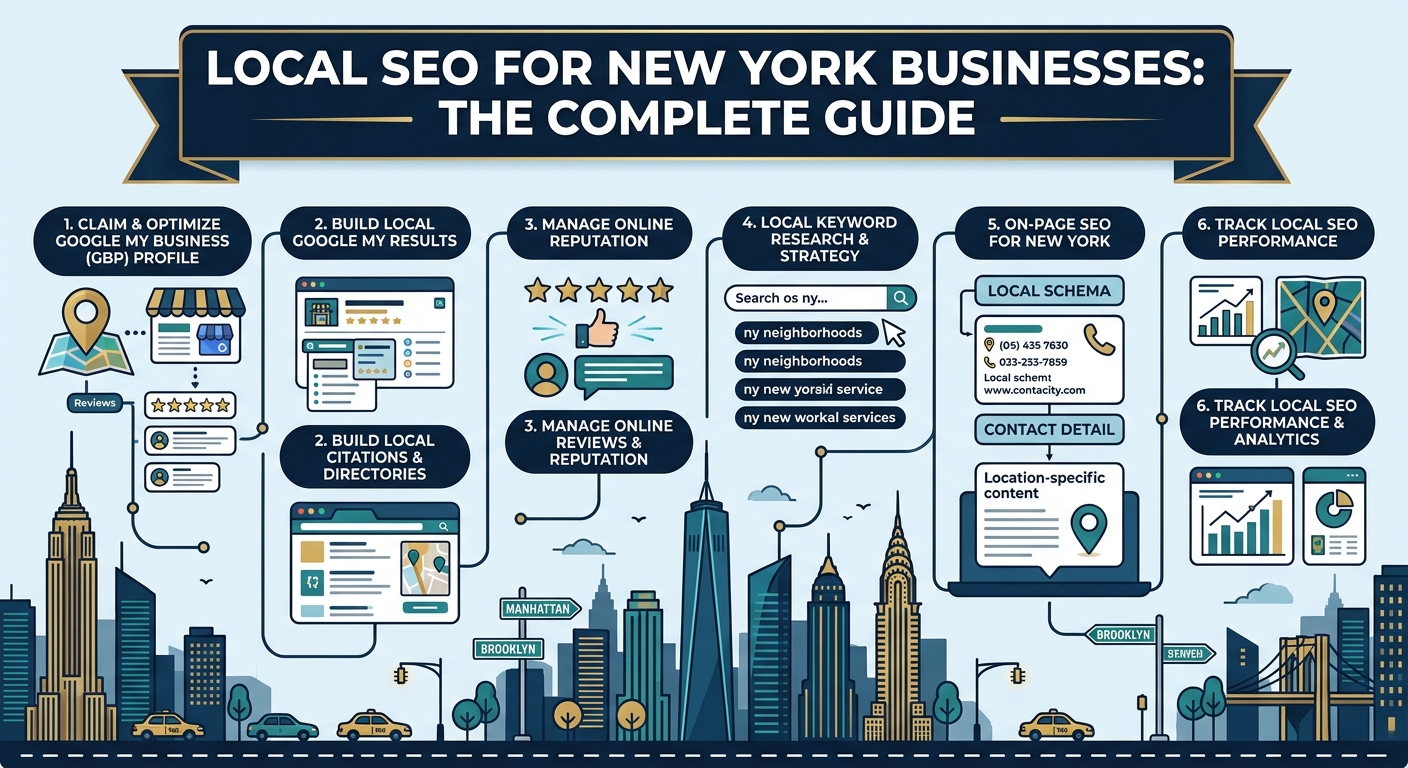
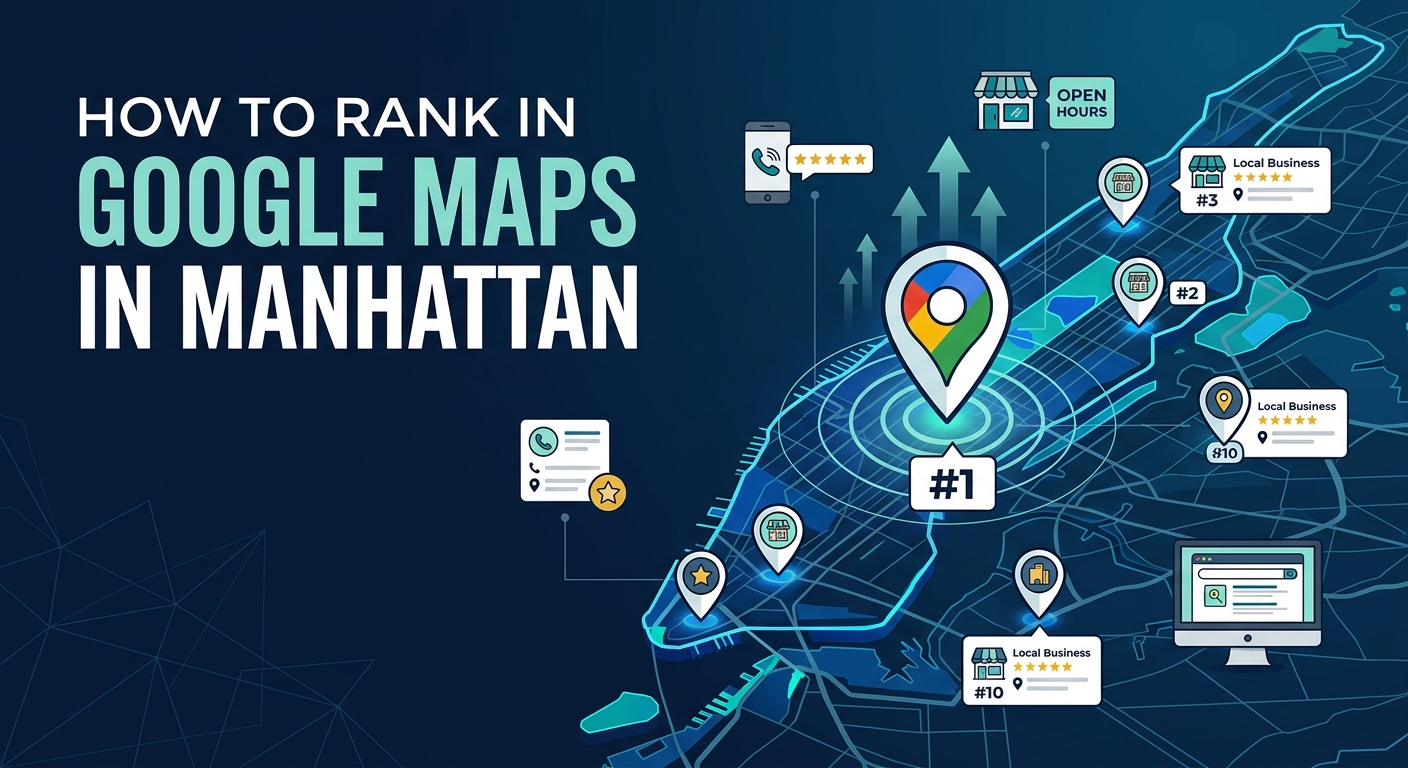
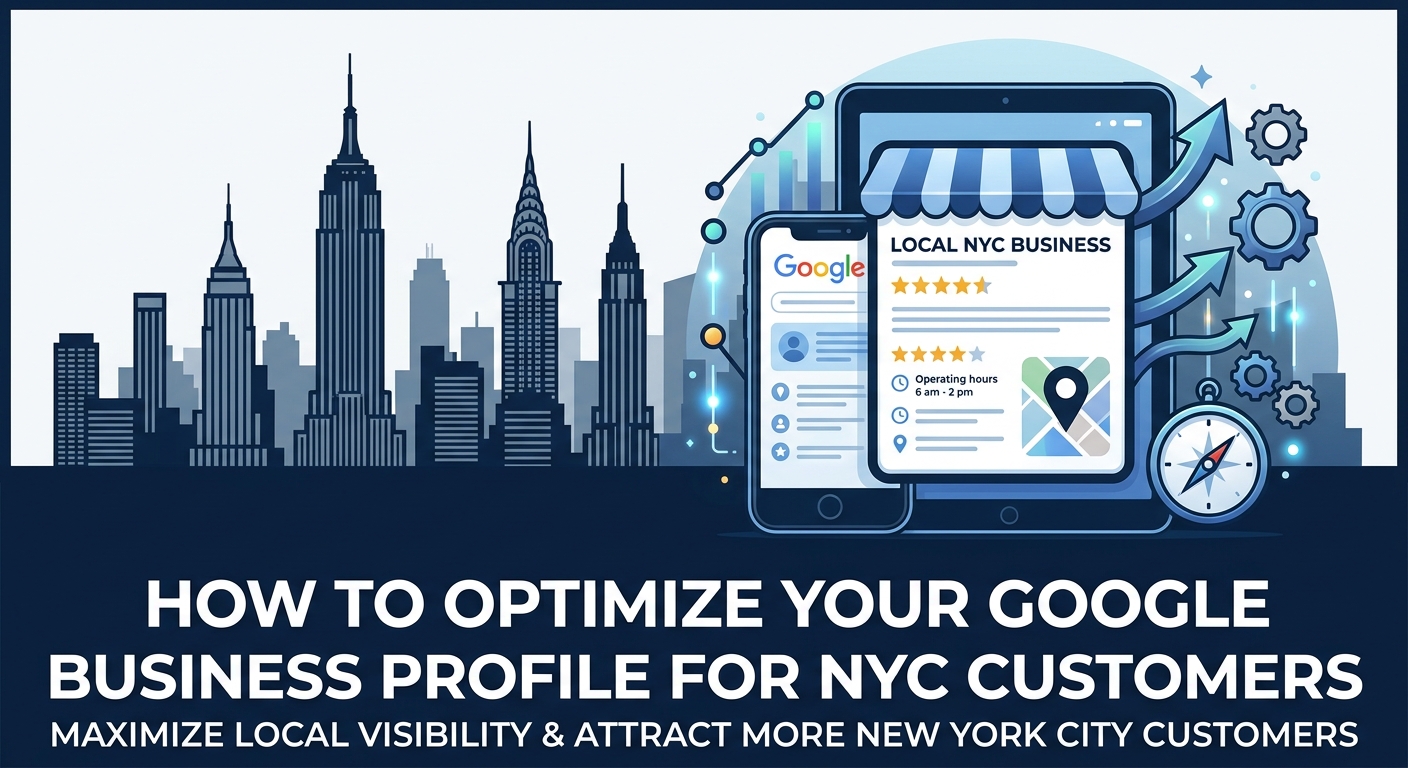
Your Google Business Profile is the single most important asset for restaurant visibility. It appears in map results, local searches, and branded searches, and it often provides the first look at your photos, menu, hours, and reviews. Claim and verify your profile, then complete every section with care.
Choose a primary category that best describes your restaurant, such as Italian restaurant or Mexican restaurant, and add secondary categories only when they truly apply. Write a clear description that explains your cuisine, atmosphere, and what makes your restaurant special in natural language. Upload bright, high quality photos of your dishes, interior, exterior, and team, and refresh them regularly so that the profile always feels current.
Be sure to use all of the restaurant specific features available. Add your menu, link your reservation page, list attributes such as outdoor seating, delivery, accessibility, and dietary options, and keep special hours updated for holidays and events. Posting updates about new dishes, seasonal menus, and special nights helps your profile look active and gives diners more reasons to choose you.
Consistency across the web is the next priority. Your restaurant name, address, and phone number should appear in exactly the same format on every directory, social profile, and booking platform. Even small differences, such as a missing suite number or a different phone number, can confuse search engines and weaken your visibility.
Use this checklist to build your foundation:
- Claim and verify your Google Business Profile and complete every available field
- Set up profiles on Apple Maps, Bing, Yelp, and major food and booking platforms
- Use one standard version of your name, address, and phone number everywhere
- Add accurate hours, including holiday changes and special event closures
- Upload fresh photos of food, interiors, and your team on a regular schedule
- Link every profile to your official website and reservation page
Finally, remember that your local foundation is never finished. Menus change, hours shift, and new platforms appear, so a quick monthly review keeps everything accurate. With a clean and complete base in place, you are ready to build a website and content strategy that turns more of those searches into confirmed reservations.

Restaurant Website Essentials
Your website is the home base that supports every other part of your online presence. When a diner finds you through a map result or a review, the next step is often a visit to your site to check the menu, confirm the hours, and book a table. A site that answers these questions quickly can turn a casual browser into a confirmed reservation within seconds.
Speed and mobile design come first. Most restaurant searches happen on phones, often on busy streets or in the subway where connections can be slow. Compress your images, avoid heavy animations, and choose a layout that reads clearly on a small screen with large buttons that are easy to tap.
Your reservation button should be impossible to miss. Place it near the top of the homepage, repeat it on the menu and contact pages, and keep it visible as visitors scroll. Every extra click between interest and booking costs you diners, so the path from landing on your site to securing a table should take only a few steps.
The table below outlines the essential website elements and why each one matters.
| Website Element | Purpose | Why It Helps SEO and Bookings |
|---|---|---|
| Fast mobile friendly design | Smooth browsing on phones | Improves user experience and reduces early exits |
| Clear reservation button | Direct path to booking | Turns visits into confirmed tables |
| Menu as readable text | Lets search engines read your dishes | Helps you appear for dish and cuisine searches |
| Hours, address, and phone number | Quick answers for diners | Supports local signals and reduces confusion |
| Embedded map and directions | Helps guests find you easily | Encourages visits and supports local relevance |
| High quality photos | Shows food and atmosphere | Builds appetite and trust |
| Contact and private dining forms | Captures group and event inquiries | Brings in higher value bookings |
Menus deserve special care. Many restaurants upload their menu as an image or a downloadable file, which search engines cannot read well and which is difficult to use on a phone. Publishing your menu as clean text on a web page lets search engines understand your dishes, and it lets diners scan options easily without zooming or downloading anything.
Security and technical health also matter. Use a secure connection for your site, make sure every page loads without errors, and keep your site structure simple so that search engines can explore it easily. A tidy technical setup supports everything else you do, from content to local rankings.
Finally, keep your core details identical to what appears on your Google Business Profile and other listings. If your site says one set of hours and your profile says another, diners lose trust and search engines receive mixed signals. Treat your website as the main source of truth and update it first whenever something changes.
Keyword Strategy for Restaurants
Keywords are the words and phrases that diners type into search engines. A good keyword strategy helps you understand what people are looking for and then match your pages to those needs. For restaurants, the best keywords usually combine cuisine, location, and occasion in natural, helpful ways.
Start with the basics that describe your restaurant. Think about your cuisine, your style, your neighborhood, and what makes you different. A diner looking for Neapolitan pizza in Carroll Gardens uses very different words from someone searching for a quiet business lunch in the Financial District, and your pages should reflect those differences.
Neighborhood keywords are especially powerful in New York. People think and search in terms of areas such as SoHo, Harlem, Long Island City, and Park Slope, so mentioning your neighborhood naturally across your site helps you appear for those local searches. Avoid listing many unrelated neighborhoods in one place, since this can look forced and may hurt trust.
Here are the main keyword groups to consider:
- Cuisine keywords, such as Korean barbecue, Italian trattoria, or Mexican brunch
- Location keywords, such as the neighborhood, nearby landmarks, or transit stops
- Occasion keywords, such as birthday dinner, group dining, or date night
- Dietary keywords, such as vegan menu, halal options, or gluten free dishes
- Feature keywords, such as outdoor seating, rooftop dining, or live music
- Service keywords, such as catering, private dining, or takeout
Match each keyword group to a specific page whenever possible. Your homepage can focus on your cuisine and neighborhood, your menu page on dishes and dietary options, and your private dining page on events and groups. This gives search engines a clear picture of what each page offers and helps diners land on the most relevant information.
Think about intent as well as words. Someone searching for a menu wants to see dishes and prices, while someone searching for a reservation wants availability and a booking button. Writing each page to satisfy its main purpose leads to better engagement and stronger results than simply repeating keywords.
The table below shows how different search intentions connect to page types.
| Search Intent | Example Search | Best Page to Show | Key Feature to Include |
|---|---|---|---|
| Find a place to eat | Italian restaurant in Brooklyn | Homepage | Clear cuisine, location, and booking button |
| Check the menu | Menu for a sushi restaurant in Midtown | Menu page | Text based menu with prices and dietary notes |
| Plan an event | Private dining room for 20 people | Private dining page | Capacity, sample menus, and inquiry form |
| Book a table | Reserve a table for four tonight | Reservation page | Live booking tool and contact details |
| Get directions | Restaurant near Times Square open now | Contact or location page | Map, hours, and transit directions |
Finally, keep your language natural and written for people first. Search engines have become very good at understanding meaning, so there is no need to repeat the same phrase many times. Clear, helpful writing that answers real diner questions will always outperform pages packed with awkward keywords.
Menu and Page Optimization
Each page on your site has a job to do, and optimizing it means making that job clear to both diners and search engines. The page title, the main heading, the short description that appears in search results, and the body text all work together. When these elements are accurate and inviting, more people click through and more of them stay.
Page titles should be short, clear, and descriptive. A good title includes your restaurant name, your cuisine, and your neighborhood, for example a name followed by a short phrase such as Italian dining in Greenwich Village. The short description under the title in search results should invite the reader to take action, such as viewing the menu or booking a table.
Your menu page is often the most visited page on your site, so it should be easy to use. Organize dishes into clear sections, include short and appealing descriptions, and mention key ingredients and dietary details where helpful. Keep prices current and update the page whenever the menu changes so that diners never feel misled.
If you offer several menus, give each one its own space. Lunch, dinner, brunch, drinks, desserts, and seasonal specials can each have a dedicated page or section that targets related searches. This approach helps you appear when someone looks for a specific meal, such as weekend brunch or a late night menu.
Location pages matter for restaurants with more than one branch. Create a separate page for each location with its own address, phone number, hours, photos, and a short description of the neighborhood. Avoid copying the same text across locations, since unique pages help each branch rank for its own area.
Private dining and events pages can bring in high value bookings. Include details such as room size, seating capacity, sample menus, available services, and a simple inquiry form. Photos of past events and short testimonials from hosts add confidence and help planners compare your space with others.
Consider adding structured details that help search engines understand your restaurant. Information such as your cuisine type, price range, menu link, opening hours, and reservation link can be presented in a format that search tools read easily. This can improve how your listing appears and may help your restaurant show richer information in results.
Use this short checklist when optimizing each page:
- Write a unique title and short description for every page
- Use one clear main heading that states what the page offers
- Include your neighborhood and cuisine naturally in the text
- Add descriptive names to photos and short text that explains each image
- Link related pages together, such as menu to reservations and events to contact
- Place a booking or inquiry button where visitors can see it easily
Content That Brings Hungry Diners
Fresh content gives search engines more reasons to visit your site and gives diners more reasons to choose you. For restaurants, the best content shows personality, shares useful information, and reflects the real life of your kitchen and community. It does not need to be complicated, but it should be consistent and genuine.
A blog or news section is a flexible way to share stories. You can write about the origin of a signature dish, introduce your chef and team, explain how you source ingredients, or share a guide to your neighborhood. These posts help you appear for a wider range of searches and give diners a deeper sense of who you are.
Seasonal and event content works especially well in New York. Holiday menus, restaurant week offers, summer patio openings, live music nights, and special tasting dinners all attract attention and often match what people are searching for at that time. Publishing these pages early, and keeping them online with updated details, helps you capture interest as the season approaches.
Here are practical content ideas for restaurants:
- A story page about your restaurant, your chef, and your inspiration
- Seasonal menu announcements and limited time dishes
- Guides to events, holidays, and group dining options
- Neighborhood guides that mention nearby attractions and theaters
- Frequently asked questions about reservations, dietary needs, and accessibility
- Behind the scenes posts that show preparation and the team at work
Photos and video are among the strongest tools you have. Diners are drawn to bright, appetizing images, and short videos of dishes being prepared can increase engagement on your website and social profiles. Add clear descriptions to each image and keep file sizes small so pages stay fast on mobile.
Do not forget to keep your content updated. Old events, expired promotions, and outdated menus can frustrate guests and weaken trust. A quick monthly review to remove or refresh old posts keeps your site accurate and signals that your restaurant is open and thriving.
With a well built website, a smart keyword plan, optimized pages, and fresh content, you have created the tools needed to attract more diners and guide them toward booking. The next step is strengthening your reputation, expanding your local listings, and tracking results so that your reservations keep growing over time.

Reviews and Reputation for More Bookings
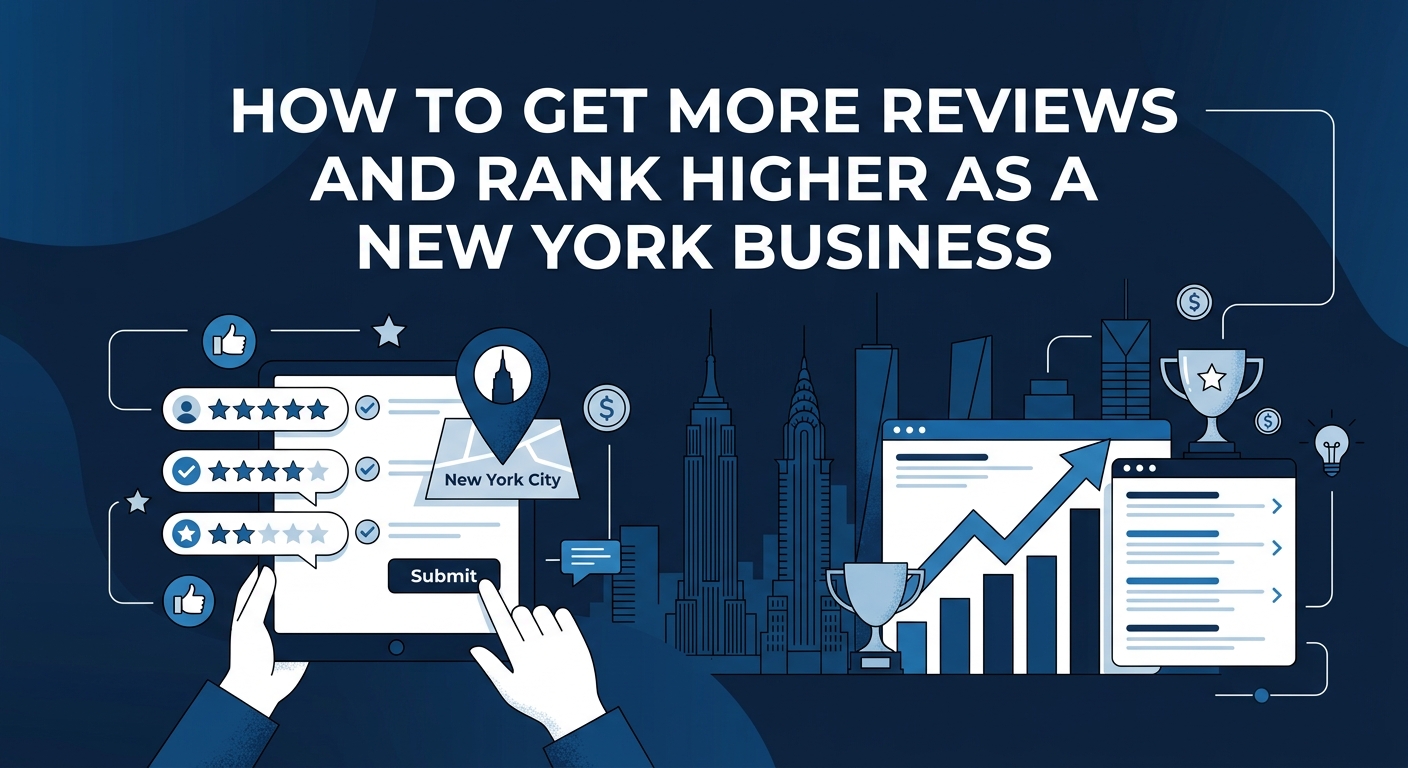
Reviews are one of the most powerful forces behind restaurant reservations. Diners read ratings and comments before they choose where to eat, and search engines treat steady, genuine feedback as a sign of a trusted and active business. A restaurant with a strong rating and fresh reviews often wins the booking even when a nearby competitor has a slightly better location.
The best time to ask for a review is right after a guest has enjoyed their meal. Servers can mention the review link when thanking guests, and a small card with a scannable code on the table or the receipt makes the process simple. Follow up emails or text messages after a reservation can also remind happy guests to share their experience, as long as you keep the message polite and avoid pressure.
Responding to reviews matters just as much as collecting them. Thank guests by name, mention a detail from their visit, and invite them to return, since this shows that real people care about every table. When a guest leaves a critical comment, reply calmly, apologize for any disappointment, and offer a way to resolve the issue privately.
Follow these habits to build a strong reputation:
- Ask every satisfied guest for feedback and make the review link easy to reach
- Reply to new reviews within a day or two, using a warm and personal tone
- Never offer discounts or gifts in exchange for reviews, since most platforms forbid it
- Share your best comments on your website and social profiles with permission
- Review your feedback each month to spot patterns in food, service, and atmosphere
Guest language also helps your visibility. When diners mention dishes, neighborhoods, and occasions in their reviews, they add natural wording that connects your restaurant to real searches. You cannot script these words, but you can encourage detailed feedback by asking guests what they enjoyed most about their visit.
Local Listings and Reservation Platforms
Your restaurant should appear accurately on the platforms that diners already use. Each listing acts as another doorway to your business, and consistent details across them strengthen trust with both guests and search engines. Focus first on the major platforms, and then add specialized food and local sources that match your style of dining.
Map and search platforms come first, including Google, Apple Maps, and Bing, since they supply the details shown in many local searches. Review and discovery platforms such as Yelp and TripAdvisor come next, because they attract diners who are comparing options. Reservation platforms and delivery apps can add reach, although it is wise to keep your own website as the main place where guests book directly.
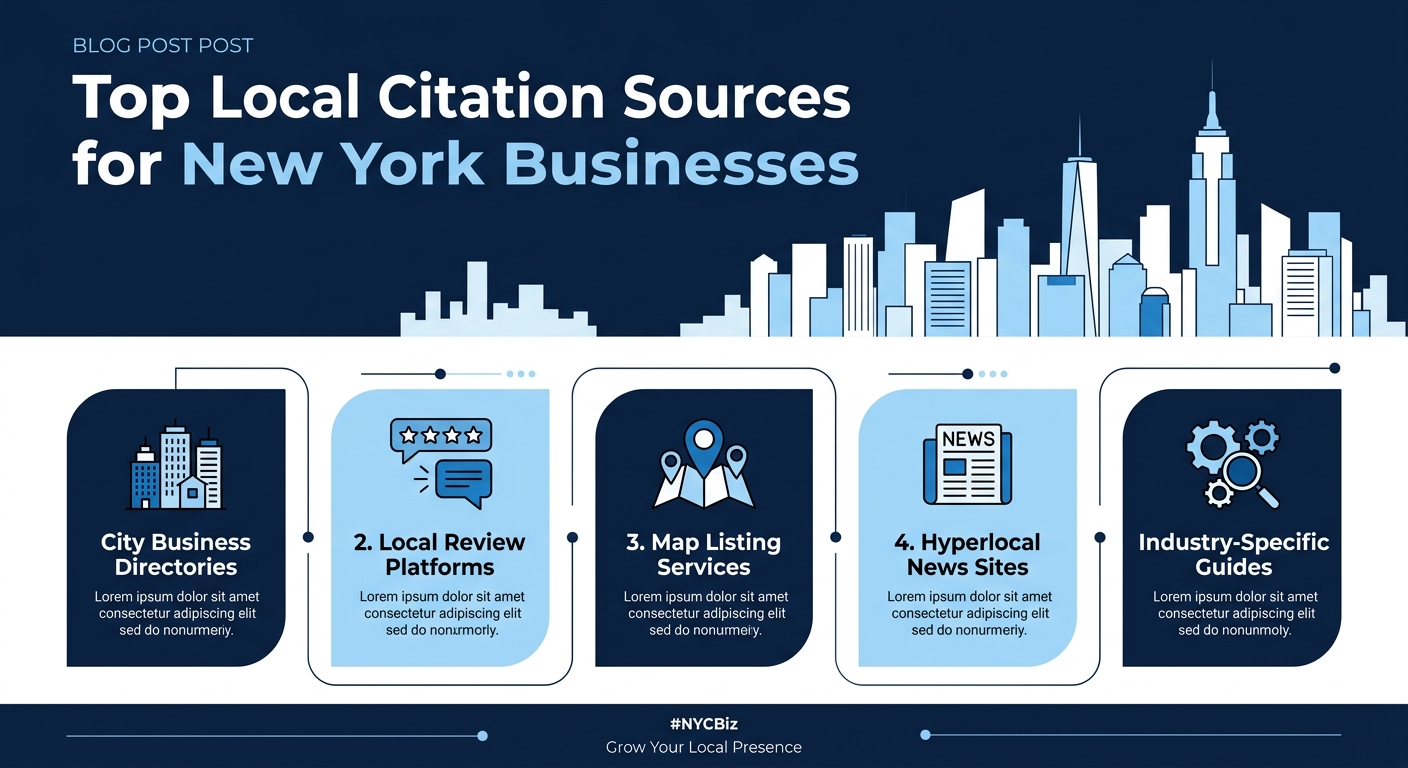
Local food sources add extra relevance. Neighborhood blogs, local food guides, community newsletters, business improvement district sites, and chamber of commerce directories can all mention your restaurant and link to your site. Participating in restaurant weeks, food festivals, and community events often earns coverage that strengthens your local presence.
The table below shows how to think about the main platforms.
| Platform Type | Main Purpose | Priority Level | Tip for New York Restaurants |
|---|---|---|---|
| Google Business Profile | Maps, local pack, and direct bookings | Essential | Keep menu, photos, hours, and reservation link current |
| Apple Maps and Bing | Navigation and voice search results | High | Complete every field and confirm your details |
| Review platforms | Discovery and comparison | High | Respond to reviews and follow platform rules |
| Reservation platforms | Table booking and added reach | Medium to high | Link back to your own site where possible |
| Delivery and takeout apps | Off premises orders | Medium | Match menu details and prices to your website |
| Local food guides and blogs | Neighborhood relevance and mentions | Medium | Share news about new menus, events, and openings |
| Business and community directories | Local trust and citations | Medium | Use the same name, address, and phone number everywhere |
Accuracy is the rule that connects every platform. Use one standard version of your name, address, and phone number, and update hours and menus everywhere when anything changes. A short monthly check of your major listings can prevent small errors from turning into lost reservations.
Turning Searches Into Reservations
Visibility only matters when it leads to action. Once a diner finds your restaurant, the next goal is to make booking feel quick and effortless. Every step between interest and confirmation is a chance for the guest to give up, so simplicity should guide your approach.
Place clear calls to action across your website and profiles. A button that says reserve a table, a visible phone number that can be tapped on a phone, and a link to your booking page on every key page all help guests act at the right moment. Keep wording friendly and direct, and make sure the button leads to a working, mobile friendly page.
Your booking flow should be tested regularly. Try reserving a table on a phone as if you were a new guest, and note any step that feels slow, confusing, or unnecessary. Ask only for the details you truly need, show available times clearly, and send a prompt confirmation so the guest feels certain about the plan.
Different diners need different paths. Some prefer online booking, others like to call, and large groups often want to speak with someone about menus and space. Offering a booking tool, a phone number, and a simple inquiry form for events gives every type of guest a comfortable way to reach you.
Tracking results shows you what is working and where to improve. Review your numbers once a month using the checklist below so that your efforts stay focused and measurable.
| Monthly Task | What to Check | Why It Matters |
|---|---|---|
| Profile views and actions | Calls, direction requests, and website clicks | Shows how many diners are ready to act |
| Reservation count | Bookings from your website and profiles | Connects SEO work to real tables |
| Search terms | Phrases that bring visitors to your site | Reveals new content and menu ideas |
| Review activity | New reviews, ratings, and responses | Confirms that your reputation is growing |
| Website speed and mobile use | Loading time and mobile experience | Prevents lost bookings from slow pages |
| Listing accuracy | Hours, menu, and contact details on major platforms | Protects trust and local visibility |
Use what you learn to make small, steady improvements. If many visitors leave the booking page, simplify the form, and if searches for brunch are rising, create a stronger brunch page. Consistent attention to these details often delivers better results than occasional large changes.
Common Restaurant SEO Mistakes to Avoid
Many restaurants lose bookings because of small and avoidable mistakes. Knowing these problems in advance helps you protect your visibility and your reputation. Most of them come from outdated information, rushed setup, or a lack of regular checks.
- Leaving old hours, closed days, or outdated menus on profiles and websites
- Publishing menus only as images or downloadable files that search engines and phones struggle to read
- Using different names, addresses, or phone numbers across directories
- Hiding the reservation button or making the booking process too long
- Ignoring reviews or replying with defensive language
- Copying the same text across multiple location pages
- Using slow, heavy images that make the site difficult to load on a phone
- Relying only on third party apps and neglecting your own website
Each of these issues can quietly reduce reservations without any obvious warning. A simple monthly review of your profiles, website, and reviews will catch most of them early. Treat your online presence with the same care you give your kitchen and dining room, and it will reward you with steady growth.
Why Choose DealMate
Running a restaurant in New York leaves little time for detailed SEO work. DealMate helps restaurant owners build a strong and reliable online presence so that more diners can find them and book with confidence. Our team combines local market knowledge with practical, step by step execution that fits the pace of a busy kitchen.
We begin by reviewing your Google Business Profile, website, listings, and reviews to see exactly where you stand. From there we create a plan that fits your cuisine, your neighborhood, and your goals, covering everything from profile optimization to menu pages and local listings. Every action follows platform guidelines, so your visibility grows in a safe and lasting way.
Here is what you can expect when you work with DealMate:
- A complete review of your current search presence with clear findings
- Optimization of your profiles, website pages, and menu content for local searches
- Consistent and accurate listings across the platforms that matter most
- Guidance on collecting and responding to reviews in a compliant way
- Transparent monthly reporting that connects our work to calls, visits, and reservations
We believe that great restaurants deserve to be found by the guests who will love them. With DealMate, you gain a trusted partner who understands the energy and competition of the New York dining scene. Contact us to start turning more searches into reservations and more tables into regular guests.
Frequently Asked Questions
What is restaurant SEO?
Restaurant SEO is the practice of improving your online presence so that more diners can find and choose your restaurant. It covers your Google Business Profile, website, menus, reviews, and listings on other platforms. The goal is to appear in searches such as cuisine, neighborhood, and near me results. When done well, it brings more visits, calls, and reservations directly to your restaurant.
How long does restaurant SEO take to work?
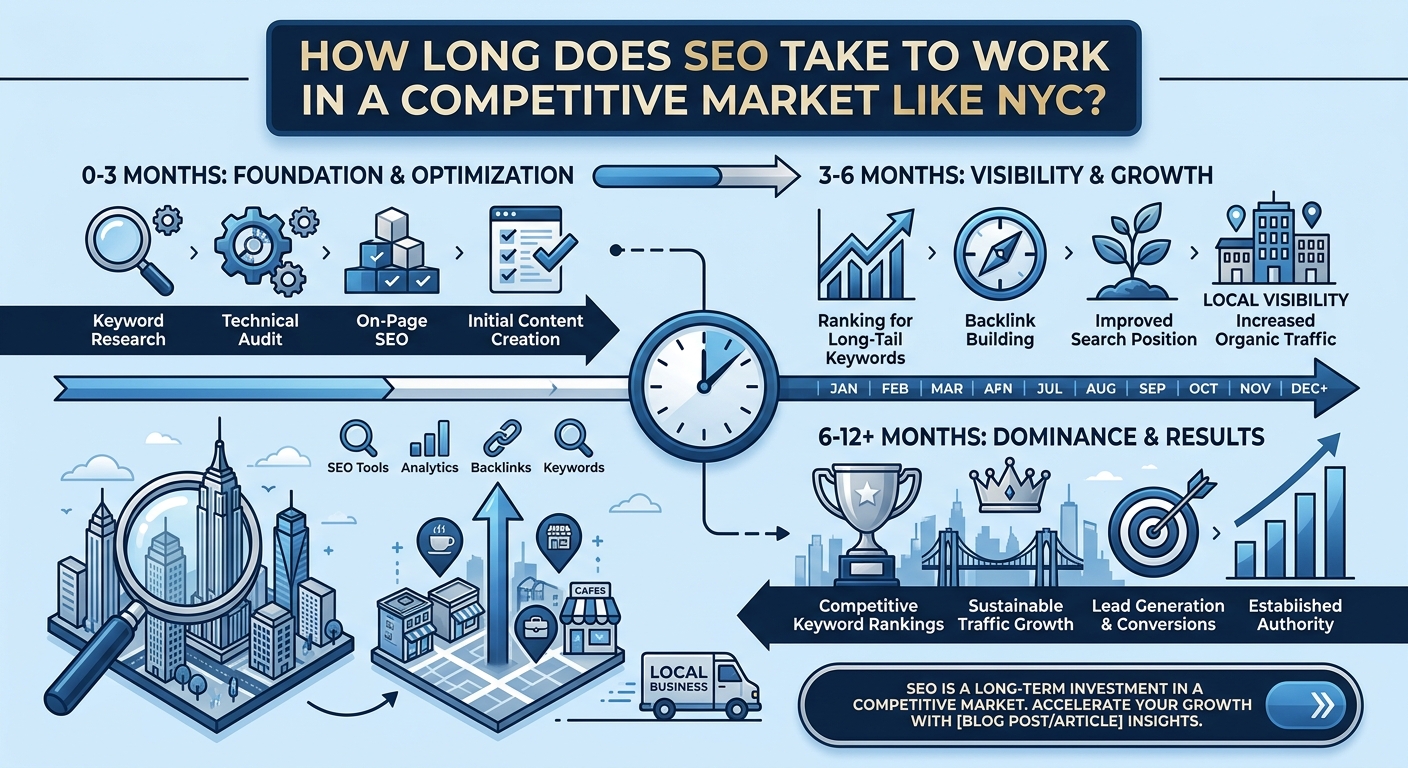
Some improvements, such as fixing your profile details, can show results within a few weeks. Larger gains from website content and reviews usually build over three to six months. The timeline depends on your competition, your neighborhood, and the quality of your current presence. Steady effort over time tends to deliver the strongest and most lasting results.
Why is Google Business Profile so important for restaurants?
Your Google Business Profile appears in map results and local searches, which are where many diners begin their search. It shows your photos, hours, menu, reviews, and reservation link in one place. A complete and active profile helps you stand out from nearby competitors. It also gives guests a quick and trusted way to contact you or book a table.
Should I list my menu as text or as an image?
You should publish your menu as readable text on a web page whenever possible. Text allows search engines to understand your dishes and helps you appear for related searches. It also loads faster and is easier to read on a phone. You can still offer a downloadable version as an extra option for guests who prefer it.
How do reviews affect restaurant reservations?
Reviews help diners decide quickly whether your restaurant is worth visiting. High ratings and recent comments build trust and encourage more bookings. Search engines also treat steady feedback as a sign of an active and reliable business. Replying to reviews adds another layer of trust by showing that you care about every guest.
Do I need a website if I am listed on booking apps?
Yes, your own website remains an important part of your strategy. Booking apps can bring visibility, but they often charge fees and keep the guest relationship. A strong website lets you present your story, menu, and offers while guiding guests to book directly. It also supports your search rankings and gives you full control over your information.
What keywords should a New York restaurant target?
You should focus on keywords that combine your cuisine, neighborhood, and the occasions you serve. Examples include brunch in a specific neighborhood, private dining for groups, or a certain cuisine near a landmark. Dietary and feature keywords, such as vegan options or outdoor seating, can also attract specific diners. Always write naturally and match each keyword to a page that truly answers the search.
How often should I update my restaurant listings?
You should update your listings whenever your hours, menu, address, or contact details change. Even without changes, a monthly review helps you catch errors that may appear on directories. Holiday hours and special events should be added in advance so guests always see accurate information. Regular updates protect your reputation and prevent lost reservations.
Can social media help my restaurant SEO?
Social media does not directly replace SEO, but it supports your overall visibility. Photos, videos, and posts build awareness and send diners to your website and profiles. Consistent details across social profiles also strengthen trust with search engines. Strong social activity can lead to more searches for your restaurant name, which helps your brand grow.
Should I hire a professional for restaurant SEO?
You can manage basic tasks yourself if you have the time and a clear process. Many owners choose professional help because SEO involves ongoing work across profiles, websites, listings, and reviews. A skilled partner can save time, avoid common mistakes, and track results clearly. DealMate can support your restaurant with each step so that you can focus on food and guests.
Conclusion
SEO gives New York restaurants a practical way to stand out in one of the most competitive dining markets in the world. By building a strong local foundation, creating a fast and helpful website, publishing useful content, and earning genuine reviews, you make it easier for hungry diners to find and choose you. Each improvement works together to turn searches into reservations and first time guests into regulars.
The most successful restaurants treat SEO as a steady habit rather than a one time project. Keep your information accurate, track your results every month, and make small improvements based on what you learn. Start with one change today, and you will see your visibility, bookings, and reputation grow across every neighborhood you serve.