Introduction
Manhattan is a place where thousands of businesses compete for the attention of millions of residents, commuters and visitors every single day. From a coffee shop in the West Village to a law firm in Midtown, every owner wants to be the name that appears when someone searches nearby. That race for visibility plays out on Google Maps more than anywhere else.
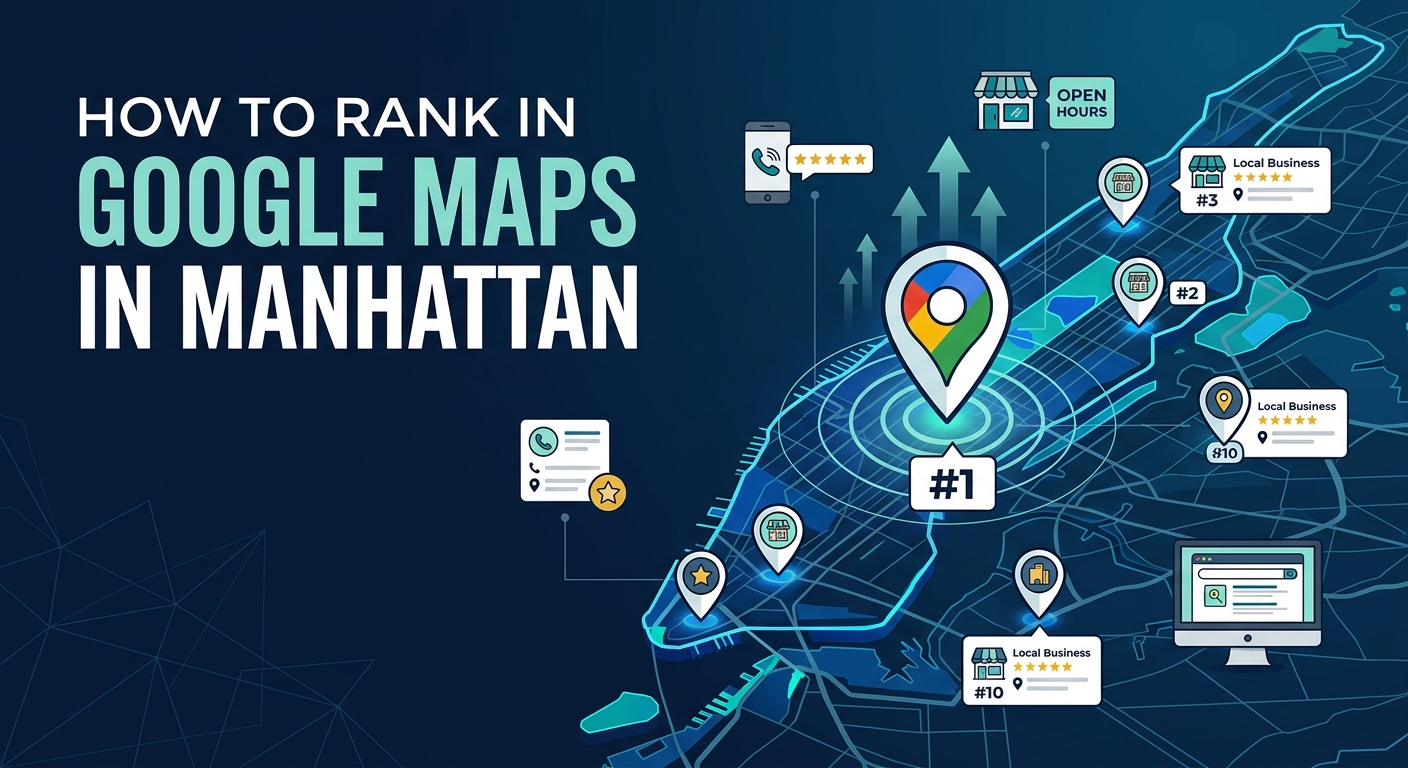
When a person types a phrase like best dentist near me or Italian restaurant in Chelsea, Google shows a small group of three businesses at the top of the results. This group, often called the local pack, collects a large share of calls, direction requests and website visits. Businesses that miss it often remain invisible to customers who are ready to buy.
Ranking in this crowded borough is not about luck or paying for tricks. It comes from a clear understanding of how Google evaluates local businesses and from steady work on your profile, reviews, website and reputation. This guide breaks down the full process in plain language so you can follow it step by step.
Whether you run a small boutique, a medical practice, a home service company or a restaurant, the strategies here apply to you. You will learn how the algorithm works, how to set up your profile correctly and how to build the signals that push you higher. Let us begin with why this matters so much in a city like New York.
Why Google Maps Visibility Matters for Manhattan Businesses
Manhattan is one of the densest commercial areas in the world, with a huge number of businesses packed into a narrow island. A customer standing on a corner in Midtown can find dozens of similar options within a five minute walk. In that setting, the business that shows up first on a phone screen often wins the visit.
Most local searches in New York happen on mobile devices while people are already on the move. Commuters, tourists and office workers search for lunch spots, pharmacies, salons and repair services in real time. Because the intent is immediate, these searchers tend to act within minutes rather than days.
Here are the main benefits of a strong Google Maps presence:
- More phone calls from customers who are ready to book or buy right now
- More direction requests that turn into real foot traffic at your door
- More website visits from people comparing options in your neighborhood
- Greater trust, since ratings and reviews appear right beside your name
- Lower marketing costs compared with paid advertising over the long run
Paid ads can bring quick results, but the cost per click in New York is among the highest in the country. Strong organic map rankings give you a steady stream of customers without paying for every single visit. Over time, this makes Google Maps one of the most profitable channels for local companies.
How Google Maps Ranking Works
Google uses three main factors to decide which businesses appear in the local pack, and these are relevance, distance and prominence. Each factor plays a different role, and together they decide the order of the results. Understanding them gives you a clear map of where to focus your effort.
Relevance
Relevance measures how well your profile matches what the searcher is looking for. A complete profile with the right categories, services and descriptions helps Google understand exactly what you offer. If your details are thin or vague, Google has less reason to show you for specific searches.
Distance
Distance is the space between the searcher and your business, or the location mentioned in the search. In Manhattan, where blocks are short and neighborhoods change quickly, this factor carries a lot of weight. A business a few blocks closer may outrank a stronger competitor simply because of location.
Prominence
Prominence describes how well known and trusted your business is, both online and offline. Google looks at review count, review ratings, mentions across the web and the strength of your website. Businesses with a strong reputation tend to rise even when they are slightly farther from the searcher.
The table below summarizes how these factors work and what you can do about each one.
| Ranking Factor | What Google Looks At | What You Can Do |
|---|---|---|
| Relevance | Categories, services, descriptions and website content | Complete every profile field and choose accurate categories |
| Distance | Searcher location compared with your business address | Use a real storefront address and target nearby neighborhoods |
| Prominence | Reviews, ratings, citations, links and brand mentions | Earn steady reviews and build trusted local mentions |
Google also reads behavior signals such as clicks, calls, direction requests and photo views. When people interact with your profile often, it signals that your business is useful. This is why a well maintained profile keeps improving over time.
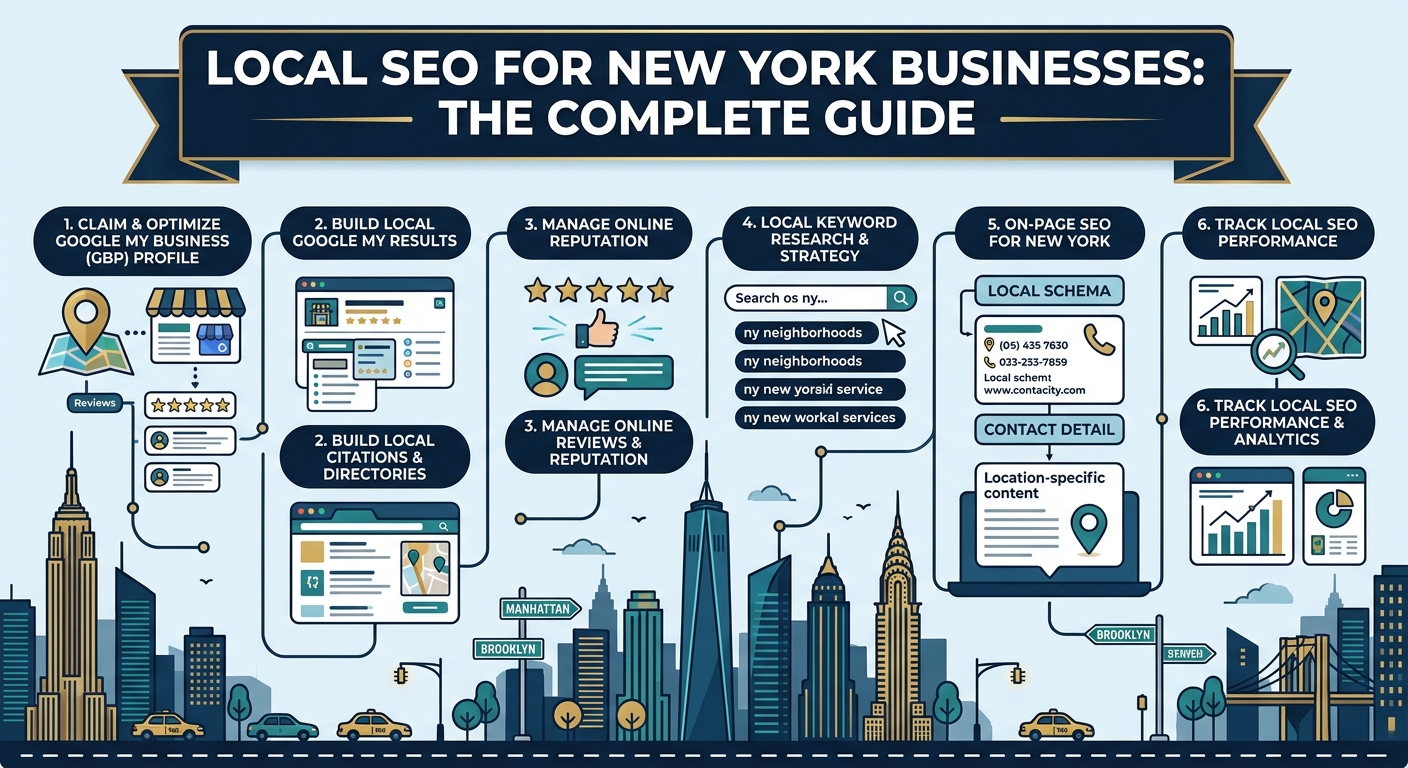
Claiming and Setting Up Your Google Business Profile
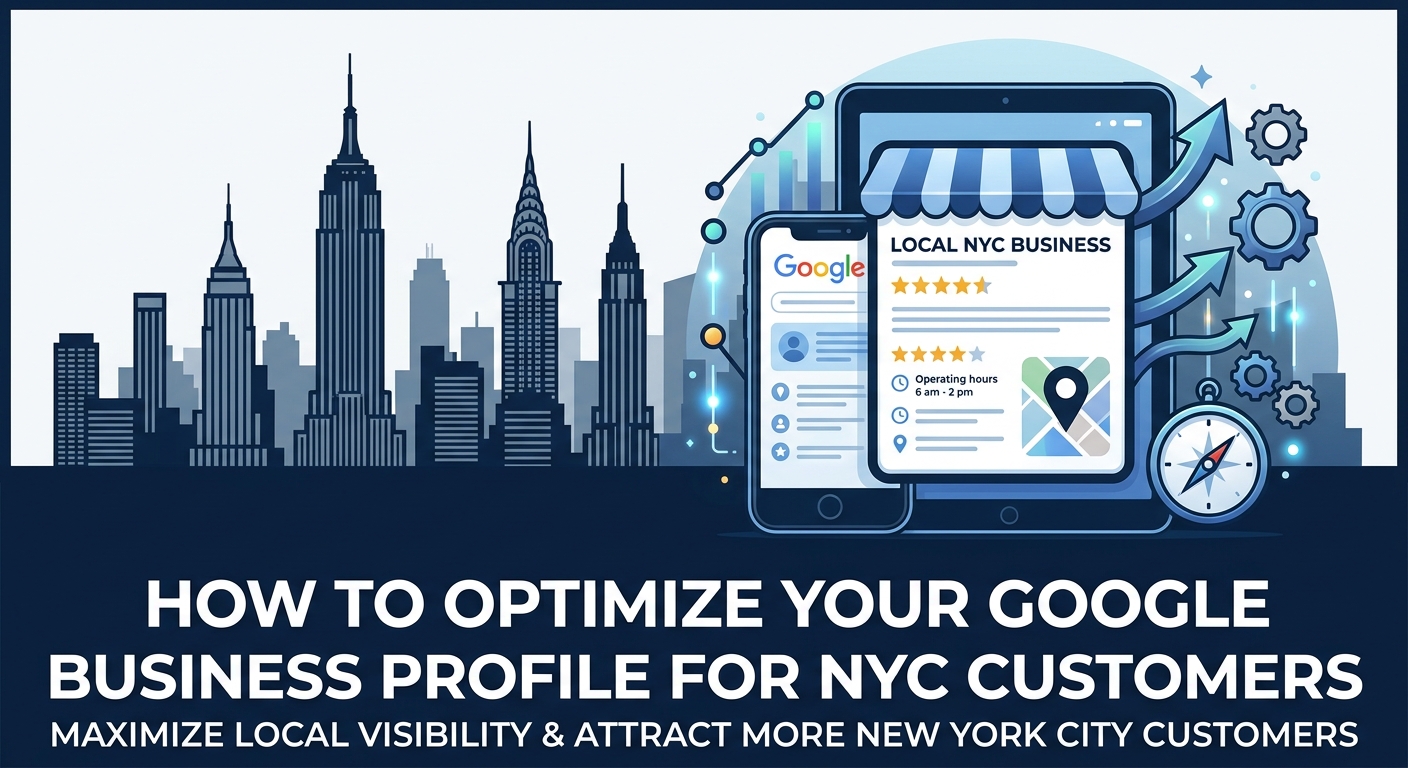
Your Google Business Profile is the foundation of every ranking effort in Google Maps. Without a claimed and verified profile, you cannot control how your business appears or respond to customers. Many Manhattan businesses lose ground simply because their listing was never properly claimed.
Follow these steps to get started:
- Search for your business name on Google Maps to check whether a listing already exists.
- Claim the existing listing or create a new one using your Google account.
- Enter your exact business name, address, phone number and website.
- Complete the verification process, which may involve a postcard, a phone call, an email or a short video.
- Add your hours, services, photos and description once verification is approved.
Always use your real business name exactly as it appears on your signage. Adding extra keywords to the name may look tempting, but it breaks Google guidelines and can lead to suspension. A clean and honest name keeps your listing safe and trustworthy.
Choosing the Right Categories
Your primary category is one of the strongest relevance signals you control. Pick the category that best describes your main service rather than a broad or generic option. Then add secondary categories that describe other services you truly offer, since this helps you appear for a wider range of searches.
Setting Your Service Area
Businesses that visit customers, such as plumbers, cleaners and movers, can set service areas instead of showing a public address. Choose the Manhattan neighborhoods you actually serve, and avoid listing places you cannot reach. Accurate service areas keep your profile compliant and help you reach the right audience.
With a verified and well structured profile in place, you are ready to move on to deeper optimization of every detail that Google and customers care about.

Optimizing Your Business Information
Once your profile is verified, the next job is to fill every field with accurate and useful details. Google rewards complete profiles because they help the system match your business with the right searches. Incomplete listings often fall behind competitors who simply took the time to add more information.
Name, Address and Phone Number
Your name, address and phone number, often shortened to NAP, must be accurate and match your website exactly. Use a local number with a New York area code whenever possible, since it supports trust and local relevance. Write your suite or floor number the same way everywhere so Google never sees conflicting versions of your details.
Business Description
You have a limited space to describe your business, so use it carefully. Explain what you do, who you serve and which parts of Manhattan you cover in natural language. Avoid stuffing keywords, because a clear and honest description reads better and performs better.
Services, Products and Attributes
Add every service or product you truly offer, with short descriptions and prices where it makes sense. Attributes such as wheelchair access, outdoor seating, free Wi-Fi or women led business help customers decide faster. These small details also help your profile match more specific searches.
Business Hours
Keep your hours accurate at all times, including holidays and special events. Manhattan customers often search late at night or early in the morning, so showing that you are open right now can give you an edge. Wrong hours lead to frustrated visitors and negative reviews that hurt your ranking.
Use this checklist to review your profile:
- Business name matches your real signage exactly
- Primary category reflects your main service
- Phone number and website link are correct and working
- Hours are updated for holidays and seasonal changes
- Services and products are listed with clear descriptions
- Appointment or booking link is added if your business takes bookings
Building Reviews and Managing Your Reputation
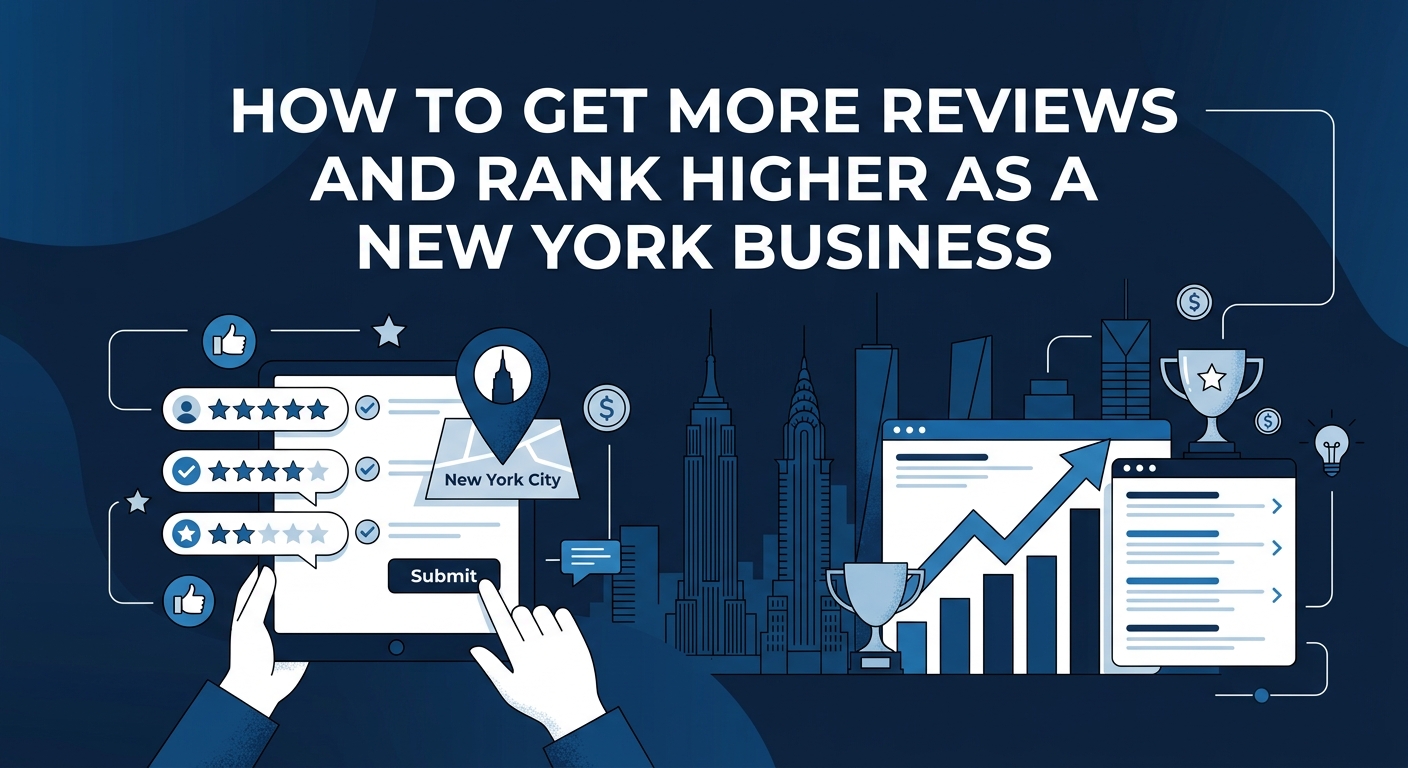
Reviews are among the strongest prominence signals in local search, and they also influence whether a customer chooses you. A business with many recent and positive reviews looks active and trustworthy. In a city with so many alternatives, a strong rating can decide the entire sale.
Google also pays attention to how fresh your reviews are and how often new ones arrive. A steady flow of feedback over many months looks far more natural than a sudden burst followed by silence. This is why a simple and repeatable review routine works better than a one time campaign.
Earning Reviews the Right Way
The best time to ask for a review is right after a positive experience, when the customer is happiest. Share a direct review link through email, text message or a printed card at the counter. Never offer rewards in exchange for reviews or post fake ones, because Google can remove them and penalize your profile.
Follow these steps to build a healthy review habit:
- Ask every satisfied customer while the experience is still fresh in their mind.
- Make the process simple with a short link or a QR code displayed at your location.
- Train your staff to mention reviews politely at the end of every service.
- Send a gentle reminder message a day or two later to customers who have not replied.
- Track how many new reviews you receive each month and set a steady goal.
Responding to Feedback
Reply to every review, whether it is positive or negative, and do it quickly. Thank happy customers by name and mention a detail from their visit to show that a real person is reading. For negative reviews, stay calm, apologize where it is fair and offer to resolve the issue offline.
Thoughtful replies show future customers that you care about service. They also add fresh text to your profile, which can include natural mentions of your services and location. Over time, consistent engagement builds a reputation that both people and Google can trust.
Local Citations and Listing Consistency
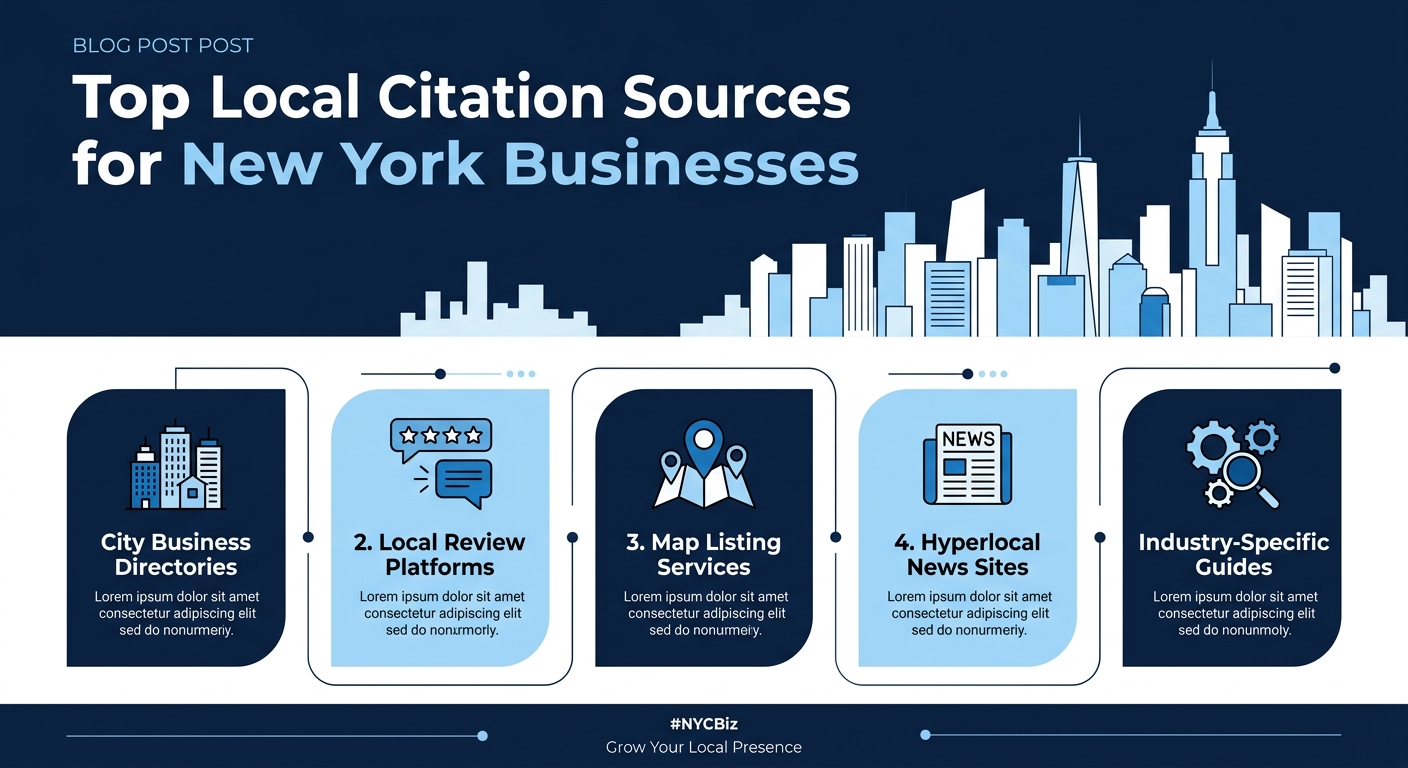
A citation is any online mention of your business name, address and phone number, such as a directory listing or a chamber of commerce page. Google compares these mentions across the web to confirm that your details are correct. The more consistent they are, the more confident Google becomes in your business.
Where to Build Citations
Start with major data platforms and map services, then add trusted directories for your industry. For New York businesses, local chambers of commerce, business improvement districts and neighborhood guides also carry real value. Focus on quality sources rather than hundreds of low value directories that add little benefit.
Good places to build citations include:
- General directories and map platforms used by everyday customers
- Industry specific directories for medical, legal, home service or hospitality businesses
- Local chambers of commerce and neighborhood business associations
- New York based news sites, blogs and event pages that mention your business
Fixing Duplicates and Inconsistencies
Search for your business name and phone number to find old or duplicate listings. Duplicate profiles split your reviews and confuse Google, so claim or merge them wherever possible. If you moved or rebranded, update every citation so older details do not keep pulling your ranking down.
Local SEO for Your Website
Your website supports your map ranking by confirming what you do and where you do it. Google reads your site to understand your services, and a strong site adds to your prominence. A weak or slow site can hold back even a perfectly optimized profile.
Location and Service Pages
Create a clear page for each main service, and mention Manhattan along with the neighborhoods you serve. Write original content that answers real customer questions rather than copying the same text across pages. Include your address, phone number and an embedded map on your contact page to reinforce your location.
Schema Markup
Local business schema is a type of code that tells search engines your name, address, hours and services in a structured way. Adding it helps Google read your details without guessing. Most website platforms offer simple tools to add this markup without advanced coding.
Speed and Mobile Experience
Because most Manhattan searchers use phones, your site must load fast and look clean on small screens. Compress images, remove clutter and make your call button easy to tap. A smooth mobile experience keeps visitors on your site and sends positive signals back to Google.
Targeting Manhattan Neighborhoods
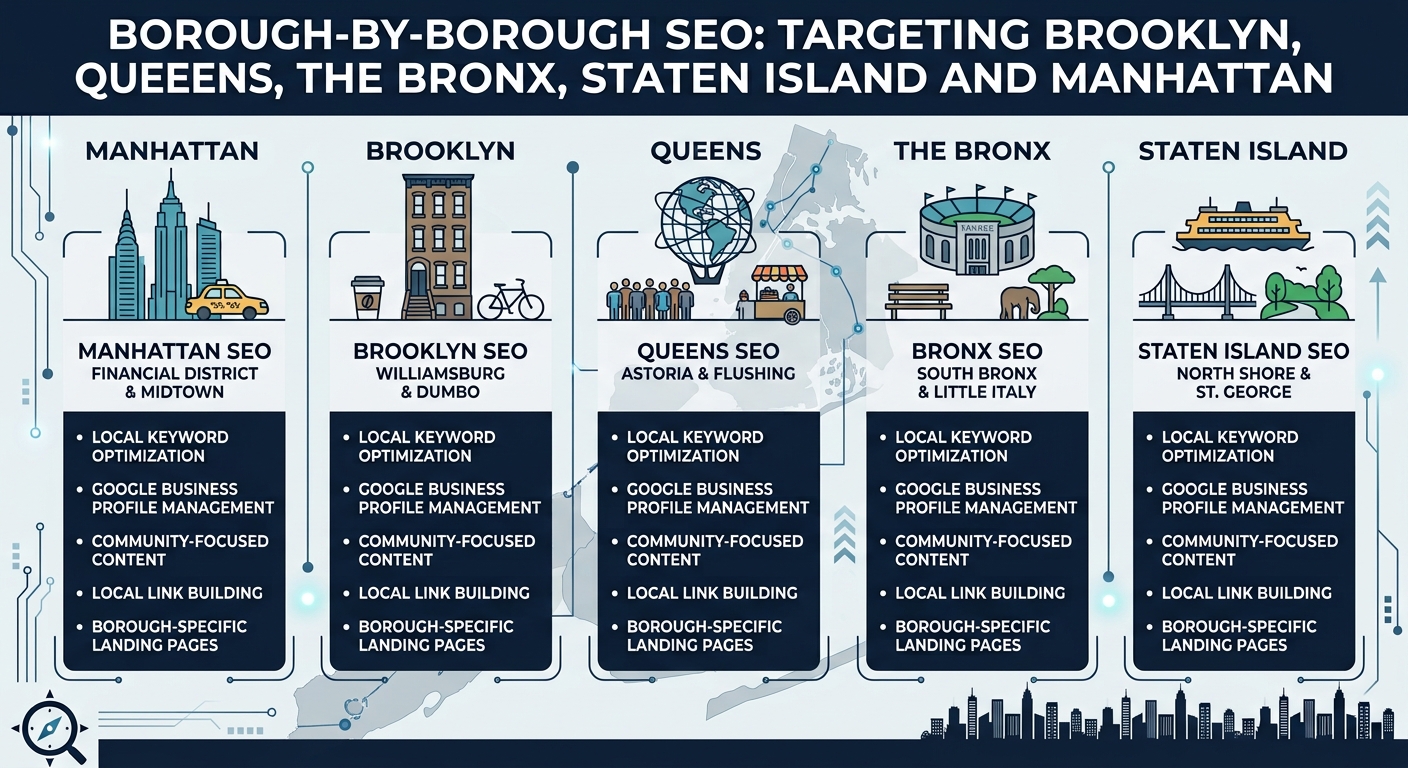
Manhattan is not one single market but a collection of distinct neighborhoods, each with its own customers and habits. Searches often include a neighborhood name, such as Tribeca bakery or Harlem dentist. Showing that you understand these areas helps you appear in more specific searches.
Mention neighborhoods naturally in your profile description, website pages, posts and review replies. Avoid listing every area in a long block of text, because this looks spammy and offers no value. Focus on the places you genuinely serve and where your customers actually come from.
| Neighborhood | Typical Searcher | Common Search Focus |
|---|---|---|
| Midtown | Office workers, tourists and commuters | Lunch spots, hotels and services near offices |
| Financial District | Professionals and new residents | Business services, quick meals and fitness |
| Upper East Side | Families and long term residents | Healthcare, education and boutiques |
| Upper West Side | Families and cultural visitors | Restaurants, pediatric care and home services |
| Harlem | Local residents and visitors | Dining, music venues and community services |
| Greenwich Village | Students, residents and tourists | Cafes, nightlife and creative shops |
Use this table as a starting point to shape your content and offers. Different neighborhoods respond to different messages, so tailor your wording to the audience you want to reach. With your information, reputation, citations, website and neighborhood targeting in place, you have built a strong base for steady growth.

Local Link Building and Authority
Links from trusted local websites tell Google that real people and organizations recognize your business. In a competitive borough like Manhattan, these signals can separate businesses that have similar reviews and similar profiles. Quality matters far more than quantity, so a few strong local mentions beat hundreds of weak ones.
Here are practical ways to earn local links and mentions:
- Sponsor a neighborhood event, charity run or community program that lists sponsors online
- Partner with nearby businesses that offer complementary services for shared promotions or guest articles
- Share genuine news about your business with New York bloggers and local publications
- Join business improvement districts and chambers that publish member pages
Avoid buying links or joining link exchange schemes, because these tactics can harm your rankings. Earn mentions by being useful, active and visible in your community.
Photos, Posts and Ongoing Engagement
Photos give customers a real look at your business before they walk through the door. Upload clear images of your storefront, interior, team, products and completed work, and refresh them regularly. Profiles with fresh and authentic photos tend to receive more clicks, calls and direction requests.
Google Posts let you share offers, events, updates and helpful tips directly on your profile. A steady posting routine shows that your business is active and gives customers a reason to choose you today. Keep each post short, include a clear photo and add a button that guides people to the next step.
The questions and answers section deserves attention too. Add your own common questions with clear answers, and reply quickly when customers ask something new. Turning on messaging can also help you capture leads from people who prefer typing to calling.
Tracking Your Rankings and Performance
You cannot improve what you do not measure, so review your performance every month. The insights inside your profile show how many people found you, which searches they used and what actions they took. Compare these numbers over time to see whether your work is moving the needle.
Pay attention to calls, direction requests, website clicks and the search terms that bring people to your listing. Also check your position from different spots across Manhattan, since results can change from one block to the next. A simple record of these numbers helps you spot patterns and fix problems early.
The table below shows how the main ranking factors compare in priority and effort.
| Ranking Factor | Priority Level | Effort Required |
|---|---|---|
| Accurate profile and primary category | Very high | Low |
| Review quantity, quality and replies | Very high | Medium |
| Citation consistency | High | Medium |
| Local website content | High | Medium to high |
| Local links and mentions | Medium to high | High |
| Photos and regular posts | Medium | Low |
Common Mistakes to Avoid
Many Manhattan businesses lose ranking power because of avoidable errors. Most of these mistakes come from shortcuts that seem helpful in the short term but create trouble later. Watch out for the following problems:
- Adding keywords or neighborhood names to your business name
- Using a virtual office or mailbox address as a storefront
- Buying fake reviews or offering rewards for positive feedback
- Leaving duplicate listings or old addresses active across the web
- Ignoring negative reviews instead of responding with care
- Setting service areas far beyond places you can actually reach
Avoiding these mistakes protects your listing from suspension and keeps your reputation strong. A clean and honest approach may feel slower at first, but it builds results that last.
Why Choose Dealmate
Ranking in Google Maps in a market as demanding as Manhattan takes steady work, local knowledge and a clear strategy. Dealmate focuses on practical and transparent local search methods that help businesses earn visibility the right way. The approach is built around real customer signals rather than risky shortcuts that can put a profile in danger.
Working with Dealmate means you get support across every area covered in this guide, from profile setup to ongoing reputation growth. Here is what you can expect:
- Complete setup and optimization of your Google Business Profile
- Review growth strategies that follow platform guidelines
- Citation cleanup and consistent listings across trusted directories
- Local content and website improvements that support your map ranking
- Clear reporting so you always understand what is working
Instead of guessing which steps matter most, you get a focused plan that fits your business, your neighborhood and your goals. This saves you time and helps you compete with confidence in one of the busiest markets in the world.
FAQs
How long does it take to rank in Google Maps in Manhattan?
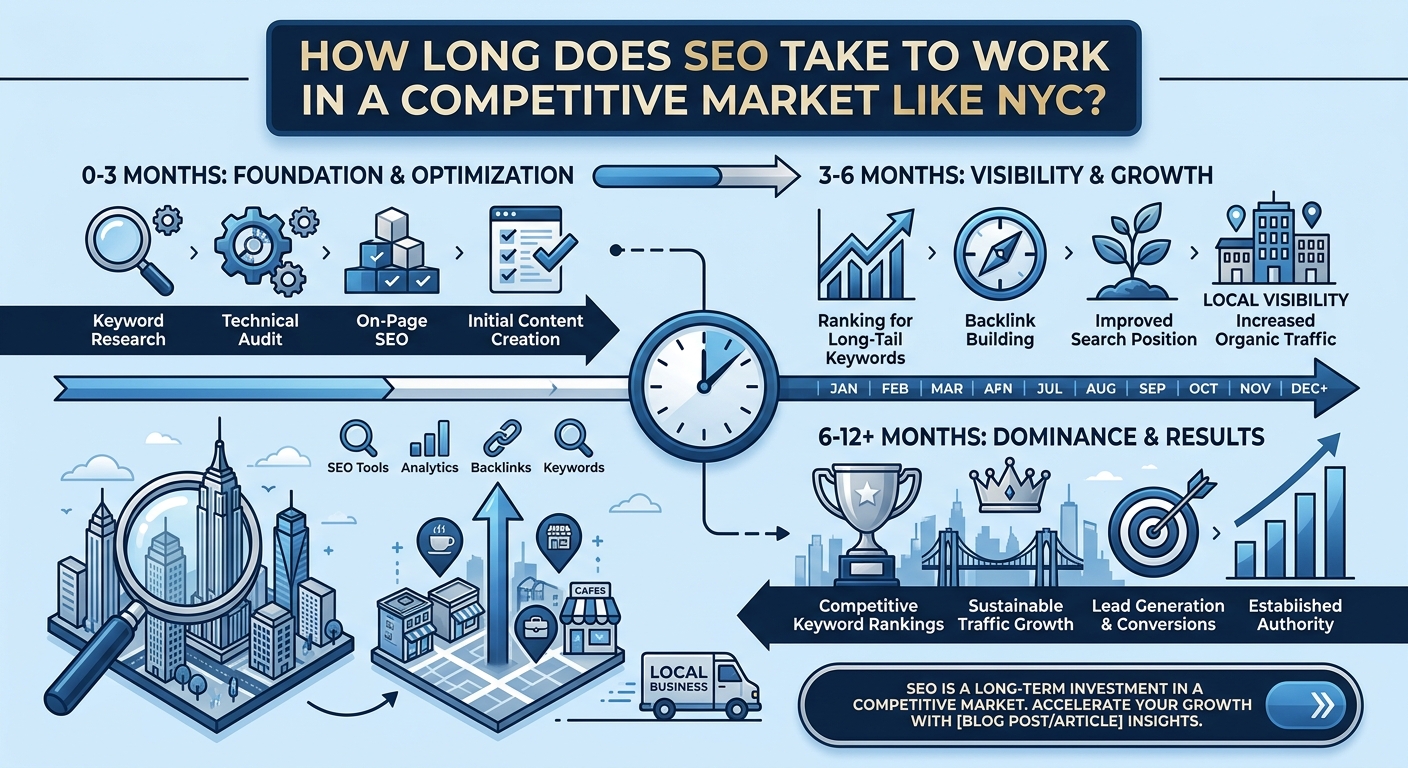
Most businesses begin to see movement within a few weeks of fixing their profile, but strong results often take three to six months. Competition in Manhattan is intense, so crowded categories such as restaurants and law firms may take longer. Consistent work on reviews, citations and content speeds up progress. Patience combined with steady effort usually beats quick shortcuts.
Do I need a physical address in Manhattan to rank?
Google generally expects a real location where you operate, such as a storefront or a staffed office. Service businesses without a public location can hide their address and set a service area instead. Virtual offices and mailbox addresses can lead to profile suspension. Using an honest address protects your listing in the long run.
How many reviews do I need to rank well?
There is no magic number, but you should aim to match or beat the leading competitors in your category and neighborhood. Review quality, freshness and your replies matter as much as total count. A steady flow of new reviews each month looks natural and builds trust. Focus on real customer feedback rather than chasing a fixed target.
Can I rank in Google Maps without a website?
A profile can appear without a website, but your chances improve a lot when you have one. A site gives Google more information about your services and adds to your prominence. It also gives customers a place to learn more and take action. Even a simple, fast and mobile friendly site is better than having none.
Does paying for ads improve my map ranking?
Paid ads and organic map rankings work as separate systems, so ad spending does not directly raise your organic position. Ads can still bring visibility and traffic while your organic work builds up. Many businesses use both for stronger coverage. Organic rankings usually deliver a lower cost per customer over time.
How often should I post on my profile?
Posting once or twice a week is a practical goal for most businesses. Share offers, events, new services or helpful tips with a clear photo. Regular activity shows that your business is open and engaged with customers. Quality and relevance matter more than posting too often.
What should I do about a fake or unfair review?
Flag the review through your profile and explain why it breaks the platform guidelines. While you wait, reply politely and professionally so other customers see your calm approach. Do not argue or reveal private customer details in your response. Removal can take time, so keep collecting genuine reviews to balance your rating.
Should I include the neighborhood name in my business name?
No, you should use your real business name exactly as it appears on your signage. Adding neighborhood or keyword text to the name can cause suspension. Instead, mention neighborhoods naturally in your description, posts and website content. This approach keeps your listing safe while still supporting local relevance.
Why did my ranking suddenly drop?
Rankings can shift because of competitor activity, algorithm updates, lost reviews or changes to your listing details. Check for edits you did not make, duplicate listings and inconsistent citations. Review your hours, category settings and recent reviews for errors. Fixing these issues and staying consistent usually helps your position recover.
Can I manage my Google Maps ranking by myself?
Many business owners can handle the basics, such as claiming the profile, adding details and asking for reviews. However, Manhattan competition is demanding and the work never really ends. A specialist can save you time, spot technical issues and build stronger local signals. The right choice depends on your time, budget and goals.
Conclusion
Ranking in Google Maps in Manhattan is a challenge, but it is one that careful and consistent work can overcome. By understanding relevance, distance and prominence, you know exactly where to focus your effort. A verified profile, accurate information, strong reviews, consistent citations and a helpful website all work together to lift your position.
Success comes from treating your profile as a living asset rather than a one time task. Keep your details fresh, respond to customers, share real updates and measure your progress each month. With steady effort and an honest approach, your business can earn a place in the local pack and turn nearby searches into loyal customers.