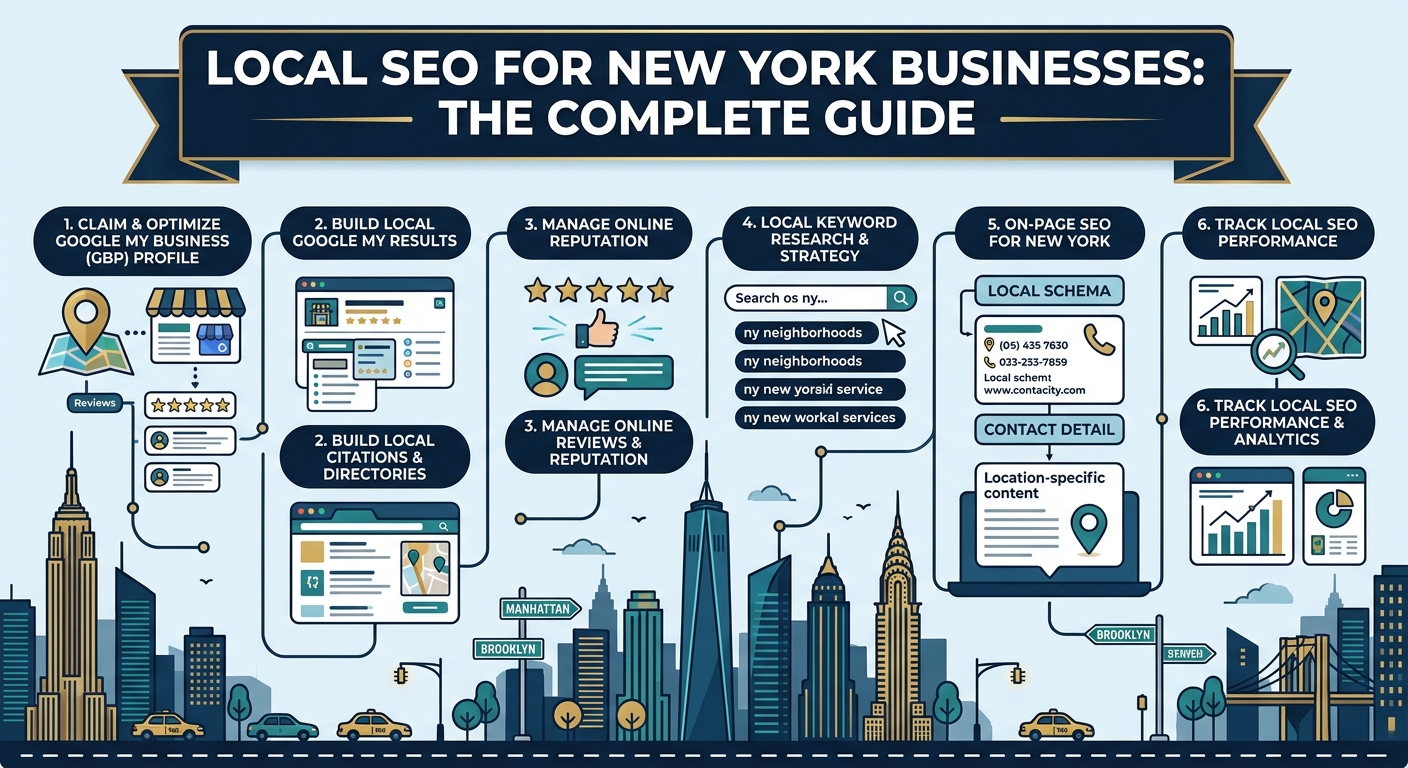
Introduction: Winning Customers Right Where You Are
Every day, millions of people in New York pick up their phones and search for something nearby. They want a dentist in Forest Hills, a late-night diner in the East Village, or an emergency plumber in Bay Ridge, and they usually choose from the first few businesses they see. If your company does not appear in those results, you are invisible to customers who are ready to spend money right now.
Local SEO is the practice of making your business easy to find in these nearby searches. It covers your Google Business Profile, your online listings, your customer reviews, and the content on your website that connects you to specific neighborhoods. Unlike general SEO, which aims to reach people anywhere, local SEO focuses on turning searches from people close to you into calls, visits, and bookings.
This guide walks you through the full process in plain language, from the basics of how local rankings work to the practical steps that improve them. You will learn how to set up and polish your profile, build trustworthy listings, earn reviews, create neighborhood content, and measure progress. By the end, you will have a clear plan you can follow yourself or share with a professional.
Here is what you will gain from reading this guide:
- A clear understanding of how local search results are decided
- Step-by-step actions for your Google Business Profile and listings
- Practical ways to earn reviews and create neighborhood content
- Simple methods for tracking results and avoiding common mistakes
Why Local SEO Matters in New York
New York is one of the most competitive local markets anywhere in the world. Thousands of businesses across Manhattan, Brooklyn, Queens, the Bronx, and Staten Island fight for the same customers, and many of them already invest heavily in marketing. In a market this crowded, a few small improvements to your local visibility can decide who gets the call and who gets overlooked.
Search behavior in the city is also unusually local. People search by neighborhood, subway stop, and even a specific street, and they often add phrases such as near me or open now. A business in Astoria faces a different set of competitors and customers than one in the Financial District, so a strategy that treats the whole city as a single market will miss the people closest to your door.
Mobile use makes this even more important. Many New Yorkers search while walking, commuting, or waiting in line, and they expect fast answers with directions, hours, and reviews in one place. When a search leads to a phone call or a visit within minutes, the businesses that appear first in the map results capture most of the action.
Search itself continues to change as well. Google now shows AI-generated summaries on many results pages, voice searches have become routine, and local intent shapes a large share of daily queries. These shifts reward businesses that publish accurate, consistent, and well-organized information, and they penalize those that rely on outdated shortcuts.
Keep these local factors in mind as you read the rest of this guide:
- Heavy competition in nearly every industry and neighborhood
- Customers who search by borough, neighborhood, and street
- A mobile-first audience that expects instant answers
- Growing influence of voice and AI-powered search features
How Local Search Rankings Work
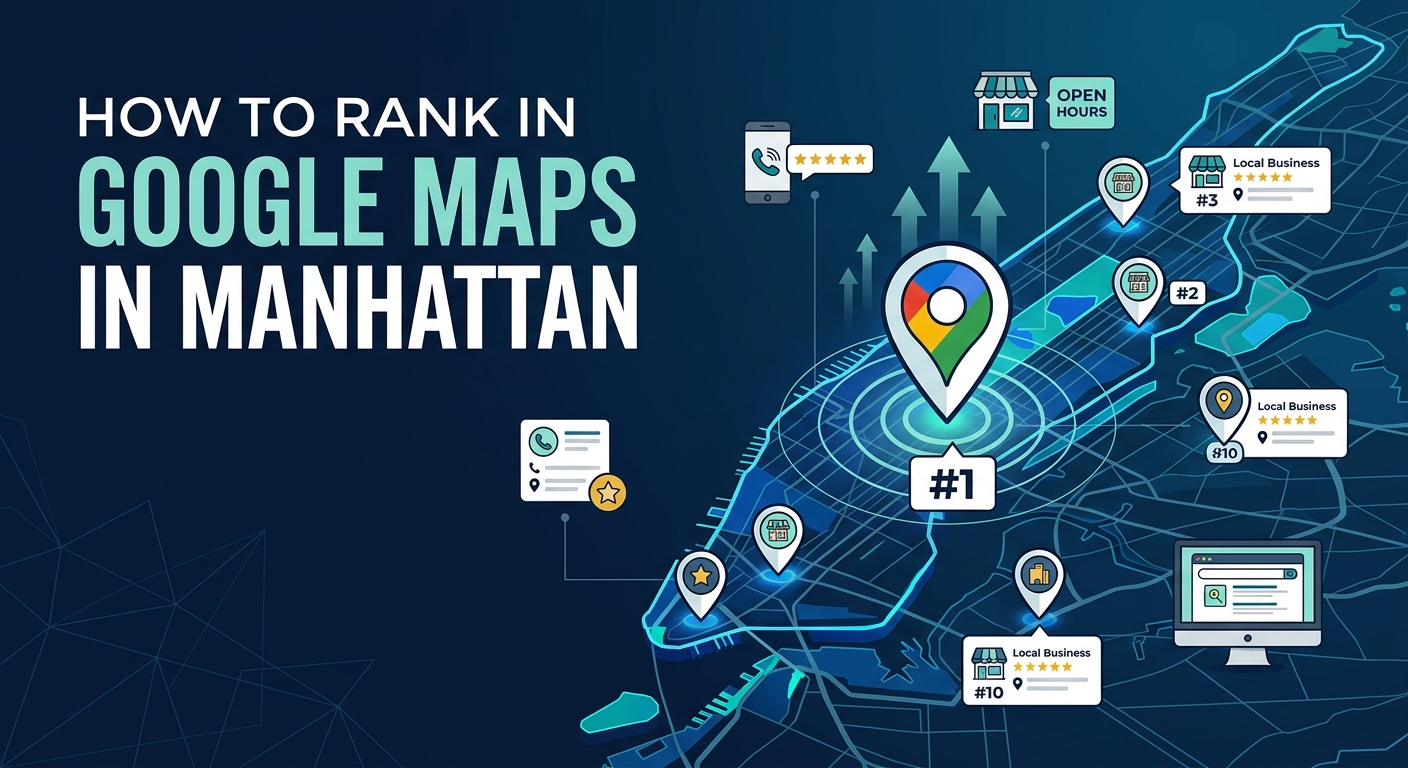
When someone searches for a nearby service, Google usually shows a map with a small group of businesses, often called the local pack, followed by the regular website results. Appearing in that map group is the goal of most local SEO work, because it places your name, rating, and phone number directly in front of ready buyers. The rest of the page still matters, but the map often gets the first click.
Google explains that local results are based mainly on three ideas, which are relevance, distance, and prominence. Relevance describes how well your profile matches what the person searched for. Distance describes how close your business is to the searcher or to the area named in the search. Prominence describes how well known and trusted your business appears, based on reviews, links, mentions, and overall online presence.
You cannot change distance, since your business sits where it sits, but you can strongly influence the other two. A complete and accurate profile improves relevance, while strong reviews, consistent listings, and quality links build prominence. Businesses that work on both often outrank competitors who are physically closer.
The table below summarizes the main ranking ideas and what you can do about each one.
| Ranking Idea | What It Means | What You Can Do |
|---|---|---|
| Relevance | How well your profile matches the search | Choose accurate categories, list services, and write a clear description |
| Distance | How close you are to the searcher | Make sure your address and service areas are correct |
| Prominence | How trusted and well known you appear | Earn reviews, build listings, and gain quality local links |
| Website quality | How helpful and fast your site is | Improve mobile speed, content, and local pages |
| Engagement | How people interact with your profile | Add photos, posts, and quick responses to questions |
It also helps to understand that local rankings are not the same for everyone. Two people standing a few blocks apart may see slightly different results because of distance and personal factors. For this reason, tracking your visibility from several neighborhood points gives a more honest picture than checking from a single spot.
Google Business Profile Optimization
Your Google Business Profile is the most important local asset you own. It is the listing that appears in map results and on the side of search pages, and it often creates the first impression a customer has of your company. A complete, accurate, and active profile can bring more calls and visits than almost any other single step.
Start by claiming and verifying your profile so you control the information that appears. Use your real business name exactly as it appears on your sign, without adding extra keywords, since stuffing the name can lead to suspension. Enter your address, phone number, and website carefully, and keep these details identical everywhere else online.
Next, choose your categories with care. The primary category carries the most weight, so pick the one that best describes your main service, and then add secondary categories for other offerings. Accurate categories help Google match you with the right searches and keep you away from irrelevant ones.
Fill in every section that applies to your business, including services, products, hours, special hours for holidays, and attributes such as wheelchair access or free Wi-Fi. A clear description written in natural language helps customers understand what makes you different. Avoid filling it with repeated keywords, because it should read well for people first.
Photos and posts keep your profile fresh and trustworthy. Upload clear images of your storefront, interior, team, and products, and add new ones regularly. Posts about offers, events, and updates give visitors a reason to choose you, and they signal that your business is active.
Finally, respond to questions and messages quickly. Fast, helpful answers show potential customers that you care, and they often decide between two similar options. A profile that is complete and responsive tends to perform far better than one that was set up once and forgotten.
Use this checklist to review your profile:
- Claim and verify the profile for each location
- Use your real business name with no extra keywords
- Choose one accurate primary category and relevant secondary ones
- List all services or products with short, clear descriptions
- Confirm hours, including holiday and special hours
- Upload fresh photos of your storefront, team, and work
- Publish posts about offers, events, and updates
- Answer questions and messages promptly
A strong profile is the foundation of everything else in local SEO, but it works best when supported by consistent listings, genuine reviews, and helpful website content.

Local Citations and Listings
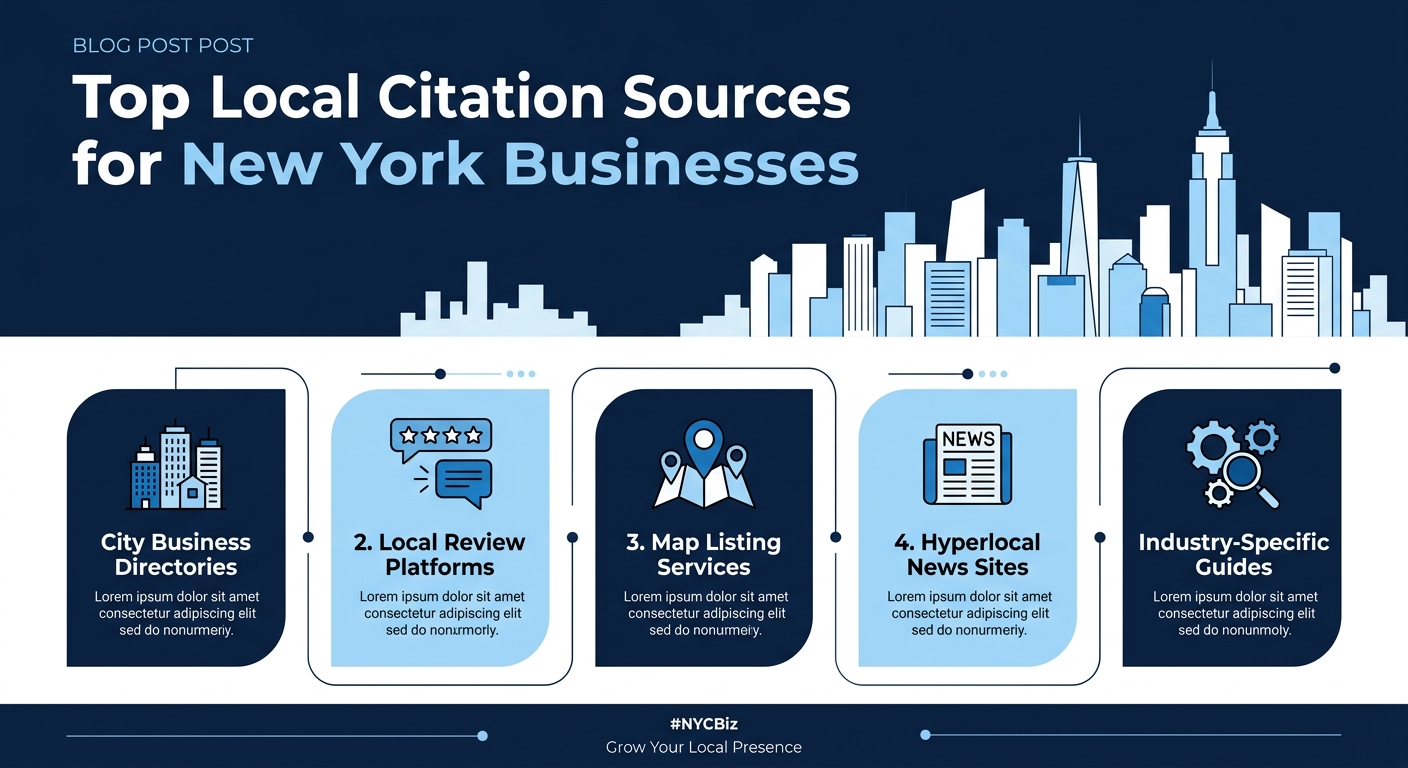
A local citation is any online mention of your business name, address, and phone number. These mentions appear in directories, maps, apps, social platforms, chamber of commerce pages, and industry websites. Search engines compare them to confirm that your business is real, active, and located where you say it is.
Consistency is the most important rule. If your name is written one way on your website, another way in a directory, and a third way on a map app, search engines may lose confidence in your details. Even small differences, such as Street versus St or a missing suite number, can create confusion, and in a city with so many similar addresses, confusion costs rankings.
Start with a simple audit. Write down your exact business name, address, phone number, website, and hours, then search for your business on major directories and review what each one shows. Correct anything that is wrong, merge duplicate listings, and remove old locations that no longer apply.
After the audit, build new listings in a sensible order. Begin with the largest general directories and map platforms, then add industry-specific sites such as legal, medical, restaurant, or home service directories. Finish with local sources like neighborhood business associations, borough chambers, and community websites, which often carry strong local trust.
Quality matters more than quantity. A handful of accurate, well-respected listings will help far more than hundreds of low-quality directories that exist only to sell links. Avoid any provider who promises to submit your business to a huge number of sites in a single day.
The table below shows a simple citation audit you can adapt for your business.
| Listing Type | Examples of What to Check | Priority | Common Problem |
|---|---|---|---|
| Major map and search platforms | Name, address, phone, hours, categories | High | Old hours or wrong category |
| General business directories | Consistent details and website link | High | Duplicate or outdated listings |
| Industry directories | Services, credentials, and photos | Medium | Missing or incomplete profiles |
| Neighborhood and borough sites | Local mentions and community listings | Medium | Not claimed at all |
| Social media profiles | Matching name and contact details | Medium | Different phone number or address |
| Data aggregator sources | Accuracy of shared business data | High | Wrong details spreading to many sites |
Keep a simple spreadsheet of every listing, the date you checked it, and the login details. This habit saves hours when you move, change phone numbers, or open a new location, and it keeps your information consistent over time.
Reviews and Reputation Management
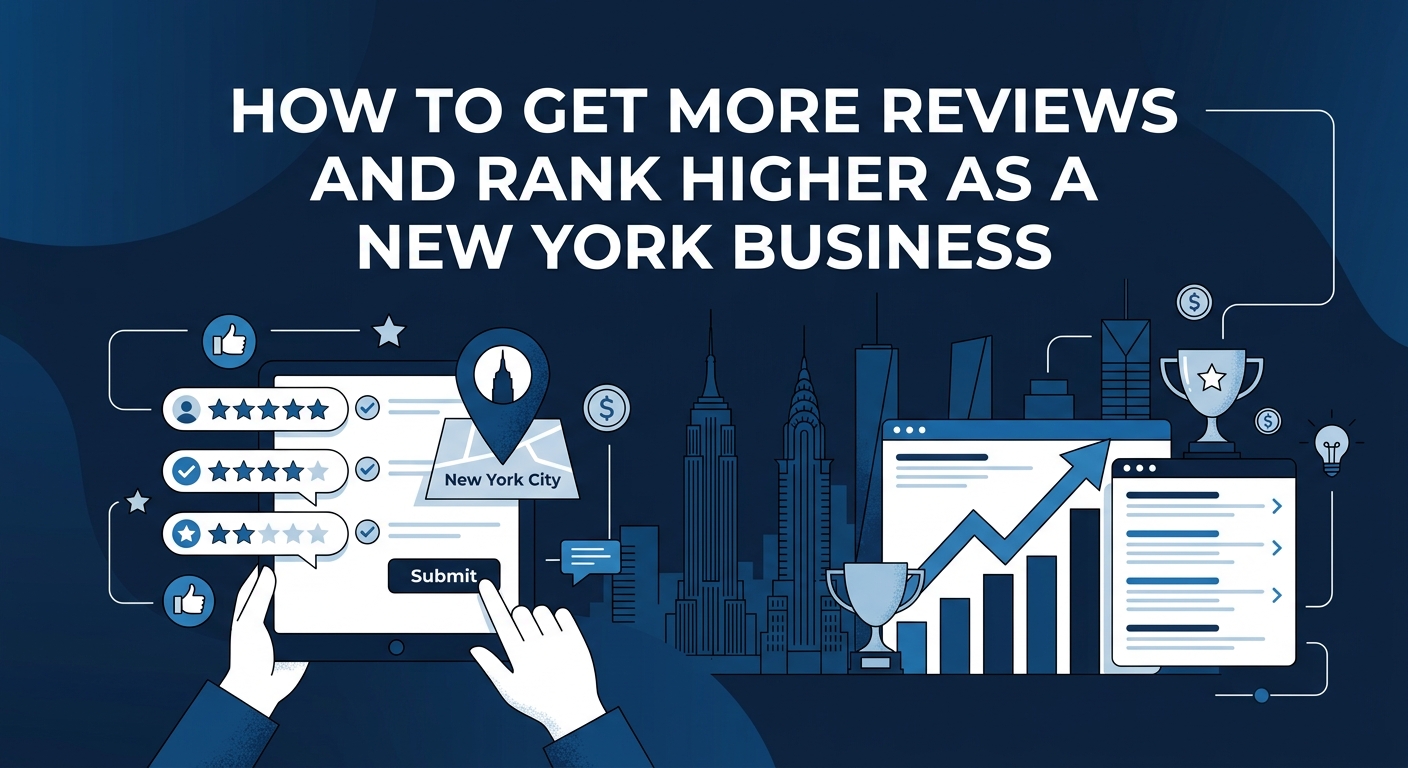
Reviews are among the strongest signals in local search, and they also shape whether a customer chooses you once they see your listing. People read ratings, scan recent comments, and compare several businesses in seconds. A steady stream of recent, genuine reviews builds trust that no advertisement can match.
The best way to earn reviews is simply to ask at the right moment. Request feedback after a successful visit, a completed job, or a happy conversation, and make the process easy by sharing a direct link through text, email, or a printed card. Most satisfied customers are willing to help but will not act unless someone invites them.
Never buy reviews, offer payment for positive ratings, or write reviews yourself. Search platforms actively detect and remove fake feedback, and getting caught can lead to penalties or suspension of your profile. Honest reviews, even when imperfect, look more believable than a wall of identical five-star comments.
Responding to reviews matters as much as collecting them. Thank customers who leave kind words, and mention a specific detail from their visit so the reply feels personal. Replies also give you a natural place to mention the neighborhood or service in everyday language, which helps both readers and search engines.
Negative reviews deserve a calm and professional response. Acknowledge the problem, apologize where it is fair, and offer to fix the situation offline through a phone number or email. Future customers often judge your business more by how you handle criticism than by the criticism itself.
Follow these simple practices to build a healthy review profile:
- Ask every satisfied customer for feedback at a natural moment
- Share a direct review link to remove friction
- Reply to every review within a day or two
- Handle complaints politely and offer a clear path to resolution
- Never use fake, paid, or incentivized reviews
A steady rhythm works better than a sudden burst. Aim for a consistent flow of new reviews each month, since a pile of reviews from years ago may look stale to both customers and search engines.
Neighborhood and Borough Content
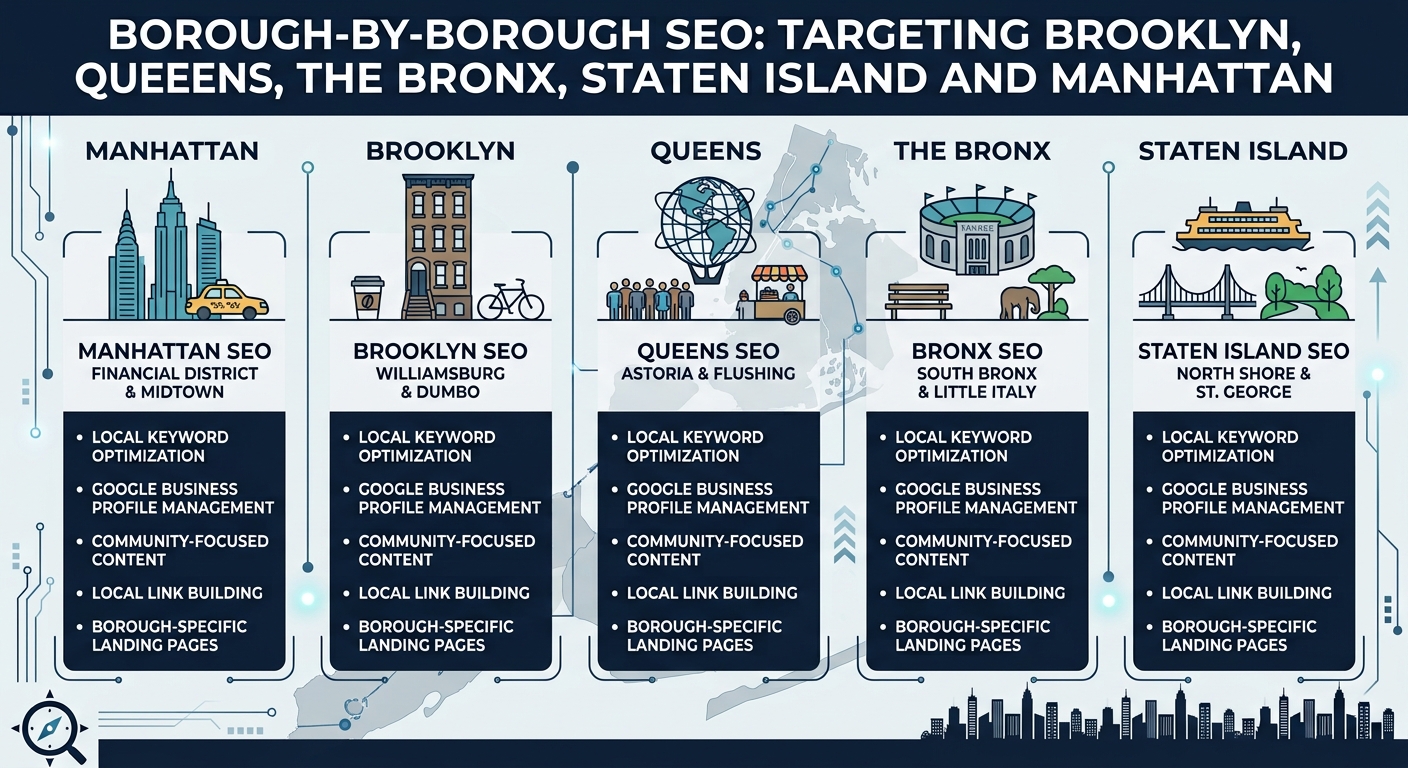
Your website should show search engines and visitors exactly where you work and who you serve. In New York, that means going beyond a single generic page that mentions the city. Pages built around specific neighborhoods and boroughs match the way real people search and help you appear for those local terms.
A strong location page offers real information, not copied text with the place name swapped out. Describe the services available in that area, mention nearby landmarks or transit stops, share a customer story or project example, and include accurate contact details. If you have a physical location there, add a map, hours, and directions.
Service area businesses, such as plumbers, movers, and cleaners, can build pages for each area they cover. The key is to write something unique and useful for each page, because thin pages that only change a place name can be treated as low-quality content. Fewer excellent pages will always beat many weak ones.
Local keywords should appear naturally. Phrases like dentist in Park Slope or catering for Midtown offices work best when placed in titles, headings, and the opening text, and then supported by helpful details. Avoid repeating the same phrase unnaturally, since the page should read smoothly for a real person.
Local content ideas also help you stand out from competitors. You can write guides about neighborhood events, answer common questions asked by residents, or share tips that fit the local lifestyle. Content like this earns attention from nearby readers and gives other local websites a reason to link to you.
The table below offers a simple content plan for a New York business.
| Content Type | Example Topic | Goal | Best For |
|---|---|---|---|
| Borough page | Services we offer in Brooklyn | Rank for borough searches | Multi-borough businesses |
| Neighborhood page | Plumbing help in Park Slope | Capture hyperlocal searches | Service area businesses |
| Local guide | Best weekend spots near our Queens shop | Attract nearby readers | Retail and restaurants |
| Customer story | A recent project in the Bronx | Build trust and show results | Service and project work |
| Frequently asked questions | Parking and transit access to our office | Answer common local questions | Offices and clinics |
| Event or community post | Sponsoring a neighborhood fair | Earn local links and mentions | Community focused brands |
Plan your content in small batches and publish consistently. A steady calendar of useful local pages builds authority over time and gives you fresh material to share on your profile and social channels.
On Page and Technical Local SEO
Even the best profile and listings cannot make up for a slow or confusing website. Most local searches happen on phones, so your site must load quickly, display cleanly on small screens, and make calling or getting directions as simple as one tap. A visitor who struggles to find your phone number will move on to a competitor.
Basic on-page elements still matter for local relevance. Write clear page titles and headings that include your service and location, add your address and phone number to every important page, and embed a map on your contact page. Keep this information identical to what appears on your profile and listings.
Structured data, often called schema markup, helps search engines understand your business details. Adding local business markup that includes your name, address, phone number, hours, and service areas gives machines a clear summary of who you are. A developer or experienced professional can add this in a short time, and it supports both traditional and AI-driven results.
Site structure also plays a part. Make sure each location or service has its own page, link them logically from your main menu and from related pages, and avoid hiding important pages several clicks deep. Clear internal links help visitors and search engines move through your site with ease.
Local links strengthen your prominence. Partner with neighborhood associations, sponsor community events, join local business groups, and share useful resources with nearby organizations. Mentions from respected local websites act as votes of trust and are far more valuable than random links from unrelated places.
Use this checklist to review your website:
- Pages load quickly on a mobile connection
- Phone number and address are visible and tappable
- Titles and headings include service and location
- A unique page exists for each location or major service area
- Local business schema markup is in place
- Internal links connect related pages clearly
- Local partnerships and community mentions are being built
With your profile, listings, reviews, content, and website all working together, you have a strong local foundation.

Tracking Results and Local KPIs
Local SEO only pays off when you can see what is working. Without tracking, you are guessing, and guessing makes it easy to spend money on tasks that do not move the needle. A small set of well-chosen metrics shows whether your visibility is growing and whether that growth is turning into customers.
Start with the actions that matter most to your business. For most local companies, these are phone calls, direction requests, website visits from the map, form submissions, and bookings. These numbers tell you more than raw rankings, because they connect your search presence to real revenue.
Visibility metrics add useful context. Track how often your profile appears in searches, how many people view it, and how your position changes for your most important local terms. Check these from several neighborhood points when possible, since results shift slightly from one block to the next.
Review metrics deserve attention as well. Watch your average rating, the number of new reviews each month, and how quickly you respond. A healthy pattern of fresh reviews supports both rankings and customer confidence.
The table below lists the main local KPIs and why each one matters.
| Local KPI | What It Measures | Why It Matters |
|---|---|---|
| Profile calls | Phone calls started from your listing | Shows direct customer interest |
| Direction requests | People asking for a route to your location | Signals strong visit intent |
| Profile views and searches | How often your listing is seen | Tracks growing visibility |
| Website visits from local search | Visitors arriving from map and local results | Shows traffic quality |
| Review count and rating | Volume and quality of customer feedback | Builds trust and influences rankings |
| Leads and bookings | Customers gained from local search | Proves return on investment |
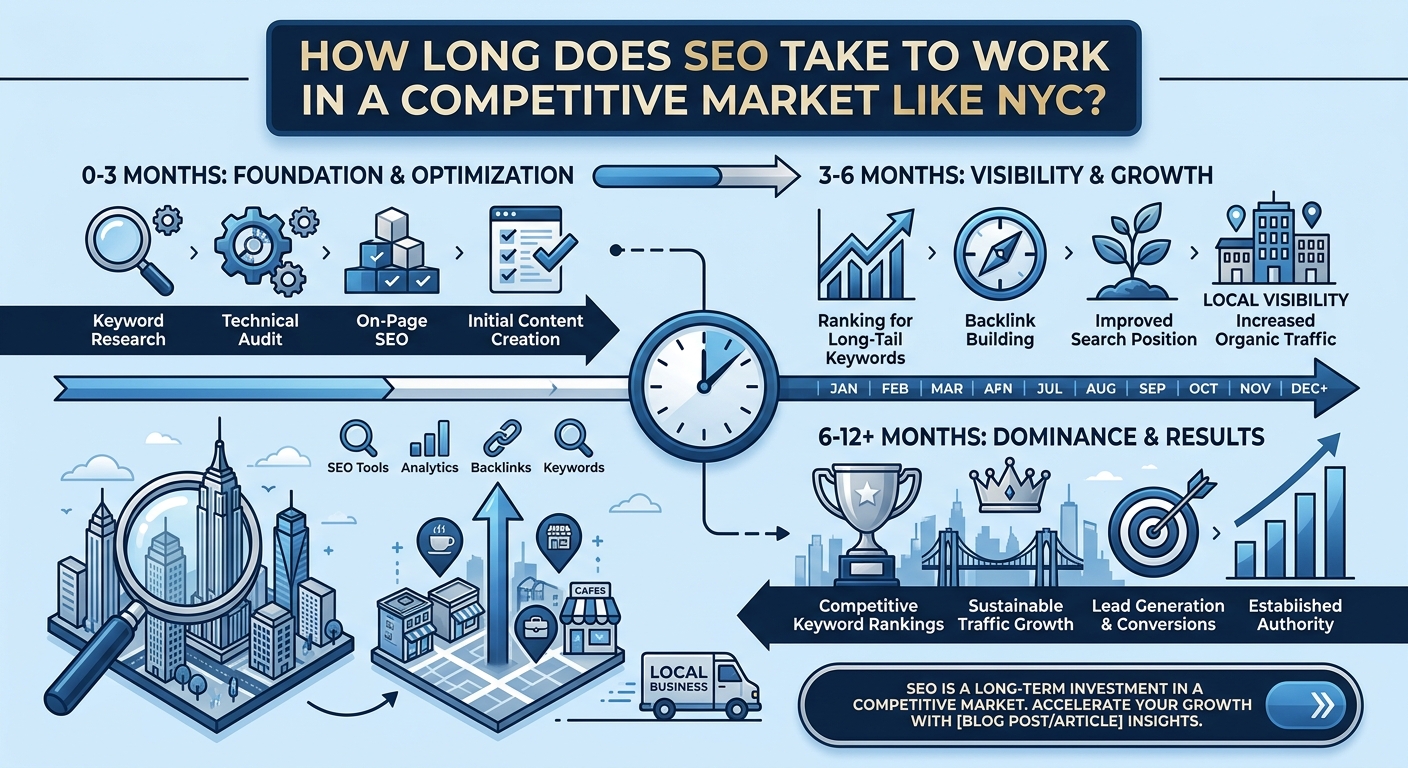
Set a regular review schedule, such as once a month, and compare each period with the last one. Early progress often shows up as better visibility and more profile views before calls and sales rise. In a competitive city like New York, meaningful gains often take three to six months, and larger improvements can take longer.
Common Local SEO Mistakes to Avoid
Many local businesses lose ground because of simple, avoidable errors. Fixing these problems often brings faster results than adding new tactics, so it is worth checking for them before you invest in anything advanced. Most of them come from rushing, copying competitors, or forgetting to maintain details over time.
Inconsistent business information is the most common mistake. When your name, address, or phone number differs across your profile, website, and directories, search engines struggle to trust you. Moving locations, changing numbers, or adding a suite without updating every listing can quietly damage your rankings.
Another frequent error is stuffing keywords into your business name or description. Adding extra words such as city names or services to your profile name may seem clever, but it violates platform guidelines and can lead to suspension. Use your real name and let your categories and services do the work.
Fake or incentivized reviews cause serious harm. They may look helpful in the short term, but detection systems are strong and the penalties can include removed reviews or a suspended profile. Genuine feedback collected consistently is always the safer and stronger path.
Thin location pages are another trap. Copying the same text across many pages and changing only the neighborhood name offers no value to visitors and can be treated as low-quality content. Each page should contain real details, such as services, local context, and examples.
Watch for these common mistakes:
- Different business details across profiles, listings, and your website
- Keyword stuffing in the business name or description
- Buying, faking, or incentivizing reviews
- Duplicate or thin location pages
- Ignoring reviews, questions, and messages
- Setting up a profile once and never updating it
- Tracking only rankings instead of calls and leads
A quick quarterly audit catches most of these problems before they grow. Review your listings, read recent reviews, check your pages on a phone, and confirm that your hours and details are still correct.
Hiring Help for Local SEO in New York
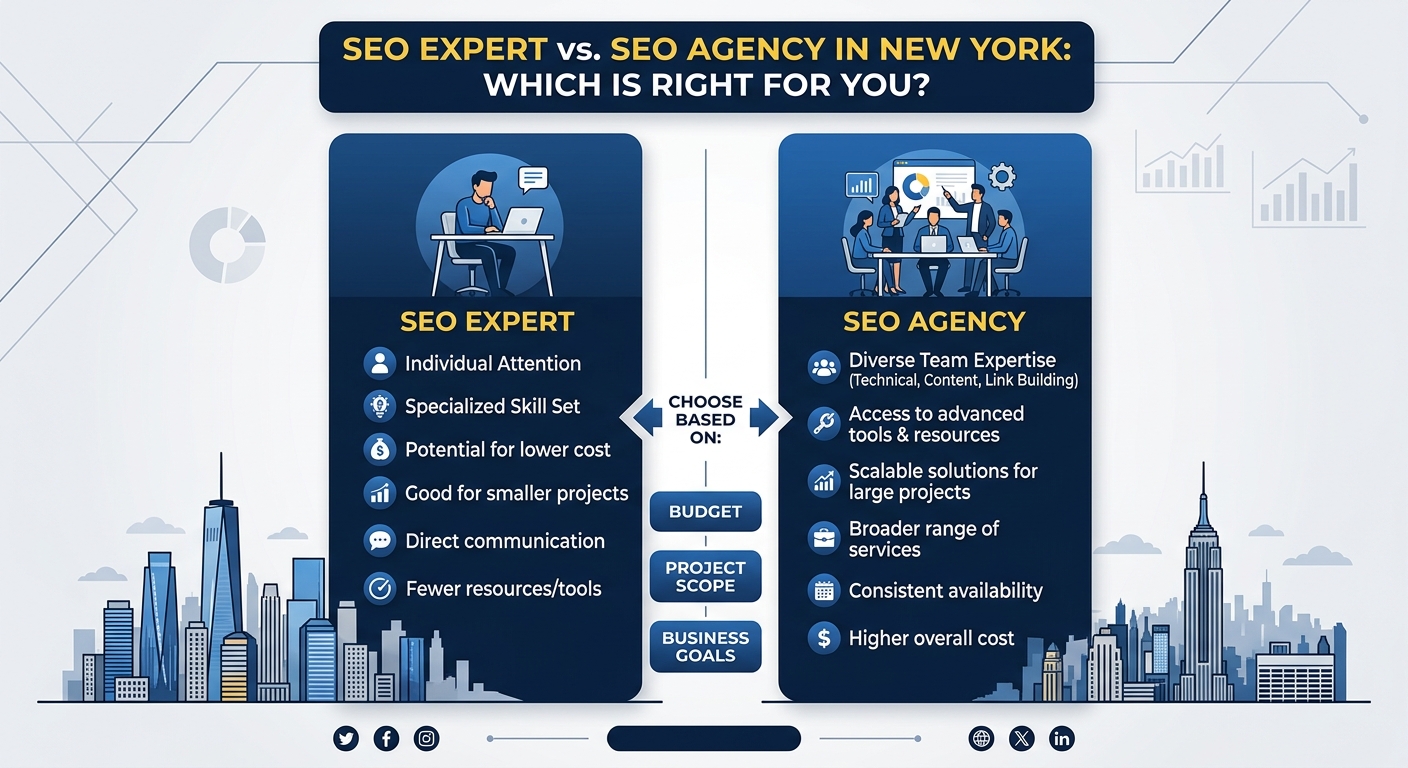
Some businesses handle local SEO themselves, especially in the early stages. If you have a single location, a few services, and time to maintain your profile and ask for reviews, the basics are within reach. Others choose professional help because the work is steady, technical, and easy to neglect when you are busy running the business.
Professional help makes the most sense when you serve several boroughs, operate multiple locations, or compete in a crowded industry such as law, healthcare, or real estate. It also helps when you want to move faster and avoid costly mistakes. A skilled professional can audit your presence, fix errors, and build a plan tailored to your neighborhoods.
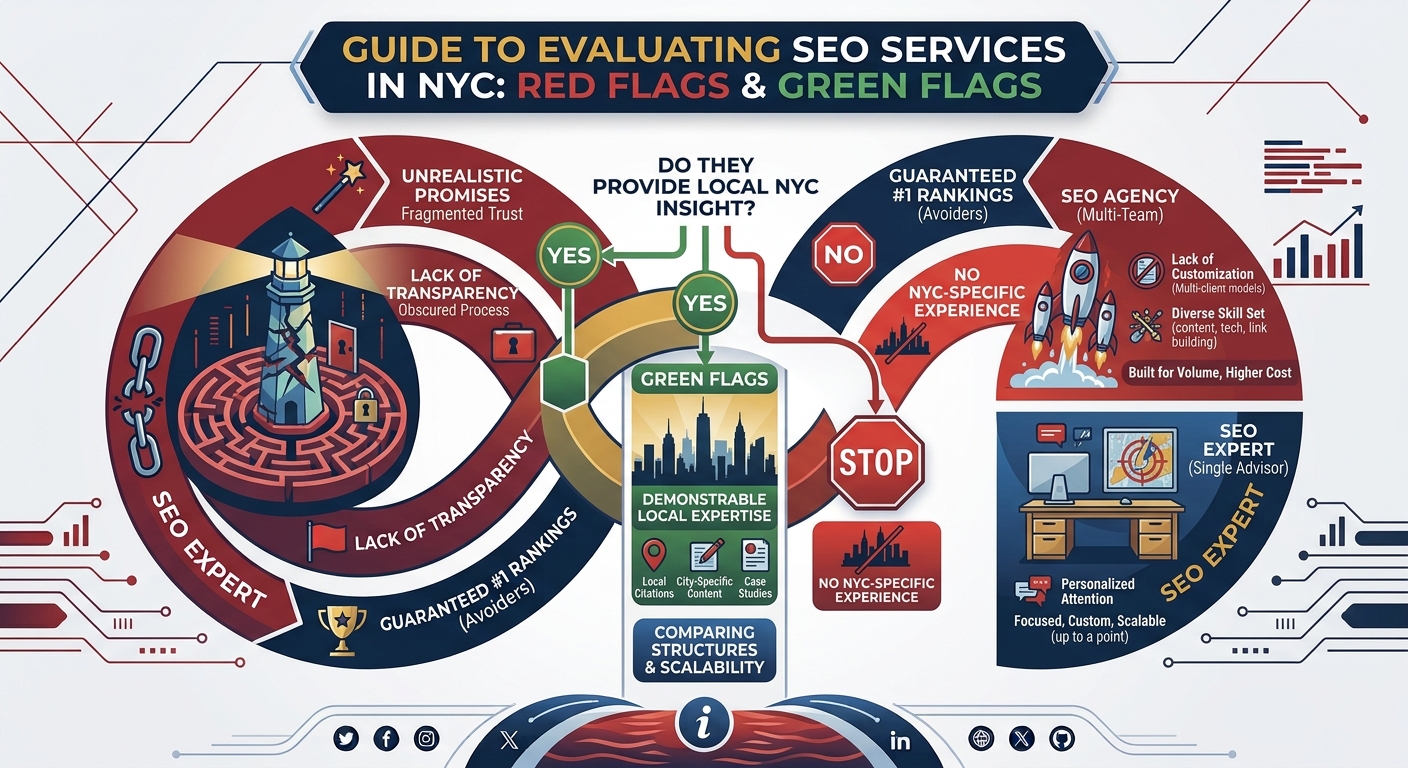
When you interview candidates, ask questions that reveal real local experience:
- Can you show case studies from businesses similar to mine?
- How will you handle my Google Business Profile and reviews?
- How will you approach different boroughs and neighborhoods?
- What will your reports include and how often will I receive them?
- Will I own my accounts, listings, content, and data?
Be careful with guarantees. No honest professional can promise a specific map position, because rankings depend on many changing factors. Look instead for clear strategies, realistic timelines, and plain-language reports that connect your visibility to calls and customers.
Pricing varies with the number of locations, the level of competition, and the amount of content and outreach included. Single-location local campaigns often start at a few hundred dollars per month at the lower end and rise with scope and competition. Always ask for a written scope of work so you know what the fee covers and what costs extra.
Why Choose Dealmate
Dealmate treats local search as a partnership built on honesty, clear communication, and measurable outcomes. Every engagement begins with a thorough review of your profile, listings, website, competitors, and neighborhood market, so the plan fits your goals instead of following a generic package.
You always know what is being done, why it matters, and how it connects to growth. The team uses ethical, long-term methods that protect your listings and build lasting authority, avoiding shortcuts that risk penalties. Here is what you can expect when you work with Dealmate:
- A custom local strategy built around your business, industry, and neighborhood
- Careful setup and ongoing care of your Google Business Profile
- Clean, consistent listings and genuine review growth
- Plain-language monthly reports that connect visibility to calls and leads
- Full ownership of your accounts, content, and data
- Named contacts with clear response times
Dealmate combines deep local knowledge with the structure of a full team, which makes it a strong fit for single shops and multi-location brands alike. If you want to test the questions in this guide, the team welcomes every one of them.
Frequently Asked Questions
How long does local SEO take to work in New York?
Early improvements often appear within three to four months. Competitive industries and crowded neighborhoods may need six to twelve months for strong gains. Search engines need time to evaluate your changes and build trust in your business. Anyone promising top map positions in a few weeks deserves caution.
How much does local SEO cost for a New York business?
Costs depend on the number of locations, your industry, and the amount of work included. Many small businesses spend between a few hundred and a few thousand dollars per month. Competitive fields such as law and healthcare usually cost more. Ask for a written scope so you can compare proposals fairly.
How many reviews do I need to rank well?
There is no magic number, because the right amount depends on your competitors. A steady flow of fresh, genuine reviews matters more than a large total from years ago. Look at the businesses ranking above you and aim to match or exceed their pace. Quality and recency usually count for more than raw volume.
Do citations still matter for local rankings?
Yes, accurate citations still help search engines confirm your business details. They matter most when they are consistent and appear on respected platforms. A few well-chosen listings are better than hundreds of low-quality directories. Regular audits keep your information clean as your business changes.
How do I handle multiple locations in different boroughs?
Each location should have its own Google Business Profile, its own landing page, and its own set of reviews. Keep names, addresses, and phone numbers accurate for every location. Create unique content that reflects the neighborhood and services at each site. Track results separately so you can see which locations need more attention.
Can a business without a storefront do local SEO?
Yes, service area businesses such as plumbers, cleaners, and movers can rank locally. They define the areas they serve on their profile and build pages for those neighborhoods. Hiding the home address is allowed when customers do not visit you in person. Strong reviews and consistent details still play a key role.
How does voice search affect local SEO?
Voice searches are usually conversational and often include phrases like near me or open now. Complete profiles with accurate hours, categories, and service details help assistants find and read your information. Clear answers to common questions on your website also support these searches. Fast mobile pages improve the experience for people searching on the go.
How does AI search change local SEO?
AI summaries reward businesses with accurate, consistent, and well-structured information. Strong reviews, clear service descriptions, and trustworthy listings help your business appear as a reliable choice. Content that answers local questions directly is more likely to be used in summaries. Keep your details current across every platform to stay visible.
How do I know if my local SEO is working?
Track profile calls, direction requests, website visits from local search, review growth, and leads or bookings. Compare each month with the last and look for steady improvement. Early signs often include more profile views and better visibility before sales rise. If you cannot understand your reports, ask for a clearer format.
Can anyone guarantee a top map position?
No honest professional can guarantee a specific position, because results are shaped by many factors that change constantly. Distance, competition, and search engine updates all play a part. Anyone who offers a guarantee is either misleading you or using risky tactics. Look instead for clear strategies and measurable progress.
Conclusion: Your Local Growth Plan
Local SEO gives New York businesses a direct path to customers who are searching nearby and ready to act. A complete Google Business Profile, consistent listings, genuine reviews, helpful neighborhood content, and a fast, clear website all work together to build trust and visibility. When you track the right numbers and avoid common mistakes, progress becomes steady and measurable.
Start with the basics, keep your details accurate, and improve a little each month rather than chasing quick fixes. Whether you handle the work yourself or bring in a professional, choose methods that are honest, patient, and focused on real customers.