Introduction to E-commerce and Fashion SEO in New York
New York is one of the most influential fashion capitals on the planet. From the showrooms of the Garment District to the independent studios of Brooklyn and the boutiques of SoHo, the city shapes trends that travel around the world. For brands that sell online, this creates a powerful advantage, but it also means competing with some of the best known names in retail and thousands of ambitious emerging labels.
Online shoppers have endless choices, and most of them begin their journey with a search. Someone looking for a linen dress for a summer wedding, a pair of leather boots made in New York, or a sustainable streetwear label will usually type a few words into a search engine before visiting any store. The brands that appear in those results, with appealing images and clear product details, are the ones that earn the click and the sale.
Search engine optimization, commonly called SEO, is the practice of making your online store easier to find and easier to trust. It covers your website structure, your product pages, your content, your reviews, and every place your brand appears on the internet. When these elements work together, they bring in steady and relevant traffic without depending entirely on paid advertising.
This guide explains how New York e-commerce and fashion brands can use SEO to attract more shoppers, build recognition, and increase sales in a crowded market. The first part covers why SEO matters, how people search for fashion and products online, and how to build a strong technical and local foundation. Here is what you will learn throughout the full guide:
- Why organic search has become a vital sales channel for online fashion brands
- How shoppers search for products, styles, and brands and what they expect to see
- How to set up a store structure that search engines and customers can easily understand
- How to optimize category pages, product pages, and brand content
- How to build authority, track results, and keep improving over time
Why SEO Matters for New York E-commerce and Fashion Brands
Many online brands begin by relying on paid advertising and social media to drive traffic. These channels can work well, but costs continue to rise, and sales often stop as soon as the budget is paused. SEO offers a more lasting path, because well optimized pages can keep attracting shoppers month after month without a fee for every click.
The fashion category is especially competitive. Shoppers compare countless brands, styles, and price points, and they often decide within seconds based on the first few results they see. Appearing prominently for the right searches can place your products in front of people who are already interested and ready to buy.
SEO also helps new and independent brands compete with larger names. A smaller label with a clear story, excellent product pages, and helpful content can earn visibility for specific searches that big retailers overlook. Niche terms, such as handmade leather bags from Brooklyn or sustainable tailoring for petite sizes, often bring highly motivated buyers with strong purchase intent.
The table below shows common ways shoppers find fashion and e-commerce brands and how SEO supports each path.
| Discovery Method | How Shoppers Use It | SEO Opportunity |
|---|---|---|
| Search engine results | Looking for a product, style, or brand | Optimize category and product pages for relevant searches |
| Image search | Browsing outfits and product photos | Use descriptive image names and clear alt text |
| Shopping results | Comparing prices, ratings, and availability | Keep product details, images, and reviews accurate |
| Map and local results | Looking for a boutique or showroom nearby | Optimize your Google Business Profile for physical locations |
| Social media | Discovering brands through creators and posts | Connect profiles to your site and keep brand details consistent |
| Fashion blogs and media | Reading trend reports and best of lists | Earn mentions and links through helpful content and outreach |
Trust also plays a major role. Shoppers want to know that a store is real, that products match their photos, and that returns and shipping are fair. Clear policies, genuine reviews, and a professional website help build the confidence needed to complete a purchase, and search engines reward sites that show these qualities.
Another benefit of SEO is the strength of the traffic it brings. Visitors who arrive through a specific search often know what they want, which can lead to higher conversion rates than casual browsing. Over time, a healthy organic channel can lower your cost to acquire each customer and give your brand a more stable foundation for growth.
How Shoppers Search for Fashion and Products Online
Understanding how people search is the starting point for any effective e-commerce plan. Shoppers use many different kinds of searches, and each one reveals a different stage of the buying journey. When you understand these patterns, you can shape your store and content to meet customers at the right moment.
Some searches are broad and exploratory, such as summer dress ideas or best sneakers for walking in the city. These shoppers are still gathering inspiration, and helpful guides, lookbooks, and category pages can introduce your brand to them. Other searches are specific and ready to convert, such as black wool coat women size medium or vegan leather tote with zipper.
Occasion and style searches are very common in fashion. People look for outfits for weddings, job interviews, vacations, parties, and seasonal events, and they often add details such as color, fabric, or fit. Content and product pages that speak directly to these needs can capture shoppers who know the situation but have not yet chosen a brand.
Here are common search types that matter for e-commerce and fashion brands:
- Product searches, such as wide leg linen trousers
- Category searches, such as women’s winter coats or men’s tailored suits
- Style and trend searches, such as quiet luxury outfits or retro streetwear
- Occasion searches, such as dress for a rooftop wedding
- Brand searches, where the shopper already knows your name and wants details
- Comparison and question searches, such as how should a blazer fit
Mobile and visual behavior are especially important in this industry. Many shoppers browse on their phones, often while commuting or relaxing at home, and they respond strongly to images and short videos. Fast loading pages, large clear photos, and a simple checkout process are essential for keeping these visitors engaged.
Shoppers in New York also have local needs. Some want to visit a showroom, attend a pop up shop, or pick up an order in person, and they search with phrases that include a neighborhood or borough. Brands with a physical presence can benefit from local visibility alongside their online store, which creates more ways for customers to discover and trust them.
Building a Strong SEO Foundation
Before creating new content or chasing advanced strategies, make sure your store is built on a solid and healthy foundation. A strong foundation helps search engines crawl, understand, and rank your pages, and it gives shoppers a smooth experience from the first click. Problems at this level can quietly hold back every other effort.
Site structure is the first priority. Organize your store into clear categories and subcategories, such as women, men, accessories, and then more specific groups like dresses, outerwear, or footwear. A logical structure helps visitors find products quickly and helps search engines understand how your pages relate to one another.
Technical health is equally important. Make sure your store loads quickly, uses a secure connection, works well on mobile devices, and avoids broken links and error pages. Clean URLs that describe the page, such as a category name followed by a product name, are easier for both people and search engines to understand.
Duplicate content is a common challenge for online stores. Products that come in many colors and sizes can create many similar pages, and filters can generate endless combinations of addresses. Use clear settings to tell search engines which version of a page is the main one, and avoid copying manufacturer descriptions that appear on many other websites.
Use this checklist to build your foundation:
- Organize your products into clear categories and subcategories
- Use short, descriptive page addresses that reflect the page topic
- Confirm that your store loads quickly and works smoothly on mobile
- Secure your entire site with a safe connection and fix broken links
- Handle color, size, and filter variations so that duplicate pages do not compete
- Submit a sitemap so that search engines can find your important pages
Brands with a physical presence in New York should also set up local profiles. If you operate a showroom, flagship store, or pop up location, claim and verify your Google Business Profile and complete every section with accurate details. Add your address, hours, phone number, photos, and a clear description, and keep your name, address, and phone number consistent across every directory and social profile.
Finally, remember that your foundation needs regular attention. Collections change, products sell out, and technology updates can introduce new issues, so a monthly review helps keep everything healthy. With a clean and well organized base in place, you are ready to build a store and content strategy that turns more searches into loyal customers.

Ecommerce Website Essentials
Your online store is the center of your brand, and every other effort leads shoppers back to it. When someone finds you through a search result, a social post, or a recommendation, the next step is a visit to your site. A fast, attractive, and easy to use store can turn that visit into a sale within minutes.
Speed and mobile design come first. Most fashion browsing happens on phones, often in short moments between other activities, so slow pages lose shoppers quickly. Compress your images, avoid heavy scripts, and choose a layout with large buttons, readable text, and filters that work smoothly on a small screen.
Navigation should feel natural and helpful. Shoppers should be able to move from a main category to a specific product in only a few taps, with filters for size, color, price, and style that respond instantly. A clear search bar on every page helps visitors who already know what they want.
Checkout is where many stores lose customers. Offer guest checkout, show shipping costs and delivery times early, and provide familiar payment options so that buyers feel comfortable. Every extra form field or surprise fee gives a shopper another reason to abandon the cart.
The table below outlines the essential store elements and why each one matters.
| Store Element | Purpose | Why It Helps SEO and Sales |
|---|---|---|
| Fast mobile friendly design | Smooth browsing on phones | Improves user experience and reduces early exits |
| Clear category navigation | Helps shoppers find products quickly | Supports crawling and keeps visitors engaged |
| Internal search and filters | Narrows choices by size, color, and price | Increases product discovery and conversions |
| High quality product photos | Shows fit, texture, and detail | Builds desire and supports image search visibility |
| Size guides and fit information | Reduces uncertainty about sizing | Lowers returns and builds confidence |
| Clear shipping and return policies | Answers common concerns | Builds trust and removes purchase barriers |
| Secure and simple checkout | Protects payment details and speeds up purchase | Reduces cart abandonment |
| Customer reviews and ratings | Provides social proof | Strengthens credibility and click through rates |
Trust signals deserve a visible place across the store. Display your contact details, return policy, shipping information, and secure payment badges where shoppers can easily see them. A short brand story and a real address, especially for a New York based label, help visitors feel that they are buying from a genuine business.
Keep your core business details consistent everywhere. Your brand name, address, phone number, and policies should match across your website, social profiles, marketplaces, and directories. Mixed signals confuse both shoppers and search engines, so treat your website as the main source of truth and update it first whenever something changes.
Keyword Strategy for Online Stores
Keywords are the words and phrases that shoppers type into search engines when they are looking for products. A smart keyword strategy helps you understand what people want and then match your pages to those needs. For fashion and e-commerce brands, the best keywords usually combine a product type, a descriptive detail, and a clear buying intent.
Start by listing your product categories and the features that make each item special. Think about materials, fits, colors, occasions, and values such as sustainable, handmade, or locally made in New York. Then consider the words your customers actually use, which may be different from the terms used inside your company.
Long and specific phrases often bring the most valuable traffic. A shopper searching for a navy double breasted wool blazer for women knows exactly what they want and is much closer to buying than someone searching only for blazers. Targeting these detailed phrases can help smaller brands compete with larger retailers.
Here are the main keyword groups to consider:
- Product keywords, such as leather ankle boots or oversized cotton shirts
- Category keywords, such as women’s outerwear or men’s accessories
- Attribute keywords, such as waterproof, petite, plus size, or organic cotton
- Occasion keywords, such as wedding guest outfit or office wear
- Brand and collection keywords, such as your label name and seasonal line names
- Local keywords, such as fashion boutique in SoHo or showroom in Brooklyn
Match each keyword group to a specific page whenever possible. Your category pages can target broader terms, your product pages can target specific items, and your guides can target questions and occasions. This structure gives search engines a clear picture of what each page offers and helps shoppers land on the most relevant information.
Think about intent as well as wording. A person searching for style ideas wants inspiration, while a person searching for a specific item with a size and color is ready to purchase. Writing each page to satisfy its main purpose leads to stronger engagement than simply repeating keywords.
The table below shows how different search intentions connect to page types.
| Search Intent | Example Search | Best Page to Show | Key Feature to Include |
|---|---|---|---|
| Browse a category | Women’s winter coats | Category page | Clear filters, strong images, and helpful introductory text |
| Buy a specific item | Black leather tote bag with zipper | Product page | Detailed description, photos, reviews, and availability |
| Seek inspiration | Outfit ideas for a fall wedding | Guide or lookbook | Styled photos linked to relevant products |
| Compare options | Best sustainable denim brands | Brand story or comparison guide | Honest details about materials and production |
| Find a local store | Fashion boutique in Williamsburg | Store or location page | Address, hours, and directions |
Finally, write for people first. Search engines understand meaning very well, so there is no need to repeat the same phrase many times. Clear and helpful writing that answers real shopper questions will always outperform pages filled with awkward or forced keywords.
Category and Product Page Optimization
Category pages and product pages are the heart of an online store, and they deserve careful attention. Category pages often rank for broader searches and introduce shoppers to a group of items, while product pages capture detailed searches from people ready to buy. Strong pages at both levels work together to guide visitors from discovery to purchase.
A good category page includes more than a grid of products. Add a short and helpful introduction that explains what the collection offers, who it is for, and how to choose the right item. Place this text in a way that does not push the products too far down the page, and keep the writing natural and focused on the shopper.
Product pages should describe each item in a way that feels unique and useful. Write original descriptions that cover materials, fit, care instructions, sizing, and the story behind the design, rather than copying the text supplied by a manufacturer. Detailed and honest descriptions help shoppers decide and help search engines understand what the page offers.
Use this checklist when optimizing each page:
- Write a unique page title that includes the product or category and your brand name
- Add a short description that invites the click and highlights a key benefit
- Use one clear main heading that matches what the page offers
- Provide original descriptions with materials, fit, sizing, and care details
- Add several high quality photos, including close ups and different angles
- Include customer reviews, ratings, and clear availability information
Images play a major role in fashion. Give each photo a descriptive file name and a short alt description that explains what the image shows, such as a model wearing a green silk midi dress. Compress files so that pages load quickly, and consider adding short videos that show movement and fit.
Structured details help search engines display richer information about your products. Information such as price, availability, ratings, and brand can be presented in a format that search tools read easily. This can help your listings appear with extra details in search results and shopping features, which often increases clicks.
Variants, sizes, and out of stock items need thoughtful handling. Keep one main page for a product with multiple colors or sizes whenever possible, rather than creating many near identical pages. When an item sells out, keep the page live if it may return, and show related alternatives so that visitors do not leave empty handed.
Internal links connect your store and guide shoppers deeper. Link product pages to their categories, related items, and helpful guides such as size charts or styling tips. A logical link structure shows that your site covers each topic thoroughly and keeps visitors exploring longer.
Content That Builds Brand and Traffic
Content gives your brand a voice and brings in shoppers who are not yet ready to buy. In fashion, people love stories, inspiration, and practical advice, and helpful content can introduce your label to new audiences. It also gives search engines more pages to show for a wider range of searches.
Style guides and lookbooks are natural choices for fashion brands. A guide on how to style a trench coat for different seasons, or a lookbook that shows a new collection in real city settings, can attract visitors and link them directly to products. Each piece should include clear images, helpful details, and easy paths to the items featured.
Seasonal and event content works especially well. Holiday gift guides, back to school edits, summer travel wardrobes, and Fashion Week inspired features often match what people search for at specific times of year. Publishing these pages early and keeping them online with fresh updates helps you capture interest as each season approaches.
Here are practical content ideas for e-commerce and fashion brands:
- Style guides that show how to wear and combine key pieces
- Size and fit guides that help shoppers choose with confidence
- Care guides that explain how to wash, store, and repair garments
- Brand story pages that describe your design process, materials, and New York roots
- Behind the scenes features about your studio, makers, and production
- Seasonal edits, gift guides, and trend explainers linked to relevant collections
Brand storytelling sets you apart from competitors who sell similar items. Shoppers increasingly care about where products come from, how they are made, and what a brand stands for. Sharing honest information about materials, craftsmanship, and values builds an emotional connection that goes beyond price.
User generated content adds authenticity. Photos from real customers wearing your pieces, along with their comments and reviews, show how items look in everyday life and provide fresh content for your pages. Always ask for permission before sharing customer photos, and credit contributors where appropriate.
Video is another powerful format. Short clips that show fabric movement, styling ideas, or a day in the studio hold attention and can be shared across your site and social channels. Add clear titles and descriptions, and keep files optimized so that pages stay fast on mobile.
Do not forget to keep your content fresh. Old collections, expired promotions, and outdated guides can confuse shoppers and weaken trust. A quick quarterly review to update or remove old material keeps your website accurate and shows that your brand is active.
With a well built store, a smart keyword plan, carefully optimized pages, and engaging content, you have created the tools needed to attract more of the right shoppers. The next step is strengthening your reputation, earning authority through mentions and partnerships, and tracking results so that your growth continues over time.

Reviews and Social Proof
Reviews are one of the strongest drivers of online sales, especially in fashion where shoppers cannot touch fabric or try on an item. Real feedback about fit, quality, and comfort helps buyers feel confident enough to complete a purchase. Strong reviews also improve how your listings appear in search results and shopping features, which can increase clicks.
Collect reviews at the right moment. A short email sent after the product has arrived, giving the customer time to wear and enjoy it, usually works better than an immediate request. Make the process simple with a direct link, and encourage shoppers to mention details such as sizing, fabric feel, and how the item looks in real life.
Product reviews and brand reviews serve different purposes. Product reviews appear on item pages and help shoppers choose a size or style, while brand reviews on Google and other platforms build overall trust. Both are valuable, so ask for feedback in a way that supports each one.
Responding to reviews shows that real people stand behind your brand. Thank customers by name, address questions about fit or delivery politely, and offer a clear path to resolve any problem. A calm and helpful reply to a critical review can turn a negative moment into proof of excellent service.
Follow these habits to build strong social proof:
- Send a review request a few days after delivery with a direct link
- Display ratings and written feedback on product and category pages
- Reply to every review in a warm and professional tone
- Share selected customer comments and photos with permission
- Never offer payment or gifts for positive reviews, since most platforms forbid it
Use feedback to improve your products and pages. Repeated comments about sizing can guide updates to your size guide, and repeated praise for a fabric can inspire new content and collections. Treat reviews as a free source of insight into what your customers care about most.
Local and Marketplace Visibility
Online brands in New York can benefit from being visible in more places than their own website. Local profiles, marketplaces, and fashion directories all create extra paths for shoppers to discover and trust you. Accurate and consistent details across these platforms support your overall visibility.
If your brand has a showroom, flagship store, or pop up location, local visibility is especially valuable. Claim and verify your Google Business Profile, add your address, hours, photos, and a clear description, and keep it updated for special events and seasonal changes. Shoppers who live in or visit the city often search for fashion boutiques by neighborhood, and a complete profile helps you appear for those searches.
Marketplaces and fashion platforms can expand your reach, although they should support rather than replace your own store. Use them to introduce new customers to your brand, then guide those customers back to your website through packaging, inserts, and email sign up offers. Keep product details and pricing consistent so that shoppers see the same information everywhere.
The table below shows how to think about the main platform types.
| Platform Type | Main Purpose | Priority Level | Tip for New York Brands |
|---|---|---|---|
| Your own online store | Direct sales and brand control | Essential | Treat it as the main source of truth for all details |
| Google Business Profile | Local and map visibility for physical locations | High | Keep hours, photos, and event updates current |
| Shopping and product listings | Visibility in product search results | High | Keep prices, availability, and images accurate |
| Fashion marketplaces | Added reach and new customers | Medium to high | Link back to your store and keep details consistent |
| Local business directories | Citations and neighborhood relevance | Medium | Use the same name, address, and phone number everywhere |
| Social media profiles | Discovery, community, and content sharing | High | Link every profile to your website and shop pages |
| Fashion and lifestyle directories | Industry relevance and referral traffic | Medium | Choose platforms active in your category |
Consistency is the rule that connects every listing. Use one standard version of your brand name, address, and phone number, and update every platform whenever anything changes. A short quarterly audit helps you catch duplicate listings, outdated details, and old product information that can confuse customers.
Link Building and Brand Authority
Links from respected websites act as endorsements and help search engines understand that your brand is trusted. In fashion, quality matters far more than quantity, so a few links from relevant and reputable sources are worth more than many from weak or unrelated sites. Earn links through real contributions rather than shortcuts.
Fashion media and bloggers are natural partners. Editors and writers often look for fresh labels, interesting stories, and seasonal picks, and a clear press page with high quality images and brand details makes it easy for them to feature you. Sending thoughtful introductions, rather than mass messages, leads to better relationships and more lasting coverage.
Creators and influencers can also help. Collaborations with stylists, photographers, and content creators who match your brand values can lead to features, reviews, and mentions that link back to your store. Choose partners whose audiences truly fit your customers, and keep all arrangements transparent and honest.
Here are practical ways to earn quality links and mentions:
- Publish original guides, trend reports, or behind the scenes stories that others want to reference
- Share your story with fashion journalists, bloggers, and local New York publications
- Take part in local markets, pop up events, and Fashion Week related activities
- Partner with complementary brands, designers, and artists for collaborations
- Support community and sustainability initiatives that earn coverage
Avoid buying links or joining link schemes. Search engines can detect unnatural patterns, and penalties can take months to repair. Honest relationships and genuinely interesting content create authority that lasts.
Turning Visitors Into Customers
Traffic only matters when it leads to sales. Once a shopper lands on your store, your goal is to make buying feel easy, safe, and rewarding. Every unnecessary step or unanswered question gives a visitor another reason to leave.
Place clear calls to action across your pages. Buttons that say add to bag, shop the collection, or find your size should be easy to see and tap on mobile. Use friendly, direct wording, and show helpful details such as delivery times and return options close to the button.
Email and follow up play a major role in conversion. Many shoppers browse several times before buying, so a simple sign up offer and thoughtful messages about new arrivals, restocks, or abandoned carts can bring them back. Keep messages helpful and respectful, and always make it easy to unsubscribe.
Customer service also supports sales. Fast replies to questions about sizing, shipping, or returns can make the difference between a purchase and a lost visitor. Offering chat, email, or phone support, along with clear help pages, shows that your brand cares about every customer.
Tracking results shows you what is working and where to improve. Review your numbers once a month using the checklist below so that your efforts stay focused and measurable.
| Monthly Task | What to Check | Why It Matters |
|---|---|---|
| Organic traffic | Visits from search to key pages | Shows whether visibility is growing |
| Top search terms | Phrases that bring visitors to your store | Reveals new product and content ideas |
| Conversion rate | Share of visitors who complete a purchase | Connects SEO work to real sales |
| Page speed and mobile use | Loading time and mobile experience | Prevents lost sales from slow pages |
| Review activity | New reviews, ratings, and responses | Confirms that your reputation is growing |
| Product and listing accuracy | Prices, stock, and details across platforms | Protects trust and shopping visibility |
Use what you learn to make steady improvements. If many visitors leave a category page, add clearer filters or a stronger introduction, and if searches for a certain style are rising, publish a helpful guide and link it to relevant products. Small, consistent changes often deliver better results than occasional large overhauls.
Common Ecommerce SEO Mistakes to Avoid
Many online brands lose traffic and sales because of small and avoidable mistakes. Knowing these problems in advance helps you protect your visibility and your reputation. Most of them come from rushed setup, outdated information, or a lack of regular checks.
- Copying manufacturer descriptions that appear on many other websites
- Creating many near identical pages for colors, sizes, and filters
- Using slow, oversized images that make pages difficult to load on mobile
- Hiding shipping costs, return policies, or contact details until late in checkout
- Leaving old collections, broken links, and error pages online
- Using different brand names, addresses, or details across platforms
- Ignoring reviews or replying with defensive language
- Relying only on paid ads and neglecting long term organic growth
Each of these issues can quietly reduce traffic and sales without any obvious warning. A simple monthly review of your store, listings, and reviews will catch most of them early. Treat your online presence with the same care you give your products, and it will reward you with steady growth.
Why Choose DealMate
Running an e-commerce or fashion brand in New York leaves very little time for detailed SEO work. DealMate helps online stores and fashion labels build a strong and reliable search presence so that more of the right shoppers can find them and buy with confidence. Our team combines local market knowledge with practical, step by step execution that fits the fast pace of the fashion world.
We begin by reviewing your website structure, product pages, listings, and reviews to see exactly where you stand. From there we create a plan that fits your products, your audience, and your goals, covering everything from technical health to category content and local profiles. Every action follows search engine and platform guidelines, so your visibility grows in a safe and lasting way.
Here is what you can expect when you work with DealMate:
- A complete review of your current search presence with clear findings
- Optimization of your category pages, product pages, and brand content for relevant searches
- Consistent and accurate listings across the platforms that matter most
- Guidance on collecting and responding to reviews in a compliant way
- Transparent monthly reporting that connects our work to traffic, visits, and sales
We believe that great brands deserve to be found by the customers who will love them. With DealMate, you gain a trusted partner who understands the energy and competition of the New York fashion and retail scene. Contact us to start turning more searches into sales and more first time buyers into loyal customers.
Frequently Asked Questions
What is SEO for e-commerce and fashion brands?
SEO for e-commerce and fashion brands is the process of improving your online store so that more shoppers can find it through search engines. It covers your website structure, product pages, content, reviews, and listings on other platforms. The goal is to appear in searches for your products, styles, and brand name. When done well, it brings steady and relevant traffic that can turn into sales.
How long does e-commerce SEO take to work?
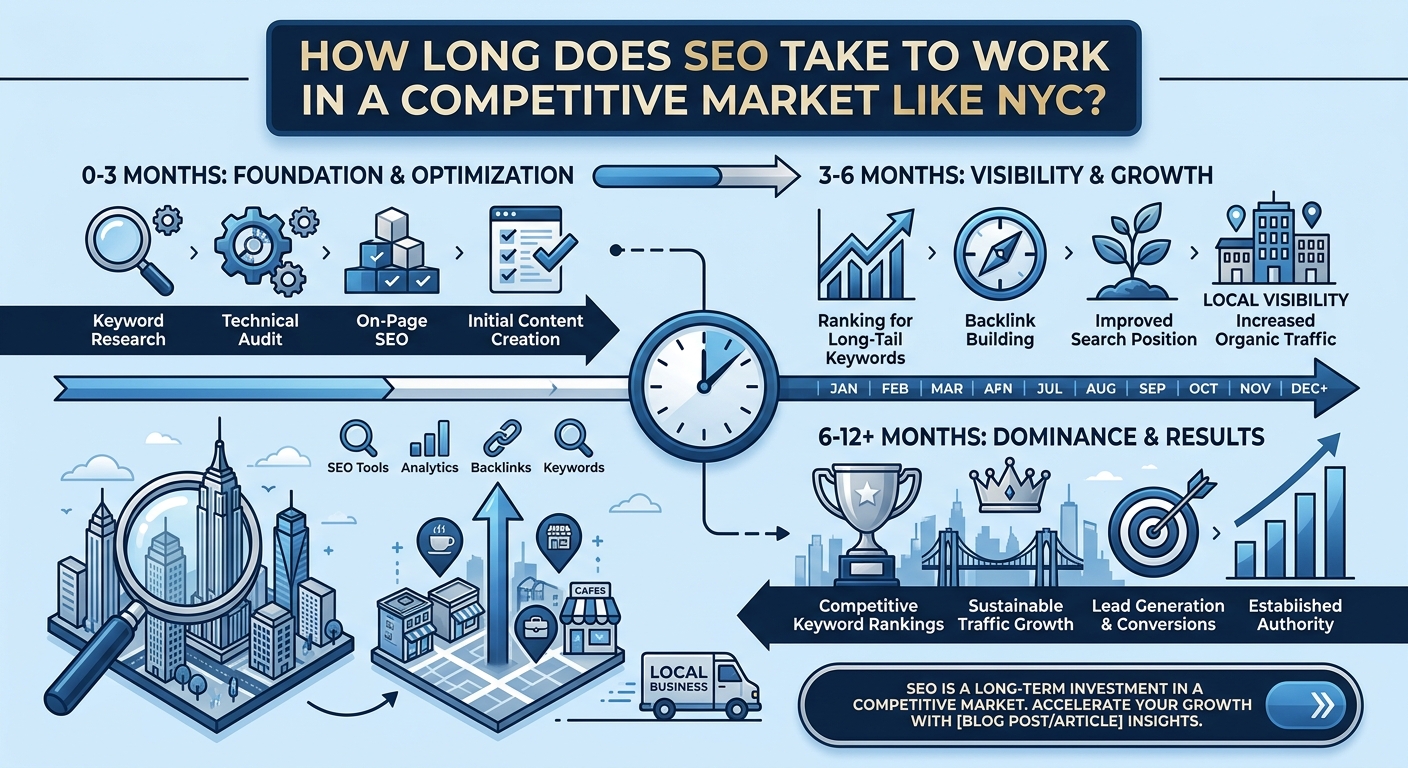
Some improvements, such as fixing technical issues and updating product pages, can show results within a few weeks. Larger gains from content, reviews, and authority usually build over four to six months or longer. The timeline depends on your competition, your category, and the current state of your store. Steady effort over time tends to deliver the strongest and most lasting results.
Why are original product descriptions important?
Original descriptions help search engines understand that your pages offer something unique. Copied manufacturer text appears on many websites, which makes it harder for your pages to stand out. Detailed and honest descriptions also help shoppers decide and reduce returns. They give you a chance to share materials, fit, and brand story in your own voice.
How can I avoid duplicate pages for different colors and sizes?
You should keep one main page for each product and offer color and size options within that page whenever possible. If separate pages are needed, use clear settings to show search engines which version is the main one. Avoid letting filters create endless combinations of page addresses. A clean structure helps search engines focus on your most important pages.
Do images really matter for fashion SEO?
Yes, images matter greatly because fashion shoppers make decisions based on how items look. High quality photos build desire, while descriptive file names and alt text help search engines understand what each image shows. Compressed files keep pages fast on mobile devices. Strong images can also bring visitors through image search and shopping results.
Should I list my products on marketplaces as well?
Marketplaces can help you reach new customers, but they should support your own store rather than replace it. Keep product details and pricing consistent across every platform. Use packaging and follow up messages to guide customers back to your website. A strong direct relationship helps you build loyalty and protect your margins.
How do reviews affect my store’s search performance?
Reviews build trust and can improve how your listings appear in search results and shopping features. They also provide fresh content and natural wording from real customers. Strong ratings often increase click through rates and conversions. Responding to feedback shows that your brand is active and cares about every customer.
Is local SEO useful for an online fashion brand?
Local SEO is useful if your brand has a showroom, flagship store, pop up shop, or events in New York. A complete Google Business Profile helps nearby shoppers find your location and visit in person. Consistent details across directories strengthen trust with search engines. Even online focused brands can benefit from local visibility during events and seasonal campaigns.
How often should I update my website and listings?
You should update your store whenever products, prices, policies, or business details change. Even without changes, a monthly review helps you catch errors, broken links, and outdated content. Seasonal pages and guides should be refreshed before each new season. Regular updates protect your reputation and show that your brand is active.
Should I hire a professional for e-commerce SEO?
You can manage basic tasks yourself if you have the time and a clear process. Many brands choose professional help because SEO involves ongoing work across your store, content, listings, and reviews. A skilled partner can save time, avoid common mistakes, and track results clearly. DealMate can support your brand with each step so that you can focus on design and customers.
Conclusion
SEO gives New York e-commerce and fashion brands a practical way to stand out in one of the most competitive retail markets in the world. By building a strong foundation, creating a fast and trustworthy store, publishing helpful content, and earning genuine reviews, you make it easier for shoppers to find and choose your brand. Each improvement works together to turn searches into sales and first time buyers into loyal customers.
The most successful brands treat SEO as a steady habit rather than a one time project. Keep your information accurate, track your results every month, and make small improvements based on what you learn. Start with one change today, and you will see your visibility, sales, and reputation grow across every audience you serve.