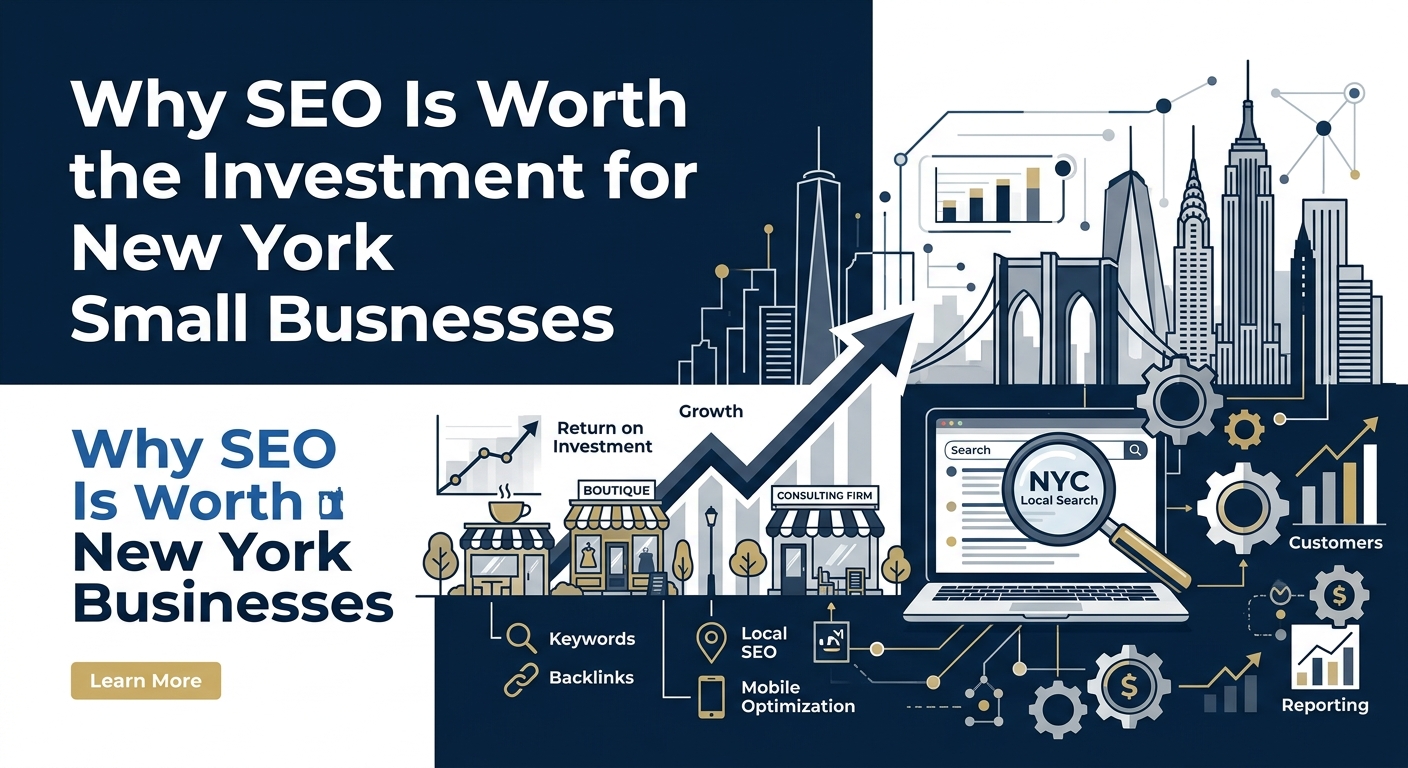
Introduction to SEO for New York Small Businesses
Running a small business in New York means working in one of the most expensive and most competitive markets in the world. Rent, payroll, insurance, and supplies all cost more here than almost anywhere else, so every marketing dollar has to earn its place. Owners across Manhattan, Brooklyn, Queens, the Bronx, and Staten Island are constantly asking where their money will do the most good.
At the same time, customer behavior has changed in a way that no owner can ignore. A person who needs a plumber, a bakery, an accountant, or a dentist will usually pick up a phone and search before asking anyone for a recommendation. The businesses that appear in those results, with clear details and strong reviews, are the ones that receive the call, the visit, or the order.
Search engine optimization, commonly called SEO, is the practice of making your business easier to find and easier to trust when people search online. It covers your website, your Google Business Profile, your reviews, your listings across the web, and the helpful content you publish. Unlike a one time advertisement, these efforts build on one another and continue to work long after the initial effort is complete.
This guide explains why SEO is worth the investment for New York small businesses and how to approach it with realistic expectations. The first part covers what SEO really means, why the New York market makes it so important, and what it can cost you to ignore it. Here is what you will learn throughout the full guide:
- What SEO is in plain language and how each part supports your business
- Why the pace and density of New York make online visibility essential
- How SEO delivers a lasting return compared with other marketing options
- How local search, reviews, and your website work together to bring in customers
- How to set a sensible budget, measure results, and avoid common mistakes
What SEO Really Means for a Small Business
Many owners hear the term SEO and imagine something technical and mysterious. In reality, it is a practical set of habits that help search engines understand your business and help customers choose it. When someone searches for a service you offer, search engines try to show the most relevant, trustworthy, and convenient options, and SEO is how you earn that position.
A helpful way to think about SEO is as a combination of visibility, credibility, and convenience. Visibility means appearing in the results when people search for what you sell. Credibility means showing proof that you are reliable, such as reviews, accurate listings, and professional content, while convenience means making it easy to call, visit, or buy once someone finds you.
SEO is made up of several connected parts, and each one plays a different role. Some focus on your website, some focus on your local presence, and others focus on your reputation and authority. The table below summarizes the main parts and what each one does for a small business.
| SEO Area | What It Covers | What It Does for Your Business |
|---|---|---|
| Local SEO | Google Business Profile, map results, and local listings | Helps nearby customers find you when they search for services close to them |
| On page SEO | Website pages, titles, headings, and content | Helps search engines understand what you offer and who it is for |
| Technical SEO | Site speed, mobile design, security, and structure | Gives visitors a smooth experience and helps search engines read your site |
| Content SEO | Guides, service pages, and answers to common questions | Attracts people who are researching and builds trust before they buy |
| Reputation and reviews | Customer feedback and responses | Builds trust and supports your visibility in local results |
| Authority and links | Mentions and links from respected websites | Signals to search engines that your business is credible |
It is also important to understand what SEO is not. It is not a trick to fool search engines, and it is not a guarantee of instant results. Search engines have become very good at recognizing genuine quality, so the most reliable approach is to be accurate, helpful, and consistent over time.
SEO differs from paid advertising in an important way. With paid ads, your business appears only while you continue to pay for each click, and the visibility disappears when the budget ends. With SEO, the work you do builds an asset that can keep attracting customers month after month, which is why many owners view it as an investment rather than an expense.
For a small business, the beauty of SEO is that it rewards relevance and local knowledge rather than size alone. A neighborhood bakery with a complete profile, great reviews, and helpful pages can outrank a large chain for searches in its own area. This gives smaller companies a fair chance to compete where it matters most, which is in front of nearby customers who are ready to act.
Why the New York Market Makes SEO Essential
New York is unlike any other market. A single block can hold dozens of businesses offering similar services, and customers have more choices within a short walk than most people have in an entire town. In this environment, being good at what you do is not enough if people cannot find you quickly.
Customer behavior in the city also favors search. New Yorkers are busy, mobile, and used to getting answers in seconds, so they rely heavily on phones and maps to decide where to eat, shop, and book services. They often search while walking, commuting on the subway, or standing outside a location, and they choose from the first few results they see.
Searches in the city are often tied to neighborhoods. People look for a barber in Bushwick, a tutor in Forest Hills, an electrician near the Grand Concourse, or a cafe in St. George, and they expect results that match their immediate area. Local SEO helps your business connect to these neighborhood level searches in a way that broad advertising cannot.
Several features of the New York market make SEO especially valuable:
- Extremely high competition in almost every service category
- High operating costs that make efficient marketing a necessity
- A population that relies on mobile and map searches for quick decisions
- A diverse community that searches in many languages and expects relevant results
- A constant flow of visitors and new residents who know nothing about local businesses and search to discover them
Language and culture add another layer. New York is home to residents from every part of the world, and many search in their preferred language or look for businesses that understand their community. Clear information about the languages you speak and the communities you serve can help you reach customers that other companies overlook.
Visitors and newcomers also depend on search. Tourists, students, and people who have recently moved to the city have no existing loyalty to any business, so they turn to search results and reviews to decide. A strong online presence puts your business in front of this steady stream of potential customers who are ready to spend.
Rising costs make the efficiency of SEO even more attractive. Paid advertising in competitive New York categories such as legal services, home repair, and restaurants can become very expensive, and the price per click often continues to climb. SEO does require effort and patience, but the long term cost of each customer tends to fall as your pages and reputation grow stronger.
The True Cost of Not Investing in SEO
Many owners think of SEO as an optional extra, but ignoring it also has a cost. That cost is just harder to see, because it appears as customers you never met rather than as a bill you receive. Every time someone searches for your service and finds a competitor instead, your business loses an opportunity.
The first cost is lost visibility. If your business does not appear in map results or the first page of search, a large share of potential customers will never know you exist. Most people do not look beyond the first few options, so being invisible online is often the same as being closed to a growing portion of the market.
The second cost is dependence on other channels. Businesses without a strong search presence often rely heavily on paid ads, delivery apps, marketplaces, or social media algorithms. These channels can be useful, but they can also change prices, rules, and reach without warning, and they often keep the customer relationship for themselves.
The third cost is damage to trust. Outdated hours, wrong phone numbers, or missing information on major platforms can send customers to the wrong place or make them doubt that you are still open. A single frustrating experience can cost you a customer who might have returned for years.
Here are common hidden costs of skipping SEO:
- Missed calls, visits, and orders from people who found a competitor first
- Higher advertising spending to make up for low organic visibility
- Weak reviews and incomplete profiles that reduce customer confidence
- Inaccurate listings that confuse customers and search engines
- Slower growth because new customers cannot easily discover your business
There is also the cost of timing. SEO builds over months, so a business that waits to begin falls further behind competitors who started earlier and have already gathered reviews, content, and authority. Starting sooner does not guarantee success, but it gives you more time for your efforts to compound.
None of this means that every business needs a large budget or a complex strategy. It means that a thoughtful, steady approach to your online presence is one of the most practical ways to protect and grow what you have built. The next part explores how SEO delivers a return on investment, how local search and reviews bring customers through your door, and how your website turns visitors into sales.

How SEO Delivers Return on Investment
Return on investment is the question every small business owner should ask before spending on marketing. With SEO, the return comes from the way results build over time instead of disappearing after a single campaign. A page that ranks well, a profile with strong reviews, and a website that loads quickly all keep working for you every day without a fee for each visitor.
This compounding effect is the main reason SEO stands apart from other channels. In the early months, you invest effort in setting up profiles, fixing errors, and publishing useful pages, and results may feel modest. As search engines gain confidence in your business and more customers find you, traffic and inquiries tend to grow, while the cost of winning each new customer tends to fall.
SEO also brings in customers with a clear need. Someone who types a specific service into a search engine is usually ready to act, which makes these visitors more valuable than people who see a general advertisement while scrolling. Many small businesses find that organic search becomes one of their most reliable sources of calls, visits, and orders.
The table below compares SEO with other common marketing channels so that you can see how each one fits.
| Marketing Channel | Speed of Results | Cost Pattern | Long Term Value |
|---|---|---|---|
| Paid search advertising | Fast | Pay for every click | Stops when spending stops |
| Social media advertising | Fast to moderate | Pay for impressions or clicks | Reach ends when the budget ends |
| Printed flyers and mailers | Moderate | Printing and distribution costs for every campaign | Limited and difficult to measure |
| Delivery and booking apps | Fast | Commission on every order or booking | You do not own the customer relationship |
| Email marketing | Moderate | Low cost per message | Strong for existing customers, limited for new ones |
| SEO | Gradual | Upfront effort with lower ongoing cost | Builds lasting visibility that compounds over time |
This comparison does not mean that other channels have no place. Paid ads can bring quick traffic while SEO grows, and email can bring past customers back. The strongest plans combine several approaches, but SEO often becomes the foundation because it builds an asset that your business owns.
To judge return fairly, think about the lifetime value of a customer rather than a single sale. A dental patient may visit for many years, a restaurant guest may return dozens of times, and a client who hires an accountant may stay for a decade. When one new customer can be worth that much, even a modest increase in monthly inquiries from search can justify the investment.
Local SEO and the Power of Nearby Customers
For most New York small businesses, local SEO is the most valuable part of the strategy. It focuses on helping people in your area find you when they search for services close to them. These searches often come from customers who are ready to visit, call, or book within minutes.
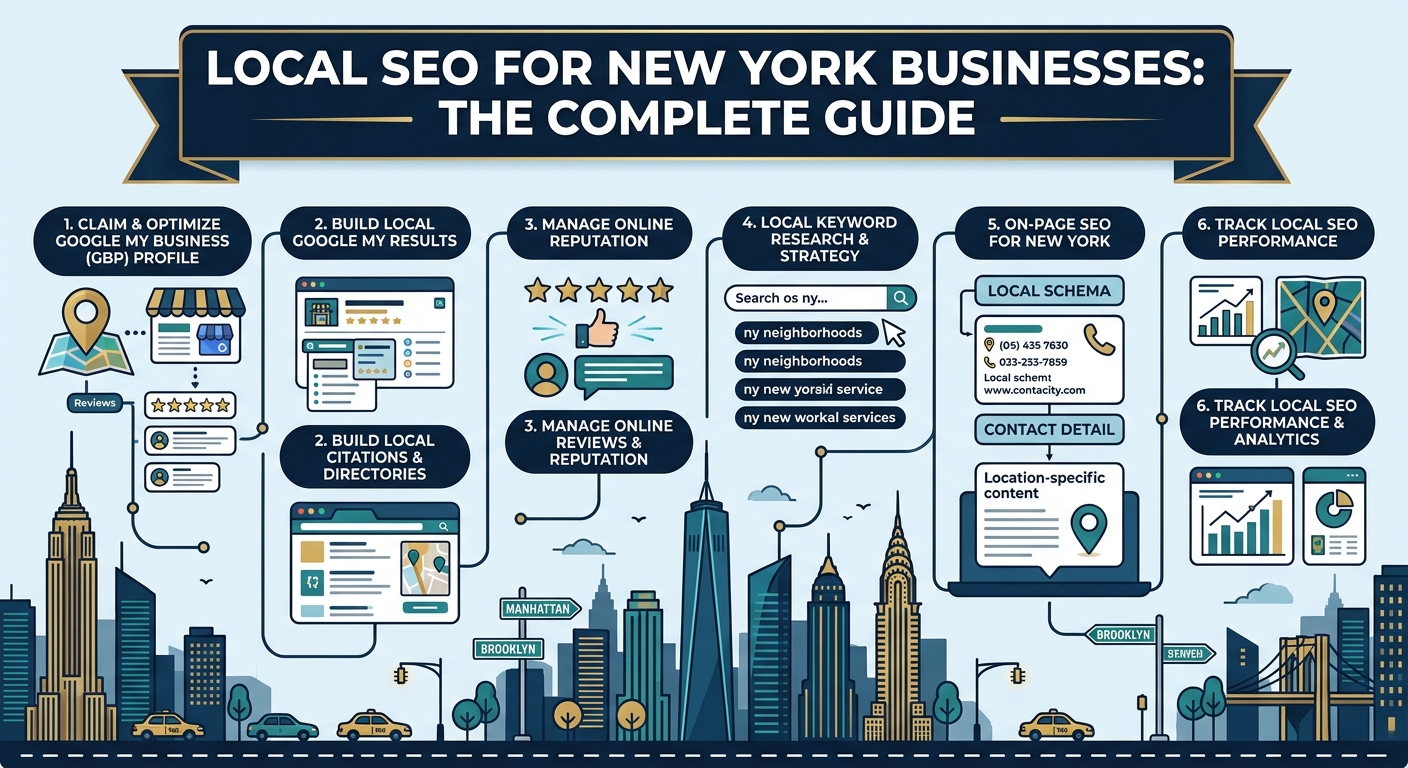
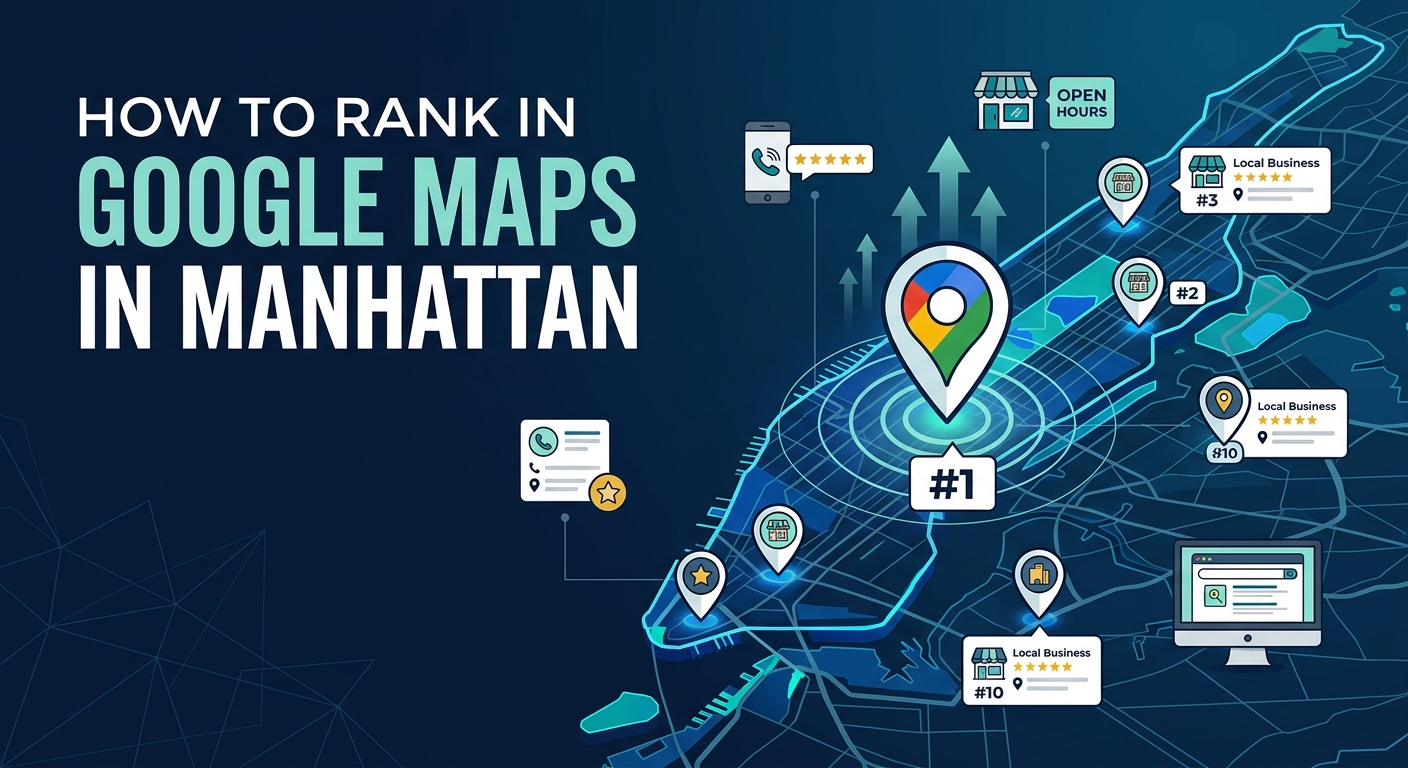
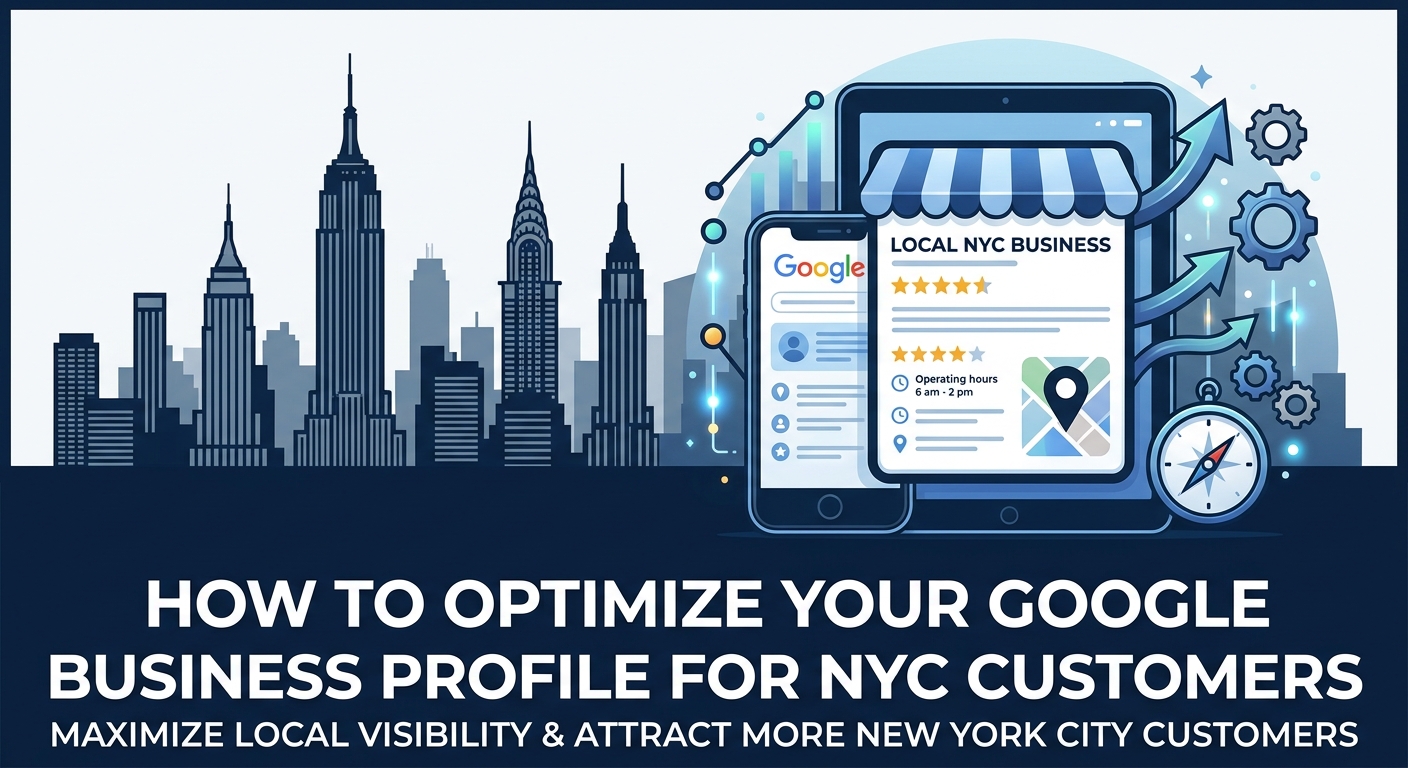
Your Google Business Profile is the center of local SEO. It controls how your business appears in map results and local searches, and it often shows your address, hours, photos, reviews, and website in one place. Claim and verify your profile, choose accurate categories, write a clear description, and keep your hours updated for holidays and seasonal changes.
Photos and posts make a profile feel alive. Bright images of your storefront, team, products, and completed work help customers know what to expect, and short updates about offers or events show that your business is active. Profiles that are complete and regularly updated tend to earn more calls, direction requests, and website visits.
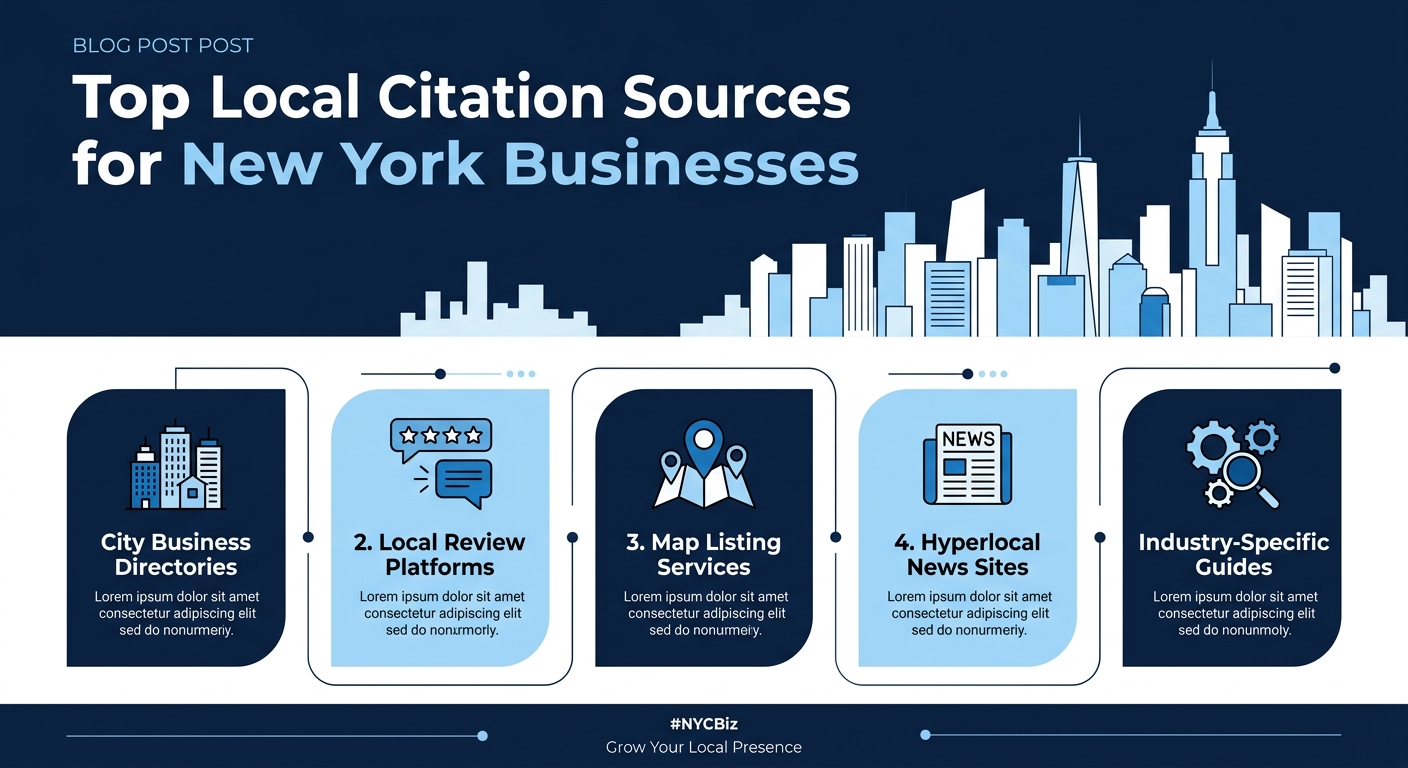
Citations are the next building block. A citation is any mention of your business name, address, and phone number on a directory, social profile, or local website, and search engines use these mentions to confirm that your details are accurate. Consistency matters a great deal, because even small differences such as a missing suite number or a different phone number can create confusion and weaken your visibility.
Here are the key local SEO actions for a small business:
- Claim and complete your Google Business Profile with accurate and detailed information
- Set up profiles on Apple Maps, Bing, and other major map platforms
- Use one standard version of your business name, address, and phone number everywhere
- List your business on trusted directories and industry specific platforms
- Join local chambers, business improvement districts, and community groups for local mentions
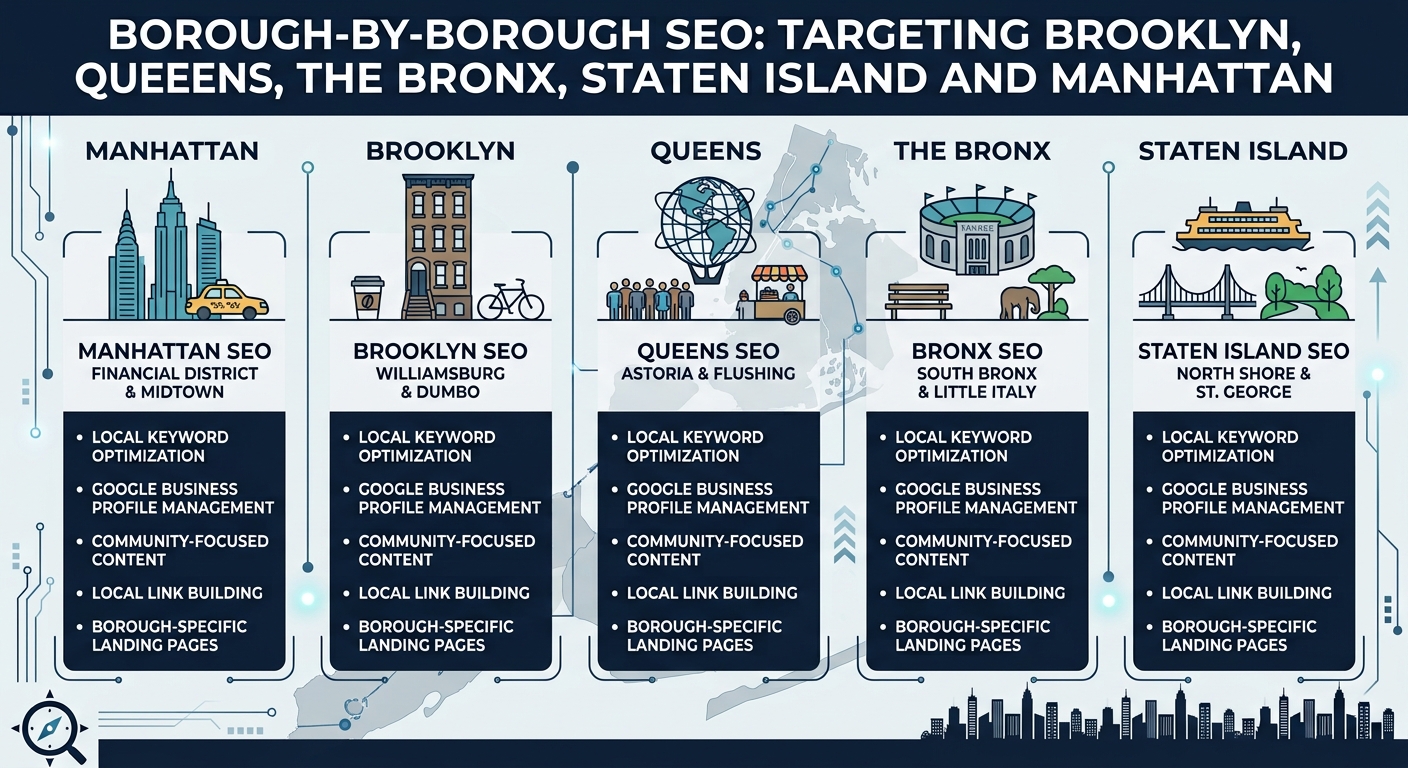
Neighborhood targeting is especially important in New York. A business in Astoria competes with a different group of companies than one in Midtown, so your pages and profiles should reflect the areas you actually serve. Mention nearby streets, landmarks, and transit options in a natural way, and create separate pages for each location if you operate more than one.
Local SEO also supports mobile searches. Many customers search with phrases such as near me or open now while they are already out in the city, and accurate hours and directions can decide whether they walk through your door or choose a competitor down the block. A reliable local presence turns these quick moments into real visits.
Reviews and Reputation as Revenue Drivers
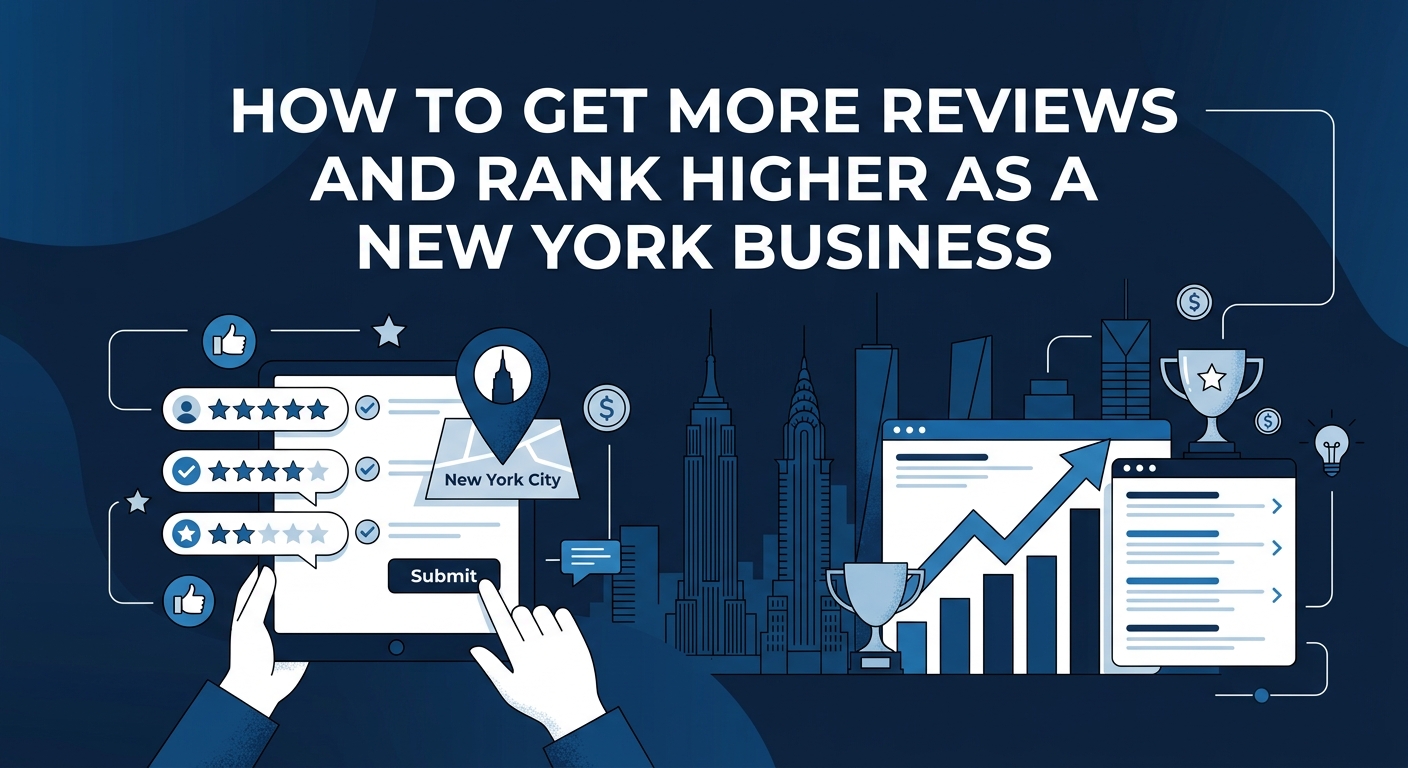
Reviews are one of the most direct links between SEO and revenue. Customers read them before they call, visit, or buy, and search engines treat steady and genuine feedback as a sign that a business is active and trusted. A business with strong ratings and recent reviews often wins the customer even when a competitor has a slightly better location.
Several qualities of your reviews matter. The total number shows that you are established, the average rating shows overall satisfaction, and the recency of reviews shows that your business is performing well today. The words customers use also help, since mentions of services and neighborhoods connect your profile to related searches.
Asking for reviews should become a regular habit rather than an occasional effort. The best time is right after a positive experience, when the customer feels happy and the details are fresh. A short and friendly message with a direct review link, sent by text or email, makes the process simple and increases responses.
Follow these habits to build a healthy reputation:
- Ask satisfied customers for feedback soon after a good experience
- Make the process easy with a direct link or a scannable code at your location
- Reply to every review in a warm and professional tone
- Never offer payment or gifts in exchange for reviews, since most platforms forbid it
- Review your feedback each month to find patterns in service and communication
Responding to reviews shows that real people stand behind your business. Thank customers by name, mention a detail from their experience, and invite them to return. When a review is critical, reply calmly, apologize for any disappointment, and offer a way to resolve the issue privately, since future customers often judge you by how you handle problems.
Reviews also teach you about your own business. Repeated praise shows which parts of your service customers value most, and repeated concerns point to areas where a small change could make a big difference. Treating feedback as free market research helps you improve while strengthening your online reputation.
Website and Content That Convert
Your website is where interest turns into action, so it deserves as much care as your physical location. When someone finds you through a map result or a search, the next step is usually a visit to your site. A clear, fast, and trustworthy website can turn that visit into a phone call, a booking, or a purchase.
Speed and mobile design are the first priorities. Most searches in New York happen on phones, often in the middle of a busy day, so slow pages and cluttered layouts lose customers quickly. Compress your images, keep your design simple, and make sure phone numbers and buttons are easy to tap on a small screen.
Clear service pages help both customers and search engines. Create a separate page for each main service you offer, explain it in plain language, and include details such as what is included, who it is for, and how to get started. Pages with real depth tend to perform better than short pages filled with general statements.
Helpful content builds trust before customers contact you. Guides, frequently asked questions, and short articles that answer real customer questions show your expertise and help you appear for a wider range of searches. A bakery might explain how to order a custom cake, while an accountant might explain what documents to prepare for a tax meeting.
The most important website elements for conversion include the following:
- A visible phone number and a short contact form on every key page
- Clear calls to action such as call now, book online, or get a quote
- Accurate hours, address, directions, and transit details
- Real photos, customer testimonials, and trust signals such as licenses or awards
- Secure browsing and fast loading on all devices
Consistency between your website and your listings is essential. Your name, address, phone number, and hours should match what appears on your Google Business Profile and other platforms, and your website should be the first place you update when anything changes. Mixed signals confuse customers and weaken the trust that search engines place in your business.
Finally, think of your website as a living tool rather than a finished project. Review your pages every few months, refresh outdated information, and add new content as your services grow. With strong local visibility, a trusted reputation, and a website built to convert, you have the elements that make SEO a worthwhile investment, and the next step is learning how to set a budget, measure results, and avoid common mistakes.

Setting a Realistic SEO Budget
Budget is often the biggest concern for small business owners, and it helps to approach it with clear expectations. The cost of SEO depends on your industry, your competition, the number of locations you have, and the current condition of your website and listings. A neighborhood service business with one location will usually need a different level of effort than a multi location company competing in a crowded category.
The most sensible way to plan is to prioritize the actions that deliver the strongest early value. Start with the foundation, which includes your Google Business Profile, accurate listings, and a fast and clear website. Then add content, review building, and authority efforts as your budget allows, so that each stage supports the next one.
Think of your budget as a combination of time and money. Some tasks, such as asking customers for reviews or updating your hours, cost very little and can be done by your own team. Others, such as technical fixes, content creation, and ongoing optimization, may be worth handing to a specialist who can work faster and avoid costly mistakes.
The table below shows how different budget levels can shape your focus.
| Budget Level | Typical Focus Areas | Best For | What to Expect |
|---|---|---|---|
| Starter | Google Business Profile, core listings, basic website fixes, review requests | Single location businesses just beginning | Cleaner presence and early local visibility gains |
| Growth | Everything in starter plus service pages, regular content, citation cleanup, and review management | Businesses ready to compete more actively | Steady improvement in rankings, calls, and visits |
| Advanced | Everything in growth plus technical improvements, authority building, multiple location pages, and detailed reporting | Competitive categories and multi location companies | Stronger and faster progress against larger competitors |
When comparing options, look at value rather than price alone. A low cost package that relies on shortcuts can harm your visibility, while a well planned effort focused on genuine quality tends to pay off over time. Ask any provider to explain exactly what will be done, how progress will be reported, and how results will be measured.
It also helps to connect your budget to the value of a customer. If a new client is worth hundreds or thousands of dollars over time, a modest monthly investment that brings in a few extra customers can quickly justify itself. Setting this simple comparison in advance makes it easier to judge whether your spending is working.
How to Measure Results
Measuring results turns SEO from a guess into a clear business tool. Without tracking, it is difficult to know which efforts are working and which need adjustment. The goal is to connect your online activity to real outcomes, such as calls, visits, bookings, and sales.
Start with the basics that reflect customer actions. Your Google Business Profile shows how many people called, requested directions, or visited your website, and your website analytics show which pages attract visitors and which searches bring them. Together these numbers reveal how well your visibility is turning into real interest.
Rankings can be useful, but they should not be the only measure. A business may rank well for a phrase that brings little value, or rank slightly lower for a phrase that brings many ready buyers. Focus on the outcomes that matter most, such as the number of qualified inquiries and the revenue they produce.
Review your numbers once a month using the checklist below so that your efforts stay focused and measurable.
| Monthly Task | What to Check | Why It Matters |
|---|---|---|
| Profile views and actions | Calls, direction requests, and website clicks from your map listing | Shows how many nearby customers are ready to contact you |
| Website traffic from search | Visits to key pages from search engines | Shows whether your visibility is growing |
| Leads and sales | Calls, form submissions, bookings, and orders linked to search | Connects SEO work to real revenue |
| Search terms | Phrases that bring visitors to your site | Reveals new content and service ideas |
| Review activity | New reviews, ratings, and your responses | Confirms that your reputation is growing |
| Listing accuracy | Name, address, phone number, and hours on major platforms | Protects trust and local visibility |
| Website speed and mobile use | Loading time and mobile experience | Prevents lost customers from slow pages |
Ask a simple question each time you review your results, which is whether more of the right customers are finding you. If the answer is yes, keep building on what works, and if the answer is no, look for the weakest link in your profile, website, or reviews. Small, steady adjustments often deliver better results than occasional large overhauls.
Timeline and Expectations
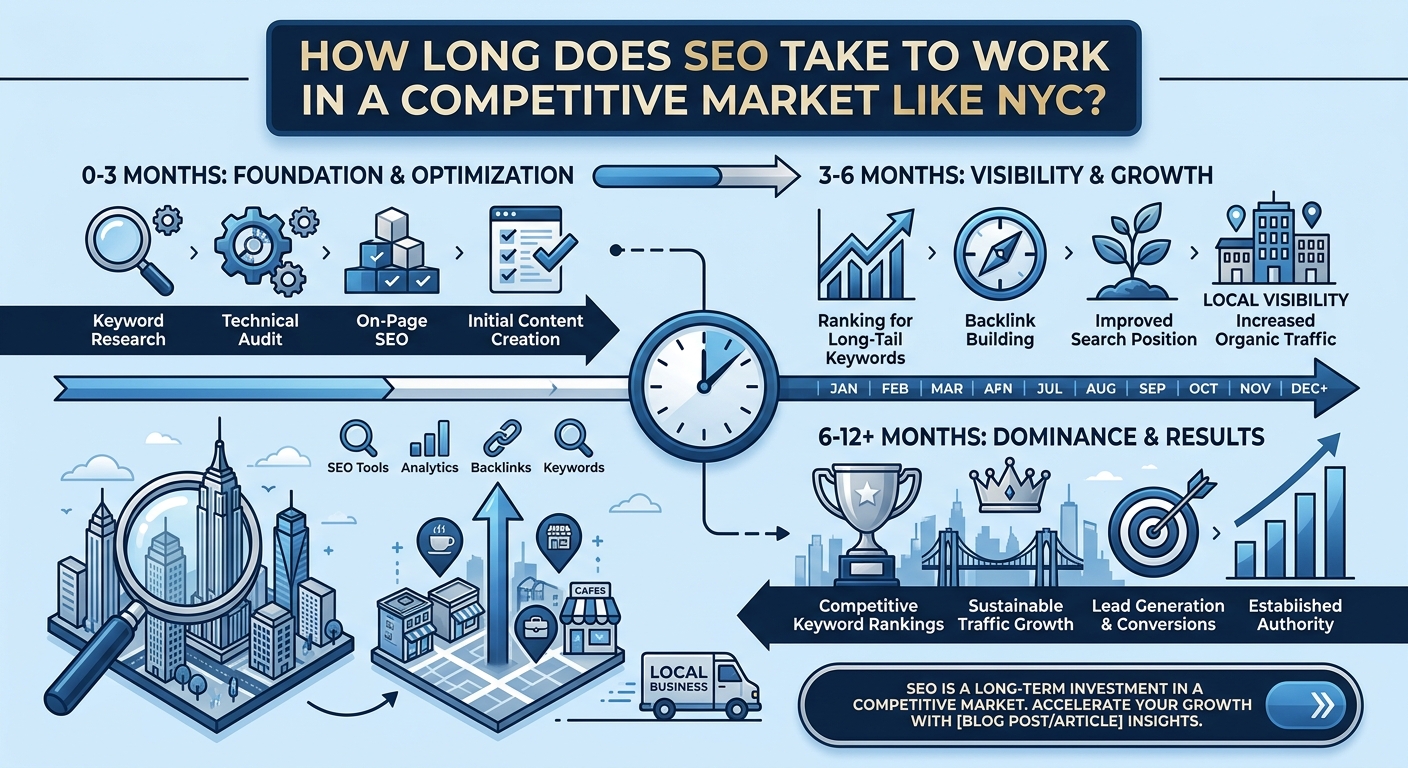
SEO is a long term investment, and understanding the timeline helps you stay patient and make good decisions. Search engines need time to find your changes, test them, and build confidence in your business. Results rarely appear overnight, but they tend to build steadily when the work is done well.
In the first month, most of the effort goes into setting up and cleaning up. This includes claiming profiles, correcting listings, fixing technical issues, and planning your content, and you may see small improvements such as better profile accuracy and more complete listings. These early steps may feel quiet, but they lay the groundwork for everything that follows.
Between the second and fourth months, you often begin to see movement. New pages start to be discovered, reviews begin to accumulate, and your profile may appear for more local searches. Calls and website visits from search may rise gradually, especially if you are in a less competitive neighborhood or category.
From the fourth to the sixth month and beyond, the benefits usually become more noticeable. Stronger rankings, steadier traffic, and a growing library of helpful content work together to bring in more customers at a lower cost per inquiry. In very competitive categories, reaching the top results may take longer, and ongoing effort is needed to maintain and improve your position.
Several factors affect how quickly results appear:
- The strength and age of your existing website and profiles
- The level of competition in your category and neighborhood
- The quality and consistency of your listings and reviews
- How often you publish and update helpful content
- How steadily you continue the work over time
Be cautious of anyone who promises instant top rankings or guaranteed results. Search engines make their own decisions, and honest providers explain that progress depends on many factors. A realistic plan, steady effort, and regular reporting are far more reliable than bold promises.
Common SEO Mistakes to Avoid
Many small businesses lose time and money because of avoidable mistakes. Knowing these problems in advance helps you protect your visibility and your reputation. Most of them come from rushed decisions, unclear goals, or a lack of regular checks.
- Chasing quick fixes or tricks instead of building real quality
- Using different business names, addresses, or phone numbers across directories
- Leaving profiles unclaimed or incomplete on major platforms
- Ignoring reviews or replying to critical feedback with defensive language
- Publishing thin or copied content that does not help customers
- Letting the website become slow, outdated, or difficult to use on mobile
- Buying links or reviews, which can lead to penalties and removed content
- Giving up too early before the work has had time to show results
Each of these issues can quietly reduce your results without any obvious warning. A simple monthly review of your profiles, website, and reviews will catch most of them early. Treat your online presence with the same care you give your customers, and it will reward you with steady growth.
Why Choose DealMate
Running a small business in New York leaves very little time for detailed SEO work. DealMate helps owners build a strong and reliable online presence so that more of the right customers can find them and choose them with confidence. Our team combines local market knowledge with practical, step by step execution that fits the pace of a busy business.
We begin by reviewing your Google Business Profile, website, listings, and reviews to see exactly where you stand. From there we create a plan that fits your industry, your neighborhood, and your budget, covering everything from profile optimization to service pages and local listings. Every action follows search engine and platform guidelines, so your visibility grows in a safe and lasting way.
Here is what you can expect when you work with DealMate:
- A complete review of your current search presence with clear findings
- Optimization of your profiles, website pages, and content for local searches
- Consistent and accurate listings across the platforms that matter most
- Guidance on collecting and responding to reviews in a compliant way
- Transparent monthly reporting that connects our work to calls, visits, and sales
We believe that every small business deserves to be found by the customers who need it most. With DealMate, you gain a trusted partner who understands the energy and competition of the New York market. Contact us to start turning more searches into customers and more customers into lasting relationships.
Frequently Asked Questions
Is SEO really worth the investment for a small business?
SEO is worth the investment for most small businesses because it builds visibility that keeps working over time. Unlike paid ads, the results do not disappear the moment you stop paying for each click. It also brings in customers who are actively searching for what you offer. When done steadily, it can lower the cost of winning each new customer.
How long does it take to see results from SEO?
Some improvements, such as fixing profile details, can show results within a few weeks. Larger gains from content, reviews, and authority usually build over four to six months or longer. The timeline depends on your competition, your category, and the current state of your online presence. Steady effort over time tends to deliver the strongest and most lasting results.
How much should a New York small business spend on SEO?
The right budget depends on your industry, your competition, and the number of locations you have. A single location business may start with a modest plan focused on the foundation, while competitive categories may need more effort. It helps to compare your spending with the lifetime value of a customer. Ask for a clear explanation of what each level of investment includes.
What is the difference between SEO and paid advertising?
Paid advertising shows your business only while you pay for each click or impression. SEO builds organic visibility that can continue to bring visitors without a fee for every click. Paid ads can be useful for quick results, while SEO tends to deliver value over a longer period. Many businesses use both, with SEO serving as the lasting foundation.
Why is local SEO so important in New York?
New York customers often search by neighborhood and use their phones to decide quickly. Local SEO helps your business appear in map results and nearby searches where these customers are looking. It also builds trust through accurate listings and reviews. For many small businesses, local searches are the most valuable source of calls and visits.
Do online reviews really affect my search visibility?
Yes, reviews influence both customer decisions and how search engines view your business. A healthy number of recent and genuine reviews signals that your business is active and trusted. The words customers use can also connect your profile to related searches. Responding to reviews adds another layer of trust and engagement.
Can I do SEO myself without hiring a professional?
You can handle basic tasks yourself if you have the time and a clear process. These include claiming your profiles, keeping details accurate, and asking customers for reviews. More advanced work, such as technical fixes and content planning, can take more time and expertise. Many owners choose professional help so that they can focus on running their business.
How do I know if my SEO is working?
You can track calls, direction requests, website visits, and form submissions from search. Reviewing these numbers each month shows whether more of the right customers are finding you. Rankings can help, but real business outcomes matter most. A good provider will share clear reports that connect their work to results.
What happens if I stop doing SEO?
Your existing pages and profiles will not vanish, but results may slowly decline if you stop maintaining them. Competitors who continue to publish content and collect reviews can overtake your position over time. Outdated information can also hurt trust and visibility. Regular attention is the best way to protect what you have built.
How do I choose the right SEO partner for my business?
Look for a partner who explains the process clearly and avoids guaranteed ranking promises. Ask how they handle listings, reviews, content, and reporting, and whether they follow search engine guidelines. Local experience in New York is a valuable advantage. DealMate offers a transparent and practical approach designed for small businesses.
Conclusion
SEO is worth the investment for New York small businesses because it builds visibility, trust, and customer flow that can last for years. By strengthening your local presence, earning genuine reviews, and creating a fast and helpful website, you make it easier for the right people to find you at the moment they are ready to act. Each improvement works together, and the value tends to grow as your efforts compound over time.
The most successful businesses treat SEO as a steady habit rather than a one time project. Set a realistic budget, track your results every month, and make small improvements based on what you learn. Start with one change today, and you will see your visibility, customer base, and reputation grow across every neighborhood you serve.