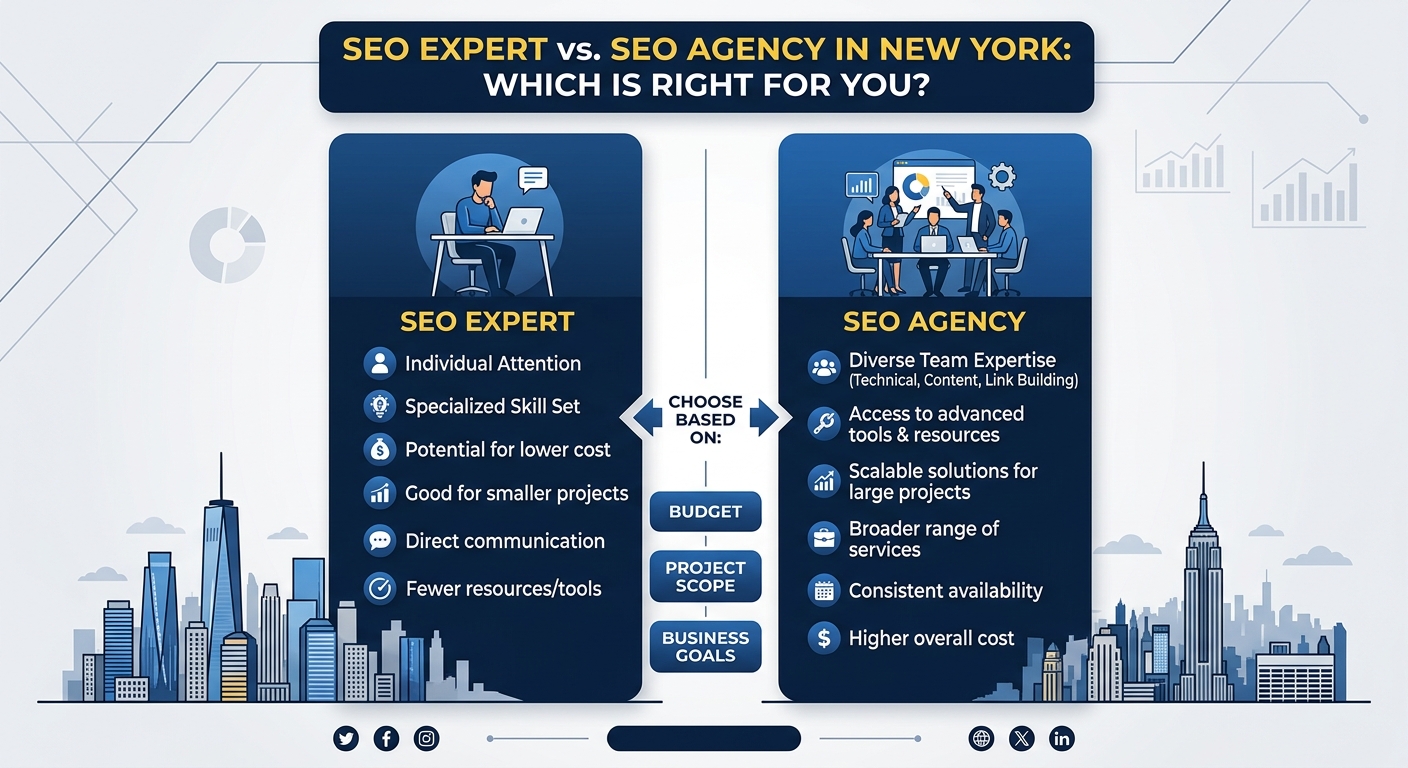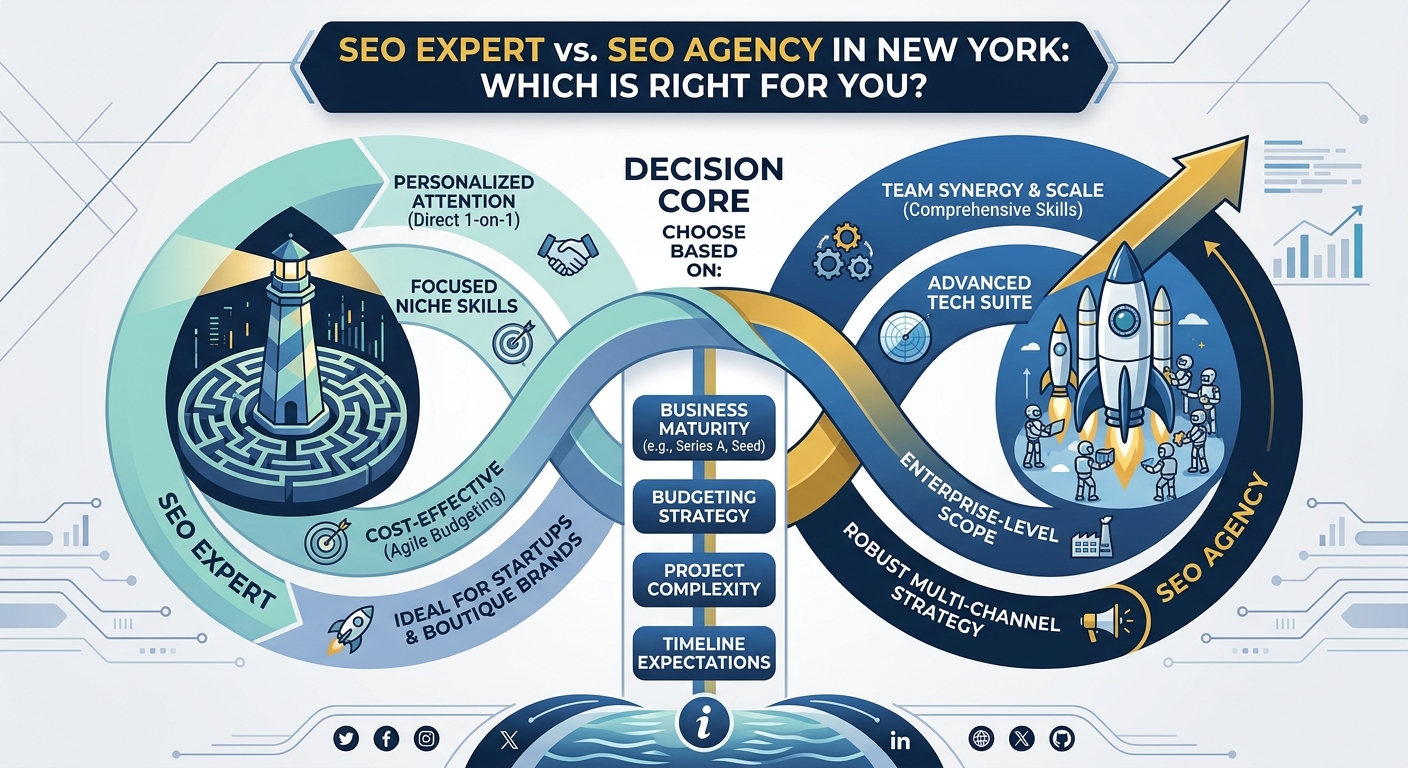
Introduction
Choosing an SEO expert is one of the most important marketing decisions a New York business can make. The right professional can turn your website into a steady source of calls, bookings, and sales, while the wrong one can drain your budget and leave you with nothing to show for it. The difference often comes down to how well you interview before you sign anything.
Most business owners are not SEO specialists, which makes it hard to judge whether a candidate truly knows the craft. Confident sales talk can sound impressive even when it hides weak skills or risky methods. A clear list of questions gives you a reliable way to cut through the noise and compare candidates on facts instead of charm.
This guide shares ten practical questions to ask before you hire, along with what good answers look like and which responses should make you cautious. You will also find checklists and tables you can use during real interviews. Here is what the guide will help you do:
- Spot genuine expertise and separate it from empty promises
- Understand how a professional will handle your website and local market
- Protect yourself with clear terms on reporting, ownership, and pricing
- Compare candidates fairly and choose with confidence
Why Asking the Right Questions Matters in New York
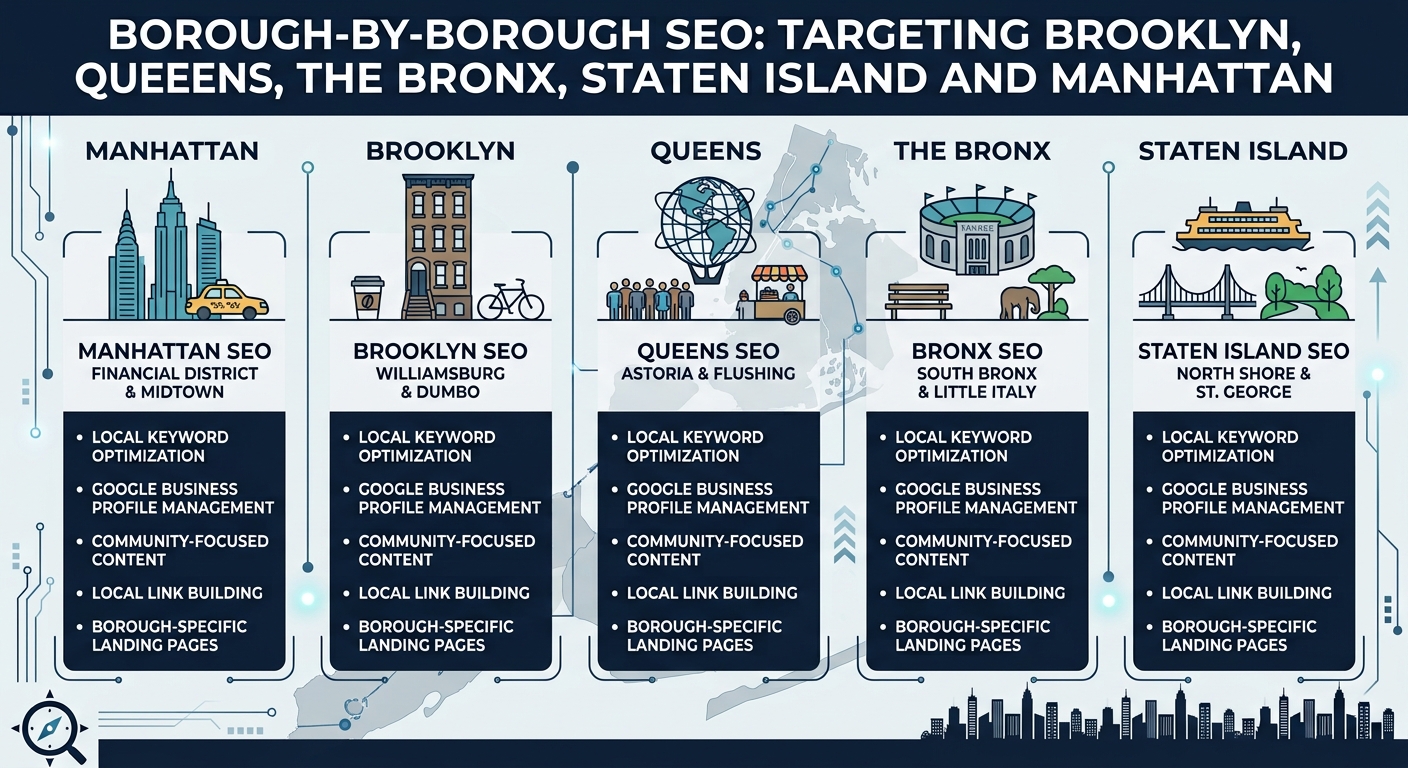
New York is one of the toughest search markets in the world. Thousands of businesses compete for the same customers across Manhattan, Brooklyn, Queens, the Bronx, and Staten Island, and many of them already invest heavily in digital marketing. In a market this crowded, a small mistake in strategy can leave you buried on page three while competitors collect the leads.
Costs are also higher here than in most other regions. Agency fees, advertising prices, and content production all carry a premium, so a poor hire hurts more than it would elsewhere. Every month spent on weak work is a month of lost momentum that is hard to recover.
Interviews are your best defense because they reveal how a candidate thinks before any money changes hands. A skilled expert will answer with specific examples, honest limits, and a clear plan, while a weaker one will rely on buzzwords and guarantees. Asking the same questions of every candidate also makes it much easier to see who stands out.
Keep these benefits in mind as you prepare:
- Strong questions expose gaps in knowledge that polished presentations hide
- Clear answers set honest expectations before the work begins
- Written responses give you something to refer back to if problems appear
- A fair comparison across candidates reduces the risk of choosing on gut feeling alone
How to Prepare Before You Start Interviewing
Good interviews begin before the first call. If you do not know what you want, even the best expert will struggle to tailor a plan for you. Spend a little time defining your goals, your budget, and the areas of the city you serve, because those details shape every answer you receive.
Start by deciding what success looks like in plain business terms, such as more phone calls, more online bookings, or more store visits. Next, set a monthly budget range you can sustain for at least six months, since search results build gradually. Then gather basic information about your current website, including who built it, how much traffic it receives, and which services bring in the most profit.
It also helps to create a shortlist of three to five candidates so you can compare them side by side. Ask each one the same core questions and take notes during the conversation. This simple habit keeps your decision grounded in evidence instead of memory.
Use the table below as a quick checklist before your first interview:
| Preparation Step | What to Do | Why It Helps |
|---|---|---|
| Define Goals | Write down the leads, sales, or visits you want | Keeps every proposal focused on real results |
| Set a Budget | Choose a monthly range you can maintain | Filters out options that do not fit |
| Gather Website Details | Collect traffic data, login access, and past work | Allows candidates to give informed advice |
| Build a Shortlist | Choose three to five candidates to interview | Makes comparison fair and manageable |
| Prepare Questions | Use the same list for every candidate | Reveals clear differences in quality |
| Plan Note Taking | Record answers in one document | Supports a confident final decision |
Questions About Experience and Track Record
Experience is the best predictor of future performance, so begin your interviews here. Anyone can claim to be an expert, but only a real professional can show evidence of past success. These first two questions help you confirm that a candidate has actually delivered results for businesses like yours.
Question 1: Can you show case studies from businesses similar to mine?
This question matters because search strategies differ widely between industries. A tactic that works for a restaurant in Brooklyn may fail for a law firm in Midtown, so you want proof that the candidate understands your type of market. Ask for specific examples that include starting points, actions taken, and measurable outcomes over time.
A strong answer includes real numbers such as growth in organic traffic, improved local rankings, or increased leads, along with an honest explanation of how long the results took. The candidate should be able to describe what was done and why, instead of repeating general claims. Be careful if the answers are vague, if the examples come from unrelated industries, or if the candidate refuses to share any details because of confidentiality without offering alternatives such as client references.
Look for these signs in a good response:
- Examples that match your industry, size, or location
- Clear before and after results tied to business outcomes
- Willingness to connect you with a past client for a reference
- Honest discussion of challenges and how they were solved
Question 2: What results can I realistically expect, and when?
This question tests honesty more than anything else. Search engines are influenced by hundreds of factors that no one fully controls, so a trustworthy expert will never promise a fixed ranking or a guaranteed date. Instead, they should describe a reasonable range based on your competition, your current website, and your budget.
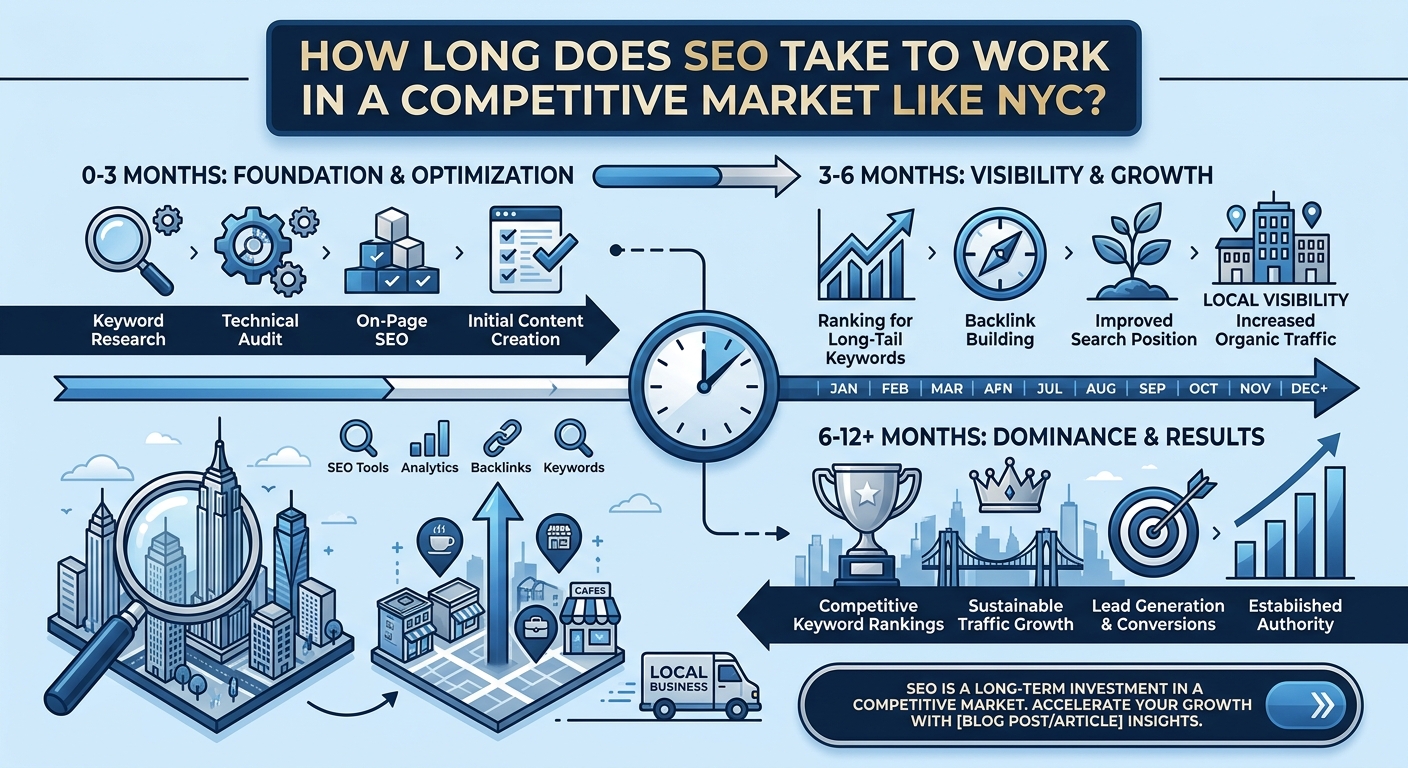
In a competitive market like New York, early improvements often appear within three to four months, while stronger gains usually take six to twelve months. A good candidate will explain what happens in each stage, such as fixing technical problems first, then improving content, then building authority. They should also explain which signs of progress to watch for along the way, including better visibility, more impressions, and rising enquiries.
Be cautious if a candidate promises first page results in a few weeks or claims to have a secret method that guarantees success. Those statements usually point to risky shortcuts that can harm your website. A calm, realistic answer that includes uncertainty is a far better sign than a bold promise.
Use this short list to judge the quality of the answer you receive:
- Does the candidate give a timeline range instead of a single date?
- Are the milestones tied to your business goals?
- Does the expert explain what could slow progress?
- Is the tone honest and measured rather than pushy?

Questions About Strategy and Process
Once you are confident about a candidate’s track record, the next step is to understand how they actually work. A skilled expert should be able to explain their process in plain language, from the first review of your website to the ongoing tasks that follow. These two questions show whether the candidate has a real plan or simply a collection of general ideas.
Question 3: How will you audit my website, and what will you fix first?
An audit is the foundation of every successful campaign, because it reveals what is holding your website back. A strong candidate will describe a structured review that covers technical health, page quality, content gaps, local listings, and competitor strengths. They should also explain how findings are ranked by impact, so that the most valuable fixes happen before smaller details.
Listen for specific examples of what the expert checks, such as page speed, mobile usability, indexing problems, broken links, and missing structured data. The answer should also include how the audit results will be shared with you, ideally in a written document you can keep. Be cautious if the candidate says they will start working without reviewing your site, or if they offer a generic audit that looks the same for every client.
A good response usually includes these elements:
- A clear list of areas that will be reviewed
- A method for ranking issues by urgency and impact
- A written summary that you can understand without technical knowledge
- A realistic plan for the first thirty to ninety days
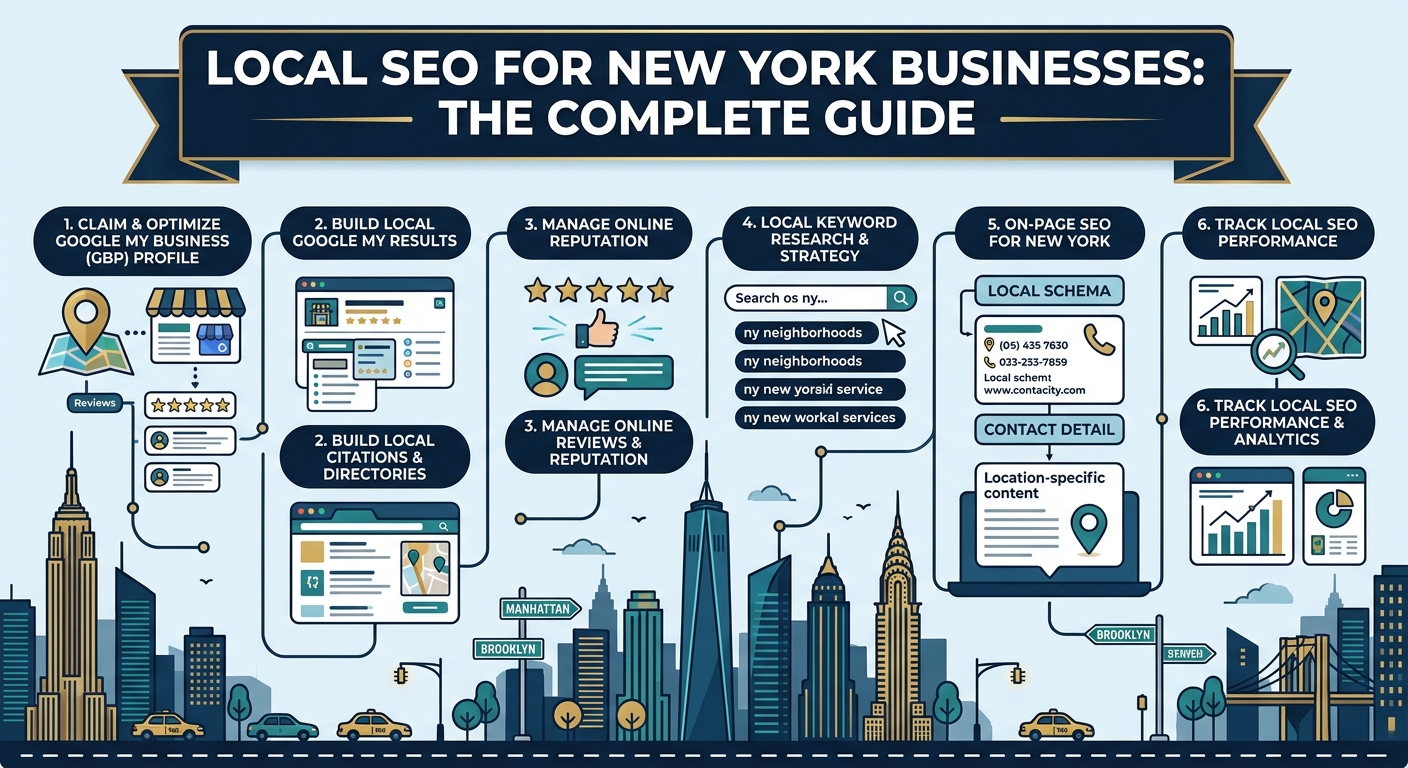
Question 4: How will you handle local SEO across New York neighborhoods?
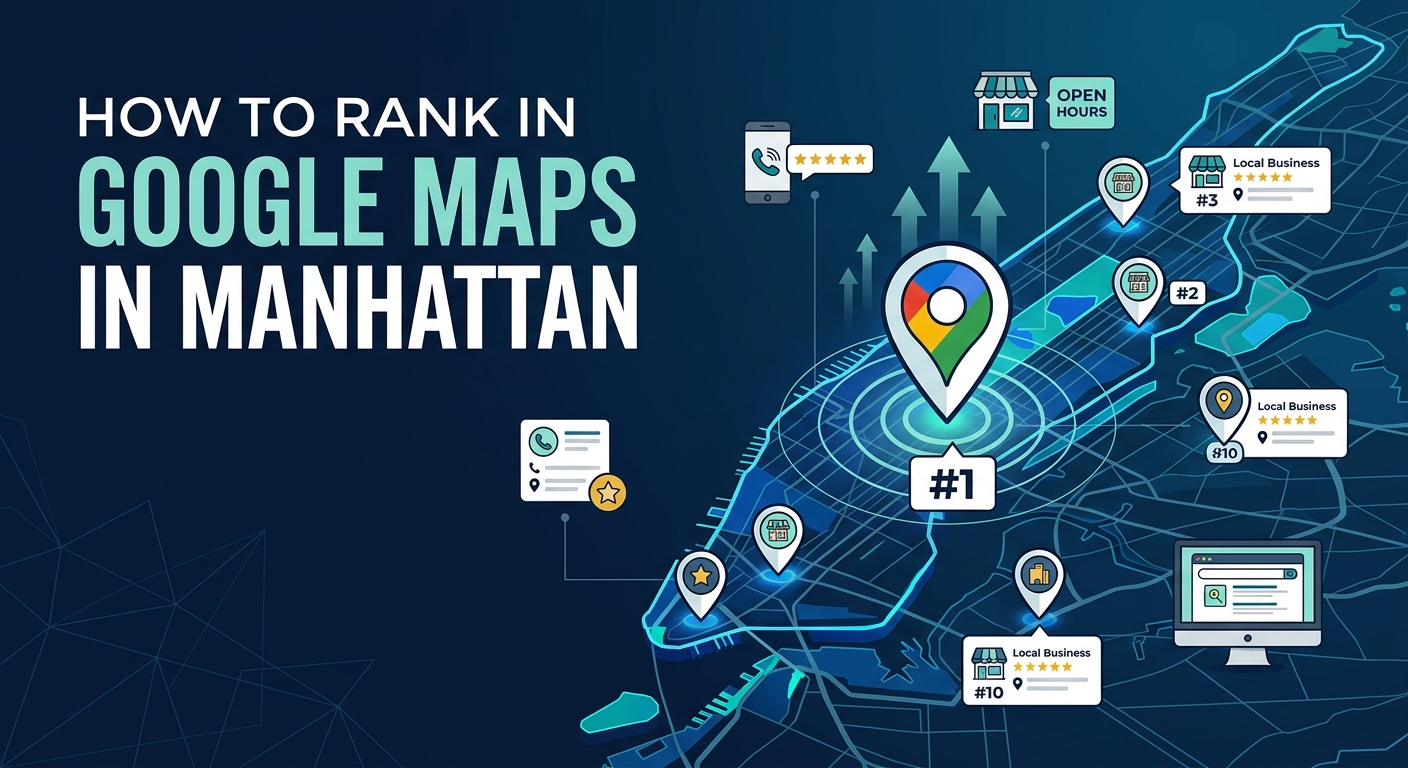
New York searches are deeply local, and customers often search by neighborhood, borough, or even a specific street. A business in Astoria competes in a very different environment from one in the Financial District, so the strategy must reflect those differences. This question reveals whether the candidate understands the city or treats it as one large market.
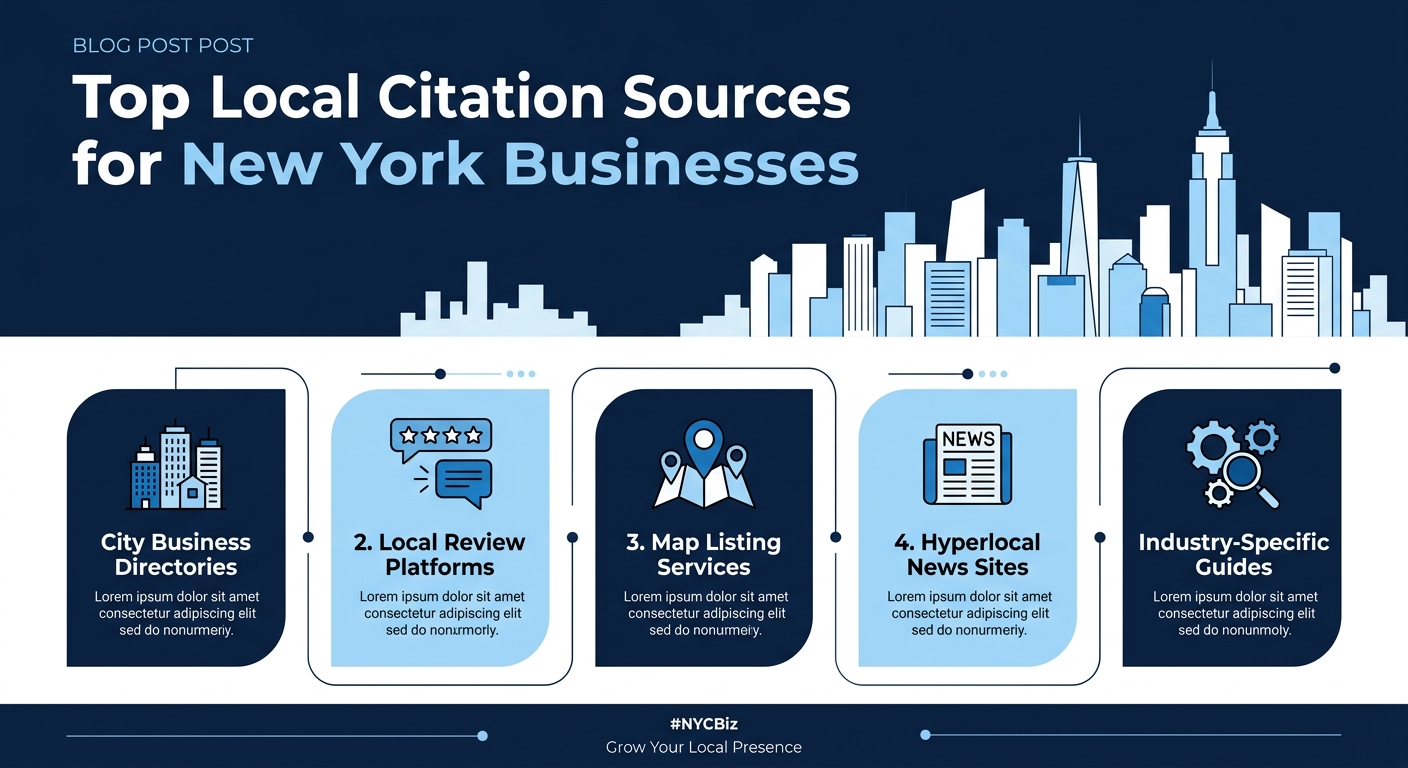
A knowledgeable expert will talk about optimizing your Google Business Profile, building consistent listings across trusted directories, and collecting genuine customer reviews. They should also explain how they will create location focused pages and content that match the way real people search in your area. If you serve several boroughs, the candidate should describe how each location will receive its own attention instead of being lumped together.
Pay attention to whether the answer includes practical details such as local keywords, service area planning, and review management. Strong candidates often mention that proximity, relevance, and reputation all influence map results, and they explain how they will improve each one. A vague answer that only mentions adding the word New York to your pages is a sign that the expert may lack real local experience.
Here are the signals of a strong local answer:
- Mention of Google Business Profile setup and ongoing management
- A plan for consistent business details across online directories
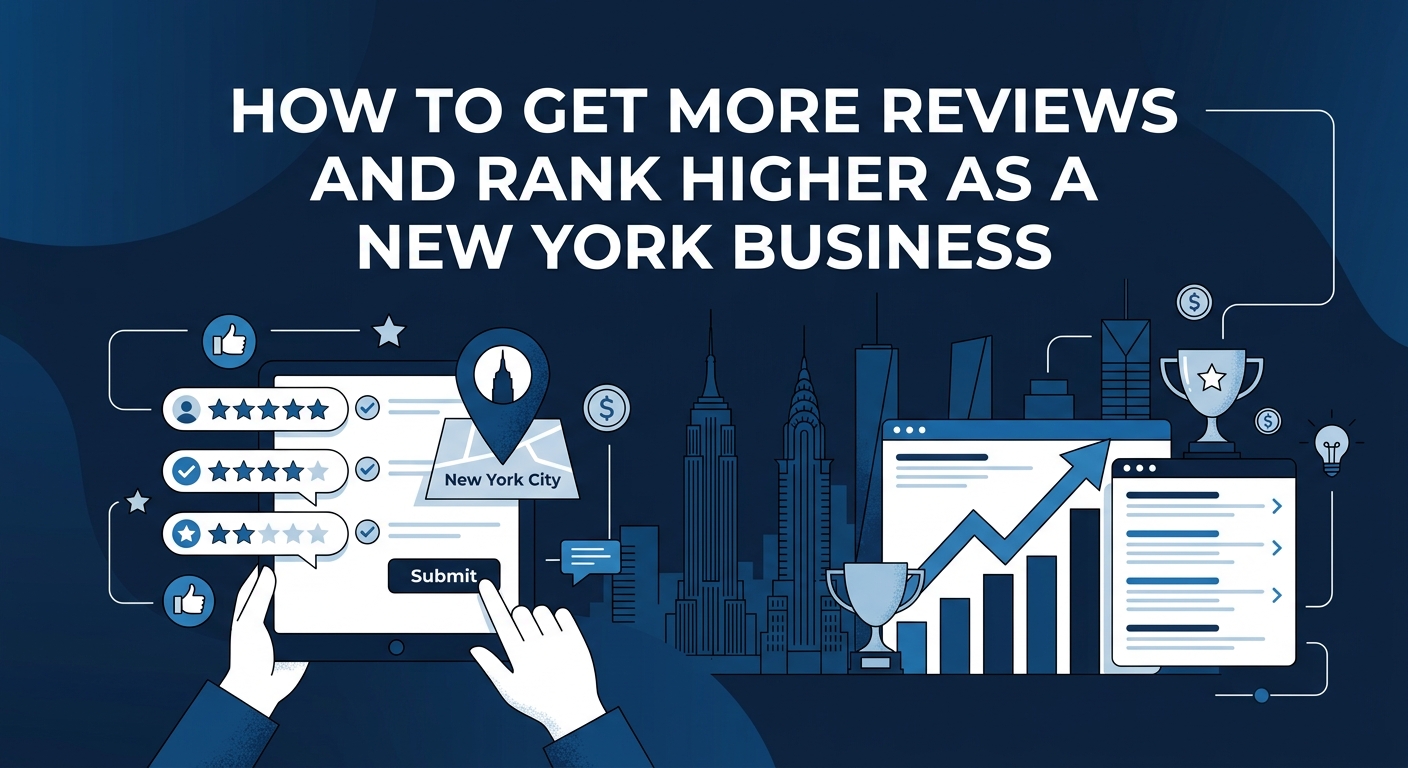
- A method for earning and responding to customer reviews
- Neighborhood level content ideas that match local search habits
Questions About Reporting and Transparency
Even the best strategy loses value if you cannot see what is happening. Clear reporting and honest communication build trust and allow you to judge whether the investment is working. These two questions protect your visibility into the work and your control over your own digital assets.
Question 5: What will your reports include, and how often will I receive them?
Reports should answer one simple question, which is whether the work is helping your business grow. A reliable expert will deliver updates on a regular schedule, usually monthly, and will explain the numbers in language that anyone can follow. The report should connect search activity to real outcomes such as calls, form submissions, bookings, or sales.
Ask to see a sample report before you hire anyone, because it shows how the candidate communicates and what they consider important. Good reports include traffic from search, keyword movement, local map visibility, completed tasks, and planned next steps. Beware of reports that only show impressive looking charts without explaining what they mean, or that focus on vanity numbers that do not influence your income.
A useful report should contain the following:
- Organic traffic trends compared with previous months
- Rankings for the most important keywords and locations
- Leads, calls, or sales that came from search
- A summary of completed work and upcoming priorities
Question 6: Will I own my accounts, content, and data?
This question protects you from a common and painful problem. Some providers set up analytics, listings, or websites under their own accounts, which leaves you powerless if the relationship ends. The correct answer is simple and immediate, because you should always own everything created for your business.
Ask specifically about access to your Google Business Profile, analytics, search console, website, and any content written for you. A trustworthy expert will agree to give you full administrator access and will confirm this in writing. Any hesitation, vague language, or suggestion that these assets belong to the provider should be treated as a serious warning.
Ownership matters even if you plan to work with the same expert for many years. Circumstances change, and having full control gives you the freedom to switch providers, bring work in house, or audit performance independently. It also shows that the candidate is confident enough in their results to let you walk away at any time.
The table below compares strong and weak answers to the two questions in this section:
| Topic | Strong Answer | Weak Answer |
|---|---|---|
| Report Frequency | Monthly updates with a review call | Irregular updates or only when asked |
| Report Content | Leads, calls, and revenue linked to search | Only rankings and traffic screenshots |
| Report Language | Plain explanations anyone can follow | Heavy jargon with no summary |
| Account Access | Full ownership and admin access for you | Accounts held under the provider’s name |
| Content Rights | You own all written and designed material | Provider keeps rights or restricts use |
| Data Access | Direct access to analytics at any time | Data shared only through the provider |
Questions About Methods and Risk
The methods an expert uses can make or break your long term success. Some tactics deliver steady growth, while others create quick spikes that end in penalties and lost visibility. These final two questions in this part help you understand how a candidate builds authority and how prepared they are for change.
Question 7: What link building and content methods do you use?
Links from respected websites remain an important signal for search engines, but the way they are earned makes all the difference. Ethical methods include creating genuinely useful content, building relationships with local organizations, earning mentions in news and industry publications, and partnering with relevant businesses. Risky methods include buying large packages of links, using automated tools, or placing links on unrelated websites that exist only to sell them.
Ask the candidate to describe a recent example of how they earned a valuable link and what made it successful. A confident expert will explain the process openly and will be able to describe the kind of websites they target. If the answer includes phrases such as guaranteed link volume or secret networks, you should be very careful, because those approaches often violate search engine guidelines.
Content deserves the same scrutiny. Strong content answers real customer questions, shows real experience, and is written for people before search engines. Ask whether articles are written by qualified writers, whether they are reviewed for accuracy, and how the expert ensures that nothing is copied or mass produced.
Look for these positive signals in the response:
- A focus on quality and relevance instead of quantity
- Examples of content created around real customer needs
- Clear explanation of how outreach is done
- A firm refusal to use paid link schemes or copied material
Question 8: How do you handle algorithm updates and AI search changes?
Search is changing faster than ever, with AI generated summaries, conversational queries, and new ranking signals appearing regularly. An expert who ignores these changes will quickly fall behind, so this question reveals how well a candidate keeps up. It also shows whether they have a calm and tested approach when rankings shift unexpectedly.
A thoughtful answer will describe how the expert monitors industry news, tests changes carefully, and focuses on lasting quality instead of chasing every rumor. They should explain how they structure content so that it is clear, accurate, and easy for both people and AI systems to understand. They may also mention building brand trust, collecting reviews, and using structured data to help search engines interpret your business.
Ask for an example of a past update and how the candidate responded when a client was affected. Honest professionals will admit that no one can predict every change, but they can explain how they reduce risk by following sound principles. Be wary of anyone who claims to have beaten every update or who dismisses AI search as a passing trend.
Use this short checklist to evaluate the answer:
- Does the candidate follow trusted industry sources and test before acting?
- Is there a plan for adapting content to AI driven search features?
- Can they describe a real situation where they recovered from a drop?
- Is the focus on long term quality rather than quick tricks?

Questions About Pricing and Contracts
Money and paperwork are where many hiring regrets begin. A clear price with a clear scope protects both sides, while vague terms invite disputes later. These last two questions help you understand exactly what you are paying for and who will be doing the work.
Question 9: What exactly is included in the price and contract?
Ask the candidate to list every deliverable, such as audits, content pieces, local listing work, link outreach, and reporting. A professional will give you a written scope with monthly tasks and will explain what costs extra. Be careful with unclear phrases like “optimization services” that hide what is actually being done.
Also ask about contract length, cancellation terms, and what happens to your assets if you leave. Fair agreements usually allow a reasonable notice period and do not trap you in long commitments with heavy penalties. A confident expert is comfortable with a review point after the first few months.
Question 10: Who will work on my account, and how will we communicate?
Some agencies sell with senior experts and then hand your project to junior staff. Ask who will handle strategy, who will write content, and who you can contact when something goes wrong. The answer should include named people, response times, and a regular meeting schedule.
Good communication keeps small issues from becoming big ones. Ask which channels the team uses, how quickly they reply, and how changes to the plan are approved. Clear answers here usually predict a smooth working relationship.
Review these terms in any contract before you sign:
| Contract Term | What to Look For | Risk If Missing |
|---|---|---|
| Scope of Work | A written list of monthly deliverables | Paying for unclear or minimal work |
| Contract Length | Short initial term with a review point | Long lock in with no accountability |
| Cancellation | Fair notice period and no hidden fees | Costly exit if results disappoint |
| Asset Ownership | You own accounts, content, and data | Losing control if you leave |
| Reporting | Monthly reports and review calls | No proof of progress |
| Team and Contact | Named contacts with response times | Slow or unclear support |
How to Score and Compare Candidates
After your interviews, turn your notes into a simple score so the decision rests on evidence. Give each candidate a rating from one to five on every question, then add the totals. Give extra weight to the areas that matter most to your business, such as local knowledge or transparency.
| Question Area | Weight | Candidate A | Candidate B | Candidate C |
|---|---|---|---|---|
| Experience and Case Studies | High | Score here | Score here | Score here |
| Realistic Expectations | High | Score here | Score here | Score here |
| Strategy and Local Knowledge | High | Score here | Score here | Score here |
| Reporting and Ownership | Medium | Score here | Score here | Score here |
| Methods and Risk | High | Score here | Score here | Score here |
| Pricing and Communication | Medium | Score here | Score here | Score here |
The highest score is not always the winner, so also consider how comfortable you felt during the conversation. A strong partner explains things clearly and respects your questions. If two candidates score closely, choose the one who communicates more openly.
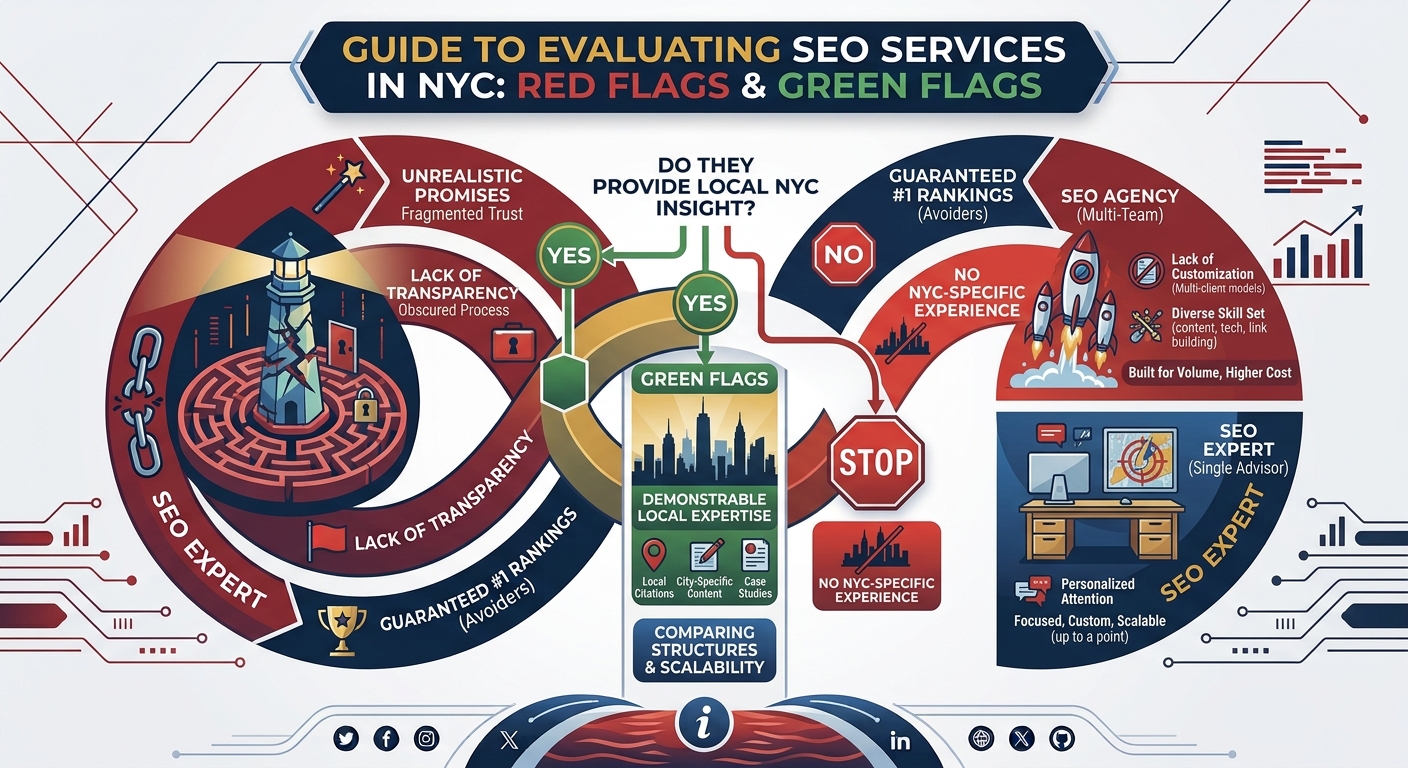
Warning Signs During the Interview
Even a well prepared interview can include moments that should make you pause. One warning sign may be harmless, but several together are a strong reason to move on. Watch for these patterns:
- Promises of guaranteed rankings or instant results
- Refusal to share examples, references, or sample reports
- Pressure to sign quickly for a limited time discount
- Unclear answers about methods, pricing, or ownership
- Criticism of competitors instead of explaining their own approach
Why Choose Dealmate
Dealmate is built around the same standards this guide recommends. Every project starts with a detailed audit, a strategy tailored to your business and neighborhood, and a written scope so you always know what you are paying for. You keep full ownership of your accounts and data, and you receive plain language reports that connect search activity to real leads.
The team uses ethical, long term methods that protect your website and build lasting authority. You can expect honest timelines, named contacts, and regular reviews that keep the work aligned with your goals. If you would like to test any of the ten questions in this guide, Dealmate welcomes them.
Frequently Asked Questions
Why should I ask questions before hiring an SEO expert?
Questions reveal how a candidate thinks, works, and communicates before you commit any money. They help you separate real experience from polished sales talk. They also set honest expectations about timelines and results. This protects your budget and your website from avoidable mistakes.
How many candidates should I interview?
Interviewing three to five candidates is usually enough to see clear differences. Fewer than three makes comparison difficult, while more than five can lead to confusion. Ask each person the same questions so the answers are easy to compare. Keep notes after every call while the details are fresh.
What is the most important question to ask?
Many business owners find that asking for relevant case studies reveals the most. Real results from similar businesses show whether the expert can deliver in your market. Follow up by asking how long each result took. Honest answers about timing are as valuable as the numbers themselves.
How long should I expect to wait for SEO results?
Most New York businesses see early improvements within three to four months. Stronger gains in competitive industries often take six to twelve months. Progress depends on your website, competition, and consistency of work. Be cautious of anyone who promises results in a few weeks.
Should I ask for references from past clients?
Yes, references give you a direct view of what working with the expert is really like. Ask past clients about communication, results, and how problems were handled. A confident professional will gladly connect you with satisfied clients. Reluctance to share any references is a reason to be careful.
Is a cheap SEO package ever a good idea?
Very low prices often mean copied content, mass produced links, or minimal effort. These shortcuts can harm your rankings and take months to repair. A fair price usually reflects real time, skill, and ongoing reporting. Focus on value and clarity instead of choosing the lowest quote.
Do I need a long contract to get good results?
Not necessarily, because good work shows itself through steady progress. A short initial term with a review point protects you if results do not appear. Long contracts with heavy penalties can trap you with a weak provider. Choose terms that keep the expert accountable.
What should I do if the answers sound too technical?
A skilled expert can explain complex ideas in simple language. Ask them to restate the answer using a real example from your business. If the explanation stays confusing, that may signal weak understanding or poor communication. Choose someone who makes you feel informed instead of overwhelmed.
Can I switch SEO experts later if I am unhappy?
You can switch at any time if you own your accounts, content, and data. This is why asking about ownership before you hire is so important. A smooth transition also depends on documented work and clear access. Good providers support this process without resistance.
What happens right after I choose an SEO expert?
The first step is usually a full audit of your website, competitors, and local presence. The team then shares a plan with priorities, timelines, and measurable goals. You should also agree on reporting dates and communication channels. A strong start builds trust and keeps the partnership on track.
Conclusion
Hiring an SEO expert in New York becomes far less risky when you ask the right questions. Focus on proven experience, honest timelines, a clear process, transparent reporting, safe methods, and fair contracts. Use the scoring table to compare candidates fairly, and trust your instincts when answers feel vague or pushy.
The best partner will explain the work openly and measure success by the customers you gain. Take your time, compare carefully, and choose someone who earns your confidence through honesty and results. If you are ready to put these questions into action, Dealmate is ready to help you turn search into steady growth.