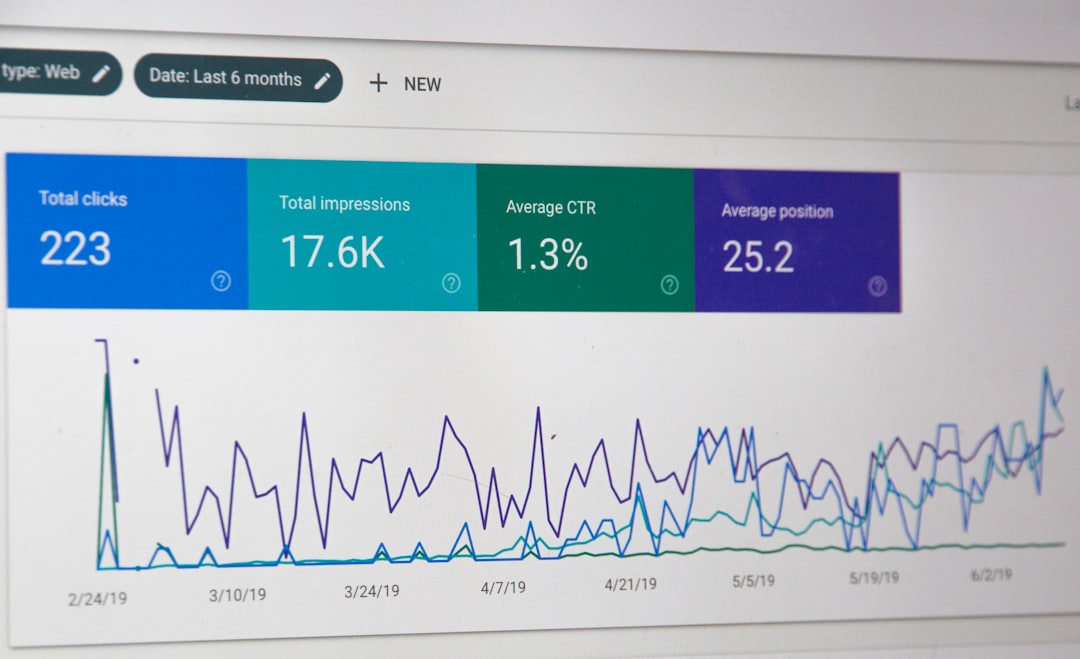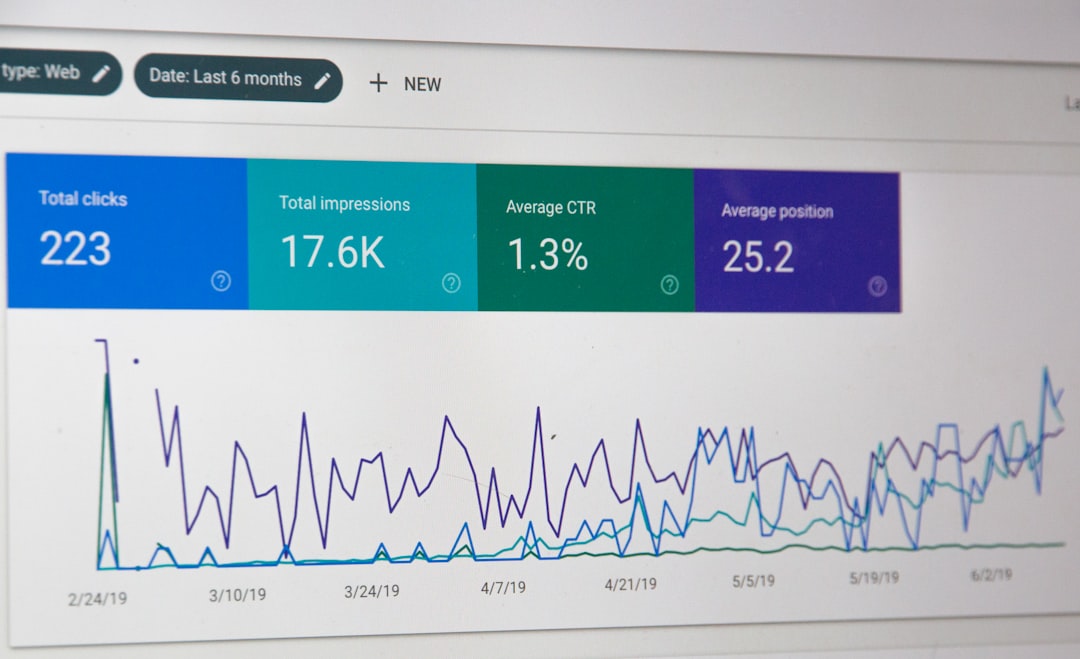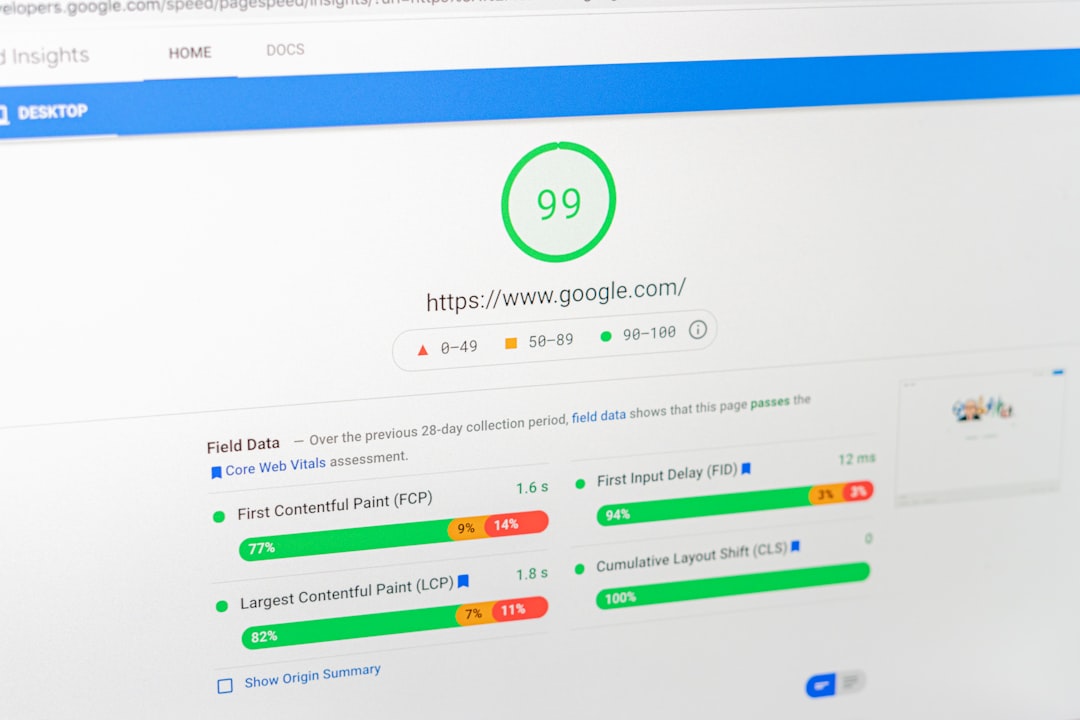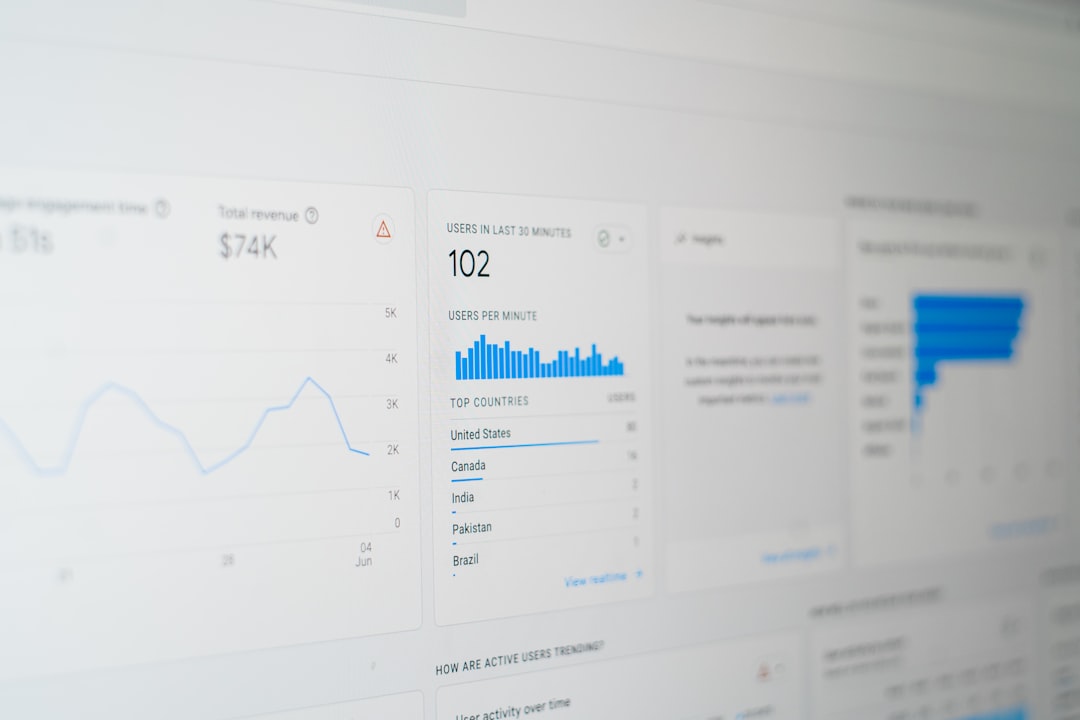
Getting started with WordPress SEO is less about doing everything and more about fixing the right things in the right order. If your rankings are flat, the problem is usually not effort. It is usually a scattered setup, unclear page targeting, or weak internal linking that keeps good pages from earning visibility.
A green light in an SEO plugin does not mean the page deserves to rank. Beginner SEO works best when you focus on crawlability, page clarity, internal links, and useful content before you worry about advanced features. If you want a broader baseline after this article, read WordPress SEO: The Practical Guide for DIY Site Owners and WordPress SEO Checklist That Actually Helps.
Start With One Simple Strategy
The best beginner strategy is simple: make sure Google can access your important pages, make each page about one clear topic, and connect related pages with helpful internal links. That approach is easier to manage than chasing scores, adding plugins, or publishing random posts without a plan.
Google recommends clear, concise titles, crawlable links, descriptive anchor text, and people-first content. That means your WordPress SEO strategy should help readers understand your pages quickly and help search engines understand how your site is organized.
Step 1: Make Sure Search Engines Can See Your Site


Before you edit titles or write blog posts, check whether your important pages can actually be crawled and indexed. This is the first priority because no amount of on-page polishing helps if the page is blocked, excluded, or buried with weak site structure.
Start by checking your WordPress reading settings, your XML sitemap, and your core pages in Google Search Console. Focus on your homepage, service pages, contact page, and any blog posts you want to rank. If those pages are not indexable or are missing from your site structure, fix that before moving on.
Step 2: Use One SEO Plugin Only
One well-configured SEO plugin is enough for most beginner WordPress sites. Running multiple SEO plugins often creates duplicate metadata, conflicting canonicals, and overlapping sitemap output that makes troubleshooting harder, not easier.
Choose one plugin, configure the basics, and leave the rest alone until your foundation is clean. You do not need a feature-heavy stack. You need a setup that stays consistent across your pages.
Step 3: Build Pages Around One Clear Topic
Each important page should target one main topic and one main search intent. Beginners often hurt SEO by trying to make one page rank for everything, which leads to vague headings, stuffed titles, and copy that never clearly answers the searcher’s question.
Think in page roles. Your homepage covers your broad business topic. Service pages cover buyer-focused topics. Blog posts answer narrower questions and support the pages that drive leads or sales. Fix the issues that block visibility before the issues that polish visibility.
Step 4: Write Better Titles and Headings

Title tags and headings help Google and users understand what a page is about. Google advises site owners to write unique, descriptive, concise titles and to avoid keyword stuffing or repeated boilerplate across many pages.
Your H1 should clearly describe the page. Your title tag can be slightly tighter for search results, but both should point to the same topic. Avoid titles that read like a list of repeated keywords.
| Weak title | Stronger title |
|---|---|
| SEO Services | SEO Company | SEO Expert | WordPress SEO Services for Small Businesses |
| Blog | WordPress SEO Tips for Beginners |
| Home | Local Plumbing Repairs in Austin |
Clear beats clever here. A beginner-friendly strategy uses titles to describe the page honestly, not to force every possible keyword variation into one line.
Step 5: Strengthen Internal Links Early



Internal links are one of the easiest wins for beginners because they help search engines discover pages and understand which pages matter most. They also help visitors move naturally from a blog post to a service page, category page, or related guide.
Use descriptive anchor text, not vague phrases. Link related posts together and make sure every important page is reachable from other crawlable pages. If your site has isolated posts with no internal links, fix those before writing more content.
If you are not sure whether your current page structure supports rankings or quietly weakens them, WordPress SEO Expert can help.
Step 6: Create Helpful Content, Not Just More Content
Beginners usually improve faster by publishing fewer, better pages. Google’s guidance emphasizes people-first content that helps users accomplish a goal, rather than search-engine-first content created mainly to capture rankings.
That means every post should answer a real question, match a clear intent, and lead naturally to another useful page on your site. Do not split one topic into several thin articles just to chase slight keyword variations. One strong page often outperforms three weak ones.
Step 7: Keep Your Technical Setup Clean
Technical SEO for beginners does not need to be complicated. The goal is a site that loads cleanly, uses a simple URL structure, and avoids unnecessary duplicate pages such as thin archives or low-value attachment pages.
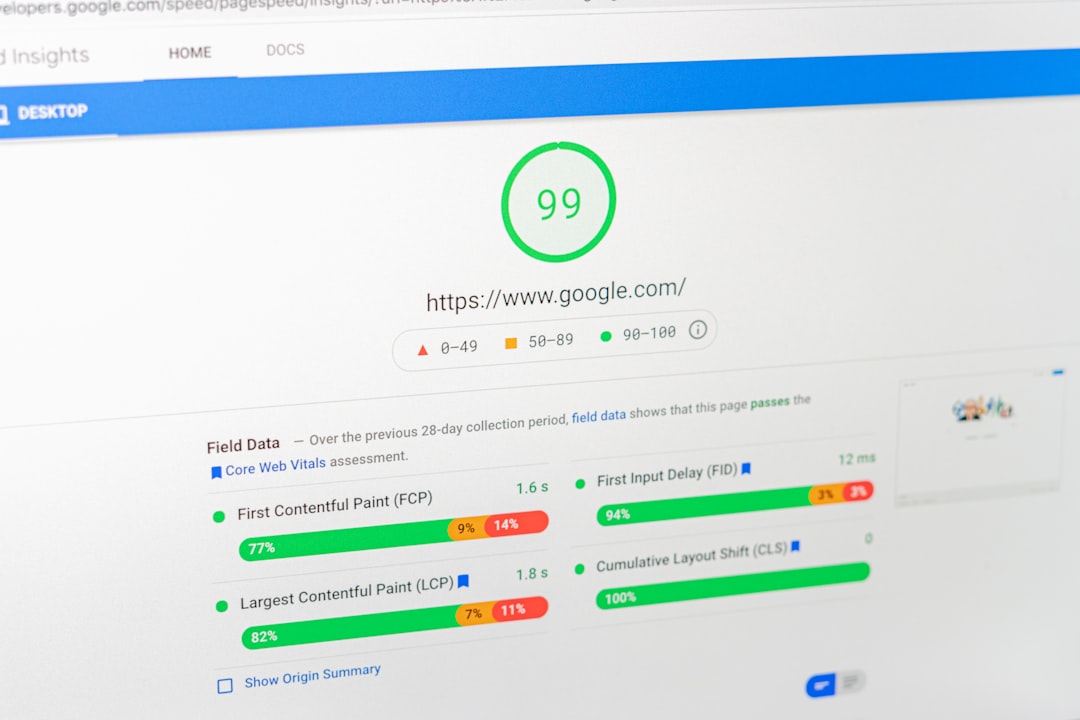
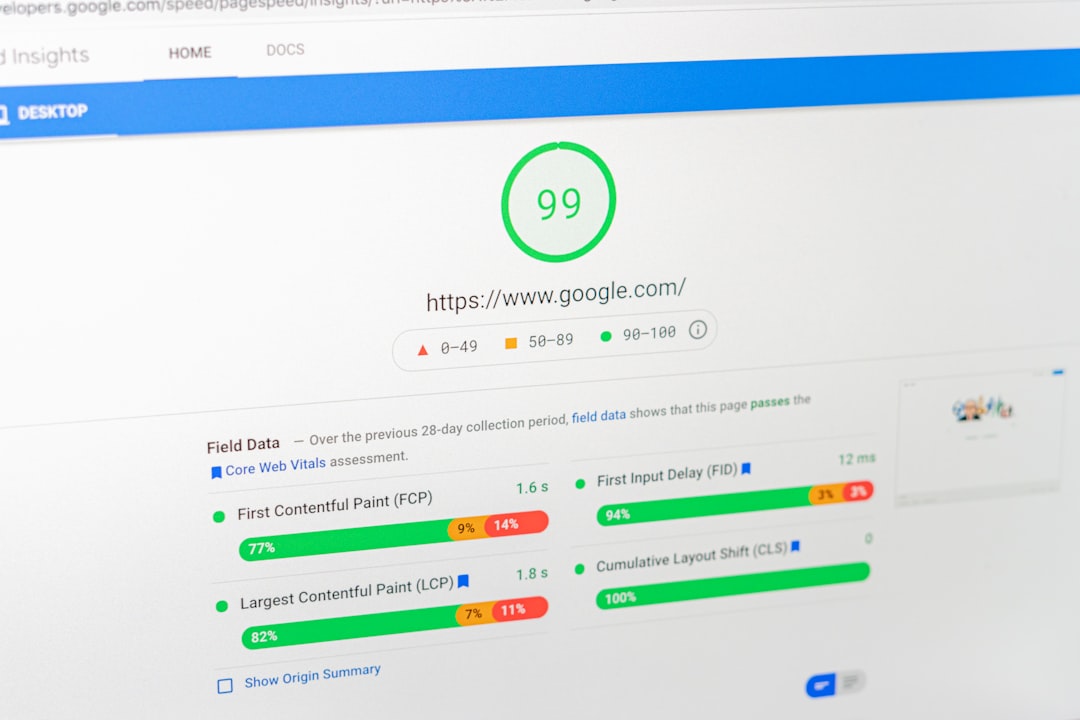
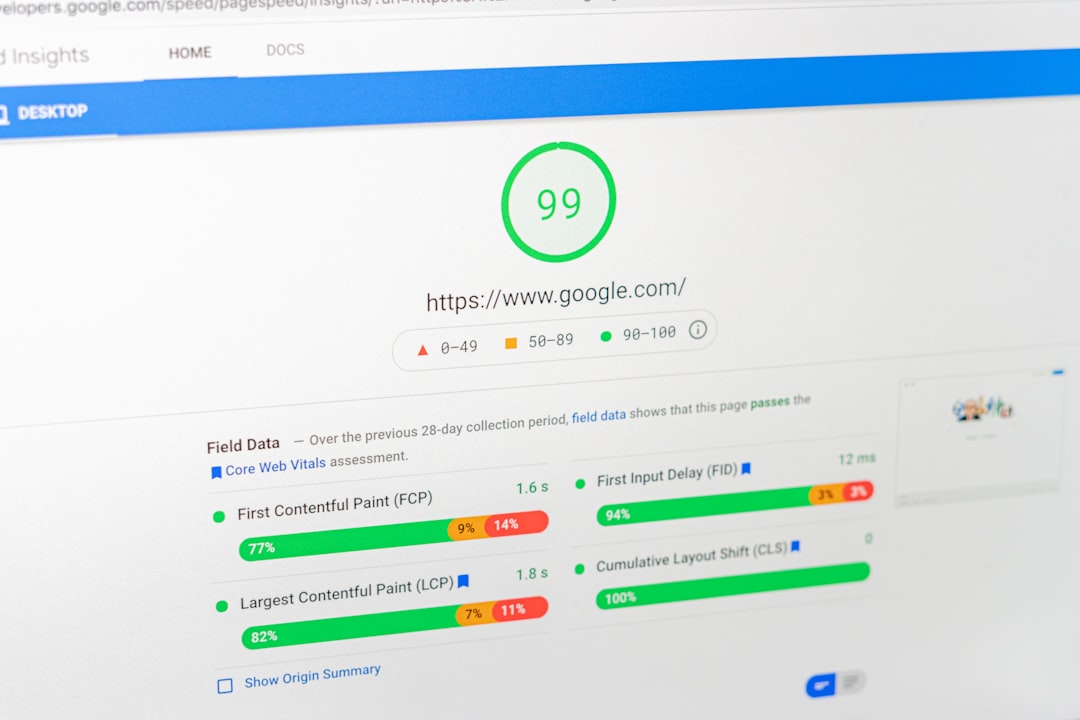
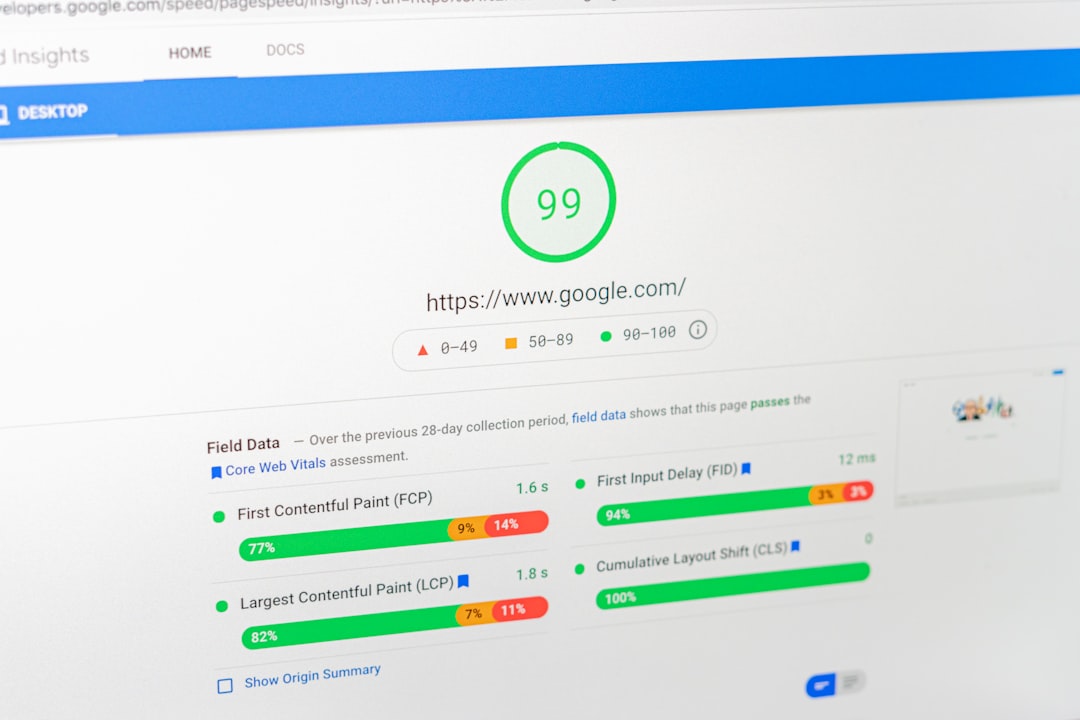
Check your key templates, remove unused plugins, compress oversized images, and keep your URL structure readable. You do not need a perfect score. The goal is a site that is easy to use and sends consistent signals about which pages matter most.
A Practical Beginner Workflow
If you want a simple weekly SEO routine, use this order: check indexing, review your most important pages, improve titles and headings, add internal links, and update weak content before publishing something new. That sequence keeps you focused on what actually affects visibility.
Most site owners do not have one catastrophic problem. They have a stack of smaller issues that compound over time. A beginner strategy works when it removes confusion and gives every page a clear job.
What Beginners Should Ignore for Now
Most beginners can safely ignore advanced SEO features until the basics are working. Schema, advanced automation, and plugin extras are support layers, not substitutes for clear pages, clean indexing, and useful content.
Do not waste hours trying to perfect every plugin suggestion. A green light in an SEO plugin does not mean the page deserves to rank. Put your energy into making pages clearer, stronger, and easier to discover.
When to Get Help
If your WordPress SEO still feels confusing after you fix the basics, that usually means the issue is prioritization, not laziness. The right next step is a diagnosis that shows whether the real problem is indexing, duplication, weak targeting, or plugin clutter.
Book a free SEO consultation with WordPress SEO Expert. No pitch, no pressure. Just an honest look at what your site actually needs and whether your current setup is part of the solution or part of the problem.
Contact WordPress SEO Expert today to schedule a consultation.