
Small WordPress SEO mistakes can quietly hold back rankings, traffic, and leads even when your content is good. The fastest wins usually come from fixing the basics: weak titles, thin pages, crawl issues, poor internal linking, and slow templates that make it harder for search engines and users to trust the site.
Most site owners do not have one catastrophic problem. They have a stack of smaller issues that compound over time. This is why a page can be well written and still underperform. WordPress SEO Expert helps businesses find those friction points, prioritize the fixes, and turn scattered SEO work into a practical plan.
1. Treating your SEO plugin like an SEO strategy

Installing Rank Math, Yoast, or another plugin does not optimize a site by itself. A plugin gives you controls, but the real work is still keyword mapping, page structure, search intent, internal linking, and technical cleanup.
This mistake is common because WordPress makes SEO settings feel simple. You fill in a few fields, see a green score, and assume the page is done. In reality, plugin scores can be helpful for spotting omissions, but they do not replace judgment. A page can earn a high plugin score and still miss the actual search intent or target the wrong keyword.
If your priority is page-level optimization, review the work that goes into on-page SEO services before assuming the plugin solved it.
2. Writing vague or repetitive title tags
Weak title tags are one of the easiest problems to fix. Google recommends descriptive, concise titles and specifically advises against keyword stuffing and repetitive boilerplate titles across pages.
Common examples include titles like Home, Services, Blog Post, or city pages that only swap a location name while keeping everything else identical. Google may rewrite titles when the page title is long, vague, or heavily repeated across the site. That means poor title writing can reduce click-through rate even if the page still ranks.
A better pattern is to give each important page a distinct main topic, align the H1 with that topic, and write a title that reflects what the visitor will actually get on the page. This matches Google’s guidance on title links and makes results easier to click.
3. Publishing thin pages just to target more keywords
More pages do not automatically mean more rankings. Thin service pages, near-duplicate location pages, and shallow blog posts often create index bloat instead of useful search visibility.
This usually happens when a site owner tries to create one page for every keyword variation. The result is multiple weak pages competing for similar terms, none of which answers the query better than a stronger consolidated page could. In WordPress, this problem can spread fast because creating new posts and pages is so easy.
Before publishing another page, ask whether the topic deserves its own result or should be merged into an existing asset. If several pages are overlapping, you may need keyword consolidation, stronger headings, and a clearer search-intent match rather than more content volume.
4. Ignoring internal links and orphan pages
Internal links help search engines discover pages, understand topical relationships, and prioritize important URLs. They also help visitors move naturally from one question to the next.
Many WordPress sites publish blog posts regularly but never link them back to service pages, category hubs, or related guides. Over time, valuable pages become isolated. Some are technically published but receive so few internal links that they stay weak, hard to find, or disconnected from the rest of the site’s topic structure.
This is one reason we often connect content strategy with technical SEO services. Internal linking is both an editorial and structural task. It needs anchor text that makes sense, clear pathways between related pages, and navigation that does not bury important URLs too deep.
5. Letting category, tag, and archive pages index without a plan
WordPress can generate a large number of archive URLs by default. If you do not decide which taxonomies deserve to rank, you can end up with duplicate, thin, or low-value pages in the index.
This is not a rule that every archive page should be blocked. Some category pages are excellent SEO assets, especially on content-heavy or WooCommerce sites. The mistake is leaving them unmanaged. Tag archives with one or two posts, author archives on single-author sites, and dated archives often create clutter with little ranking value.
Use indexing controls deliberately. If a page should stay out of search, a page-level noindex directive is the proper tool. Google also notes that blocking a URL in robots.txt does not reliably prevent indexing if the URL is discovered elsewhere.
6. Using canonicals incorrectly
Canonical tags help Google understand the preferred version of duplicate or very similar pages. They are useful, but they are also easy to misuse on WordPress sites with filters, parameters, pagination, and plugin-generated URLs.
Typical mistakes include pointing canonicals to unrelated pages, leaving self-referencing canonicals off key templates, or mixing canonicals with conflicting noindex signals. Google recommends rel=”canonical” as the preferred method for consolidating duplicate URLs on a site, not as a shortcut for hiding weak pages that should be handled another way.
If canonical logic is unclear, fix the URL structure first. Then make sure the canonical target is the page you truly want indexed and surfaced in search.
7. Forgetting image SEO basics
Images matter for both accessibility and search understanding. Google says alt text is the most important attribute for providing image metadata, and it recommends useful, information-rich descriptions instead of stuffing keywords.
A common WordPress habit is uploading IMG_4821.jpg, leaving alt text blank, and inserting oversized files straight from a phone or design tool. That creates a double problem: search engines get weaker context, and the page often becomes slower than it needs to be.
A better workflow is simple. Rename important files clearly, write alt text that describes the image in context, compress images before upload, and avoid decorative uploads that add visual weight without helping the page.
8. Chasing perfect SEO scores instead of search intent
Search intent matters more than squeezing an exact keyword into every possible field. If the page does not answer what the user wants, the plugin score will not save it.
This mistake shows up when site owners force exact-match keywords into headings, intros, image alts, and meta descriptions until the copy reads unnaturally. Google explicitly warns against keyword stuffing in titles and alt text. The same principle applies to the page overall. Relevance should feel natural, not mechanical.
Start with the query. Is the visitor trying to compare options, solve a problem, buy a product, or hire a service? Once that is clear, shape the page around the job the visitor needs done.
9. Ignoring technical issues because the site looks fine

A WordPress site can look polished and still have crawl, indexation, redirect, or performance issues underneath. Good design does not guarantee clean technical SEO.
We regularly see sites with broken internal links, redirect chains after redesigns, duplicate URL versions, bloated plugins, and sitemap issues that are invisible to non-technical users. These problems do not always cause a total collapse, but they can reduce efficiency and weaken otherwise strong content.
If you are seeing inconsistent rankings, pages that do not index, or traffic drops after a migration, WordPress SEO Expert can help. A structured audit usually finds whether the problem is content quality, crawlability, architecture, or a mix of all three.
10. Overreacting to Core Web Vitals alone
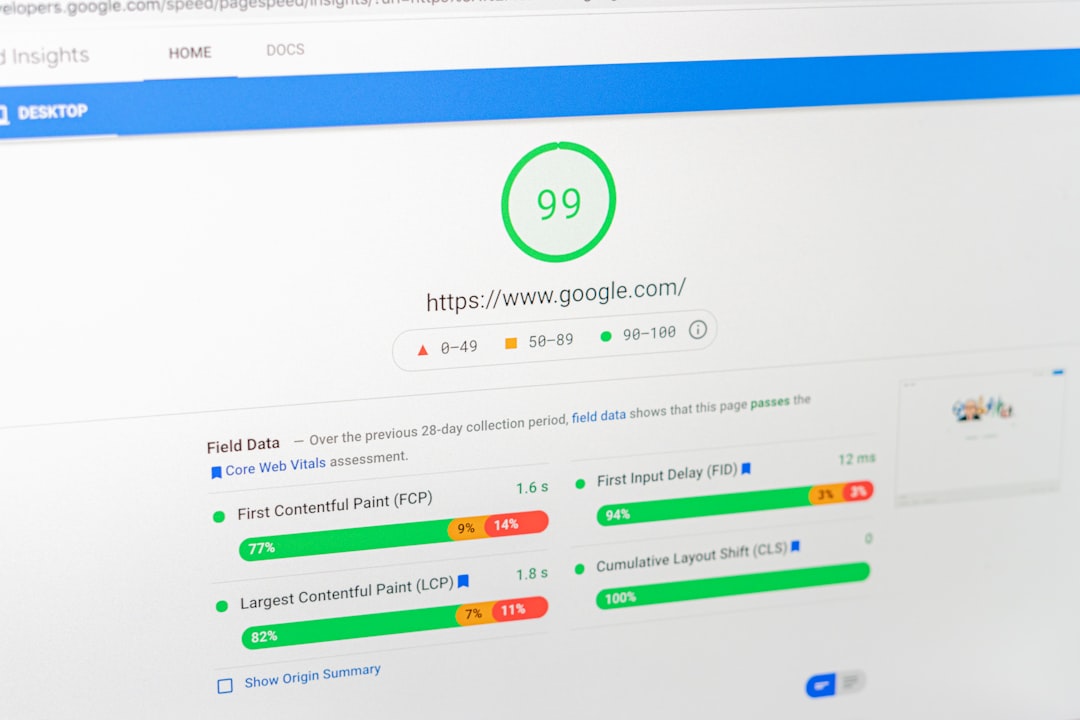
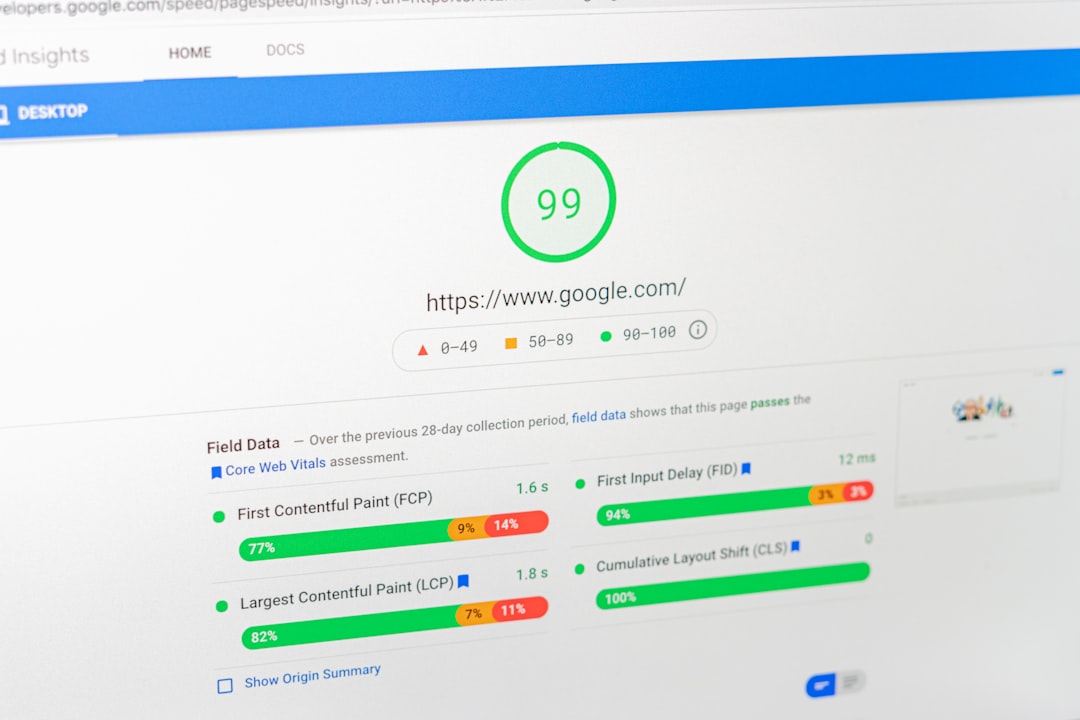
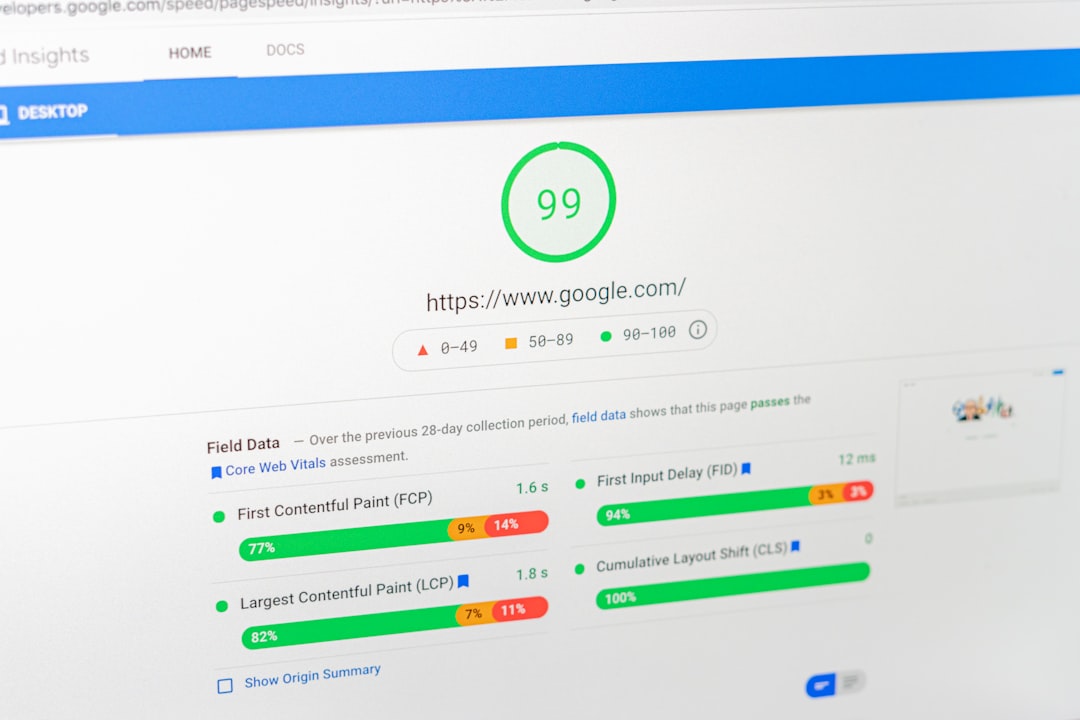
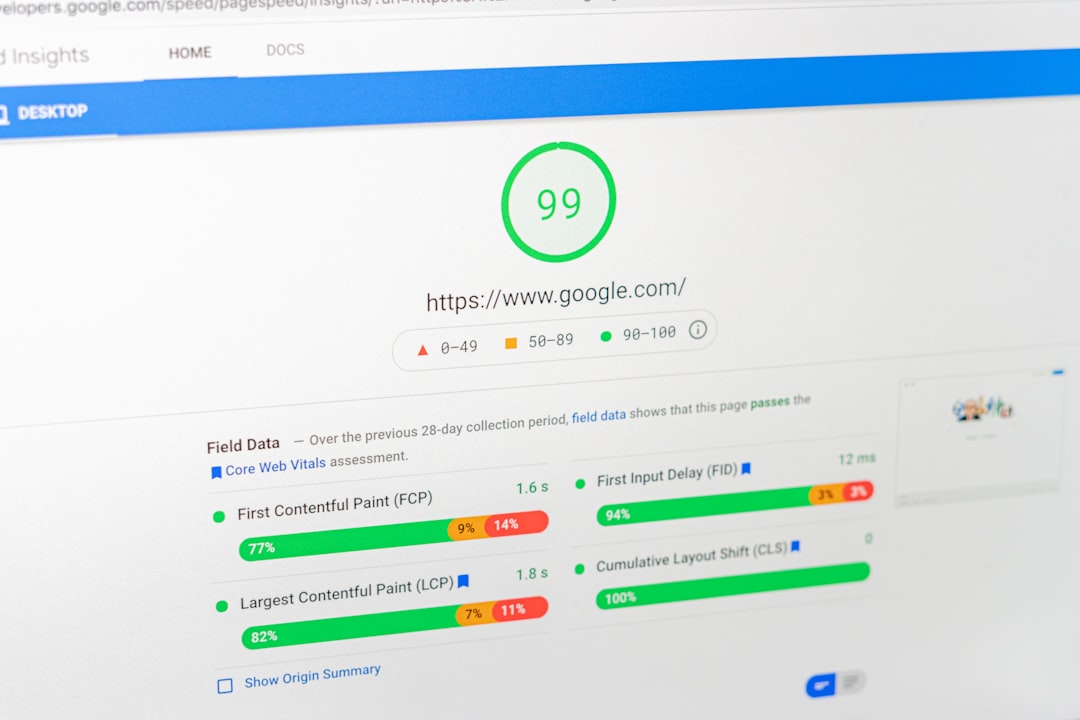
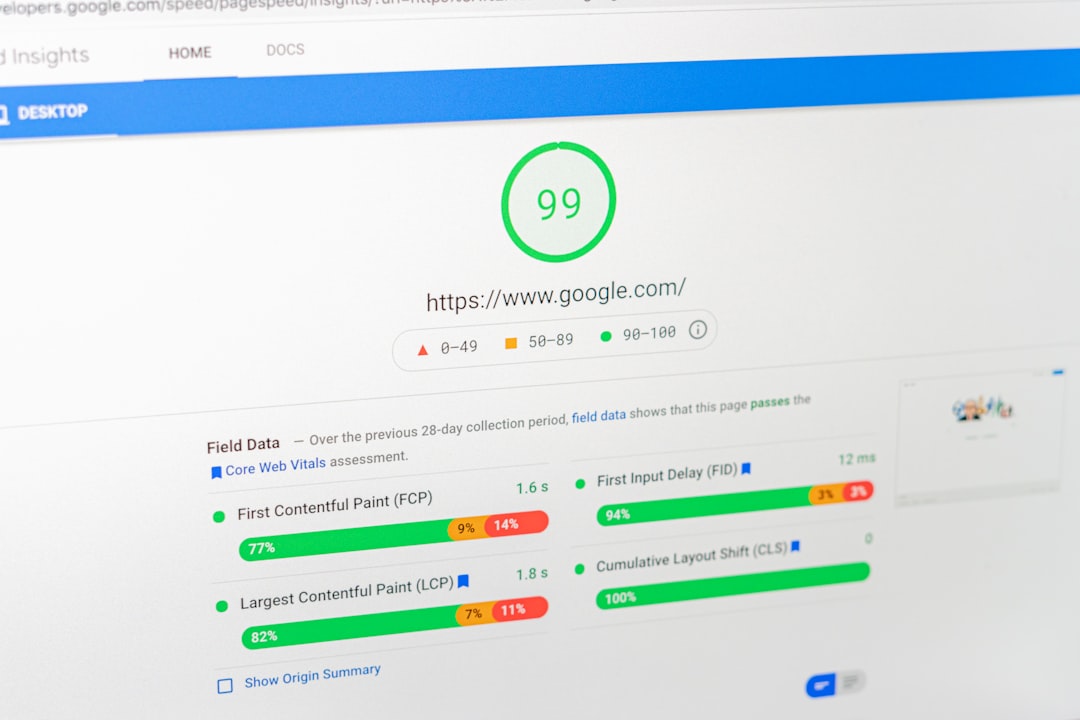
Performance matters, but a perfect Lighthouse score is not the goal. Google says Core Web Vitals are used by its ranking systems, while also making clear that strong scores alone do not guarantee top rankings.
This matters because many WordPress site owners spend weeks chasing tiny speed improvements while leaving bigger SEO issues untouched. If your service pages are thin, your titles are duplicated, and your internal linking is weak, shaving a fraction of a second off a script may not be the highest-return move.
Focus on practical performance wins first: lighter images, fewer unnecessary plugins, better caching, cleaner templates, and fewer third-party scripts. Then weigh those gains against content and architecture improvements that may move the needle more.
A simple checklist for avoiding these mistakes
If you want a fast self-audit, start with the pages that drive revenue or leads. Check the basics first, then move into deeper technical review only where needed.
| Mistake area | What to check first |
|---|---|
| Titles and H1s | Make sure each important page has a distinct topic and a non-repetitive title. |
| Content depth | Combine overlapping pages and strengthen thin pages before publishing more. |
| Internal links | Add contextual links from blog content to service and category pages. |
| Archives and taxonomies | Review whether categories, tags, and author archives deserve indexation. |
| Canonicals | Confirm each canonical points to the preferred version of that page set. |
| Images | Improve filenames, alt text, dimensions, and compression. |
| Technical health | Check redirects, sitemaps, robots settings, and crawlable internal paths. |
| Performance | Reduce plugin bloat and large assets before chasing minor score gains. |
When to fix it yourself and when to get help
Many WordPress SEO mistakes are fixable in-house if the site is small and the issues are limited to titles, metadata, content updates, and internal links. Once the problems involve indexation, migrations, duplicate URL patterns, or WooCommerce complexity, outside help usually saves time and prevents expensive missteps.
If you want a second set of eyes before changing templates, deleting archives, or rewriting large sections of the site, start with a free SEO consultation. It is often the quickest way to separate high-impact fixes from busywork.
Final takeaway
The most common WordPress SEO mistakes are rarely dramatic. They are repeated small decisions that make a site harder to understand, crawl, and trust. Fix the structure, clarify the page purpose, improve the internal links, and clean up technical conflicts before you chase advanced tactics.
Need help finding the issues that matter most? Contact WordPress SEO Expert today to schedule a consultation. We can review your site, explain what is actually holding it back, and map out the next fixes in priority order.

Pingback: How to Improve WordPress SEO Without Coding
Pingback: Yoast SEO vs Rank Math: Which Is Better?