
Getting started with WordPress SEO is less about learning every tactic and more about fixing the few settings that actually control visibility. Beginners usually do not need a complex stack. They need one clean setup, clear page targeting, and examples that show what good implementation looks like.
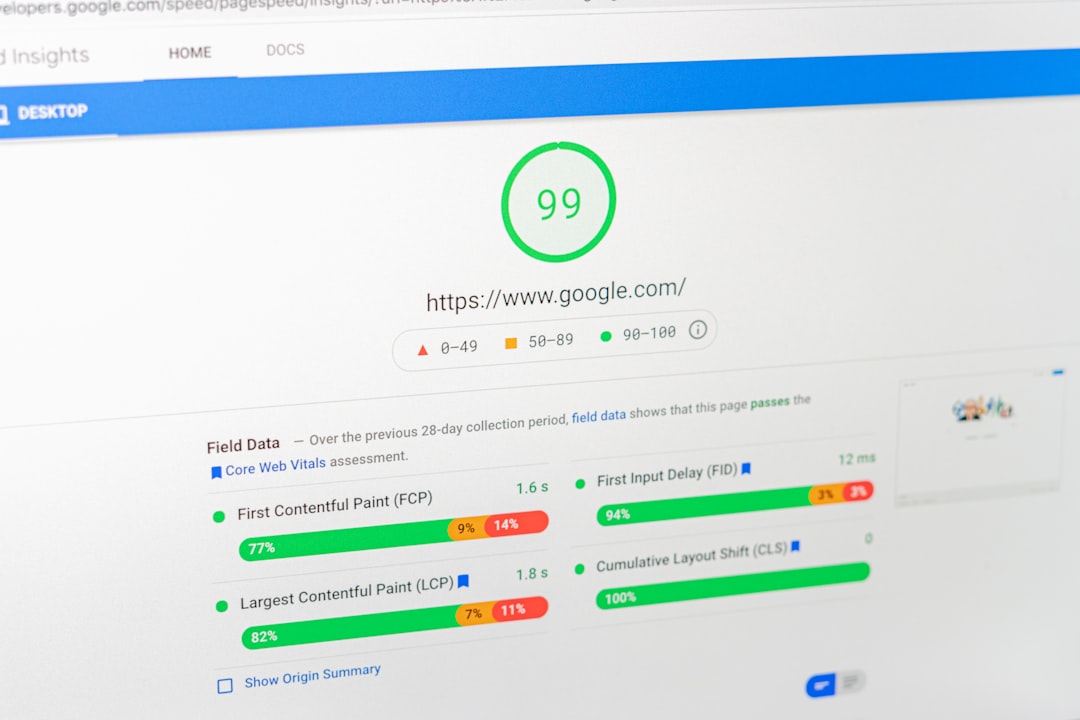
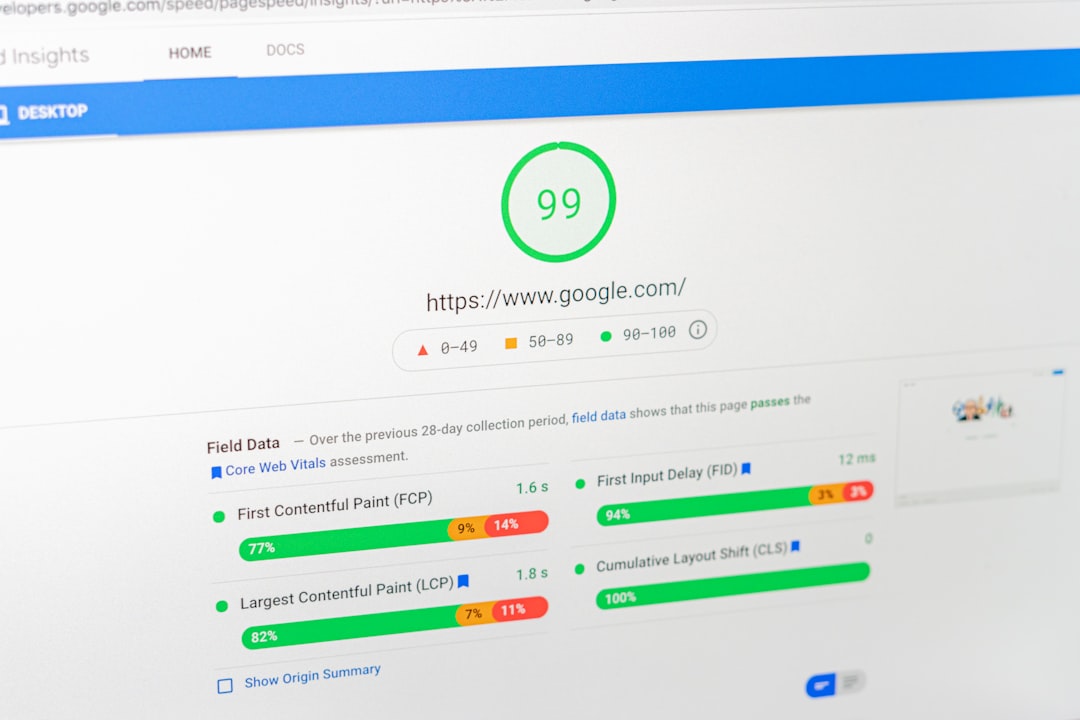
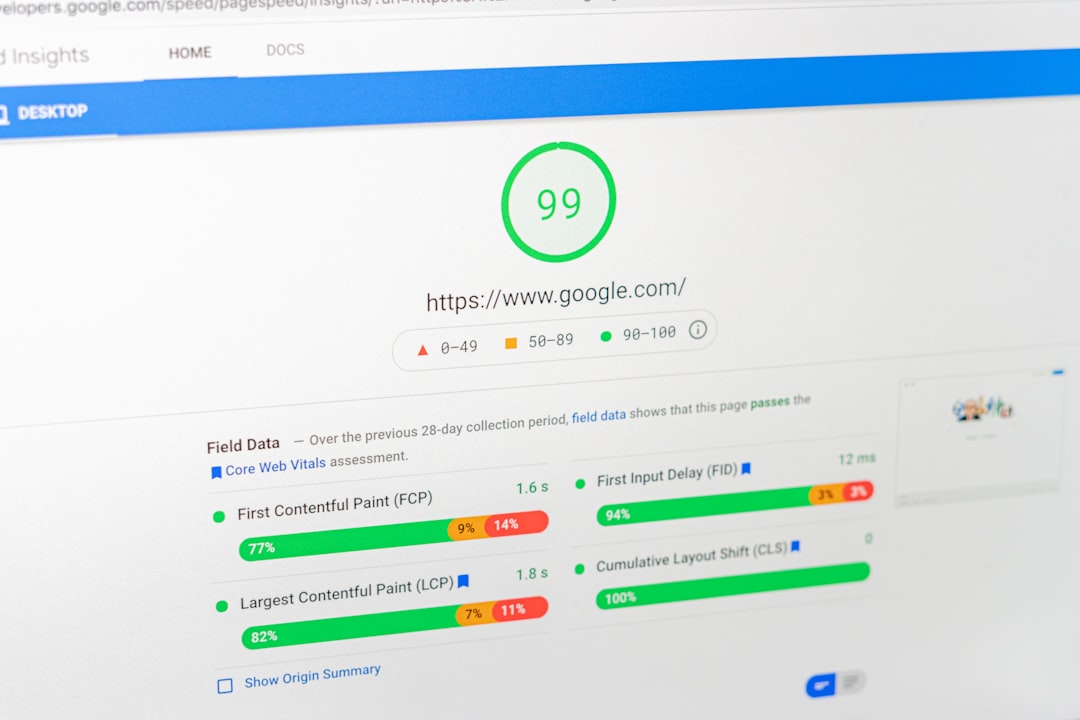
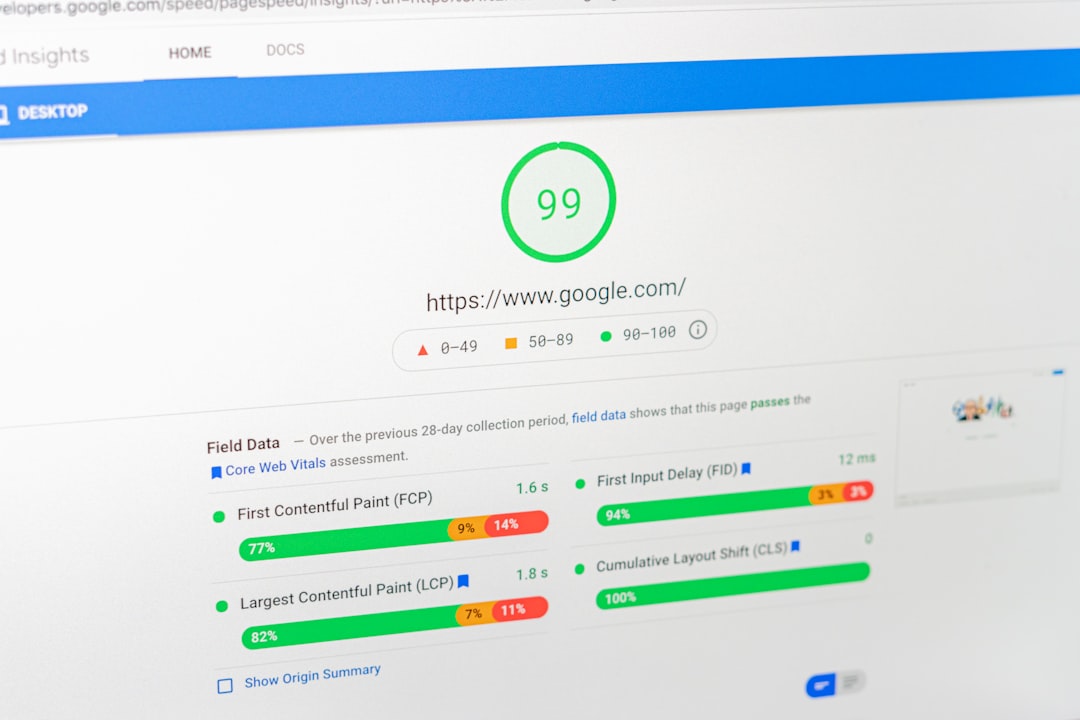
WordPress SEO Expert helps site owners simplify SEO before they add more tools. A green light in an SEO plugin does not mean the page deserves to rank. What matters is whether search engines can crawl the right pages, understand what each page is about, and see a site structure that supports your most important content.
If you are completely new to setup, start with our WordPress SEO setup for beginners guide, then use the examples below to improve individual pages.
What beginners should focus on first
The best starting point is simple: make sure your important pages are indexable, use one SEO plugin, write specific titles, and add internal links that help users move through the site. Fix the issues that block visibility before the issues that polish visibility.
Google recommends descriptive, concise title text, unique meta descriptions when possible, and crawlable HTML links with descriptive anchor text. Google also states that structured data should match the visible content on the page. Those basics matter more than chasing perfect plugin scores or turning on every available feature.
Beginner example: a weak page vs a stronger page
A beginner-friendly SEO improvement usually comes from making a page clearer, not longer. The example below shows how a page can move from generic signals to focused signals without becoming complicated.
| Element | Weak example | Stronger example |
|---|---|---|
| Title tag | SEO Services | SEO Company | SEO Expert | WordPress SEO Services for Small Businesses |
| H1 | Welcome | WordPress SEO Services |
| Meta description | We offer many SEO solutions for all businesses. | Get practical WordPress SEO help for indexing, titles, and technical issues that keep rankings flat. |
| Internal link anchor | Click here | how to fix WordPress SEO setup problems |
| URL slug | /page123/ | /wordpress-seo-services/ |
The stronger version gives search engines and users a much clearer signal. It does not try to rank for everything. It tells Google what the page is about and gives the visitor a reason to click.
Best practice: use one SEO plugin
One well-configured SEO plugin is enough. Running overlapping plugins often creates duplicate metadata, conflicting canonicals, and competing sitemap outputs. Beginners often assume more SEO plugins mean more optimization, but the opposite is usually true.
Keep one plugin, configure its titles, sitemaps, and archive settings, then remove overlapping SEO features from the rest of your stack. If your site already feels cluttered, review how to fix WordPress SEO setup problems before changing anything else.
Best practice: write better title tags

Your title tag is one of the most important beginner SEO elements because it shapes both relevance and clicks. Google advises site owners to write descriptive, concise titles and avoid keyword stuffing or repetitive boilerplate.
| Weak title | Stronger title |
|---|---|
| Home | WordPress SEO Consultant for Small Businesses |
| Blog | WordPress SEO Tips for DIY Site Owners |
| Services | Technical WordPress SEO Services |
| SEO Help | WordPress SEO Help for Slow or Flat Rankings |
The pattern is simple. Name the topic clearly, match the page purpose, and avoid stuffing multiple variations into the same title. A green light in an SEO plugin does not mean the title is good if it still reads like a list of disconnected keywords.
Best practice: make headings easier to understand
Most beginner heading problems come from vague labels or broken hierarchy. Use one H1 for the page topic, then H2s for major sections and H3s only when you need subsections inside those sections.
A clear heading structure helps users scan the page and helps search engines understand how the content is organized. Avoid using headings just to make text look bigger. If the text is not a real section heading, style it with design settings instead.
Best practice: write meta descriptions for important pages
Meta descriptions support clicks, not rankings. Google may use your meta description when it accurately summarizes the page, so beginners should focus on making descriptions specific and useful rather than stuffed with repeated keywords.
A strong beginner formula is straightforward: say what the page covers, mention the benefit, and keep it readable. Write custom descriptions for your homepage, core service pages, major category pages, and the posts already getting impressions.
Best practice: use internal links that explain the destination
Internal links are one of the easiest improvements beginners can make because they help discovery, context, and navigation at the same time. Google recommends crawlable links built with HTML anchor tags and descriptive anchor text.
Instead of vague links, connect related posts and pages with phrases that describe the destination. For example, a beginner post can naturally link to a broader practical guide for DIY WordPress site owners when the reader needs a bigger roadmap.
If you are experiencing these symptoms, our team at WordPress SEO Expert can help. Weak internal linking is common on sites that have plenty of content but no clear structure.
Best practice: keep URLs simple and readable

Beginners do not need clever URLs. They need clean, readable slugs that describe the page. Shorter, descriptive URLs are easier to manage and easier to understand than parameter-heavy or auto-generated slugs.
This usually means using plain words related to the page topic and avoiding random numbers, duplicate folder structures, or multiple versions of the same page path. URL cleanup is especially important after redesigns, plugin changes, or imported content.
Best practice: do not overuse schema
Schema can help clarify page meaning, but beginners should keep it simple. Google’s guidance is clear that structured data should represent the visible page content and should not be misleading.
For most small WordPress sites, the right move is to let one SEO plugin handle basic schema output instead of manually adding every schema type you can find. More markup is not automatically better markup.
A simple beginner SEO checklist
If you want a manageable plan, use this order. The point is not to perfect every detail. The point is to fix the settings and page signals that have the biggest effect first.
| Priority | What to check | Why it matters |
|---|---|---|
| 1 | Search engine visibility and indexing | Pages cannot rank if they are blocked or excluded |
| 2 | Single SEO plugin setup | Prevents duplicate signals and plugin conflicts |
| 3 | Title tags and H1s | Clarifies the topic of each important page |
| 4 | Internal links | Helps search engines and users reach key pages |
| 5 | Meta descriptions | Supports better search snippets and clicks |
| 6 | Archives and duplicate pages | Reduces thin or competing URLs |
Common beginner mistakes to avoid
Most site owners do not have one catastrophic problem. They have a stack of smaller issues that compound over time. Beginner mistakes usually come from doing too much in the wrong order.
The most common mistakes are stacking SEO plugins, publishing thin posts just to target slight keyword variations, leaving important pages with generic titles, and relying on plugin scores instead of page quality. You do not need a perfect score. The goal is a site that loads cleanly, is easy to use, and sends consistent signals about which pages matter most.
When beginner SEO advice stops being enough
If your rankings are flat even after you fix the basics, the problem is usually prioritization, not effort. At that point, you may be dealing with indexing issues, duplication, weak targeting, or plugin clutter that is harder to spot from inside the dashboard.
Book a free SEO consultation with WordPress SEO Expert. No pitch, no pressure. Just an honest look at what your site actually needs and whether your current setup is part of the solution or part of the problem.
Contact WordPress SEO Expert today to schedule a consultation if you want a practical review of your WordPress SEO setup and a clearer order of operations.