
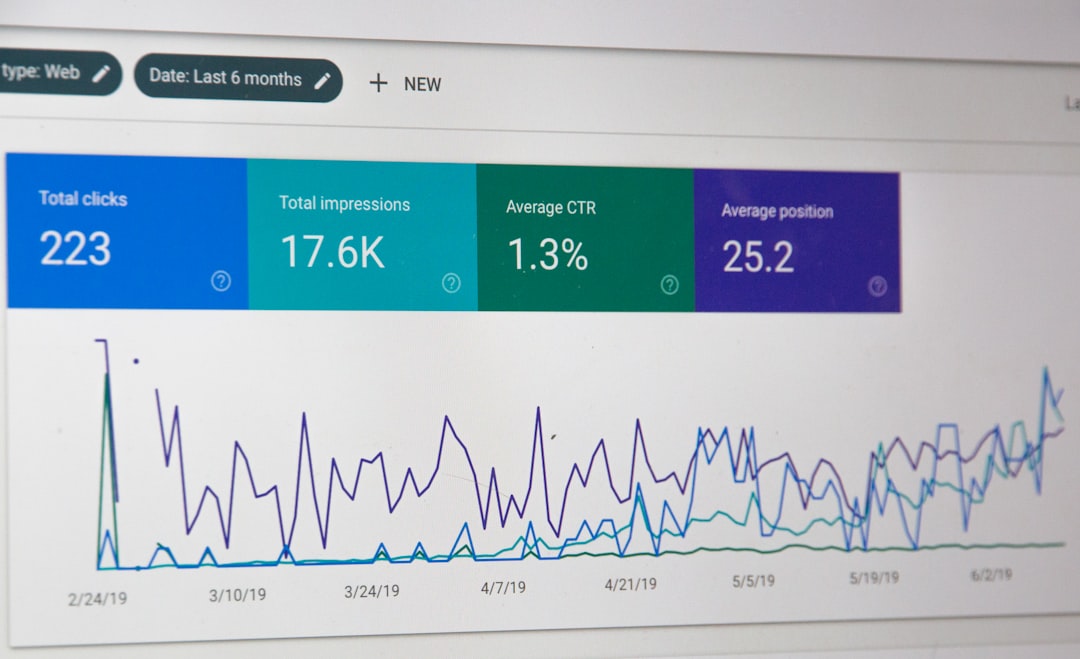
Low rankings usually come down to a few fixable issues: weak page targeting, crawl problems, thin content, and a slow user experience. WordPress gives you a solid base, but better SEO comes from clean site structure, helpful content, and technical settings that help Google understand every page.
Google explains that SEO is about helping search engines understand your content and helping users decide whether to visit your site from search results. WordPress.org also notes that WordPress includes search-friendly features out of the box, especially when you use clear permalinks and publish content built around the terms people actually search for.
Start with the settings that block visibility
The fastest WordPress SEO win is checking whether your site can actually be crawled and indexed. If search engines are blocked in Settings, or important pages are marked noindex by mistake, everything else you do will have limited impact.
Open WordPress Settings and confirm that search engine visibility is not disabled. Then review your SEO plugin settings for noindex tags on posts, pages, categories, and WooCommerce product pages if you run a store. You should also generate and submit an XML sitemap through Google Search Console so Google can discover your key URLs more efficiently.
Choose one keyword target for each important page

Most WordPress sites underperform because several pages compete for the same search term. A cleaner approach is to assign one primary topic to each important page, then build the title, heading, URL, and supporting sections around that intent.
Start with service pages, product categories, and your highest-value blog posts. If a page is trying to rank for everything, narrow it down. A page about WordPress SEO should not also try to target technical SEO audits, local SEO, and ecommerce SEO in equal depth. If you need help defining targets, our keyword research service can help you map keywords to the right pages.
Improve titles, headings, and URLs
On-page SEO still matters because it tells Google what the page is about within seconds. Better titles, logical headings, and short URLs make your content easier to understand for both crawlers and human visitors.
Write a unique title tag for every indexable page. Keep the main phrase near the front when it reads naturally. Use one H1 that matches the page topic, then organize the rest of the page with descriptive H2s and H3s. For URLs, avoid dates, random strings, and unnecessary category folders when they make the slug longer without adding meaning.
Publish content that solves a real search problem

The strongest SEO gains usually come from better content, not from plugin toggles. Google’s SEO guidance says useful, compelling content influences search visibility more than almost any other optimization you can make.
That means your pages should answer the exact question behind the query. Add examples, screenshots, steps, definitions, comparisons, and next actions. If a post is thin, vague, or written only to insert keywords, expand it until a reader can complete the task without opening five other tabs. For pages that need stronger structure and metadata, see our on-page SEO service.
Strengthen internal links and site structure
Internal links help search engines discover pages and understand which topics matter most on your site. They also help visitors move from broad topics to service pages, product pages, and supporting articles without friction.
Link related blog posts to service pages using descriptive anchor text. Add links from high-authority pages such as your homepage, core guides, and top-trafficked posts to important commercial pages. Keep navigation simple, reduce orphan pages, and make sure every valuable page is reachable in a few clicks. If crawling or architecture issues are holding your site back, our technical SEO service is built for exactly that work.
Make your site faster without chasing perfect scores

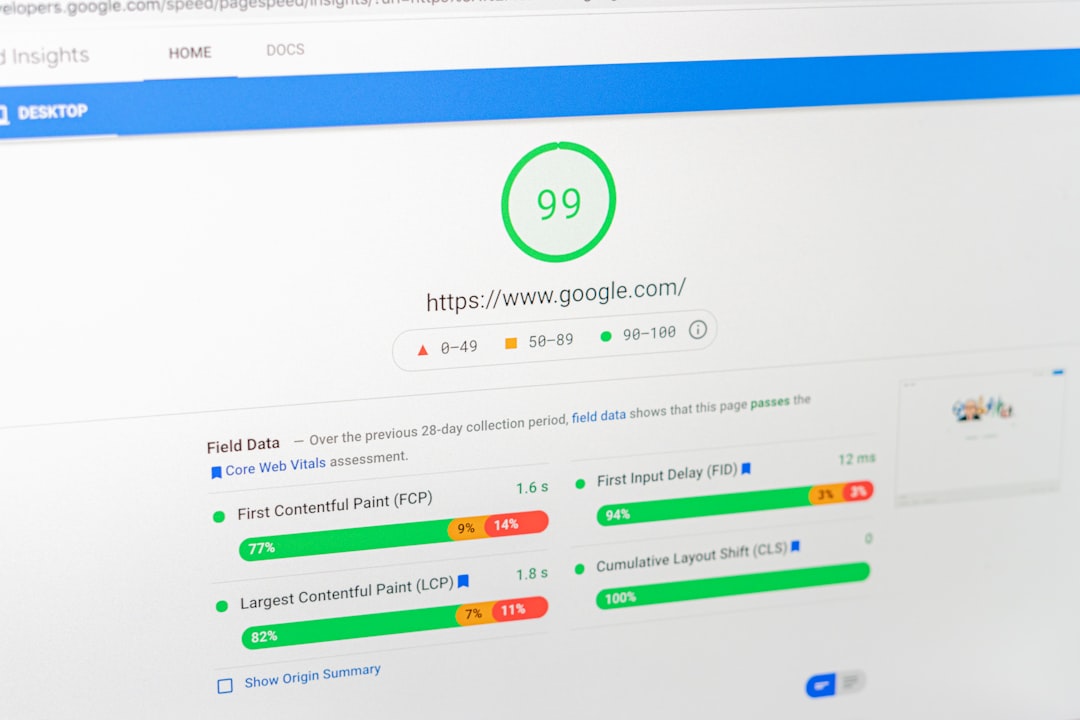
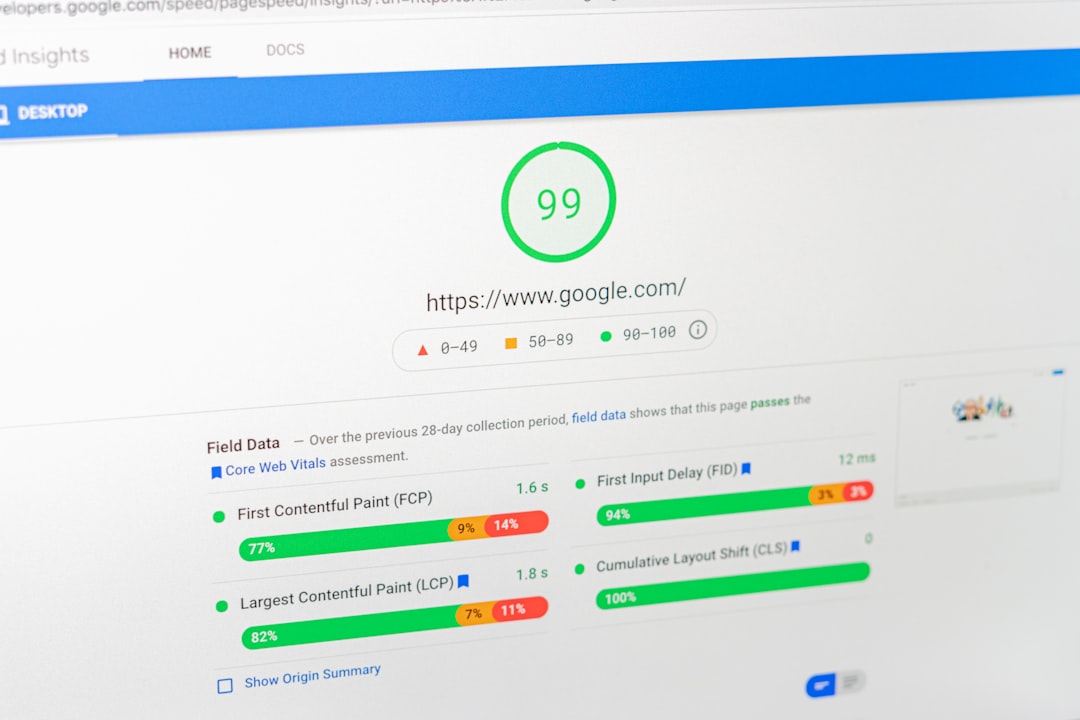
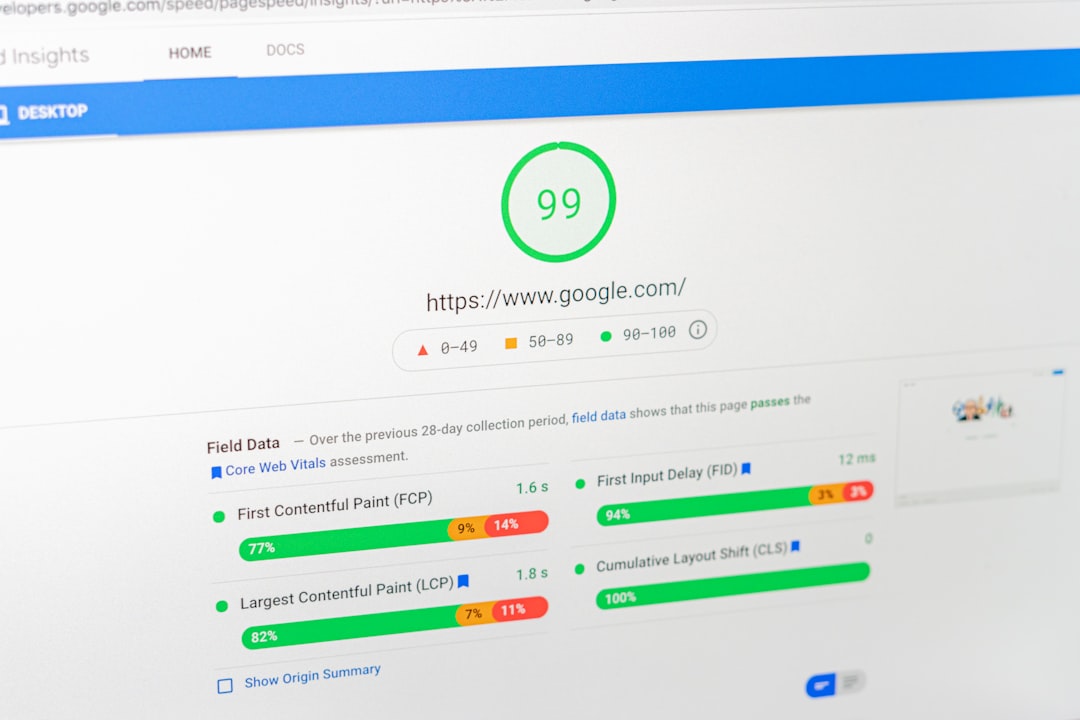
Speed matters, but not in the simplistic way many SEO checklists suggest. Google uses Core Web Vitals in ranking systems, yet it also says there is no single page experience signal and that perfect scores alone do not guarantee top rankings.
Focus on practical fixes first: compress large images, enable caching, reduce unused plugins, use a reliable host, and delay non-essential scripts where possible. On mobile, remove popups or layout shifts that get in the way of the main content. These changes improve both usability and crawl efficiency, which is why they often support SEO indirectly as well as directly.
Use an SEO plugin for control, not as a shortcut
An SEO plugin is useful because it helps you manage titles, meta descriptions, canonicals, sitemaps, and social previews in one place. It does not replace content quality, keyword strategy, or technical cleanup.
Whichever plugin you use, make sure it lets you edit metadata per page, create XML sitemaps, set canonical URLs, and control indexing rules for taxonomies and attachment pages. Keep the setup lean. Too many automated features can create duplicate archives, thin tag pages, or templates that generate the same metadata everywhere.
A practical WordPress SEO checklist
If you want a simple action plan, work through the basics in order. This sequence handles the issues that most often move rankings, impressions, and click-through rate on small business WordPress sites.
| Task | Why it matters |
|---|---|
| Check indexing and sitemap settings | Prevents invisible pages and helps discovery |
| Assign one main keyword to each core page | Reduces cannibalization and improves relevance |
| Rewrite title tags and H1s | Clarifies page topic quickly |
| Expand thin content | Improves usefulness and search intent match |
| Add internal links to priority pages | Supports crawling and distributes authority |
| Improve speed and mobile usability | Supports page experience and retention |
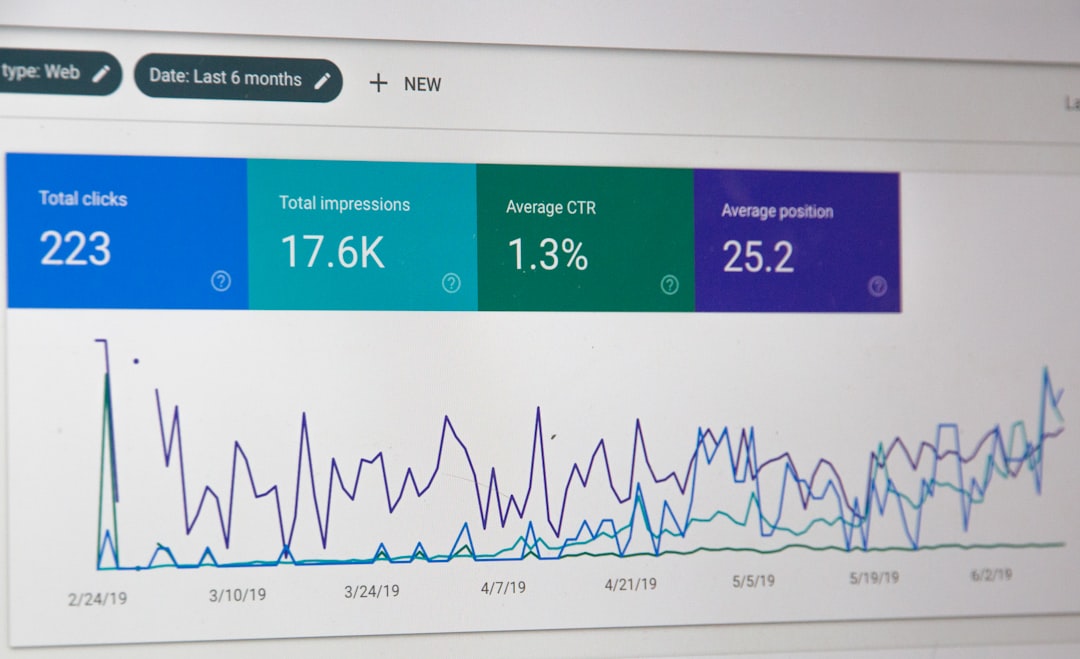
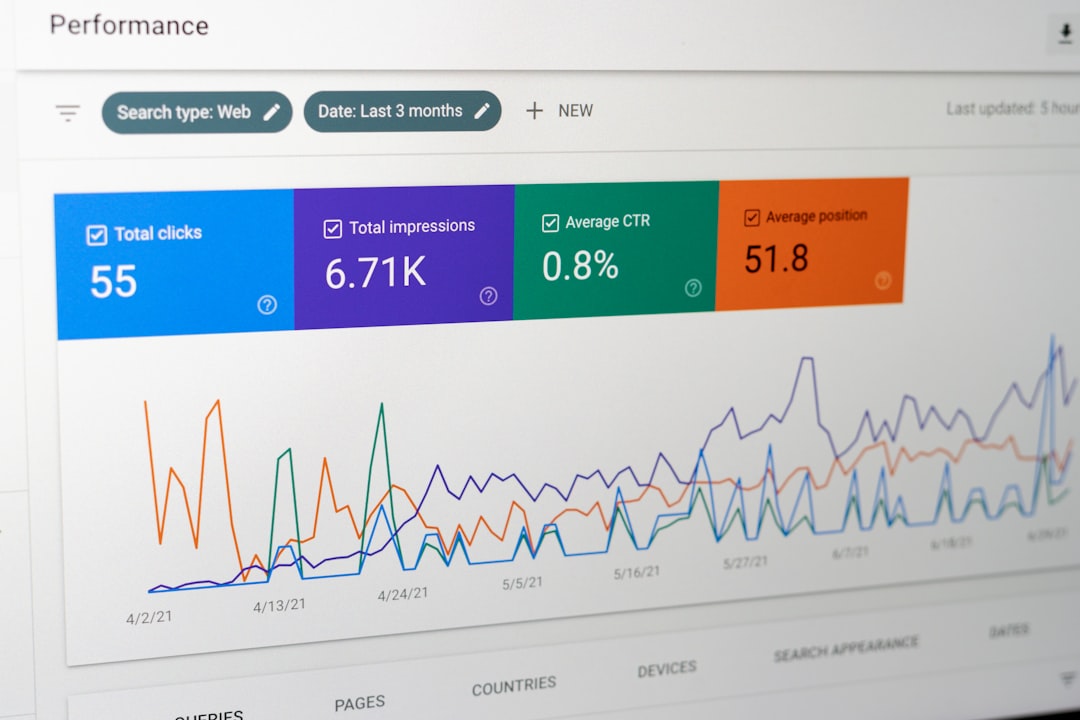
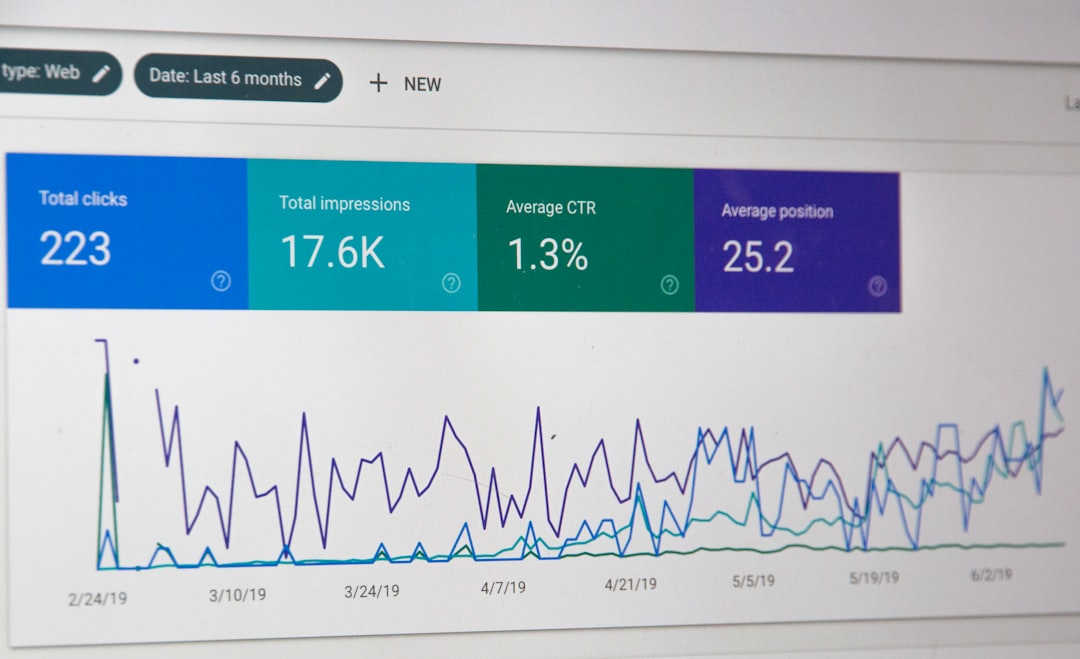
| Review Search Console regularly | Shows indexing, query, and CTR issues |
What to fix first if traffic is already slipping
If your site used to rank better, start with pages that already had impressions or clicks. Those URLs often recover faster than brand-new content because Google already knows them and has past engagement data to compare.
Check whether rankings dropped after a redesign, URL change, plugin change, or content rewrite. Look for broken internal links, missing redirects, weaker titles, lost copy, or accidental noindex settings. WordPress SEO Expert can review those pages and prioritize the fixes before you spend months publishing new content that never addresses the real problem.
When to get outside help
You can handle a lot of WordPress SEO in-house, but outside help makes sense when technical issues, weak content strategy, or inconsistent execution keep stalling results. The right support should give you a plan, not just a list of vague recommendations.
If you are stuck between plugin settings, content updates, and technical fixes, book a free consultation with WordPress SEO Expert. We can help you identify what is actually holding your site back and where to focus first.
Final takeaway
Better WordPress SEO usually comes from doing the fundamentals well: make sure pages can be indexed, target the right keywords, improve titles and content, strengthen internal links, and fix the technical issues that slow users and crawlers down. That work compounds over time.
If you want a second set of eyes on your site, request a free WordPress SEO audit from WordPress SEO Expert today. We will help you sort the quick wins from the deeper fixes so you can improve rankings with a clearer plan.





Pingback: WordPress SEO Best Practices for 2026
Pingback: WordPress SEO Tips That Actually Work