Low rankings usually come from a scattered plan, not one missing plugin. If you want to optimize WordPress SEO, start by fixing the issues that block visibility before the issues that polish visibility. A green light in a plugin is not the goal. Clean indexing, clear titles, strong internal links, and a simple site structure matter more.
This checklist shows you what to fix first, what to ignore, and how to avoid the common WordPress setup mistakes that quietly hold pages back. If you want a broader baseline before changing settings, review our WordPress SEO best practices and our comparison of Yoast SEO vs Rank Math before you start changing plugin settings.
Start With the WordPress SEO Basics
The first step is making sure search engines can crawl the right pages and understand what each page is about. If core pages are blocked, duplicated, or weakly linked, publishing more content usually will not solve the problem.
Check whether your important pages are indexable, linked from other crawlable pages, and included in your sitemap. Google recommends descriptive and concise title text, crawlable links, and descriptive anchor text because those signals help users and search engines understand your pages more clearly. Use that as your baseline instead of chasing plugin scores.
Your Practical WordPress SEO Checklist

This is the sequence that usually creates the fastest improvement. Work from foundation issues to refinement issues so you do not waste time polishing pages that still have crawl or duplication problems underneath.
| Priority | What to Check | Why It Matters |
|---|---|---|
| 1 | Search engine visibility settings | Pages cannot rank if indexing is blocked. |
| 2 | One SEO plugin only | Overlapping plugins can create duplicate metadata, sitemaps, and canonicals. |
| 3 | Title tags and H1s | These help define relevance and improve click potential. |
| 4 | Meta descriptions | They support click-through when they accurately summarize the page. |
| 5 | Permalinks and canonicals | They reduce duplicate URL confusion. |
| 6 | Internal links | They help Google discover pages and understand site structure. |
| 7 | Image alt text and file handling | They improve accessibility and strengthen page context. |
| 8 | Speed on key templates | Slow pages hurt usability and can weaken performance. |
| 9 | Thin or overlapping content | Consolidation often works better than publishing more weak pages. |
| 10 | Schema and sitemap hygiene | These support cleaner technical signals. |
1. Check Search Engine Visibility First
If the site is blocking crawling or indexing, nothing else on this checklist matters yet. This is the first thing to check after a redesign, migration, or staging-to-live launch.
In WordPress, review the reading settings and make sure your important pages are not accidentally discouraged from being indexed. Then spot-check key URLs for normal status codes, proper canonicals, and presence in your XML sitemap. Most site owners do not have one catastrophic problem. They have a stack of smaller issues that compound over time.
2. Use One Well-Configured SEO Plugin
One well-configured SEO plugin is enough. Running overlapping plugins often creates duplicate metadata, conflicting canonicals, and competing sitemap outputs that make troubleshooting harder.
Choose one primary plugin and configure the essentials first: title templates, meta descriptions, sitemap settings, archive indexing rules, and schema defaults. If you are still deciding which plugin fits your site, our Yoast SEO vs Rank Math comparison can help you make a cleaner choice without stacking tools.
3. Fix Titles Before You Worry About Scores
Title tags still carry real weight, but they need to be written for humans first. Google recommends descriptive, concise titles and warns against keyword stuffing and repetitive boilerplate.
Make every important page title distinct. Match the wording to what the page actually covers. If your title reads like a pile of variations, rewrite it. Clear beats clever here.
| Weak Title | Stronger Title |
|---|---|
| SEO Services | SEO Company | SEO Expert | WordPress SEO Services for Small Businesses |
| Blog | WordPress SEO Tips for Service Businesses |
| WordPress SEO Checklist SEO Guide Tips | WordPress SEO Checklist for Better Rankings |
4. Write Meta Descriptions for Click Support
Meta descriptions are not a magic ranking lever, but they can improve how your result is summarized and help qualified visitors decide to click. They should support the page, not repeat the title awkwardly.
Write a unique description for important pages and summarize the benefit clearly. Google may generate its own snippet, but it can also use your meta description when it better describes the page. Keep descriptions specific, useful, and different across key pages.
5. Clean Up URLs, Canonicals, and Duplicates
Duplicate URLs quietly dilute signals and confuse search engines about which page should rank. This is especially common on WordPress sites with archive pages, parameters, attachment URLs, and WooCommerce filters.
Use readable permalinks, pick a preferred URL version, and keep internal links consistent. Google recommends simple, descriptive URL structures that people can understand. If multiple URLs serve nearly the same content, consolidate where possible and make sure your canonical setup reflects the preferred version.
6. Strengthen Internal Links With Intent

Internal linking is one of the fastest fixes for underperforming WordPress sites because it improves both discovery and site structure. Important pages should not be isolated or reachable only from a sitemap.
Link related blog posts to service pages, connect supporting articles to broader topic pages, and use anchor text that clearly describes the destination. Google advises using crawlable links with descriptive anchor text. If your structure feels thin, start by reviewing the pages already covering WordPress SEO best practices so your supporting content reinforces your core service pages instead of floating on its own.
If you are not sure whether your current plugin configuration or internal linking setup is helping or quietly hurting you, WordPress SEO Expert can help.
7. Improve On-Page Structure Without Overdoing It
A clean page structure usually beats a longer page with scattered headings and filler text. You do not need a perfect score. You need a page that is easy to scan, easy to understand, and aligned with search intent.
Use one clear H1, logical H2s, short paragraphs, and focused sections. Add internal links where they genuinely help the reader continue. Avoid stuffing headings with variations just to satisfy plugin prompts. Helpful, people-first pages usually outperform over-optimized pages that try to force every keyword variation into one draft.
8. Watch Site Speed on the Templates That Matter

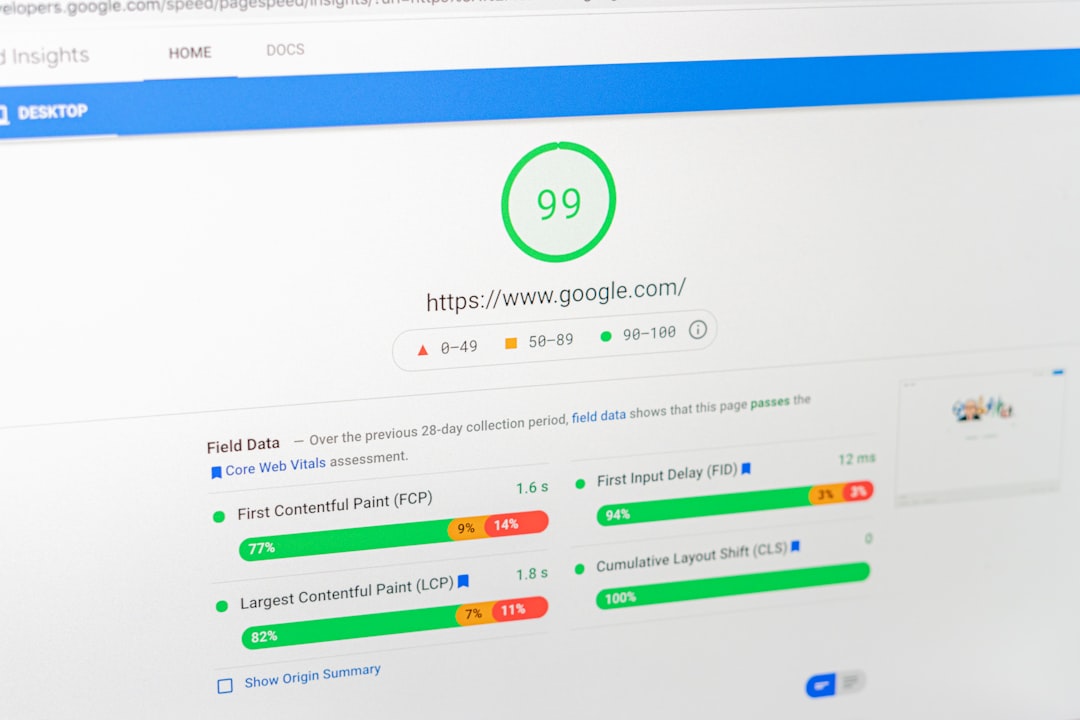
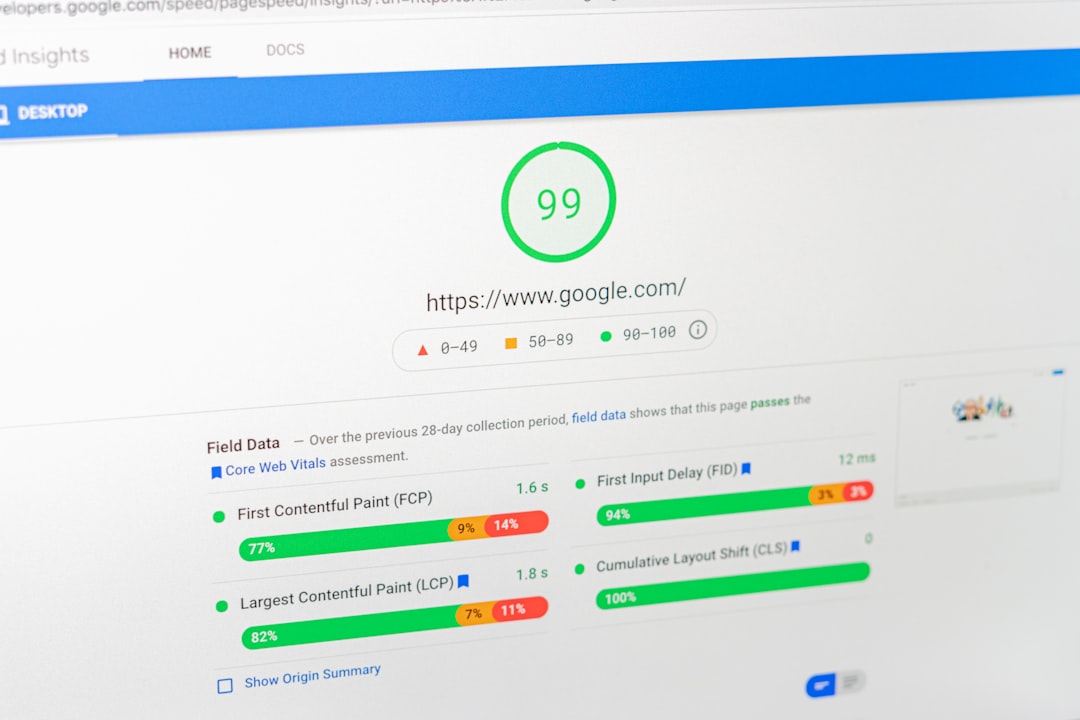
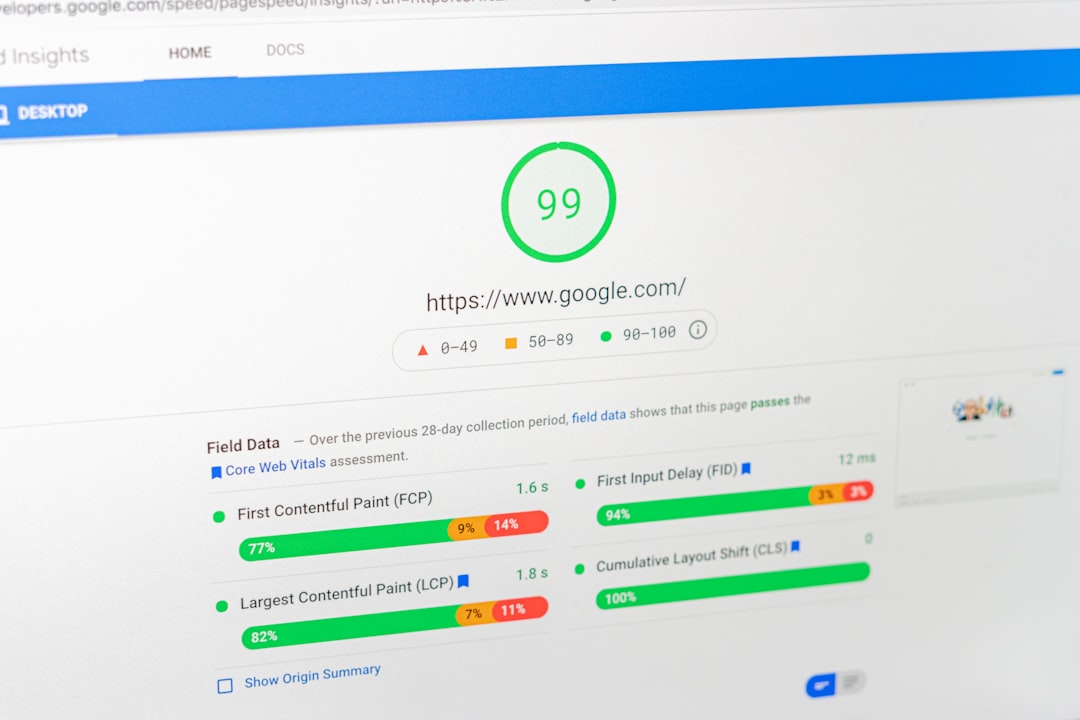
Site speed matters most when slow templates frustrate users or make key pages harder to use. The goal is not a perfect lab score. The goal is a site that loads cleanly and supports the next step.
Test the homepage, top service pages, blog posts, and product or category pages separately because they often behave differently. Remove unused plugins, compress oversized media, review caching, and check whether heavy scripts are loading where they are not needed. Fix the pages tied closest to leads or sales first.
9. Consolidate Thin Content Instead of Publishing More
Publishing more pages does not always improve rankings. When several posts target nearly the same topic, they often compete with each other and weaken the overall signal.
Review overlapping posts, combine thin pages into stronger resources, and redirect outdated versions when appropriate. This is often more valuable than producing another short article targeting a slightly different phrase. A stronger content map usually comes from fewer, better-connected pages.
10. Keep Schema and Sitemaps Clean
Schema and sitemaps help support technical clarity, but they should reflect what is actually on the page. They are not a shortcut around weak content or indexing issues.
Make sure your sitemap includes the pages you want indexed and excludes low-value sections that do not belong there. Use schema types that match visible page content instead of enabling every possible option in your plugin. A simpler setup is usually easier to maintain and less likely to create technical conflicts later.
What to Stop Doing
Stop treating plugin indicators as proof a page is optimized. Green lights do not guarantee rankings, and chasing every prompt often leads to awkward copy, cluttered settings, and duplicate plugin output.
Also stop publishing thin near-duplicate posts, stacking multiple SEO tools, and creating archive pages that add more crawl noise than value. Fix the issues that block visibility before the issues that polish visibility.
The Best Next Step
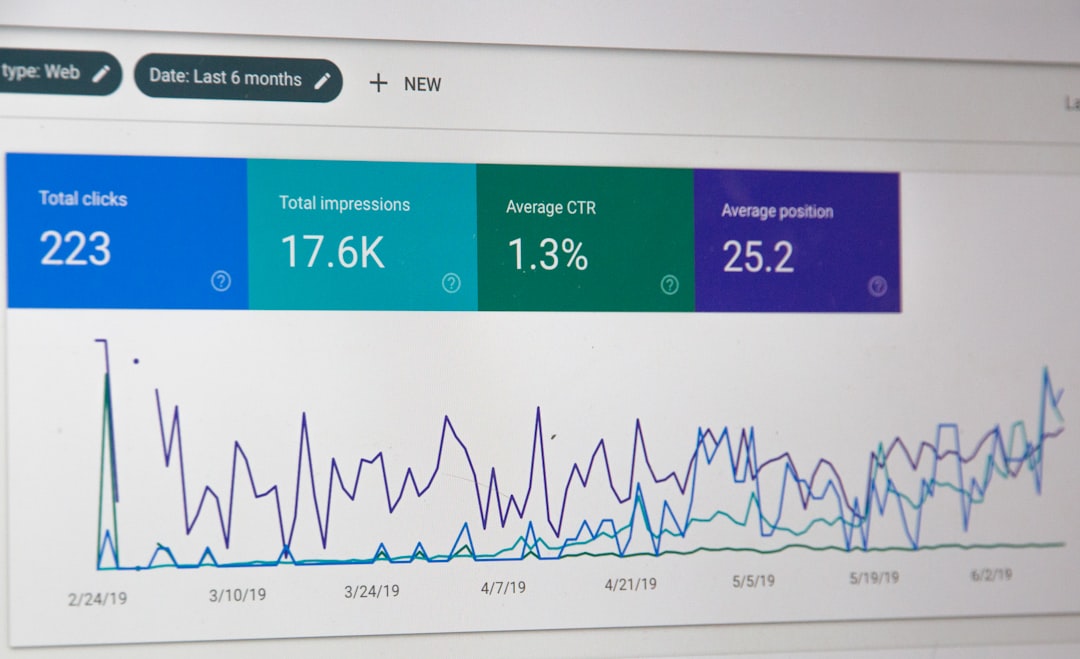
The best next move is usually a focused review of your highest-value pages, not a sitewide rewrite. Start with the pages already earning impressions, the pages closest to page one, and the pages tied directly to leads or sales.
If you want an honest diagnosis before you change plugins, rewrite titles, or restructure content, WordPress SEO Expert can help you sort out what matters first. Book a free SEO consultation. No pitch, no pressure. Just an honest look at what your site actually needs and whether your current setup is part of the solution or part of the problem.
Contact WordPress SEO Expert today to schedule a consultation.