
A WordPress website SEO checklist makes it easier to identify important optimization tasks without overlooking the basics. SEO can involve technical settings, content, links, images, performance, and ongoing monitoring, so having a structured process saves time.
Whether you are launching a new website or improving an existing one, this checklist can help you review the most important areas.
1. Check Your WordPress SEO Foundation
Start with the basic website setup.
Make sure:
- WordPress is updated
- Your theme is responsive
- Only necessary plugins are active
- Your website uses HTTPS
- Your preferred domain version is consistent
- Search engine visibility settings are configured correctly
Be careful when changing WordPress visibility settings. Accidentally enabling a setting that discourages search engines from indexing the site can affect organic visibility.
2. Review Your URL Structure
Keep URLs short, descriptive, and relevant to the page topic.
For example:
Better: /wordpress-seo-services/
Less useful: /page?id=4587
Avoid unnecessary words, confusing parameters, and overly complicated structures whenever possible.
3. Optimize Page Titles
Every important page should have a clear and unique title.
A useful title should tell users what the page is about and naturally reflect the primary topic.
Avoid titles that repeat keywords several times or make unrealistic ranking promises.
4. Check Your Headings
Review your heading structure.
Use:
- H1 for the primary page topic
- H2 for major sections
- H3 for supporting subsections
Headings should organize the content rather than simply provide opportunities to insert keywords.
5. Improve Your Content
Ask whether each page genuinely satisfies the visitor’s search intent.
Check that the content is:
- Useful
- Accurate
- Easy to read
- Well structured
- Relevant to the audience
- Free from unnecessary repetition
Add examples, explanations, statistics, or practical steps when they genuinely improve the page.
6. Optimize Images

Large images can slow down your website.
Before publishing, check image dimensions, file sizes, file names, and alt text.
Use descriptive alt text when an image provides meaningful information. Do not fill every alt attribute with keywords.
7. Add Relevant Internal Links
Review important pages and identify opportunities to connect related content.
Internal links can help users discover useful resources and create clearer relationships between pages.
For example, an article about WordPress website SEO can naturally link to pages about website audits, technical SEO, local SEO, or content optimization.
8. Check Mobile Experience
Open your website on different screen sizes and check:
- Navigation
- Text size
- Buttons
- Images
- Forms
- Menus
- Page layout
A page that looks good on a desktop may still have usability problems on mobile.
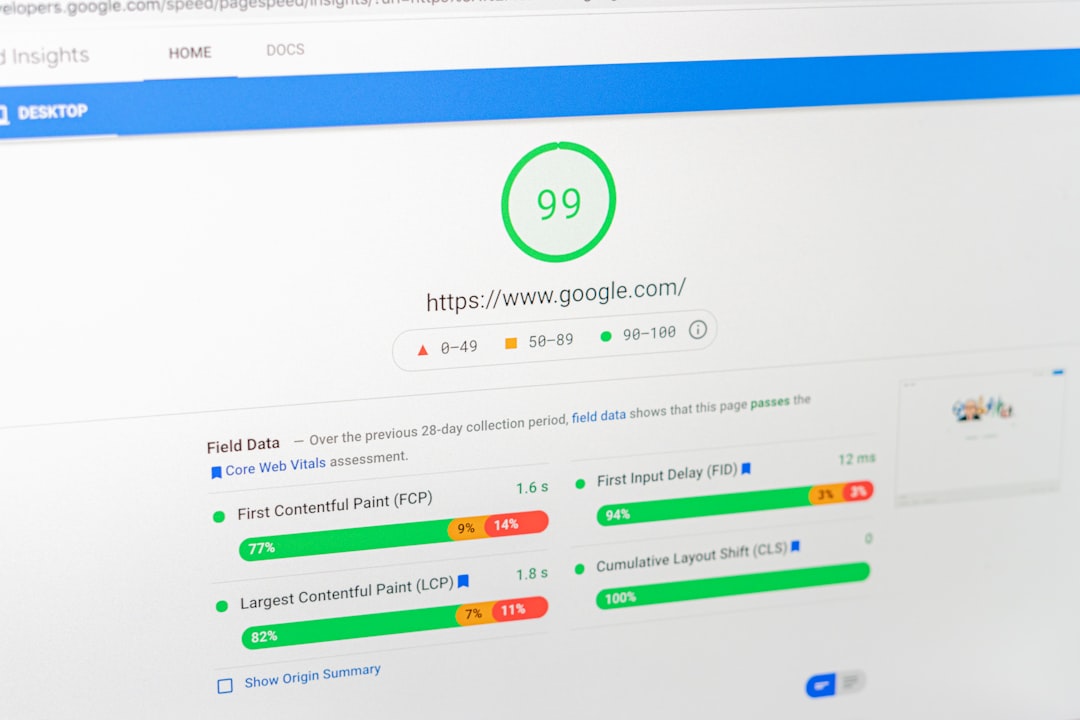
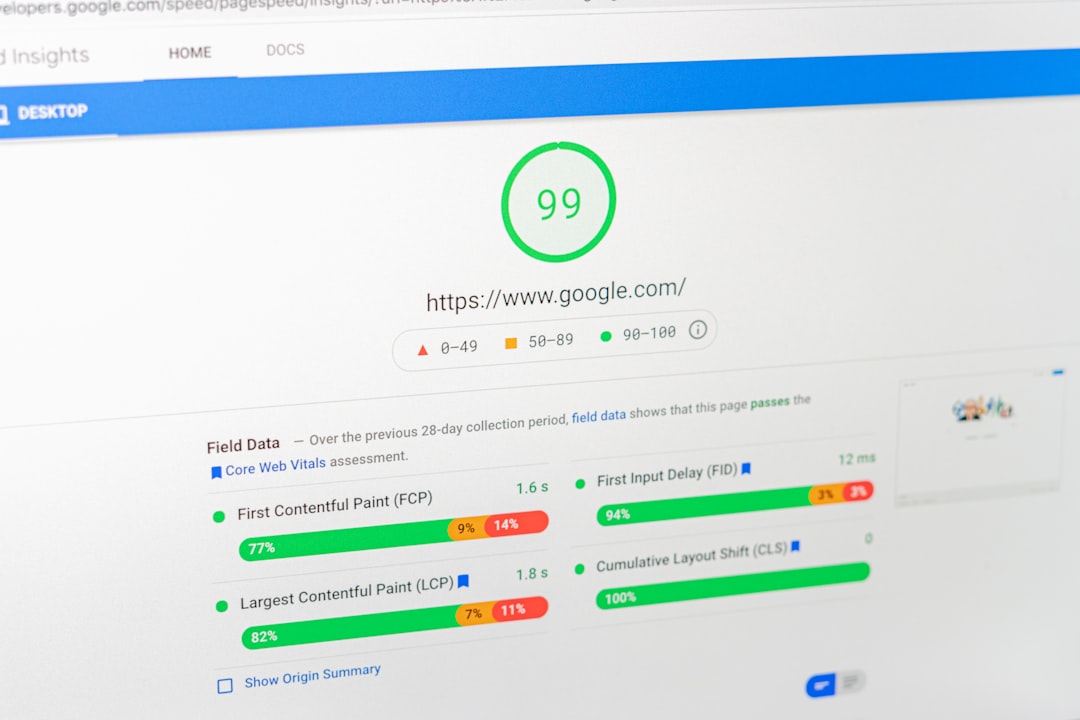
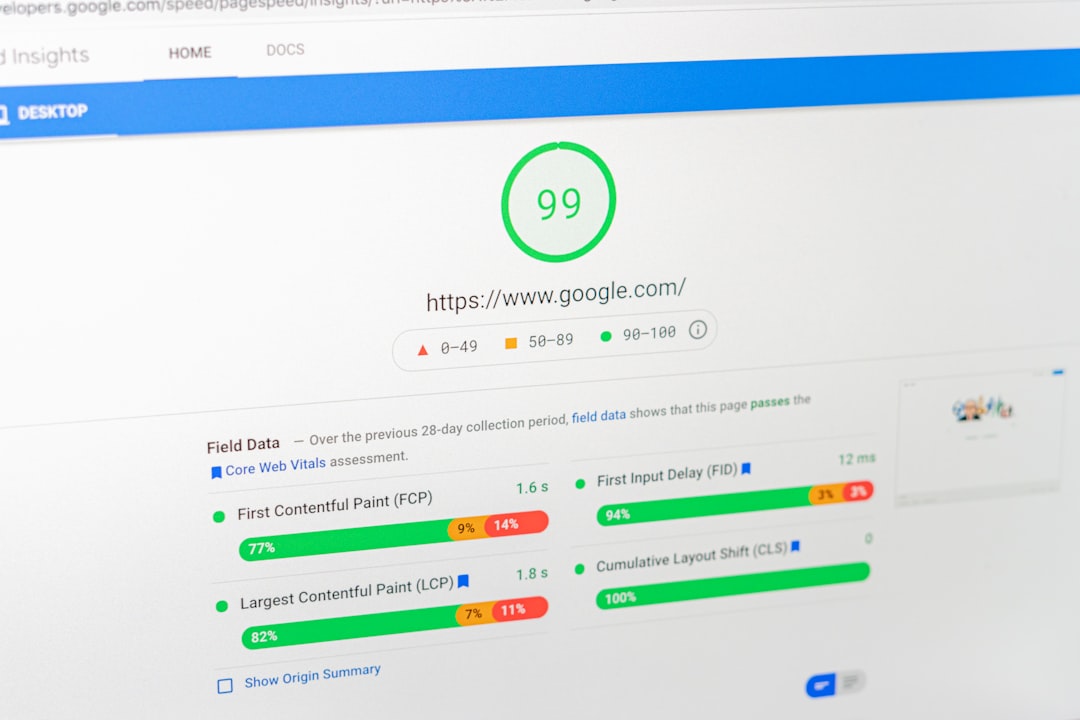
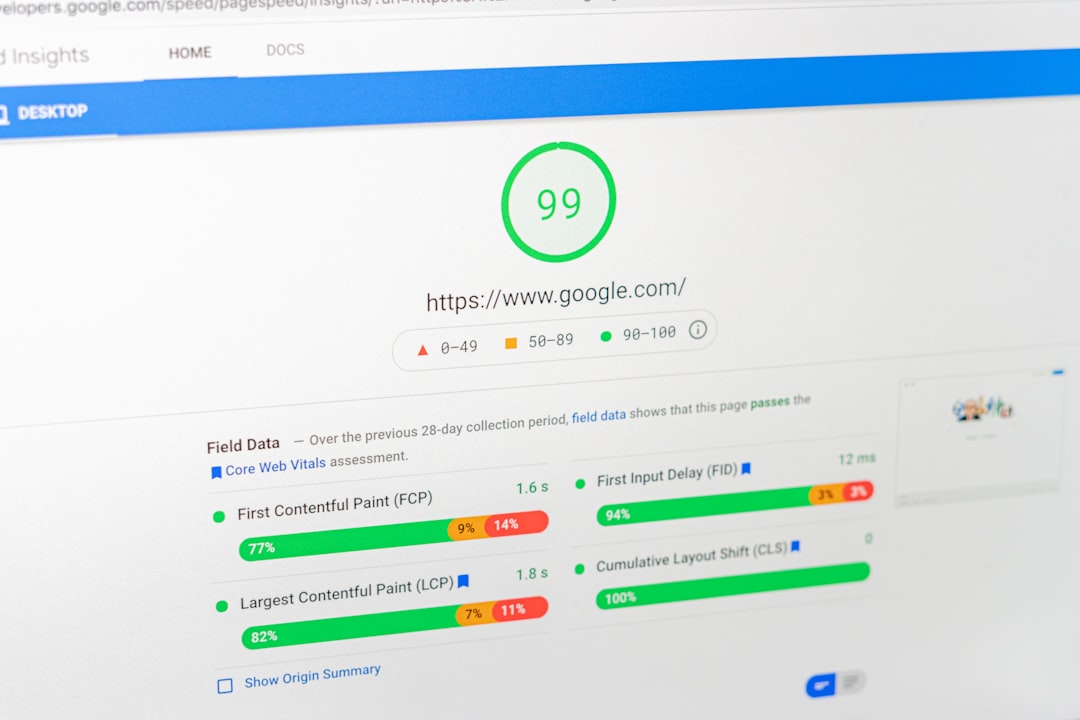
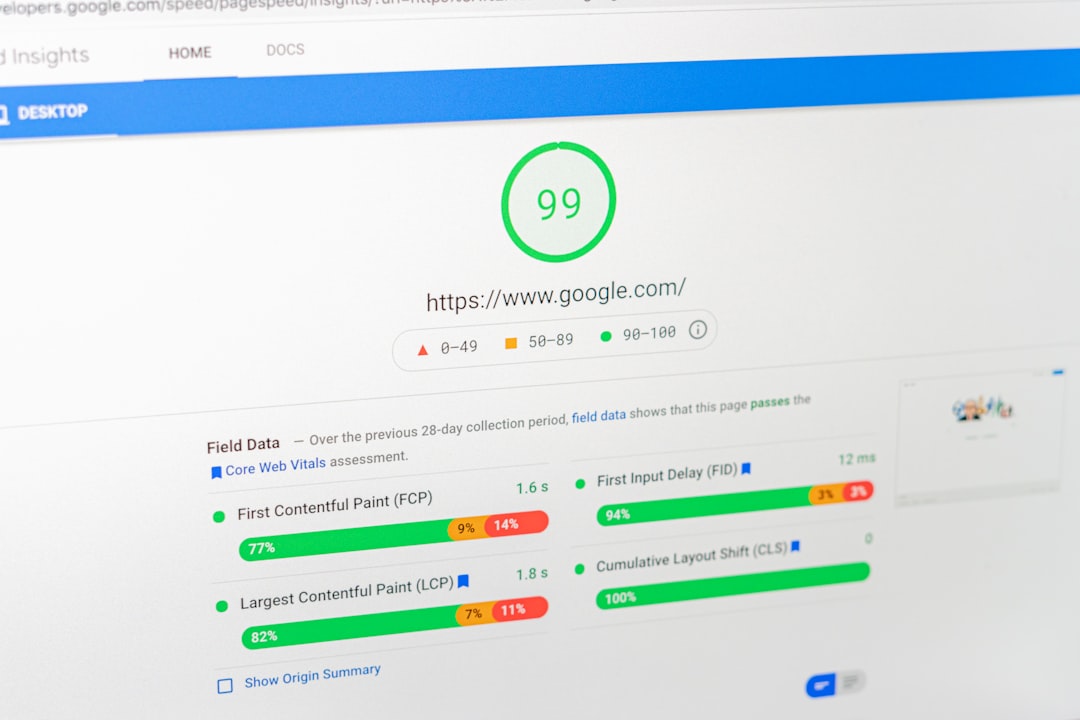
9. Improve Website Performance
Review your website’s loading performance regularly.
Common areas to investigate include:
- Large images
- Excessive plugins
- Unnecessary scripts
- Poor hosting performance
- Caching
- Unoptimized files
Use performance testing tools to identify actual bottlenecks instead of installing multiple optimization plugins without understanding the problem.
10. Check Indexing
Use Google Search Console to review whether important pages are being indexed.
Look for:
- Unexpected noindex pages
- Crawling issues
- Duplicate URLs
- Sitemap problems
- Redirect errors
Not every page needs to appear in search results, but your important landing pages and useful content should be accessible to search engines.
11. Review Broken Links and Redirects
Broken links create a poor user experience and can interfere with website maintenance.
Check internal and external links periodically. When pages are permanently moved, use appropriate redirects rather than leaving old URLs unresolved.
12. Create and Maintain an XML Sitemap
An XML sitemap helps search engines discover important URLs on your website.
Make sure the sitemap is generated correctly and that it does not unnecessarily contain URLs that should not be indexed.
Submit the appropriate sitemap through Google Search Console and monitor for errors.
13. Build Relevant Authority
Technical and on-page SEO are only part of the process.
For competitive topics, work on earning relevant backlinks through valuable content, outreach, partnerships, digital PR, and other legitimate methods.
The goal should be relevance and quality rather than simply increasing backlink numbers.
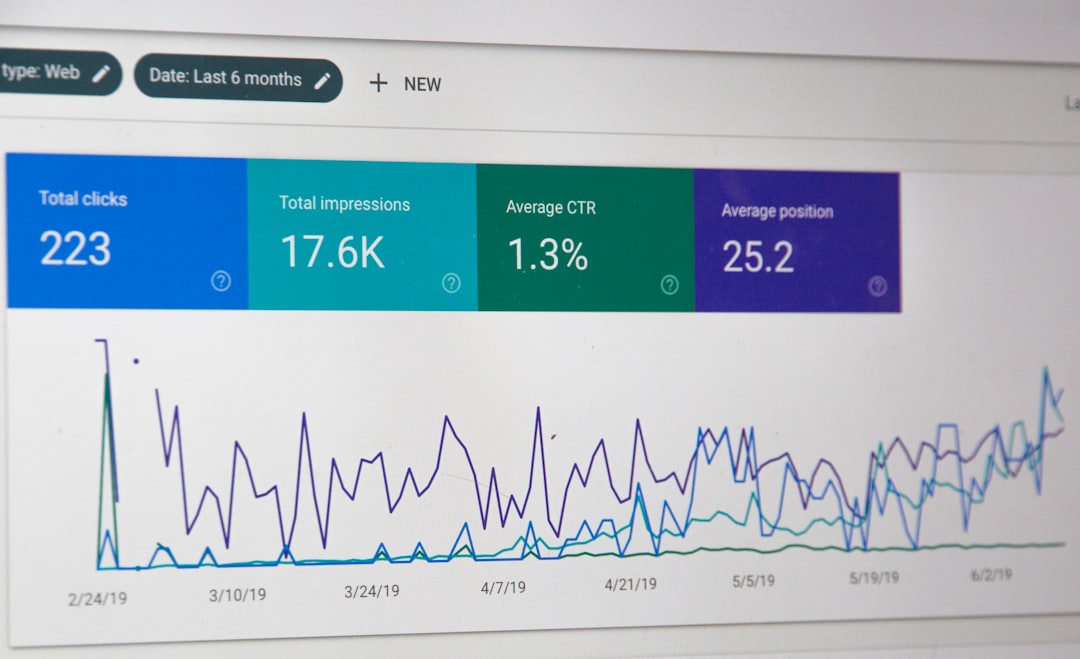
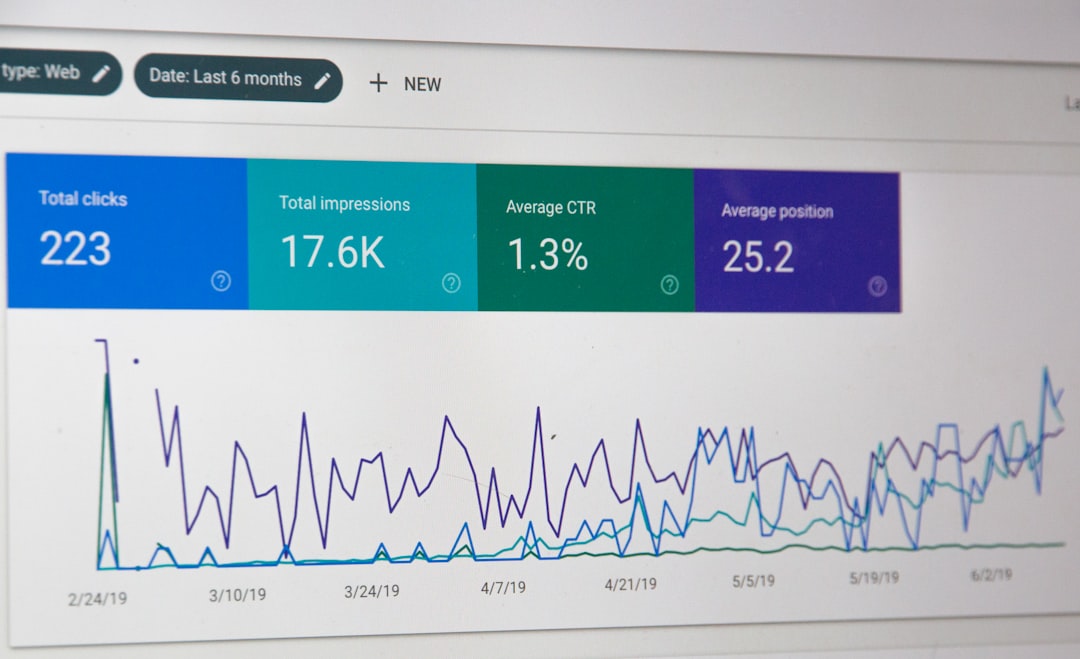
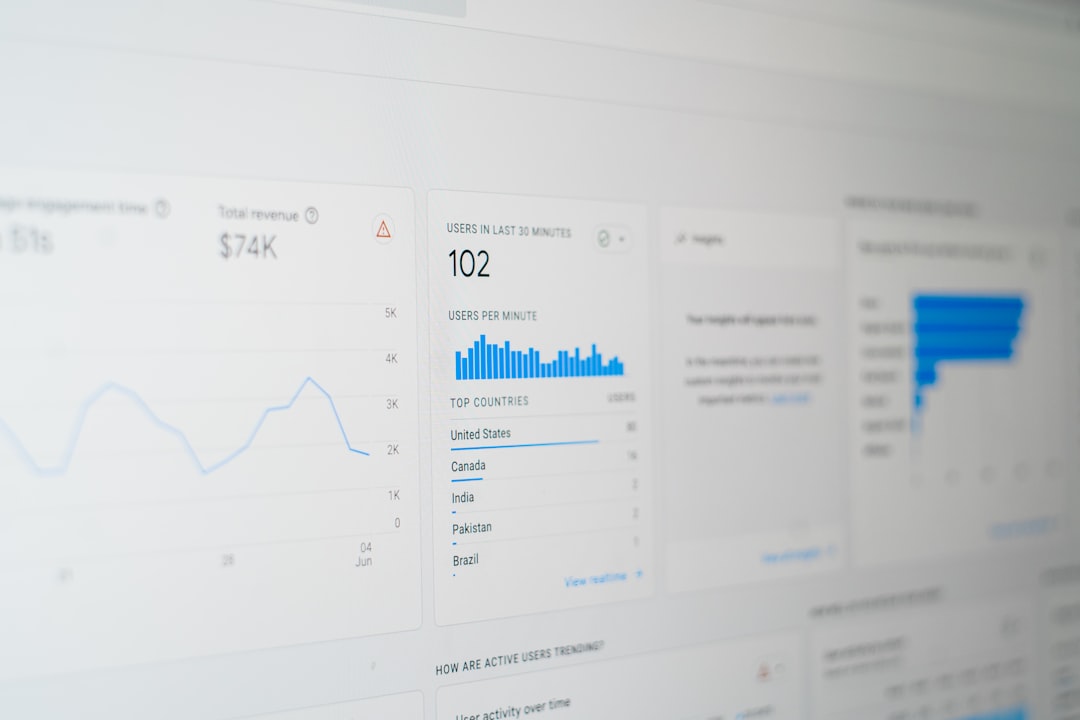
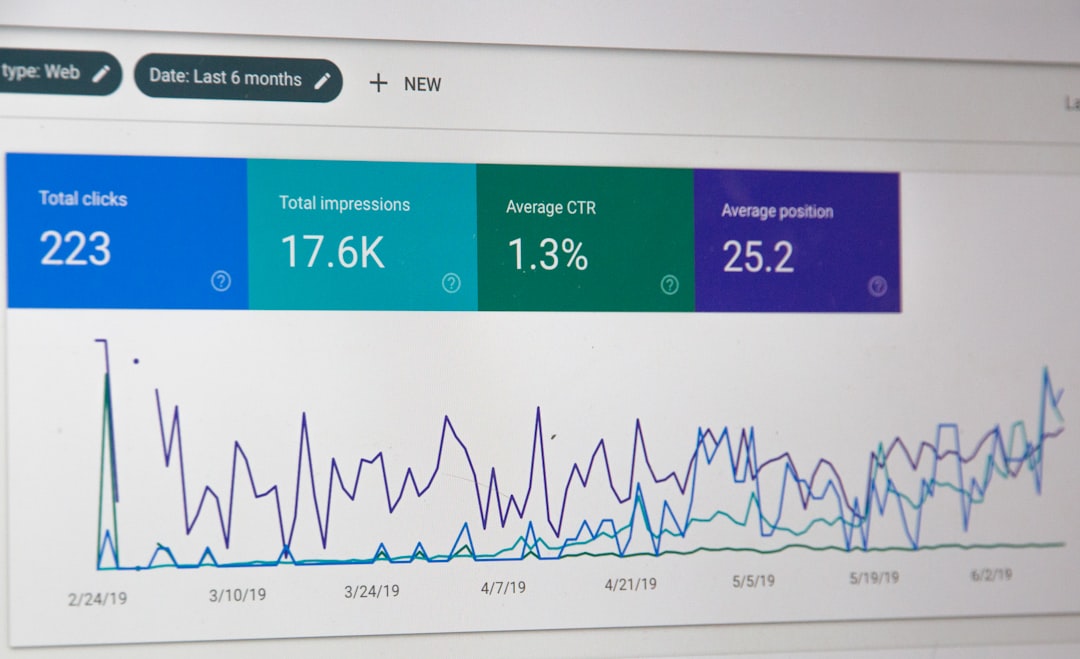
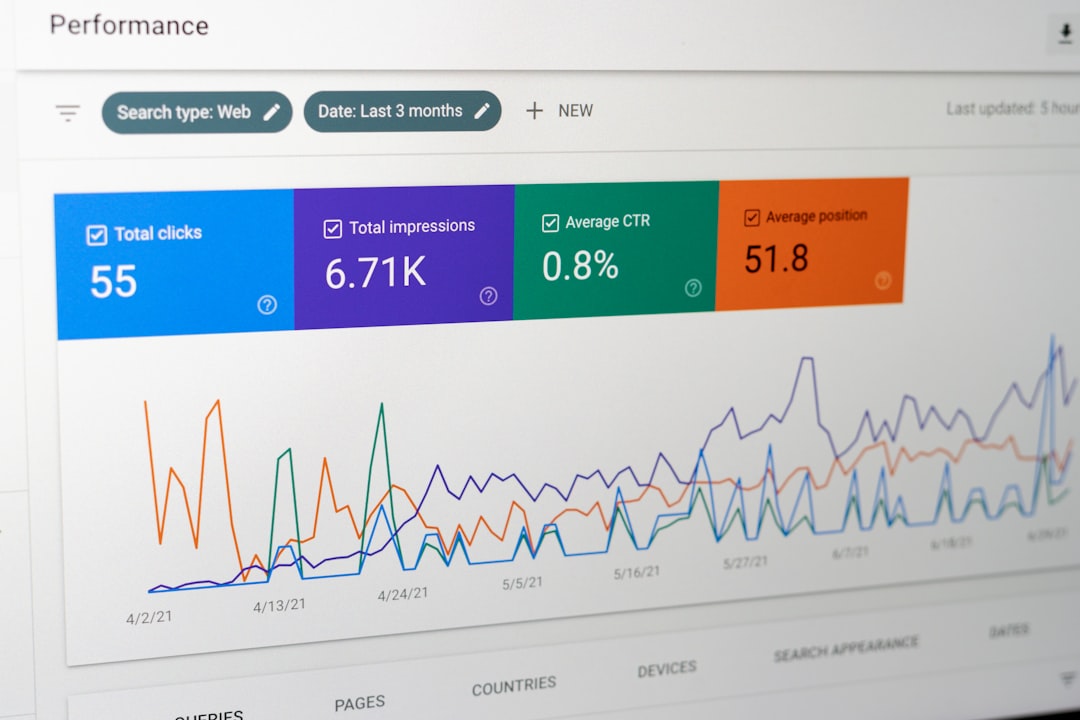
14. Track SEO Performance
SEO should be measured regularly.
Monitor:
- Organic traffic
- Search impressions
- Clicks
- Average position
- Indexed pages
- Organic leads
- Conversions
A ranking change alone does not tell the entire story. Business outcomes and relevant organic traffic matter too.
15. Update Your Checklist Regularly
SEO is an ongoing process. Websites change, content becomes outdated, competitors publish new pages, and search results evolve.
Review your WordPress website SEO checklist regularly and prioritize issues based on their likely impact.
For larger websites or businesses that depend heavily on organic traffic, working with a WordPress SEO expert can make this process more systematic. An expert can audit technical settings, content, internal linking, performance, and overall strategy while helping prioritize the work that needs attention first.
A checklist provides the structure; consistent implementation and measurement turn that structure into an effective SEO process.