
Getting better results from WordPress website SEO is less about finding a single trick and more about improving several parts of your website consistently. A technically sound website with useful content, clear structure, and a strong user experience gives search engines better signals to understand and rank your pages.
If your WordPress website is already published but organic traffic is not growing as expected, the following approach can help you identify what needs improvement.
Understand Where Your Website Stands
Before making changes, review your current SEO performance.
Look at:
- Which pages receive organic traffic
- Which keywords generate impressions
- Pages with declining clicks
- Pages that receive impressions but few clicks
- Indexing issues
- Mobile performance
- Backlinks and referring domains
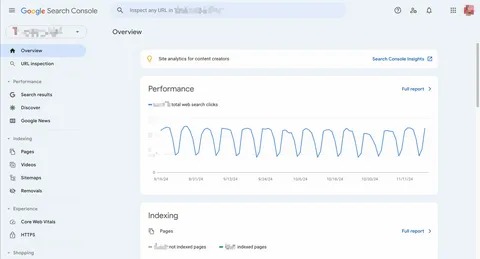
Google Search Console can provide valuable information about how your pages appear in Google search.
This prevents you from making changes blindly.
Focus on Pages With Existing Potential
You do not always need to create new content to increase organic traffic. Some existing pages may already rank near the first page but need improvement.
For example, a page ranking around positions 8–20 may benefit from:
- Better search intent alignment
- More complete information
- Improved headings
- Better internal links
- A clearer title
- Updated examples
- Stronger topical coverage
Improving an existing page can sometimes be more efficient than starting from zero.
Create Content Around Real Search Intent
Avoid creating articles simply because a keyword has search volume.
Think about what the searcher expects to find. If someone searches for “WordPress website SEO,” they may want a practical guide, optimization techniques, or professional help. Your content should make that purpose obvious.
A useful article should answer the main question early and then provide enough detail to help the reader take action.
Improve On-Page SEO
Review every important page for basic optimization.
Check the:
- Page title
- H1 heading
- Subheadings
- Introduction
- Keyword relevance
- Internal links
- Image alt text
- Meta description
- URL structure
These elements should describe the page accurately. Avoid repeating the same keyword unnaturally throughout the content.
Build a Strong Internal Linking Structure

Internal linking is often overlooked, especially on smaller websites.
Connect related pages so visitors can easily move from one topic to another. For example, a page about WordPress SEO services could link to articles about technical SEO, local SEO, website speed, and on-page optimization.
This creates a more organized website structure and helps search engines discover related content.
Improve Website Speed and User Experience
SEO and user experience are closely connected.
If visitors struggle with slow pages, difficult navigation, intrusive elements, or unreadable mobile layouts, they may leave quickly.
Start with practical improvements:
- Compress large images.
- Remove unnecessary plugins.
- Optimize scripts where possible.
- Use responsive layouts.
- Improve navigation.
- Keep important information easy to find.
Do not sacrifice usability simply to add more SEO elements to a page.
Strengthen Your Content Strategy
A website needs a consistent content direction.
Instead of publishing unrelated topics, build clusters around your main services or subjects. A business offering WordPress SEO, for example, could create supporting content around:
- Technical WordPress SEO
- Local SEO
- Ecommerce SEO
- Website audits
- Keyword research
- On-page optimization
- Content optimization
These related topics can then connect through internal links.
Earn Relevant Backlinks
Backlinks can help establish authority, but quality matters more than collecting random links.
Focus on earning links from relevant websites through useful resources, expert contributions, digital PR, partnerships, and genuinely valuable content.
Avoid strategies based on large numbers of low-quality or irrelevant links. They rarely provide the kind of sustainable value a website needs.
Track Changes Over Time
SEO results usually need time to develop. Track meaningful metrics rather than checking rankings every few hours.
Monitor:
- Organic clicks
- Impressions
- Search queries
- Average position
- Indexed pages
- Organic conversions
- Leads or sales
Compare performance over reasonable periods so you can identify actual trends.
Know When to Bring in an SEO Expert
If you have tried basic optimization but cannot determine why performance has stalled, a WordPress SEO expert can provide a structured audit and action plan.
Professional support can be especially useful when a website has technical issues, hundreds of pages, strong competition, migration problems, or a significant traffic decline.
The goal should not simply be “more SEO.” The goal is a website that is technically accessible, useful to visitors, well organized, and aligned with the searches that matter to the business.
A consistent strategy combined with regular measurement is what turns WordPress website SEO from a checklist into a long-term growth process.

















