A WordPress website can look professional and still struggle to attract organic traffic. In many cases, the problem is not one major SEO mistake but a combination of technical issues, weak content, poor site structure, slow performance, or incorrect settings.
Understanding the most common WordPress website SEO issues makes it easier to identify what is holding a site back and choose practical solutions.
1. Website Is Not Being Indexed
One of the first things to check is whether search engines can actually index your important pages.
A WordPress website may accidentally discourage search engines from indexing the site because of an incorrect visibility setting or a noindex directive.
Solution
Check WordPress reading settings and review important pages through Google Search Console. If a valuable page is marked noindex unintentionally, correct the setting and request indexing when appropriate.
2. Slow Website Speed
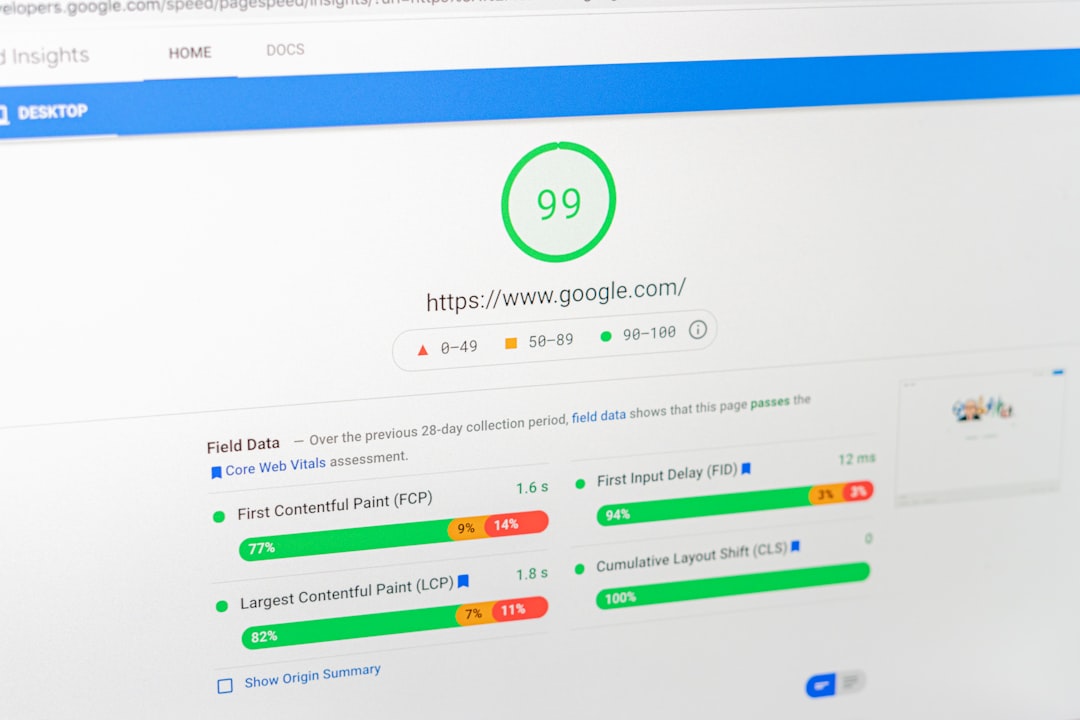
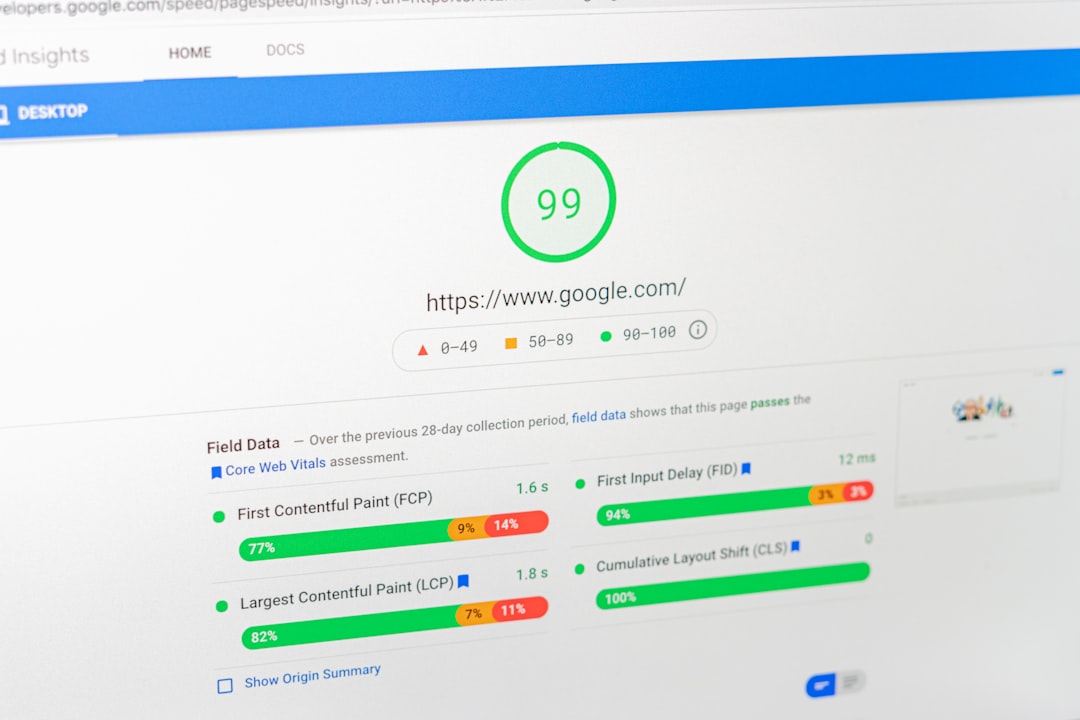
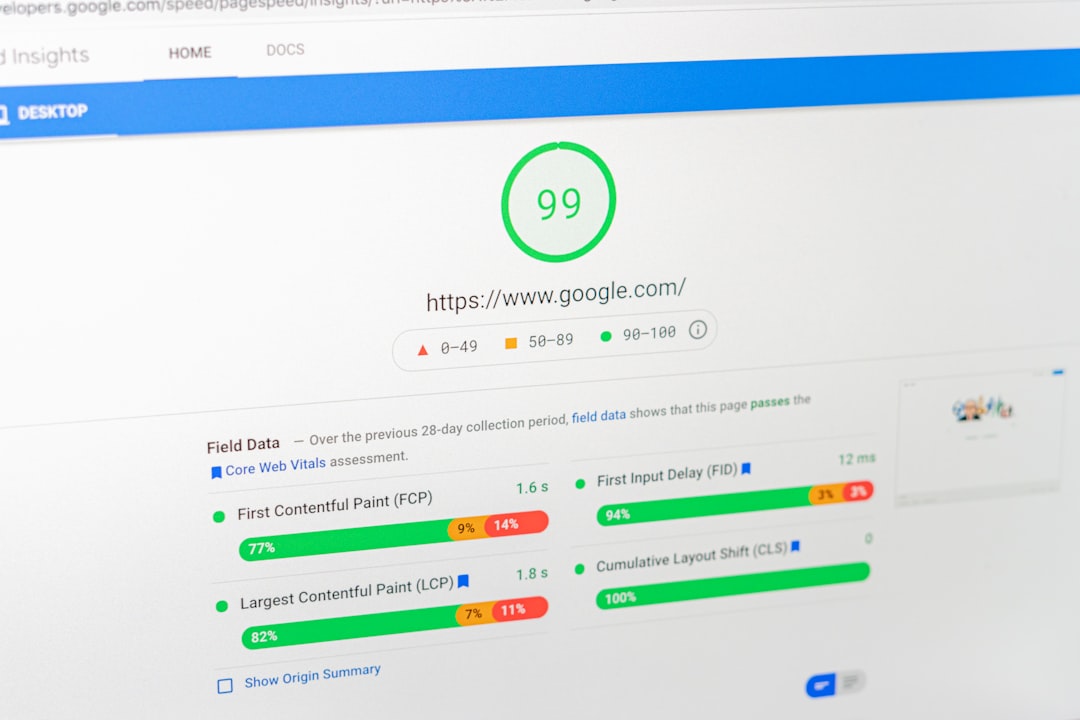
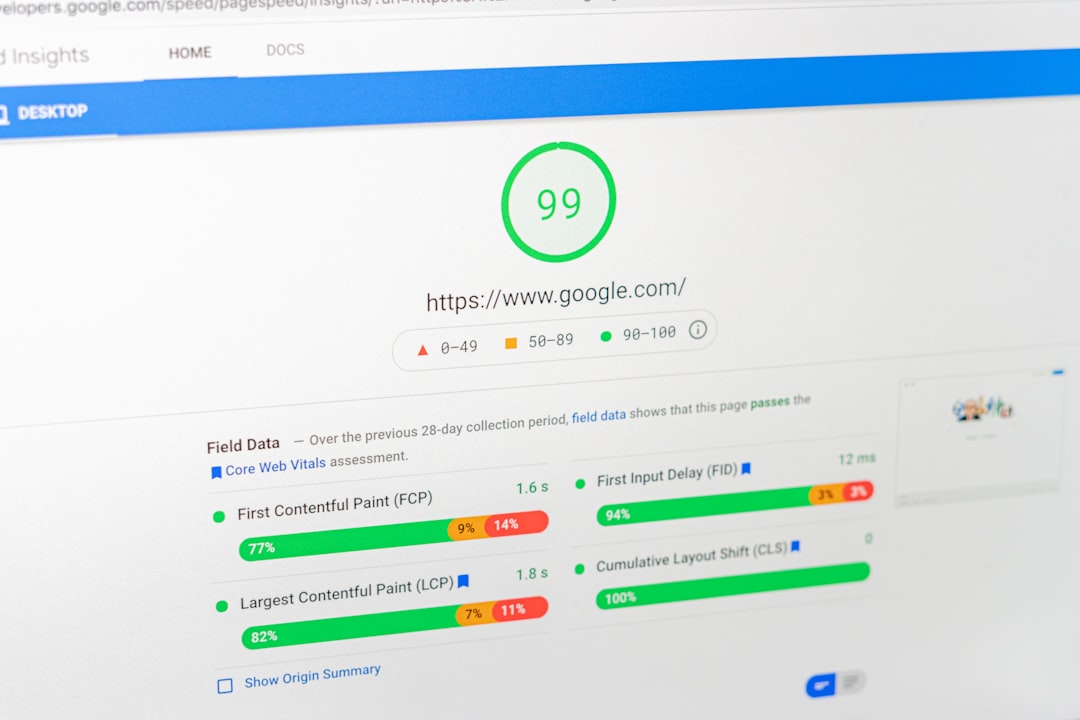
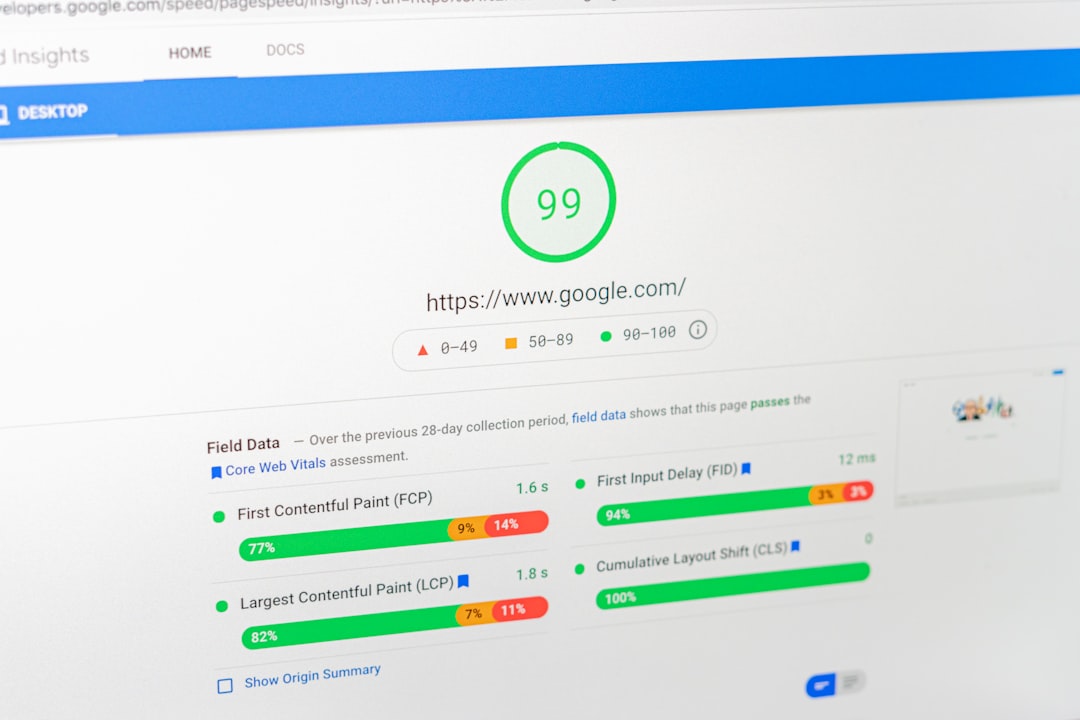
A slow website can make browsing frustrating, particularly on mobile devices. Large images, unnecessary plugins, poorly optimized scripts, and hosting limitations can all contribute to slower performance.
Solution
Start by identifying the actual cause. Compress large images, remove unnecessary plugins, optimize resources, and review hosting performance. Avoid adding several optimization plugins that perform overlapping tasks.
3. Poor Mobile Experience
A website may work well on a desktop while being difficult to use on a phone.
Common problems include tiny text, oversized images, difficult navigation, buttons placed too closely together, and layouts that do not adapt properly.
Solution
Test important pages on different screen sizes. Use responsive layouts and make sure content, menus, forms, and buttons remain easy to use on mobile.
4. Weak Page Titles

Generic or duplicated page titles make it harder for users and search engines to understand what individual pages are about.
Solution
Create unique, descriptive titles that accurately represent each page. Include the main topic naturally without repeating keywords unnecessarily.
5. Unclear Heading Structure
Some WordPress pages use headings only for visual styling rather than organizing information.
Solution
Use one clear H1 for the primary topic, followed by logical H2 and H3 sections. Headings should help readers scan the page and understand its structure.
6. Thin or Unhelpful Content
Pages with very little useful information may fail to satisfy search intent, particularly when competing pages provide more complete answers.
Solution
Review the purpose of each page. Expand content where additional information genuinely helps the visitor. Add examples, explanations, relevant data, or practical instructions instead of simply adding words.
7. Keyword Stuffing
Repeating a keyword throughout a page can make the content sound unnatural and reduce readability.
Solution
Write naturally and use related terminology where appropriate. Focus on explaining the topic thoroughly rather than hitting an arbitrary keyword frequency.
8. Poor Internal Linking
Important pages can become difficult to discover when they have few or no internal links pointing toward them.
Solution
Connect related pages using meaningful anchor text. A blog about WordPress SEO, for example, could link naturally to related content about technical SEO, website speed, or local optimization.
9. Broken Links and Incorrect Redirects
Old URLs, deleted pages, and website changes can leave behind broken links or incorrect redirects.
Solution
Regularly audit important URLs. Fix broken internal links and use appropriate redirects when pages have been permanently moved.
10. Duplicate Content and URLs
WordPress can sometimes create multiple URLs or versions of similar content through categories, tags, archives, parameters, or other settings.
Solution
Review which pages actually need to be indexed. Use canonicalization and appropriate indexing controls where necessary, rather than allowing unnecessary duplicate versions to compete with the main page.
11. Missing or Poor Image Optimization
Images improve visual content but can also create performance problems when they are unnecessarily large.
Solution
Resize and compress images before uploading them. Use descriptive file names and relevant alt text where appropriate.
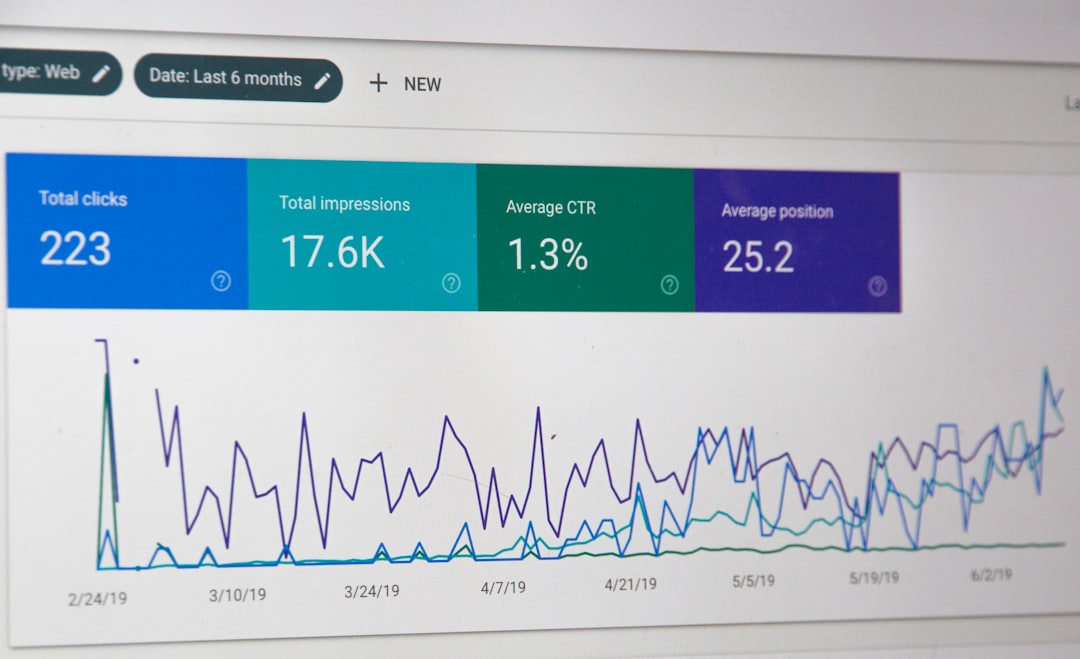
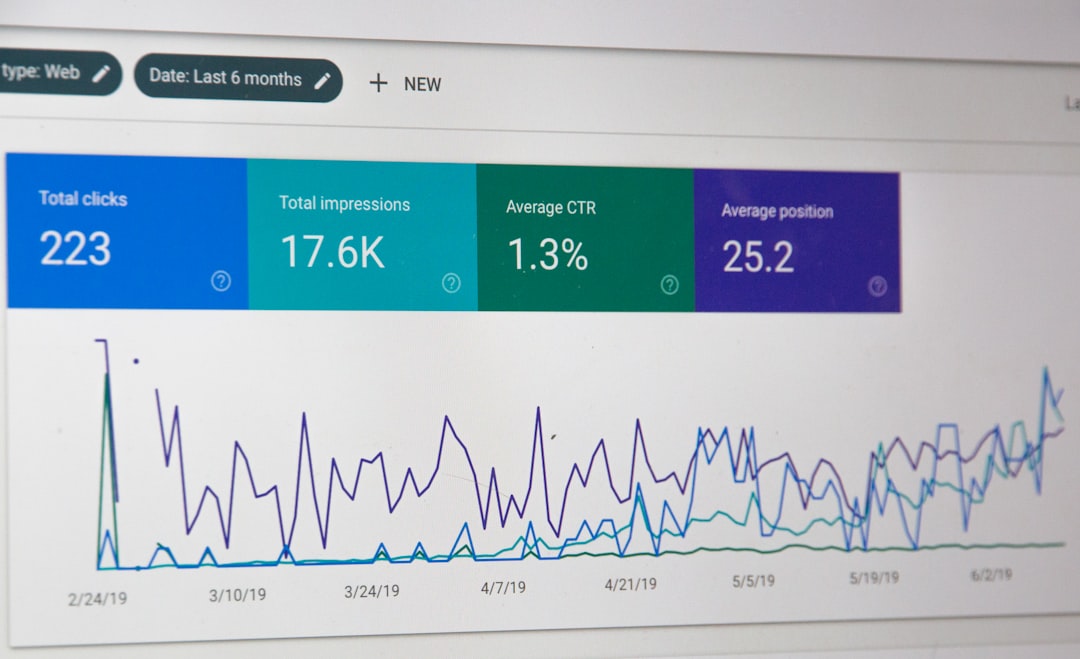
12. Ignoring Search Console Data
Some website owners make SEO changes without checking how Google actually sees their website.
Solution
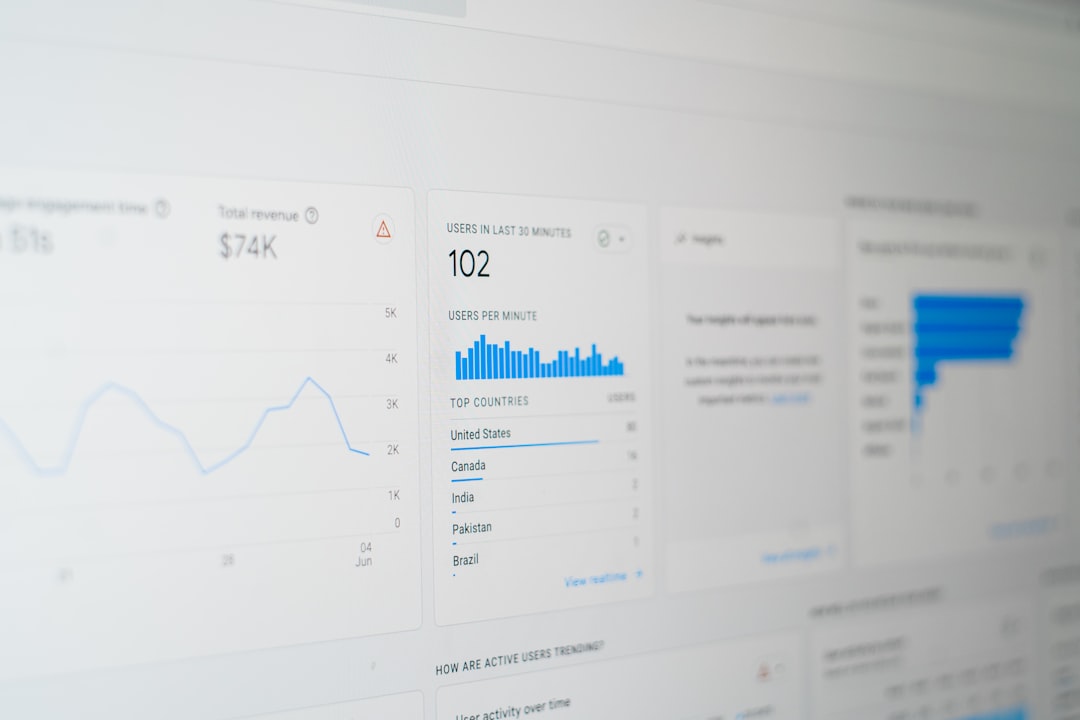
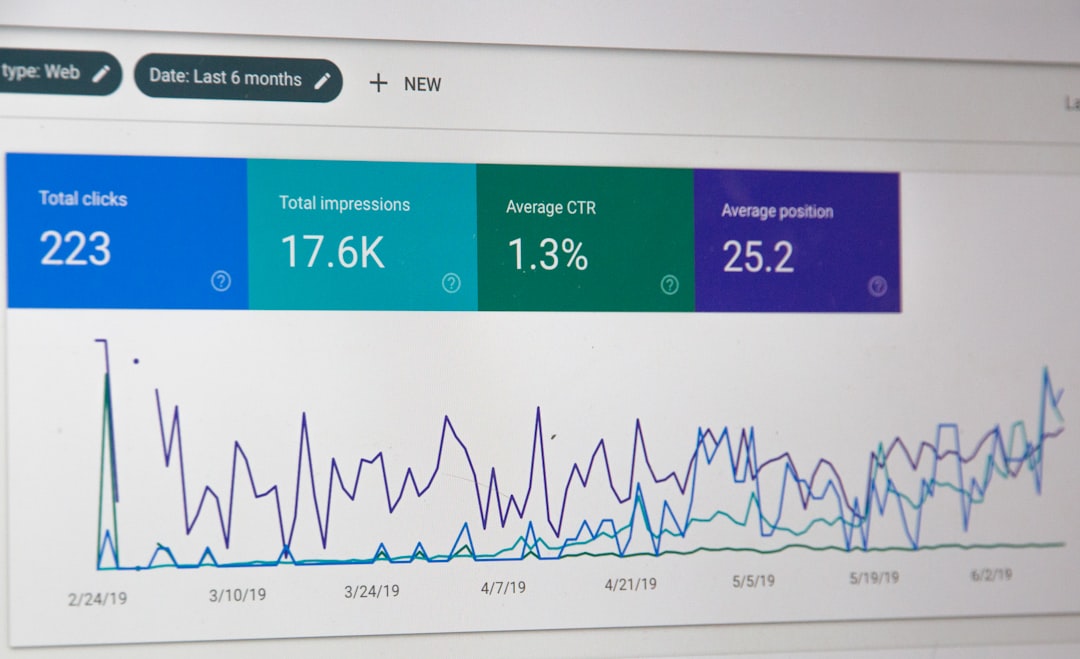
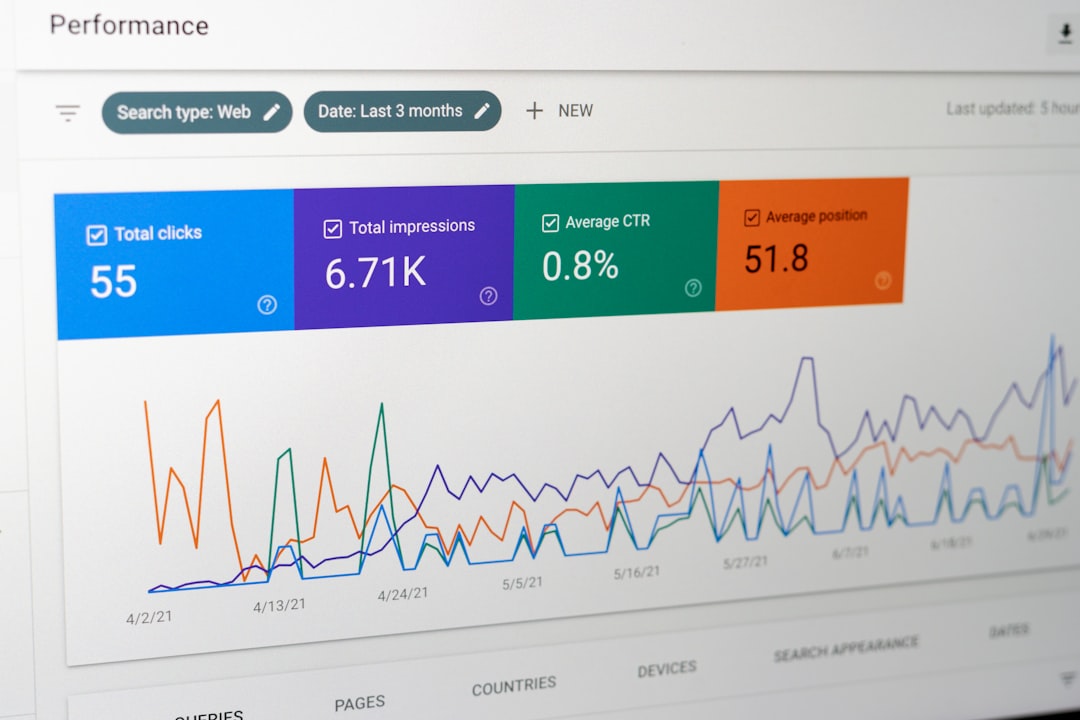
Use Google Search Console to monitor search performance, indexing, queries, and technical issues. This information can help determine which problems deserve attention first.
When Professional SEO Help Can Help
Some issues are simple WordPress settings, while others require a deeper technical or strategic review. If traffic has dropped unexpectedly, important pages are not indexing, or the website has a large number of technical problems, a WordPress SEO expert can perform a structured audit.
The objective is not to change everything at once. Identify the most important issues, fix them systematically, measure the results, and continue improving the website over time.
A well-maintained WordPress website gives both users and search engines a clearer, faster, and more useful experience.