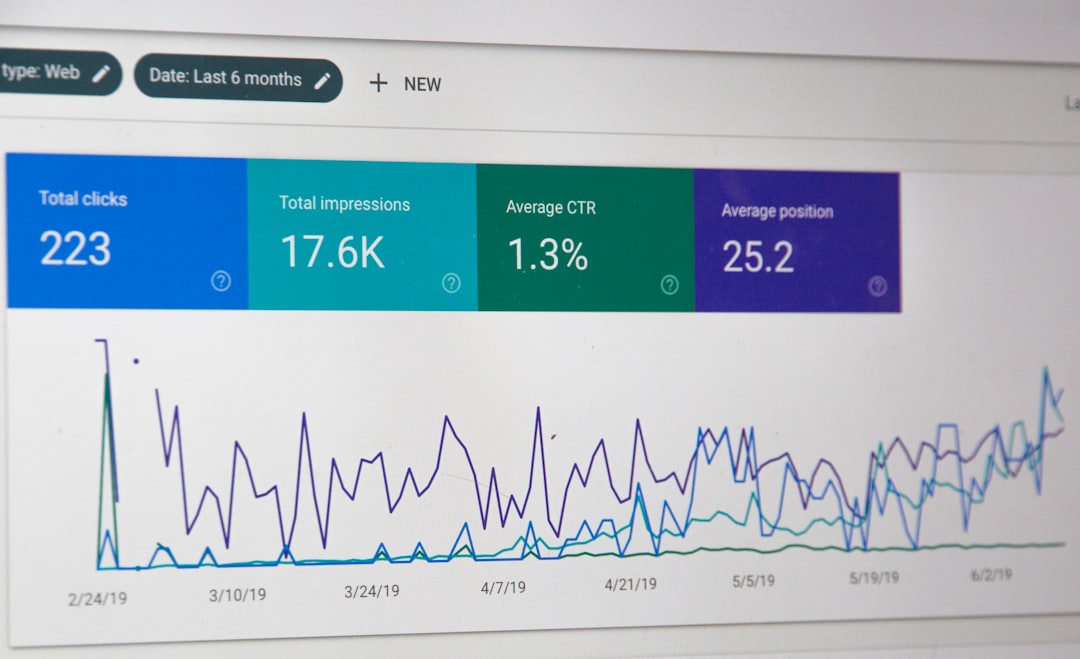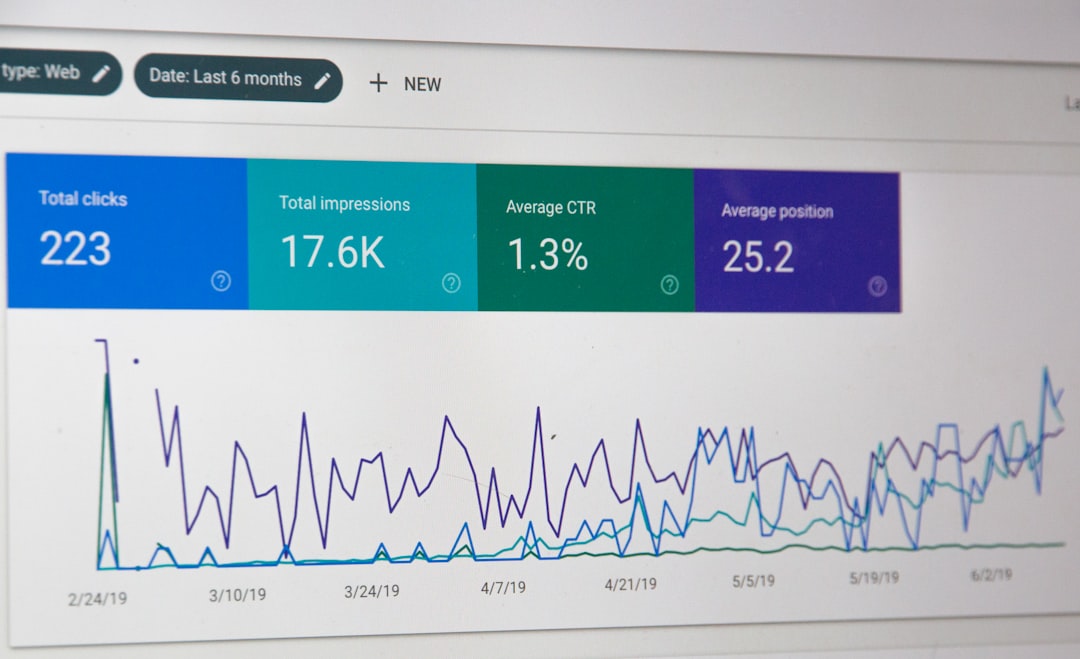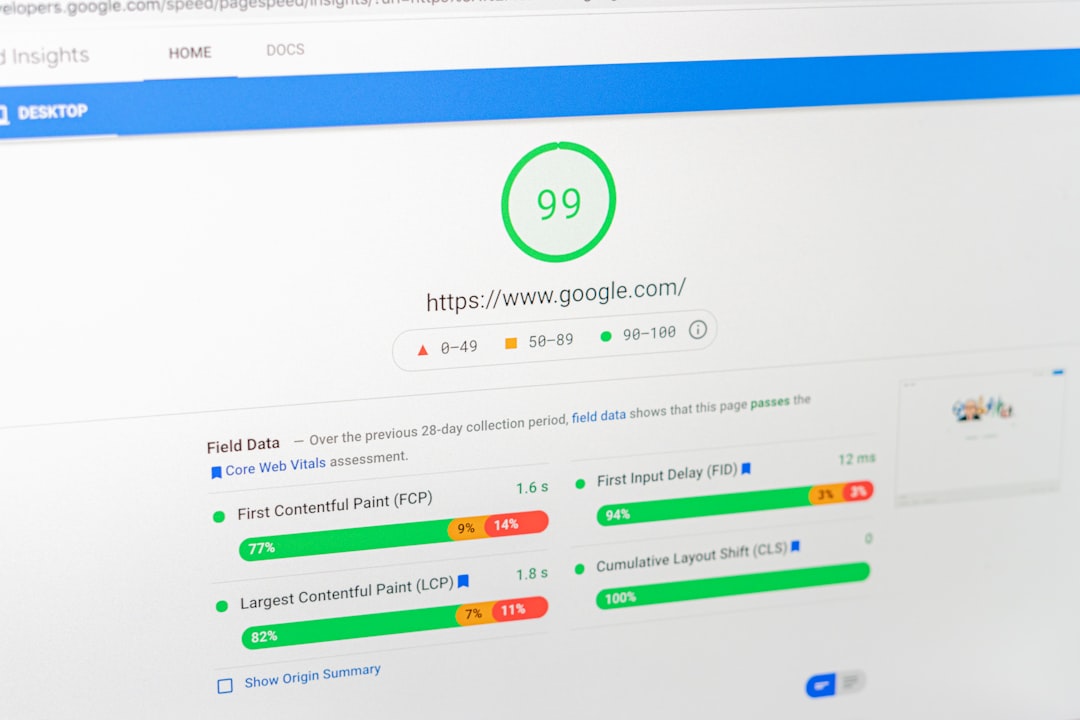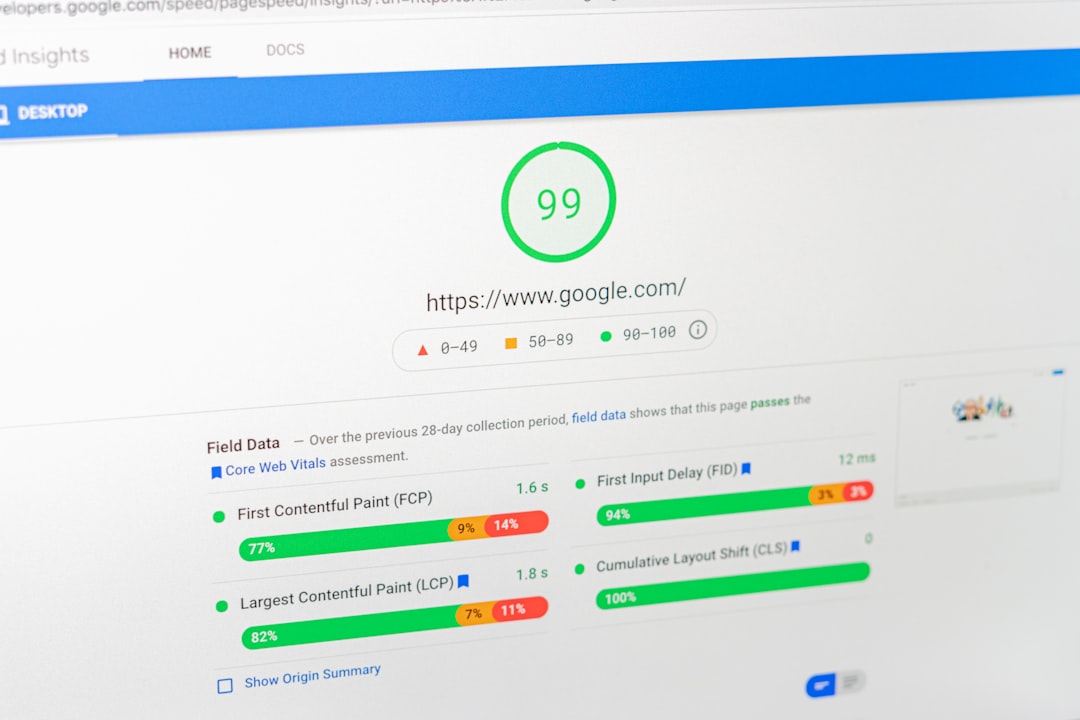
Low rankings usually come from a mismatch between your platform and your SEO plan, not from one missing tactic. WordPress SEO and traditional SEO follow the same search principles, but WordPress changes how you implement them. The real difference is not strategy versus strategy. It is strategy versus execution inside a specific CMS.
That matters because many site owners mix generic SEO advice with WordPress-specific fixes and end up with a scattered setup. They install more plugins, rewrite titles, and publish more content, but rankings stay flat because crawl issues, template bloat, duplicate archives, or weak internal linking are still in the way. If you need help diagnosing that gap, WordPress SEO Expert can review what is actually holding the site back.
What is the difference between WordPress SEO and traditional SEO?
Traditional SEO is the broader discipline. WordPress SEO is the application of that discipline inside WordPress, where themes, plugins, templates, taxonomies, and editor choices affect how well best practices are carried out.
The fundamentals do not change. Google still wants helpful, reliable, people-first content, a site that can be crawled, and pages that match search intent. Google’s guidance on people-first content applies whether your site runs on WordPress, Shopify, a custom framework, or anything else. What changes in WordPress is the control layer. You can often adjust titles, canonicals, schema, redirects, image handling, and internal links faster than on a custom-built site, but you can also create problems faster if your setup is messy.
A simple way to think about it is this: traditional SEO tells you what should happen, while WordPress SEO determines how cleanly it happens on your site. That is why a WordPress site can follow general SEO advice and still underperform if the theme outputs thin archive pages, plugins create overlapping metadata, or key pages are buried too deep in the architecture. Our post on WordPress SEO strategy for small business breaks down how that structure affects visibility.
Where traditional SEO stays the same

The core ranking inputs are not different just because a site uses WordPress. Search engines still evaluate relevance, quality, usability, and discoverability, so the same foundational work matters on every platform.
That means keyword targeting, search intent alignment, useful titles, internal links, and technically accessible pages still come first. Google’s SEO Starter Guide notes that links are one of the main ways Google discovers new pages and explains why descriptive anchor text helps both users and search engines understand destination pages. In practice, that is why weak page targeting or vague anchors can hold back a WordPress site just as much as a non-WordPress site.
In other words, WordPress is not a shortcut around strategy. If the page targets the wrong query, offers thin information, or fails to satisfy what the searcher needs, changing plugins will not fix the problem. That is the same reason many sites need better on-page structure before they need more content or more tools.
Where WordPress SEO is different in practice

WordPress changes the operational side of SEO. It gives you flexible publishing and optimization controls, but it also introduces platform-specific failure points that traditional SEO advice usually does not explain in enough detail.
Most site owners do not have one catastrophic problem. They have a stack of smaller WordPress-specific issues that compound over time. Common examples include category and tag archives creating low-value indexable pages, page builders adding code bloat, media libraries filling with oversized images, and multiple SEO-related plugins competing to set the same metadata. If you have seen traffic stall after redesigns or plugin changes, those operational details usually matter more than generic checklists.
Google’s documentation on canonicalization and redirects helps explain why WordPress configuration matters so much. A plugin, theme, or migration setting can accidentally create duplicate URL versions, inconsistent canonicals, or redirect chains that dilute signals and waste crawl attention.
WordPress SEO vs traditional SEO: side-by-side
The shortest answer is that the goals are shared, but the implementation burden shifts. Traditional SEO gives you the framework. WordPress SEO requires you to manage that framework through templates, plugins, and site settings that can help or hurt execution.
| Area | Traditional SEO | WordPress SEO |
|---|---|---|
| Keyword targeting | Applies to any platform | Applied through page structure, content templates, and taxonomy decisions |
| Titles and metadata | Important everywhere | Usually managed through one SEO plugin or theme settings |
| Internal linking | Core discovery and relevance signal | Influenced by navigation, related posts, blocks, and archive structure |
| Technical SEO | Includes crawlability, indexing, canonicals, redirects, and site architecture | Often affected by plugin conflicts, archive settings, duplicate URLs, and page builder output |
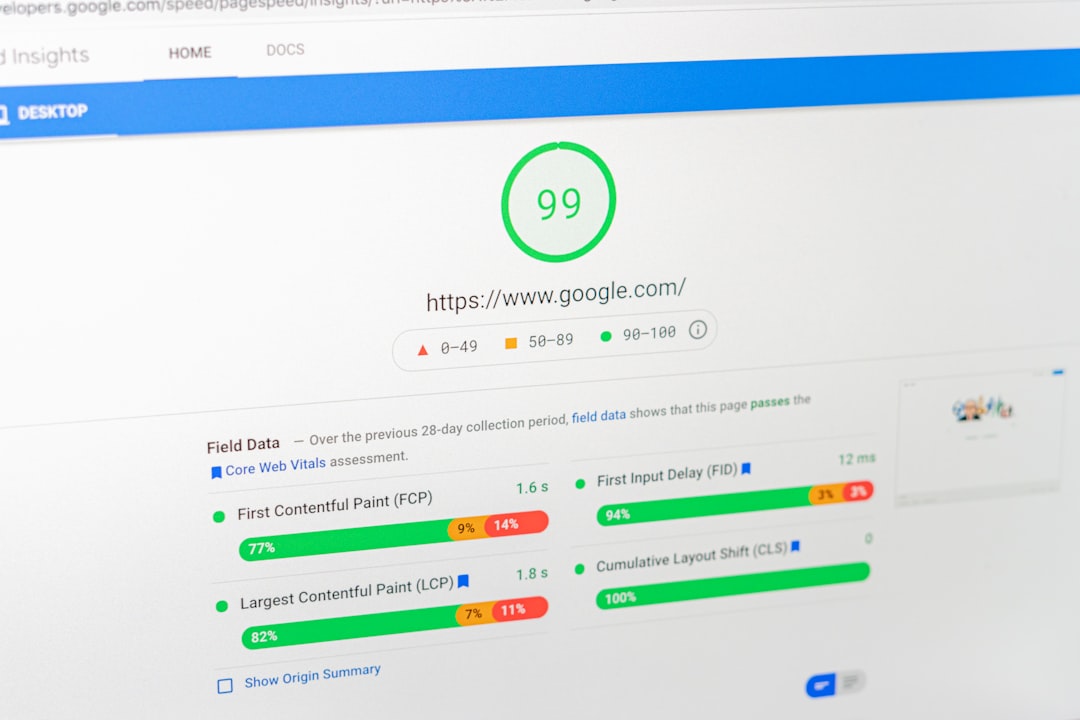
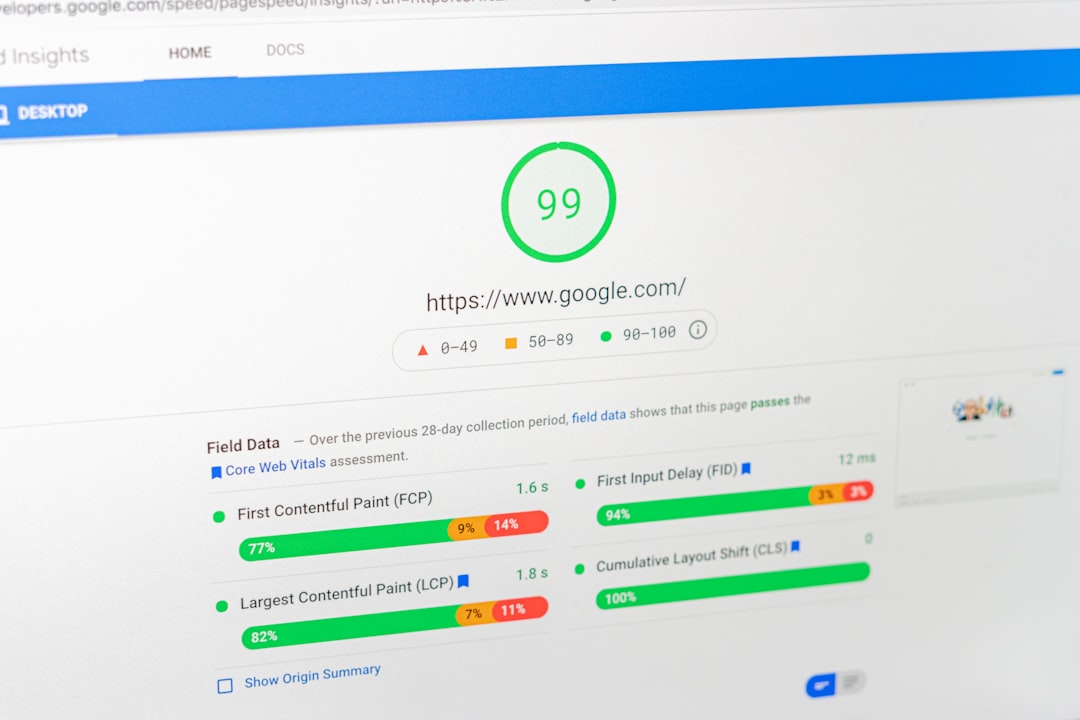
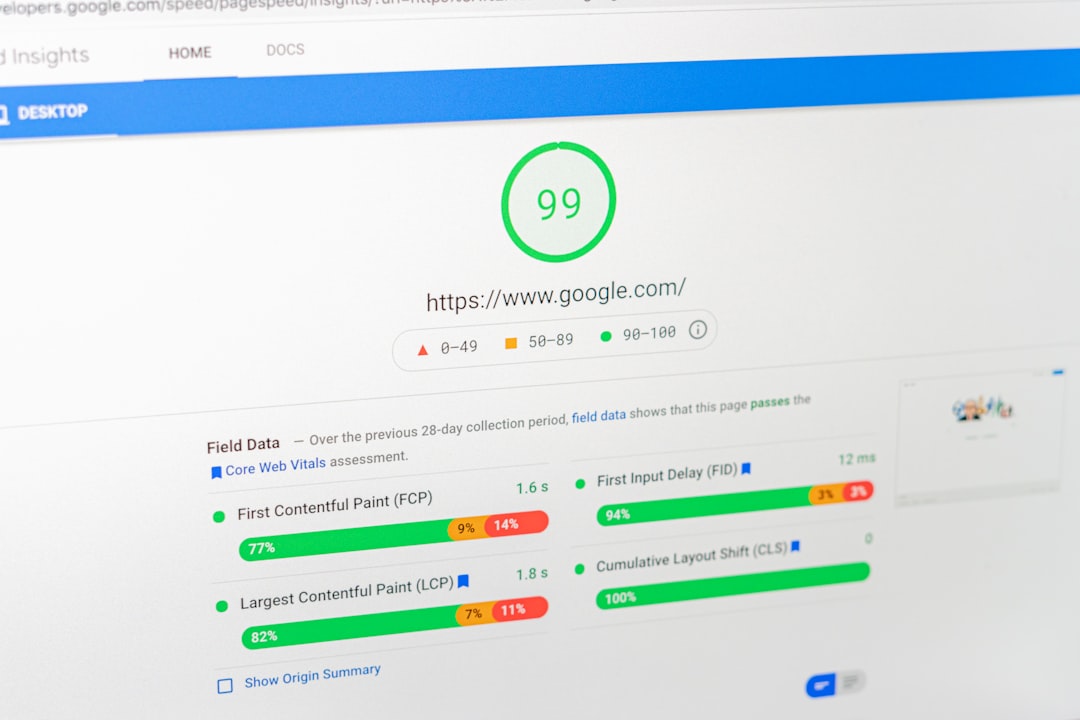
| Site speed | Matters on any CMS | Strongly affected by hosting, theme weight, image handling, and caching setup |
| Content publishing | Strategy matters most | Publishing is easier, which can help consistency or create content sprawl |
When WordPress gives you an advantage

WordPress can be excellent for SEO when the setup is clean. It makes routine optimization easier for non-developers, which means fixes that might require engineering time on other platforms can often be handled in the admin area.
That advantage shows up in everyday work: editing title tags, improving headings, adjusting internal links, handling redirects, and publishing supporting content quickly. For small businesses, that speed of implementation matters. A solid WordPress setup lets you move faster on the basics instead of waiting on developers for every change.
It also makes iterative SEO easier. You can update underperforming service pages, expand FAQs, strengthen anchor text, and test layout or conversion changes without rebuilding the site. If your bottleneck is execution, WordPress is often easier to improve than a locked-down proprietary CMS.
When WordPress creates extra SEO risk
WordPress becomes a problem when flexibility turns into clutter. The most common SEO losses come from overlapping plugins, thin auto-generated pages, and performance issues that build slowly until rankings and conversions plateau.
This is where broad traditional SEO advice often fails WordPress users. Telling someone to improve site speed or fix duplicate content is not enough. They usually need to know which template is causing index bloat, whether author archives should be indexed, whether tag archives add value, whether their redirect plugin is creating chains, and whether their theme is loading unnecessary assets sitewide. Our guide on improving WordPress site speed for SEO shows how these platform-specific issues affect performance.
Redesigns and migrations are another major risk area. Google recommends mapping old URLs to new ones, using permanent redirects, and checking canonical and robots settings during a move. That guidance becomes especially important on WordPress sites where permalink structures, category paths, or plugin settings can change hundreds of URLs at once during a migration.
Which one should you focus on?
If your site runs on WordPress, you need both. Start with traditional SEO priorities, then translate them into WordPress-specific tasks so the plan is executable instead of theoretical.
A practical sequence looks like this: define the pages that matter most, map one primary topic to each page, clean up technical obstacles, improve internal links, then fix speed and template issues that get in the way of crawling or user experience. That order prevents the common mistake of tweaking plugin settings while the larger page strategy is still unclear.
| Fix this first | Why it comes first |
|---|---|
| Page purpose and keyword mapping | Prevents overlap and gives each core page a clear job |
| Indexing, canonicals, and redirects | Stops technical confusion before you scale content |
| Internal linking and navigation | Helps Google discover pages and understand relationships |
| Template quality and on-page content | Improves relevance and user satisfaction on important pages |
| Speed, media, and code cleanup | Strengthens experience after the foundations are in place |
If you are not sure whether your problem is strategic or technical, WordPress SEO Expert can help. We review where rankings are getting blocked before recommending changes, which is usually faster than guessing through plugin settings one by one.
Final takeaway
WordPress SEO is not a separate discipline from traditional SEO. It is traditional SEO implemented through WordPress, with all the advantages and complications that come with that platform. The businesses that get results usually do not chase every plugin feature. They fix the underlying structure, keep the stack clean, and make sure the CMS supports the strategy instead of fighting it.
If you want a second set of eyes on your setup, contact WordPress SEO Expert today to schedule a consultation. We can help you determine whether your rankings are being held back by strategy, technical issues, or a mix of both.