
WordPress SEO usually stalls because site owners collect too many tools and too few priorities. The best results come from a clean setup, a short list of techniques that actually move rankings, and regular checks to make sure plugins are helping instead of overlapping.
A practical setup starts with one SEO plugin, clear page targeting, stronger internal links, faster page speed, and content written for people first. Google recommends descriptive, concise titles, warns against keyword stuffing, and emphasizes helpful, people-first content over search-engine-first publishing. If you already feel buried in settings, that is usually a sign to simplify, not add more.
The tools that matter most

Most WordPress sites do not need a huge stack of SEO software. They need a small toolset that covers metadata, crawling basics, performance, analytics, and content planning without creating conflicts.
Start with one primary SEO plugin for titles, meta descriptions, XML sitemaps, schema basics, and indexation controls. Then add performance tools, image optimization, and analytics only where they solve a clear problem. If you are still comparing plugin setups, our guide to choosing the best SEO plugin for WordPress can help you avoid overlapping features.
| Area | What the tool should help with | What to avoid |
|---|---|---|
| SEO plugin | Titles, meta descriptions, sitemaps, canonicals, noindex settings | Running multiple SEO plugins at once |
| Performance | Caching, minification where appropriate, script control | Turning on every optimization without testing |
| Images | Compression, resizing, modern formats | Uploading oversized originals everywhere |
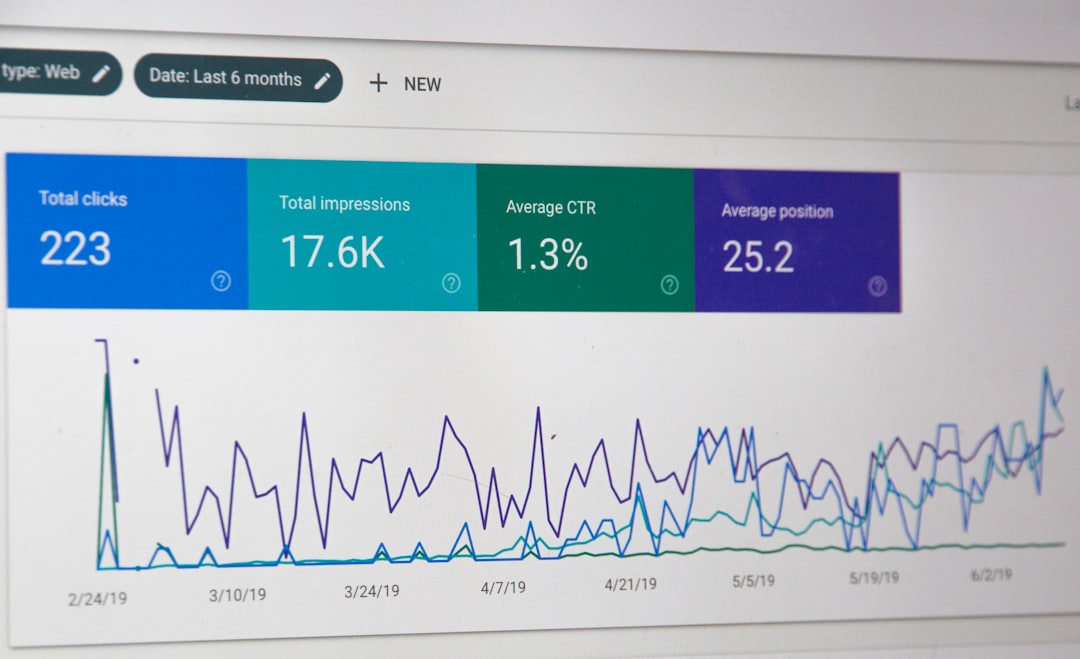
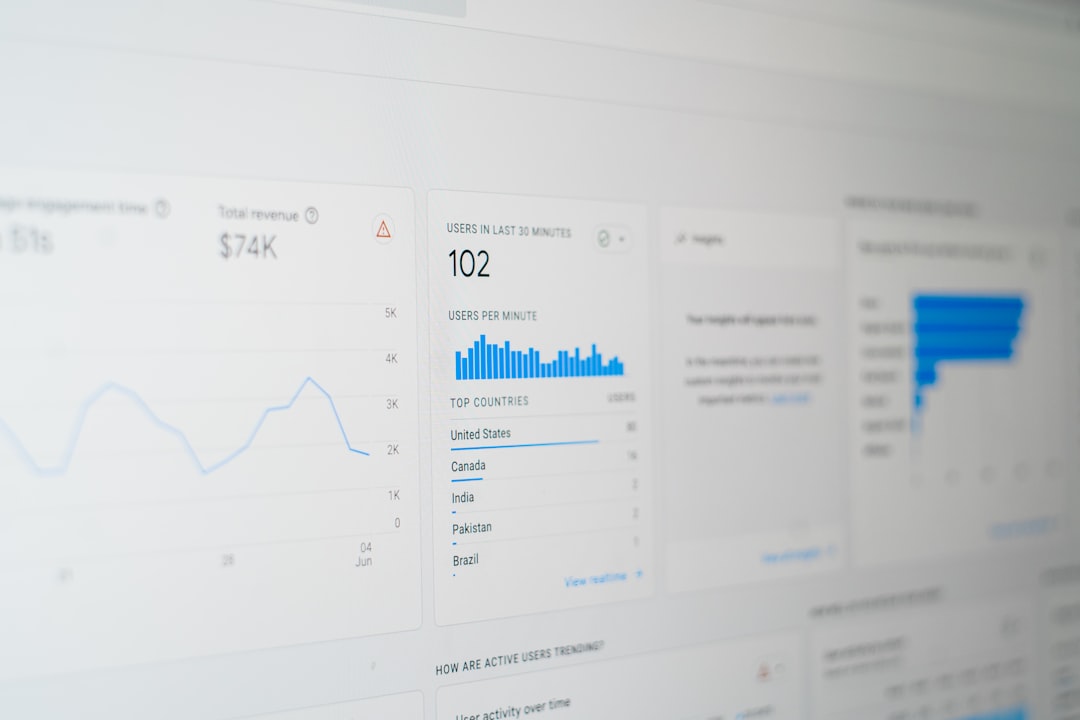
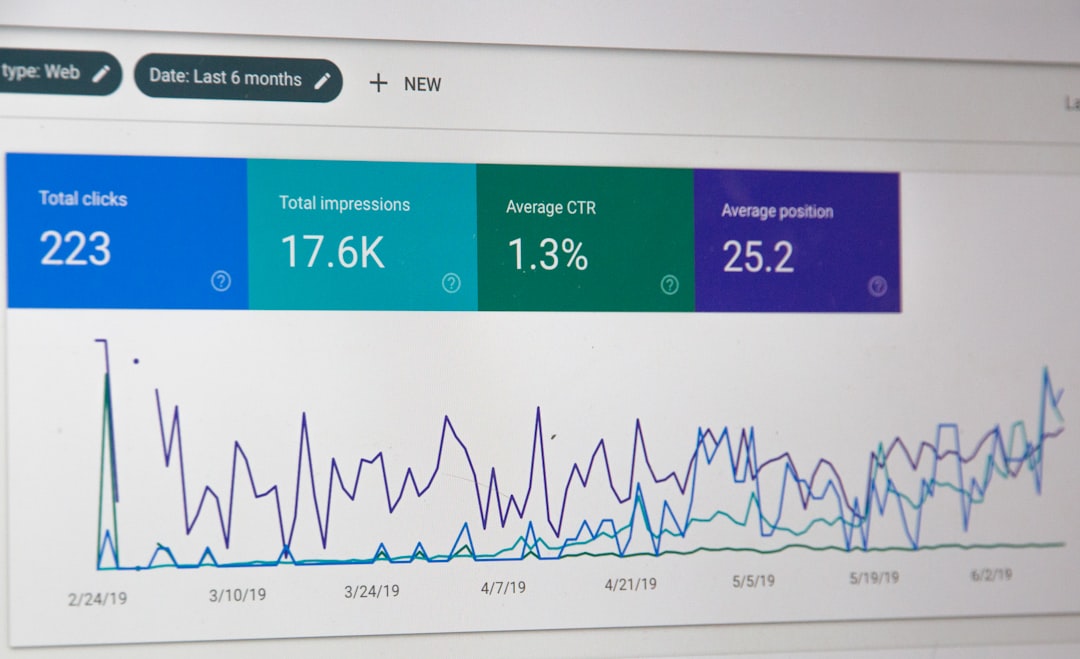
| Analytics | Search queries, traffic patterns, page engagement | Making decisions from plugin scores alone |
| Crawling checks | Broken links, redirects, indexation review | Fixing symptoms before checking the root cause |
Techniques that improve WordPress SEO

The highest-value techniques are usually simple: match each important page to one primary search intent, write better titles, tighten internal linking, improve page speed, and remove indexation clutter. These basics outperform bloated checklists on most small business sites.
That means each service page, category page, or cornerstone article should have a clear purpose. A page trying to rank for five unrelated terms often underperforms because the signals are diluted. If your targeting feels scattered, review a structured approach in our WordPress SEO strategy for small business article before changing plugin settings again.
1. Write better titles and meta descriptions
Your title tag is still one of the clearest on-page signals you control. Google advises using descriptive, concise titles and avoiding repeated boilerplate or keyword stuffing, so the goal is clarity, not cramming variations into every title.
Weak title: SEO Services | SEO Company | SEO Expert. Stronger title: WordPress SEO Services for Small Businesses. The second version tells both users and search engines what the page is actually about. Your meta description does not directly control rankings, but it can improve click-through rate when it clearly explains the benefit of the page.
2. Build internal links with descriptive anchors
Internal linking helps visitors find related pages and helps search engines understand site structure. Google specifically notes that descriptive anchor text makes it easier for both people and Google to make sense of your pages.
Instead of generic links, use anchors that describe the destination page. For example, link phrases like how to optimize WordPress SEO or WordPress SEO checklist for new websites where they naturally support the topic. This is one of the easiest techniques to improve weaker pages without rewriting everything.
3. Clean up crawl and indexation issues
Many ranking problems come from pages that should not compete in search at all. Tag archives, attachment URLs, thin filter pages, duplicate parameter URLs, and staging leftovers can waste crawl attention and confuse site structure.
Review what is indexed, what should be indexed, and what should be consolidated with canonicals or noindex rules. This matters even more on WooCommerce sites, where faceted navigation and duplicate category paths can multiply URLs fast. Fix the crawl map before assuming the content itself is the main issue.
4. Improve speed without chasing perfect scores
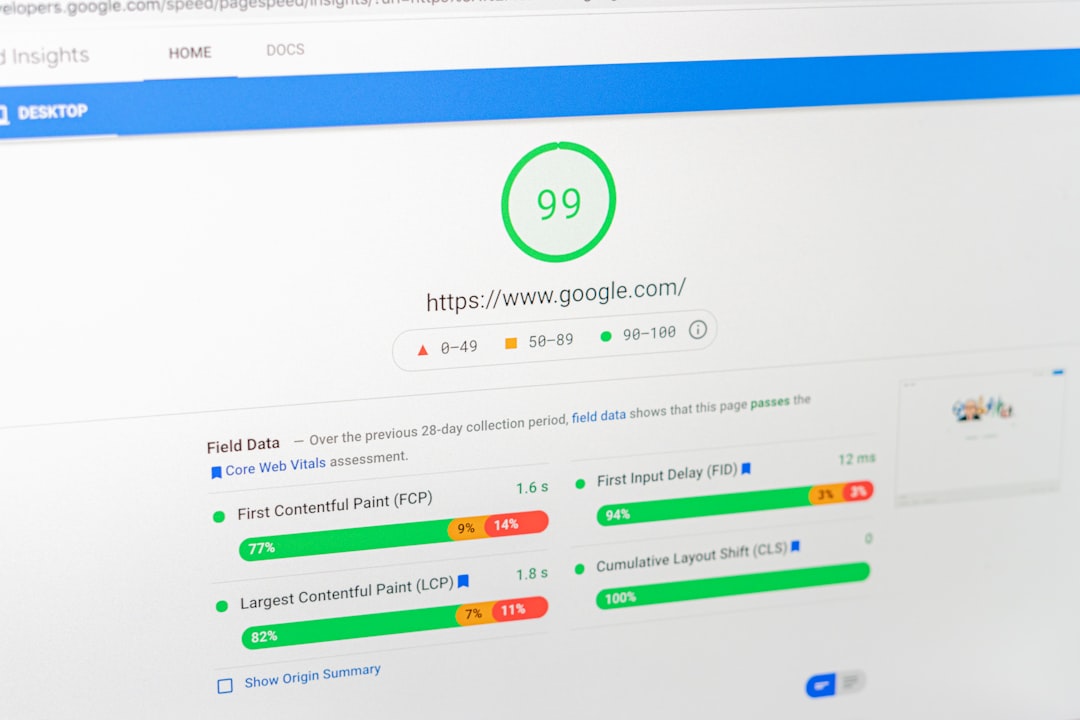
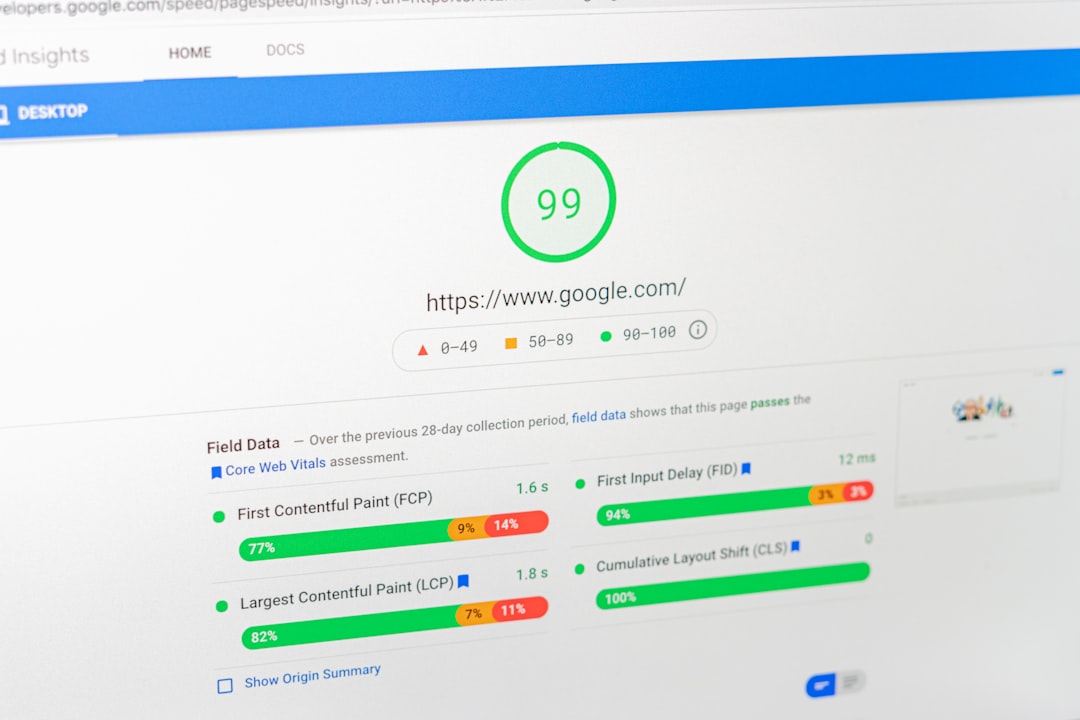
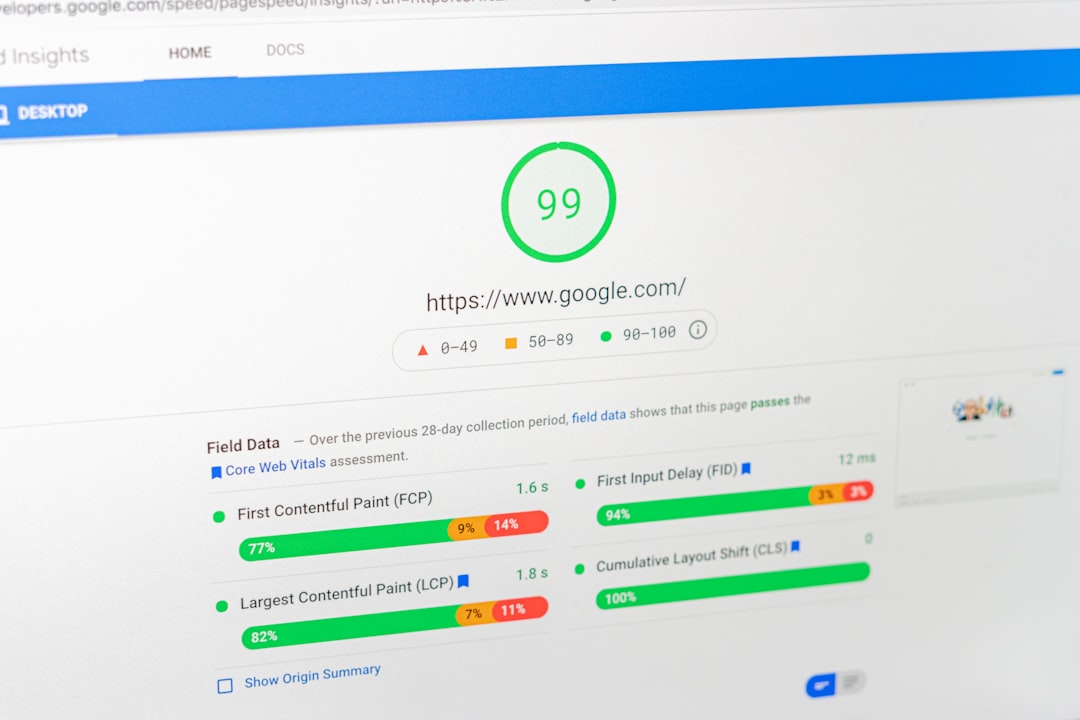
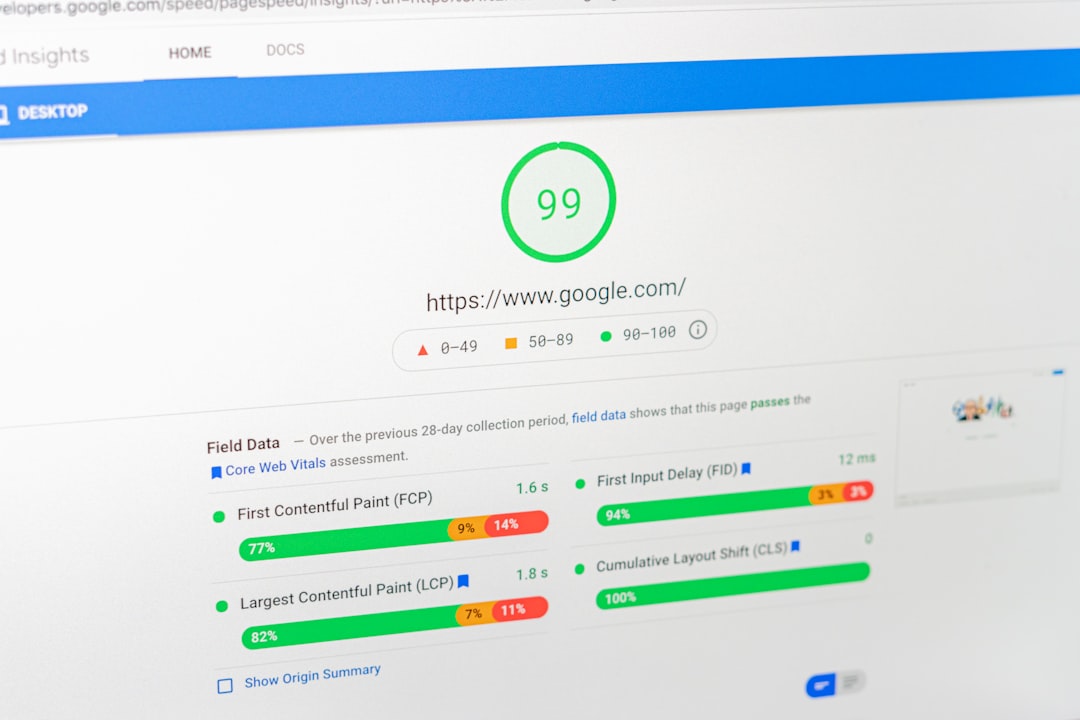
Page speed matters, but the goal is a better real user experience, not obsessing over every lab score. Faster templates, compressed images, fewer heavy plugins, and better script control usually matter more than squeezing the last few points out of a test tool.
Common fixes include compressing large images before upload, lazy-loading offscreen media where appropriate, reducing unused plugins, and checking whether your theme loads scripts sitewide that only belong on a few pages. Most site owners do not have one catastrophic problem. They have a stack of smaller issues that compound over time.
5. Publish people-first content

Content works better when it is built around a real question, service need, or buying stage. Google’s guidance is consistent here: content should help people first, not exist mainly to attract search traffic.
That means fewer filler intros, fewer pages written only because a tool suggested a keyword, and more pages that answer the exact next question a visitor has. A strong post or service page should leave someone feeling they learned enough to take action, compare options, or contact you with confidence.
A simple priority order
If your rankings are stuck, do not try to fix everything at once. Start by checking whether your core pages are indexable, properly targeted, internally linked, and fast enough to use comfortably on mobile.
| Priority | Fix this first | Why it comes first |
|---|---|---|
| 1 | Indexation and crawl issues | A blocked or duplicate page will struggle no matter how good the content is |
| 2 | Title tags and page targeting | Clear relevance signals improve focus quickly |
| 3 | Internal links | They strengthen site structure and help weaker pages surface |
| 4 | Speed and UX problems | They affect both usability and search performance |
| 5 | Content expansion | New content works better after the foundation is clean |
If you are working through these fixes and still cannot tell what is actually holding the site back, WordPress SEO Expert can help you sort signal from noise. A second set of eyes is often faster than another month of plugin testing.
When tools help and when they distract
SEO tools are useful when they reveal a real problem you can act on. They become a distraction when you treat every warning as equally important or chase plugin scores that do not match actual search performance.
A red light in a plugin does not automatically mean a page cannot rank. A green light does not mean it deserves to rank. Use tools to diagnose titles, missing metadata, broken links, schema gaps, and crawl patterns, but let search intent, usability, and conversions decide what matters most.
Final takeaway
Good WordPress SEO comes from a focused system, not a crowded dashboard. Choose a small set of reliable tools, apply a few proven techniques in the right order, and keep the site easier to crawl, faster to use, and clearer for the reader.
If you want a second set of eyes before changing settings or rebuilding pages, contact WordPress SEO Expert to schedule a consultation. We can audit the technical setup, on-page signals, and content priorities to show you what to fix first.