
Low rankings for service businesses usually come from a scattered plan, not one missing plugin. A practical WordPress SEO strategy should make your main services easy to understand, easy to crawl, and easy to compare against competitors. That means fixing page purpose, internal links, and technical basics before publishing more content.
Most service business sites do not have one catastrophic SEO problem. They have a stack of smaller issues that compound over time: weak service pages, vague titles, overlapping keywords, thin location pages, and no clear measurement in Search Console. WordPress SEO Expert helps businesses sort those issues into the right order so the next fix actually moves the needle.
What a service business SEO strategy should include
A strong strategy has five working parts: keyword targeting, page structure, service page depth, technical health, and performance tracking. When one of those is missing, WordPress sites often keep publishing content without improving visibility or lead quality.
Start with one primary topic per important page. Your homepage should target your broadest commercial term. Service pages should target specific buyer-intent searches. Supporting articles should answer the questions people ask before contacting you. If you need the small business version of that framework, review our WordPress SEO strategy for small business for a closely related planning model.
Google’s guidance consistently favors helpful, reliable, people-first content and clear page signals, which is why your strategy should be built around real customer tasks instead of plugin scores or keyword repetition. Descriptive link text and crawlable internal links also help search engines understand how your key pages connect.
Step 1: Build around service intent first

The fastest way to waste SEO time is to target terms that do not match what buyers want. Service businesses usually get better results when they prioritize commercial-intent and local-intent pages first, then publish informational content that supports those money pages.
In practice, that means separating pages into three groups. First, revenue pages such as core services, specialty services, and location pages. Second, trust pages such as case studies, process pages, and FAQs. Third, blog content that answers pre-sale questions. This structure keeps your site aligned with how prospects actually move from research to contact.
A plumber, law firm, med spa, or home services company should not start with broad educational posts if the core service pages are thin. The service pages need to explain what you do, who it is for, what problems you solve, what happens next, and why a visitor should trust you enough to call.
Step 2: Fix site structure before adding more pages

Many service business sites already have enough content. The real problem is that important pages are buried, poorly linked, or competing with one another. Site structure often matters more than content volume because it decides which pages receive prominence and internal authority.
Your main services should be reachable within a few clicks from the homepage. Navigation should reflect real services, not vague labels. Internal links should use descriptive anchor text so users and search engines can understand the destination page. Google’s documentation specifically recommends using words people would use to look for your content and placing them in prominent locations such as titles, headings, alt text, and link text.
This is also the point where old blog posts, tag archives, and duplicate pages can create drag. If several pages target the same service phrase, Google receives mixed signals about which one matters most. Consolidating overlapping pages is usually better than trying to optimize all of them at once.
Step 3: Make every service page clearly useful
On-page SEO matters most when the page already deserves to rank. Your goal is not to repeat a keyword. Your goal is to make the service page obviously relevant, easy to scan, and strong enough to answer the next customer question without forcing them to keep searching.
Each core page should have one clear H1, a focused title tag, a useful meta description, descriptive subheadings, and copy that explains scope, outcomes, process, and next steps. Weak example: SEO Services | SEO Company | SEO Expert. Stronger example: WordPress SEO Services for Local Service Businesses. The stronger version tells both users and search engines what the page is actually about.
Service businesses often underuse proof. Add specific trust elements where appropriate: service areas, industries served, turnaround expectations, process steps, and realistic deliverables. If your pages feel interchangeable with competitors, rankings usually stay stuck because the content does not give Google or the visitor a reason to prefer it.
Step 4: Keep the WordPress setup clean
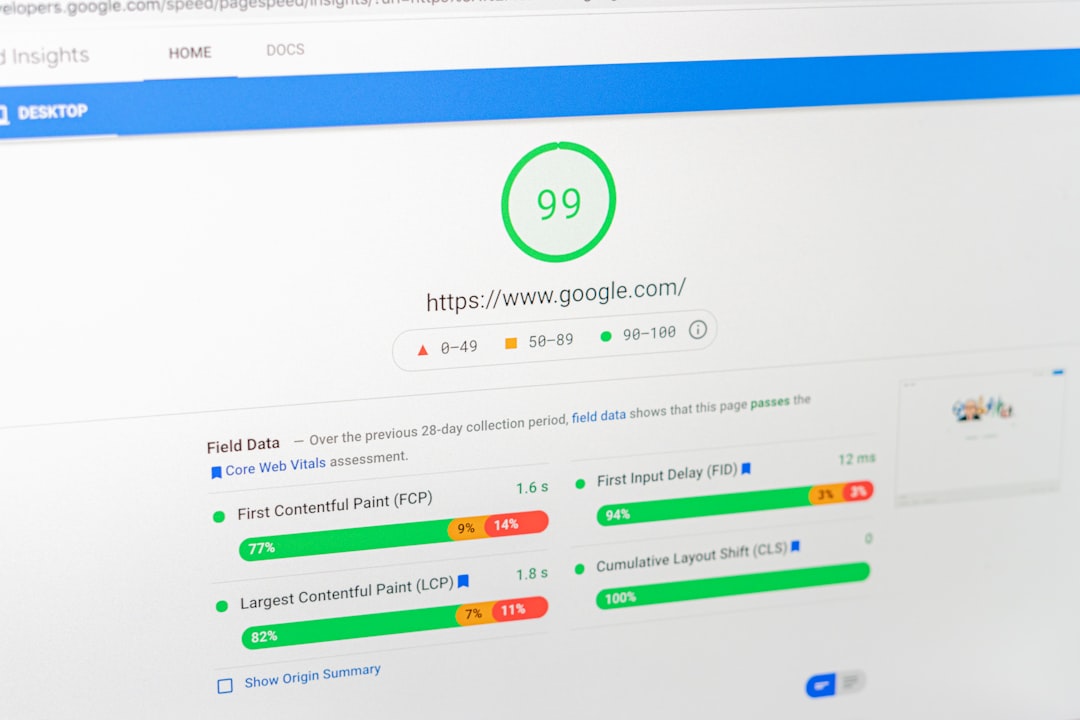
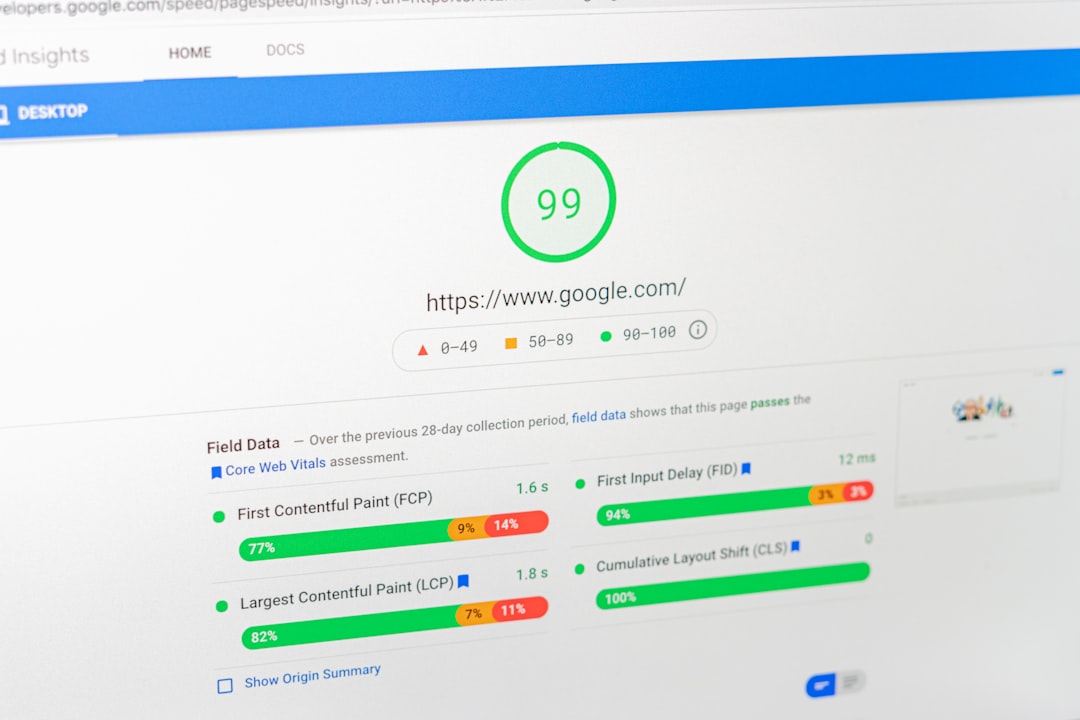
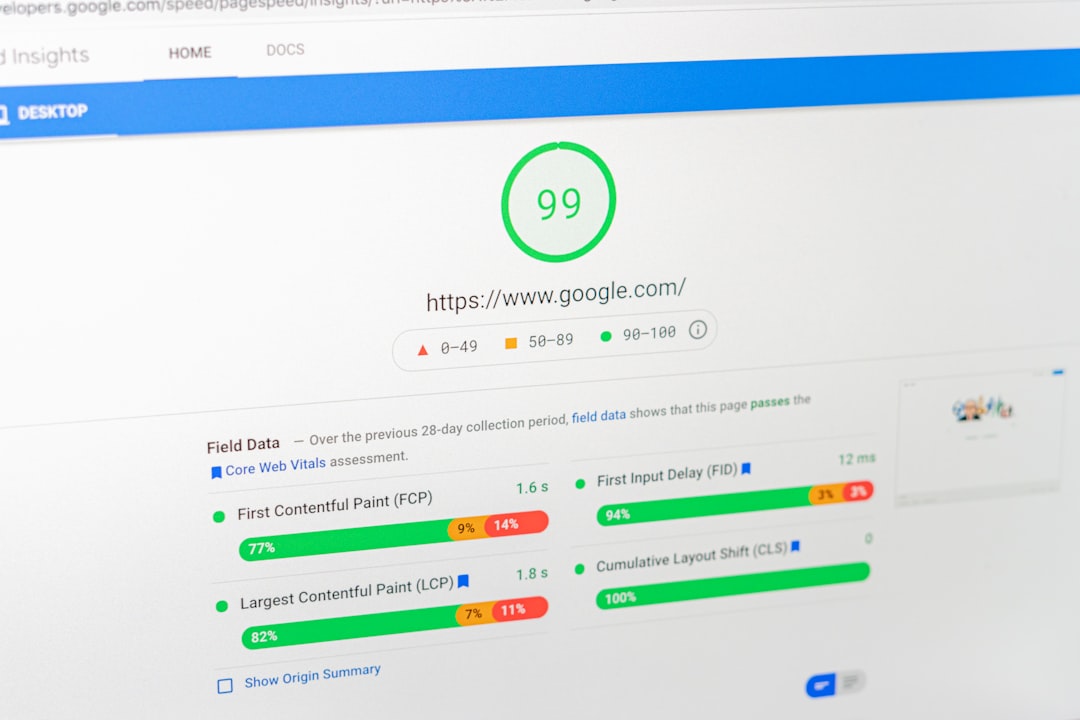
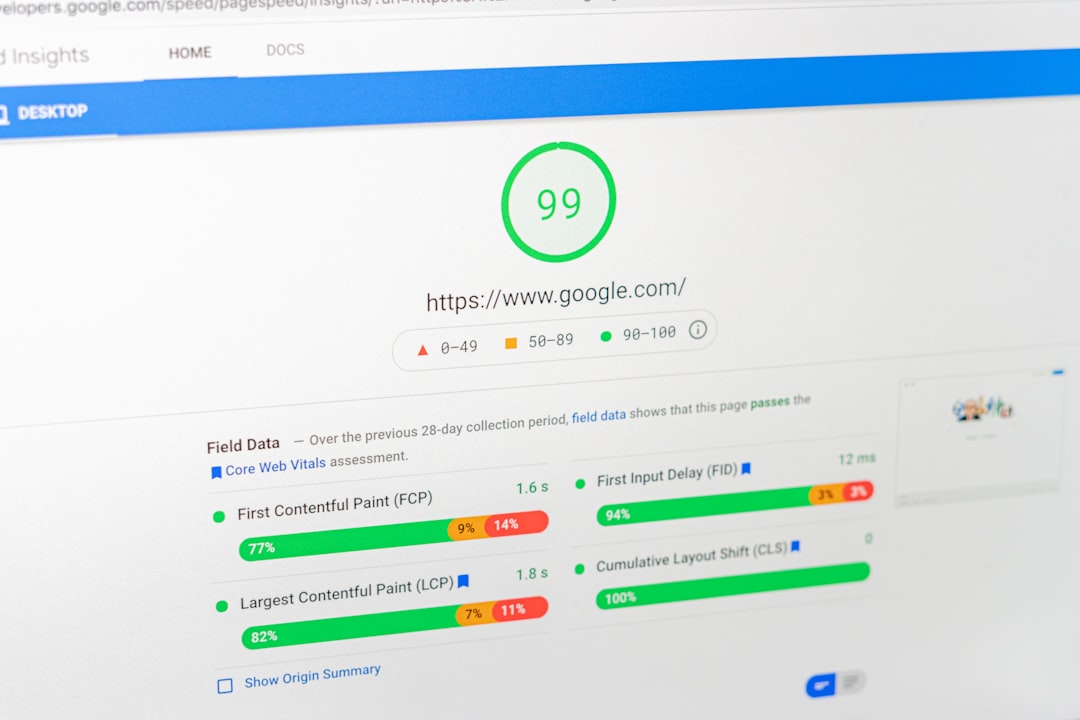
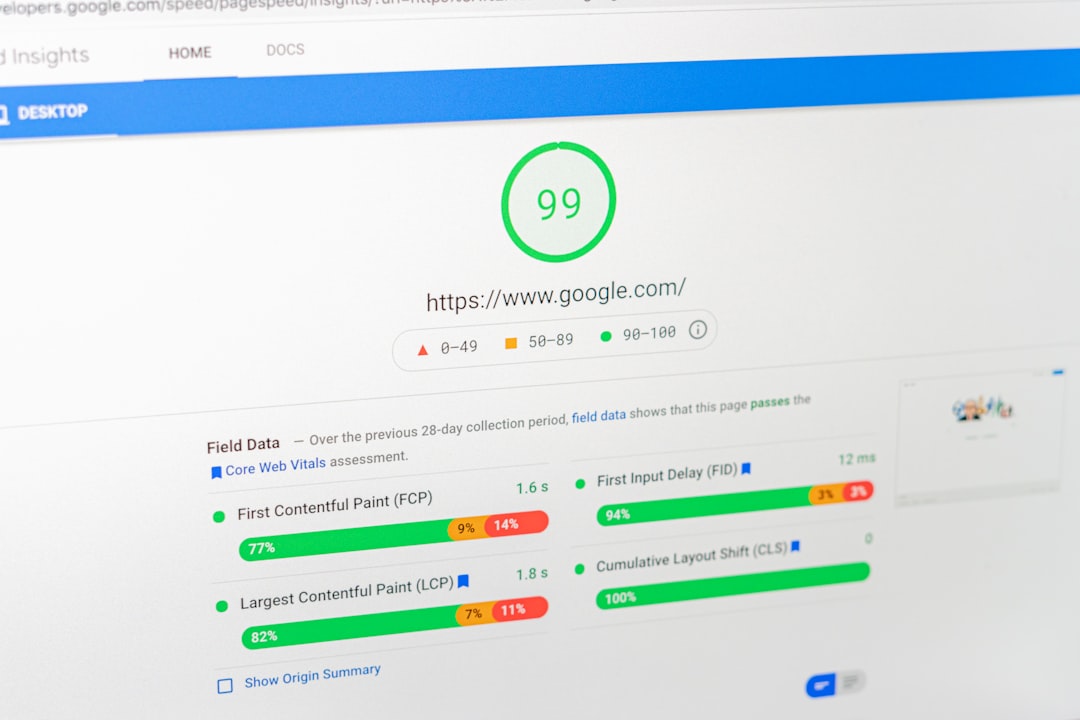
Technical SEO for service businesses does not need to be complicated, but it does need to be clean. Noindex mistakes, slow templates, redirect chains, image bloat, and overlapping plugins can quietly hold back strong service pages.
Use one SEO plugin setup, one caching strategy, and a clear sitemap structure. Check whether your key pages are indexable, whether canonical tags are consistent, and whether important pages are included in internal navigation. If site speed is also part of the problem, review our guide to improving WordPress site speed for SEO for the technical fixes that usually matter first.
Most site owners do not need a giant plugin stack. They need a stable setup that avoids duplicate features and code bloat. One clean configuration is usually more effective than several plugins all trying to control metadata, schema, redirects, and performance at the same time.
Step 5: Measure the right pages in Search Console

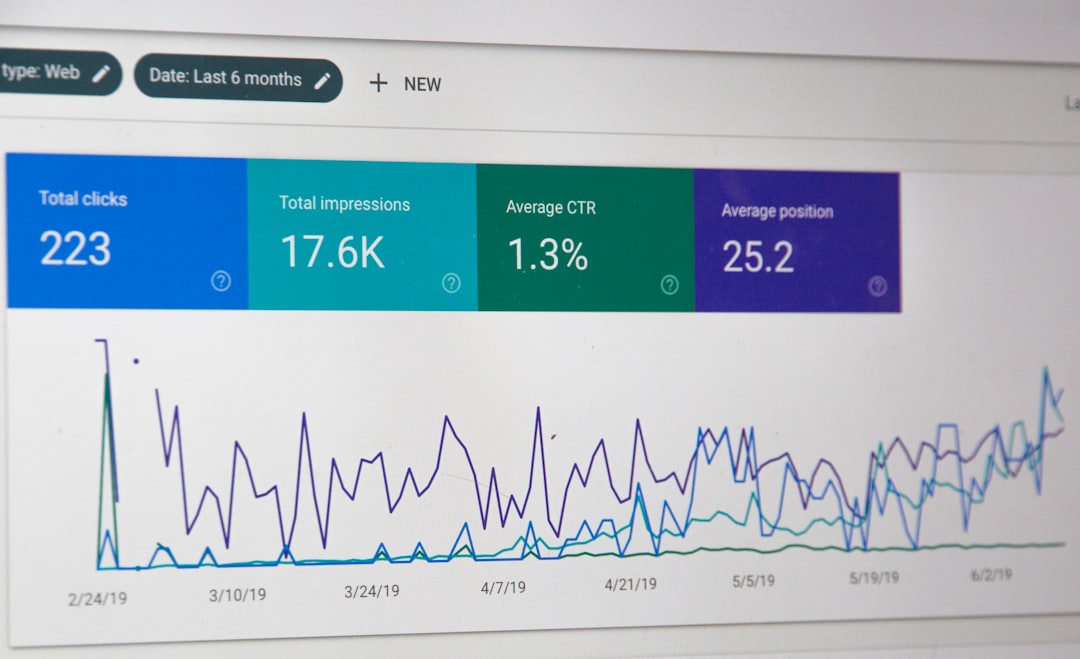
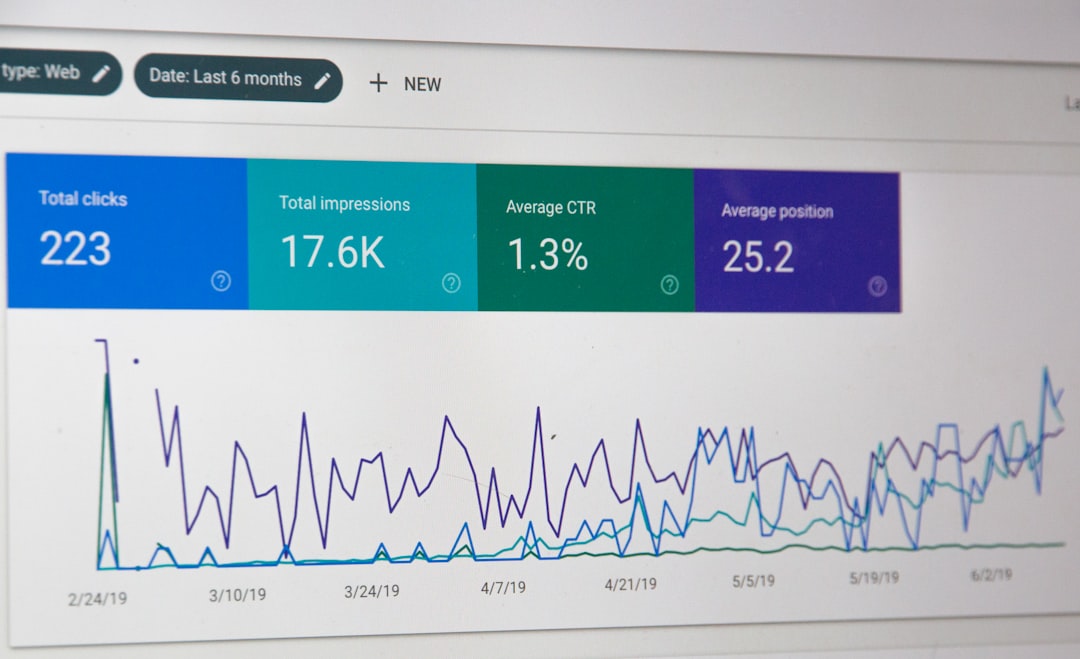
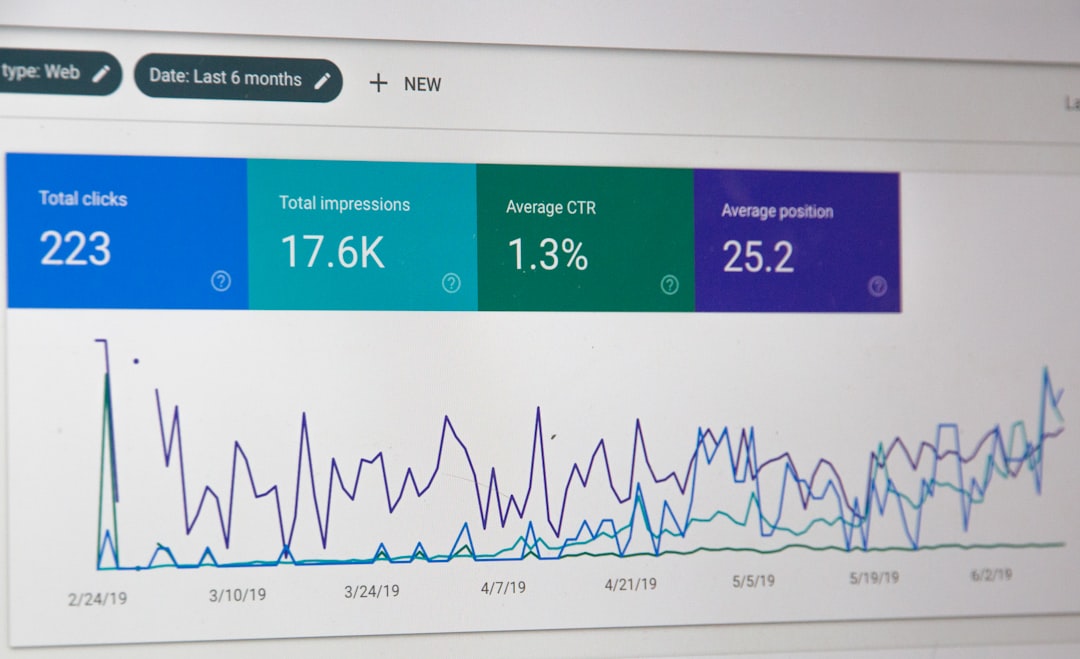
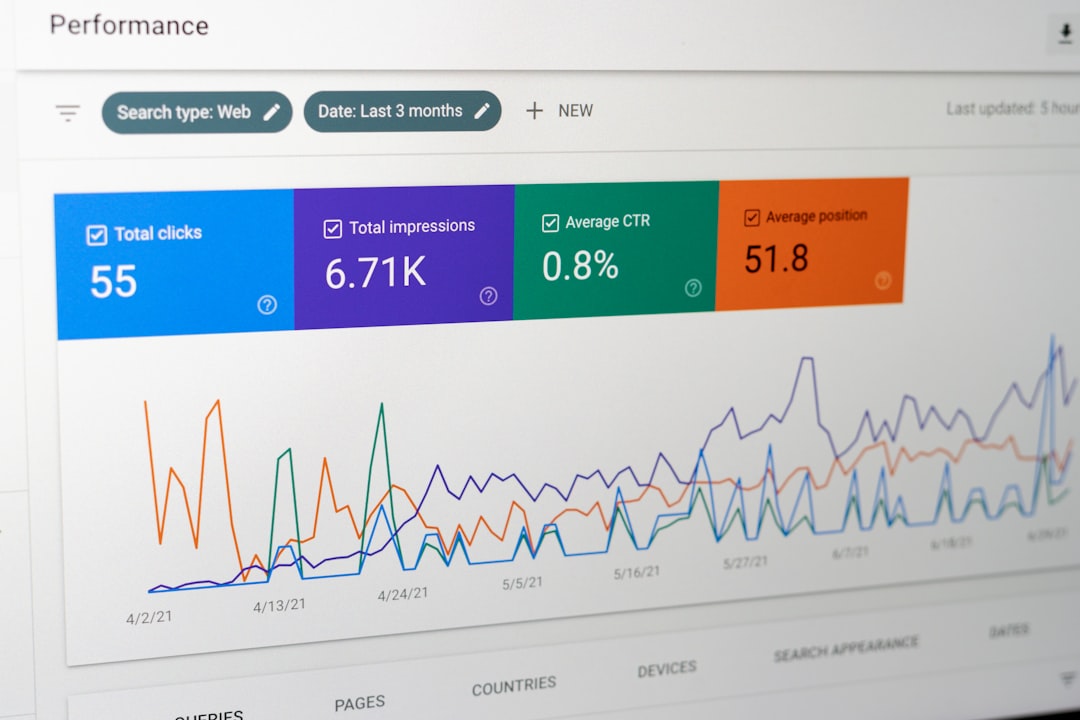
If you are not using Google Search Console, you are missing the clearest SEO feedback available for free. The Performance report shows clicks, impressions, average CTR, and average position, which makes it the best starting point for service-page decisions.
Use those metrics in context. Rising impressions with flat clicks often point to weak titles or mismatched search intent. A page with decent position but poor inquiries may need stronger messaging, better proof, or a clearer call to action. Search Console is useful because it shows which queries and pages are already close enough to improve, rather than forcing you to guess.
A simple priority order for service businesses
The easiest way to stay consistent is to follow a short sequence. Most service businesses do better with a 90-day roadmap than a long strategy document nobody executes. Fix the foundation first, then improve core pages, then expand with support content.
| Priority | What to do first | Why it matters |
|---|---|---|
| Month 1 | Audit service pages, map keywords, clean up navigation, fix indexation issues | Prevents new content from sitting on a weak structure |
| Month 2 | Rewrite core service pages, improve titles, strengthen internal links, add trust elements | Improves the pages most likely to generate leads |
| Month 3 | Publish supporting content, review Search Console data, refresh pages with high impressions and low CTR | Builds topical support after the money pages are ready |
If you are not sure which pages deserve priority, our team at WordPress SEO Expert can help. A short audit usually reveals whether your biggest constraint is structure, page quality, or technical drag.
Common strategy mistakes service businesses make
Most service business SEO problems are not advanced. They come from inconsistent execution, unclear targeting, and publishing habits that create more pages without making the site more useful. The fix is usually to simplify, consolidate, and prioritize.
Common issues include targeting broad keywords too early, creating multiple near-duplicate location pages, ignoring internal links, publishing thin service descriptions, and treating SEO plugin scores as the goal. One strong service page is usually better than several weak variations. One well-targeted supporting article is usually better than a batch of shallow posts written for volume.
Final takeaway
A WordPress SEO strategy for service businesses should be specific enough to guide action and simple enough to execute consistently. Focus first on search intent, service page quality, internal structure, technical cleanliness, and the pages already showing opportunity in Search Console. That is what turns SEO from random activity into a working lead channel.
If you want a second set of eyes before changing settings or rewriting key pages, contact WordPress SEO Expert today to schedule a consultation. We can help you identify exactly what is holding your service pages back and what to fix first.