Low rankings usually come from a stack of smaller issues, not one missing plugin. A practical WordPress SEO audit helps you find the blockers in order so you can fix crawl problems, page targeting, internal links, and template issues before you waste time tweaking low-impact settings.
This guide walks through the audit process we use for WordPress sites. It focuses on what to check first, what to ignore until later, and how to turn a messy site into a clear action plan. If you want a second set of eyes, WordPress SEO Expert can help review the findings and prioritize the fixes that matter most.
Start with crawl and index checks
The first question is simple: can Google access and index the pages that should rank? If the answer is no, every other improvement has limited value, so this step always comes first in a real audit.
Check WordPress under Settings, then Reading, and confirm the search engine visibility setting is not discouraging indexing. Then review whether important pages have unwanted noindex directives, broken canonicals, redirect loops, or weak internal paths. Google documents that a noindex robots meta tag prevents a page from appearing in search, while canonical signals help consolidate duplicate URLs into the preferred version.
If you need a step-by-step breakdown of this process, review our guide to auditing WordPress SEO alongside this checklist.
Audit the WordPress settings that quietly cause SEO problems
Most WordPress SEO issues are configuration issues. They come from overlapping plugins, default settings nobody reviewed, or theme behavior that looks harmless until it creates duplicate metadata, thin archives, or mixed indexing signals.
Review your permalink structure, XML sitemap behavior, category and tag settings, media attachment handling, and whether more than one plugin is trying to control titles, canonicals, schema, or sitemaps. One clean SEO setup is almost always better than stacked tools that fight each other in the page source.
New builds and redesigns deserve extra caution here. Our WordPress SEO pre-launch checklist covers the settings that commonly break indexing after migrations and launches.
Review titles, headings, and search intent
A page can be fully indexable and still underperform because it targets the wrong query. Good audits test whether each important page is the best fit for the search it wants to rank for, not just whether the keyword appears on the page.
Check that each priority page has a unique title tag, a clear H1, useful H2s, and copy that answers the search directly. Google recommends descriptive, concise titles and specifically warns against keyword stuffing and repetitive boilerplate. If multiple pages target the same topic with slight variations, you may have a cannibalization problem instead of a content shortage.
A simple test helps here: if someone searched your target phrase today, would this page be the strongest answer on your site, or just a related page that happens to mention the term? If it is only loosely relevant, rewrite the angle before you publish more content.
Check internal linking before you chase backlinks

Internal linking is one of the fastest ways to improve discoverability and context on WordPress. A proper audit shows you which pages are buried, orphaned, or supported by weak anchor text that does not help users or search engines understand the topic.
Look for service pages that are only linked once, blog posts that mention important topics without linking to the main page, and pages that sit too many clicks away from the homepage. Strong internal links are descriptive, relevant, and placed where the reader expects the next step.
If your content library is growing, this is where audits often uncover easy wins. Many sites already have enough topical coverage. They just have weak connections between the pages that should support each other.
Measure performance at the template level

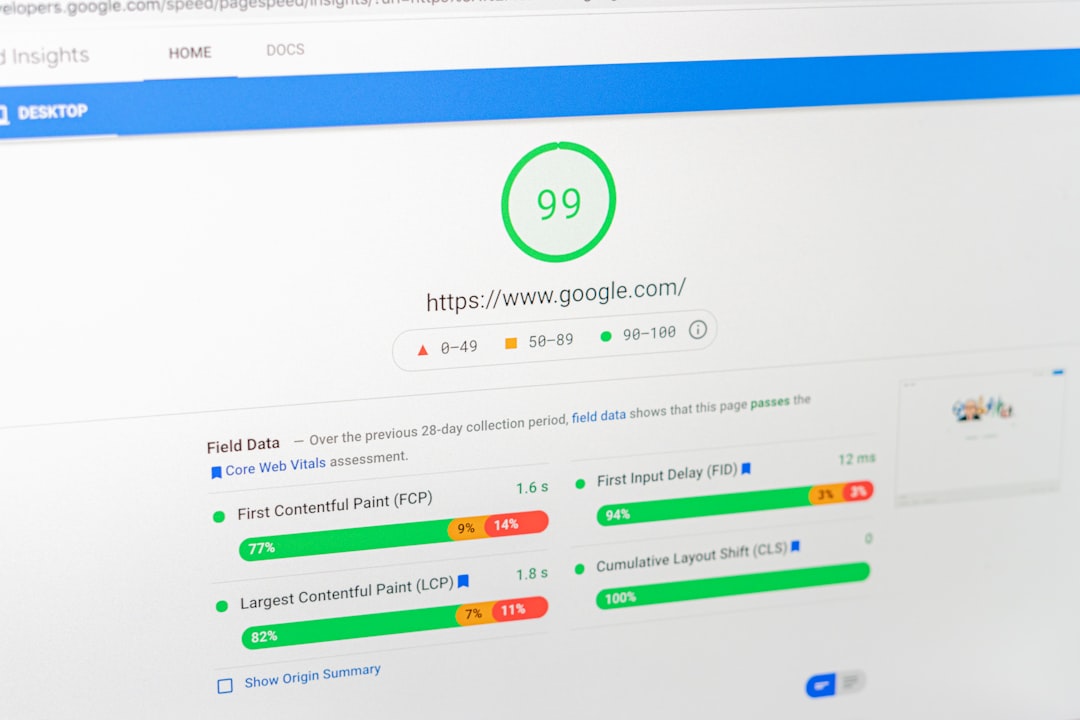
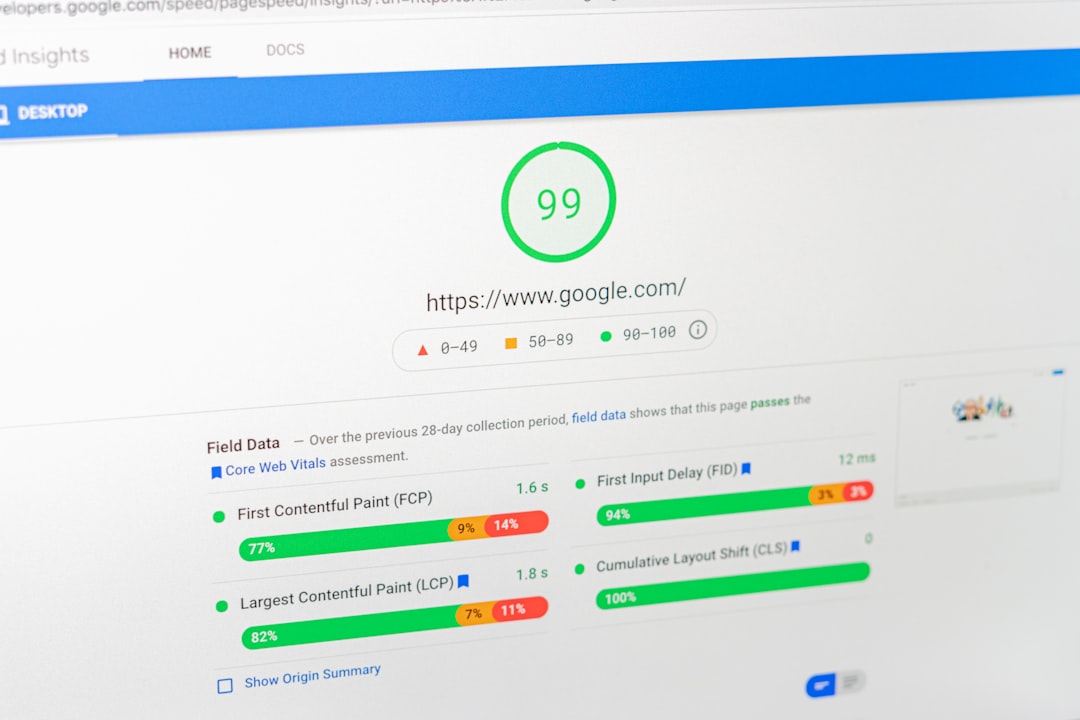
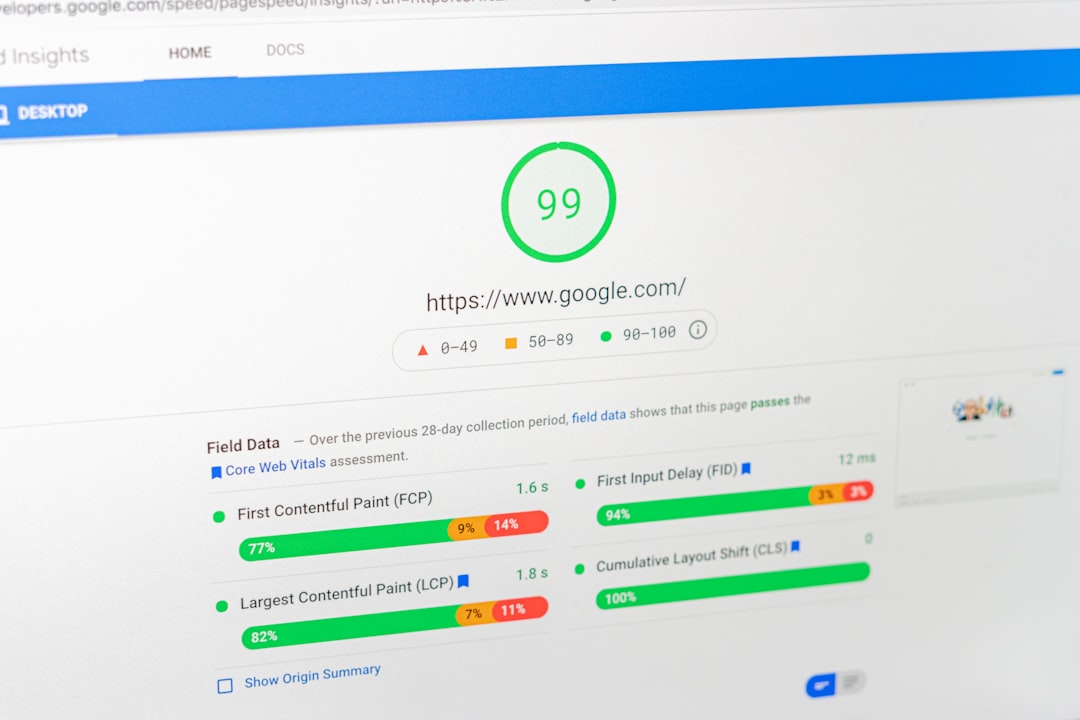
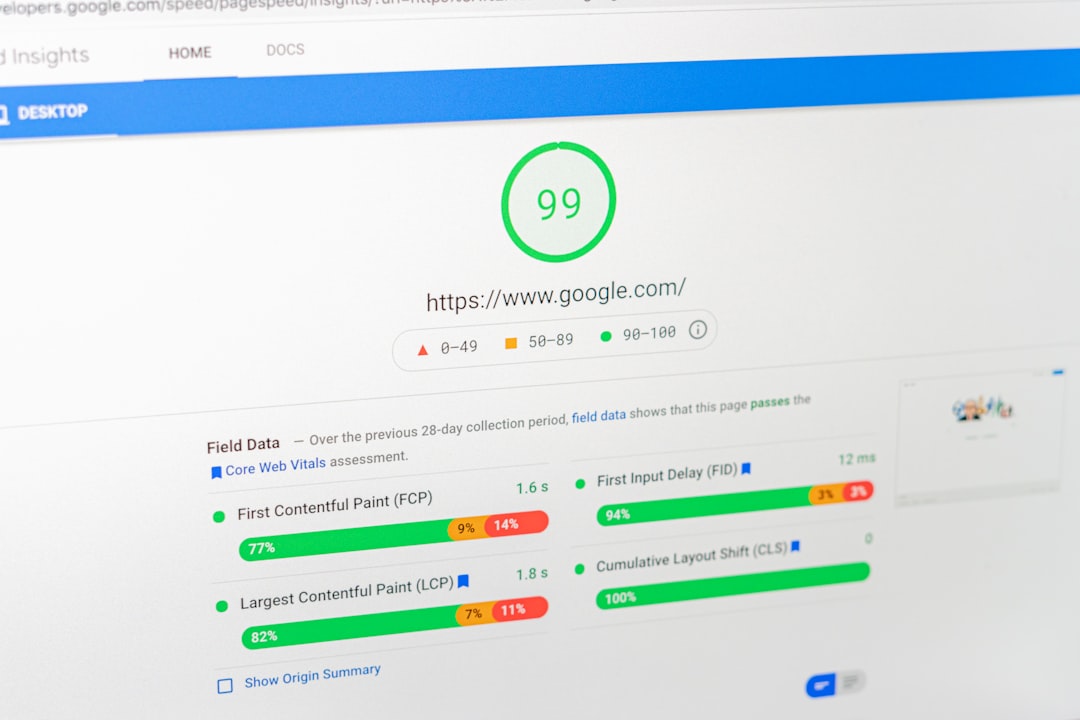
Speed audits should find bottlenecks, not create busywork. The goal is to identify the template, image, script, or hosting problem that hurts real pages, not to obsess over a perfect score that changes from run to run.
Check oversized images, unused plugins, aggressive third-party scripts, page builder bloat, and missing caching. Focus on the homepage, primary service templates, blog post templates, and key category pages. Template problems repeat across the site, so fixing one source often improves dozens of URLs at once.
If you are seeing traffic drops after a redesign or theme rebuild, WordPress SEO Expert can help. These cases often need technical diagnosis before any content changes are made.
Audit content quality and overlap
Content audits should tell you what to improve, what to merge, and what to leave alone. Publishing more posts is not a strategy if the site already has thin pages, overlapping topics, or posts that never fully answer the query.
Review pages by purpose. Service pages should explain the offer clearly. Blog posts should answer a specific question well. Category pages should help users browse and understand the topic. Flag anything outdated, duplicated, too shallow, or competing with a stronger page on the same subject.
Three weak posts on closely related topics usually perform worse than one strong page with better structure, better internal links, and a clearer intent match. That is why consolidation often produces better results than content expansion.
A practical WordPress SEO audit checklist
The best audit is not the biggest spreadsheet. It is the one that tells you what to fix first. Start with indexing blockers, then move to revenue pages, then improve structure, performance, and content depth.
| Audit area | What to review first | Why it matters |
|---|---|---|
| Indexing | Noindex tags, canonicals, sitemap coverage, blocked URLs | If pages cannot be indexed, later SEO work will not pay off |
| Technical setup | Redirects, HTTPS, broken links, duplicate URL paths | Technical errors weaken crawl efficiency and consolidate signals poorly |
| On-page SEO | Title tags, H1s, heading structure, search intent match | Pages need clear targeting to rank for the right terms |
| Internal linking | Orphan pages, anchor text, click depth, links to priority pages | Better linking improves discovery, relevance, and authority flow |
| Performance | Image weight, scripts, plugin bloat, caching, template speed | Template issues can affect large sections of the site at once |
| Content quality | Thin pages, overlap, outdated posts, missing subtopics | Improving weak or competing pages is often faster than starting from scratch |
How to prioritize fixes without getting stuck
Prioritization is what makes an audit useful. Fix the issues that block crawling or indexing first, then work on the pages closest to leads, sales, or qualified traffic. Leave cosmetic plugin warnings and low-value archives for later.
A simple order works well for most sites: sitewide blockers first, high-intent pages second, internal linking third, performance bottlenecks fourth, and lower-priority content cleanup last. This keeps the work practical and prevents teams from spending weeks polishing pages that were never strategic to begin with.
When a second set of eyes makes sense
If your site uses WooCommerce, relies heavily on a page builder, has gone through a migration, or has hundreds of indexed URLs, a second review can save time. Complex WordPress setups often hide issues that basic plugin checklists miss.
A useful audit should leave you with a clear action plan, not a pile of warnings. If you want help identifying what is actually holding your site back, request a free WordPress SEO audit from WordPress SEO Expert. We will review the technical setup, page targeting, internal links, and content priorities so you know what to fix first.
Need help now? Contact WordPress SEO Expert to schedule a consultation and get a practical roadmap instead of another generic SEO checklist.