
Ecommerce SEO usually stalls because the store structure is doing too much work badly at once. Product pages compete with categories, filters create thin duplicates, and metadata gets scattered across templates. A practical WordPress SEO strategy for ecommerce sites starts by deciding which pages should rank, which pages should help users filter, and which URLs should stay out of the index.
There is no single best ecommerce SEO setup for every store. A small WooCommerce catalog and a large store with layered filters do not need the same approach. What matters is a clean architecture, strong category pages, product pages that match buying intent, and technical controls that keep crawl waste from spreading. If you need help sorting out the priorities, WordPress SEO Expert can help you turn a messy store into a clearer search strategy.
What an ecommerce SEO strategy should include
A strong ecommerce SEO plan has five parts: category targeting, product page optimization, filter and URL control, internal linking, and technical monitoring. Most stores do not have one catastrophic issue. They have a stack of smaller problems that compound over time, which is why a store can have good products and still struggle to rank.
Start by assigning a clear role to each page type. Category pages target broader commercial searches. Product pages target specific purchase-intent terms. Supporting content answers comparison, sizing, care, shipping, or use-case questions that help buyers before they convert. This is the same page-purpose logic that applies to small business SEO generally, but ecommerce stores need tighter control over templates and duplicate URLs.
Fix category structure before adding more products

Category pages often carry more SEO weight than individual product pages because they target broader, higher-volume searches and can earn links over time. If your store taxonomy is bloated or inconsistent, adding more products usually makes the problem worse instead of better.
WooCommerce separates categories, tags, and attributes for different jobs. Categories are hierarchical and designed to group products into broad sections, while attributes help define variations and filtering across the catalog. That distinction matters because category pages are usually better candidates for indexable SEO targets, while many attribute and filter combinations are better treated as navigation aids unless they clearly deserve search visibility.
A simple test helps here. If a page represents a meaningful product group that shoppers would actually search for, it may deserve its own optimized page. If it exists mainly because someone clicked two filters, it usually should not become an index target. Stores that skip this step often end up with hundreds of weak archive URLs and only a few pages with real ranking potential.
What to prioritize first
| Area | What to check | Why it matters |
|---|---|---|
| Primary categories | Keep top-level categories broad, commercially relevant, and easy to reach from navigation | These pages often become your strongest non-homepage SEO assets |
| Subcategories | Create child categories only when product groups are distinct enough to deserve their own page | Prevents thin archive pages and keyword overlap |
| Attributes | Use global attributes consistently for size, color, material, brand, or other repeatable product data | Improves filtering, variation management, and template consistency |
| Tags | Use sparingly or not at all unless they support real user navigation | Tag bloat often creates thin pages with little SEO value |
Optimize product pages for one clear buying intent

Product pages should answer the last questions a buyer has before purchasing. That usually means the page needs more than a product name, a short description, and a price. Search engines and shoppers both respond better when the page clearly explains what the product is, who it is for, what makes it different, and what the buyer should expect next.
Google’s merchant listing documentation says pages eligible for merchant listing experiences should focus on a single product or multiple variants of the same product, and Google recommends adding Product markup to pages where a shopper can purchase the item. In practice, that means your product pages should be specific, complete, and technically consistent rather than treated as thin placeholders.
Weak title: Running Shoes | Shop Online
Stronger title: Men’s Trail Running Shoes for Rocky Terrain
That stronger version is not better because it repeats more keywords. It is better because it signals product type, audience, and use case. The same principle applies to headings, body copy, image alt text, and product specs.
Product page elements worth checking
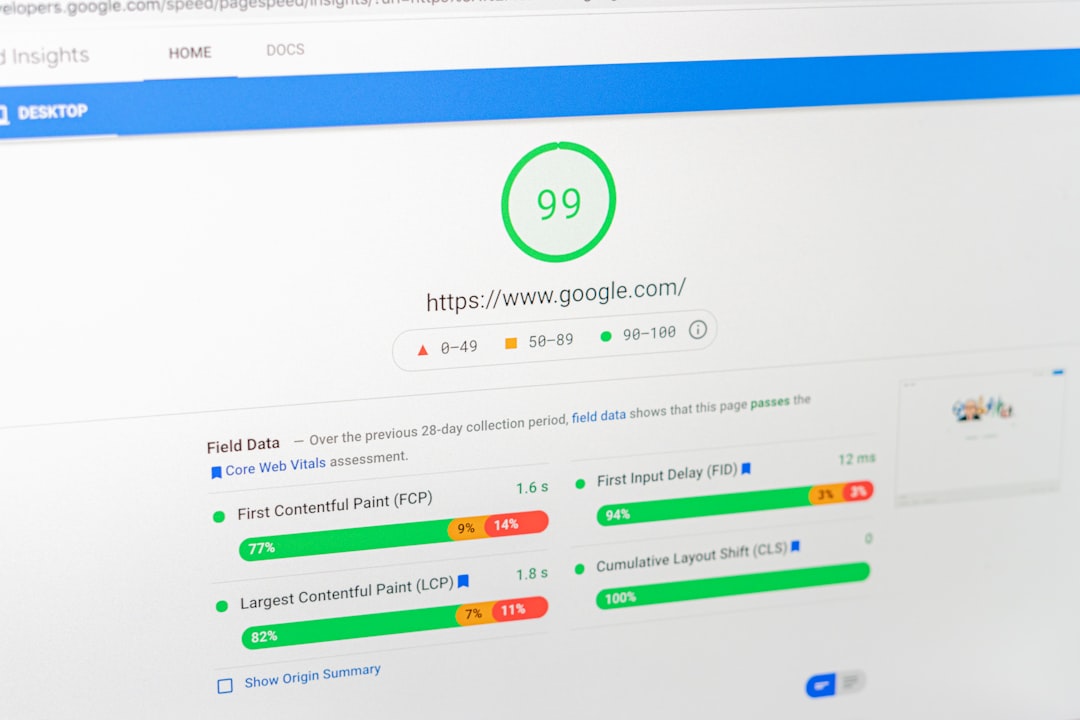
Review each priority product template for a unique title tag, one clear H1, original description copy, readable specifications, strong images, and variant handling that does not create unnecessary duplication. If your store also struggles with slow templates and plugin overload, review a dedicated guide on how to improve WordPress site speed for SEO before pushing more pages live.
Control filters, faceted URLs, and duplicate pages
This is where many WooCommerce stores lose focus. Filters help users narrow choices, but they can also generate large numbers of near-duplicate URLs through parameters, attributes, and archive combinations. If you let all of those URLs compete for indexation, crawl budget and internal authority get diluted fast.
WooCommerce documentation notes that attributes can be used for filtering and variable products, and product filter tools can expose category, attribute, taxonomy, and tag combinations. That is useful for shoppers, but not every filter state should become an SEO landing page. A good rule is to keep only the combinations with clear search demand and strong unique value as indexable targets. Everything else should function as navigation, not as standalone search assets.
Most ecommerce sites need a written indexing policy. Decide which category pages can rank, whether brand or attribute archives deserve indexing, how pagination should behave, and which filtered URLs should be noindexed, canonicalized, or blocked from internal crawl paths. Without that policy, stores tend to drift into duplication one plugin setting at a time.
Use structured data where it actually helps

Structured data helps Google understand ecommerce pages more clearly, but it works best when the underlying page is already strong. Google’s ecommerce documentation recommends including structured data relevant to ecommerce, and its merchant listing documentation explains that Product and Offer markup can make product pages eligible for merchant listing experiences in search.
For most stores, the practical priority order is simple: make sure core product pages have accurate product data, make sure visible on-page details match the markup, and test outputs after theme or plugin changes. Do not chase every schema type if the basics are wrong. A product page with inconsistent price, availability, or variant data creates more confusion than benefit.
Build internal links that reinforce category authority
Ecommerce stores often rely too heavily on navigation and forget contextual internal links. Menus are important, but they are not enough. Category copy, buying guides, FAQs, and related product modules should all help point users and search engines toward your most important money pages.
This is especially useful for competitive categories that need more internal support. A short buying guide can link to a core category. A category page can link down to key subcategories. Product pages can point to related collections, compatibility information, or care guides. The goal is not to force links everywhere. The goal is to make the store easier to understand and easier to crawl.
If you are experiencing these issues, our team at WordPress SEO Expert can help. We review site structure, indexation rules, category strategy, and page-level optimization so you can stop guessing which problem matters most.
A simple ecommerce SEO roadmap
The easiest way to make progress is to work in sequence. Fixing filters before taxonomy, or rewriting product copy before resolving duplication, usually creates more rework. A short roadmap keeps the team focused on the few changes most likely to improve visibility first.
| Priority | What to do |
|---|---|
| Month 1 | Audit categories, subcategories, attributes, and indexed archives. Identify duplicate and low-value URLs. |
| Month 2 | Rewrite top category and product pages, improve titles and internal links, and clean up template metadata. |
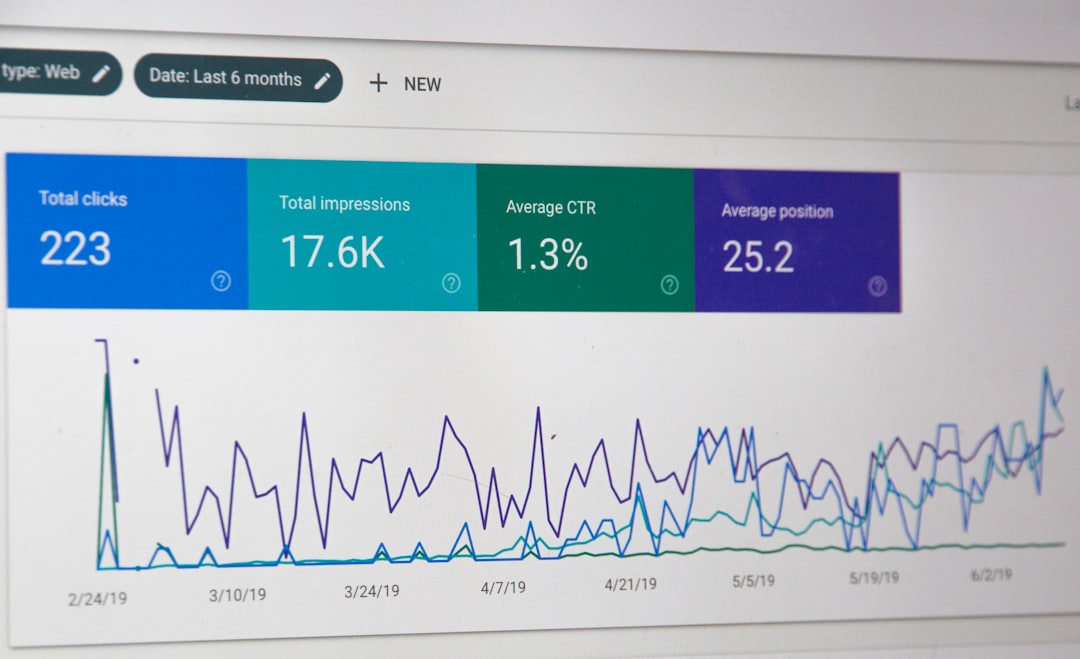
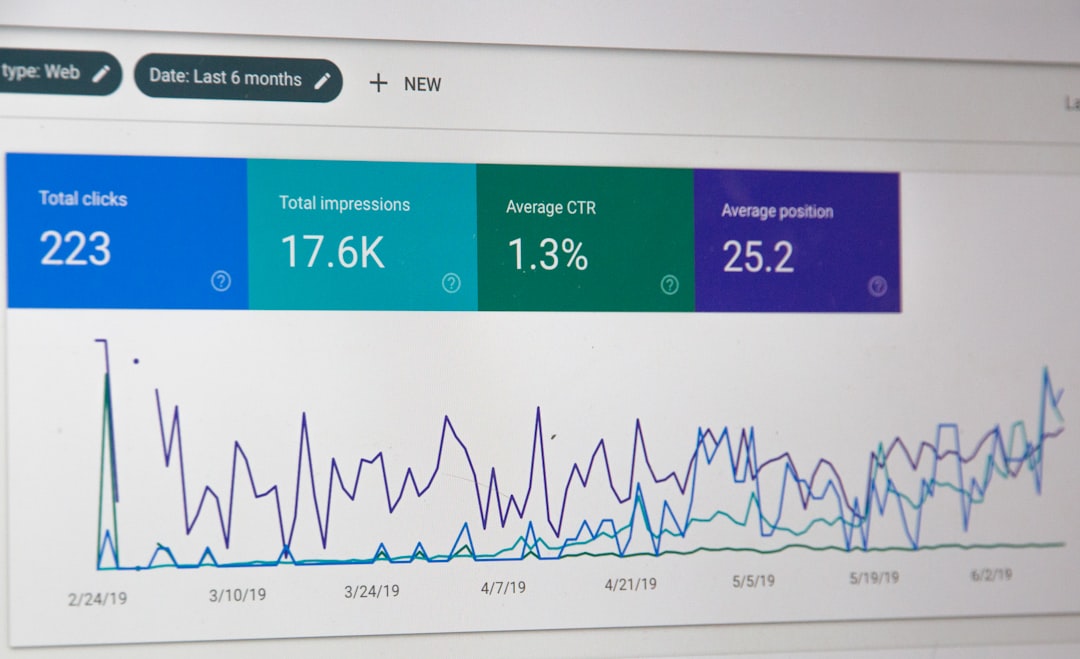
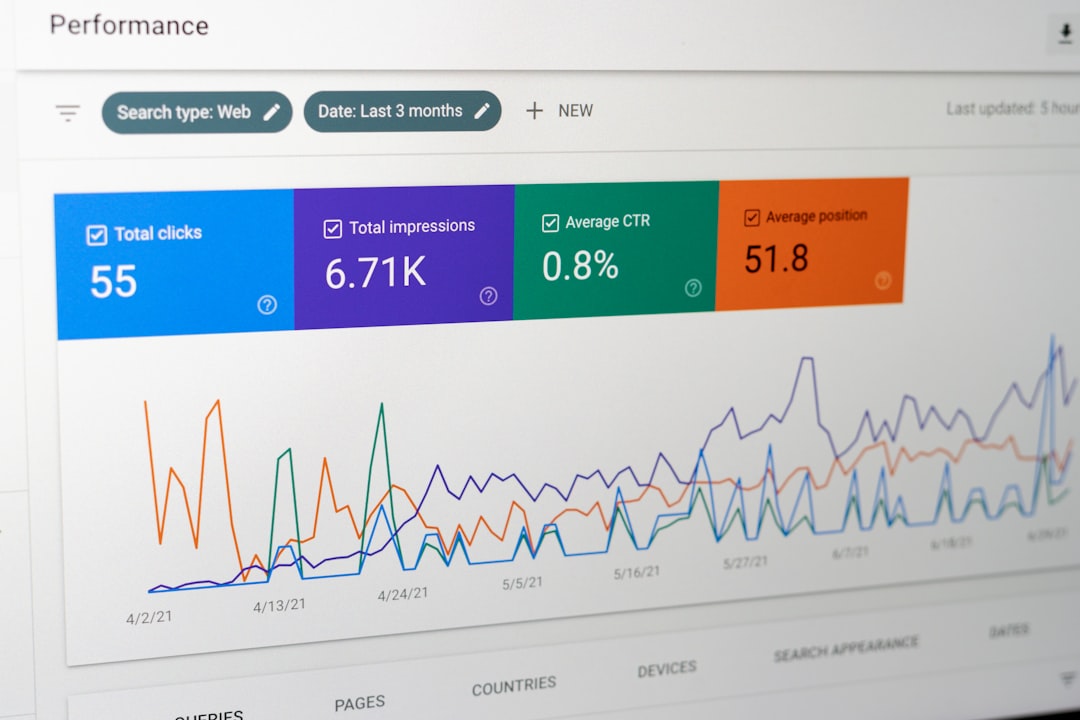
| Month 3 | Refine filter indexation rules, strengthen supporting content, and review performance in Google Search Console. |
Final takeaway
A WordPress SEO strategy for ecommerce sites works best when it is selective. Not every URL should rank. Not every filter should be indexed. Not every product page deserves the same level of effort. The stores that grow steadily in search usually have a cleaner page hierarchy, stronger category targets, and tighter technical control than their competitors.
If you want a second set of eyes before changing templates or plugin settings, contact WordPress SEO Expert today to schedule a consultation. We can help you find the real bottlenecks before you spend months publishing into a structure that is working against you.