Strong WordPress SEO services usually start with restraint, not more tools. Small businesses often have the right intent but the wrong sequence: too many plugins, unclear page targeting, thin internal links, and technical issues that quietly suppress visibility before content improvements ever get a fair chance.
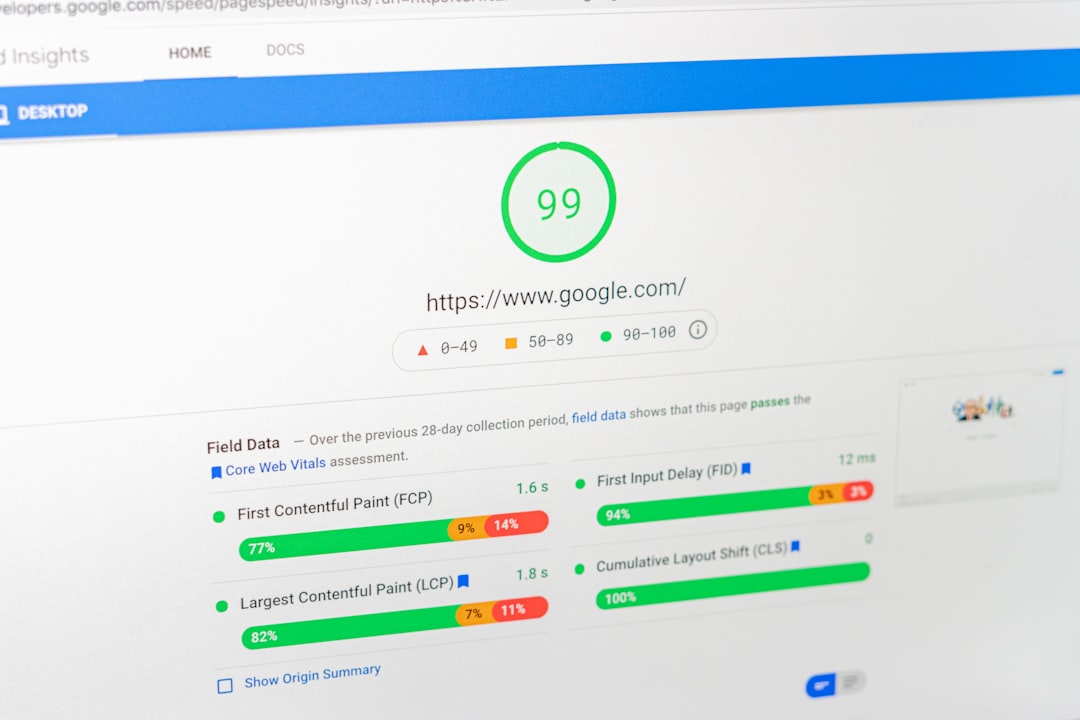
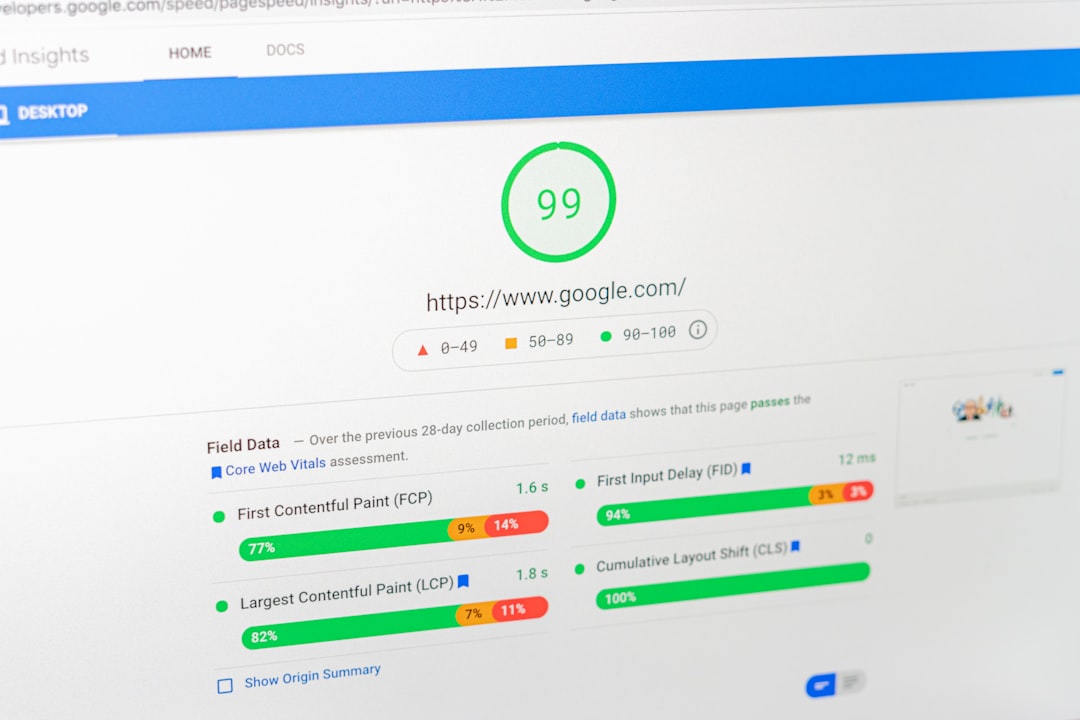
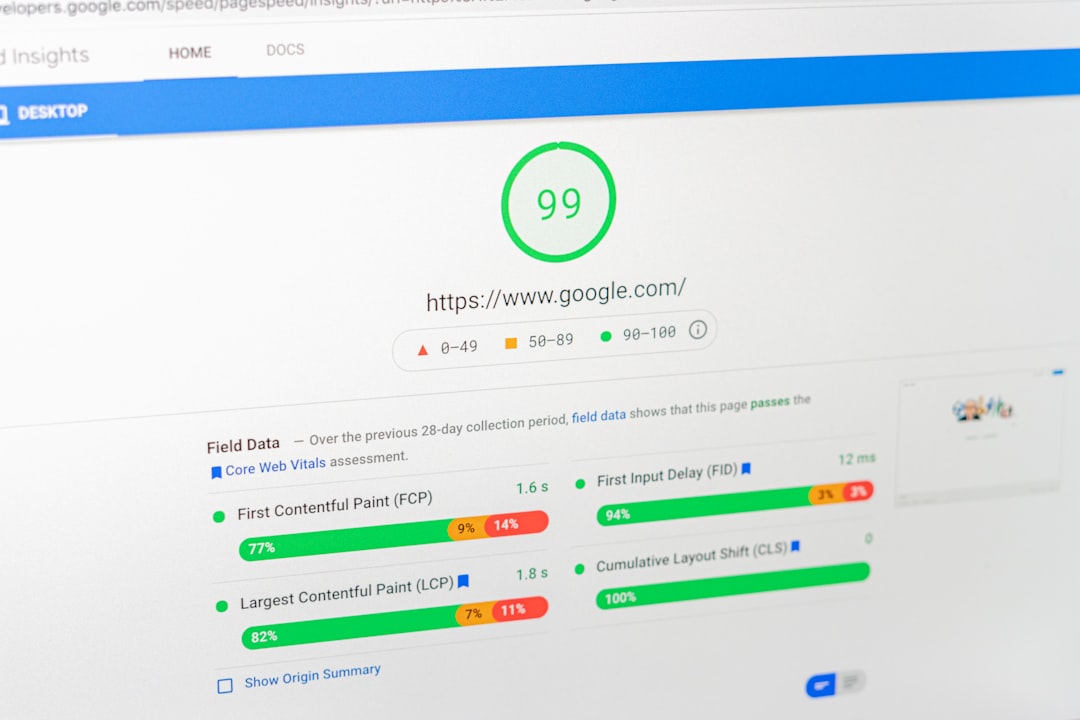
That is why a practical strategy matters more than a longer checklist. A green light in an SEO plugin does not mean the page deserves to rank. What helps is a focused plan that fixes crawl and indexing issues first, sharpens core service pages next, and then builds supporting content and links around the pages that actually drive leads.
What small business SEO services should focus on first
The first job is to remove the obstacles that make Google hesitate. For most small business WordPress sites, that means checking whether important pages are indexable, whether titles are specific, whether archive clutter is under control, and whether one clean plugin setup is handling metadata, canonicals, and sitemaps consistently.
Google recommends descriptive, concise title text and warns against keyword stuffing and repetitive boilerplate in title elements. It also recommends unique page descriptions and crawlable HTML links with descriptive anchor text. Those basics sound simple, but they are exactly where many small business sites drift off course during redesigns, DIY plugin changes, or rushed content publishing. Title guidance from Google, meta description guidance, and link best practices all point in the same direction.
If your current setup feels scattered, this breakdown of WordPress SEO setup problems is a useful companion because it shows what to fix before you spend time rewriting pages that are already being held back by configuration issues.
Build the strategy around business pages, not blog volume
Small businesses rarely need more pages everywhere. They need stronger pages in the right places. A sound strategy starts with the homepage, primary service pages, key location or category pages when they are genuinely distinct, and then a smaller set of supporting articles that answer real buyer questions and feed authority into those core pages.
This is where WordPress SEO services should feel diagnostic rather than generic. We look at whether each important page targets one clear intent, whether the title and heading match that intent, and whether internal links reinforce the path from informational content to conversion-focused pages. Most site owners do not have one catastrophic problem. They have a stack of smaller issues that compound over time.
For site owners doing some of the work themselves, our practical WordPress SEO guide for DIY site owners helps frame the difference between scattered effort and a layered strategy.
What a practical service strategy usually includes
The right service mix is usually narrower than business owners expect. Most small business WordPress sites benefit from a technical review, on-page cleanup for core pages, internal linking improvements, and a realistic content plan tied to demand. They do not need every SEO feature turned on or a publishing calendar full of near-duplicate posts.
| Priority area | Why it matters |
|---|---|
| Indexing and crawl review | Important pages cannot rank if search engines cannot reach or interpret them correctly. |
| Title and metadata cleanup | Improves relevance signals and helps searchers understand what each page offers. |
| Internal linking | Strengthens discovery, context, and the relationship between blog content and service pages. |
| Archive and duplication control | Reduces wasted crawl attention on thin or overlapping URLs. |
| Content strategy | Keeps new pages aligned with real business goals instead of publishing for volume alone. |
If you are experiencing these symptoms, our team at WordPress SEO Expert can help. A good engagement should leave you with a clearer order of operations, not just a longer to-do list.
How to evaluate WordPress SEO services honestly
The best provider is usually the one willing to simplify your setup. If an SEO service immediately recommends more plugins, more dashboards, and more content before reviewing indexing, site structure, and page targeting, that is usually a sign you are being sold activity instead of clarity.
Look for a process that prioritizes diagnosis. That means reviewing page types, title patterns, duplicate risks, and internal links before making grand promises. One well-configured SEO plugin is enough for most WordPress sites. Running overlapping plugins often creates duplicate metadata, conflicting canonicals, and competing sitemap outputs that make real progress harder, not easier.
Schema is a good example of where restraint matters. Google’s structured data policies say markup should match visible page content and should not be misleading. In practice, that means using structured data to clarify what is already on the page, not treating it like a shortcut around weak content or a weak site structure. Google’s structured data guidelines are clear on that point.
A better title strategy for service pages
Service page titles should describe the offer clearly and concisely. Small business sites often waste that space with generic branding or stacked keywords. Clearer titles improve both topical focus and the chance of earning the right click from a searcher who is already comparing options.
| Weak title | Stronger title |
|---|---|
| SEO Services | SEO Company | SEO Expert | WordPress SEO Services for Small Businesses |
| Home | WordPress SEO Help for Small Business Websites |
| SEO Audit | WordPress SEO Audit for Small Business Sites |
Google says good titles should be unique to the page, clear, concise, and accurate. That does not mean chasing formulas. It means using the title field to tell both search engines and searchers exactly what the page is about in plain language.
When small businesses should bring in professional help
Professional help makes sense when rankings are flat despite consistent effort, when a redesign caused traffic loss, when WooCommerce or archive settings are creating crawl clutter, or when no one on the team can confidently say which pages matter most and why. The problem is often prioritization, not effort.
That is where WordPress SEO Expert fits best. We help small businesses separate technical blockers from content problems, simplify plugin sprawl, and build a WordPress SEO strategy around the pages that support revenue. Book a free SEO consultation. No pitch, no pressure. Just an honest look at what your site actually needs and whether your current setup is part of the solution or part of the problem.
The goal is clarity, not SEO theater
Good WordPress SEO services for small businesses should make the site easier to understand, easier to crawl, and easier to trust. You do not need a perfect plugin score or a bloated tool stack. You need a site that sends consistent signals about which pages matter, what they solve, and why a visitor should choose you.
Contact WordPress SEO Expert today to schedule a consultation if you want a practical strategy built around real priorities instead of scattered SEO tasks.