
Small business SEO usually stalls because the work is scattered, not because you picked the wrong plugin. The sites that gain traction tend to have a clear service-page strategy, clean technical settings, and internal links that support the pages that actually drive leads.
That is why WordPress SEO services should start with diagnosis before tactics. A green light in an SEO plugin does not mean the page deserves to rank. What matters is whether your site sends clear signals about which pages matter most, what each page is trying to rank for, and how easy it is for search engines to crawl and understand them.
WordPress SEO Expert helps small businesses sort out that sequence. If your rankings are flat and you are not sure whether the real issue is indexing, weak page targeting, duplication, or plugin clutter, the right strategy is to fix the blockers first and the polish second.
What should a small business SEO strategy include?
A practical small business SEO strategy should cover five things first: page targeting, site structure, technical cleanup, internal linking, and conversion-focused page improvements. If one of those layers is weak, publishing more content usually adds noise instead of momentum.
For most WordPress sites, the goal is not to create dozens of lightly different pages. The goal is to make sure each important page has one clear job. Your homepage targets your broadest commercial intent. Service pages target specific buyer searches. Blog posts support those service pages and answer related questions. If you need a wider foundation first, review this practical WordPress SEO guide for DIY site owners.
Google’s own guidance reinforces this approach. It recommends descriptive titles and unique meta descriptions, emphasizes crawlable HTML links with useful anchor text, and states that structured data should match visible page content rather than act as a shortcut around weak pages. Small businesses benefit most when these basics are handled consistently instead of chasing every feature in the dashboard.
How should small businesses prioritize WordPress SEO services?
Start with the issues that block visibility before the issues that polish visibility. That means fixing indexing, duplicate signals, and weak targeting before spending time on advanced schema, extra plugins, or cosmetic score improvements.
This order matters because most sites do not have one dramatic SEO failure. They have several smaller issues working together: thin archive pages, title templates that repeat the same wording, service pages that overlap, and blog posts that never link back to the pages that make money. The result is a site that looks busy in WordPress but sends weak signals in search.
| Priority | What to fix | Why it comes first |
|---|---|---|
| 1 | Indexing and crawl access | Pages cannot rank if search engines cannot reach or index them properly. |
| 2 | Plugin and metadata conflicts | Overlapping SEO settings can create duplicate titles, canonicals, and sitemap signals. |
| 3 | Core service page targeting | Important pages need a clear keyword focus and distinct search intent. |
| 4 | Internal linking | Links help search engines discover pages and understand hierarchy. |
| 5 | Snippet and schema cleanup | These support visibility after the core signals are stable. |
If your setup already feels messy, this guide on fixing WordPress SEO setup problems explains the cleanup process in a practical order.
Which pages matter most for small business SEO?
The pages that matter most are the ones closest to revenue: your homepage, primary service pages, location pages if they are truly distinct, and a small set of supporting content that answers pre-sale questions. Many small businesses underinvest in these pages and overinvest in random blog topics.
A better approach is to build around commercial intent first. If you offer WordPress SEO services, your key service page should explain who the service is for, what problems it solves, and how the process works. Supporting content can then answer related questions like SEO setup issues, plugin conflicts, content structure, or technical cleanup after a redesign.
This is also where title and heading quality matters. Google recommends descriptive page titles, and unique titles help it understand how pages are relevant to users. Weak titles blur the difference between pages. Stronger titles clarify the offer and match the searcher’s goal.
| Weak title | Stronger title |
|---|---|
| SEO Services | SEO Company | SEO Expert | WordPress SEO Services for Small Businesses |
| Services | Technical WordPress SEO Help for Small Business Sites |
| Blog | How Small Businesses Should Prioritize WordPress SEO |
What role do internal links play in SEO services?
Internal links are one of the simplest ways to strengthen a small business site, especially when important pages are isolated. Google says links should be crawlable and use descriptive anchor text, which makes internal linking more than a navigation detail. It is part of how search engines understand page relationships.
On many WordPress sites, service pages only get links from the main menu. That is not enough. Blog posts, guides, FAQs, and category pages should point to the service pages they support. Service pages should also link back to the most useful educational content so visitors can move naturally from question to solution.
If you are experiencing these symptoms, our team at WordPress SEO Expert can help. A focused review often shows whether your real problem is weak internal linking, overlapping pages, or technical settings that keep your best pages from getting full value.
Do small businesses need multiple SEO plugins?
No. One well-configured SEO plugin is enough for most small business WordPress sites. Running overlapping plugins often creates duplicate metadata, conflicting canonicals, and competing sitemap outputs that make diagnosis harder, not easier.
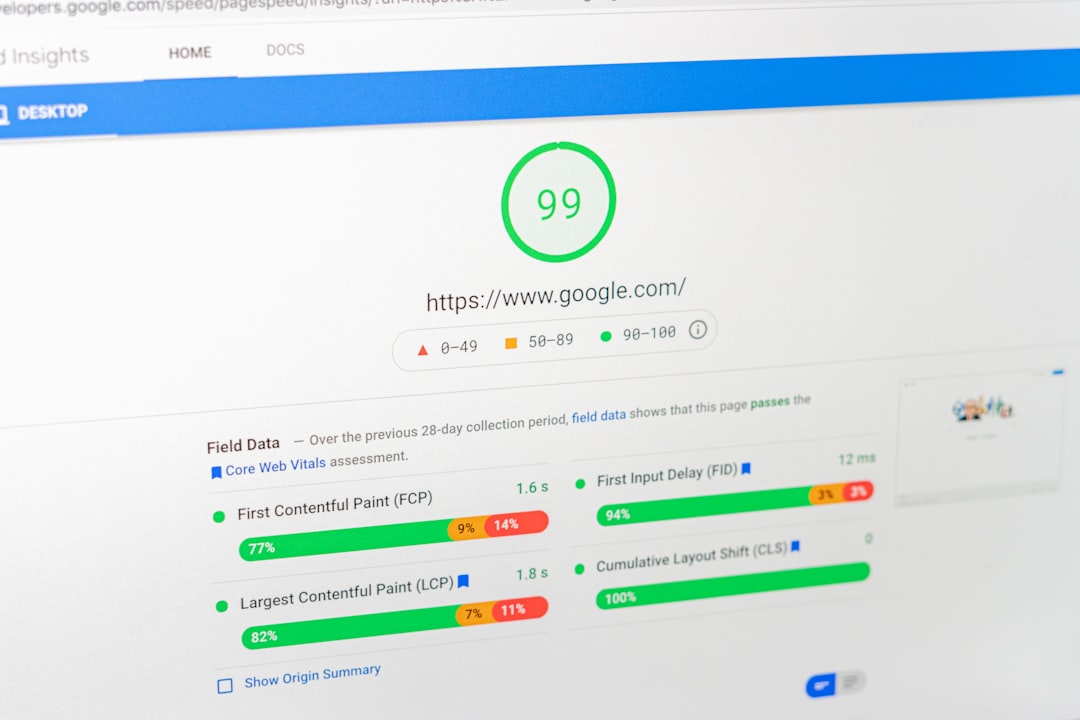
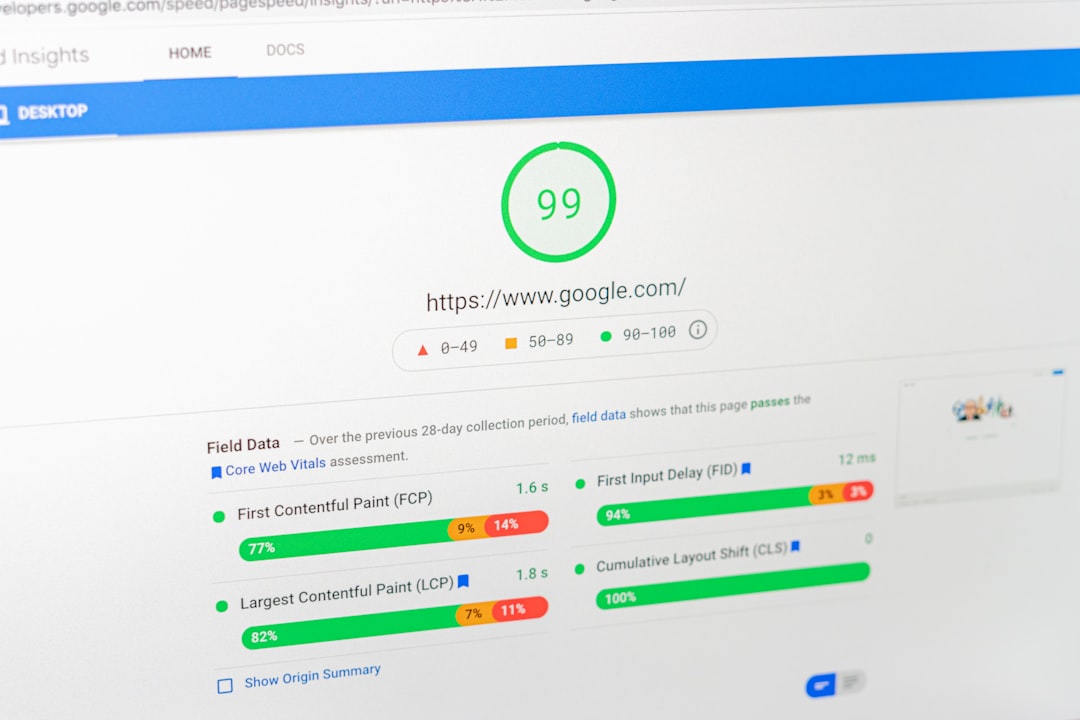
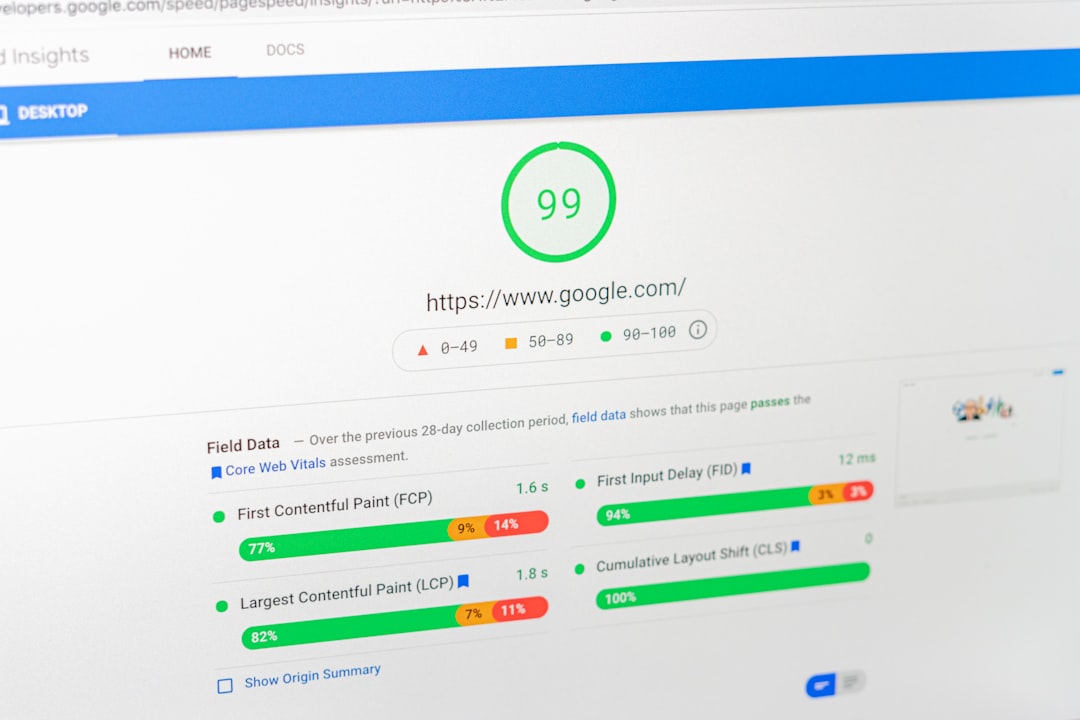
This is one of the most common reasons a site feels optimized in the dashboard but inconsistent in search. Plugin scores can be useful for catching basics, but they are not strategy. You do not need a perfect score. The goal is a site that loads cleanly, is easy to use, and sends consistent signals about which pages matter most.
Structured data deserves the same restraint. Google’s structured data policies say markup should represent the main visible content of the page and should not be misleading. For most small business sites, simple, accurate schema is better than turning on every available module.
What does a realistic SEO service plan look like?
A realistic plan is focused, sequential, and tied to business pages. It should begin with an audit, move into technical and on-page fixes, then expand into content and authority building only after the foundation is stable.
In practice, that often means reviewing indexing status, simplifying plugin output, tightening titles and headings on revenue pages, improving internal links, and mapping a smaller content plan around actual customer questions. That is less exciting than adding new tools, but it is usually what moves a small business site forward.
WordPress SEO services work best when they reduce complexity instead of adding to it. If your site has flat rankings, plugin clutter, or service pages that do not clearly target the terms your buyers use, WordPress SEO Expert can help you sort out what to fix first.
When should a small business get professional help?
Professional help makes sense when the site has already had effort put into it but performance is still flat. That usually means the issue is prioritization, technical conflict, or weak page targeting rather than lack of effort.
Book a free SEO consultation with WordPress SEO Expert. No pitch, no pressure. Just an honest look at what your site actually needs and whether your current setup is part of the solution or part of the problem.
Contact WordPress SEO Expert today to schedule a consultation if you want a clearer WordPress SEO strategy for your small business and a practical plan built around the pages that matter most.