Paying for WordPress SEO services in 2026 should buy clarity, not more clutter. Many businesses already have content, plugins, and reports. What they are missing is a prioritized plan that fixes crawl issues, weak targeting, and internal link gaps before anyone talks about advanced tactics.
That is why the best WordPress SEO services start with diagnosis. WordPress SEO Expert reviews what is blocking visibility first, then builds a practical roadmap around the pages that matter most. A green light in an SEO plugin does not mean the page deserves to rank, and a longer task list does not mean the strategy is better.
What good WordPress SEO services should include
The right service should focus on the work that changes search performance, not on filler deliverables. In practice, that means technical cleanup, better page targeting, stronger internal links, and a content plan that supports your commercial pages instead of competing with them.
A useful engagement usually includes a technical audit, title and metadata review, content mapping, internal linking improvements, archive and indexation decisions, and clear reporting from Google Search Console. If you need a baseline before comparing providers, our practical WordPress SEO guide for DIY site owners explains the layers in the order they should be handled.
Best practices for WordPress SEO services in 2026
The best practices for 2026 are not flashy. They are about cleaner signals, better prioritization, and fewer avoidable conflicts inside WordPress. Google recommends descriptive, concise title text, unique page descriptions, crawlable HTML links, and structured data that matches visible page content, which makes service quality easier to judge if you know what to look for.
1. Start with indexing before content production
If important pages are not being crawled or indexed correctly, publishing more content will not solve the real problem. Good providers check crawlability, sitemap health, noindex settings, canonicals, redirects, and thin archive behavior before recommending new articles or landing pages.
This is especially important after redesigns, migrations, and plugin changes. If your current setup feels messy, our guide on how to fix WordPress SEO setup problems shows the order of operations that usually matters most.
2. Use one SEO plugin, not several
One well-configured SEO plugin is enough for most WordPress sites. Running overlapping plugins often creates duplicate metadata, competing sitemap outputs, and conflicting canonicals that make diagnosis harder and dilute trust in the setup.
In a service context, this means you should be wary of any provider that solves every problem by adding another extension. Fewer tools, configured well, usually produce cleaner results than a stack of half-used features.
3. Judge title work by clarity, not keyword stuffing
Title optimization still matters, but the standard is usefulness, not repetition. Google advises descriptive, concise titles and warns against keyword stuffing and repetitive boilerplate, so strong SEO services should rewrite titles around search intent instead of cramming variations into every field.
| Weak title | Stronger title |
|---|---|
| SEO Services | SEO Company | SEO Expert | WordPress SEO Services for Small Businesses |
| Blog | WordPress SEO Tips for Service Businesses |
| Home | WordPress SEO Consultant for Growing Sites |
4. Treat meta descriptions as click support
Meta descriptions do not replace weak rankings, but they can improve how a result is presented. Google notes that it may use the meta description when it better summarizes the page, so a provider should write specific descriptions for key service and product pages rather than recycling one template everywhere.
5. Build internal links that reinforce money pages
Internal links are one of the clearest levers a WordPress SEO service can improve quickly. Google recommends crawlable HTML anchor links with descriptive anchor text, which means blog posts, guides, and category pages should actively support the pages that drive leads or sales.
A good provider does not leave important pages floating on their own. They create topical paths so supporting posts lead readers and search engines toward your service pages naturally.
If you are experiencing these symptoms, our team at WordPress SEO Expert can help. We look for the places where weak internal linking, duplication, or unclear targeting is suppressing pages that should already be doing more for the business.
6. Keep schema accurate and limited
Schema should clarify visible content, not decorate thin pages. Google’s structured data guidelines say markup should represent the main page content and should not be misleading, so strong SEO services only add the types that fit the page.
For many WordPress sites, that means keeping things simple: organization or business markup, article markup where appropriate, and breadcrumbs. More markup is not automatically better markup.
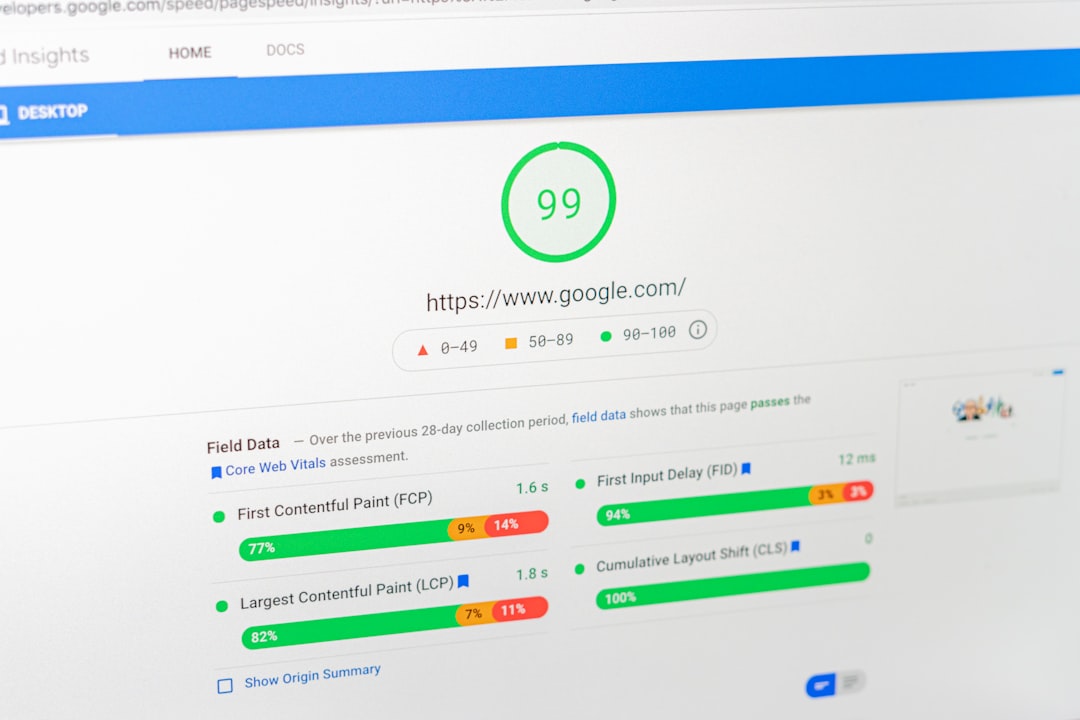
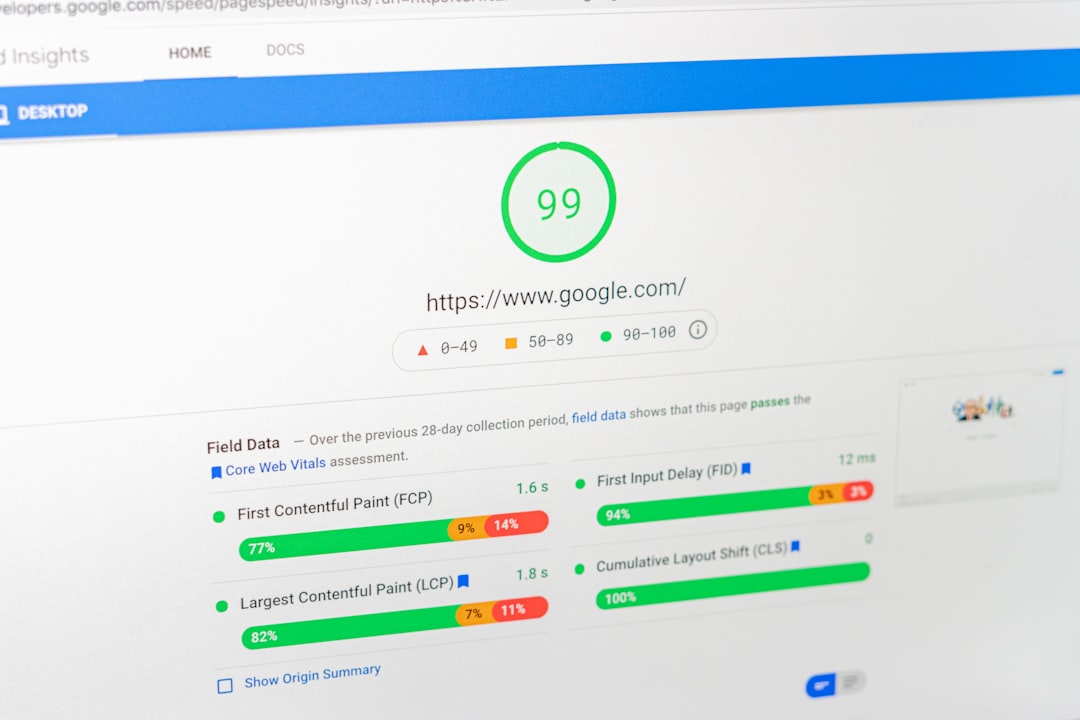
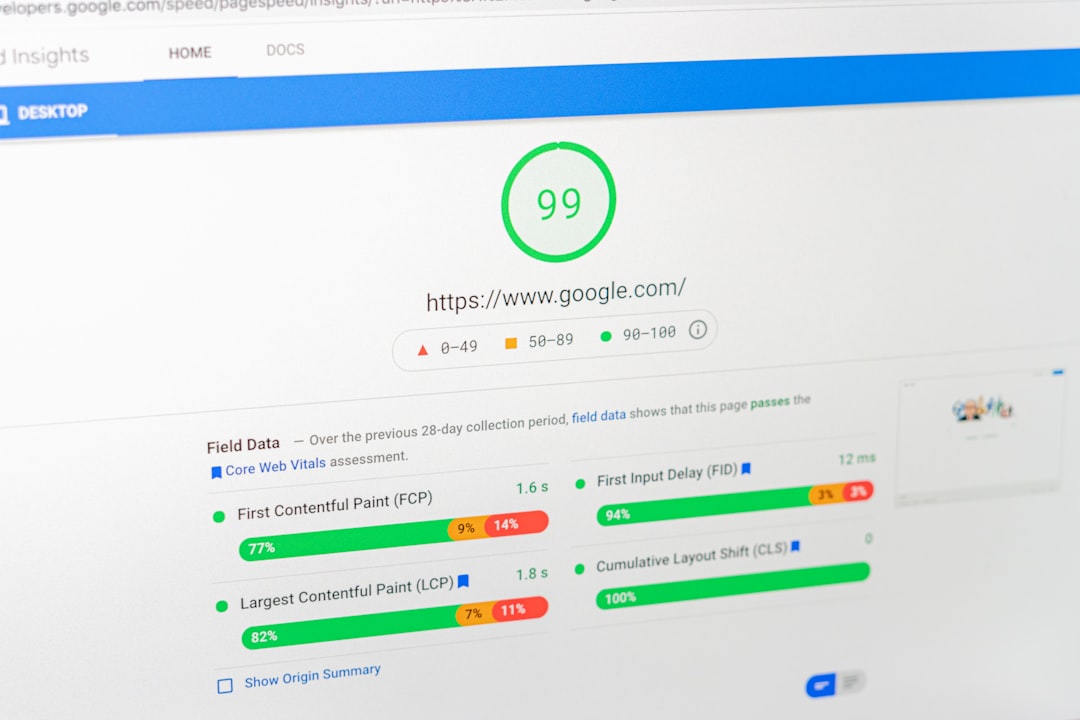
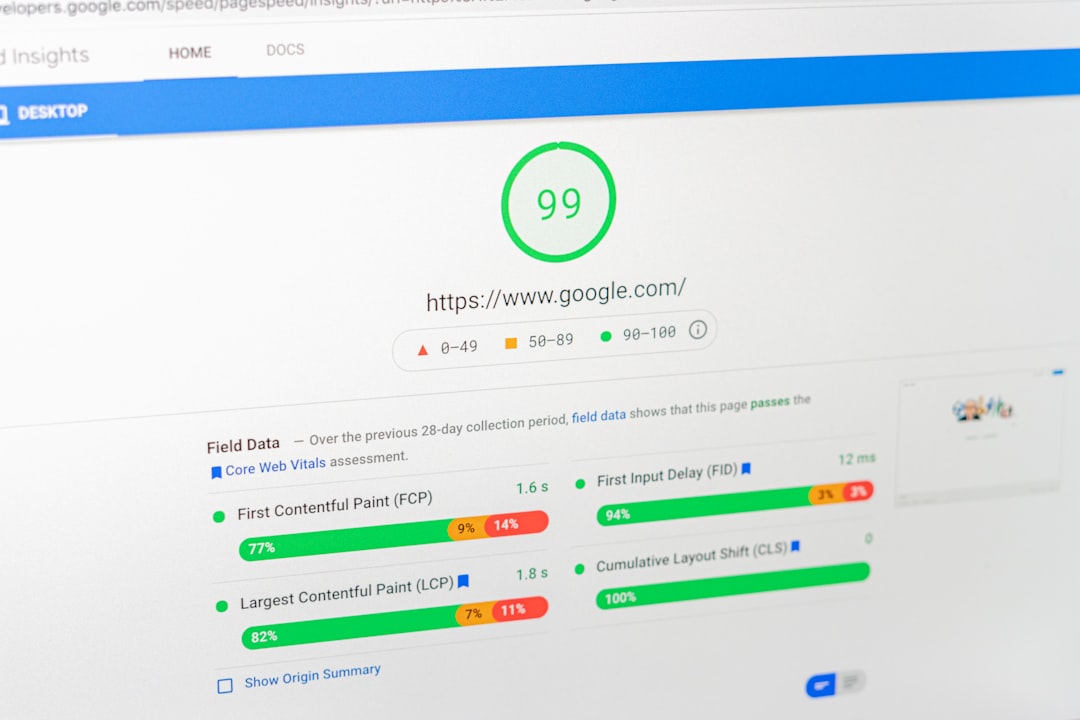
7. Measure success with Search Console, not plugin scores
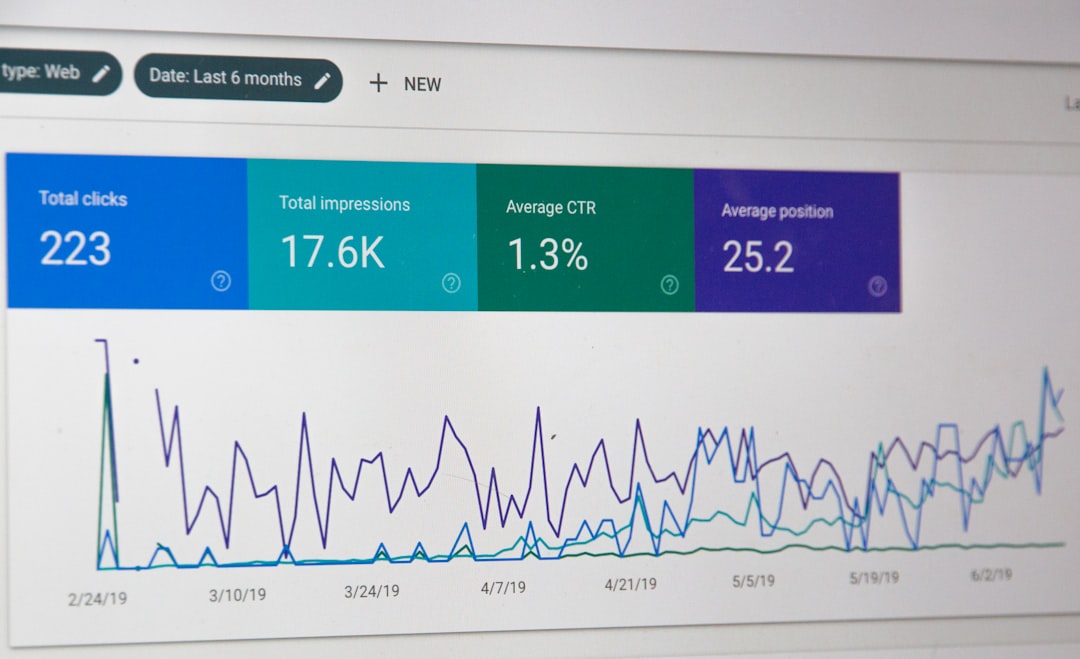
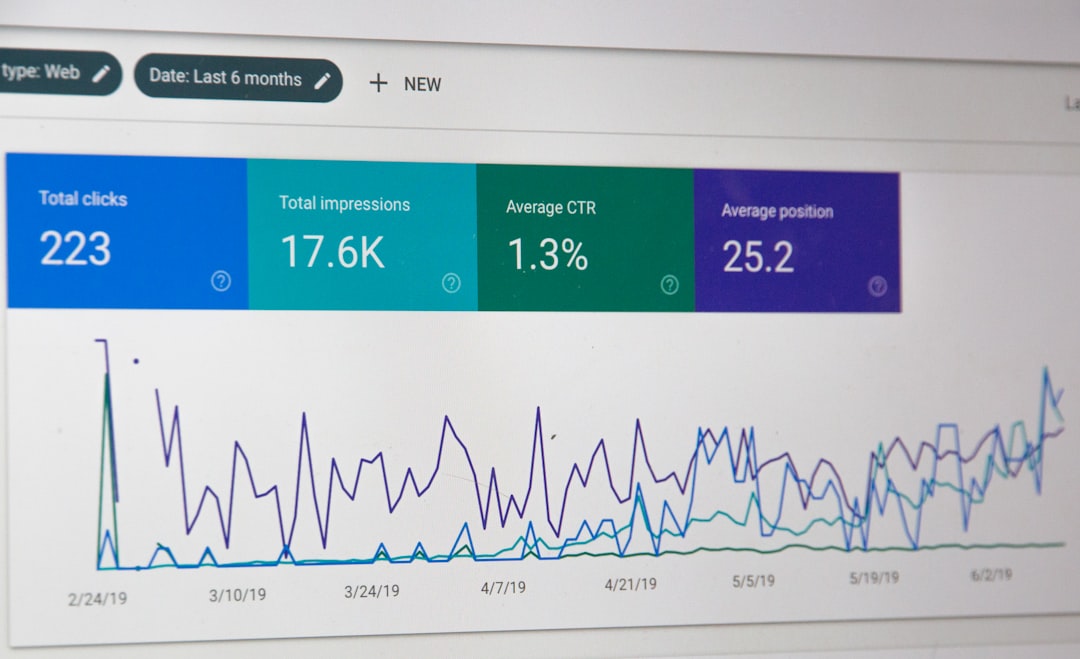
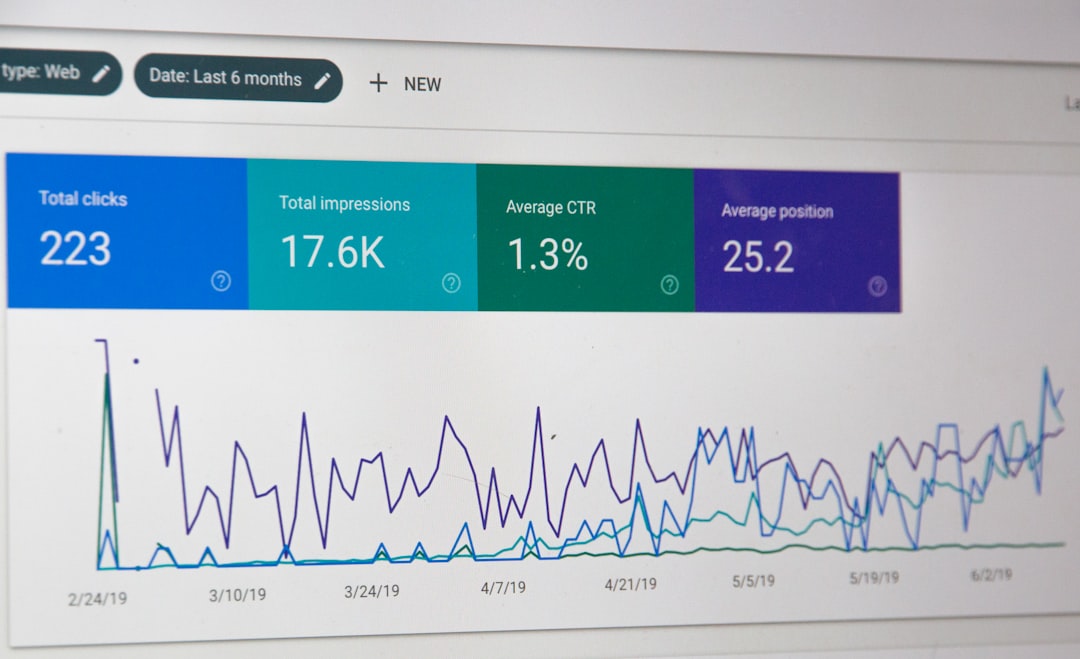
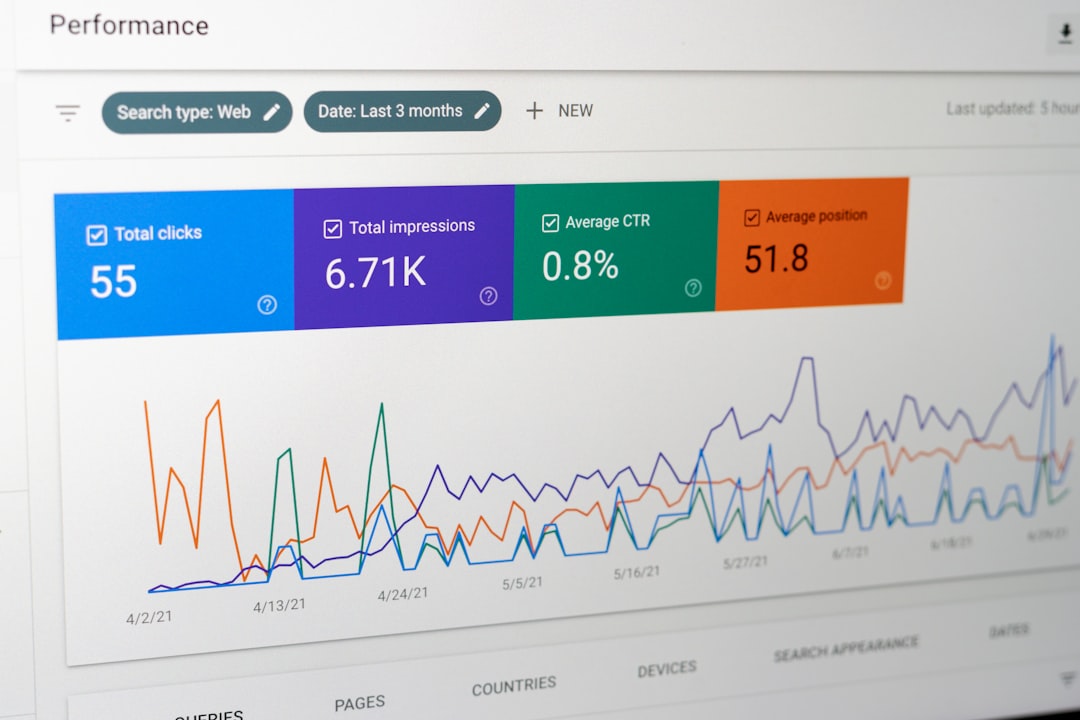
The real benchmark is whether impressions, clicks, indexing health, and page-level visibility are improving. Good WordPress SEO services use Search Console and page reviews to guide decisions, not editor checklists that reward formulaic copy.
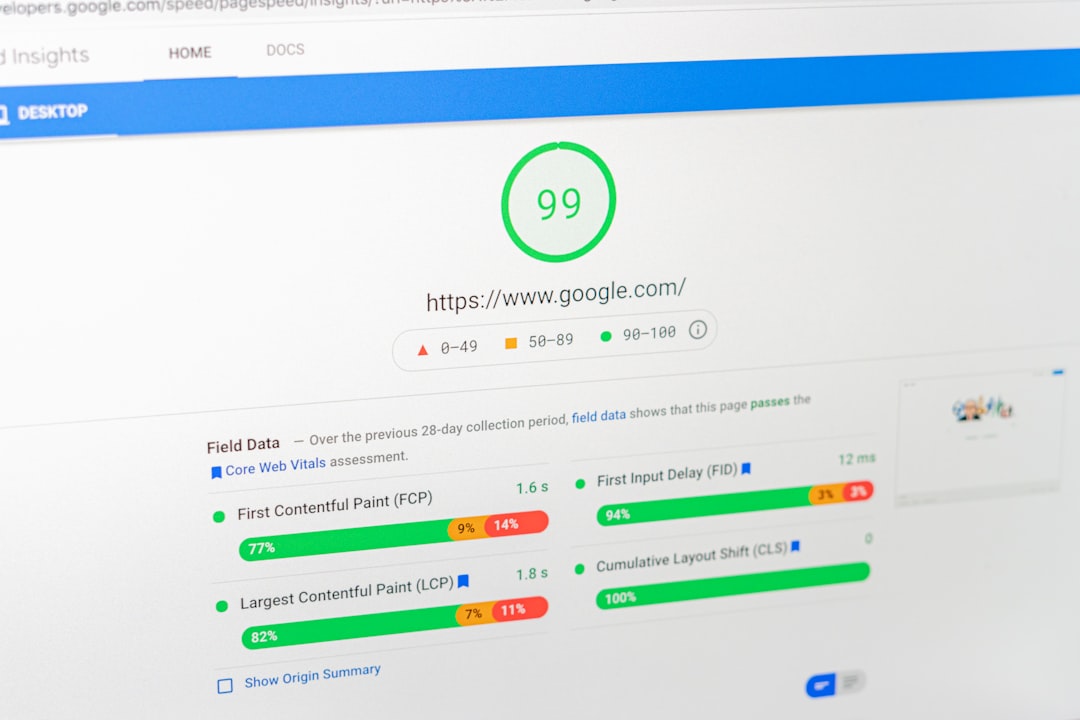
You do not need a perfect score. The goal is a site that loads cleanly, is easy to use, and sends consistent signals about which pages matter most.
How to evaluate a WordPress SEO provider
The fastest way to spot a strong provider is to listen for prioritization. They should be able to explain what they would fix first, why it matters, and what can wait. If every recommendation sounds equally urgent, the plan is probably too generic to help.
Ask how they handle plugin conflicts, archive indexing, title templates, internal links, and migration recovery. Ask what they would look at in Search Console before changing content. Ask how they decide whether to consolidate overlapping pages instead of publishing more near-duplicates. Clear answers here usually tell you more than a long feature list.
What to avoid in 2026
The main red flags are still the same: multiple SEO plugins, generic monthly reports with no page-level decisions, thin location pages, and content plans built around quantity instead of intent. Most site owners do not have one catastrophic problem. They have a stack of smaller issues that compound over time.
A reliable service should reduce complexity, not add to it. Fix the issues that block visibility before the issues that polish visibility.
When expert help makes sense
If rankings are flat and you are not sure whether the real problem is indexing, duplication, weak targeting, or plugin clutter, outside help can save time. The value is not just implementation. It is knowing what to ignore, what to fix now, and what to stop chasing.
Book a free SEO consultation with WordPress SEO Expert. No pitch, no pressure. Just an honest look at what your site actually needs and whether your current setup is part of the solution or part of the problem.
Contact WordPress SEO Expert today to schedule a consultation if you want a practical plan for choosing or improving WordPress SEO services in 2026.