
WordPress SEO services affect SEO by improving the parts of a site that actually influence visibility: indexing, site structure, page targeting, internal links, speed, and duplicate control. The biggest benefit is not magic. It is getting the right fixes done in the right order so your site sends clearer signals about which pages matter and why they should rank.
Many site owners assume the problem is one missing plugin setting or one weak blog post. Usually it is not. Rankings often stay flat because the work is scattered across plugins, pages, and tactics that do not support each other. A green light in an SEO plugin does not mean the page deserves to rank.
That is where WordPress SEO Expert comes in. We look at the full setup, isolate what is blocking visibility, and build a plan around what moves performance first instead of what simply looks productive inside a dashboard.
What WordPress SEO services actually change
WordPress SEO services affect SEO most when they fix foundational issues before polishing details. That means checking whether search engines can crawl and index the right pages, whether the site creates duplicate URLs, and whether each important page targets a clear search intent.
On a typical WordPress site, SEO work is not only about titles and meta descriptions. It often includes archive cleanup, canonical checks, redirect review, internal linking, content mapping, schema review, and plugin simplification. If those areas are misconfigured, even good content can struggle to gain traction. Our WordPress SEO setup problems guide explains how these issues often stack together instead of appearing one at a time.
They improve crawlability and indexing first

The first SEO impact usually comes from making the site easier for Google to crawl and understand. If important pages are buried, blocked, duplicated, or tagged incorrectly, stronger copy alone will not fix the problem.
Google recommends crawlable HTML links with descriptive anchor text, which is one reason internal navigation and contextual links matter so much for WordPress sites. Google also emphasizes clear, concise title text and warns against keyword stuffing and repetitive boilerplate in title elements. Structured data should match visible page content rather than acting as decoration. These are simple principles, but they are often mishandled on WordPress builds with too many plugins or inherited settings.
This is why good SEO services do not start with random content production. They start by checking whether the technical setup allows the right pages to be discovered, indexed, and reinforced by internal links. For a broader baseline, see our practical WordPress SEO guide.
They make page targeting clearer

WordPress SEO services also affect SEO by tightening what each page is supposed to rank for. When several pages chase the same term, or when a service page is too broad to match a real search intent, rankings often stall because the signals are diluted.
A strong SEO service reviews title tags, H1s, supporting headings, body copy, and internal anchors as one connected system. The goal is not to repeat a keyword everywhere. The goal is to make it obvious what problem the page solves, who it is for, and how it relates to the rest of the site.
| Weak approach | Stronger approach |
|---|---|
| Generic service page with broad wording | Service page built around one clear need and one clear audience |
| Repeated keyword variations in titles | Descriptive titles written for humans first |
| Several overlapping blog posts | One stronger page with supporting internal links |
They reduce duplicate and conflicting signals
One of the clearest ways WordPress SEO services affect SEO is by reducing sitewide confusion. Many WordPress sites generate archives, attachment pages, parameter URLs, and plugin output that compete with the pages you actually want to rank.
Most site owners do not have one catastrophic problem. They have a stack of smaller issues that compound over time. One well-configured SEO plugin is enough. Running overlapping plugins often creates duplicate metadata, conflicting canonicals, and competing sitemap outputs. Cleaning that up can improve how consistently your site presents itself to search engines and how easy it is to troubleshoot later.
If your site has gone through a redesign, migration, or plugin swap, this step matters even more. Old redirects, changed URL structures, and mismatched canonicals can quietly drag down performance long after launch.
They strengthen internal links and site structure

SEO services improve rankings when they help important pages receive stronger internal support. A good site structure helps users move naturally through the site and helps search engines understand which pages are central, which are supporting, and how topics connect.
That usually means linking informational posts to service pages, consolidating weak overlap, and making sure important pages are not isolated outside the main content flow. Google’s link guidance supports using descriptive, relevant anchor text inside crawlable HTML links. For WordPress sites, this is often a bigger win than adding another feature-heavy plugin.
If you are experiencing these symptoms, our team at WordPress SEO Expert can help. A focused review often shows whether the real issue is weak internal architecture, duplication, or unclear page targeting.
They help content perform as a system
Content works better when each page has a job. WordPress SEO services affect SEO by turning scattered publishing into a structured content plan where service pages, category pages, and blog posts support each other instead of competing.
This is especially useful for site owners who have published regularly but still see flat results. The issue is often not effort. It is that the content was created without clear sequencing, without enough internal links, or without a realistic map of which pages should drive leads and which pages should support them.
What SEO services do not do
Good WordPress SEO services do not guarantee instant rankings, and they do not replace weak offers or thin content with technical tricks. Their value is in diagnosis, prioritization, and execution that matches how search actually works.
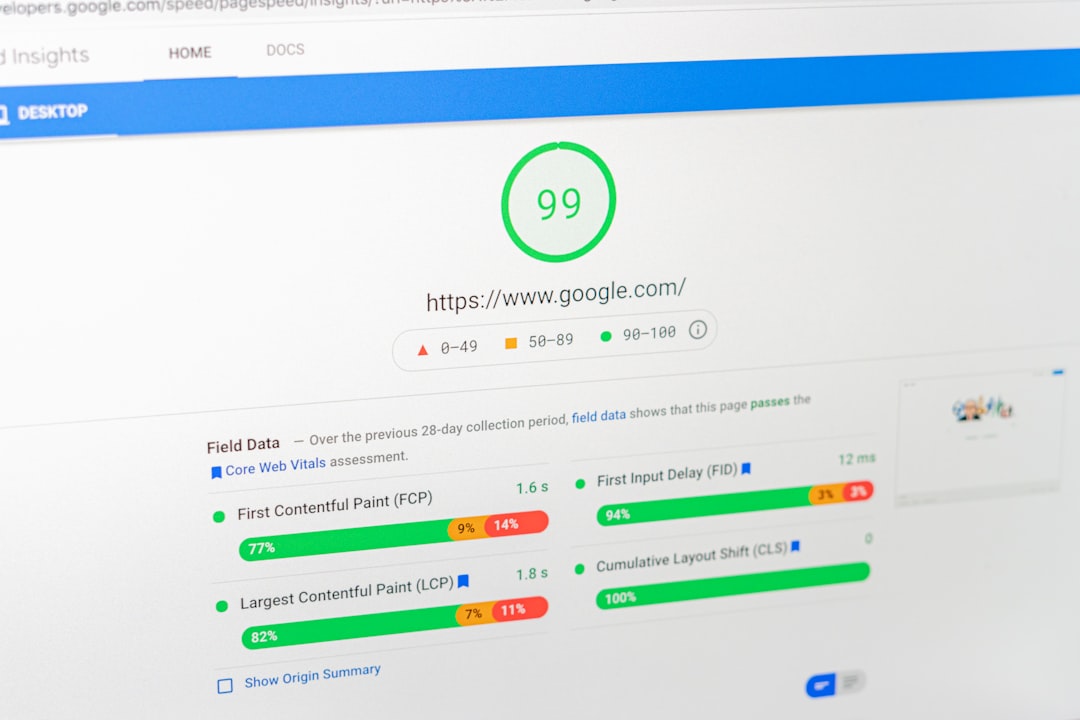
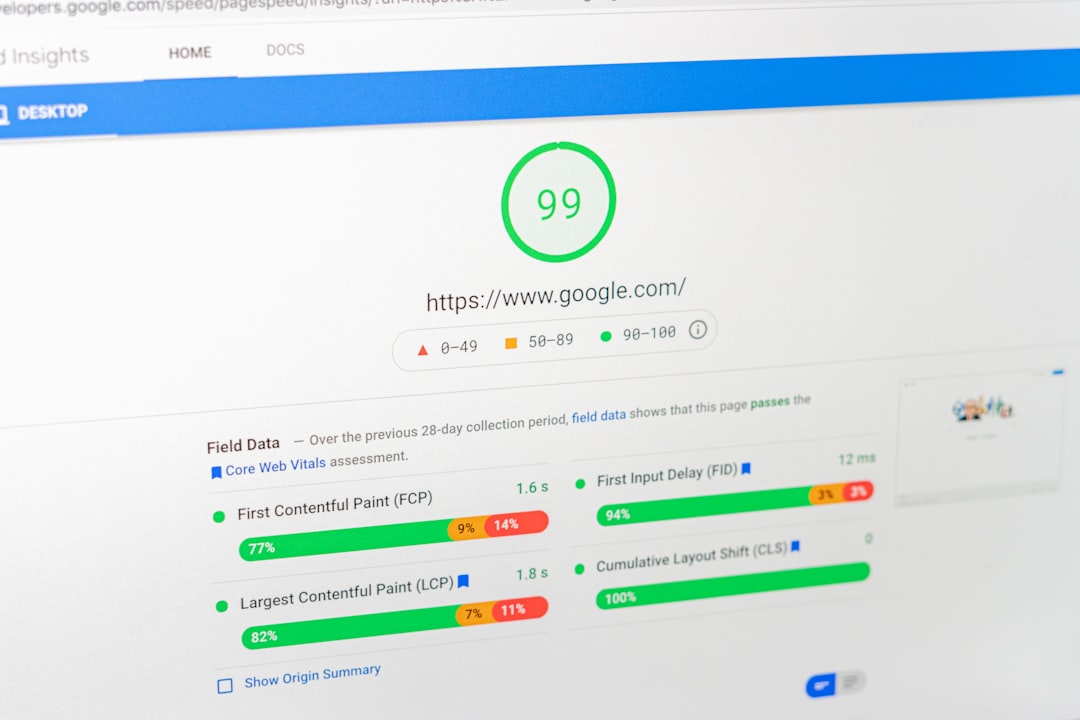
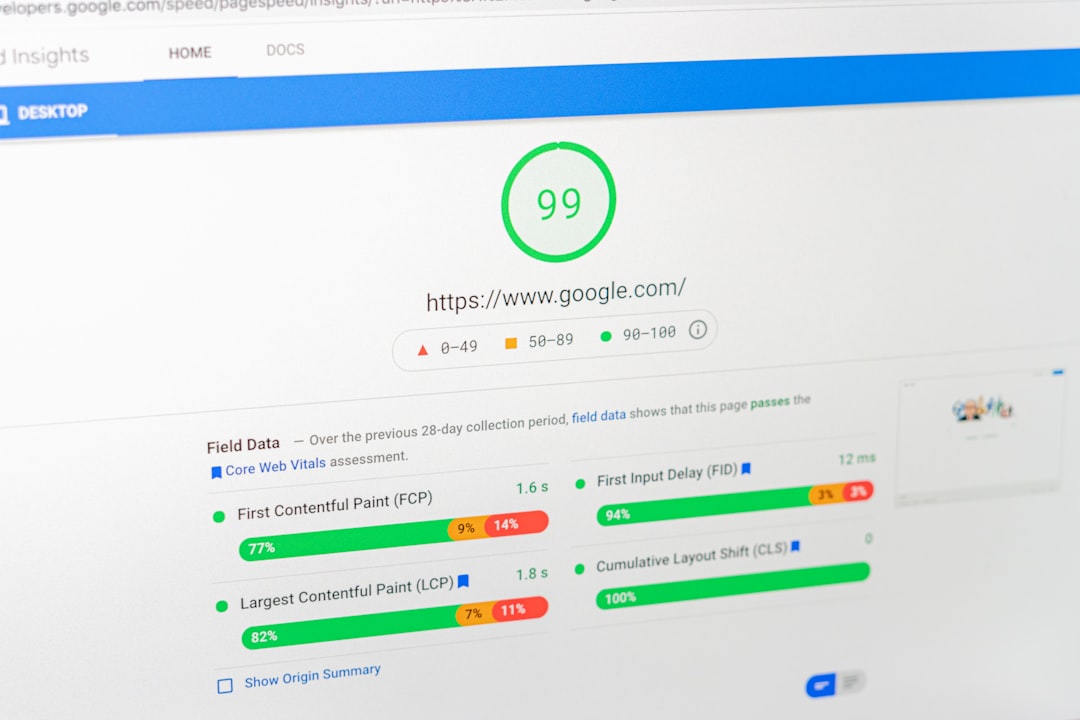
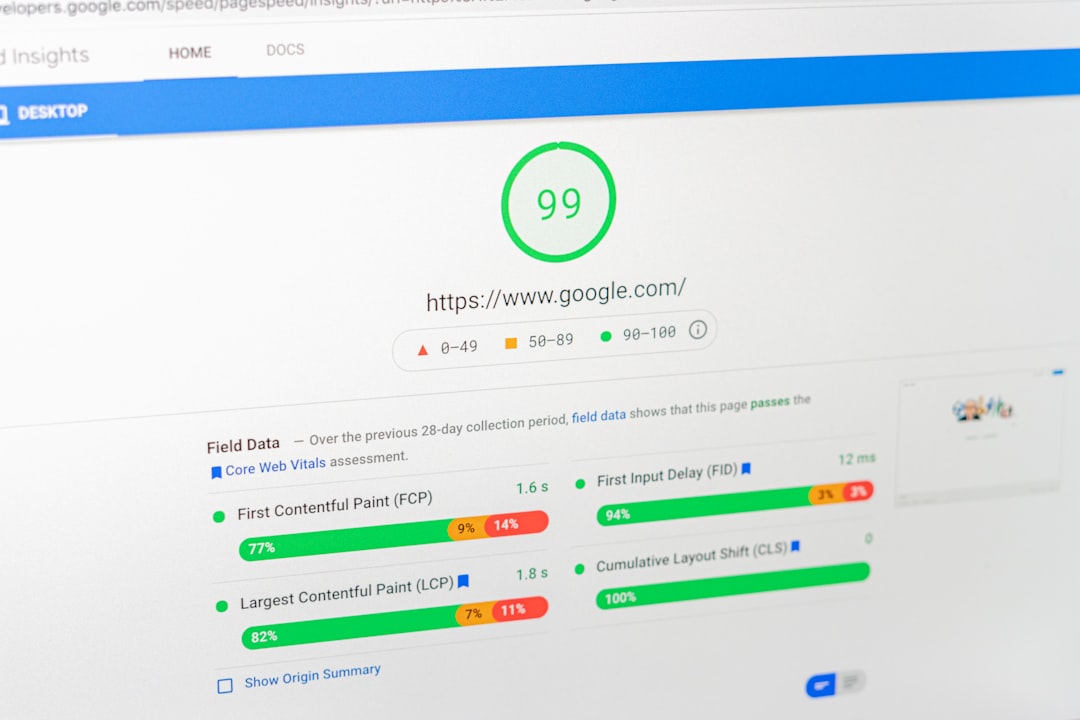
You do not need a perfect score. The goal is a site that loads cleanly, is easy to use, and sends consistent signals about which pages matter most. That is why the best SEO work often looks less dramatic than people expect. It is careful cleanup, sharper targeting, and fewer conflicting signals.
When WordPress SEO services are worth it
SEO services are worth it when your site has plateaued, traffic dropped after a redesign, WooCommerce URLs have become messy, or you are no longer sure whether the main problem is indexing, duplication, weak targeting, or plugin clutter. In those cases, clarity usually matters more than more activity.
WordPress SEO Expert can help you sort technical problems from content problems before you waste more time chasing minor fixes. Book a free SEO consultation. No pitch, no pressure. Just an honest look at what your site actually needs and whether your current setup is part of the solution or part of the problem.
Contact WordPress SEO Expert today to schedule a consultation if you want a practical plan for improving rankings without overcomplicating your WordPress setup.