Low rankings usually come from a scattered plan, not one missing plugin. Most WordPress SEO mistakes happen when site owners follow generic guides, chase plugin scores, and skip the technical checks that actually control crawling, indexing, and page quality. This guide covers the common WordPress SEO guide mistakes to avoid so you can fix what matters first.
Some mistakes are small on their own but expensive in combination. A weak title tag, thin category pages, mixed canonical signals, slow templates, and random internal linking rarely crash rankings overnight. They stack up. That is why a site can publish regularly, install a popular plugin, and still stay stuck.
The biggest mistake: treating SEO as a plugin score

The fastest way to waste time is treating the green lights in your SEO plugin as the goal. A plugin can help you set titles, canonicals, schema, and sitemaps, but it cannot decide whether the page deserves to rank, whether the search intent is right, or whether the site architecture makes sense.
This is where many WordPress SEO guides go wrong. They turn SEO into a checklist of fields to fill out instead of a diagnosis. If you need a better framework for reviewing what is actually broken, start with this WordPress SEO checklist for new websites and compare it against your live setup.
Common WordPress SEO mistakes to avoid
Most site owners do not have one catastrophic problem. They have a stack of avoidable mistakes that dilute signals, slow pages, or confuse search engines. Fix these in priority order instead of trying to optimize everything at once.
| Mistake | Why it hurts | What to do instead |
|---|---|---|
| Using multiple SEO plugins | Can create conflicting meta tags, canonicals, schema, and sitemaps | Run one SEO plugin and configure it well |
| Writing titles for keywords instead of users | Creates repetitive, weak title links that Google may rewrite | Use clear, concise, page-specific titles |
| Blocking or confusing crawlers | Important pages may not be crawled or indexed correctly | Check robots, noindex settings, sitemaps, and canonicals |
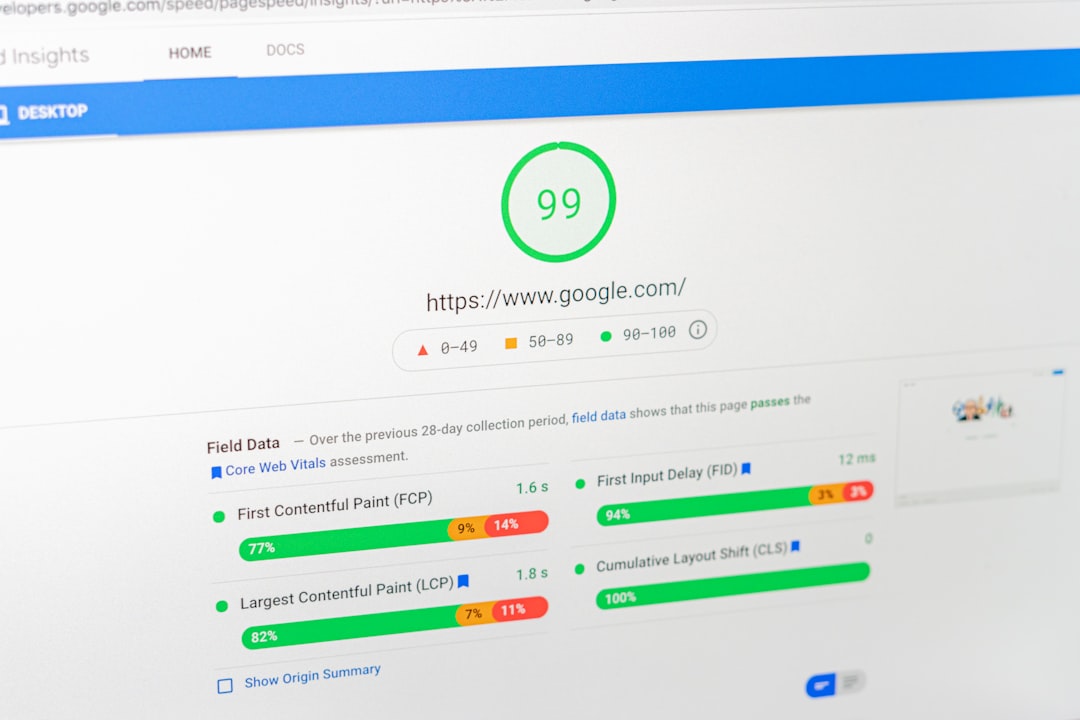
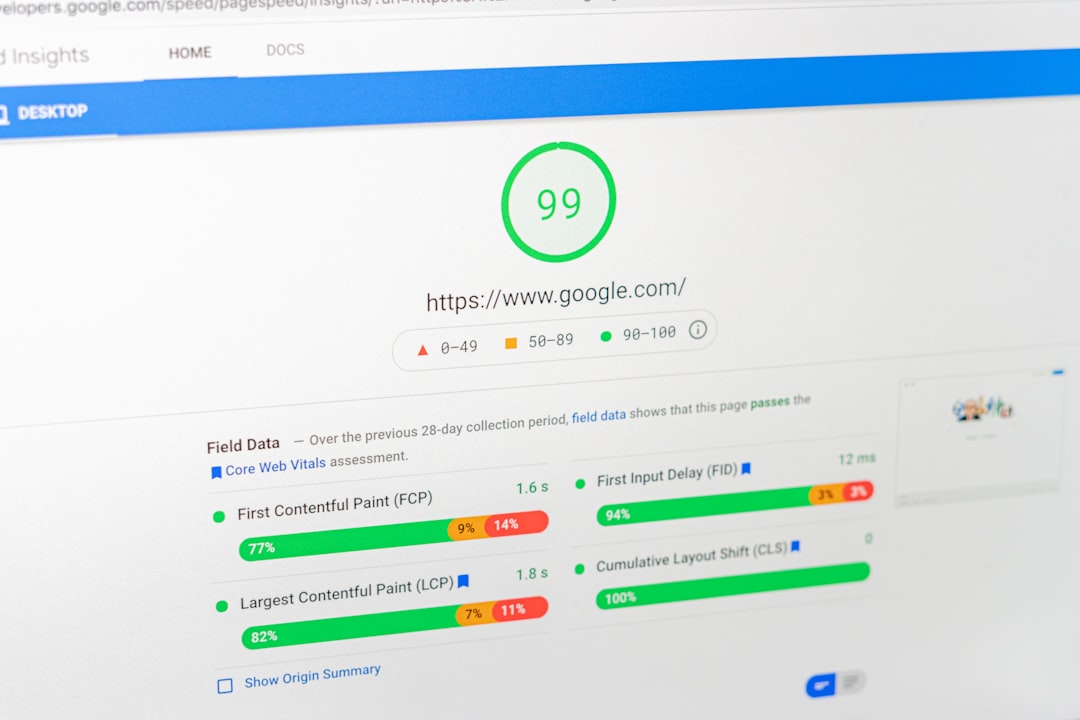
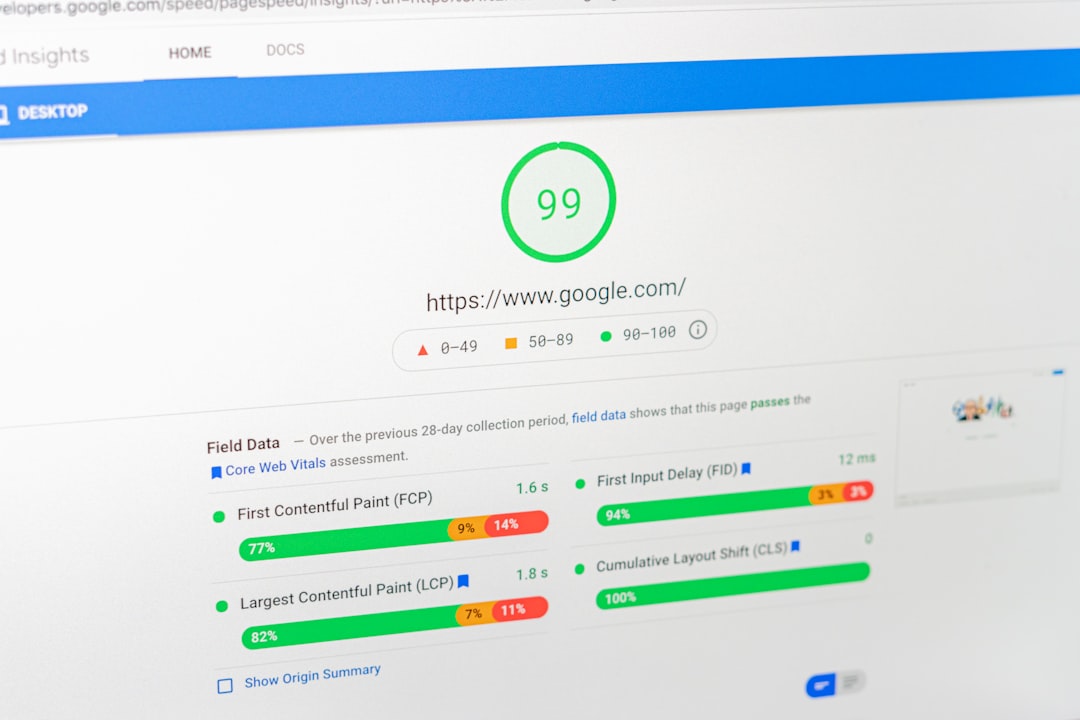
| Ignoring site speed basics | Slow templates weaken user experience and can hurt conversions | Compress images, cache pages, and reduce script bloat |
| Publishing without internal links | Makes discovery harder and weakens topical relationships | Add descriptive internal links between related pages |
| Indexing low-value archives and duplicates | Creates thin pages and dilutes crawl attention | Review tags, author archives, filters, and parameter URLs |
Mistake 1: stacking SEO plugins
Running more than one SEO plugin is a cleanup job waiting to happen. You can end up with duplicate title tags, competing canonical tags, overlapping schema, and multiple XML sitemaps. None of that improves rankings. It usually just creates mixed signals.
Pick one plugin and keep the setup clean. If you migrated from one plugin to another, verify the old one is fully deactivated and that old metadata was imported correctly. This matters even more on sites already dealing with crawl or indexation issues.
Mistake 2: copying bad title tag advice
Many WordPress SEO guides still encourage titles that read like keyword lists. That is outdated advice. Google recommends descriptive, concise title text and specifically warns against keyword stuffing and repetitive boilerplate across pages.
Weak title: SEO Services | SEO Company | SEO Expert
Stronger title: WordPress SEO Services for Small Businesses
Google also uses visible headings and other prominent page text when generating title links, which is another reason your page heading and title should match the real topic clearly instead of trying to force variations into every field. If your on-page structure is messy, review your approach to technical performance and page quality fixes alongside title cleanup.
Mistake 3: using robots.txt to solve indexing problems
Blocking URLs in robots.txt is not the same as removing them from search results. This is one of the most common misunderstandings in beginner WordPress SEO guides. Robots.txt controls crawling, but it is not the right tool for keeping a page out of Google if that URL can still be discovered elsewhere.
Use noindex when you need a page excluded from search, and use robots rules carefully so you do not accidentally block assets or important sections. This matters on WordPress sites with filter URLs, thin archives, and staging leftovers that were never cleaned up.
Mistake 4: sending mixed canonical signals
Canonical mistakes are usually quiet until rankings stall. If internal links point to one URL, the sitemap lists another, and the page declares a different canonical, search engines have to decide which signal to trust. That is how duplicate pages linger longer than they should.
Google treats redirects and rel=”canonical” as strong canonicalization signals, while sitemap inclusion is weaker. The practical takeaway is simple: choose the preferred URL format, link to it internally, redirect duplicates, and make sure the canonical tag agrees with those choices.
Mistake 5: indexing every archive by default
Not every WordPress-generated page deserves to be indexed. Tags, date archives, author archives, media attachment pages, and parameter-heavy filtered URLs often add little value on small business sites. Left alone, they can create a large layer of thin or duplicative pages.
This is not a rule to noindex everything automatically. It is a reminder to decide intentionally. Category pages can perform well if they are useful, unique, and supported with content. But indexing low-value archives just because WordPress created them is a mistake.
Mistake 6: treating site speed advice as vague housekeeping

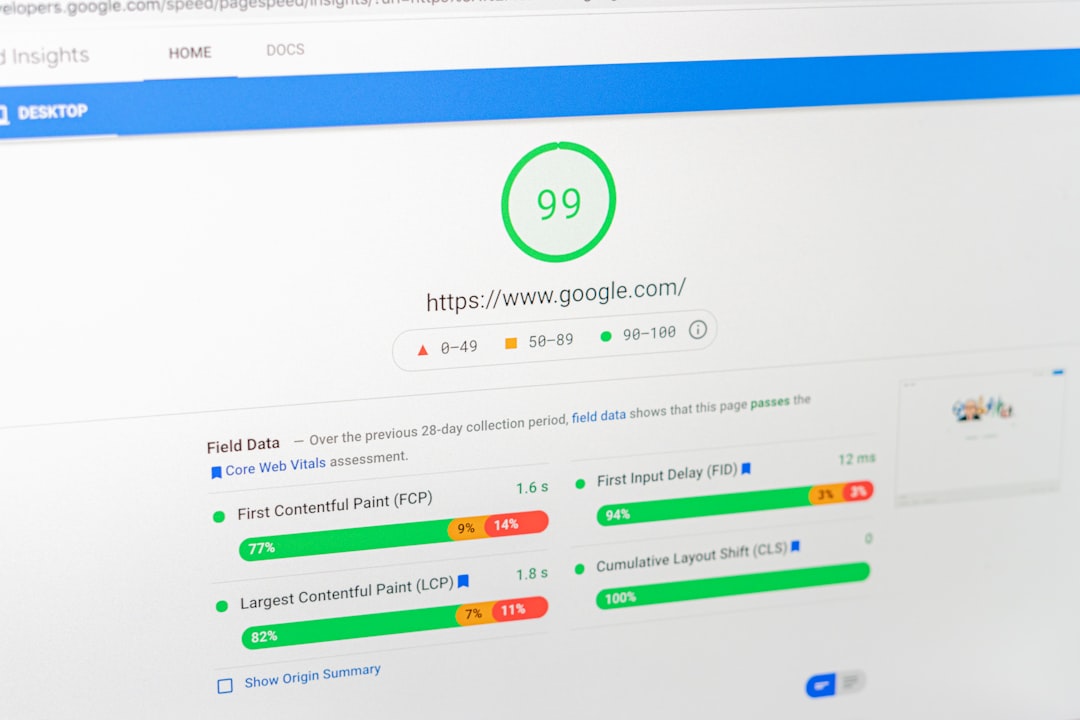
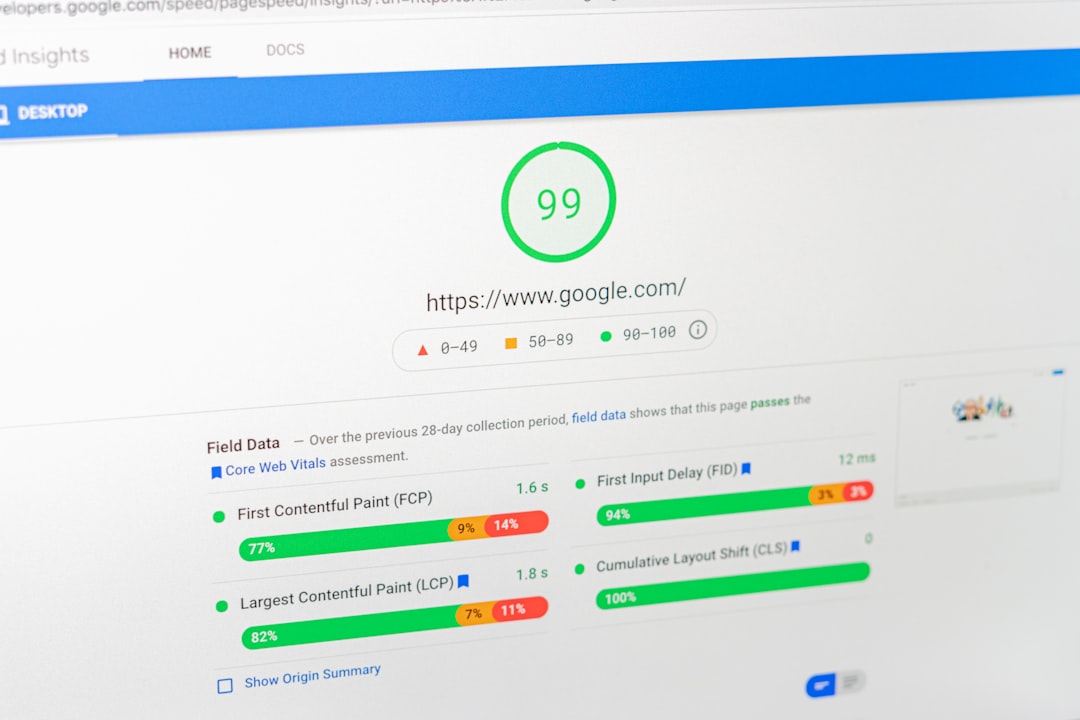
“Optimize your images” sounds helpful until you try to do it. Real speed improvements come from specific fixes, not broad reminders. Heavy images, render-blocking scripts, weak caching, and overloaded hosting are common WordPress problems that generic SEO guides gloss over.
If your site is slow, the answer is rarely one magic plugin. It is usually a combination of image compression, caching, script cleanup, and theme restraint. For a step-by-step process with exact settings and a realistic stopping point, see our guide on how to improve WordPress site speed for SEO.
If you are seeing several of these problems at once, WordPress SEO Expert can help identify which fix should come first so you do not waste time changing low-impact settings.
Mistake 7: publishing pages without internal link support
A page with no internal links is harder for users and search engines to discover. Many SEO guides focus so much on keywords and metadata that they barely mention internal linking, even though it helps distribute authority and clarify topical relationships across the site.
Google recommends descriptive, natural anchor text. That means linking phrases that describe the destination page clearly, not forcing exact-match anchors into every paragraph. On service sites, internal links also help visitors move from educational content to action pages without friction.
Mistake 8: assuming technical SEO is a one-time setup

Even a well-optimized WordPress site drifts over time. Plugin updates change output, redesigns alter headings and templates, developers add scripts, and migrations introduce redirect gaps. A guide that treats SEO as a one-time configuration misses how sites actually break.
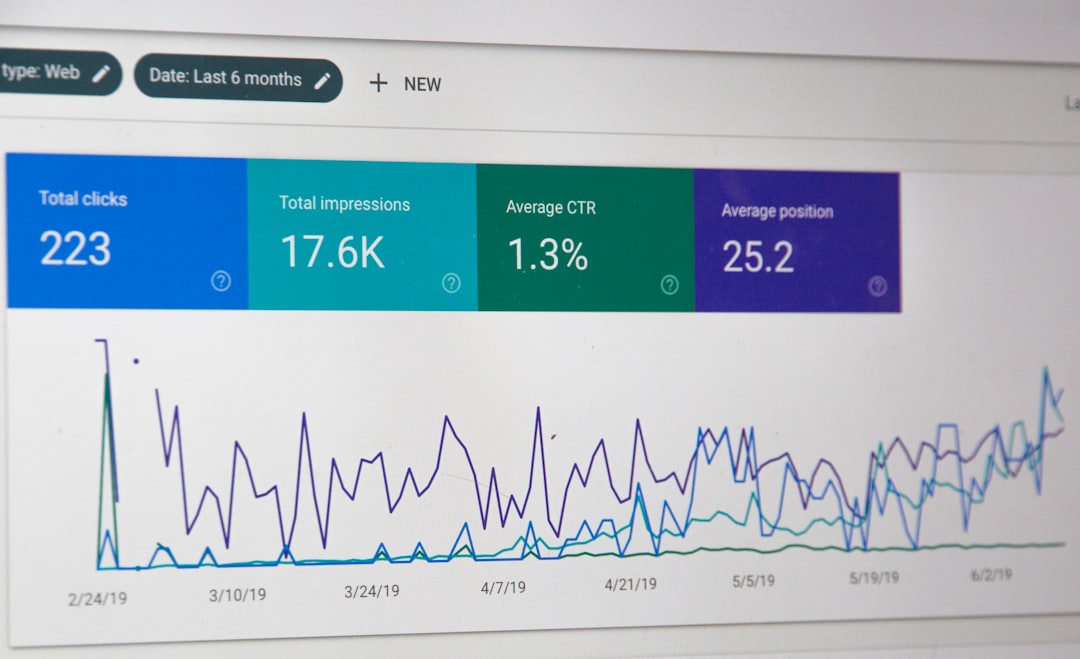
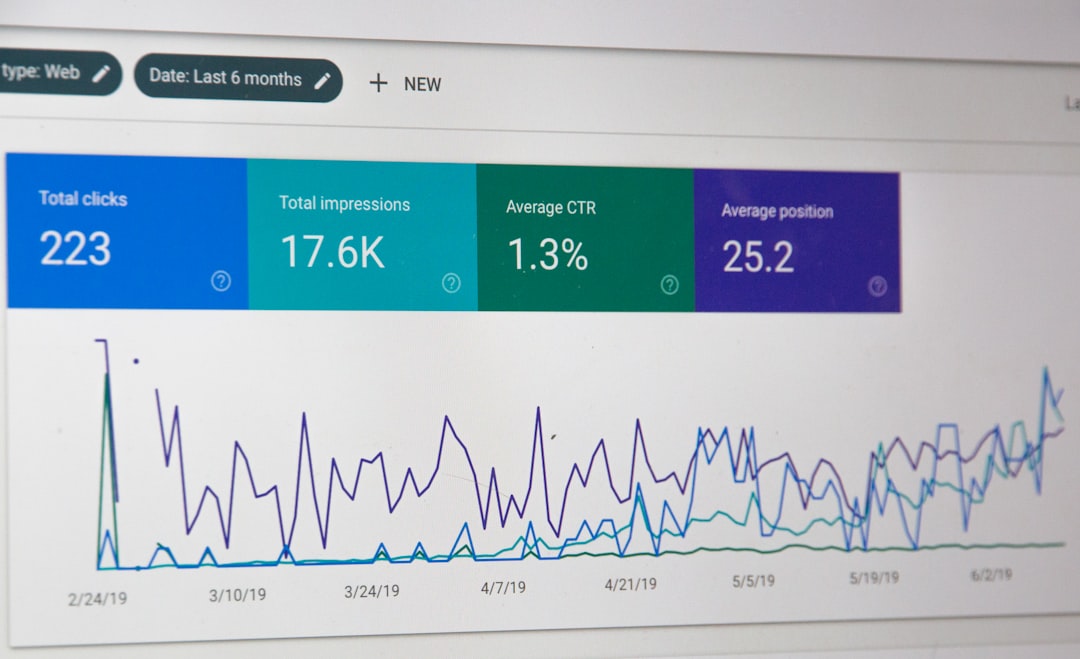
That is why periodic audits matter. Crawl the site, inspect templates, review Search Console patterns, and test the pages that drive leads or revenue. Most ranking drops after redesigns are not mysterious. They are traceable if you know where to look.
What to fix first
If your rankings are stuck, start with the issues that control crawl, indexation, and page quality before you rewrite everything. Most sites improve faster from a short prioritized roadmap than from another generic 50-point checklist.
| Priority | Check first | Reason |
|---|---|---|
| 1 | Indexing, noindex, robots, sitemap, canonicals | If pages cannot be crawled or consolidated properly, other work is diluted |
| 2 | Title tags, headings, search intent match | These shape relevance and click appeal |
| 3 | Internal linking and site structure | Helps important pages get discovered and supported |
| 4 | Page speed and template bloat | Improves usability and removes avoidable friction |
| 5 | Archive and duplicate page cleanup | Reduces low-value indexation and mixed signals |
A better way to use WordPress SEO guides
The best WordPress SEO guide is not the longest one. It is the one that helps you diagnose the actual bottleneck. Use guides to verify settings, understand trade-offs, and prioritize the fixes with the highest impact. Ignore any guide that promises rankings from one plugin, one score, or one template tweak.
If you want a second set of eyes before changing settings across your site, WordPress SEO Expert can review the technical setup and show you what is actually holding rankings back.
Conclusion
Common WordPress SEO guide mistakes usually come down to bad prioritization. Too much attention goes to plugin scores and not enough to crawling, indexing, duplicate control, title quality, and internal linking. Once you fix the fundamentals, the rest of your SEO work gets a lot more leverage.
Contact WordPress SEO Expert today to schedule a consultation if you want help turning a messy WordPress SEO setup into a clear action plan.