
Local visibility usually improves when your WordPress site sends clear signals about who you serve, where you serve, and which pages matter most. Beginners often do plenty of work but spread it across too many plugins, too many pages, and too many small tasks. A green light in an SEO plugin does not mean the page deserves to rank.
This strategy is built for small local businesses that want a practical starting point. Instead of chasing every SEO tip, focus on the handful of actions that help Google understand your services, your locations, and your most important pages first.
Start with one clear service and one clear location
The fastest way to make beginner SEO more effective is to narrow the target. Pick one primary service and one primary city or service area for each important page before you worry about advanced settings.
Many local WordPress sites try to rank one page for every service in every city at once. That usually creates vague copy, duplicated headings, and weak relevance. A better approach is to build a core service page, a core location page only when you truly serve that area, and supporting pages that answer real customer questions.
Google recommends using words people would use to look for your content in prominent places such as the title, main heading, alt text, and link text. It also recommends clear, concise titles and warns against keyword stuffing and repetitive boilerplate. That matters for local businesses because a page titled with a real service and real location is easier for search engines and customers to understand than a generic homepage title.
Fix the homepage title before anything else





Your homepage title is often one of the clearest signals on the site. If it is generic, stuffed, or duplicated, local SEO gets harder before it even starts.
A weak title often reads like a list of keywords. A stronger title names the service, the business type, and the location naturally. Keep it readable. The goal is clarity, not maximum keyword density.
| Weak title | Stronger title |
|---|---|
| Plumber | Plumbing | Emergency Plumber | Emergency Plumbing in Austin, TX | Brand Name |
| SEO Services | SEO Company | SEO Expert | WordPress SEO Services for Local Businesses | Brand Name |
| Dentist Home | Family Dentist in Tampa | Brand Name |
Google says title links should be descriptive, concise, and free of keyword stuffing. If your WordPress site uses the same pattern across every page, rewrite the important titles first instead of tweaking minor plugin settings.
Use one SEO plugin and configure the basics well
One well-configured SEO plugin is enough for most local business sites. Running overlapping plugins often creates duplicate metadata, conflicting canonicals, and competing sitemap outputs.
Beginners often assume more SEO features means better rankings. In practice, extra plugins can create noise. Keep one plugin, set your homepage title and meta description, confirm that search engines can index important pages, and generate one clean XML sitemap. Then stop there until the bigger visibility issues are handled.
If your setup feels messy or you are not sure whether plugin clutter is causing technical issues, WordPress SEO Expert can help.
Build a page structure that matches how customers search


Local SEO works better when each page has a job. Your homepage should explain the business broadly, while service pages and location pages handle more specific searches.
A simple beginner structure often looks like this: homepage, one page per core service, one contact page, one about page, and a small number of location pages only for real service areas. If you also publish blog posts, use them to support those service pages with answers to common questions rather than writing thin posts for tiny keyword variations.
Descriptive internal links also help Google understand page relationships. Google recommends concise, relevant anchor text instead of stuffed link text. If you already have supporting content, link naturally from related pages using clear phrases that describe the destination.
Make sure important pages can actually be indexed
Many flat-ranking WordPress sites have basic visibility blockers. Before you spend time on content expansion, confirm that search engines can crawl and index the pages you want to rank.
Check for accidental noindex settings, broken canonicals, duplicate page versions, thin tag archives, and location pages with almost no unique value. Most site owners do not have one catastrophic problem. They have a stack of smaller issues that compound over time. Fix the issues that block visibility before the issues that polish visibility.
Do not obsess over perfect optimization scores
Plugin scores are not the strategy. They can remind you to cover basics, but they do not measure whether the page is the best answer for a local search.
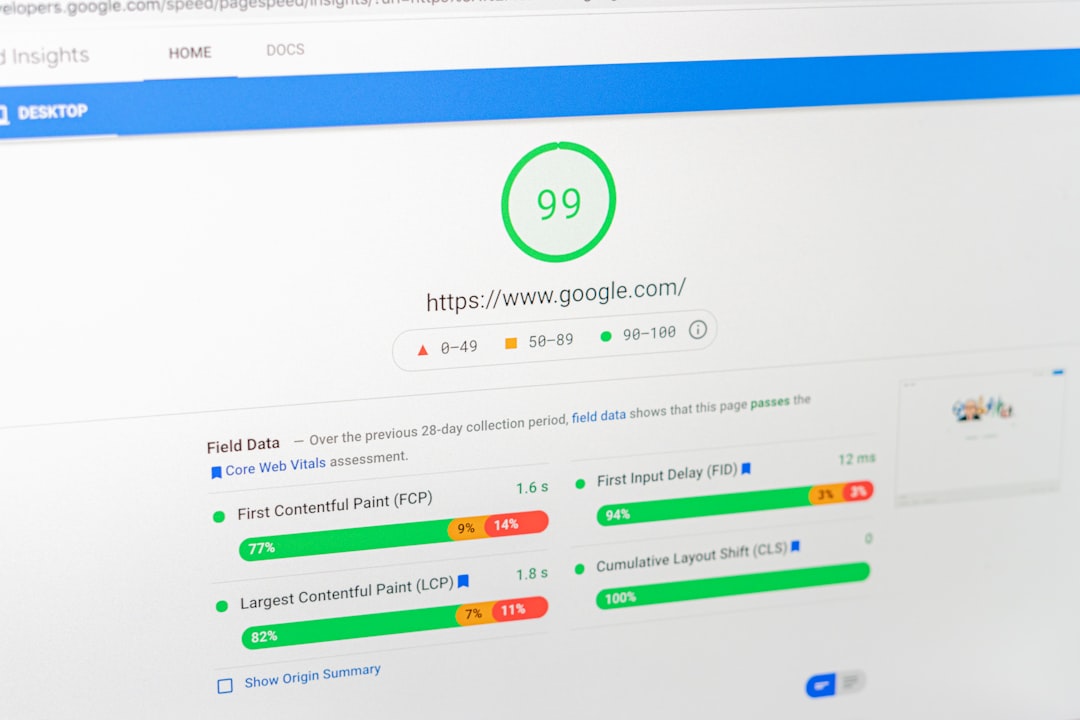
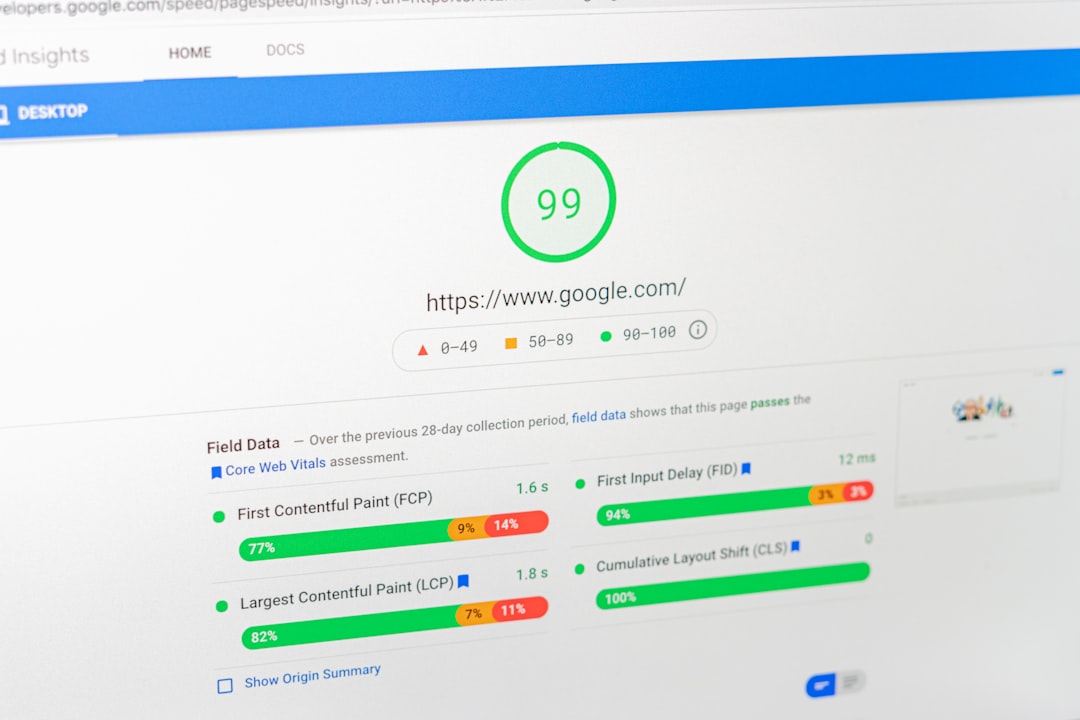
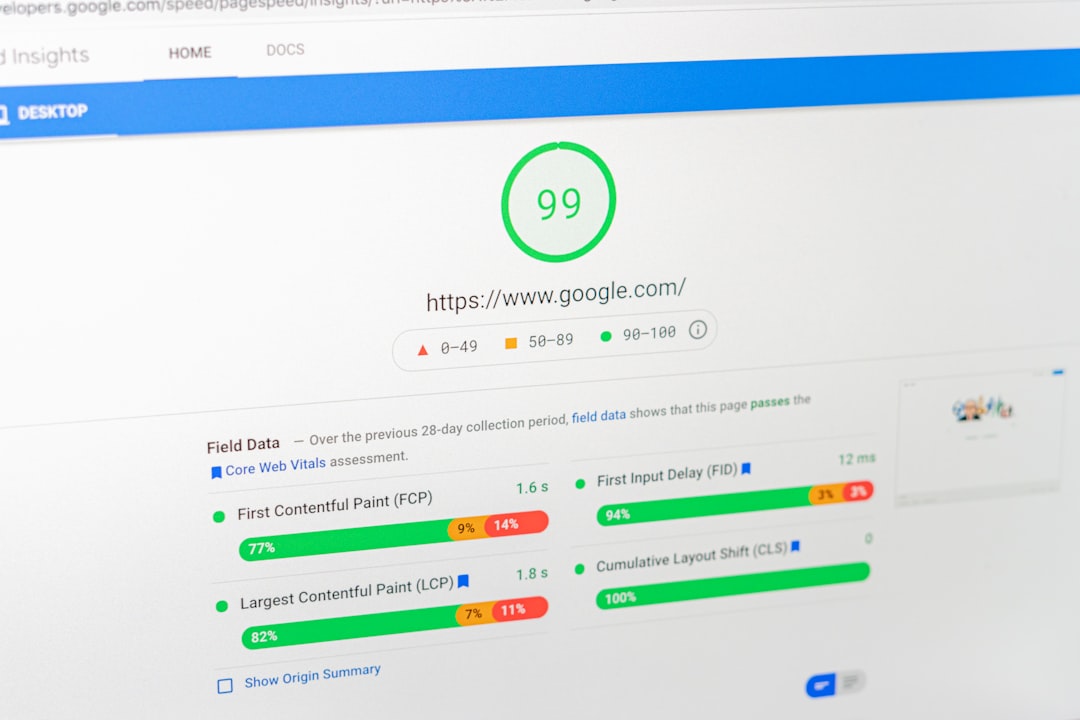
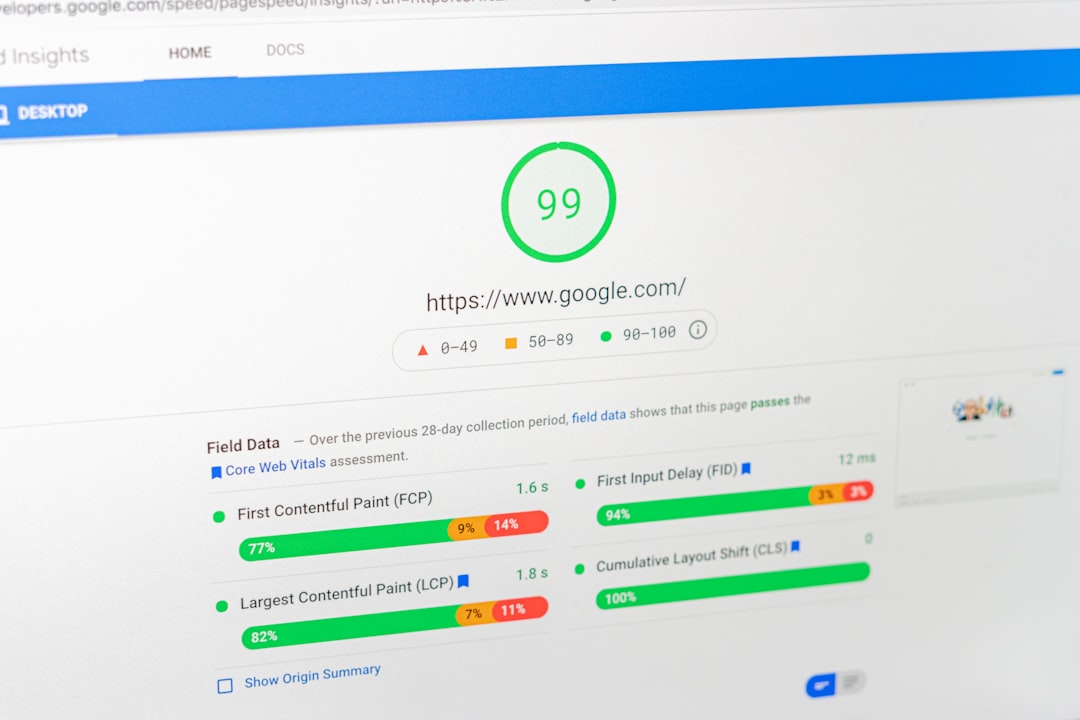
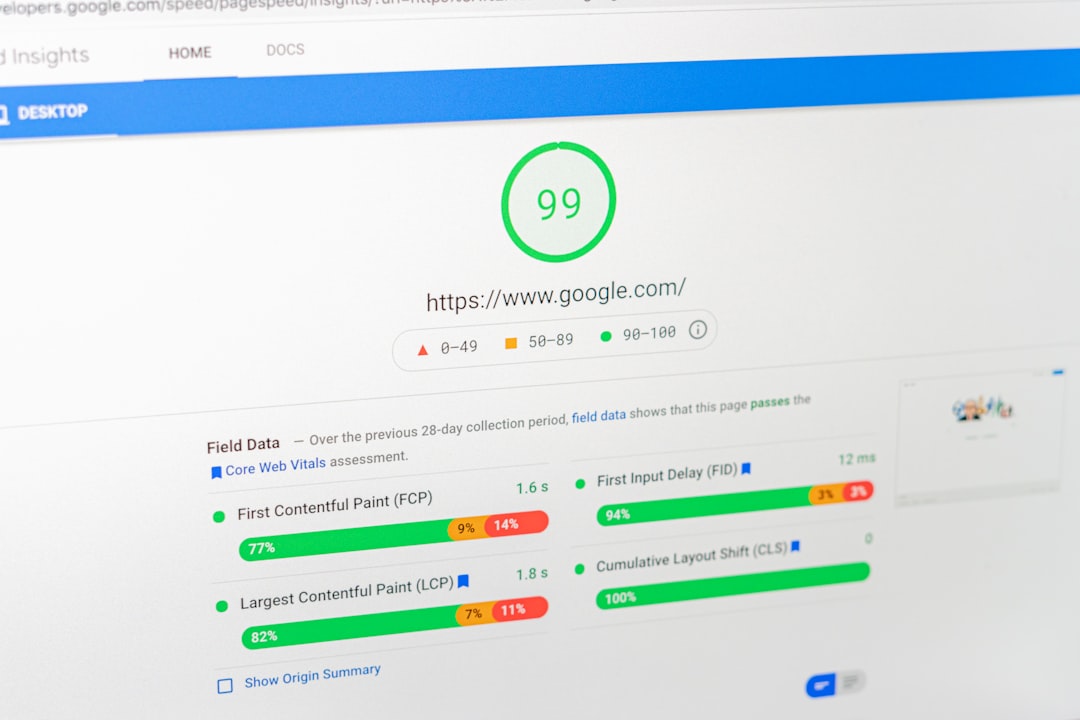
Google’s guidance on page experience makes the same broader point: good scores in tools do not guarantee top rankings, and trying to get a perfect score just for SEO may not be the best use of time. You do not need a perfect score. The goal is a site that loads cleanly, is easy to use, and sends consistent signals about which pages matter most.
Create content that helps a local customer make a decision





Beginner local SEO content should answer buying questions, not just define terms. Useful pages reduce confusion for customers and strengthen relevance for the service page they support.
Good examples include pricing expectations, service comparisons, timelines, neighborhood-specific service considerations, and common mistakes customers make before hiring. Thin city pages with swapped place names usually add little value. A stronger approach is one genuinely helpful page for each important topic your local customers ask about.
Keep performance and mobile usability in perspective
Site speed and mobile usability matter, but they are support layers, not the whole strategy. Improve them enough that the site is easy to use, then return to content quality and page targeting.
Google explains that page experience involves multiple signals and that relevance still matters most. That is why a local business should not spend weeks chasing tiny performance gains while the homepage title, service pages, and internal linking are still unclear.
A simple beginner priority order
If your rankings are flat, the problem is usually prioritization rather than effort. Use this order so you fix foundational issues before cosmetic ones.
| Priority | What to do |
|---|---|
| 1 | Confirm the site and key pages are indexable |
| 2 | Rewrite homepage and service page titles for clarity |
| 3 | Choose one SEO plugin and remove overlap |
| 4 | Build or improve core service pages |
| 5 | Add a small number of real location pages |
| 6 | Improve internal links between related pages |
| 7 | Publish helpful local supporting content |
| 8 | Refine speed, images, and secondary details |
When beginner SEO turns into a cleanup project
Some local sites need strategy, and some need cleanup before strategy can work. If your site has multiple SEO plugins, duplicate pages, messy archives, or years of unfocused content, the best next step is often a technical and content audit.
If your rankings are flat and you are not sure whether the real problem is indexing, duplication, weak targeting, or plugin clutter, WordPress SEO Expert can help.
Final takeaway
WordPress SEO for beginners works best when it stays simple. One plugin. Clear page targets. Clean titles. Real service pages. Helpful local content. That combination usually does more than any long checklist of minor tweaks.
Book a free SEO consultation with WordPress SEO Expert. No pitch, no pressure. Just an honest look at what your site actually needs and whether your current setup is part of the solution or part of the problem. Contact WordPress SEO Expert today to schedule a consultation.