
Low rankings usually come from a scattered plan, not one missing plugin. A WordPress SEO checklist workflow helps you fix the issues that block visibility before the issues that only polish it. If your traffic is flat, the goal is not to do more SEO tasks. The goal is to do the right tasks in the right order.
Most site owners do not have one catastrophic problem. They have a stack of smaller issues that compound over time. That is why a workflow matters. It gives you a repeatable order for technical checks, on-page updates, internal links, and measurement instead of bouncing between plugins, score badges, and random blog advice.
If you want a broader foundation before using this workflow, review our WordPress SEO best practices. If you are also comparing tools, our Yoast SEO vs Rank Math comparison will help you choose one clean setup.
The right order for a WordPress SEO checklist
The best workflow starts with crawlability and indexability, then moves into page-level relevance, then into site structure and performance. This sequence matters because pages cannot rank well if Google cannot crawl the right URLs, understand which version is canonical, or reach important pages through clean internal links.
| Step | What to check first | Why it comes first |
|---|---|---|
| 1 | Indexing and crawl access | Pages cannot rank if search engines cannot reach or index them |
| 2 | Canonicals, redirects, and duplicate URLs | Prevents mixed signals and diluted authority |
| 3 | Titles, headings, and search intent | Improves relevance and click appeal |
| 4 | Internal linking and site structure | Helps search engines discover and prioritize pages |
| 5 | Speed and template issues | Improves usability and page experience |
| 6 | Content depth and consolidation | Strengthens topical coverage without thin duplication |
| 7 | Schema and sitemap hygiene | Supports clearer technical signals |
Step 1: Check whether the right pages can be indexed

Start by confirming that your important pages are indexable and reachable. Before you rewrite titles or buy a new plugin, make sure your service pages, product categories, and core blog posts are not blocked by noindex settings, weak linking, or accidental crawl issues introduced by themes or plugins.
Look at your reading settings, your SEO plugin indexing rules, and whether your XML sitemap includes the URLs that should appear in search. Google recommends using crawlable links and making sure pages can be reached from other findable pages through standard HTML links with descriptive anchor text. It also recommends that every page have a descriptive title and meta description. You can review Google’s guidance on crawlable links and anchor text and its SEO guide for web developers for the baseline.
This is also the point where you should check for orphan pages. If a page only exists in your sitemap but not in your internal link structure, it is harder for search engines and users to treat it as important.
Step 2: Fix duplicate URL patterns before publishing more
Duplicate and near-duplicate URLs often waste more effort than weak copywriting. If multiple URLs show the same or nearly the same content, search engines can struggle to decide which version should rank. That confusion can hold back pages that are otherwise good enough to compete.
Common WordPress sources include tag archives, attachment pages, trailing slash inconsistencies, search result pages, filtered WooCommerce URLs, and old redirected slugs from redesigns. Decide which URL is the main version, link to that version internally, and redirect outdated or unnecessary alternatives when needed. If you are using multiple SEO plugins or overlapping add-ons, stop there first. One well-configured SEO plugin is enough.
If your store or site structure has become messy over time, WordPress SEO Expert can help. A short diagnostic usually reveals whether the problem is duplicate URLs, conflicting canonicals, or a site architecture issue that your plugin is only masking.
Step 3: Rewrite titles and headings for clarity, not plugin scores
Your title tag is one of the strongest on-page signals you control, but it works best when it is clear and specific. Google recommends descriptive, concise title text and warns against keyword stuffing and repetitive boilerplate across pages. A green light in an SEO plugin does not mean the page deserves to rank.
Google’s title guidance says to write descriptive, concise titles and avoid repeating the same words or boilerplate patterns across pages. It also notes that Google may choose different title text in search if your title element is vague, overly long, or repetitive. Review Google’s documentation on influencing title links before bulk editing templates.
| Weak title | Stronger title |
|---|---|
| SEO Services | SEO Company | SEO Expert | WordPress SEO Services for Small Businesses |
| Blog | WordPress SEO Checklist Workflow for Better Rankings |
| Blue Widgets, Best Blue Widgets, Buy Blue Widgets | Blue Widgets for Commercial Kitchens |
Use one clear H1 per page, keep section headings descriptive, and align the page with one primary intent. If the page is informational, answer the question clearly. If the page is commercial, make the offer obvious and support it with useful detail.
Step 4: Use meta descriptions as click support
Meta descriptions will not rescue a weak page, but they can improve how your result is summarized and help the right visitors click. Write them as short, useful previews of the page instead of cramming in every keyword variation you can think of.
Google explains that snippets are often generated from page content, but it may use the meta description when that description better summarizes the page. That is why unique, page-specific descriptions tend to be more useful than repeating one template everywhere. See Google’s documentation on how snippets and meta descriptions work if you want the underlying logic.
Step 5: Build internal links with intent

Internal links should move authority and guide users to the next logical page. This is not about sprinkling random anchor text into old posts. It is about making sure your most valuable pages are easy to find, supported by related content, and connected in ways that reflect how people actually move through your site.
Google recommends anchor text that is descriptive, concise, and relevant to the linked page. In practical terms, that means linking phrases that explain what the reader will get next, not generic text like learn more or click here. If you want a clean model, review your internal links against our WordPress SEO best practices page and your plugin setup against our Yoast vs Rank Math guide.
If you are experiencing these issues, our team at WordPress SEO Expert can help. We can map which pages deserve more internal authority and which links are adding noise without adding value.
Step 6: Improve speed where it affects real templates

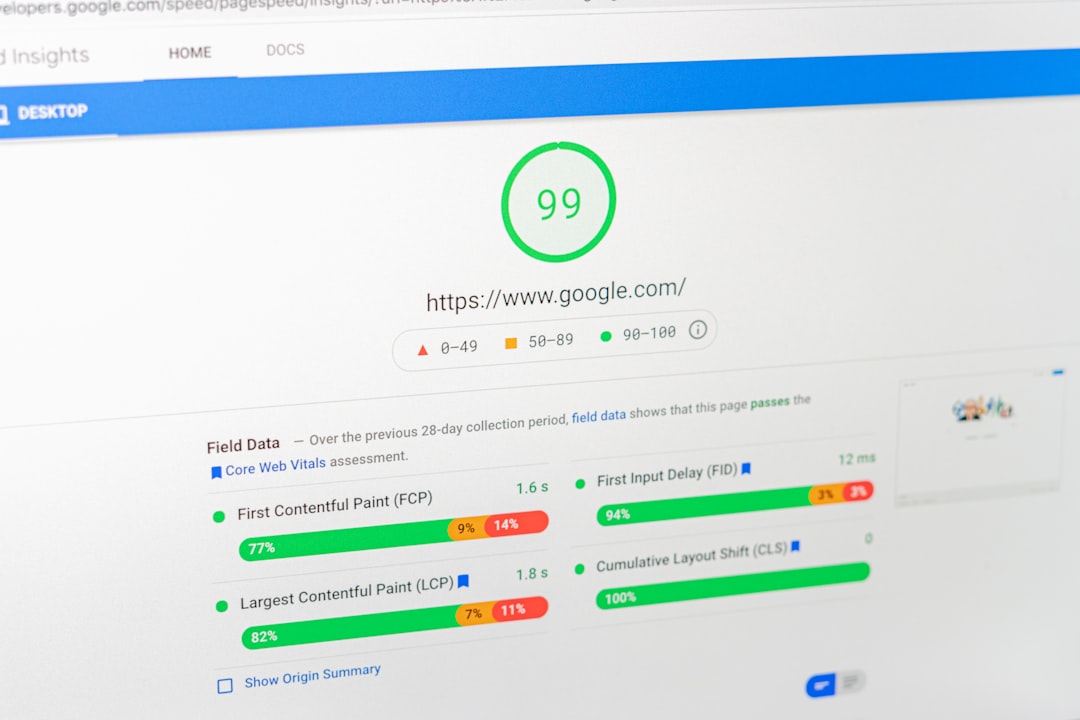
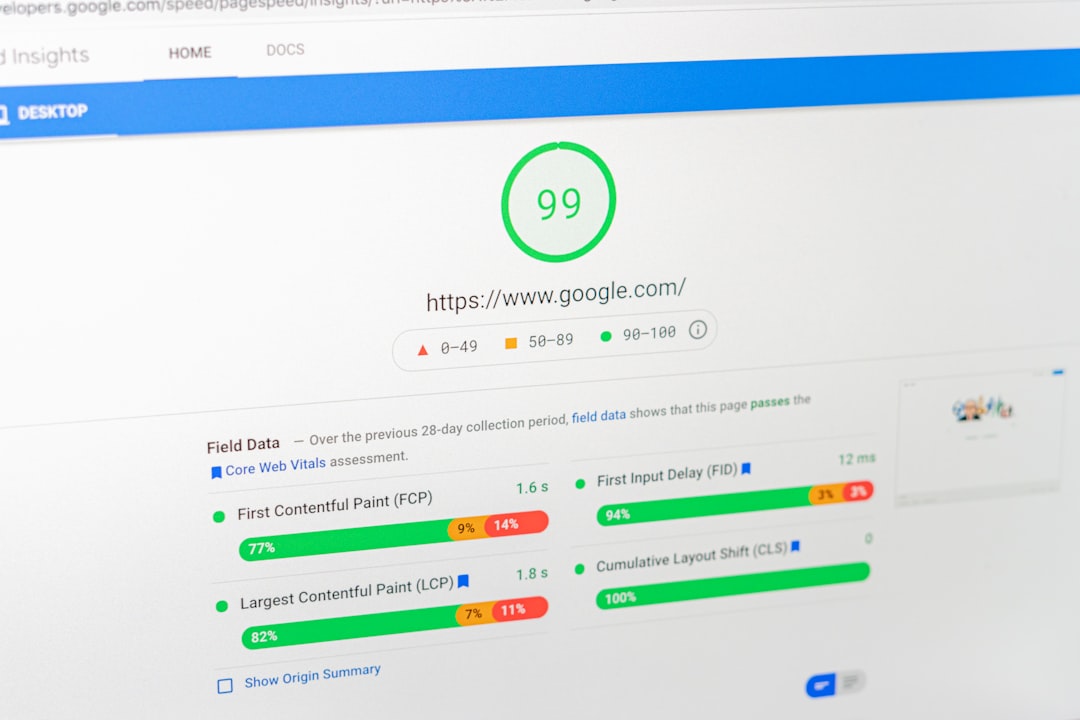
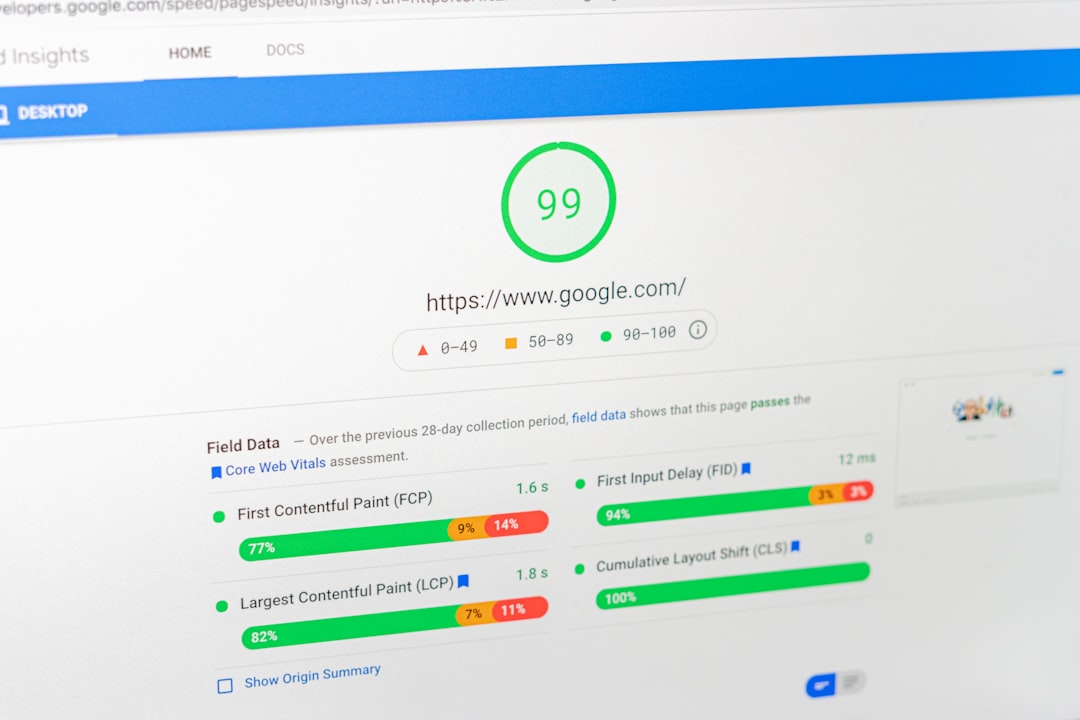
Speed matters most when slow templates frustrate users or make key pages hard to use. Do not chase perfect scores across every test. Focus first on the templates that drive leads or sales, then fix the assets and scripts that keep those templates slow.
Check your homepage, main service pages, product pages, and blog templates separately. The issues are often different on each. Remove unused plugins, compress oversized images, enable caching, and review whether heavy scripts or page builder elements are dragging down important pages. You do not need a perfect score. The goal is a site that loads cleanly and is easy to use.
Step 7: Consolidate thin content before creating more
Publishing more pages is not always progress. If you already have overlapping posts or service pages aimed at slight keyword variations, consolidation is usually the better move. One stronger page with better structure and links often beats several thin pages that compete with each other.
Google’s people-first content guidance emphasizes useful content created to benefit users rather than pages built mainly to manipulate rankings. It also highlights the importance of descriptive titles and headings that summarize the content clearly. That makes consolidation a better long-term workflow than publishing thin near-duplicates. Google’s helpful content guidance is worth reviewing if your content plan has become fragmented.
Step 8: Keep schema and sitemaps clean
Schema and sitemaps should support your site structure, not complicate it. Add structured data that matches visible page content, keep your sitemap focused on indexable URLs, and avoid letting multiple plugins generate overlapping outputs.
This step belongs near the end because schema does not solve deeper problems with indexing, duplication, or weak content. Treat it as a cleanup layer after the foundation is solid.
A practical weekly SEO workflow for WordPress
A checklist only works if you can repeat it. The easiest way to keep WordPress SEO under control is to turn your audit into a simple weekly workflow that covers technical checks, content updates, and internal links without pulling you into endless tweaking.
| Frequency | Task | Goal |
|---|---|---|
| Weekly | Review key pages for indexing, title issues, and broken internal links | Catch visibility blockers early |
| Weekly | Update one existing page instead of publishing a thin new one | Improve pages already close to ranking |
| Monthly | Review duplicate URLs, redirects, and archive settings | Reduce crawl waste and canonical confusion |
| Monthly | Check template speed on priority pages | Keep important pages usable |
| Quarterly | Revisit content overlap and internal linking gaps | Strengthen site structure over time |
What to stop doing
Stop treating plugin indicators as the finish line. Stop stacking overlapping SEO plugins. Stop publishing near-duplicate pages just to chase slight keyword variations. Most of the time, these habits create more technical clutter than ranking gains.
The better approach is simpler: one plugin, one clear workflow, and one prioritized list of fixes. Fix the issues that block visibility before the issues that polish visibility.
The best next step if rankings are still stuck
If your site has traffic potential but rankings are flat, the next step is not guessing harder. It is reviewing your most valuable pages in order: indexing, duplication, titles, internal links, speed, and content overlap. That process usually reveals whether your setup is helping or quietly holding you back.
WordPress SEO Expert can help you work through that diagnosis quickly. Book a free SEO consultation. No pitch, no pressure. Just an honest look at what your site actually needs and whether your current setup is part of the solution or part of the problem.
Contact WordPress SEO Expert today to schedule a consultation and get a clearer plan for what to fix first on your WordPress site.