Low rankings usually come from a scattered plan, not one missing plugin. If your WordPress site is stuck, the right fix is usually a cleaner setup, clearer page signals, and fewer technical conflicts. This checklist shows what to configure first, what to ignore, and how to avoid the plugin-score traps that waste time.
Most site owners do not have one catastrophic SEO problem. They have a stack of smaller issues that compound over time. Use this setup guide to fix the issues that block visibility before the issues that polish visibility. For a broader foundation, review our WordPress SEO best practices and compare plugin trade-offs in our Yoast SEO vs Rank Math guide.
Start with one clean plugin setup

One well-configured SEO plugin is enough. Running overlapping plugins often creates duplicate metadata, conflicting canonicals, and competing sitemap outputs that are harder to diagnose than the original problem.
Pick one primary SEO plugin and configure the essentials before touching advanced modules. That means your title template, meta description template, XML sitemap, canonical behavior, archive indexing rules, and social defaults. A green light in an SEO plugin does not mean the page deserves to rank. The plugin gives you controls. It does not replace strategy.
Check indexing before on-page edits
If search engines cannot crawl or index the right pages, title rewrites and content edits will underperform. This is the first thing to verify because a page cannot rank if it is blocked, noindexed, orphaned, or missing from your crawlable site structure.
Check that your important service pages, product categories, and high-value blog posts are live, linked internally, and allowed to be indexed. Google recommends using crawlable anchor links with descriptive text, and it also documents that every important page should have a descriptive, concise title. In practical terms, that means your key pages should be reachable through normal HTML links, not hidden behind scripts, search forms, or weak navigation.
Use better titles, not longer titles
Your title tag is one of the clearest page-level signals you control. The goal is not to stuff in every variation. The goal is to make the page topic obvious, specific, and distinct from similar pages on your site.
Google recommends descriptive, concise titles and warns against keyword stuffing and repetitive boilerplate in title elements. That is why a narrow, readable title usually outperforms a bloated one built for plugin scoring. Keep your main term visible, but write the title like a human summary of the page.
| Weak title | Stronger title |
|---|---|
| SEO Services | SEO Company | SEO Expert | WordPress SEO Services for Small Businesses |
| Blog | WordPress SEO Checklist for New Sites |
| Technical SEO | SEO Audit | SEO Fixes | Technical SEO Fixes for Slow WordPress Rankings |
Write meta descriptions for clicks
Meta descriptions do not guarantee rankings, but they can improve how your page is summarized in search results. Think of them as click support, not a magic ranking lever.
Google explains that snippets are often generated from on-page content, but it may use the meta description when that description better summarizes the page. It also recommends unique descriptions instead of repeating the same copy across the site. Your best setup is a specific description for your most important pages and sensible templates for the rest.
Fix duplicate URL signals early
Canonical confusion is one of the most common reasons a solid page still struggles. When several URLs show the same or near-identical content, search engines can get mixed signals about which version matters.
Review tag archives, attachment pages, filtered URLs, search result pages, parameter-based duplicates, and trailing slash inconsistencies. If a page should not compete in search, keep it out of the index. If an old URL has been replaced, redirect it. If several versions exist for practical reasons, make sure the canonical points to the preferred version and that your internal links also point there.
If you run WooCommerce, this step matters even more. Filter URLs, faceted navigation, and product variation paths can quietly expand into a large cleanup job. If you are seeing those patterns, WordPress SEO Expert can help.
Build internal links with intent
Internal linking helps search engines discover pages, understand page relationships, and recognize which URLs matter most. It also gives visitors a clearer next step, which is often where leads and sales improve.
Link broader educational pages to service pages, connect related blog posts, and make sure your highest-value pages are not buried or isolated. Google says good anchor text should be descriptive, reasonably concise, and relevant to the target page. If your important pages only exist in the sitemap and not in the body of your site, fix that before publishing more content.
Keep the structure simple

A simple site structure is usually better than a clever one. Important pages should be easy to reach, easy to understand, and grouped in ways that make sense for users who are trying to solve one clear problem.
For service sites, keep core pages close to the main navigation. For blogs, use a small number of useful categories instead of creating dozens of tags that add noise. For stores, reduce crawl waste from archives and filters that do not deserve standalone search visibility. This is one of the fastest ways to make your SEO setup easier to manage over the next 90 days.
Improve speed without chasing perfect scores

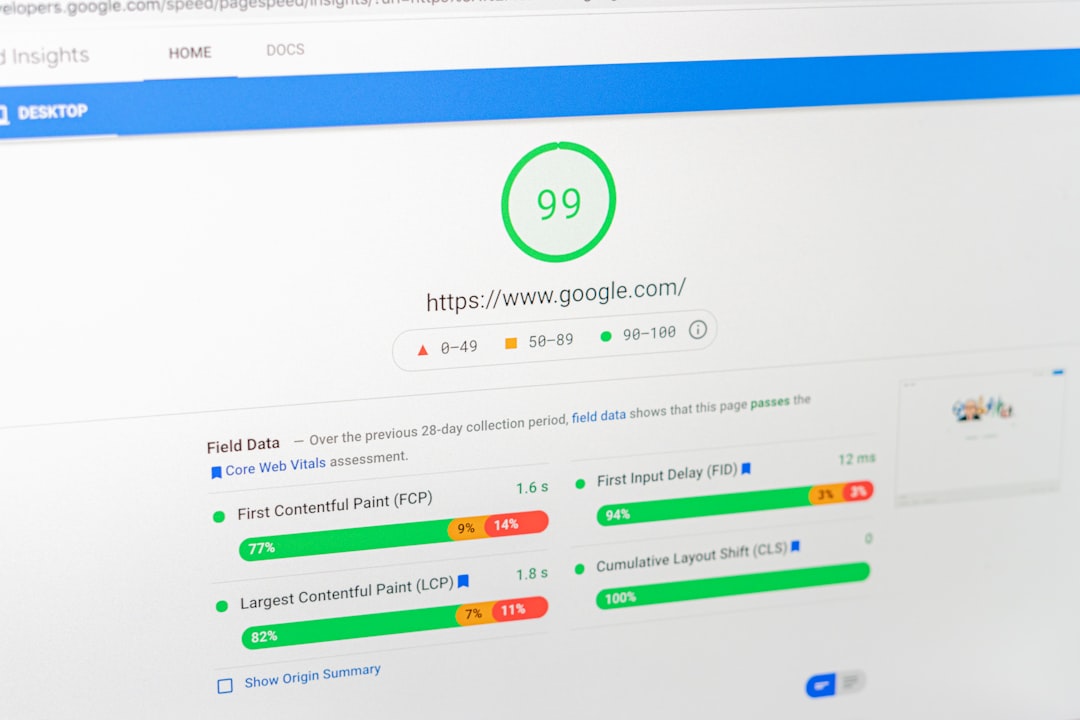
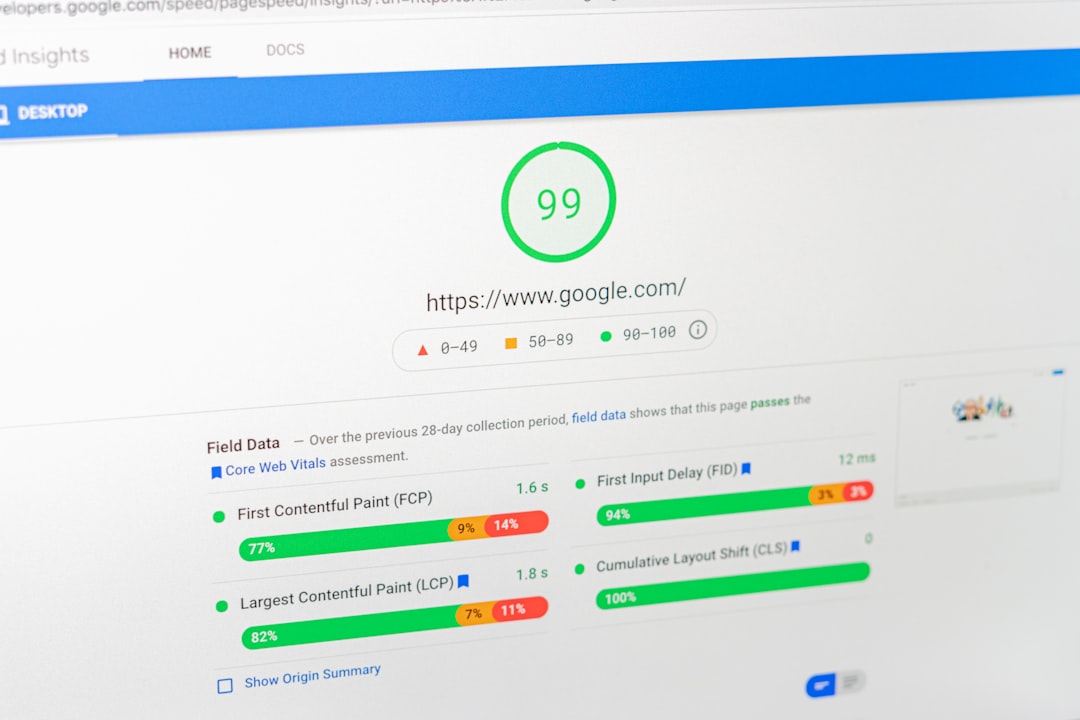
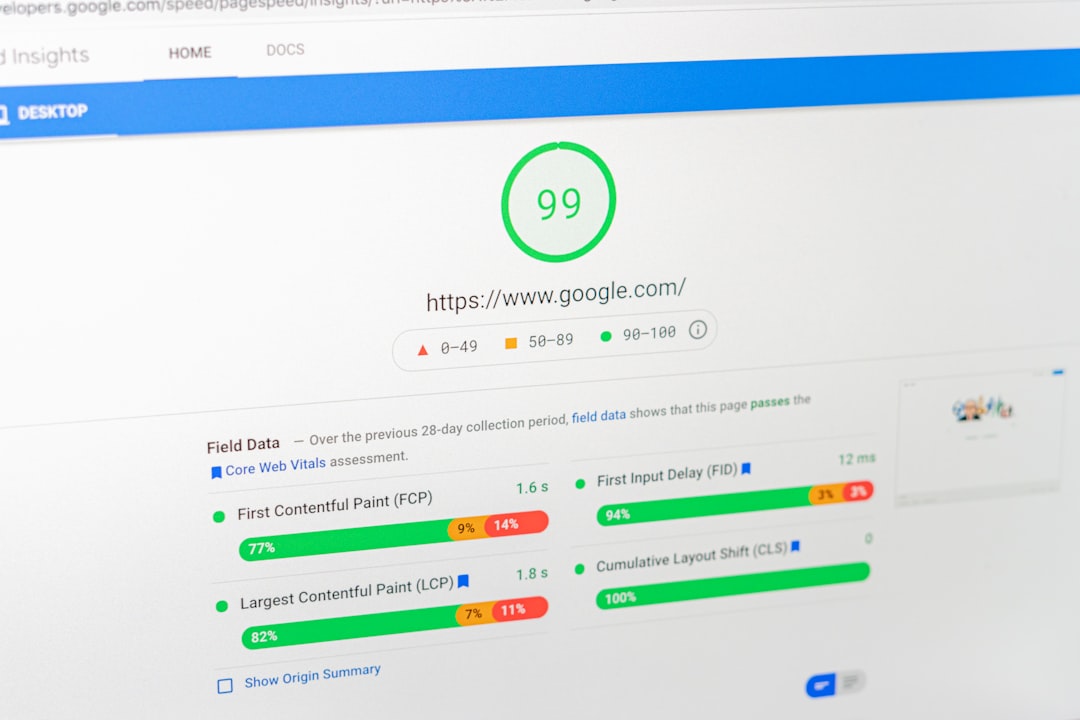
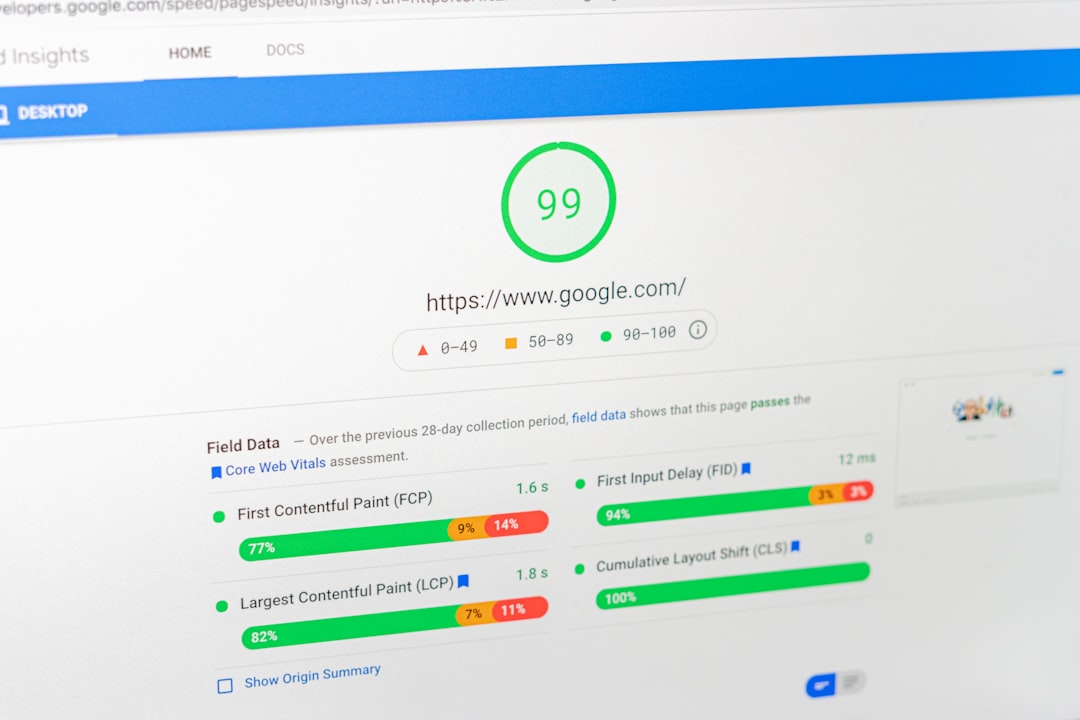
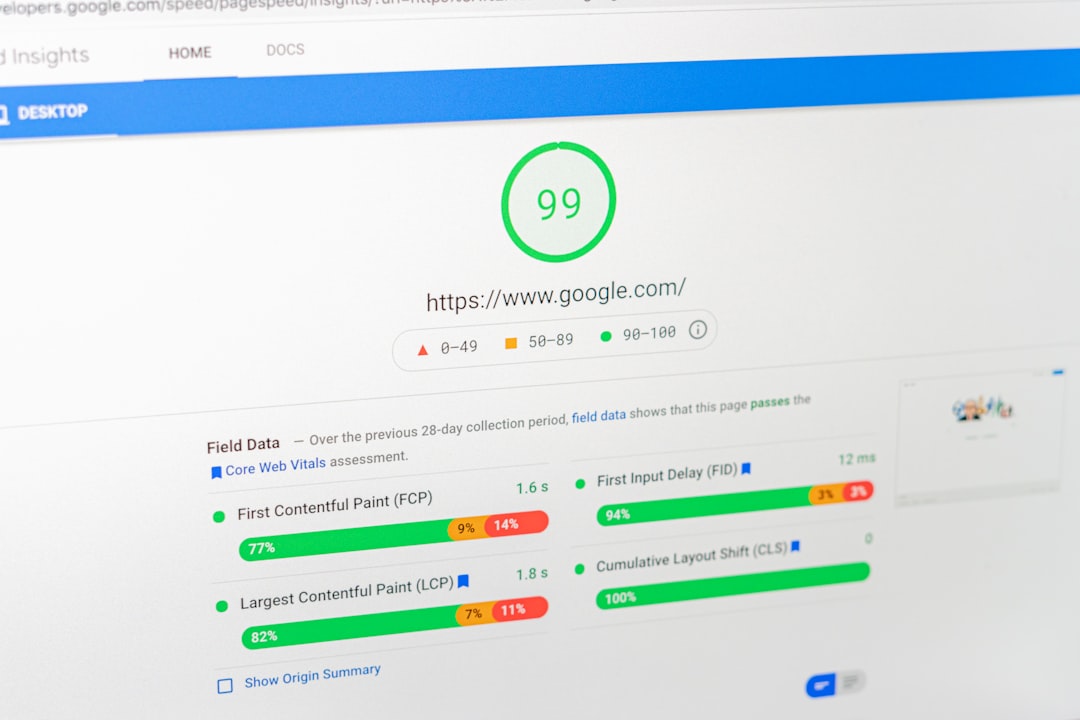
Page speed matters when slow templates frustrate visitors or weaken the user experience. You do not need a perfect score. The goal is a site that loads cleanly and is easy to use.
Start with the issues that usually create the biggest drag: oversized images, weak caching, heavy plugins, unnecessary scripts, and bloated builders. Test key templates separately because your homepage, blog posts, service pages, and product pages often behave differently. Fix the slowest high-value templates first instead of trying to optimize every page at once.
Use schema carefully
Structured data can help search engines interpret a page more clearly, but it is not a shortcut around weak content or weak technical SEO. Only add schema that matches what users can actually see on the page.
Keep your implementation clean and relevant. Business pages, articles, products, FAQs, and breadcrumbs can all be useful when they reflect the visible content accurately. Problems usually start when site owners enable every schema type a plugin offers without checking whether it applies.
If you are not sure whether your current plugin configuration is helping or quietly hurting you, our team at WordPress SEO Expert can help.
WordPress SEO checklist setup order
The best setup sequence is simple: fix visibility blockers first, then strengthen relevance, then polish performance. This order prevents you from wasting time tuning pages that search engines still cannot interpret properly.
| Priority | What to set up | Why it comes first |
|---|---|---|
| 1 | Indexing rules and crawl access | Pages cannot rank if they are blocked, orphaned, or noindexed |
| 2 | Canonical and redirect rules | Prevents duplicate URL confusion and diluted signals |
| 3 | Titles and page intent | Improves relevance and click clarity |
| 4 | Meta descriptions | Supports stronger search snippets and click-through |
| 5 | Internal links | Strengthens discovery, hierarchy, and user flow |
| 6 | Speed improvements on key templates | Improves usability where it matters most |
| 7 | Schema and sitemap hygiene | Supports cleaner technical signals after the foundation is stable |
What to stop doing
Stop treating plugin indicators as the goal. A perfect plugin score can still sit on a page with weak intent, poor internal linking, duplicate URL issues, and no meaningful path to conversion.
Also stop publishing thin variations of the same topic, stacking multiple SEO plugins, and making sitewide changes without checking the templates and page types that actually drive business value. Most gains come from a shorter, clearer plan executed in the right order.
The best next step
The fastest path forward is usually a focused review of your highest-value pages, not a sitewide rewrite. Start with the pages tied to leads, sales, and existing impressions, then work backward into templates, archive settings, and structural cleanup.
Book a free SEO consultation. No pitch, no pressure. Just an honest look at what your site actually needs and whether your current setup is part of the solution or part of the problem.
Contact WordPress SEO Expert today to schedule a consultation.