
WordPress SEO audits work best when they reduce confusion, not add to it. If rankings are flat, the issue is usually not effort or one missing setting. It is a stack of smaller problems that compound over time, and the fastest wins come from checking those problems in the right order.
A green light in an SEO plugin does not mean the page deserves to rank. One well-configured SEO plugin is enough for most sites, and running overlapping tools often creates duplicate metadata, conflicting canonicals, and mixed signals that make diagnosis harder. This practical guide shows what to audit first, what can wait, and how to turn scattered checks into a usable action plan.
Start With Crawlability and Indexing
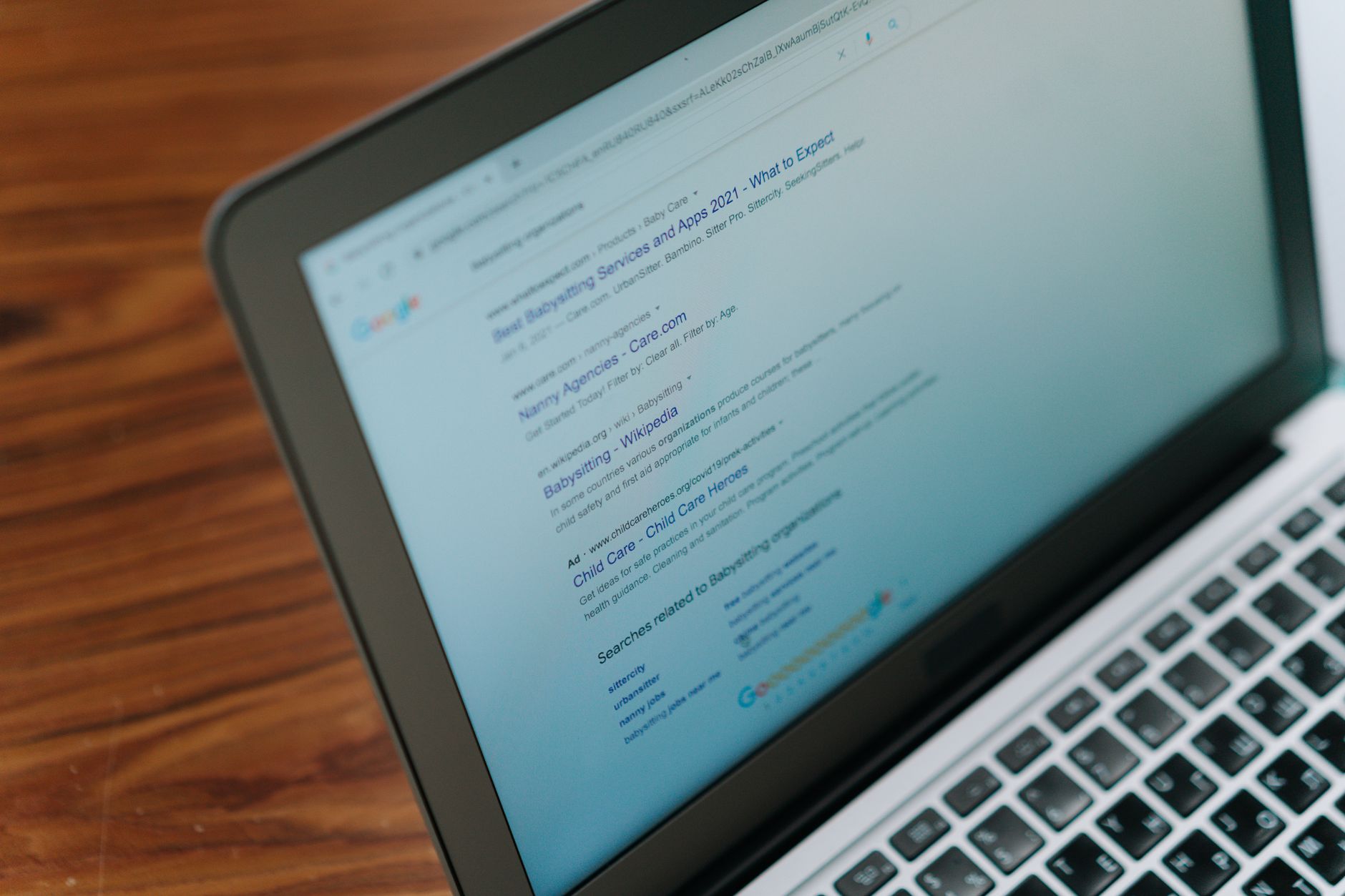
The first audit question is simple: can search engines reach and index the pages that matter? If the answer is no, titles, schema, and content polish can wait. Fix the issues that block visibility before the issues that polish visibility.
Check your key service pages, product categories, and lead-generating posts for accidental noindex settings, blocked crawling, broken status codes, and weak internal access. Important pages should be reachable through crawlable links, return a normal status code, and appear in your sitemap when they are meant to rank. If you want a deeper walkthrough of setup mistakes that interfere with indexing, review how to audit WordPress SEO setup and how to fix WordPress SEO setup problems.
What to check first
Review WordPress reading settings, SEO plugin indexation controls, page-level metadata, XML sitemap inclusion, and internal links pointing to each important page. Most site owners do not have one catastrophic problem. They have a stack of smaller issues that quietly limit visibility until rankings stall.
Audit Plugin Conflicts Before Anything Fancy

Many WordPress SEO problems come from overlapping tools, not missing features. If more than one plugin is trying to control titles, canonicals, sitemaps, schema, or redirects, clean that up before you chase advanced settings.
The cleanest setup usually has one primary SEO plugin, one sitemap source, and one clear place to manage metadata. When several plugins handle the same signals, you create conflicts that are hard to trace and even harder to trust. If your current setup feels cluttered, WordPress SEO setup for beginners offers a simpler baseline, and this practical guide for DIY site owners explains how those layers fit together.
If you are not sure whether your plugin stack is helping or quietly hurting you, our team at WordPress SEO Expert can help.
Check Titles, Intent, and Page Uniqueness

Weak titles and vague targeting are among the easiest problems to spot in an audit. The goal is not to squeeze every keyword variation into a title. The goal is to make each important page clearly match one primary intent.
Look for repeated title structures, generic wording, and pages that could swap titles without changing meaning. That usually signals weak targeting. Meta descriptions matter too, but mainly as click support. They should summarize the page honestly instead of reading like a pile of keywords written to satisfy a plugin score.
| Weak title | Stronger title |
|---|---|
| SEO Services | SEO Company | SEO Expert | WordPress SEO Services for Small Businesses |
| Blog | WordPress SEO Audit Tips for Flat Rankings |
A practical audit asks whether each page has a distinct job. If two or three pages target the same phrase with only minor wording changes, the answer is usually consolidation, not more publishing.
Review Canonicals, Redirects, and Duplicate URLs
Duplicate URL issues dilute signals and waste attention. During the audit, decide which version of a page should be primary, then make sure canonicals, redirects, and internal links all reinforce that choice.
Common WordPress duplication problems include attachment pages, thin tag archives, pagination issues, trailing slash inconsistencies, parameter URLs, and WooCommerce filter pages. The point is not to panic over every alternate URL. The point is to make sure search engines receive one clear answer about which pages deserve visibility.
Evaluate Internal Linking Before Publishing More

Internal linking is often the fastest structural improvement because it affects discovery, hierarchy, and context at the same time. If your important pages are isolated or buried, publishing more content usually adds complexity without solving the real problem.
Audit whether your key service pages, categories, and commercial posts receive links from relevant pages with descriptive anchor text. Connect supporting posts to decision-stage pages, fix orphaned URLs, and reduce dead ends where users have nowhere useful to go next. This is also where content overlap becomes obvious. Three similar articles with weak links to core pages usually indicate a consolidation problem, not a content shortage.
Use a Simple Audit Order
A practical audit needs a sequence. Without one, site owners spend hours polishing details on pages that still have basic visibility problems. A short priority framework keeps the work honest and reduces wasted effort.
| Priority | Audit area | Why it comes first |
|---|---|---|
| 1 | Indexing and crawl access | Pages cannot rank if search engines cannot reach or index them. |
| 2 | Canonicals and redirects | These reduce duplicate URL confusion and preserve stronger signals. |
| 3 | Titles and page intent | These improve clarity, relevance, and click potential. |
| 4 | Internal linking | This strengthens hierarchy, discovery, and contextual support. |
| 5 | Template usability and support layers | These help once the visibility blockers are under control. |
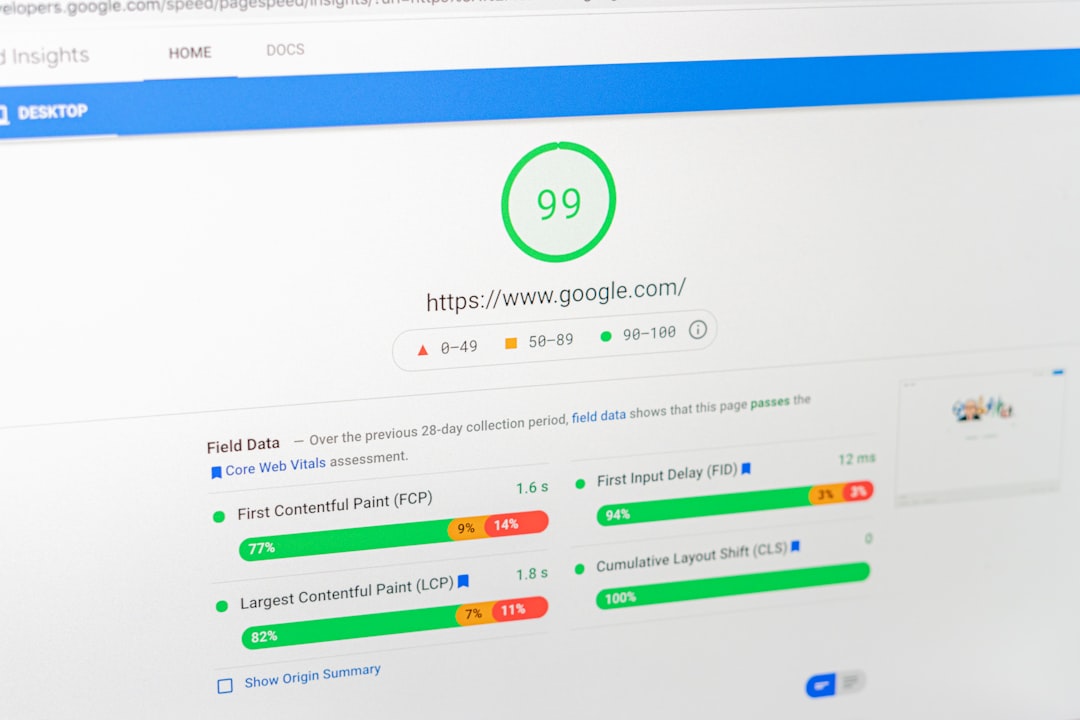
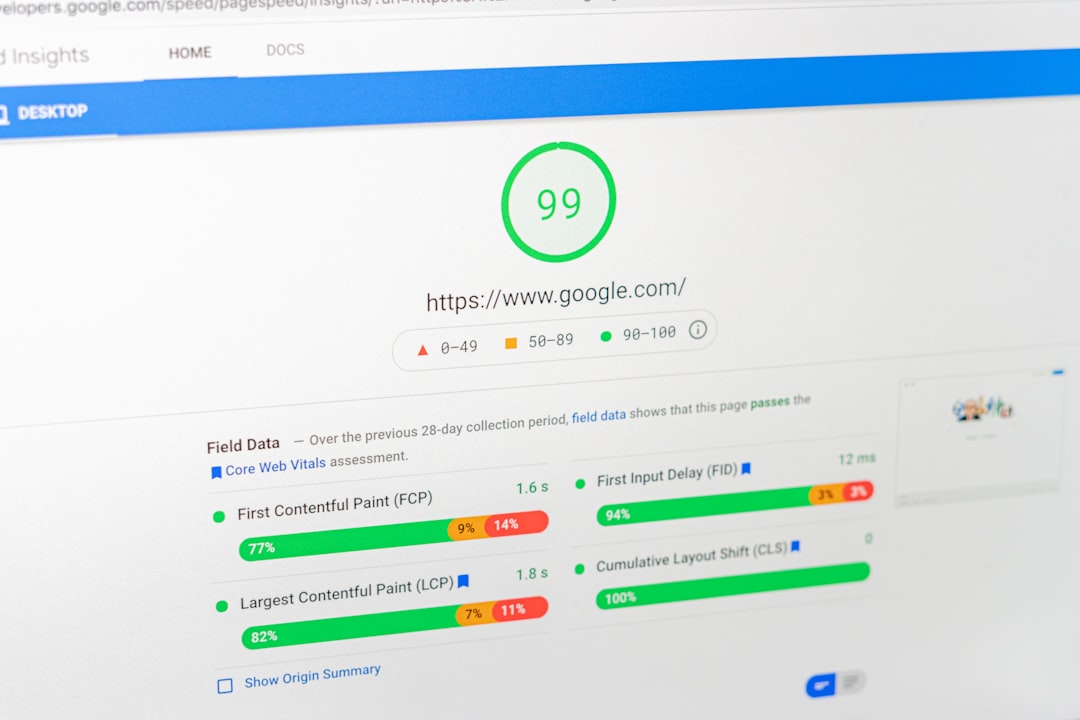
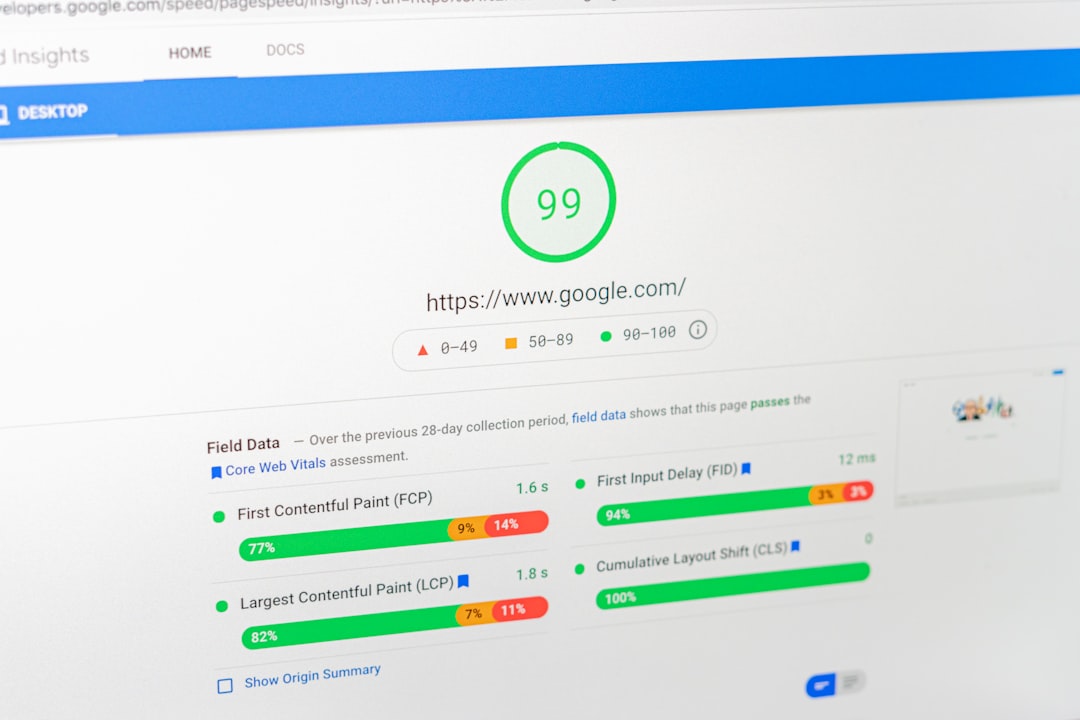
You do not need a perfect score. The goal is a site that loads cleanly, is easy to use, and sends consistent signals about which pages matter most.
What to Stop Doing During the Audit
Stop treating plugin checklists as proof that the page is optimized. Audit work should tell you whether the site is crawlable, technically clean, and aligned with search intent. It should not become a race for badges inside a plugin dashboard.
Also stop publishing new posts to compensate for structural confusion. If the site already has indexing problems, duplicate signals, weak internal links, or overlapping pages, more content often creates more surfaces for the same problems to spread.
The Best Next Step After the Audit
The best next step is a short action plan based on impact. Start with the pages closest to leads or sales, the templates that affect the most URLs, and the issues that block visibility across multiple pages at once.
If your rankings are flat and you are not sure whether the main issue is indexing, duplication, weak targeting, or plugin clutter, WordPress SEO Expert can help. Book a free SEO consultation. No pitch, no pressure. Just an honest look at what your site actually needs and whether your current setup is part of the solution or part of the problem.
Contact WordPress SEO Expert today to schedule a consultation.