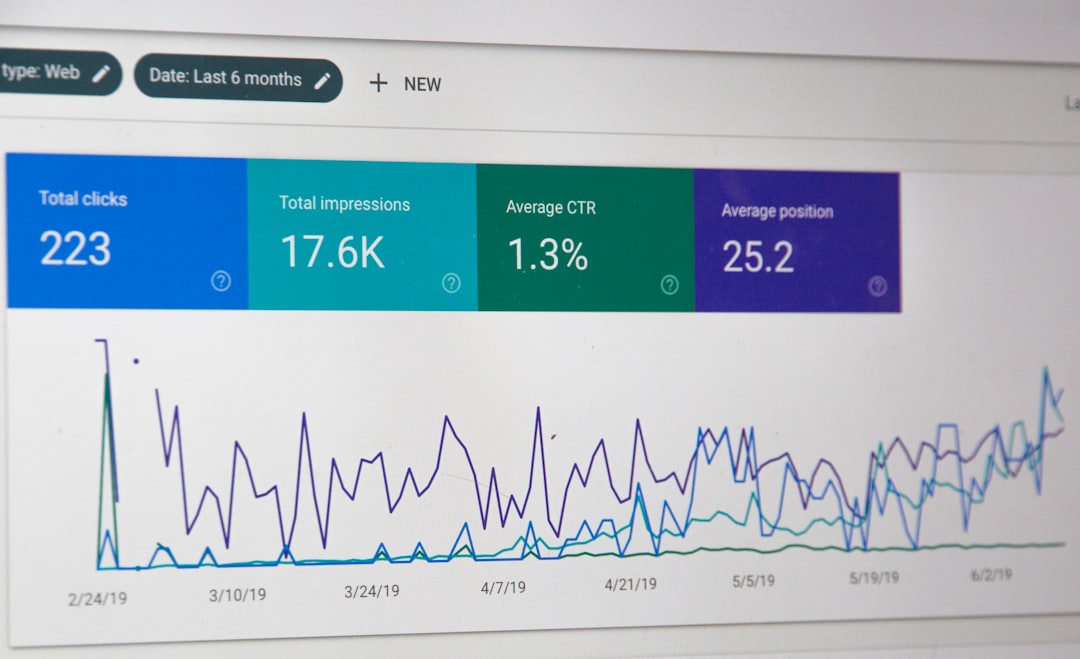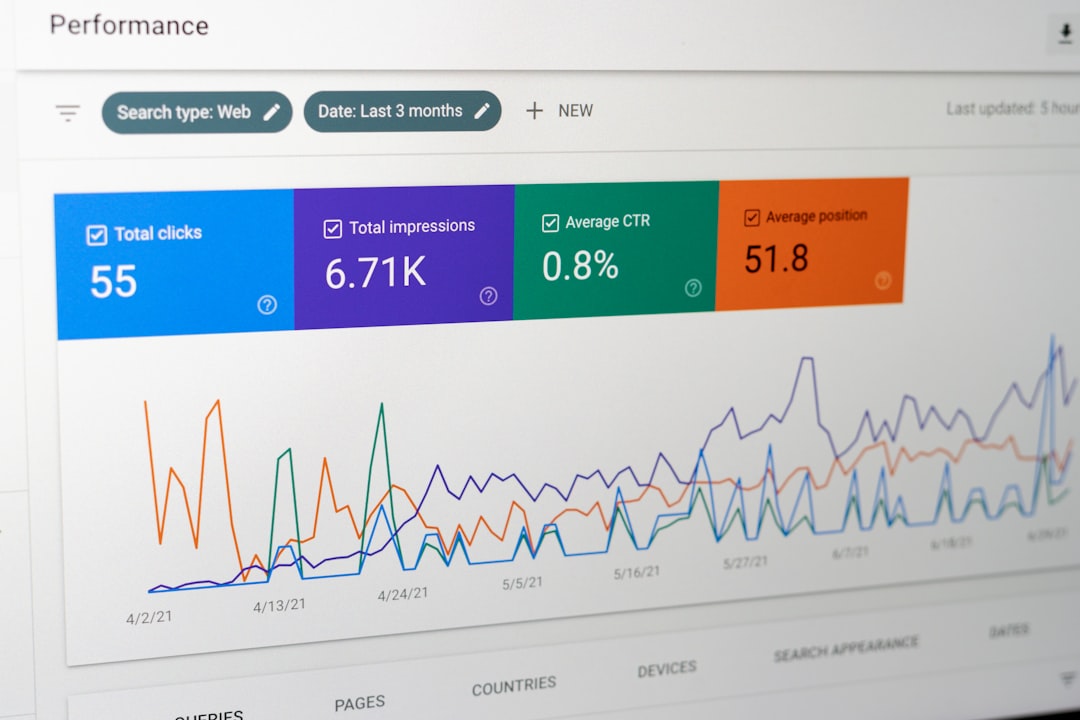

Flat rankings usually point to a scattered plan, not a lack of effort. Service businesses often publish pages, install plugins, and tweak settings without a clear order of operations. A green light in an SEO plugin does not mean the page deserves to rank. What matters is whether your site sends clear signals about which services you offer, which pages matter most, and why a local or niche buyer should trust you.
For most service businesses, the strongest WordPress SEO strategy is simple: make key service pages easy to crawl, target one clear search intent per page, tighten internal links, and remove duplicate or low-value pages that dilute relevance. Google recommends clear, concise titles, unique page descriptions, and crawlable links with descriptive anchor text, which fits this approach far better than chasing plugin scores or stacking overlapping SEO tools.
If your setup already feels cluttered, start by simplifying it. Our guide to fixing WordPress SEO setup problems explains how conflicting settings and weak priorities can suppress visibility before content quality even gets a fair shot.
Start With the Pages That Make You Money

The first SEO priority for a service business is not blogging more. It is making sure your core service pages clearly describe what you do, who you help, and where you work if geography matters. These are the pages most likely to turn search demand into calls, forms, and booked work.
Give each important service its own page when the service solves a distinct problem or deserves its own search intent. A plumbing company may need separate pages for emergency plumbing, drain cleaning, and water heater repair. A law firm may need different pages for family law, estate planning, and business litigation. One page trying to rank for every service usually stays too vague to perform well.
Keep the page focused. The main heading should match the service, the body should explain the problem, process, and outcome, and the call to action should feel direct and local to the service being offered. Google’s SEO guidance emphasizes using words people actually search for in prominent places like the title and main heading, so clarity beats clever branding here.
Match One Search Intent to One Page

Most weak service-business SEO comes from intent mismatch. If a page mixes education, sales copy, FAQs, and multiple services without a clear primary purpose, search engines get mixed signals and users do too. The fix is to assign one main job to each page.
Homepages target broad brand and category intent. Service pages target commercial or transactional intent. Blog posts target informational questions and should support service pages rather than compete with them. If two pages target the same phrase or solve the same question in slightly different ways, consolidate them instead of forcing both to coexist.
This is where many DIY site owners get stuck. They are not failing because they missed one secret tactic. They are spreading relevance across too many overlapping URLs. Our practical WordPress SEO guide for DIY site owners walks through this layered approach in more depth if you need a broader framework.
Use Titles and Headings to Clarify, Not Stuff
Title tags and on-page headings should make the page’s purpose obvious within seconds. Google recommends descriptive, concise titles and specifically warns against keyword stuffing and repetitive boilerplate. For service businesses, that means naming the service and audience or location clearly instead of piling up variations.
| Weak title | Stronger title |
|---|---|
| HVAC Services | HVAC Company | HVAC Repair | Residential HVAC Repair in Phoenix |
| Family Lawyer | Attorney | Legal Services | Family Law Attorney for Custody Cases |
| Cleaning Services | Office Cleaning Services for Small Businesses |
Your H1 can be slightly more natural than the title tag, but both should point to the same topic. Keep the structure logical with one H1, then H2s and H3s that break the service into understandable sections. This helps readers scan and helps search engines understand the page without forcing awkward repetition.
Strengthen Internal Links Around Your Services

Internal links are one of the simplest ways to reinforce which pages matter most. Google recommends crawlable HTML links with descriptive anchor text, and every important page should be reachable through clear, contextual links. For service businesses, this means your blog should actively support your service pages instead of sitting in a disconnected content silo.
Link from blog posts to the most relevant service page when the reader is likely to need help next. Link between related services when the relationship is natural. Link from broad overview pages to more specific service pages. Avoid vague anchors like learn more or click here when a clearer phrase would tell both the reader and Google what sits on the other side of the link.
If you are experiencing these symptoms, our team at WordPress SEO Expert can help. A good internal linking structure often reveals whether the real problem is weak targeting, poor crawl paths, or service pages that were never given enough contextual support.
Keep Technical SEO Clean and Boring
Technical SEO for most service businesses does not need to be elaborate. It needs to be clean. One well-configured SEO plugin is enough. Running overlapping plugins often creates duplicate metadata, conflicting canonicals, and competing sitemap outputs that make diagnosis harder than it needs to be.
Check that your important pages are indexable, included in your sitemap, and linked from crawlable navigation or content. Review archive pages, tag pages, attachment pages, and any filtered or parameter-based URLs that add little value. A service site usually wins by keeping the index focused on home, service, location, about, and selected educational pages rather than letting WordPress generate a long tail of thin archives.
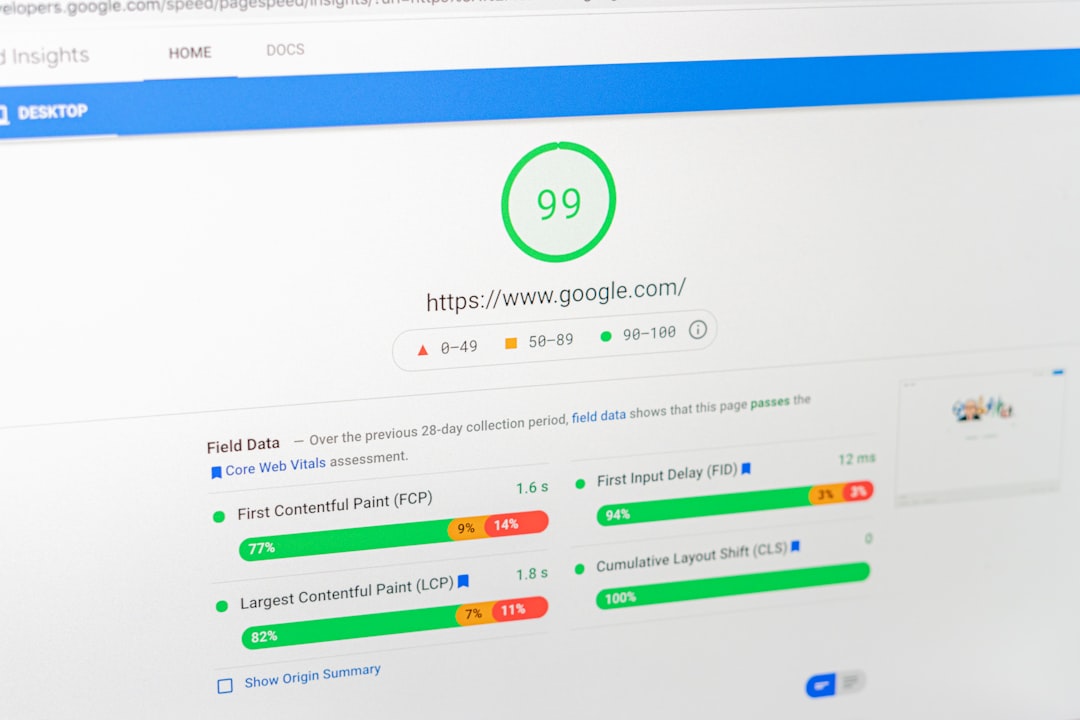
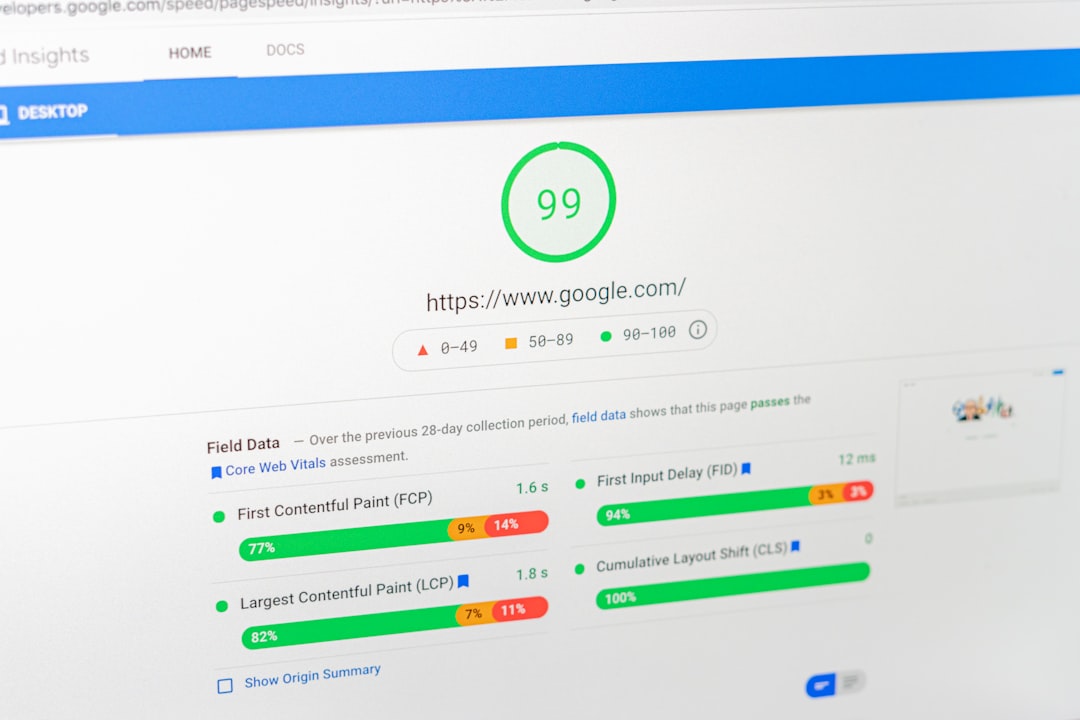
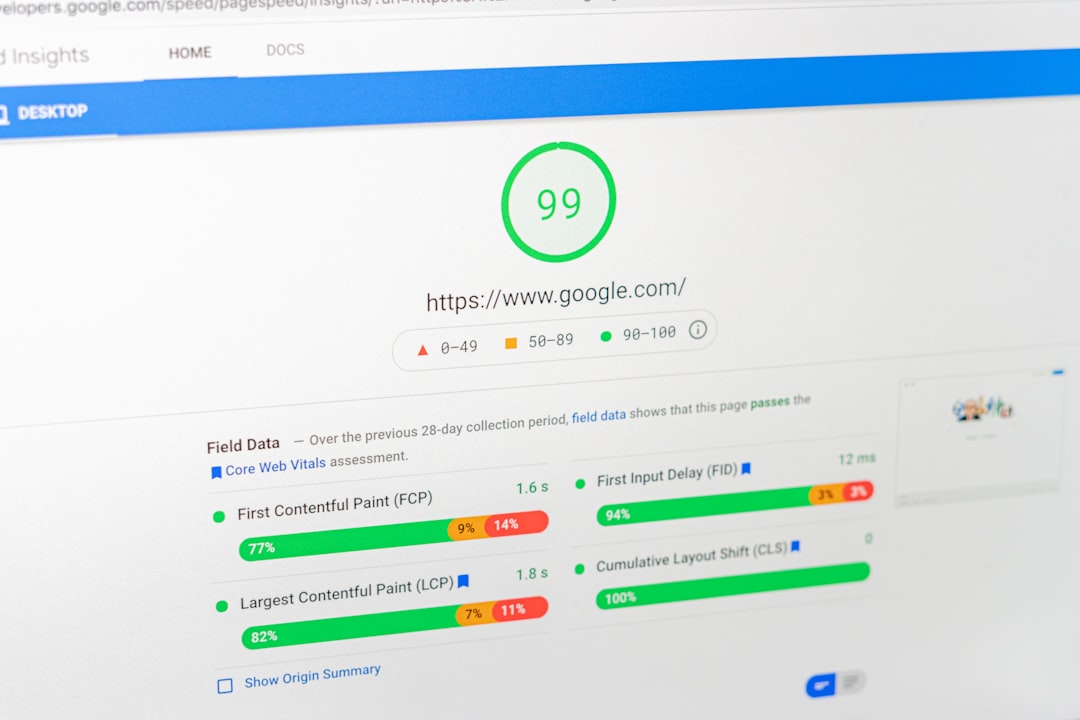
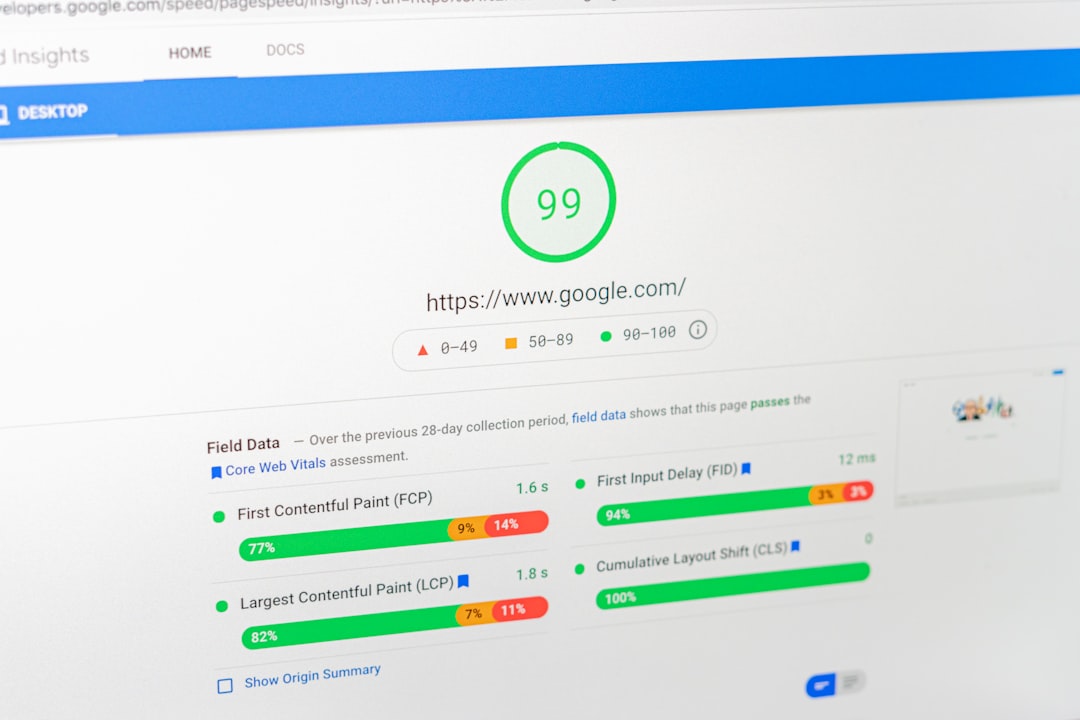
You do not need a perfect score. The goal is a site that loads cleanly, is easy to use, and sends consistent signals about which pages matter most. Fix the issues that block visibility before the issues that polish visibility.
Build Content That Supports Sales, Not Just Traffic
Blog content works best for service businesses when it answers pre-sale questions that real prospects ask before hiring someone. That includes comparisons, cost factors, timelines, common problems, and decision-stage concerns. Traffic without alignment rarely turns into revenue.
Write posts that remove friction. A roofing company might explain when repair makes more sense than replacement. A therapist might explain how to choose the right treatment approach. A managed IT provider might explain what causes recurring outages and when outside support becomes necessary. Each article should point naturally toward a relevant service page as the next step.
This approach also protects you from publishing thin near-duplicates. Instead of creating multiple posts that barely change the wording, build fewer, stronger pages that fully answer the topic and connect back to the service offer.
A Practical SEO Order of Operations
The fastest gains usually come from sequencing work correctly. Service businesses lose time when they rewrite copy, add schema, or publish more posts before confirming that core pages are indexable, distinct, and internally supported.
| Priority | What to fix first | Why it matters |
|---|---|---|
| 1 | Indexing and crawl access | Pages cannot rank if search engines cannot reliably reach them |
| 2 | Service-page targeting | Each core page needs one clear job and one clear intent |
| 3 | Title tags and headings | These clarify relevance and improve click potential |
| 4 | Internal links | They strengthen hierarchy and support key revenue pages |
| 5 | Supporting blog content | It expands topical coverage and answers pre-sale questions |
| 6 | Schema and secondary polish | Helpful after the foundation is already stable |
When to Get Help
If rankings are flat even after basic cleanup, the issue is usually not effort. It is prioritization, duplication, or a weak match between your pages and the searches you want to win. That is especially common on service sites that have gone through redesigns, plugin changes, or years of incremental edits.
WordPress SEO Expert can help you sort out whether the real problem is indexing, weak targeting, thin internal linking, or plugin clutter. Book a free SEO consultation. No pitch, no pressure. Just an honest look at what your site actually needs and whether your current setup is part of the solution or part of the problem.
Contact WordPress SEO Expert today to schedule a consultation if you want a practical plan built around your service pages, site structure, and real growth priorities.