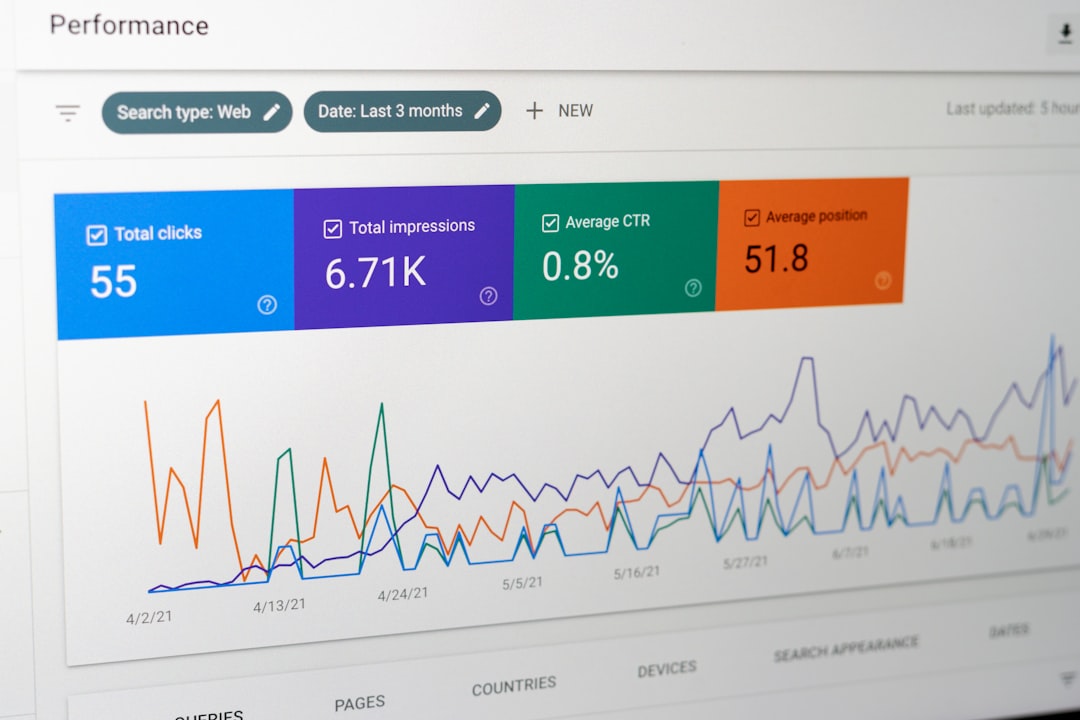

Building a WordPress SEO strategy can seem complicated when every SEO task is treated as equally important. A step-by-step process makes the work easier by giving each stage a clear purpose.
From auditing the website to measuring results, the following framework can help create a practical SEO workflow.
Step 1: Audit the Website
Begin by understanding the current condition of the website.
Check important areas such as:
- Indexing
- Broken links
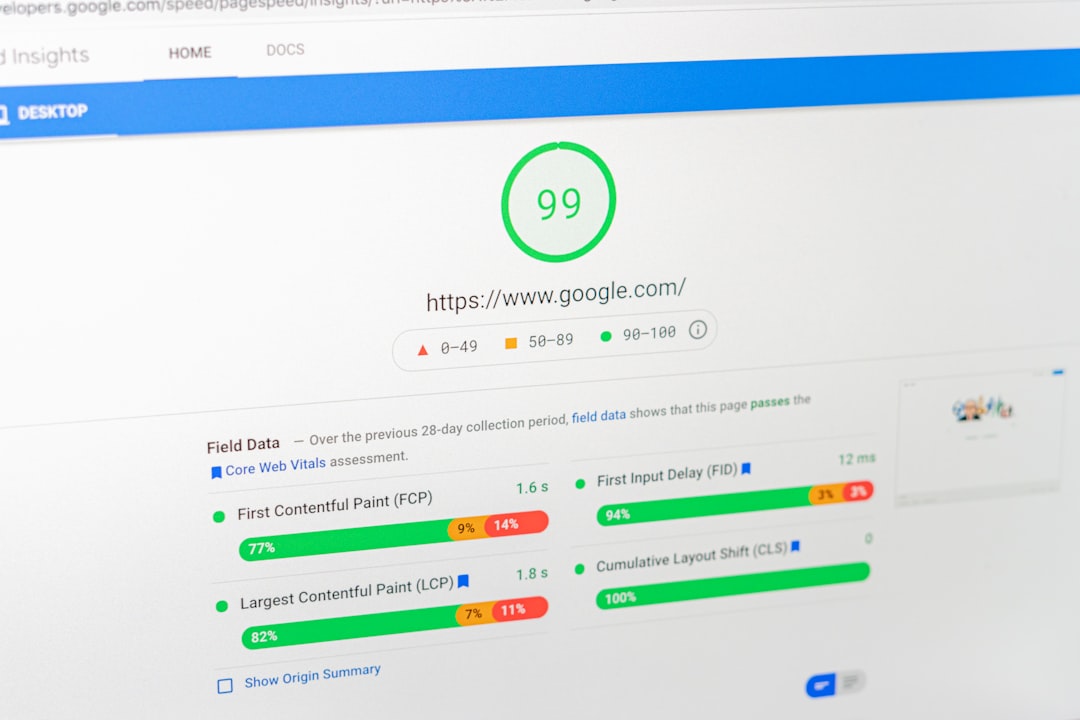
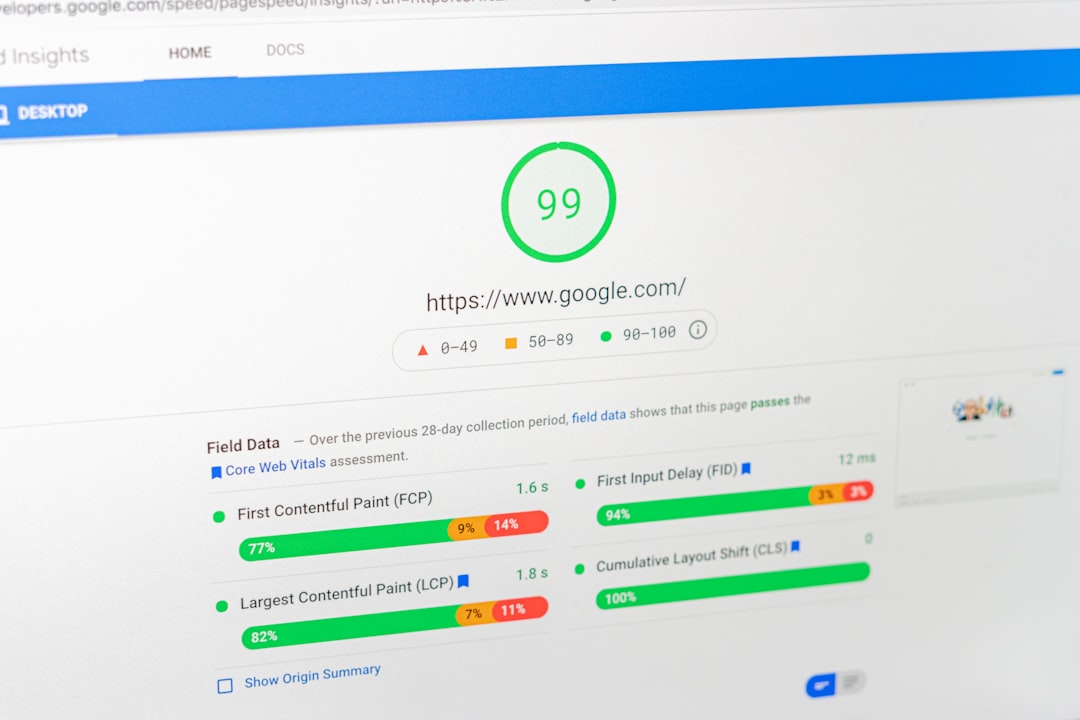
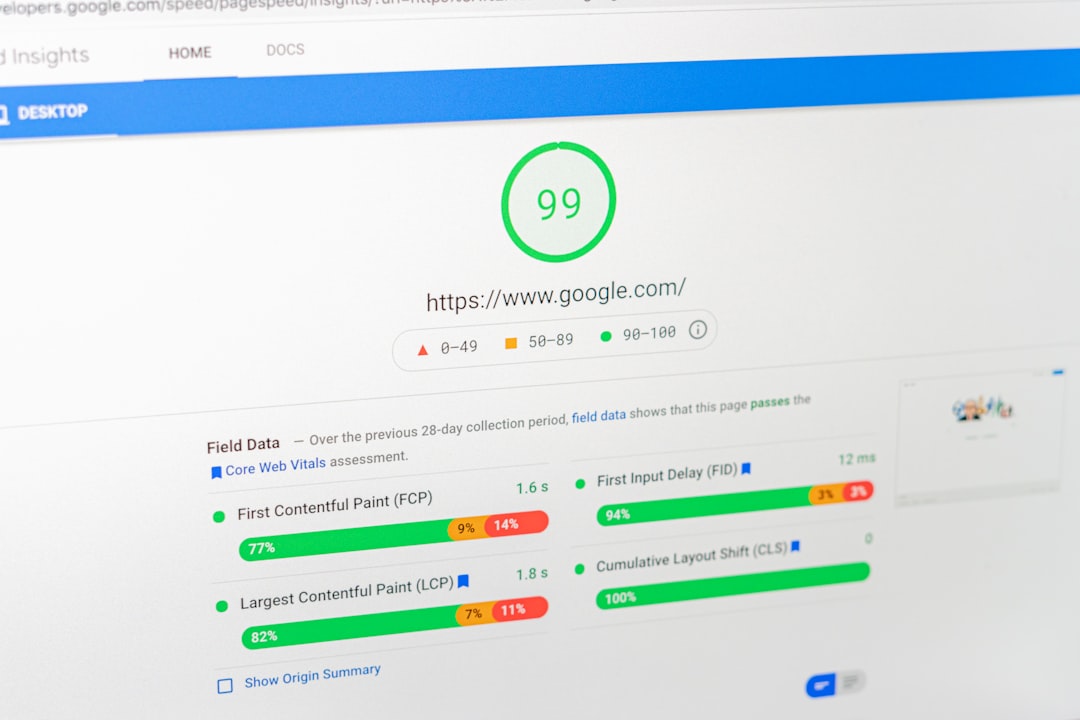
- Page speed
- Mobile usability
- Existing content
- Metadata
- Internal links
- XML sitemap
- Redirects
- Duplicate pages
The audit creates a baseline and helps identify the problems that need attention first.
Step 2: Define Your Goals

SEO should support a business objective.
Your goal might be to increase qualified traffic, generate more leads, improve visibility for important services, or increase online sales.
Clear goals help determine which pages and keywords deserve the most attention.
Step 3: Research Your Audience and Keywords
Identify what potential customers search for and why they search for it.
Group keywords according to intent. Informational searches may require educational content, while commercial searches may be better suited to service or product pages.
Do not select keywords based only on search volume. Relevance and business value are equally important.
Step 4: Organize the Website
Create a logical relationship between important pages.
A typical structure might look like:
Homepage → Services → Individual Services → Supporting Content
Use categories and navigation that make sense for visitors.
Important pages should be easy to reach, while related articles can support them through internal links.
Step 5: Optimize Existing Pages
Review important pages individually.
Improve their:
- Page titles
- Headings
- Content
- URLs
- Internal links
- Images
- Meta descriptions
- Calls to action
The goal is not to make every page longer. The goal is to make every important page more useful and relevant.
Step 6: Fix Technical SEO Issues
Once on-page opportunities are identified, address technical problems that could prevent search engines from accessing or understanding the website.
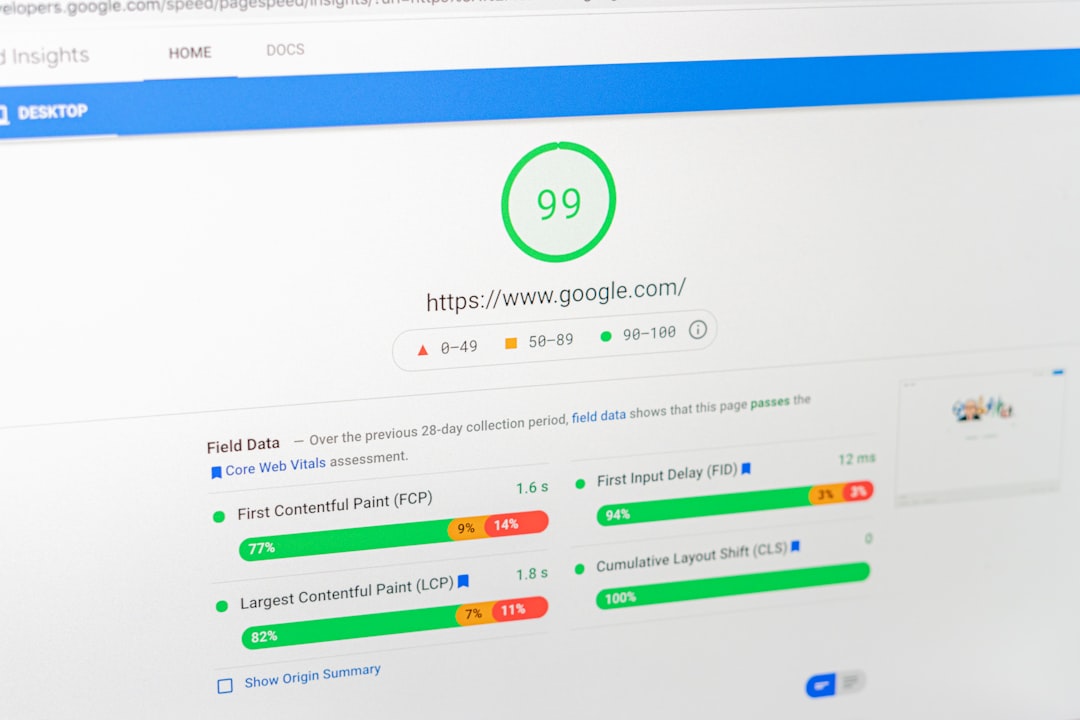
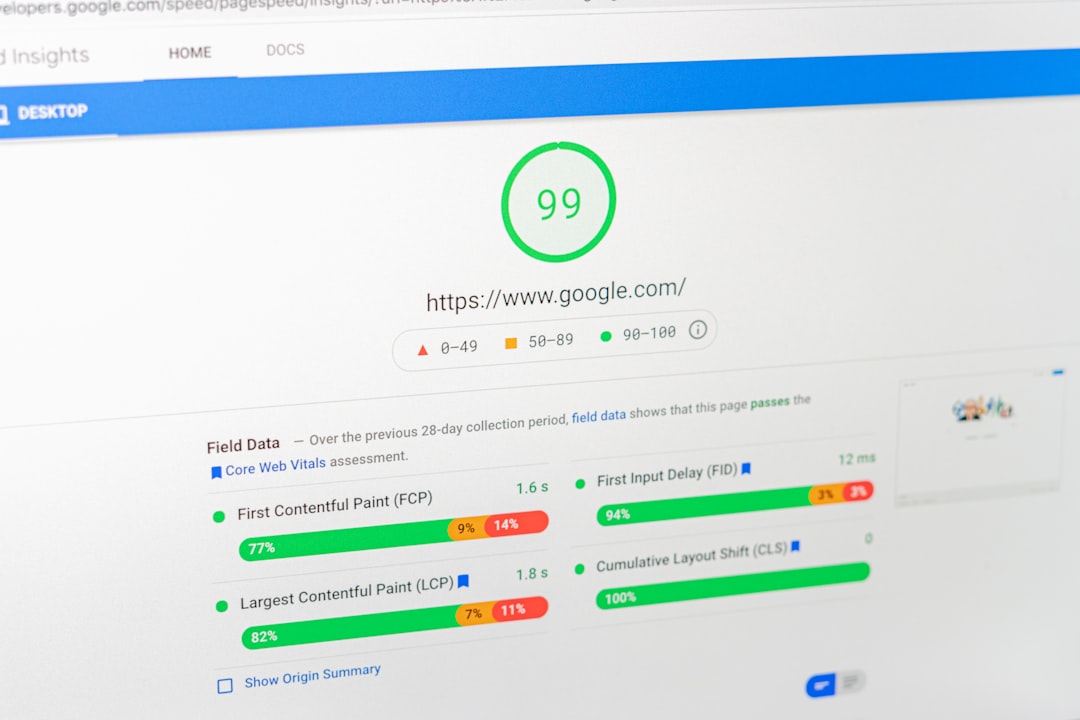
Review indexing settings, redirects, canonical URLs, sitemap configuration, broken links, mobile usability, and performance.
Be careful when changing technical settings in WordPress. A small configuration mistake can sometimes affect how pages are indexed.
Step 7: Create Supporting Content
Build content around the questions and problems your audience has.
For example, a WordPress development business might create articles about website security, speed optimization, plugin management, and SEO maintenance.
Each article should have a clear search purpose and connect naturally with relevant service pages.
Step 8: Strengthen Internal Linking
After creating content, connect related pages.
A useful internal-linking system can guide readers from general information toward more detailed resources or relevant services.
Review older articles as well. New content often creates opportunities to improve links on existing pages.
Step 9: Build Relevant Authority
External mentions and quality backlinks can support a website’s authority.
Focus on earning relevant links through useful resources, industry contributions, digital PR, partnerships, and content that others genuinely want to reference.
Avoid relying on large quantities of unrelated or low-quality links.
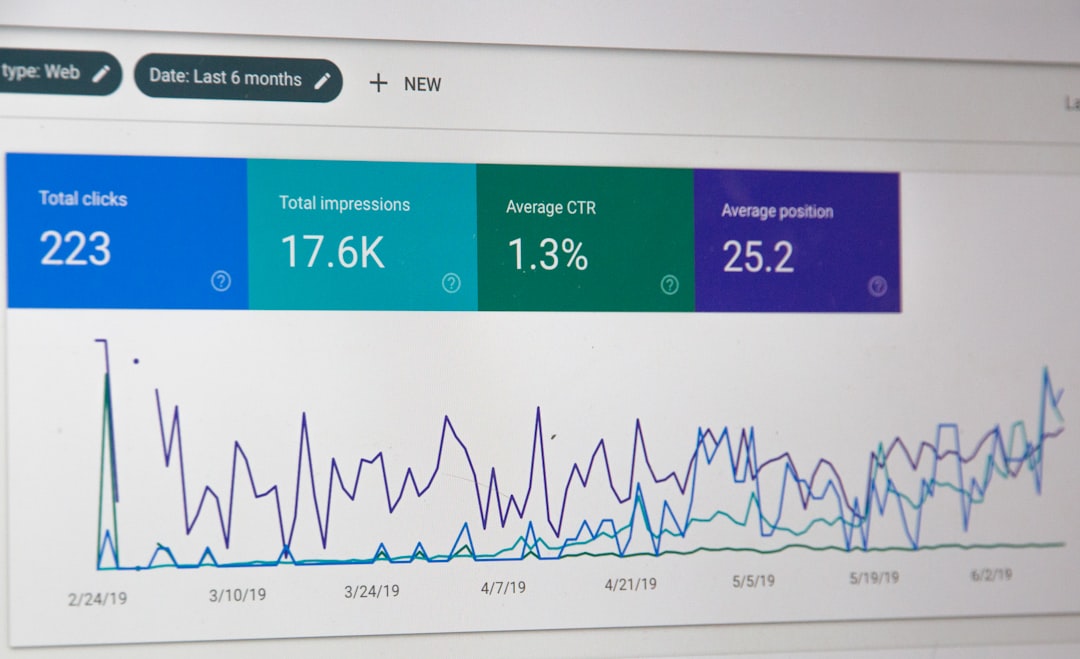
Step 10: Measure Performance
SEO should be measured regularly.
Useful metrics include:
| Metric | Purpose |
|---|---|
| Organic Traffic | Measures search-driven visitors |
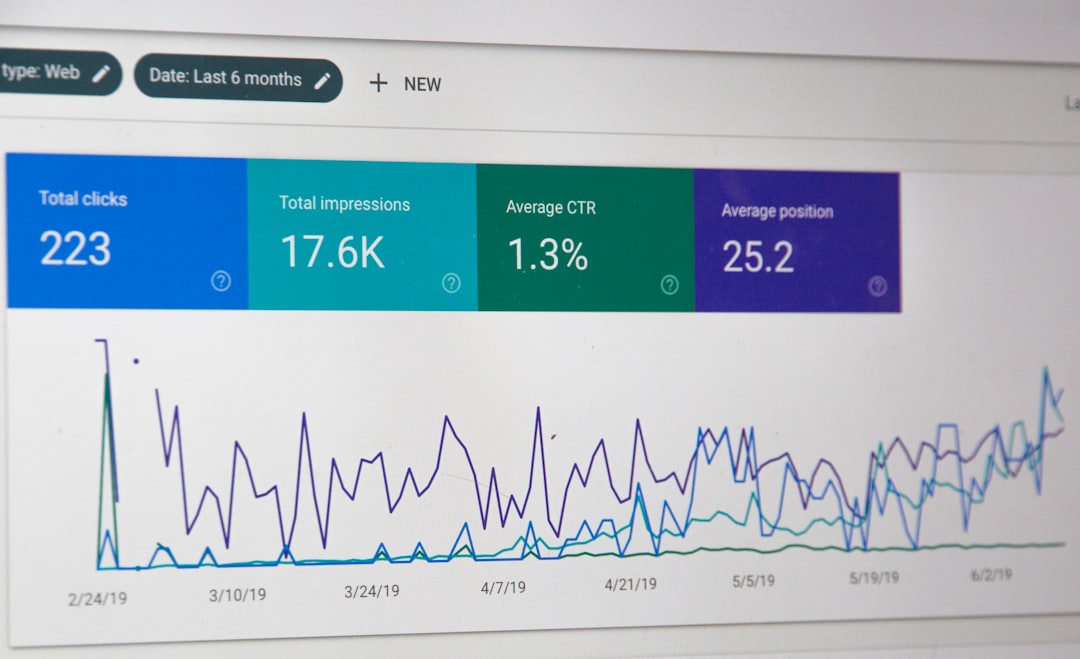
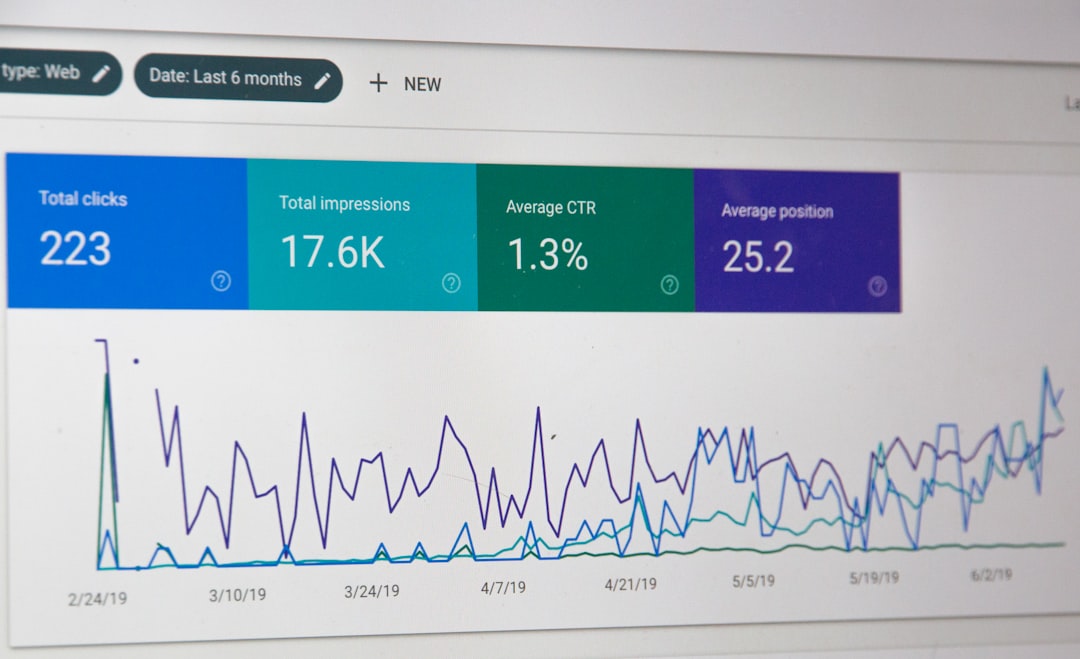
| Impressions | Shows search visibility |
| Clicks | Shows visits generated from search |
| CTR | Indicates how often users click |
| Rankings | Tracks keyword visibility |
| Leads | Measures potential customers |
| Conversions | Measures completed business goals |
These numbers help determine what is working and where additional improvements are needed.
Step 11: Refine the Strategy
SEO is an ongoing process.
If a page receives impressions but few clicks, improve its search appearance. If it gets traffic but no conversions, review the content and user journey. If an important page is not gaining visibility, investigate its relevance, technical setup, content quality, and internal links.
For larger websites or businesses with limited time, a WordPress SEO company can manage these steps through a structured optimization process.
A step-by-step strategy keeps SEO organized, measurable, and focused on long-term organic growth.