
A successful WordPress SEO strategy depends on consistent practices rather than shortcuts. From keyword research and content planning to technical optimization and performance tracking, each part contributes to how effectively a website can appear in search results.
Following a structured process also makes SEO easier to manage as the website grows.
Begin With a Clear Website Structure
A search-friendly website should have a logical structure.
Visitors should be able to move from the homepage to major categories, services, products, and supporting content without confusion.
Use descriptive navigation and organize related pages together. Avoid creating unnecessary levels of pages that make important information difficult to reach.
Choose Keywords Based on Search Intent
One of the most important SEO practices is matching content to search intent.
A user searching for “WordPress SEO tips” is likely looking for information. Someone searching for “WordPress SEO company” may be investigating professional services.
The content should satisfy the reason behind the search rather than simply repeating the keyword.
Keyword research should consider:
- Relevance
- Search intent
- Competition
- Long-tail opportunities
- Business value
Optimize Titles and Headings

Every important page should have a clear title that accurately describes its content.
Headings should organize the page into logical sections. Use H2 and H3 headings where they improve readability and help readers scan the content.
Avoid forcing keywords into every heading. Natural language generally creates a better experience.
Write Useful, Original Content
Good SEO content should provide information that readers can actually use.
Before publishing an article, ask:
- Does it answer the main question?
- Is the information accurate?
- Does it cover important related points?
- Is it easy to read?
- Does it offer useful examples?
- Does it provide a clear next step?
Content quality should matter more than publishing frequency.
Use Internal Links Strategically
Internal links help connect related content.
For example, a blog article about WordPress site speed could link to another article about technical SEO or to a relevant optimization service.
Use descriptive anchor text that gives readers an idea of what they will find after clicking.
Keep WordPress Technically Healthy
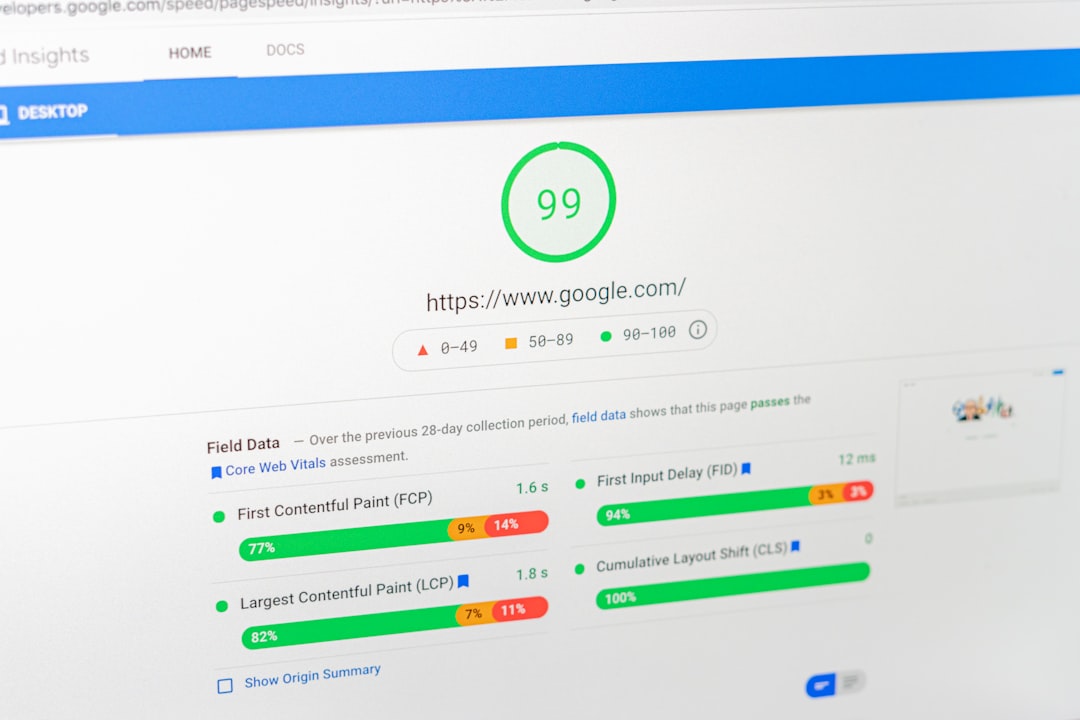
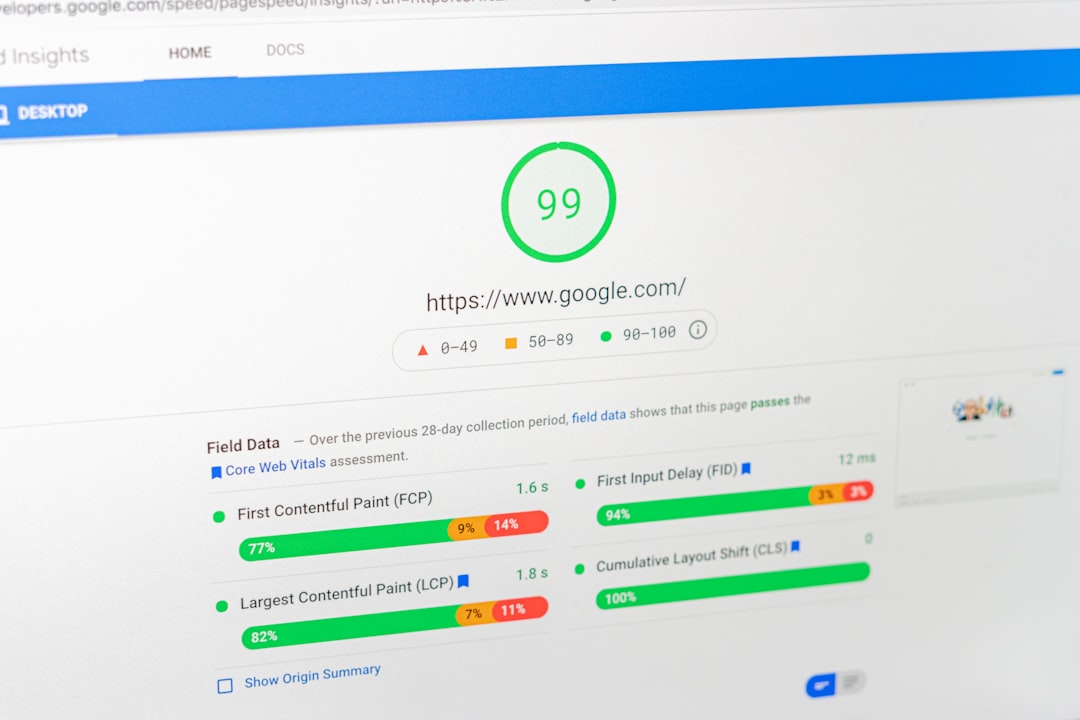
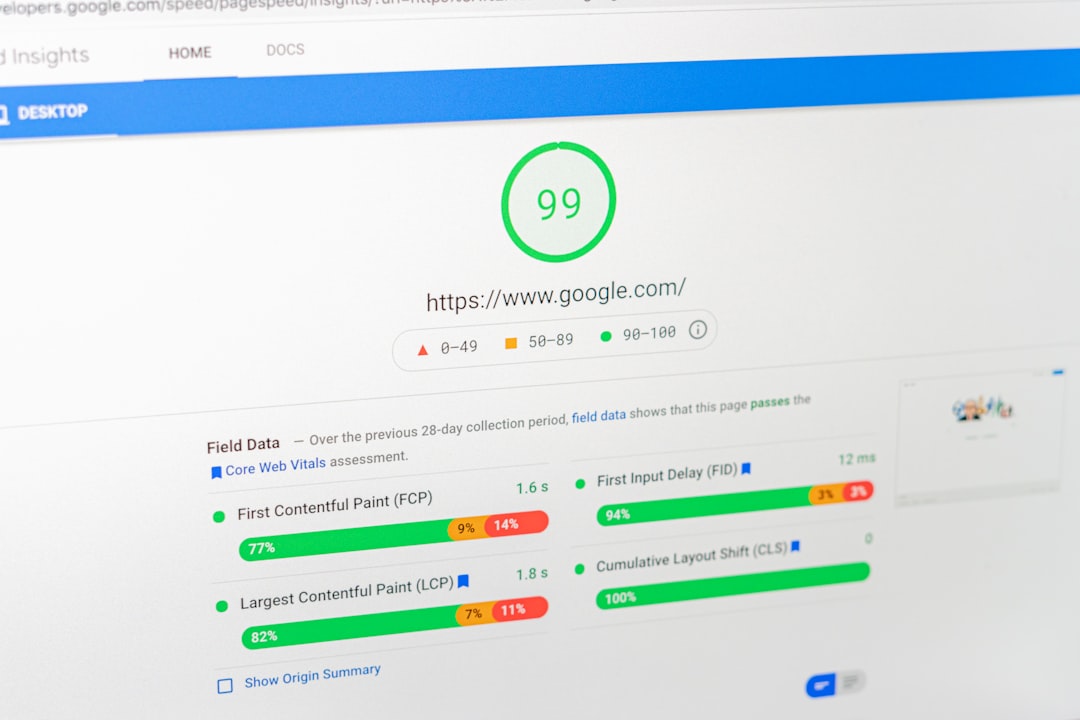
Technical SEO should be included in regular website maintenance.
Monitor:
- Broken links
- Indexing
- Redirects
- XML sitemaps
- Canonical settings
- Mobile usability
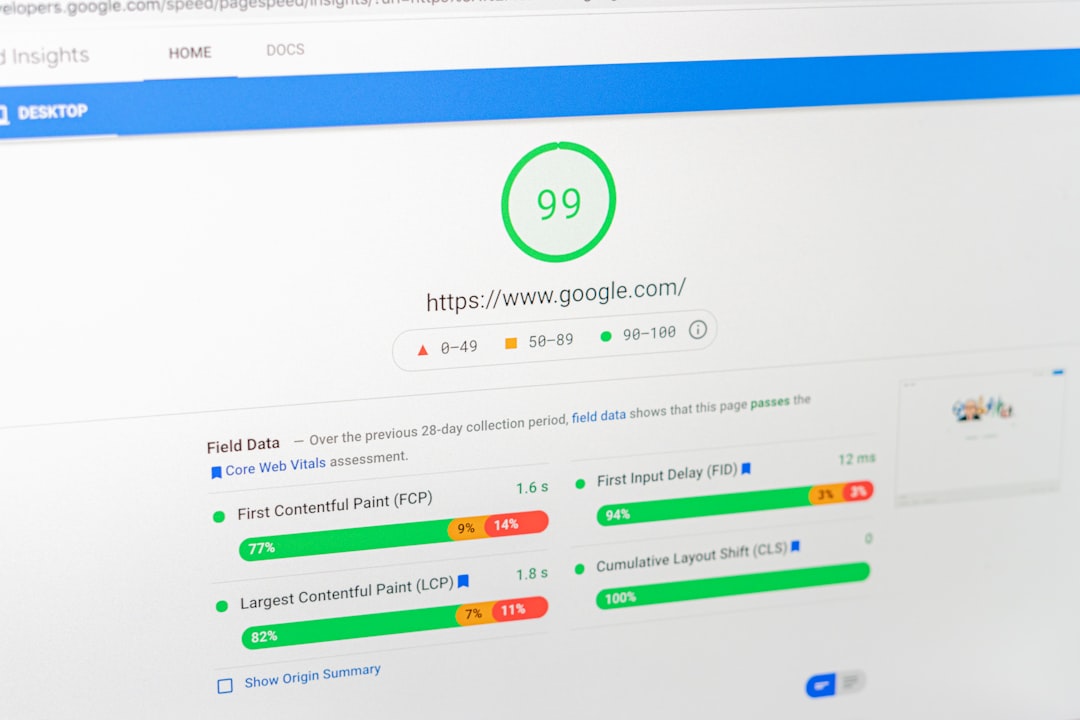
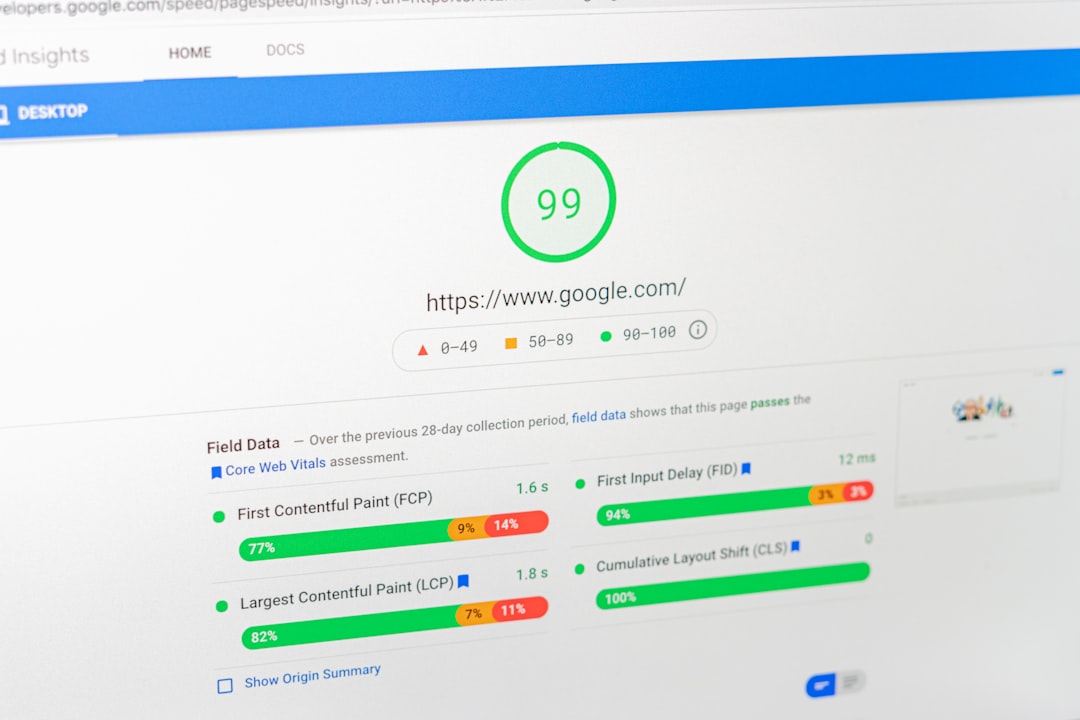
- Page performance
- Duplicate content
Also review plugins and themes regularly. Unnecessary plugins can add complexity and may affect performance or create conflicts.
Optimize Images
Images can improve content, but oversized files can slow pages down.
Use appropriately sized images and modern formats where suitable. Add descriptive alt text when an image provides meaningful information.
Image optimization should support both accessibility and performance rather than being treated as a keyword-placement exercise.
Make Mobile Experience a Priority

Many users access websites through smartphones, so pages should remain easy to navigate on smaller screens.
Check:
- Text size
- Buttons
- Menus
- Images
- Forms
- Page layout
- Loading performance
A page that works well on desktop but is difficult to use on mobile creates an unnecessary barrier for visitors.
Track Business Results
SEO reporting should go beyond rankings.
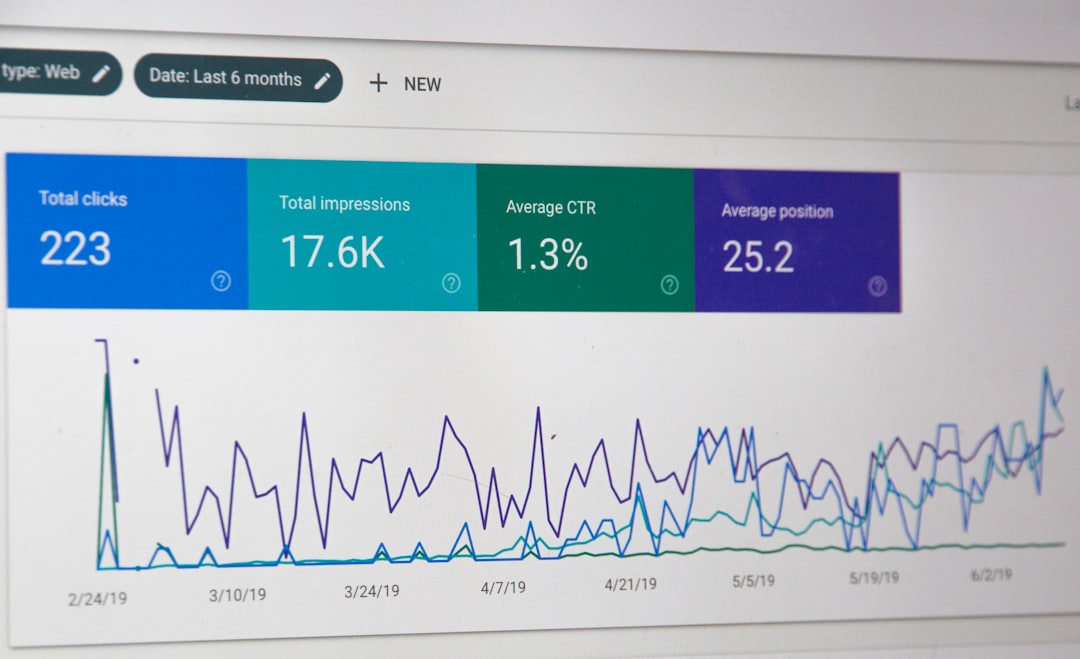
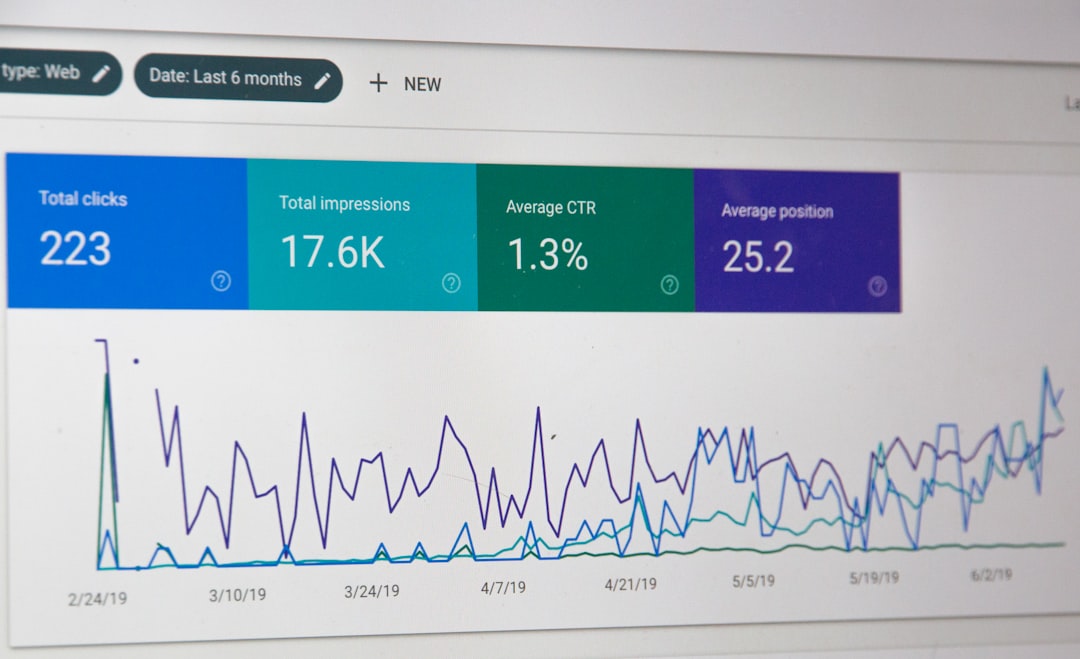
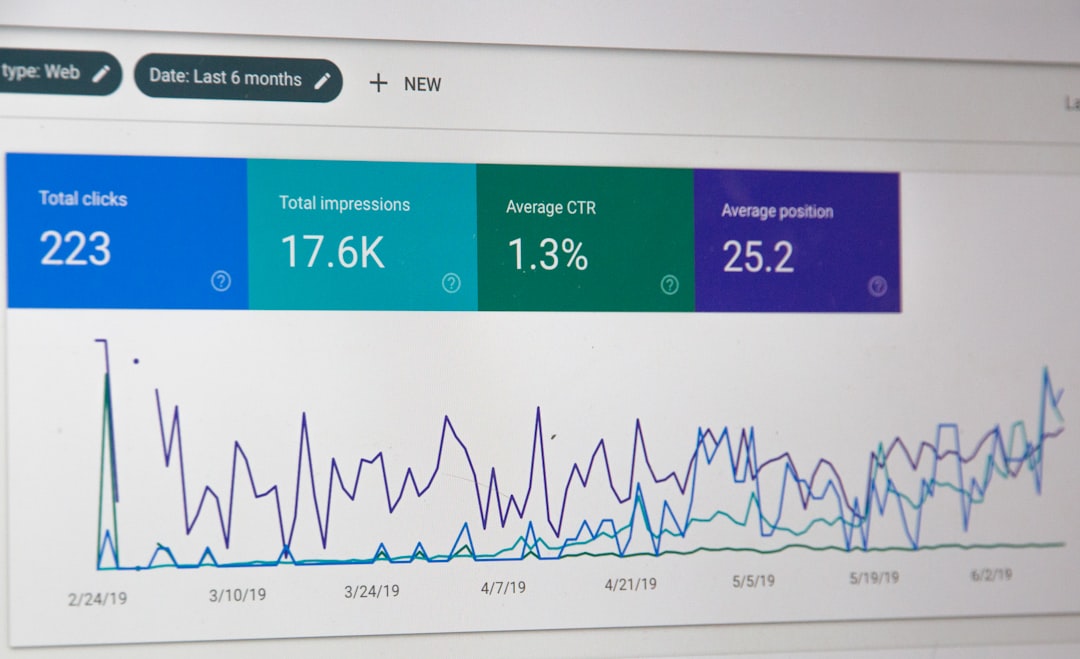
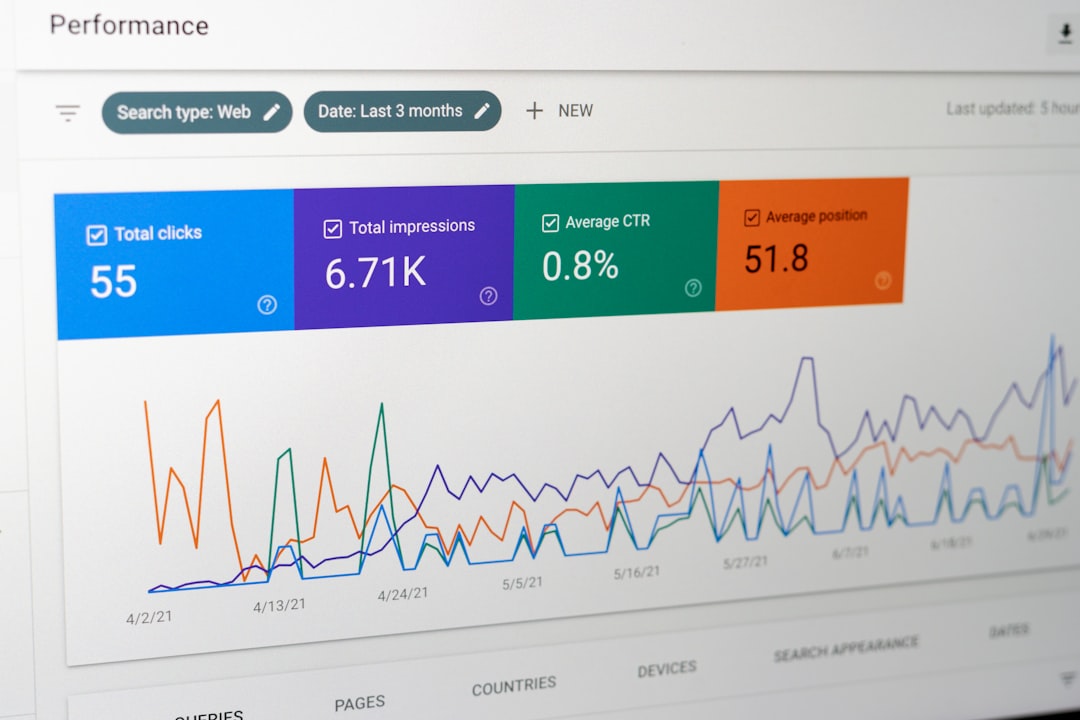
Monitor organic traffic, impressions, clicks, engagement, leads, and conversions. These metrics help determine whether increased search visibility is actually benefiting the business.
For example, a keyword ranking improvement is useful, but a rise in qualified leads can provide a clearer indication of business value.
Update the Strategy Regularly
Search trends and business priorities change. Review the strategy periodically and update pages when information becomes outdated.
A useful workflow is:
Audit → Research → Optimize → Publish → Measure → Improve
This keeps SEO focused and prevents the website from becoming dependent on outdated tactics.
When the workload becomes too large to manage internally, a WordPress SEO company can help maintain this process through technical audits, content optimization, keyword research, and ongoing reporting.
The best practices are not about doing everything at once. They are about consistently improving the areas that matter most to the website and its audience.