
A WordPress SEO strategy gives a website a structured approach to improving its visibility in search engines. Instead of making random changes, it brings keyword research, content, technical SEO, internal linking, and performance tracking together.
Whether you manage a business website, online store, blog, or service-based website, understanding the basics can help you make better SEO decisions.
What Is a WordPress SEO Strategy?
A WordPress SEO strategy is a planned process for improving a WordPress website so search engines can understand, crawl, and index its content effectively.
It also focuses on the people visiting the website. Ranking for a keyword is not enough if the resulting page does not answer the visitor’s question or encourage them to take a useful next step.
A complete strategy usually includes:
- Keyword research
- Search intent analysis
- On-page SEO
- Technical SEO
- Content optimization
- Internal linking
- Mobile optimization
- Performance monitoring
- Authority building
Start With Website Research
Before optimizing pages, understand the website.
Look at its current structure, important services, existing content, traffic sources, and technical condition. An SEO audit can reveal problems such as broken links, indexing issues, duplicate pages, slow-loading resources, and weak content.
This initial research helps establish priorities.
For example, fixing an important indexing problem should usually take priority over making minor changes to a blog heading.
Understand Search Intent
Keywords have different purposes.
Someone searching for “how to improve WordPress SEO” is likely looking for educational information. A person searching for “WordPress SEO company” may be exploring professional services.
Matching the page to the searcher’s intent is essential.
If the intent is informational, provide a useful explanation or guide. If it is commercial, make it easy for the visitor to understand the service, benefits, process, and next steps.
Optimize Important Pages

Every important page should be reviewed for basic on-page SEO.
This includes:
Titles
Create descriptive titles that clearly communicate the page topic.
Headings
Use a logical hierarchy to make content easier to scan.
Content
Answer the main question clearly and provide relevant supporting information.
URLs
Keep URLs simple and descriptive.
Internal Links
Connect related pages naturally so users and search engines can discover important content.
Pay Attention to Technical SEO
WordPress makes website management easier, but technical issues can still appear.
Common areas to monitor include:
- Indexing
- XML sitemaps
- Canonical URLs
- Redirects
- Broken links
- Mobile usability
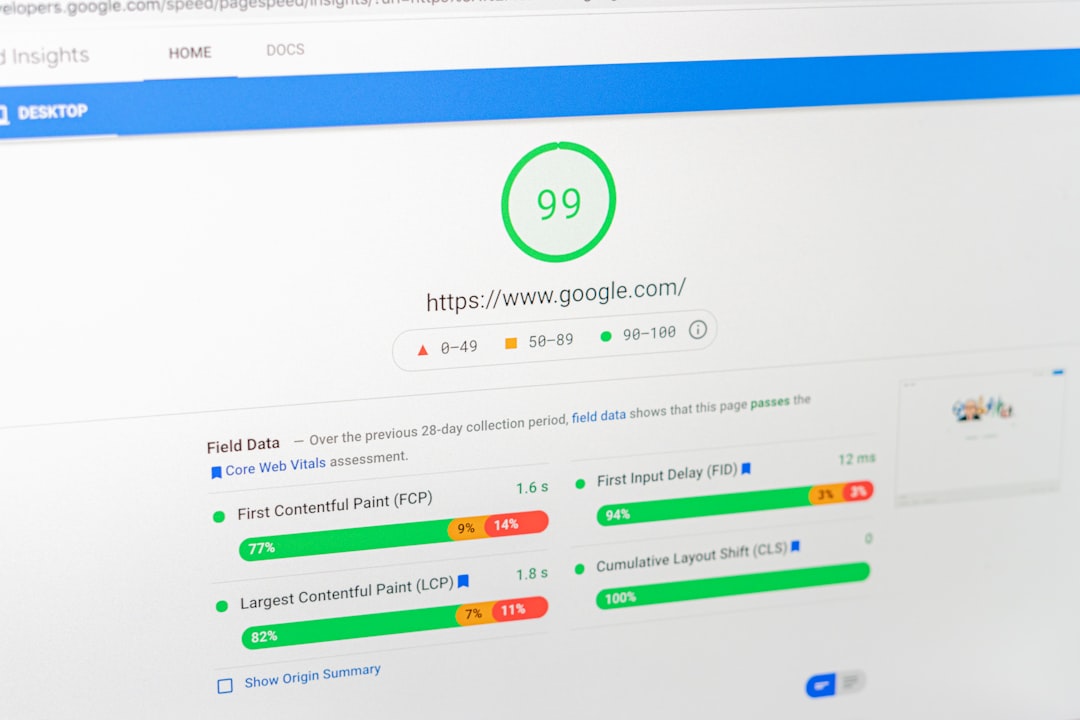
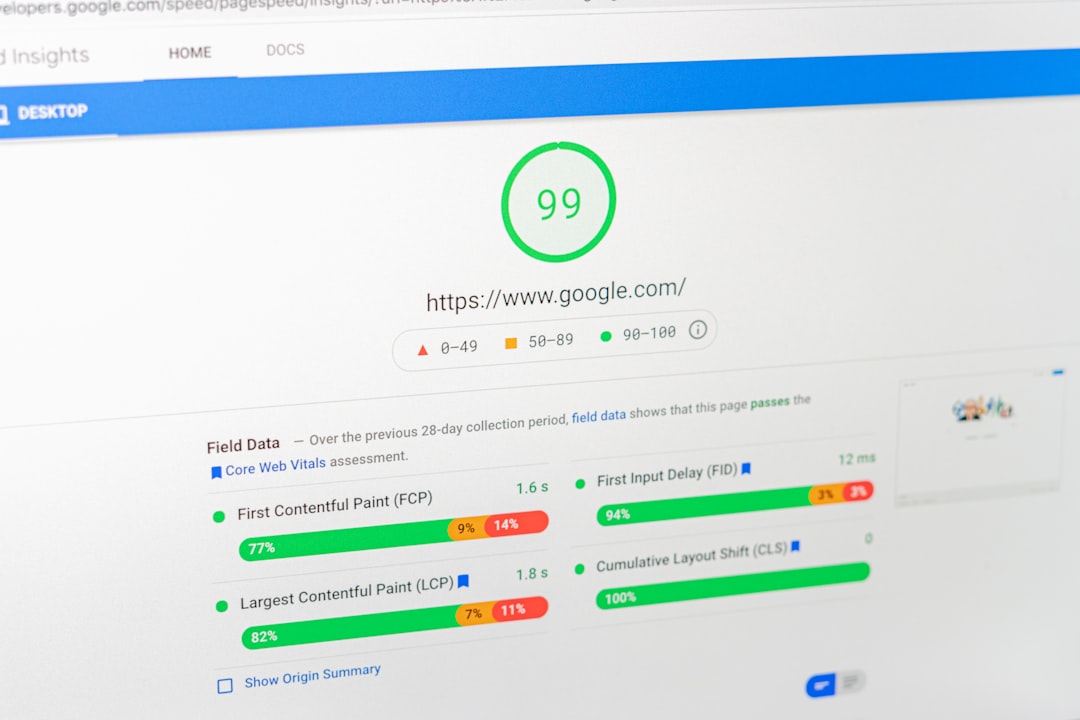
- Page performance
- HTTPS
- Plugin conflicts
Technical SEO should be reviewed after major website changes as well as during regular maintenance.
Create Content With a Purpose
A successful SEO strategy needs more than a large collection of articles.
Each piece of content should serve a specific purpose. It may answer a customer question, explain a service, solve a problem, compare options, or support a commercial page.
Before publishing, ask:
Who is this content for, and what will they gain from reading it?
This simple question can prevent unnecessary or repetitive content.
Use Internal Linking Strategically
Internal links help connect the different parts of a website.
For example, an article explaining WordPress site speed could link to a technical SEO service page. A general SEO guide could link to more detailed articles covering keyword research or on-page optimization.
The links should make sense in context rather than being added only for SEO purposes.
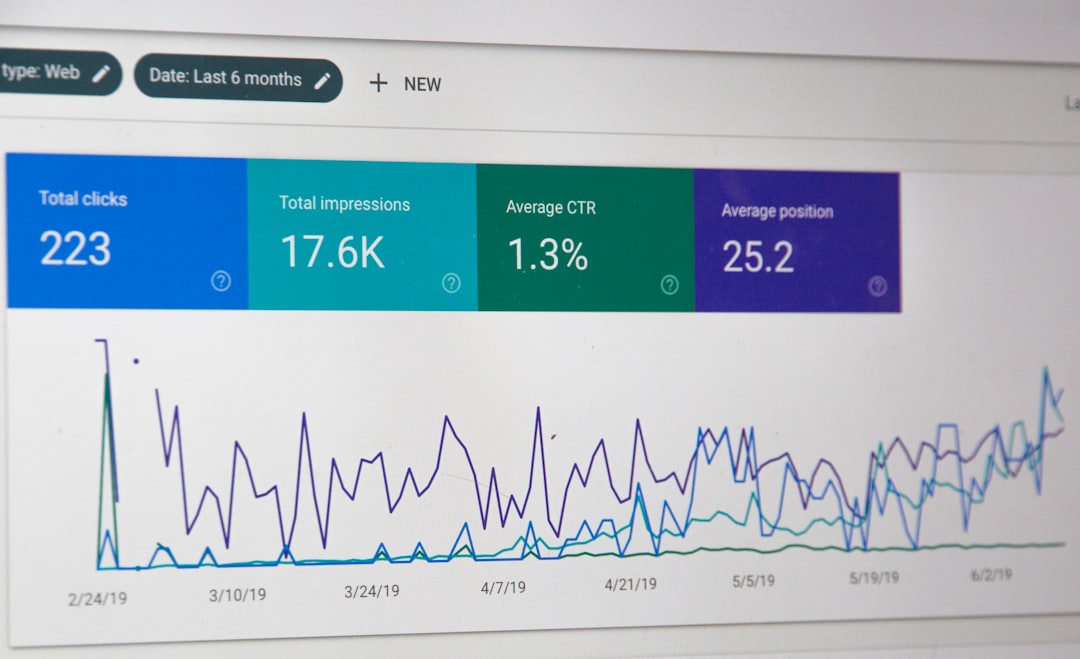
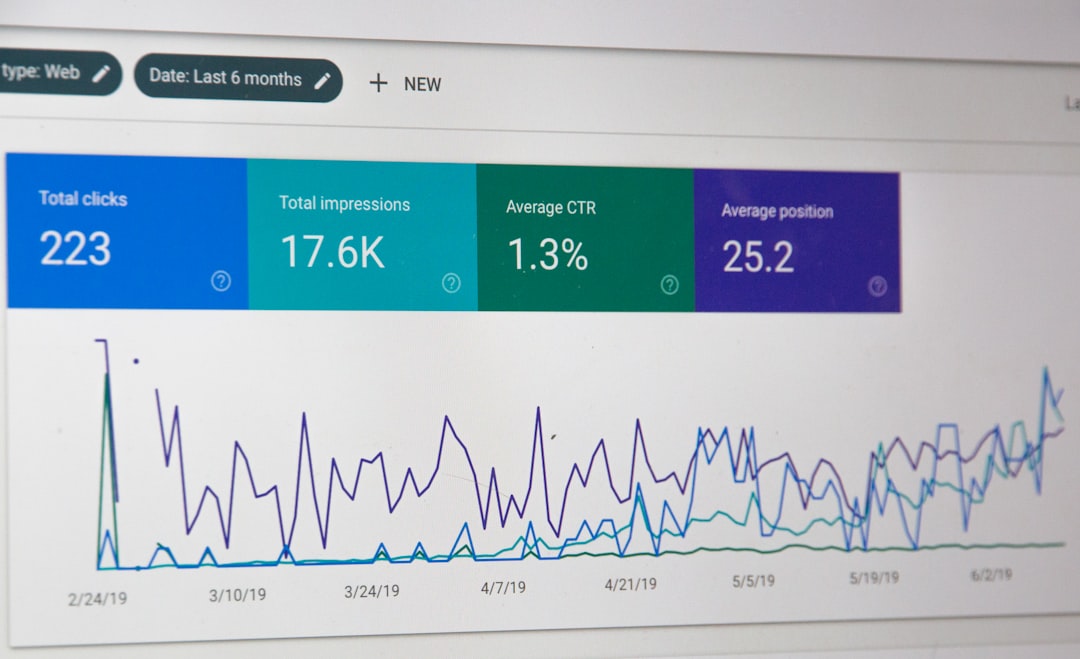
Monitor Real Results
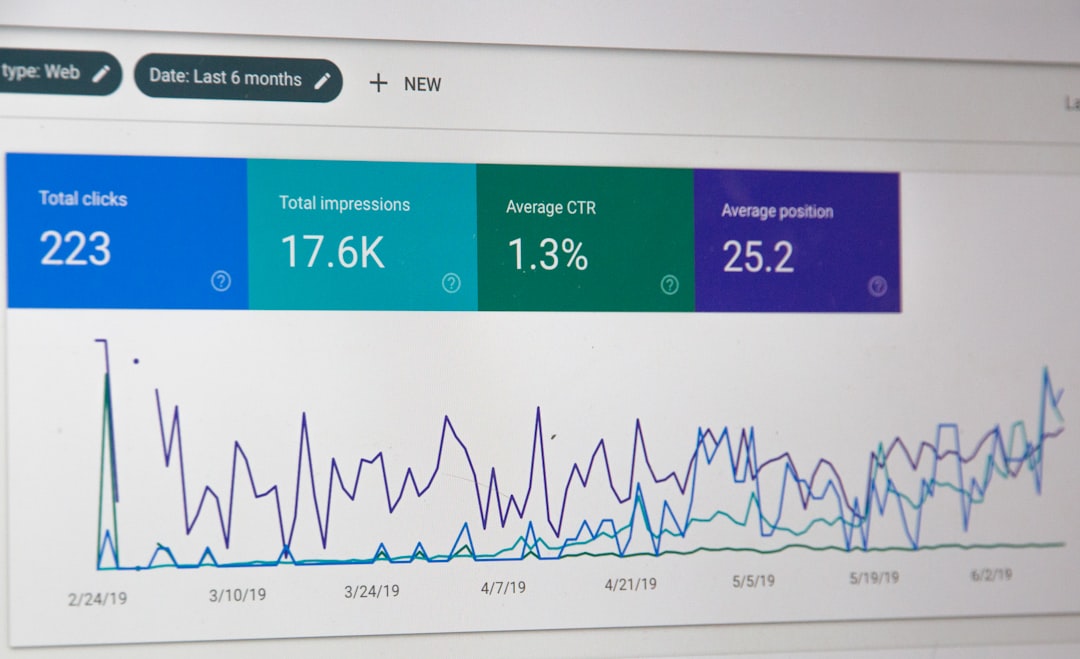
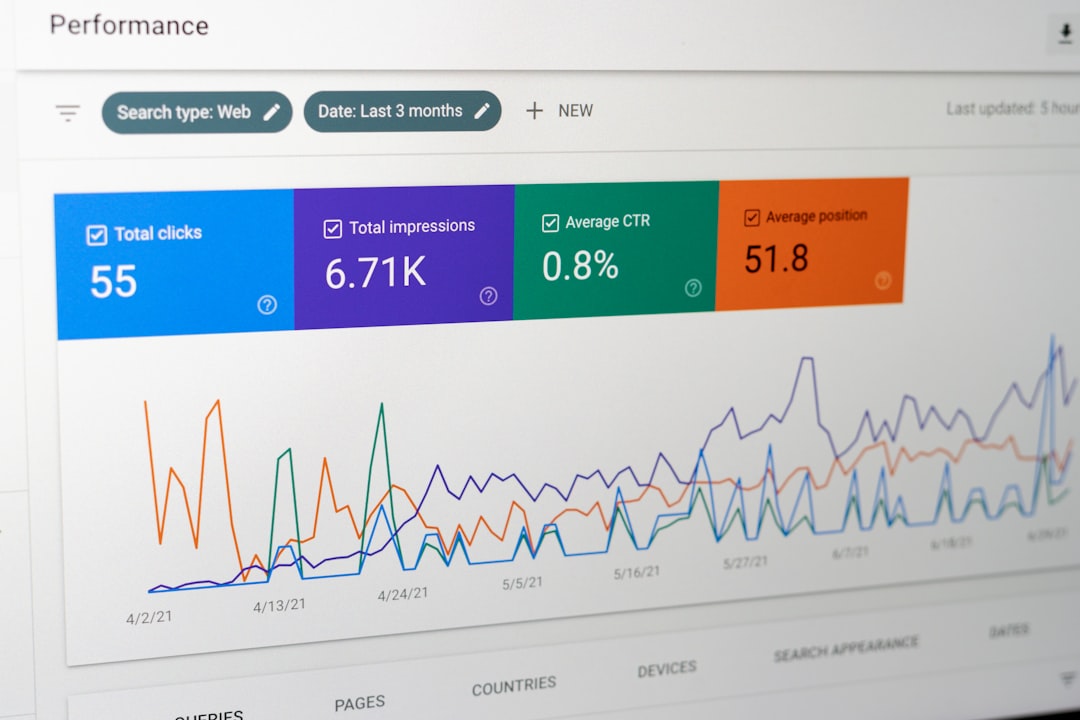
SEO performance should be measured using meaningful data.
Useful indicators include:
| Metric | What It Shows |
|---|---|
| Organic Traffic | Search visitors |
| Impressions | Search visibility |
| Clicks | Visits from sea |