Low rankings usually come from a stack of small issues, not one missing plugin or a lack of coding. If you want better WordPress SEO without touching code, focus on the fixes that change how search engines crawl your site, how clearly pages match search intent, and how fast key pages load for real users.
Most site owners do not need custom development to make progress. They need a cleaner setup, better page targeting, and fewer conflicting plugins. If you want a second set of eyes before changing settings, review this WordPress SEO strategy for small business and compare it with the priorities below.
Start with one clean SEO plugin setup
The fastest no-code win is simplifying your SEO stack. Running multiple SEO plugins, overlapping schema tools, and several redirect plugins often creates more noise than value.
Pick one primary SEO plugin and use it well. The goal is not to get every setting perfect on day one. The goal is to control titles, meta descriptions, indexing rules, sitemaps, redirects, and basic schema from one place. A scattered setup makes diagnosis harder when rankings stall.
If your plugin gives pages a green score, treat that as a prompt, not the target. Google recommends descriptive, concise titles and specifically warns against keyword stuffing and repetitive boilerplate titles. A green plugin score does not override weak search intent or vague page structure.
Fix titles and meta descriptions first
Titles and meta descriptions are often the highest-impact edits you can make without coding. They help search engines understand the page and help searchers decide whether to click.
Write a unique title for each important page. Keep it clear, specific, and closely matched to what the page actually offers. Avoid repeating the same city name, service phrase, or brand wording across every title. For meta descriptions, summarize the benefit of the page in plain language instead of stuffing extra keywords.
Weak title: SEO Services | SEO Company | SEO Expert.
Stronger title: WordPress SEO Services for Small Businesses.
If several pages target the same phrase, consolidate the targeting before rewriting copy. That is a common reason good pages underperform. For a broader diagnostic checklist, see these WordPress SEO mistakes to avoid.
Improve page targeting instead of publishing more posts
More content does not fix weak keyword targeting. If your service pages, category pages, or blog posts do not clearly answer one search intent, publishing more of the same usually spreads authority thinner.
Open your top pages and ask three questions. What exact query is this page trying to rank for. Does the title match that query. Does the page answer it better and more directly than what is already ranking. If you cannot answer those clearly, revise the page before creating a new one.
A simple no-code upgrade is restructuring each page so the main heading, intro paragraph, subheadings, and internal links all support the same topic. This is more effective than tweaking keyword density or adding filler sections.
Clean up indexing and crawl clutter
Many WordPress sites struggle because search engines are spending time on low-value URLs. You can often improve crawl efficiency without code by reviewing what should be indexed and what should stay out of search.
Check tag archives, attachment pages, thin author archives, filtered URLs, duplicate category paths, and search result pages. If they do not offer unique value, keep them out of the index through your SEO plugin settings. Then make sure your XML sitemap only includes the pages you actually want competing in search.
This matters even more on WooCommerce sites, where filters, sort parameters, and duplicate product paths can quietly bloat the crawl path. A smaller, cleaner index is often easier to improve than a large one filled with weak URLs.
Use internal links to show page relationships

Internal links are one of the easiest no-code SEO improvements because they help distribute authority and clarify topic relationships. The key is relevance, not volume.
Link related posts, services, and category pages with descriptive anchor text. Google recommends anchor text that is descriptive, concise, and relevant. That means phrases like WordPress site speed fixes or local SEO checklist are more useful than vague anchors like read more.
As an example, a page about rankings that are stuck should naturally connect to a guide on how to improve WordPress site speed for SEO if slow performance is part of the diagnosis. Internal links work best when they help the reader take the next logical step.
Speed up the pages that matter most

Site speed matters, but most WordPress sites should fix the obvious bottlenecks before chasing perfect test scores. Focus first on your homepage, top service pages, top category pages, and highest-traffic blog posts.
Without coding, you can usually improve speed by compressing oversized images, enabling page caching through your host or performance plugin, reducing heavy plugins, and limiting third-party scripts that load on every page. WordPress has supported native lazy loading for images since version 5.5, so make sure your setup is not disabling helpful defaults unless there is a good reason.
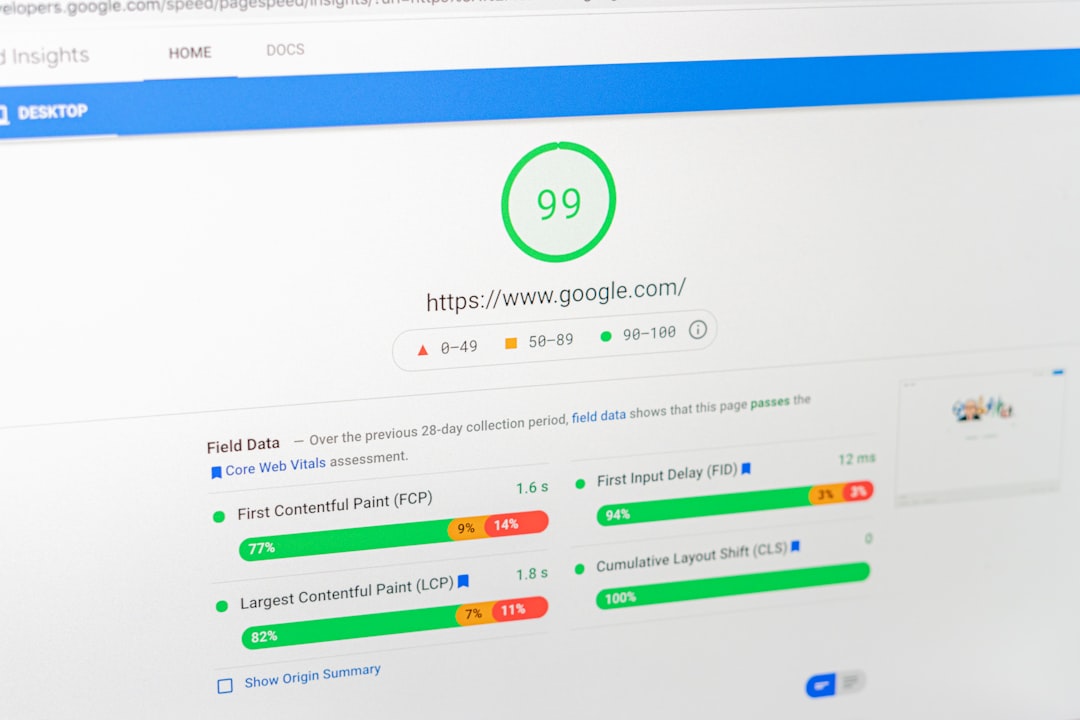
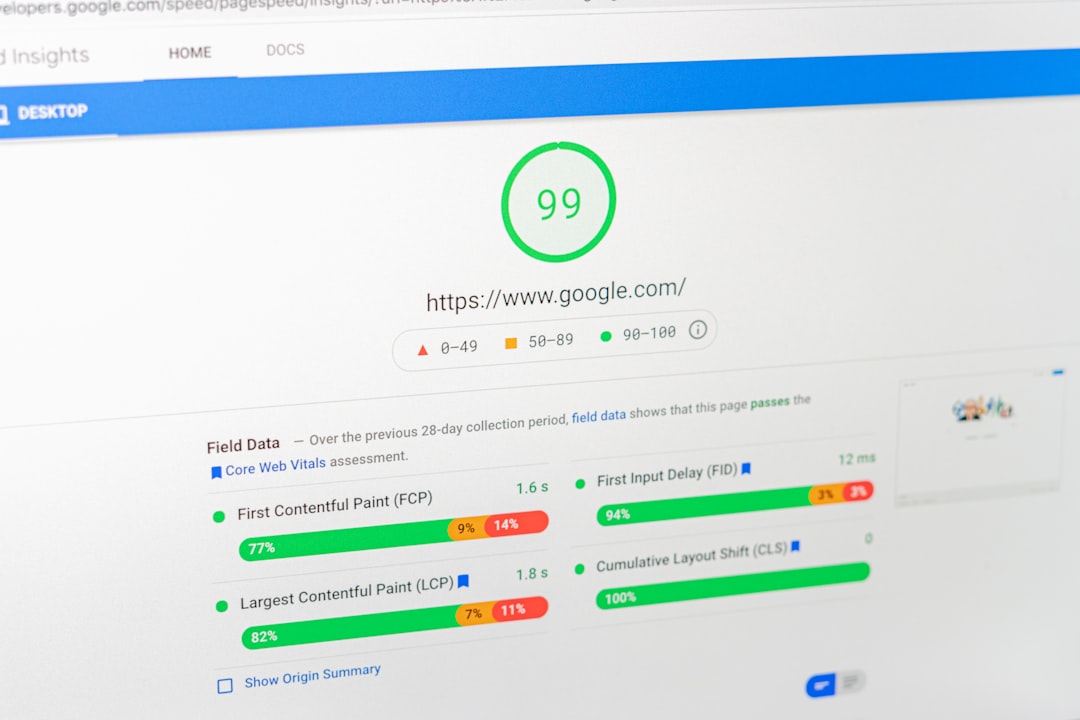
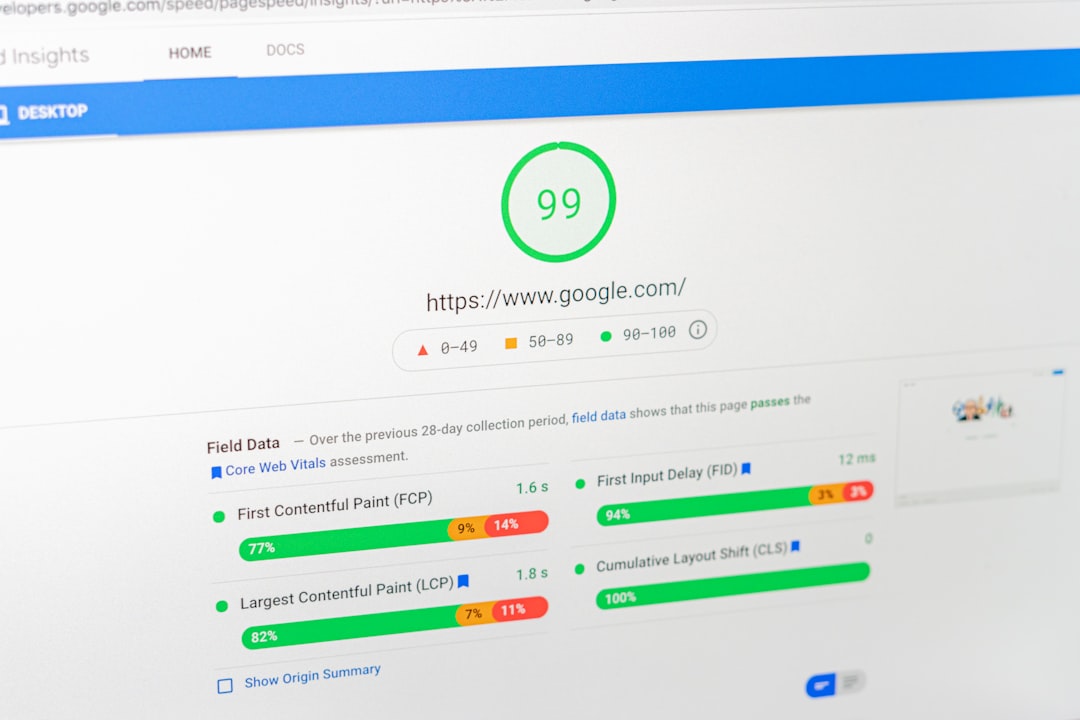
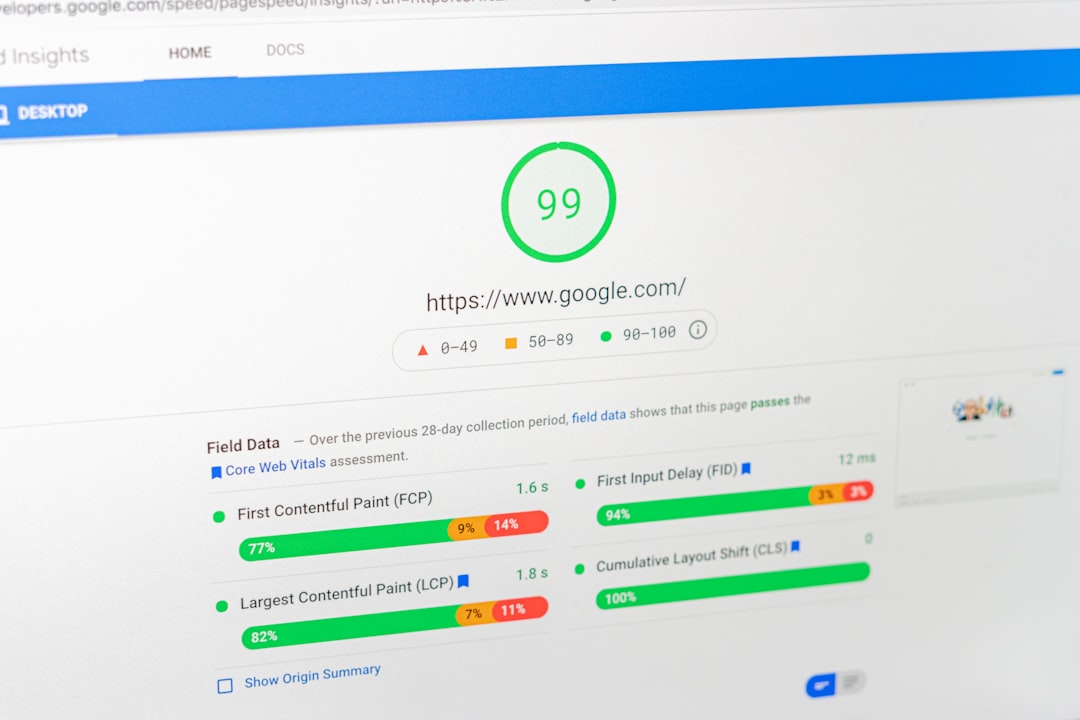
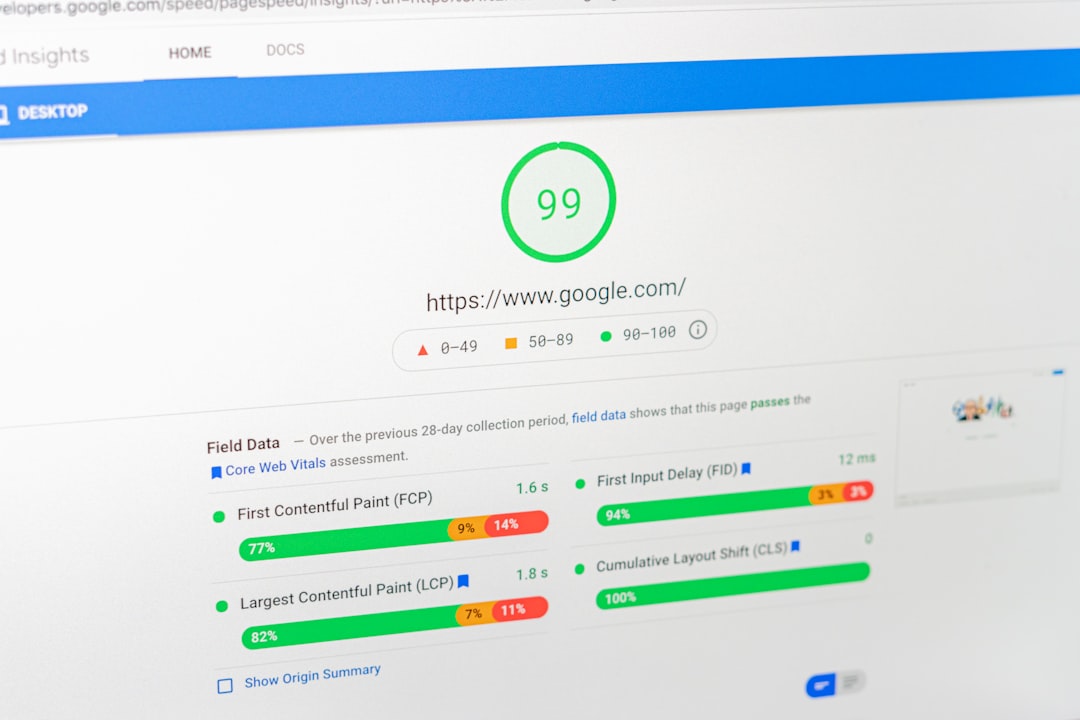
Use practical stopping rules. If your important pages feel fast, load cleanly on mobile, and major issues are cleared in PageSpeed Insights, keep moving. A perfect synthetic score is less valuable than a site that is crawlable, focused, and easy to use.
If you are experiencing these symptoms, our team at WordPress SEO Expert can help. We look at technical bottlenecks, page targeting, and plugin conflicts before recommending changes, so you are not guessing which fix matters most.
Use WordPress Site Health as a baseline check
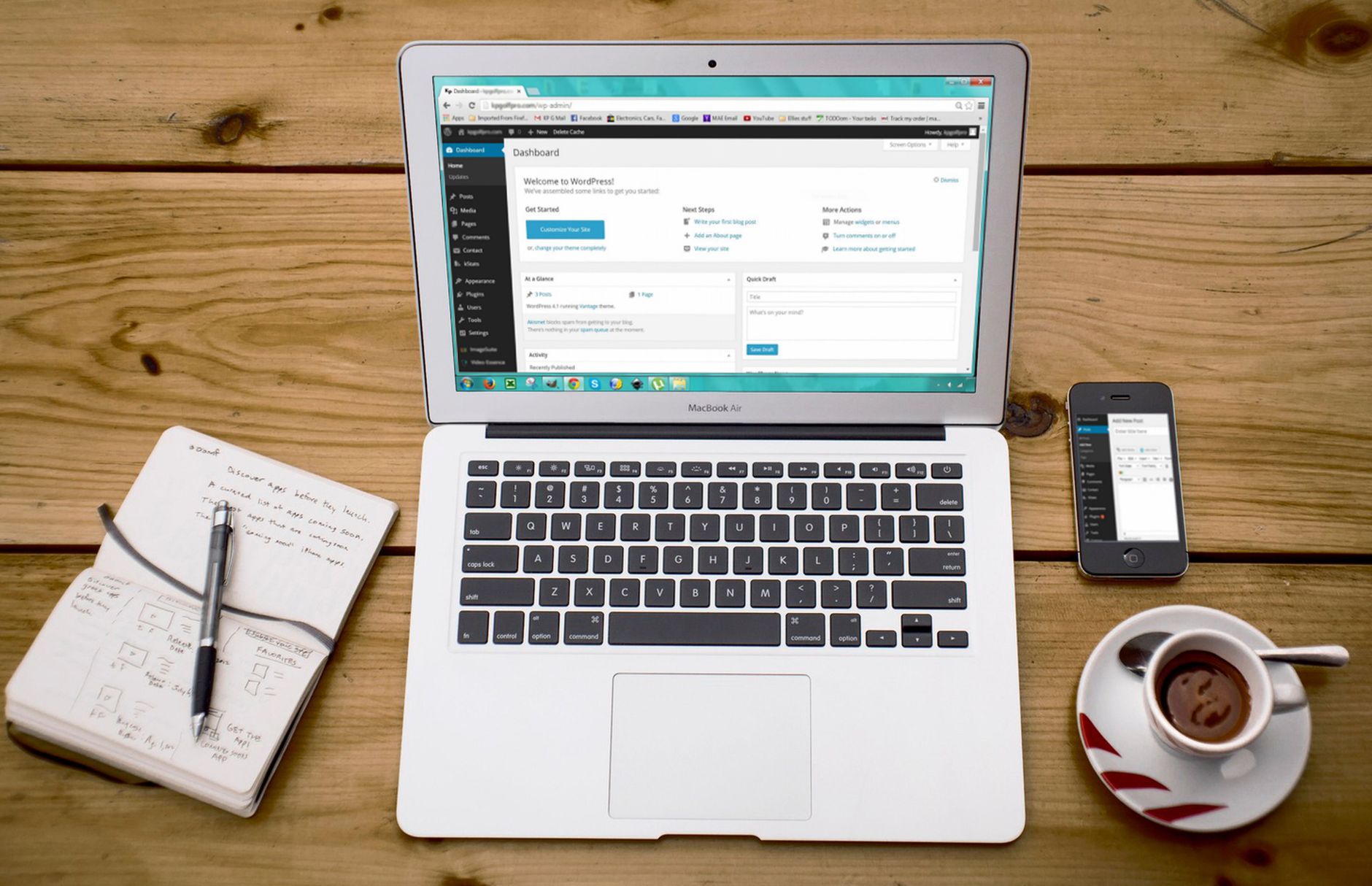
WordPress already gives you a useful starting point inside the dashboard. Site Health can surface critical issues, recommended improvements, and configuration details without requiring technical knowledge.
Go to Tools and then Site Health. Review critical items first, then recommended improvements, then the Info tab for details about plugins, themes, media handling, server setup, and database basics. It is not a full SEO audit, but it is a solid first pass for spotting obvious problems.
What to fix first
If you feel stuck, prioritize the issues that affect visibility across multiple pages. This keeps you from spending hours polishing blog posts while core site problems remain untouched.
| Area | What to check first | Why it matters |
|---|---|---|
| SEO plugin setup | Remove overlapping SEO features and keep one main plugin | Reduces conflicts and makes settings easier to manage |
| Titles and meta descriptions | Rewrite key page titles to match one clear search intent | Improves relevance and click potential |
| Indexing | Noindex thin archives, duplicates, and low-value URLs | Helps search engines focus on pages that matter |
| Internal links | Link related pages with descriptive anchors | Strengthens topical relationships and navigation |
| Speed | Compress images, trim plugins, and enable caching | Improves usability and reduces obvious performance bottlenecks |
| Page structure | Align heading, intro, and sections around one topic | Makes the page easier to understand for users and search engines |
Common no-code SEO mistakes
Most no-code SEO problems are not caused by doing too little. They come from doing too many disconnected things at once.
Avoid installing multiple optimization plugins that overlap, copying the same keyword into every heading, indexing every archive by default, and publishing new posts before older ones are improved. Keep the setup simple enough that you can tell what changed and whether it helped.
The simplest path to better WordPress SEO
The best no-code SEO plan is usually smaller than people expect. Clean up your plugin setup, fix titles and page targeting, trim low-value URLs from the index, improve internal linking, and speed up the pages that drive business results.
If you have worked through these fixes and rankings are still stuck, WordPress SEO Expert can help identify what is actually holding the site back. Contact WordPress SEO Expert today to request a free WordPress SEO audit and get a practical action plan instead of another generic checklist.