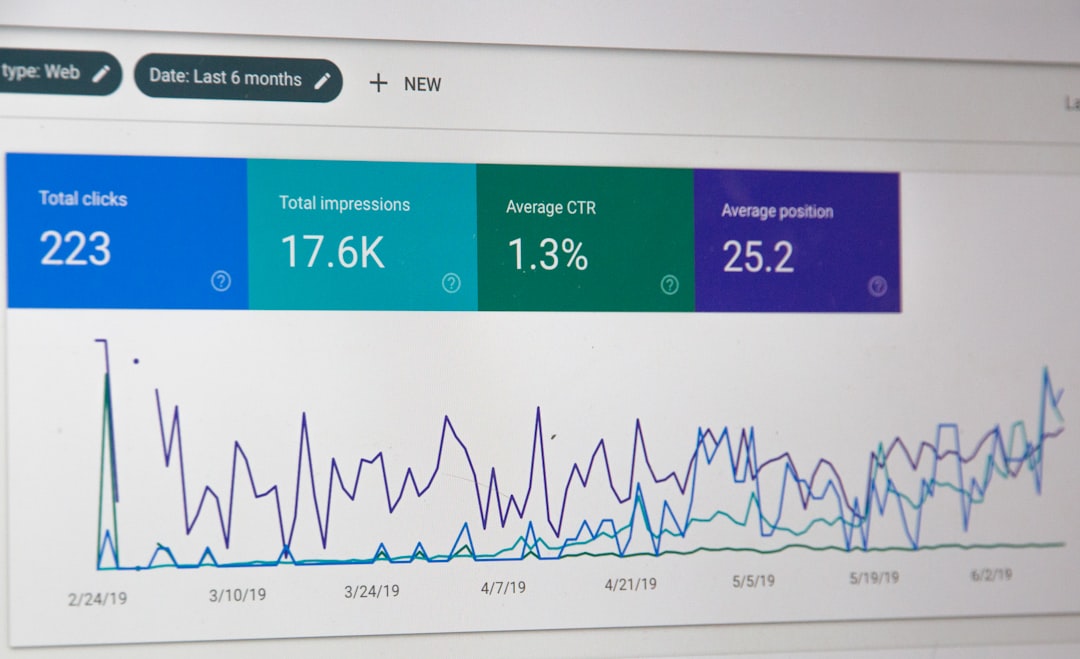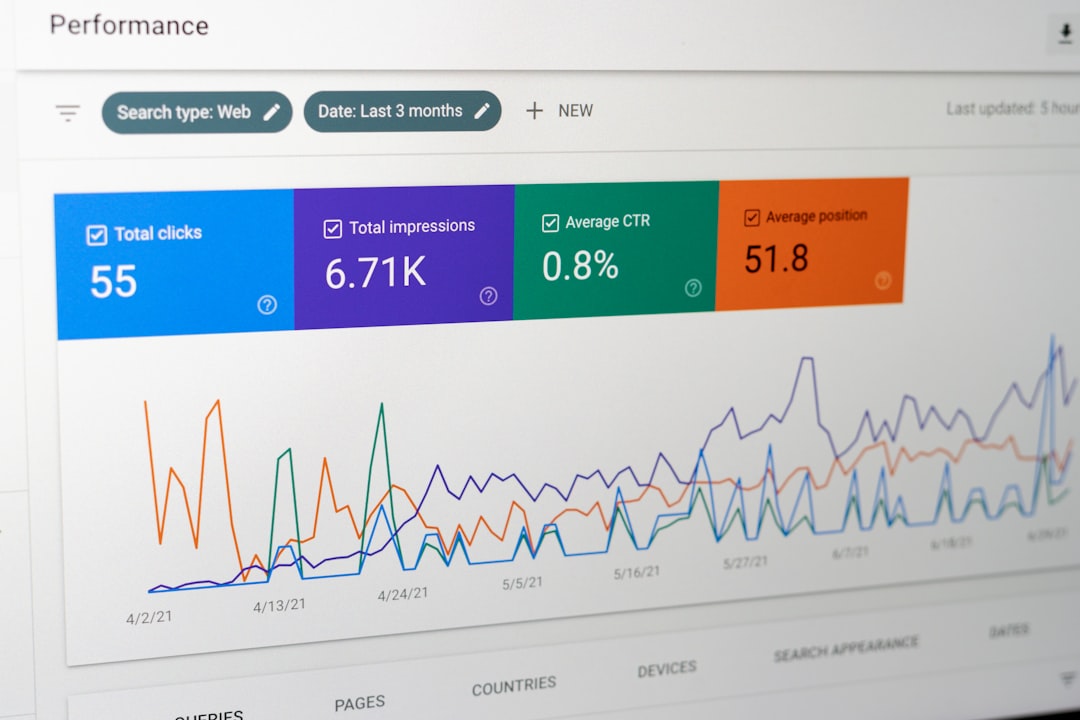

Low rankings on WordPress usually come from a stack of smaller problems, not one missing plugin. If your site has decent content but traffic is flat, the fastest way forward is to diagnose the bottlenecks in order: indexing, page targeting, site structure, technical health, and then plugin setup.
That is why generic SEO tips often fail. A green score in a plugin does not mean the page matches search intent, and publishing more posts will not fix crawl issues, duplicate pages, or weak internal linking. WordPress SEO Expert helps site owners sort the real issues first so improvements are tied to what search engines and users actually need.
Start with the issues that block results
The first job is to separate foundational issues from minor tweaks. If Google cannot crawl pages properly, if multiple pages target the same topic, or if titles are repetitive, no amount of plugin tuning will make the site perform consistently.
| Priority | Issue | What to check first | Why it matters |
|---|---|---|---|
| 1 | Important pages are not indexed | Robots settings, noindex tags, sitemap submission, internal links | Pages cannot rank if search engines are blocked or signals are weak |
| 2 | Pages target overlapping keywords | Homepage, service pages, blog posts covering the same phrase | Keyword overlap confuses search engines about which page should rank |
| 3 | Weak title tags and headings | Duplicate titles, vague H1s, boilerplate text | Titles and headings help users and search engines understand page focus |
| 4 | Poor internal linking | Orphan pages, generic anchor text, weak navigation paths | Internal links help discovery, relevance, and page authority flow |
| 5 | Technical clutter | Too many plugins, archive bloat, slow templates, redirect issues | Technical friction can quietly hold back otherwise strong content |
Issue 1: Your important pages are not ranking at all

If core pages are invisible in search, check indexability before anything else. This means confirming the page is crawlable, linked internally, and not accidentally blocked by a noindex setting, broken canonical setup, or thin page structure.
In WordPress, start under Tools and review the Site Health area for obvious warnings around performance, updates, and site configuration. WordPress also provides a Site Health screen under Tools that helps surface problems in the environment and setup, which makes it a useful first pass before deeper SEO work. If your site has broader crawl or architecture issues, our technical SEO service is designed for that exact diagnostic work.
Then review whether each key page is linked from navigation, parent pages, or relevant blog posts. Google’s own guidance stresses using crawlable links and descriptive language on the page, title, main heading, alt text, and link text. If a page exists but nothing important points to it, rankings often stall before the content even gets a fair chance.
Solution
Create a simple page map with one primary purpose per important URL. Make sure the homepage, service pages, and category pages are reachable in a few clicks and included naturally in the site’s internal link structure. If traffic is stagnant across the whole site, this kind of cleanup usually matters more than publishing another article.
Issue 2: Too many pages target the same keyword

Keyword cannibalization is common on WordPress sites that publish without a page plan. The issue is not just duplicate wording. It is multiple pages sending mixed signals about which one best satisfies the same search intent.
A typical pattern looks like this: the homepage targets a service phrase, a service page targets the same phrase, and three blog posts use near-identical wording in titles. Search engines then rotate rankings between those pages or ignore the weaker versions altogether. A cleaner strategy is to assign one primary topic to each core page and let supporting content reinforce it.
This is a major reason small business sites underperform even when they publish regularly. Our post on WordPress SEO strategy for small business breaks down how to map page purpose before adding more content.
Solution
Audit your main pages and choose one primary keyword theme for each. Merge weak overlapping articles, redirect outdated duplicates when appropriate, and rewrite internal anchors so they clearly support the intended destination page instead of competing with it.
Issue 3: Titles and headings are vague or repetitive
Weak titles lower click-through and blur relevance. Google recommends descriptive, concise title text and specifically advises against keyword stuffing and repeated boilerplate across pages, so titles should help a searcher understand exactly what is on the page.
Many WordPress sites fall into one of two traps: every page title is too generic, or every page title repeats the same phrases with small variations. Neither approach helps users distinguish one result from another. The same problem often shows up in H1s that say little more than a broad category name.
| Weak approach | Stronger approach |
|---|---|
| SEO Services | SEO Company | SEO Expert | WordPress SEO Services for Small Businesses |
| Blog | WordPress SEO Tips for Ranking Problems |
| Home | WordPress SEO Consultant for Technical Fixes |
Solution
Rewrite titles and headings so each page has a distinct purpose, a clear topic, and wording that reflects how people actually search. Keep titles concise, make the main heading obvious, and avoid repeating the same keyword string unnaturally. If you are unsure whether the real problem is on-page relevance or technical friction, our on-page SEO process can help isolate what to fix first.
Issue 4: Internal links are too weak to support rankings
Internal linking is not a filler tactic. It helps search engines discover pages, understand relationships between topics, and interpret which pages matter most on your site. Weak linking leaves strong pages isolated and weak pages unsupported.
Google’s guidance on links emphasizes descriptive, relevant anchor text. That means anchor text should tell both users and search engines what the destination page is about. Generic anchors and random footer links do far less than contextual links placed naturally inside useful content.
Solution
Link from supporting blog posts to service pages, from service pages to related proof or FAQ content, and from navigation to the pages that matter most commercially. Use descriptive phrases that fit the sentence naturally. One clean internal linking system will outperform a scattered site with more content but weaker structure.
Issue 5: Plugin overload is creating technical clutter

Too many overlapping plugins create inconsistent metadata, duplicate features, and unnecessary code bloat. WordPress SEO problems often come from layer after layer of tools trying to solve the same issue rather than one clean setup.
This is especially common with SEO plugins, schema plugins, redirect plugins, image optimization plugins, and page builders that all touch similar outputs. Site owners keep adding tools because rankings are stuck, but the stack itself becomes part of the problem. Most sites do better with one SEO plugin, one caching setup, and fewer moving parts overall.
Performance can suffer here too. If your pages are heavy and slow, start with the practical fixes in How to Improve WordPress Site Speed for SEO: Real Fixes before chasing edge-case tweaks.
Solution
Trim overlapping plugins, standardize your SEO settings in one place, and test changes in a controlled order. The goal is not the biggest stack. The goal is a stable WordPress environment that makes crawling, indexing, and page relevance easier to manage.
A practical workflow for fixing WordPress SEO issues
The best SEO fixes follow a sequence. Diagnose first, correct the pages that matter most, and only then expand content. This keeps the work tied to likely impact instead of spreading effort across low-priority tasks.
| Step | What to do | Expected outcome |
|---|---|---|
| 1 | Check indexability, crawl paths, and internal links | Important pages can be found and evaluated properly |
| 2 | Map one primary topic to each core page | Less overlap and clearer page roles |
| 3 | Rewrite titles, H1s, and key sections for clarity | Better relevance and stronger click potential |
| 4 | Reduce plugin overlap and clean technical clutter | Fewer conflicts and a healthier setup |
| 5 | Publish supporting content only after the foundation is clean | New content strengthens the site instead of diluting it |
If you are experiencing these symptoms, our team at WordPress SEO Expert can help. We focus on finding the actual bottlenecks first so you are not rewriting pages or changing plugin settings blindly.
Final takeaway
WordPress SEO tips only work when they solve the right problem. Stuck rankings usually come from unclear page roles, weak internal links, repetitive titles, and technical clutter that builds up over time. Fix those in order, and the rest of your SEO work becomes easier to measure and improve.
If you want a second set of eyes before changing settings or rewriting important pages, contact WordPress SEO Expert today to schedule a consultation. We will help you identify what is actually holding the site back and what to fix first.