Flat rankings usually come from a scattered plan, not one missing plugin. If you have already installed an SEO plugin, written content, and still are not seeing traction, the issue is usually prioritization. WordPress SEO works best when you fix the fundamentals in the right order instead of polishing pages that still have crawl, indexing, or targeting problems.
Most site owners do not have one catastrophic problem. They have a stack of smaller issues that compound over time. A green light in an SEO plugin does not mean the page deserves to rank. The goal is not a perfect score. The goal is a site that is easy to crawl, easy to understand, and clear about which pages matter most.
If you want a broader starting point before changing settings, review our WordPress SEO practical guide for DIY site owners. If your setup already feels messy, our guide on how to fix WordPress SEO setup problems can help you spot conflicts faster.
Start With Crawlability and Indexing

The first job is making sure search engines can reach, crawl, and index your important pages. If that layer is unstable, title tags, meta descriptions, and content edits will not do much because Google is not receiving clean signals from the site.
Check that your key service pages, product pages, and core blog posts are indexable and linked from other crawlable pages. Review your visibility settings in WordPress, make sure your XML sitemap is enabled, and look for archive pages or thin URLs that should not be indexed. On many WordPress sites, author archives, tag archives, search pages, and attachment pages create clutter instead of value.
Fix the issues that block visibility before the issues that polish visibility. That usually means checking indexing before rewriting copy.
Use One SEO Plugin and Configure It Well
One well-configured SEO plugin is enough. Running overlapping plugins often creates duplicate metadata, conflicting canonicals, and competing sitemap outputs. If your site has changed hands or gone through a redesign, this is one of the first things worth checking.
Keep one primary SEO plugin, then use it to control titles, meta descriptions, archive indexing, schema defaults, and social sharing settings. Do not keep adding plugins just because one promises a new score or extra dashboard features. Simplicity is usually the stronger setup.
If you are comparing tools, our WordPress SEO setup problems guide explains why plugin overlap causes more trouble than most site owners expect.
Fix Page Titles Before You Rewrite Entire Pages
Titles are one of the clearest signals you control, so they deserve attention early. A strong page title helps search engines understand the topic and helps users decide whether your page is the right result. Weak, repetitive titles often hold pages back even when the content is decent.
Focus on titles that are specific, readable, and aligned with one main intent. Avoid stuffing several similar phrases into every title field. Start with your homepage, main service pages, category pages, and any posts already getting impressions. Those pages usually offer the fastest return from cleaner title work.
| Weak title | Stronger title |
|---|---|
| SEO Services | SEO Company | SEO Expert | WordPress SEO Services for Small Businesses |
| Blog | WordPress SEO Tips for Service Businesses |
| Home | WordPress SEO Consultant for Growing Businesses |
The stronger versions are clearer and more useful. They tell both the searcher and the search engine what the page is actually about.
Clean Up Headings and On-Page Structure
Your page structure should make the topic obvious within seconds. One H1 should define the page, H2s should break the page into major sections, and H3s should organize supporting details. This does not need to be complicated, but it does need to be consistent.
Many WordPress themes already output the page title as the H1, which is usually fine. The bigger issue is when headings are used only for styling or when pages jump through heading levels without a clear hierarchy. Clean structure helps both readers and search engines follow the page more easily.
A good rule is simple: every important page should answer one main question, and the headings should reflect that answer in a logical order.
Strengthen Internal Links

Internal links are one of the most underused WordPress SEO fundamentals. They help search engines discover pages, understand topic relationships, and identify which pages carry the most weight on your site. They also help readers move naturally from learning to taking action.
Link related blog posts to service pages, connect overlapping guides, and make sure no important page depends only on the navigation menu or the sitemap for discovery. Descriptive anchor text works better than vague prompts because it gives more context about the destination page.
If your content strategy feels disconnected, go back to our WordPress SEO practical guide for DIY site owners and review how topic clusters and supporting pages should work together.
If you are experiencing these symptoms, our team at WordPress SEO Expert can help.
Reduce Duplicate and Low-Value Pages
Improving WordPress SEO often means removing confusion, not adding more pages. Thin tag archives, duplicate author archives, attachment pages, and weak near-duplicate posts can dilute signals across the site and make it harder for your best pages to stand out.
Look for pages that exist without a clear purpose. If two pages target the same intent, consolidate them. If an archive does not help users and adds little value on its own, consider setting it to noindex. Many WordPress sites improve faster when they publish less and clean up more.
This is especially important after redesigns and migrations, when older URL versions, thin archives, and changed templates quietly create SEO drag.
Improve Speed Without Chasing Perfection

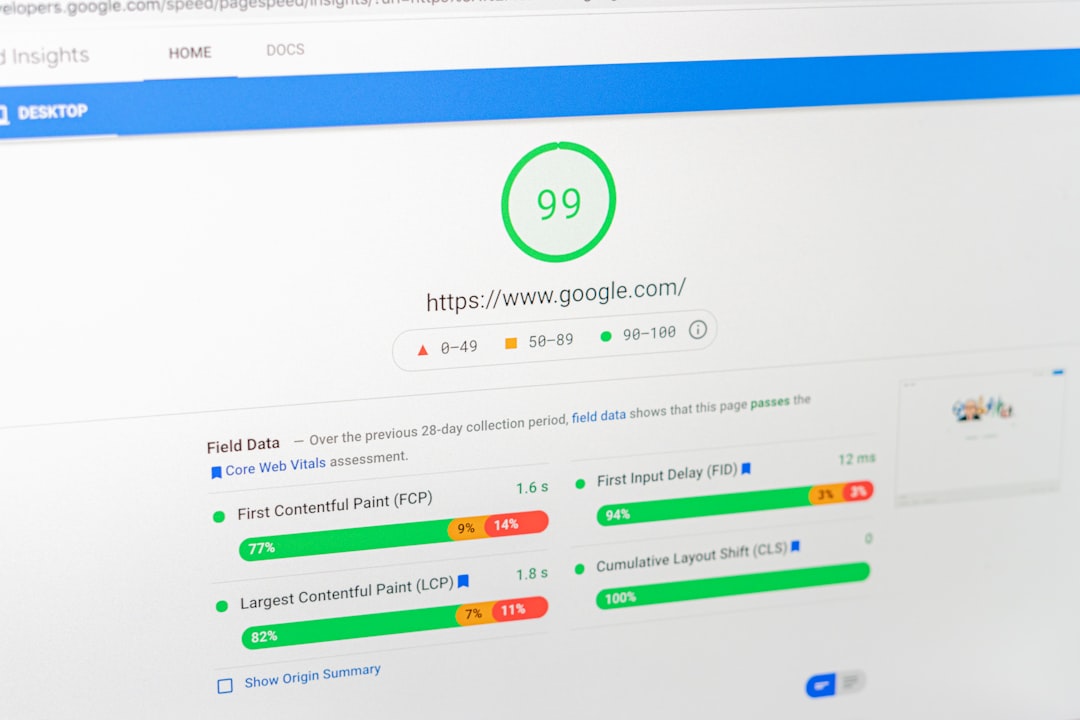
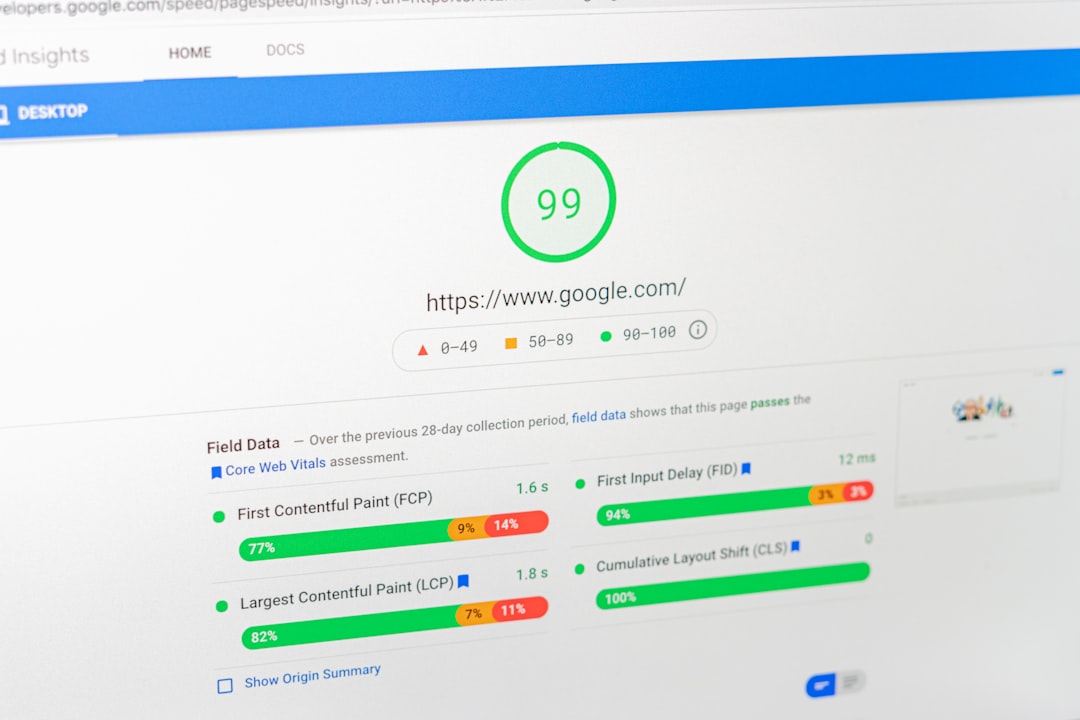
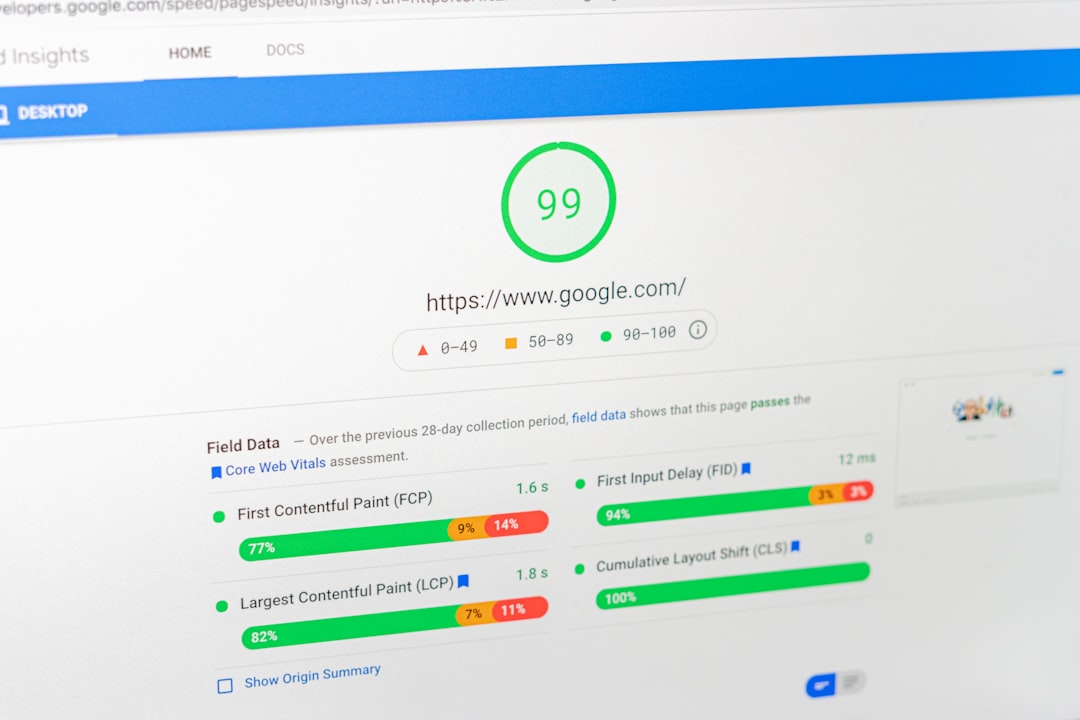
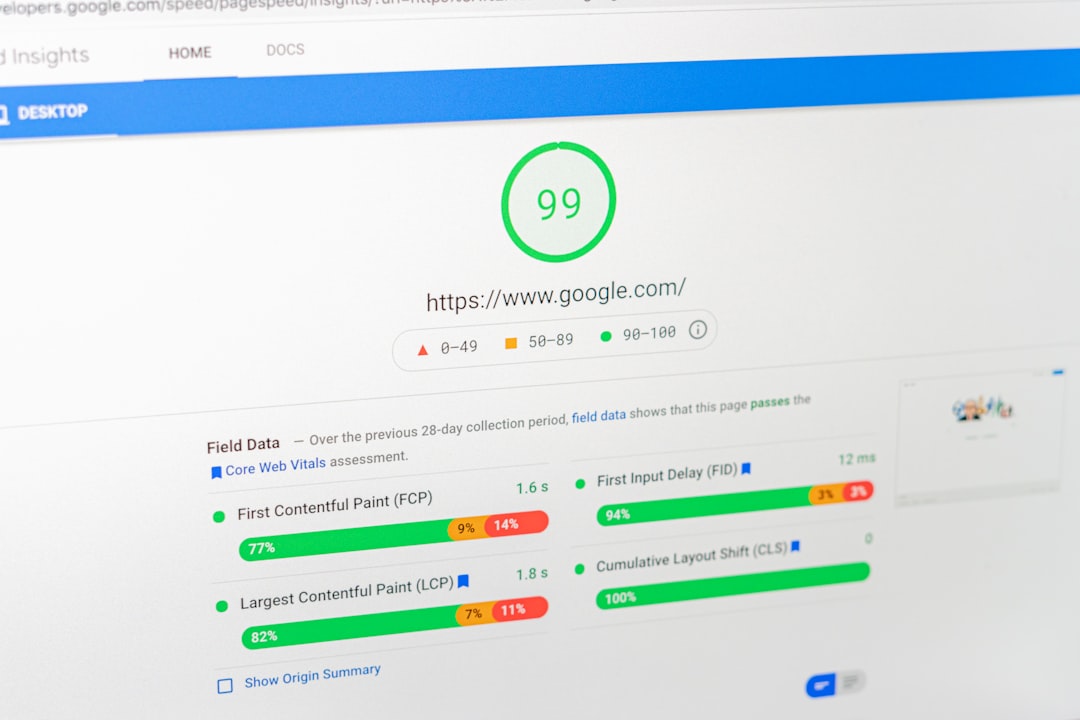
Speed matters when slow pages hurt usability, not because you need a perfect lab score. The real goal is a site that loads cleanly, feels stable, and does not frustrate visitors on important templates like the homepage, service pages, and blog posts.
Start with basics that usually have the highest payoff: compress large images, enable caching, remove unused plugins, and keep your theme and builder setup as lean as possible. Test your key templates separately because WordPress pages often perform very differently depending on layout and plugin load.
You do not need a perfect score. You need a site that supports the user experience and sends consistent quality signals.
Match Each Page to One Clear Intent
SEO fundamentals are not only technical. Every important page should target one primary need. When a page tries to rank for several different intents at once, it usually becomes vague and underperforms. Clarity beats coverage.
Your homepage should support your broadest offering. Service pages should target commercial or transactional intent. Blog posts should answer informational questions and link readers toward the next logical page. This structure keeps the site easier to understand and avoids cannibalization between similar pages.
If rankings are flat, the issue may not be that you need more content. It may be that existing pages overlap, compete, or fail to match what the searcher actually wants.
A Simple Order of Operations
If you are unsure where to start, follow a sequence instead of jumping between random tasks. The point is to stabilize the foundation first, then improve the pages that matter most, then expand content once the site is sending clearer signals.
| Priority | What to review first | Why it matters |
|---|---|---|
| 1 | Indexing and crawl access | Pages cannot rank if search engines cannot reach them properly |
| 2 | SEO plugin conflicts | Conflicting outputs create sitewide confusion |
| 3 | Title tags and page targeting | Improves topical clarity and click potential |
| 4 | Internal linking | Strengthens discovery and hierarchy |
| 5 | Duplicate and thin pages | Reduces wasted signals and content overlap |
| 6 | Speed and polish | Supports usability after the foundation is stable |
When the Basics Still Do Not Move Rankings
If you have fixed the fundamentals and rankings are still stuck, the problem is usually not effort. It is that the real bottleneck has not been identified yet. The issue may be weak targeting, poor internal support, migration damage, archive clutter, or technical conflicts that are easy to miss from inside the WordPress dashboard.
WordPress SEO Expert can help you sort through what matters first and what can wait. Book a free SEO consultation. No pitch, no pressure. Just an honest look at what your site actually needs and whether your current setup is part of the solution or part of the problem.
Contact WordPress SEO Expert today to schedule a consultation if you want a practical plan for improving WordPress SEO fundamentals without overcomplicating the site.