WordPress SEO fundamentals are less about chasing every tactic and more about fixing the few issues that control visibility first. If your rankings are flat, the problem is usually not effort. It is usually a scattered setup, mixed signals, or pages that are not clearly aligned with what searchers want.
WordPress SEO Expert helps site owners sort through that confusion without turning SEO into a plugin scavenger hunt. A green light in an SEO plugin does not mean the page deserves to rank. The pages that perform best usually have a clean technical setup, clear page targeting, helpful content, and internal links that reinforce what matters most.
What WordPress SEO fundamentals actually include
WordPress SEO fundamentals include crawlability, indexation, page targeting, internal links, site speed, and a content structure that makes sense. These are the basics that help search engines understand your site and help users move through it without friction.
That matters because WordPress is flexible enough to create both clean SEO foundations and unnecessary clutter. Themes, plugins, archives, attachment pages, and duplicate templates can quietly dilute signals if no one is managing them. A better starting point is to focus on the fundamentals in order instead of treating SEO like a pile of disconnected tasks.
If you need a broader baseline after reading this post, our practical guide for DIY WordPress site owners expands on how these layers work together.
Start with crawlability and indexing
The first job of SEO is making sure search engines can reach and index the pages that matter. If important pages are blocked, noindexed, orphaned, or buried behind poor navigation, the rest of your work will underperform.
For most WordPress sites, this means checking whether service pages, product pages, and important posts are crawlable and internally linked. It also means reviewing whether thin archives, search pages, attachment pages, or duplicate template variations are creating noise. Fix the issues that block visibility before the issues that polish visibility.
If your setup already feels messy, our post on how to fix WordPress SEO setup problems walks through the most common issues in the order they should be reviewed.
Use one SEO plugin, not several

One well-configured SEO plugin is enough for most WordPress sites. Running overlapping plugins often creates duplicate metadata, conflicting canonicals, and competing sitemap output that makes troubleshooting harder than it needs to be.
This is one of the most common foundational problems on sites that have changed owners, gone through redesigns, or accumulated tools over time. A cleaner setup almost always beats a heavier one. You do not need more modules. You need one clear source of SEO output and a site structure that supports it.
Title tags and headings do more than plugin scores
Strong title tags and clear headings help search engines understand the page and help users decide whether to click or keep reading. The goal is not to stuff every variation into the page. The goal is to make the topic obvious and the promise clear.
Most weak WordPress SEO starts with vague templates such as generic home titles, repeated boilerplate, or service pages that all sound the same. The stronger version is usually simpler and more specific. Your title tag can be tighter for search results, while your H1 can read more naturally on the page. Those signals should support each other, not repeat uselessly.
| Weak title | Stronger title |
|---|---|
| SEO Services | SEO Company | SEO Expert | WordPress SEO Services for Small Businesses |
| Blog | WordPress SEO Tips for Service Businesses |
| Home | WordPress SEO Consultant for Growing Sites |
A green light in an SEO plugin does not mean the page deserves to rank. Clear targeting, better wording, and stronger alignment with search intent matter more than checking every suggestion in a sidebar.
Internal links are a core fundamental, not a finishing touch
Internal links help search engines discover pages, understand hierarchy, and connect related topics across your site. They also help users take the next logical step instead of landing on one post and leaving.
This is where many WordPress sites underperform. Important pages often rely only on the menu, while blog posts sit isolated with no contextual links pointing toward service pages or related guides. A stronger internal linking pattern makes your best pages easier to find and gives supporting content a real job to do.
A simple rule helps here: every important page should be linked from other relevant, crawlable pages on the site. If a page exists only in the sitemap or only in navigation, it is usually under-supported.
Content fundamentals start with search intent

Good WordPress SEO content begins with matching one clear intent to one page. If a page tries to rank for everything, it usually ranks poorly for everything. Stronger sites separate core services, supporting education, and conversion-focused pages with more discipline.
That does not mean creating dozens of thin pages for every variation. It usually means consolidating overlap, making each page more useful, and building supporting content around the topics your main pages need. Most site owners do not have one catastrophic problem. They have a stack of smaller issues that compound over time, including duplicate topics, unclear targeting, and content that does not connect back to business goals.
If you are experiencing these symptoms, our team at WordPress SEO Expert can help. A focused review can tell you whether the real problem is indexing, duplication, weak targeting, or plugin clutter.
Technical basics should support visibility, not distract from it
Technical SEO fundamentals on WordPress should make the site easier to crawl, understand, and use. That includes clean canonicals, sensible archive handling, working redirects, and page speed that feels stable on real pages.
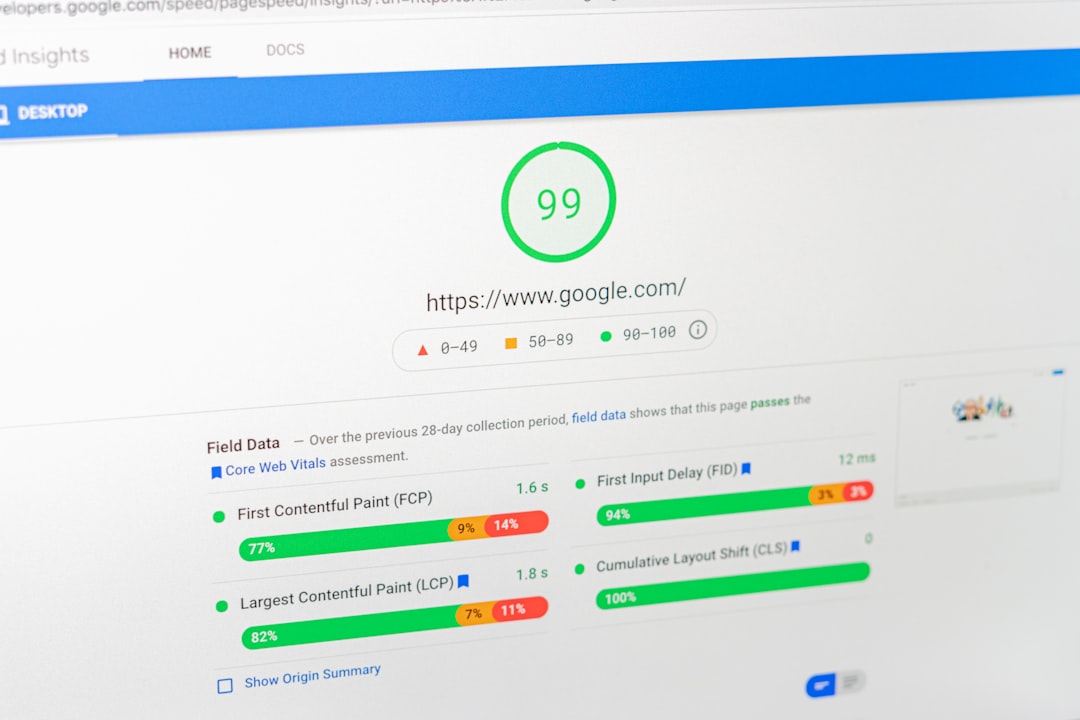
You do not need a perfect score. The goal is a site that loads cleanly, is easy to use, and sends consistent signals about which pages matter most. That usually means simplifying templates, compressing images, reducing plugin clutter, and checking that important pages are not diluted by duplicate versions or thin archives.
A practical order for fixing WordPress SEO basics
The best order is to fix visibility blockers first, then relevance signals, then polish. This keeps you from wasting time on small edits while larger structural issues are still suppressing performance.
| Priority | What to review | Why it comes first |
|---|---|---|
| 1 | Indexing and crawl access | Pages cannot rank if search engines cannot reach them properly. |
| 2 | Plugin conflicts and duplicate output | Conflicting signals can affect titles, canonicals, and sitemaps across the site. |
| 3 | Core page titles and headings | These help define page relevance and improve click potential. |
| 4 | Internal linking | This strengthens discovery, hierarchy, and topic relationships. |
| 5 | Speed and template cleanup | This improves usability after the core visibility issues are stable. |
What to stop doing
Stop treating SEO fundamentals like a plugin settings contest. Stop publishing overlapping posts just to cover slight keyword variations. Stop assuming a page is optimized because a tool says it is.
Fundamentals work when the site is clear, consistent, and easy for both users and search engines to understand. That usually comes from better prioritization, not more features. If your site is stuck, the answer is often fewer moving parts and a more disciplined plan.
When to get help with WordPress SEO fundamentals
If you have done the work but your rankings are still flat, the issue is usually prioritization, not effort. An experienced review can often spot whether the real bottleneck is technical, structural, or content-related before you spend more time changing the wrong things.
Book a free SEO consultation with WordPress SEO Expert. No pitch, no pressure. Just an honest look at what your site actually needs and whether your current setup is part of the solution or part of the problem.
Contact WordPress SEO Expert today to schedule a consultation if you want a practical plan for improving rankings without overcomplicating your WordPress setup.