Low rankings usually come from a scattered plan, not one missing plugin. If you want to improve WordPress SEO, focus on the basics in the right order: crawlability, site structure, page targeting, internal links, and speed. Most sites do not have one catastrophic problem. They have a stack of smaller issues that compound over time.
There is no single setting that fixes everything. A cleaner SEO result usually comes from removing conflicts, tightening page intent, and making it easier for Google to understand which pages matter. If you are rebuilding or cleaning up an existing site, our WordPress SEO checklist for new websites pre-launch helps prevent the common technical mistakes that block growth before content strategy even starts.
Start with the technical setup first
The fastest SEO win is making sure search engines can crawl the site correctly. If indexing, canonicals, redirects, or sitemap setup are wrong, better content will not solve the underlying problem.
Begin by checking that only one SEO plugin is active, your preferred domain version redirects consistently, and important pages are not blocked by noindex tags or the search engine visibility setting. Google recommends descriptive and concise title elements and advises against keyword stuffing or repetitive boilerplate titles, which is a useful reminder that clean technical output and clear page signals work together.Google says so directly.
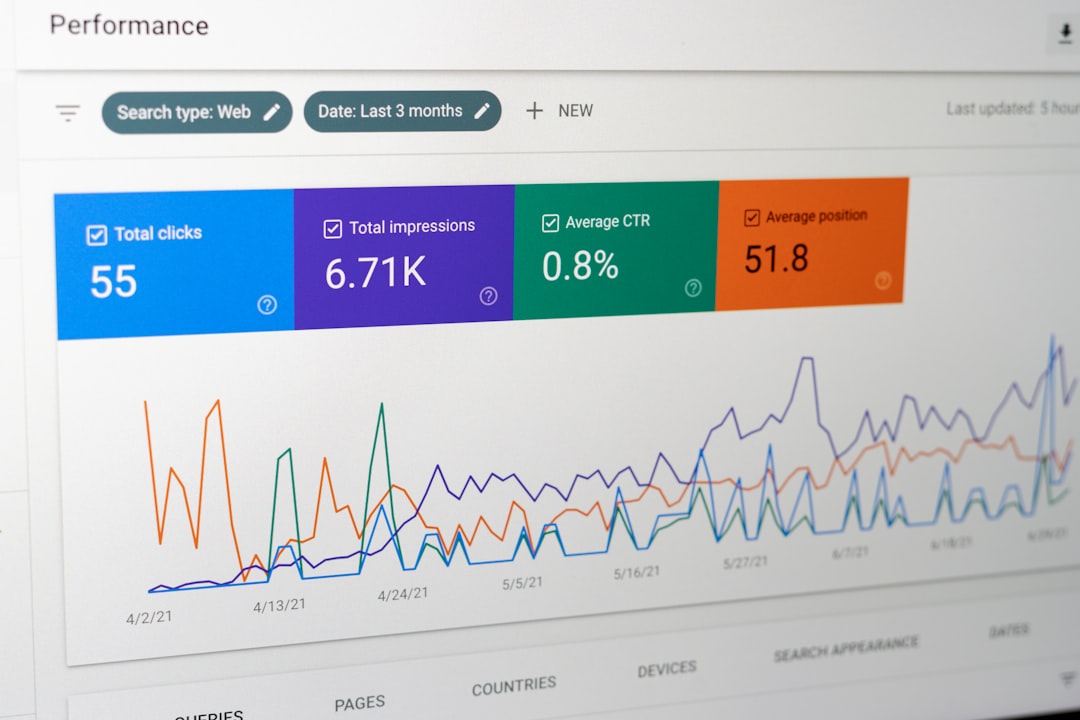
You should also confirm that your XML sitemap is valid and submitted in Search Console. Google treats sitemap submission as a hint rather than a guarantee, but it still gives Google a direct path to discover important URLs.Their documentation is clear on this point.
| Area | What to check first | Why it matters |
|---|---|---|
| Indexing | Important pages are not set to noindex | Blocked pages cannot rank |
| SEO plugins | Only one plugin handles titles, canonicals, and schema | Multiple plugins often create conflicting signals |
| Redirects | HTTP redirects to HTTPS and one hostname version | Prevents duplicate URL versions |
| Sitemaps | One clean sitemap is active and submitted | Improves discovery of key pages |
| Permalinks | URLs are readable and stable | Cleaner structure supports crawling and usability |
Fix page targeting before writing more content
Publishing more posts rarely helps when existing pages overlap or target vague terms. The better move is assigning one clear primary topic to each important page, then tightening the title, heading, and copy around that intent.
A common WordPress problem is creating several pages that all chase the same phrase: a service page, a blog post, a location page, and a category archive all competing with each other. When that happens, Google gets mixed signals about which URL should rank. Pick the strongest page for the topic, improve it, and reduce duplication elsewhere.
Keep titles specific. Weak example: SEO Services | SEO Company | SEO Expert. Stronger example: WordPress SEO Services for Small Businesses. Google also notes that helpful title links usually come from concise, descriptive page titles and visible main headings that match the page content.That guidance is worth following closely.
Strengthen on-page SEO without chasing plugin scores

Plugin traffic lights are not the goal. Better on-page SEO comes from matching the page to the searcher’s question, improving scannability, and giving Google clear context through headings, internal links, images, and concise metadata.
Write a unique title tag and meta description for every high-value page. Use one clear H1, then break the rest of the page into logical H2s and H3s. Add internal links where they genuinely help the reader move to the next step. Google specifically recommends descriptive anchor text because it helps users and search engines understand the destination page.That applies to internal links too.
Images matter as well. Descriptive filenames and useful alt text provide context, while keyword stuffing alt text creates a poor experience. Google’s image SEO documentation is explicit about keeping image signals descriptive rather than spammy.Use that standard on every important page.
Use internal links to support the pages that matter
Internal linking is one of the most underused WordPress SEO improvements because it feels too simple. In practice, it helps Google understand page relationships, spreads authority across the site, and guides visitors toward deeper, more valuable pages.
Start by linking related posts and service pages using descriptive anchor text. If you are cleaning up a site after a redesign, review older posts and add links to the pages you actually want to rank now. For example, a speed article should point to deeper technical help when relevant, which is why our post on how to improve WordPress site speed for SEO fits naturally into a broader optimization plan.
If you are experiencing these issues, our team at WordPress SEO Expert can help. We look for the pages that are cannibalizing each other, the technical conflicts hidden in the theme or plugin stack, and the internal linking gaps that keep good content from performing.
Improve speed, but know when to stop

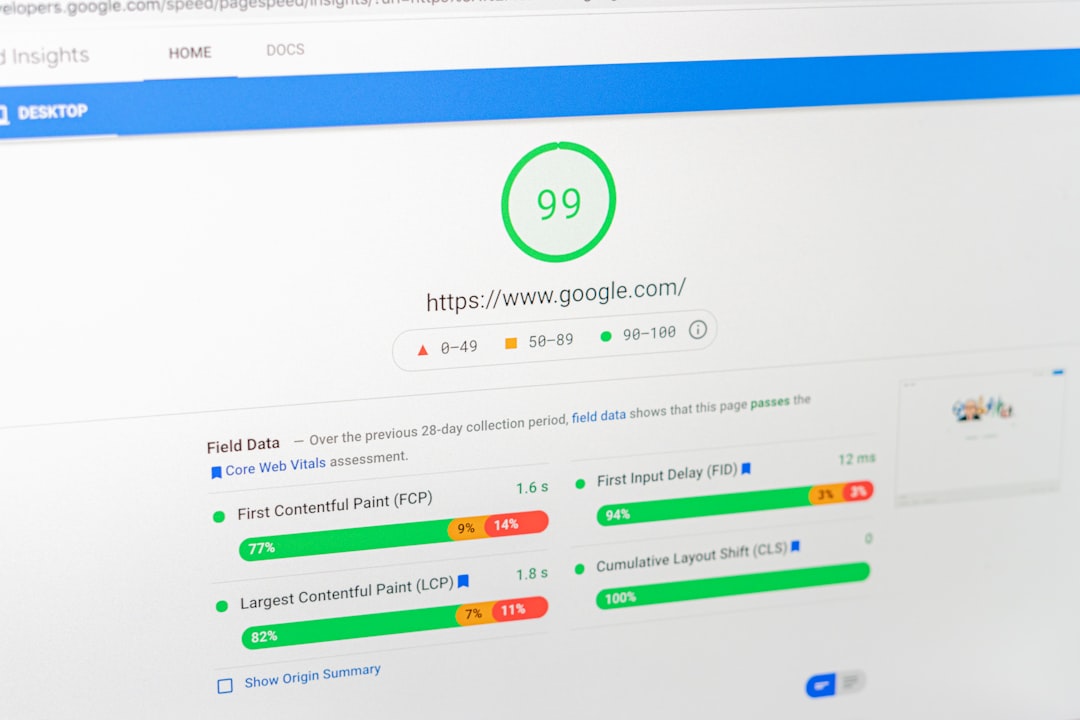
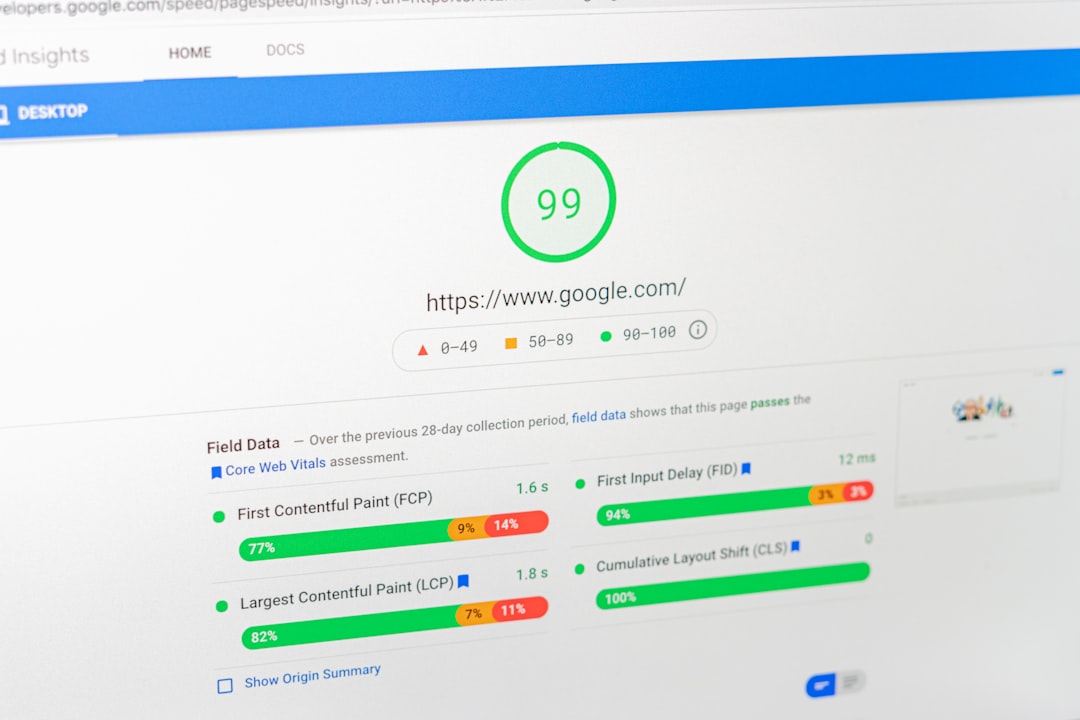
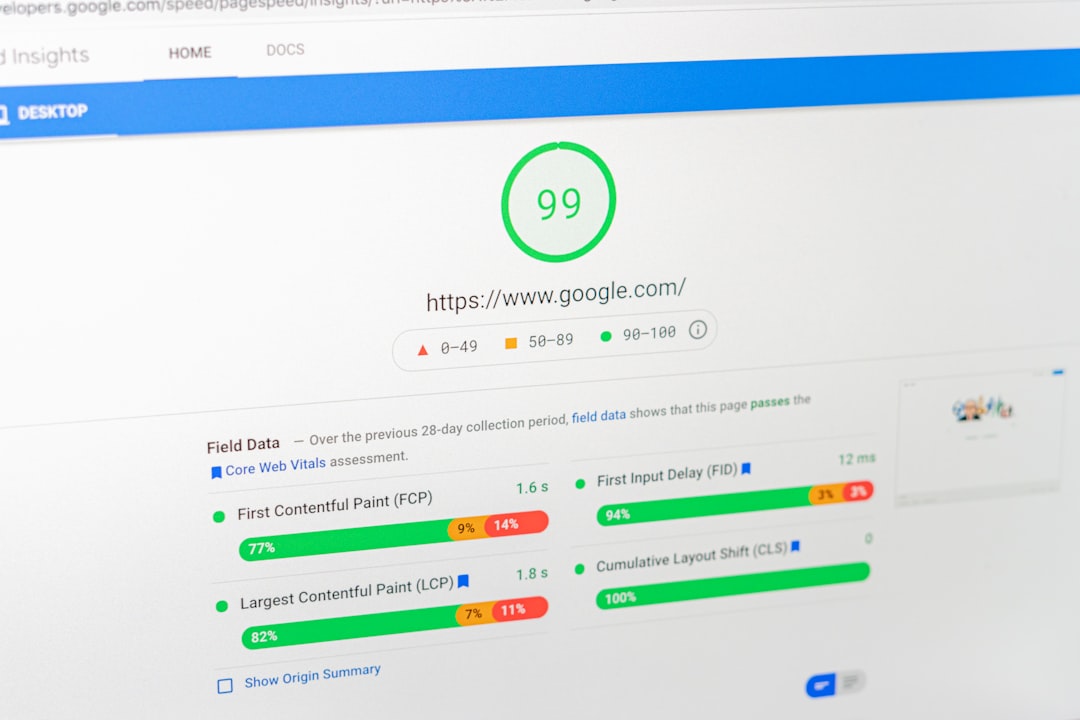
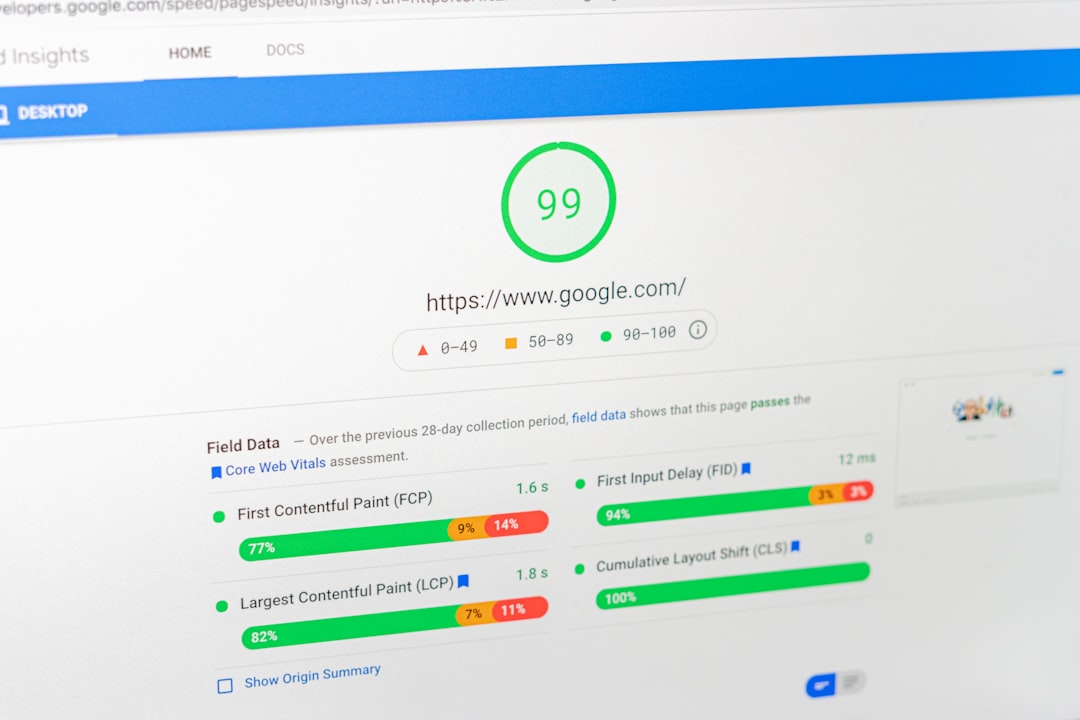
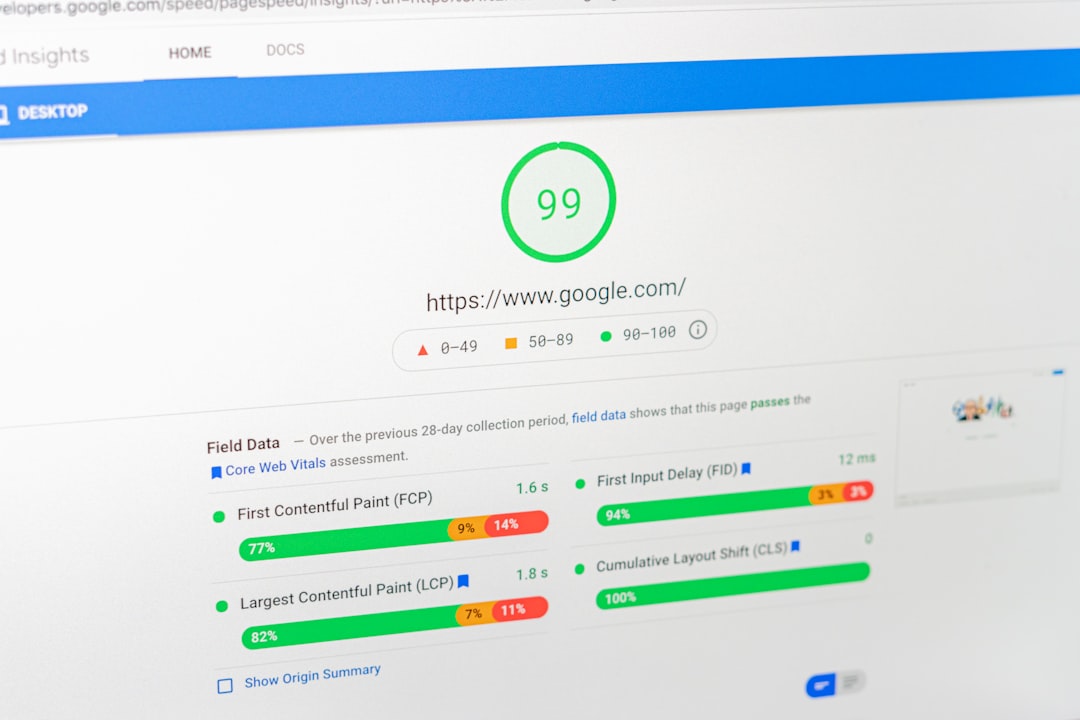
Speed helps most when the site is clearly slow, not when you are obsessing over tiny score changes. The practical goal is a fast, stable experience on mobile, not a perfect Lighthouse screenshot.
Prioritize oversized images, render-blocking scripts, poor hosting, and bloated plugin stacks. Those are the issues that usually move the needle. For most businesses, speed work should support SEO, not replace the more important tasks of fixing targeting, crawl issues, and weak page structure. If this is your bottleneck, review our detailed guide on real WordPress speed fixes for SEO for the exact settings and trade-offs.
A practical WordPress SEO workflow
The easiest way to improve WordPress SEO is to work in sequence instead of jumping between random tactics. Fix access and indexing first, then page targeting, then on-page improvements, then internal links, and finally performance tuning.
| Priority | Task | Expected payoff |
|---|---|---|
| 1 | Remove indexing and plugin conflicts | Prevents invisible technical losses |
| 2 | Assign one clear topic to each key page | Reduces cannibalization |
| 3 | Rewrite titles, headings, and meta descriptions | Improves clarity and click potential |
| 4 | Add internal links to priority pages | Strengthens site structure |
| 5 | Fix obvious speed bottlenecks | Improves usability and supports rankings |
When to get a second set of eyes
If you have already published content, installed an SEO plugin, and still are not seeing movement, the issue is usually prioritization rather than effort. Most site owners do not need a bigger checklist. They need someone to identify what is actually holding the site back first.
WordPress SEO Expert can review your setup and help you separate high-impact fixes from busywork. If you want a second set of eyes before changing settings or rewriting pages, request a free WordPress SEO audit or book a free SEO consultation with WordPress SEO Expert. We will help you find the bottlenecks before you spend more time on the wrong tasks.