Strong WordPress SEO usually comes from clean priorities, not more tools. If your rankings are flat, the problem is often that technical issues, weak page targeting, and thin internal links are piling up together while your plugin keeps telling you everything looks fine.
A green light in an SEO plugin does not mean the page deserves to rank. Experts usually start by checking whether search engines can crawl the right pages, whether those pages clearly match intent, and whether the site structure reinforces what matters most. That is the foundation before any fine-tuning begins.
What experts focus on first
The first step is simple: fix what blocks visibility before fixing what only improves presentation. That means checking indexing, crawl access, canonicals, duplicate URLs, title structure, and internal linking before spending hours rewriting minor copy details.
Most site owners do not have one catastrophic problem. They have a stack of smaller issues that compound over time. That is why an expert review feels different from a generic checklist. The goal is not to touch everything. The goal is to identify the few issues that suppress the entire site.
If you need a broader baseline before making changes, review this practical guide for DIY WordPress site owners. It pairs well with a fundamentals review because it shows how the layers connect.
Start with crawlability and indexing
Experts begin by confirming that Google can actually reach and index the pages that matter. If important service pages, product pages, or category pages are blocked, no amount of on-page polishing will make up for that.
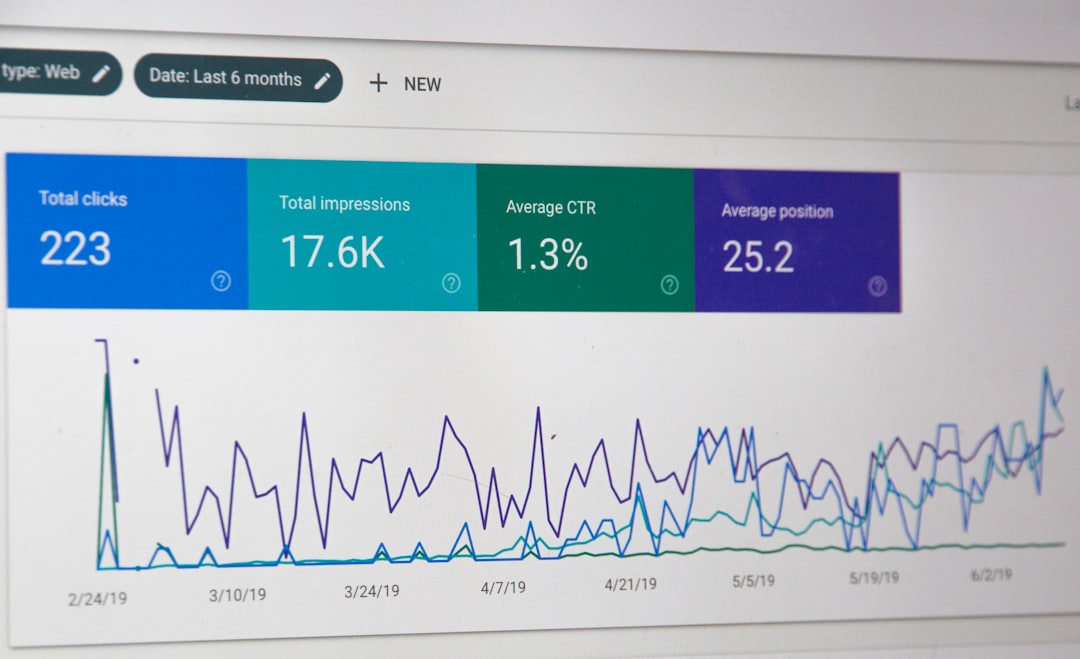
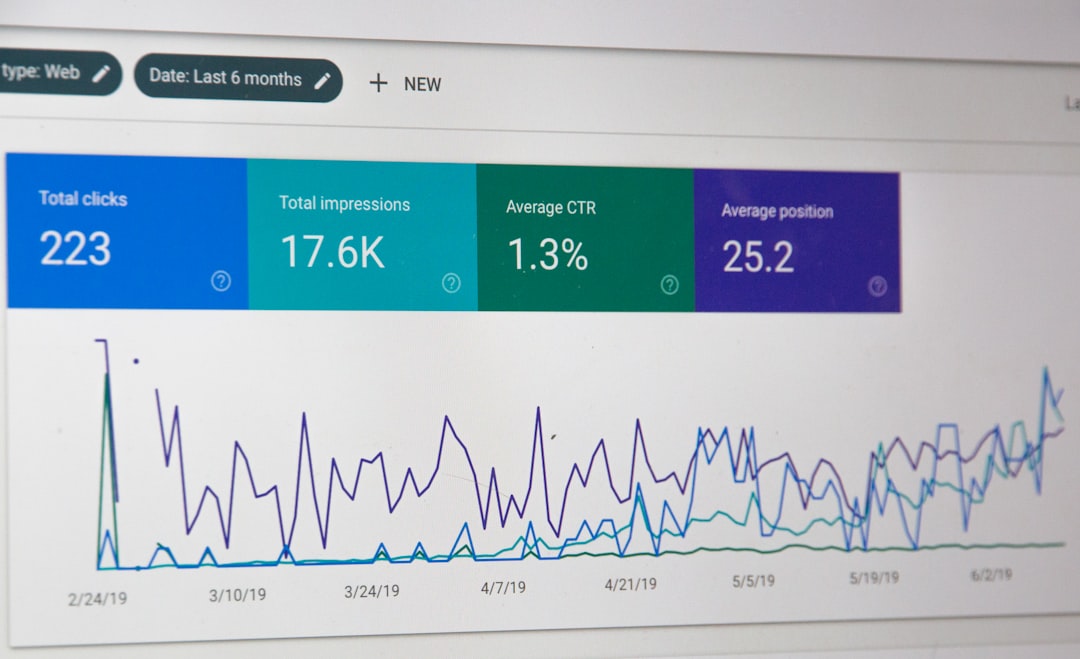
This usually means checking Search Console, XML sitemaps, robots directives, archive settings, and whether key pages are linked from crawlable HTML links. Google’s own documentation explains that links are crucial for discovery and that crawlable links should use standard anchor tags with descriptive text, which is why buried pages so often underperform.
On WordPress, common issues include thin archive pages, accidental noindex settings, attachment URLs, and pages that technically exist but have almost no internal support. If your setup feels messy, this guide on fixing WordPress SEO setup problems can help you spot the common failure points faster.
Use one SEO plugin and configure it well
Experts simplify the stack early. One well-configured SEO plugin is enough for most WordPress sites, while overlapping plugins often create duplicate metadata, conflicting canonicals, and competing sitemap outputs.
This matters because WordPress makes it easy to install overlapping features without noticing the conflicts. A separate SEO plugin, schema plugin, redirect plugin, and social metadata plugin can all be valid on their own, but together they often muddy the signals search engines receive. Simpler setups are easier to audit, easier to maintain, and less likely to break during redesigns or migrations.
Titles and headings come before score-chasing
Experts treat titles as a high-impact relevance signal, not a place to cram variants. Google recommends descriptive, concise title text and warns against keyword stuffing and repetitive boilerplate, so the best titles are specific, readable, and clearly tied to the page’s purpose.
| Weak title | Stronger title |
|---|---|
| SEO Services | SEO Company | SEO Expert | WordPress SEO Services for Small Businesses |
| Blog | WordPress SEO Tips for Service Businesses |
| Home | WordPress SEO Consultant for Growing Sites |
Heading structure follows the same logic. One clear H1, logical H2s, and supporting H3s help both readers and search engines understand the page. Experts do not use headings as decoration. They use them to create a clean content hierarchy that matches the page intent.
Internal links are a fundamentals issue
Internal linking is not an advanced tactic. Experts treat it as part of the core setup because it helps search engines discover pages, understand relationships, and recognize which pages deserve more attention.
Google recommends descriptive anchor text, and that advice matters on WordPress more than many site owners realize. Important pages should not depend only on the main menu or the sitemap. They should be supported by relevant links from blog posts, category pages, and related service content. When those links are missing, good pages stay under-supported.
If you are experiencing these symptoms, our team at WordPress SEO Expert can help. A focused review usually reveals whether the real issue is weak internal linking, duplication, indexing mistakes, or scattered targeting across too many pages.
Content fundamentals still matter
Experts do not separate content from SEO. The page still needs to satisfy the query, answer the searcher clearly, and provide enough depth to deserve visibility. Technical cleanup helps the right pages compete, but weak pages still struggle.
Google’s guidance on people-first content is consistent here: content should be created to help users, not just to attract search traffic. That is why experts usually consolidate overlapping posts, strengthen thin pages, and align each page with one main intent instead of publishing near-duplicates to chase slight keyword variations.
A practical order of operations
A strong fundamentals review follows an order. This keeps you from spending time on cosmetic tweaks while larger technical and structural issues are still holding the site back.
| Priority | What experts review | Why it comes first |
|---|---|---|
| 1 | Indexing and crawl access | Pages cannot rank if search engines cannot reach or index them. |
| 2 | Plugin conflicts and duplicate signals | Conflicting metadata and canonicals create sitewide confusion. |
| 3 | Titles, headings, and page targeting | Improves topical clarity and aligns pages with intent. |
| 4 | Internal linking and site structure | Strengthens discovery, hierarchy, and page support. |
| 5 | Content depth and consolidation | Helps the right pages satisfy users more completely. |
| 6 | Schema and snippet refinement | Polishes visibility after the core signals are stable. |
What experts usually ignore
Experienced practitioners ignore a lot of noise. They do not chase perfect plugin scores, install overlapping tools, or treat schema and meta descriptions like ranking shortcuts. Those elements can support performance, but they do not replace strong indexing, clear targeting, and a usable site structure.
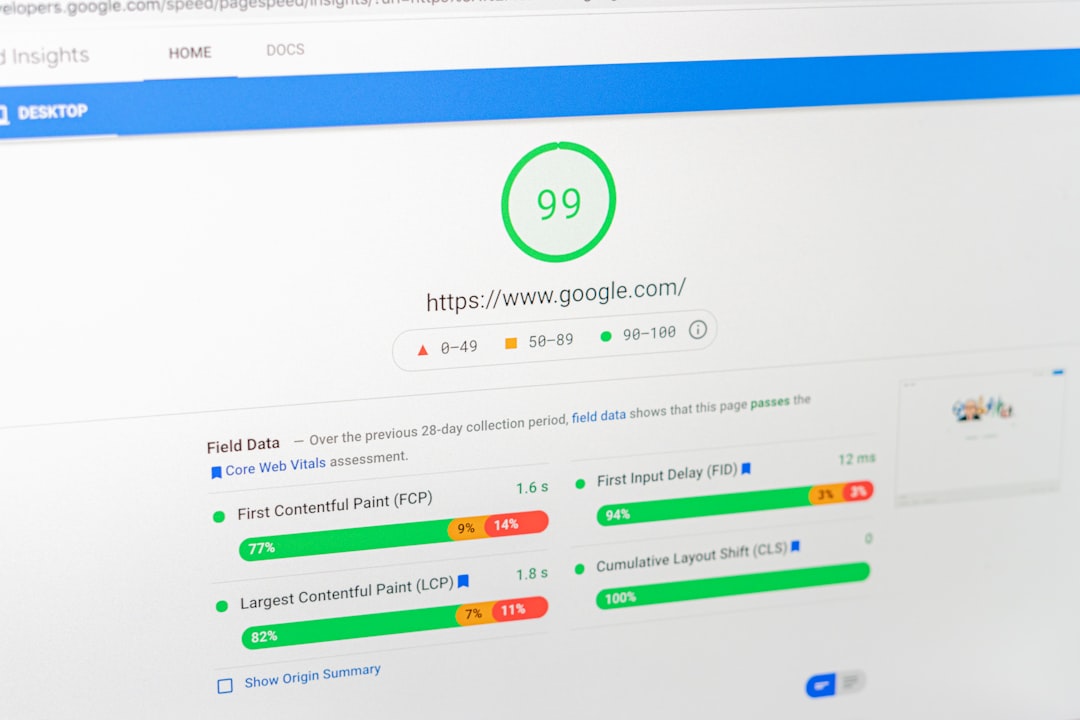
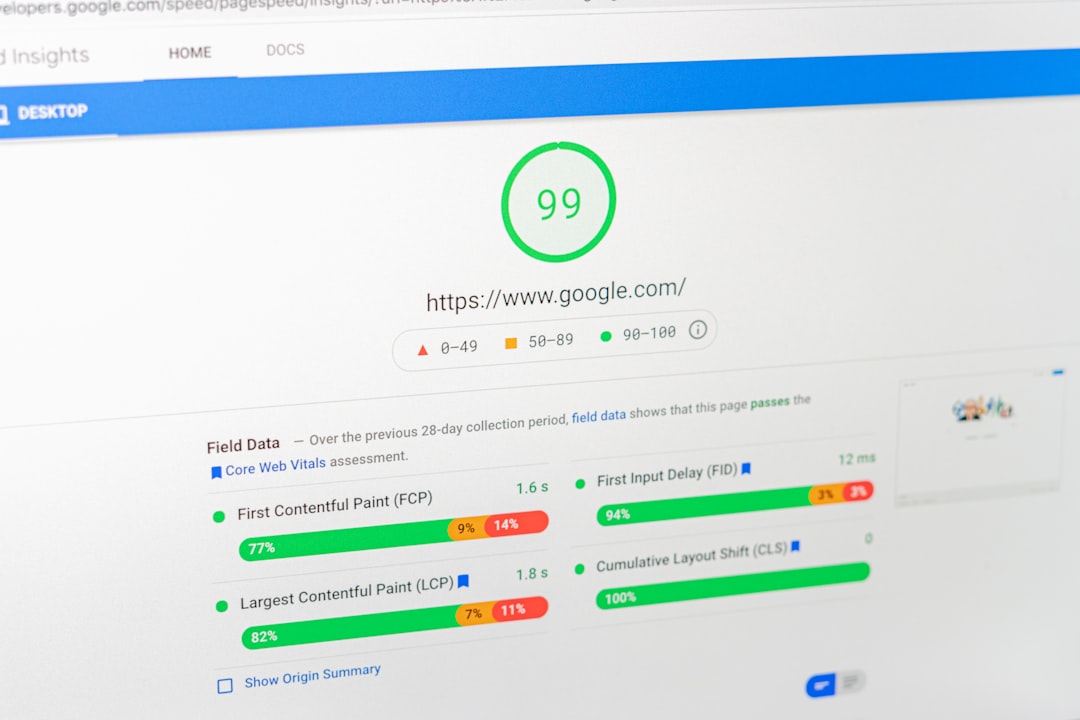
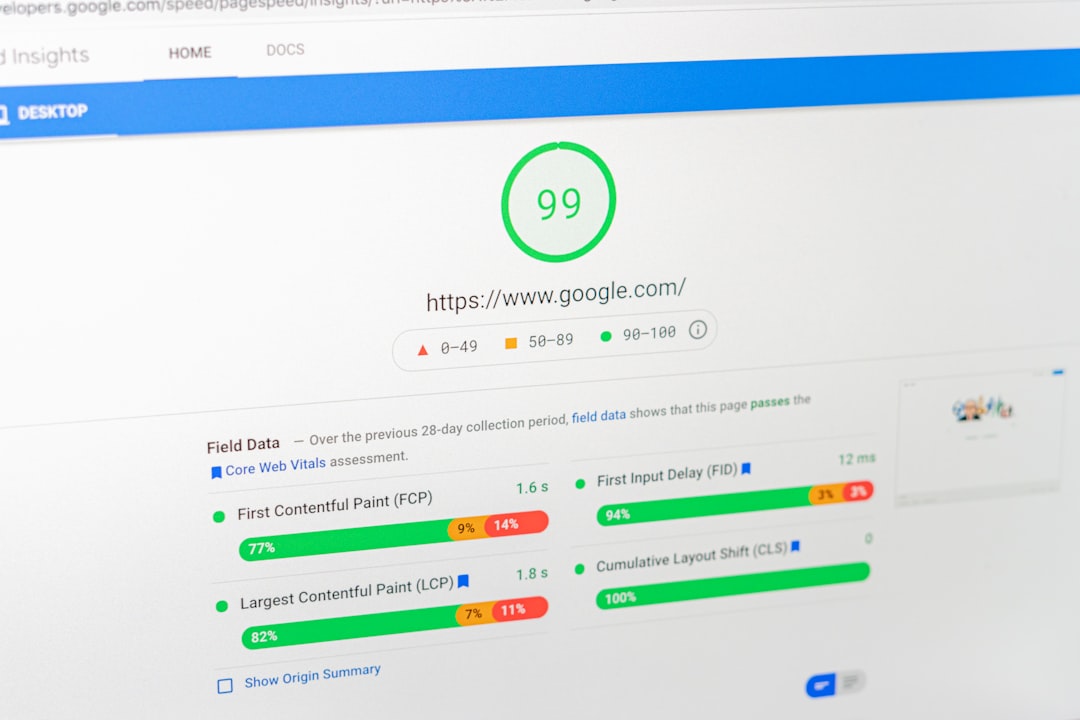
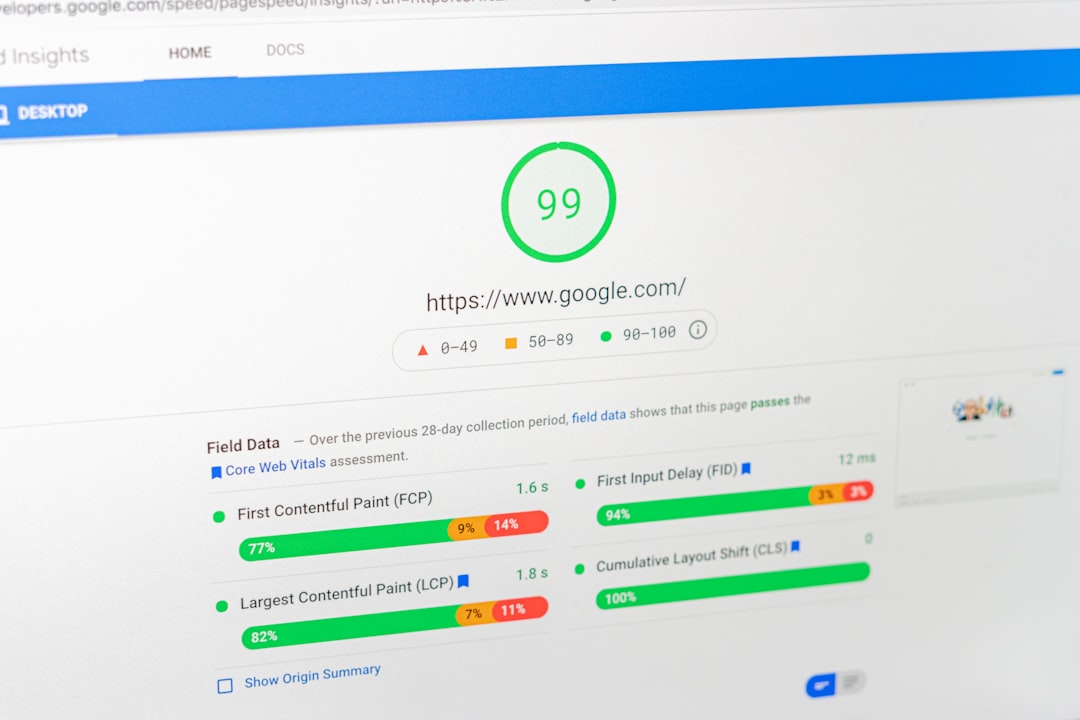
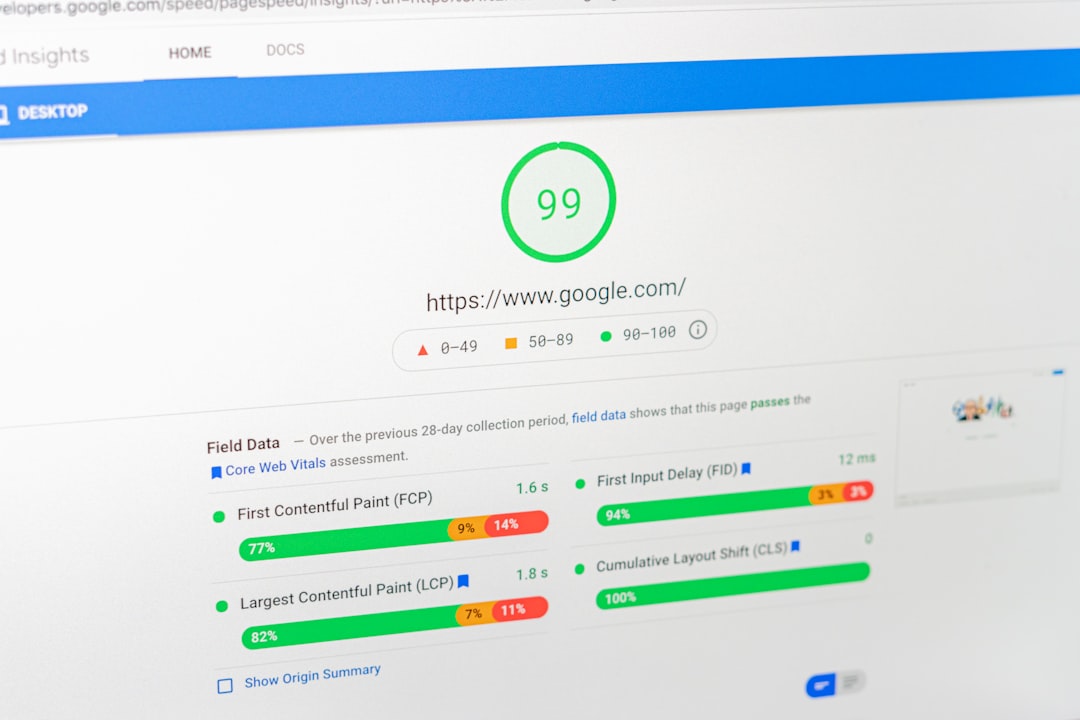
You do not need a perfect score. The goal is a site that loads cleanly, is easy to use, and sends consistent signals about which pages matter most. That is the difference between activity and progress.
When to get a second set of eyes
If rankings stay flat after basic cleanup, the issue is usually prioritization, not effort. An expert can often tell quickly whether the bottleneck is indexing, duplication, weak page targeting, internal links, or a migration problem that never got fully resolved.
WordPress SEO Expert can help you sort the real problems from the distracting ones. Book a free SEO consultation. No pitch, no pressure. Just an honest look at what your site actually needs and whether your current setup is part of the solution or part of the problem.
Contact WordPress SEO Expert today to schedule a consultation if you want a practical plan for improving your WordPress SEO fundamentals without adding more clutter to the site.