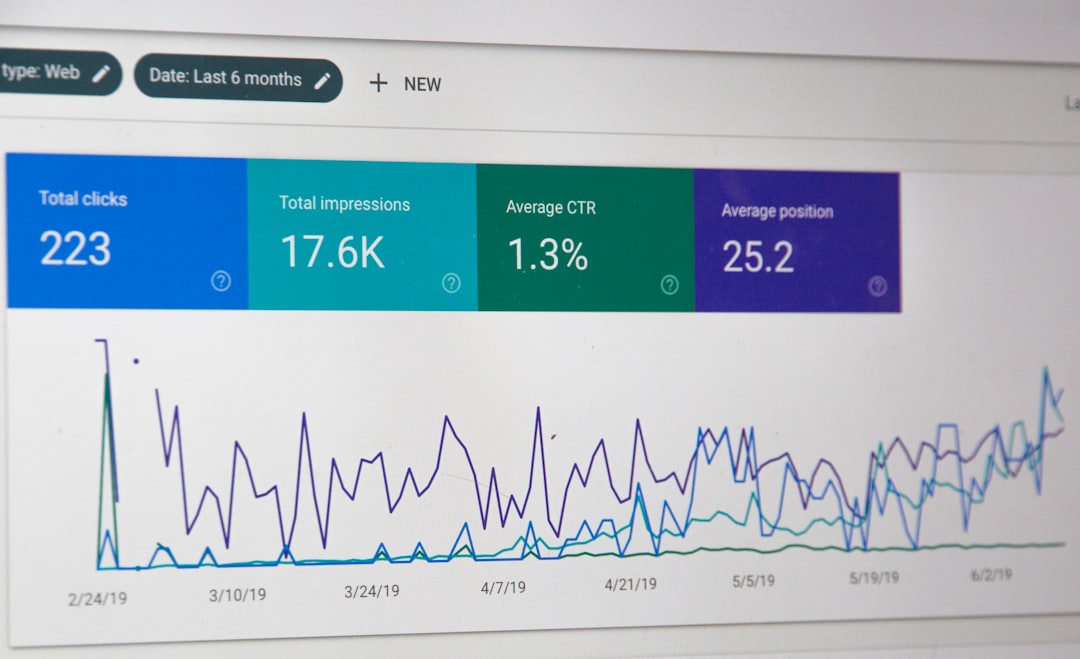
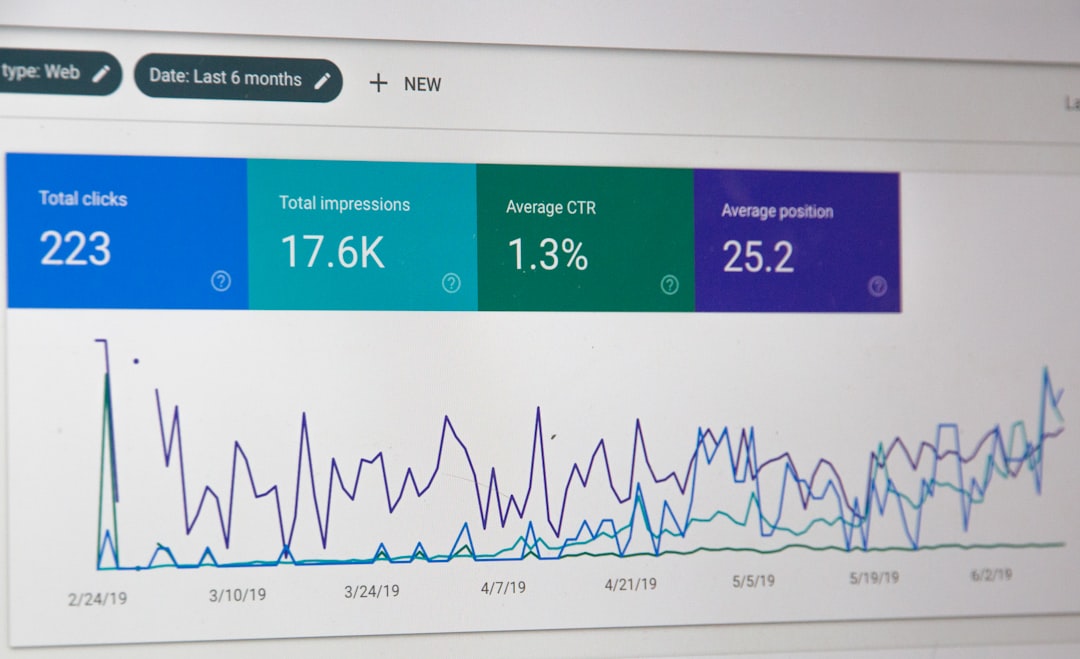
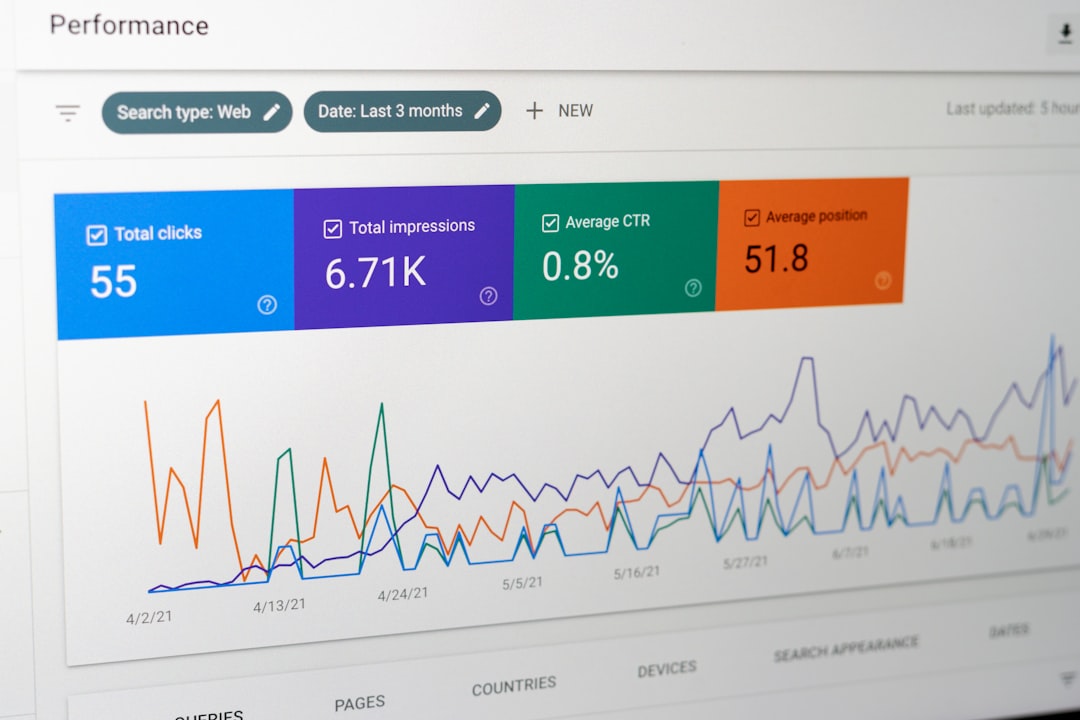
Faster SEO growth usually comes from cleaner fundamentals, not more tools. If your rankings feel flat, the problem is often not effort. It is that WordPress SEO gets handled as a pile of disconnected tasks instead of a few core systems that need to work together.
WordPress SEO Expert helps site owners simplify that mess. A green light in an SEO plugin does not mean the page deserves to rank. The real goal is a site that is crawlable, well targeted, internally connected, and easy for users to navigate.
Start with visibility before optimization
The first priority is making sure search engines can actually reach and index the pages that matter. If indexing is messy, title edits and content updates will have less impact than they should.
Check whether your important pages are indexable, linked from crawlable pages, and included in your sitemap. Thin archives, attachment pages, and stray utility URLs often create noise. If you need a broader walkthrough of the setup order, review how to fix WordPress SEO setup problems before changing individual settings.
Use one SEO plugin and configure it well
One well-configured SEO plugin is enough. Running overlapping plugins often creates duplicate metadata, conflicting canonicals, and competing sitemap outputs that make troubleshooting much harder.
This is one of the most common WordPress problems we see. Site owners add more tools because rankings are slow, but the added tools often multiply confusion instead of improving signals. Keep one primary plugin, then clean up titles, archive rules, schema defaults, and social settings inside that single setup. If you want a wider baseline, this practical WordPress SEO guide for DIY site owners is a strong companion resource.
Fix page targeting before publishing more content
Many sites do not need more pages first. They need clearer targeting on the pages they already have. Each important page should serve one main search intent instead of trying to rank for everything at once.
Start with your homepage, core service pages, top category pages, and posts already getting impressions. Tighten the title, sharpen the heading structure, and make sure the page actually answers the query it is targeting. Weak targeting often looks like vague titles, generic introductions, and content that never gets specific enough to deserve the click.
Weak vs stronger title direction
Titles should tell both users and search engines what the page is about without sounding stuffed or repetitive. Clear beats clever here.
| Weak title | Stronger title |
|---|---|
| SEO Services | SEO Company | SEO Expert | WordPress SEO Services for Small Businesses |
| Blog | WordPress SEO Tips for Service Businesses |
| SEO Help | WordPress SEO Help for Flat Rankings |
Strengthen internal links to support important pages
Internal links are one of the simplest fundamentals to improve and one of the most ignored. They help search engines understand which pages matter, how topics relate, and where users should go next.
Link informational posts to service pages, connect related articles, and make sure important pages do not depend only on the menu for discovery. Orphaned or weakly linked pages often underperform even when the content is decent. If you are trying to clean this up methodically, a WordPress SEO audit process can help you spot what is underlinked and what is competing unnecessarily.
Keep technical SEO simple and useful
Technical SEO matters most when it removes friction. You do not need an elaborate setup. You need a site that loads cleanly, avoids obvious duplication, and sends consistent signals about which pages should rank.
That usually means checking canonicals, cleaning up archive behavior, reducing plugin clutter, and improving page speed on the templates that matter most. Most site owners do not have one catastrophic problem. They have a stack of smaller issues that compound over time. Fix the issues that block visibility before the issues that polish visibility.
Focus on steady improvements, not perfect scores
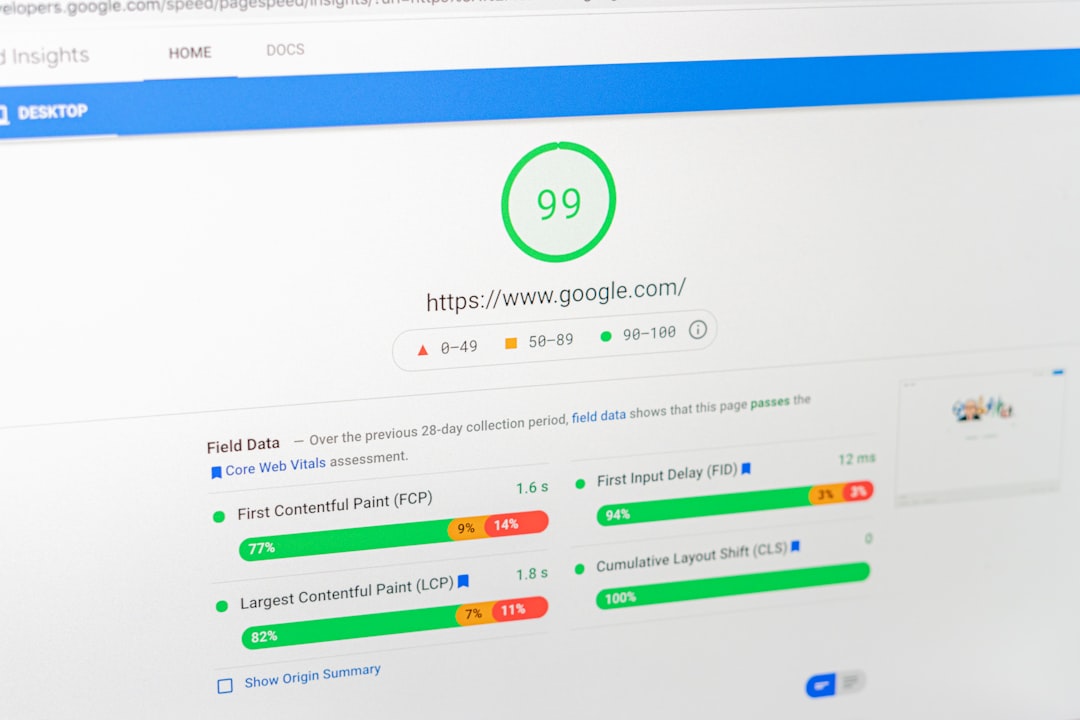
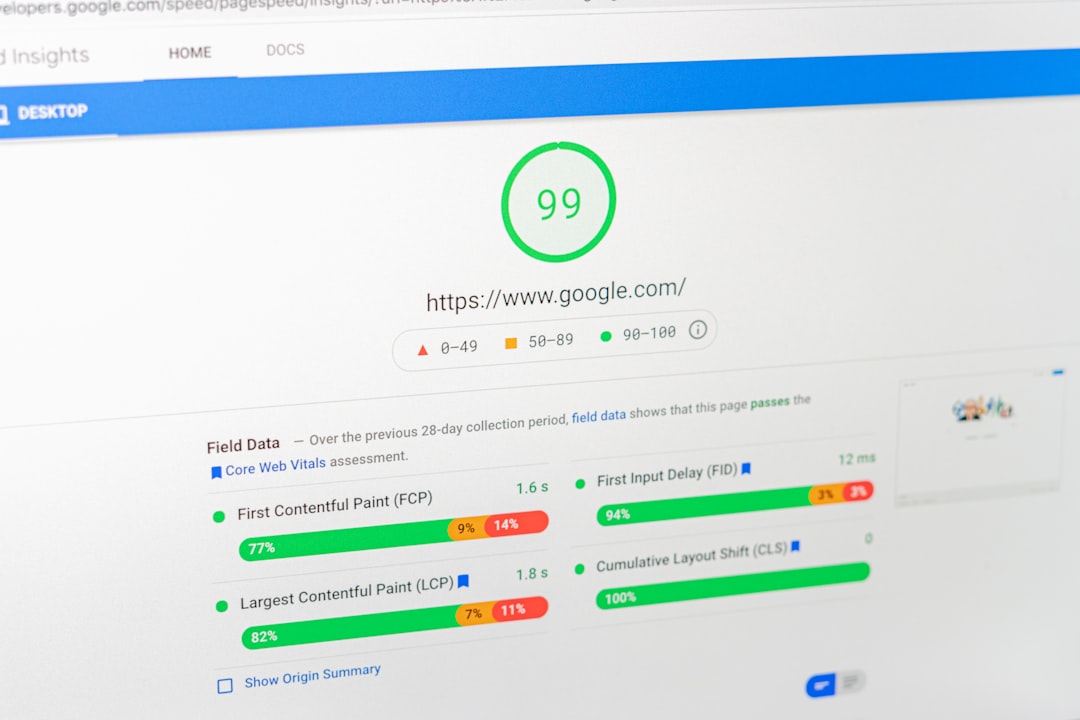
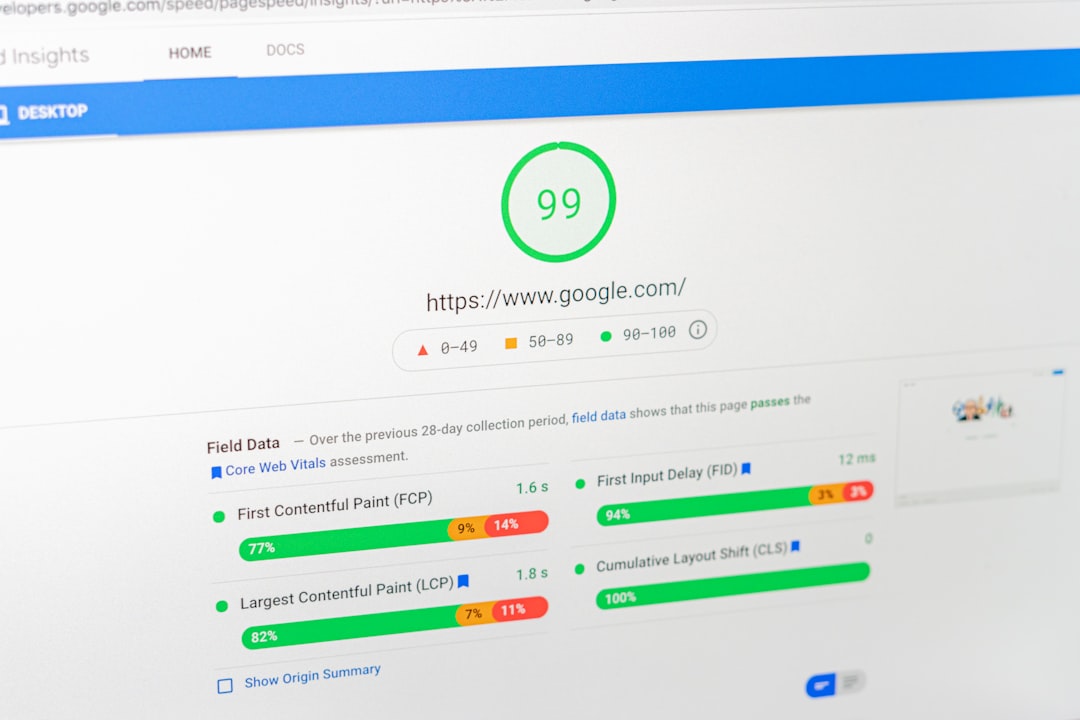
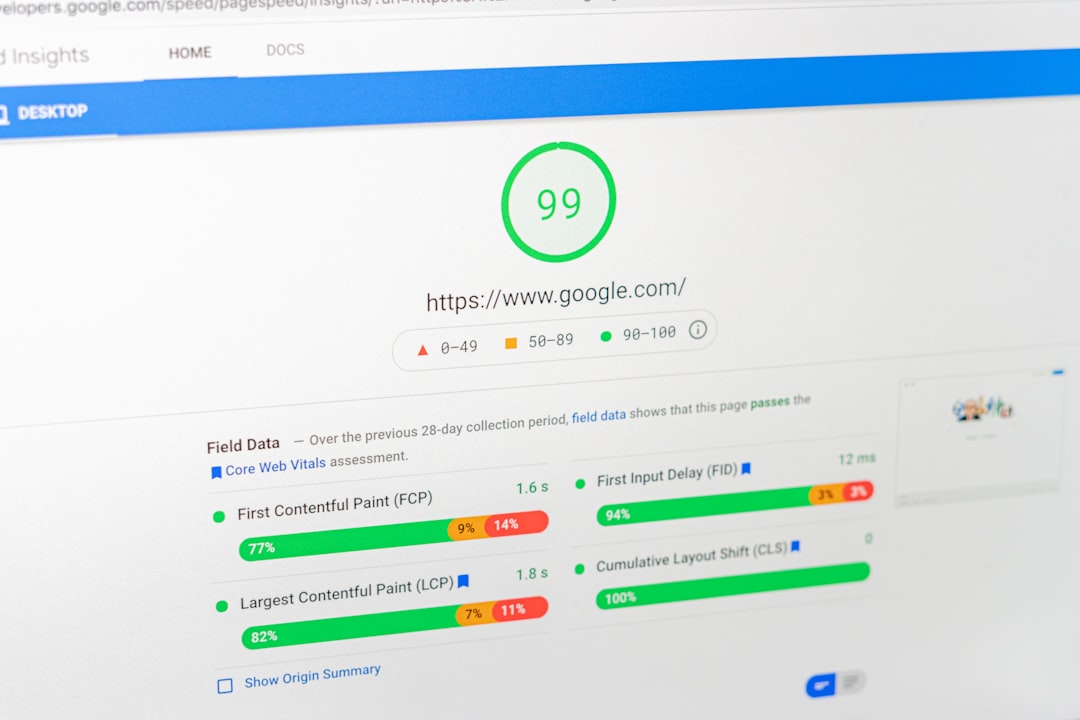
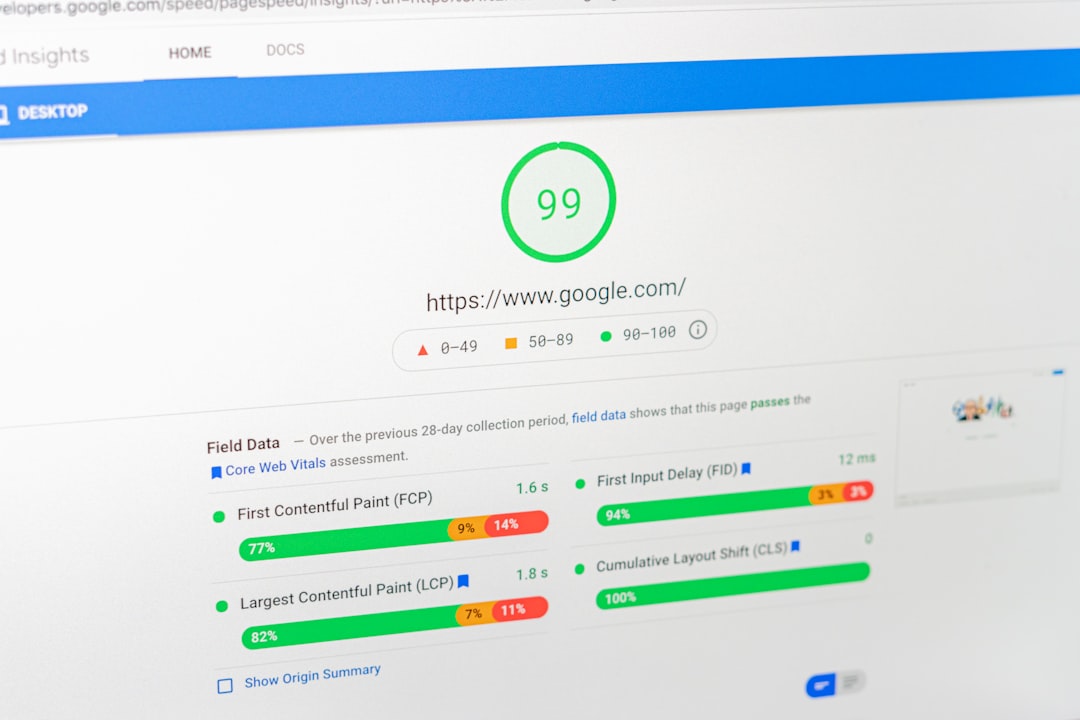
Perfect plugin scores are not the goal. Better rankings usually come from a site that is easier to crawl, easier to understand, and more useful to the visitor.
That is why fundamentals matter. Better titles, cleaner indexing rules, stronger internal links, and fewer conflicting plugins usually outperform feature-heavy setups. If you are experiencing these symptoms, our team at WordPress SEO Expert can help.
When to get professional help
If you have already done the basic SEO work and growth is still slow, the issue is usually prioritization. A focused review can tell you whether the real blocker is indexing, duplication, weak targeting, or plugin clutter.
WordPress SEO Expert can help you sort the technical problems from the content problems before you change anything major. Book a free SEO consultation. No pitch, no pressure. Just an honest look at what your site actually needs and whether your current setup is part of the solution or part of the problem.
Contact WordPress SEO Expert today to schedule a consultation if you want a practical plan for faster growth without adding more SEO noise.