A WordPress SEO strategy should not remain the same forever. As a website grows, new competitors appear, search behavior changes, and older content becomes outdated. Regularly improving the strategy helps a website maintain its visibility and attract more relevant organic traffic.
The good news is that improving WordPress SEO does not always require a complete website redesign. Small, well-planned improvements can make a meaningful difference when they are based on actual website data.
Start by Reviewing Current Performance
Before changing anything, look at how the website is currently performing.
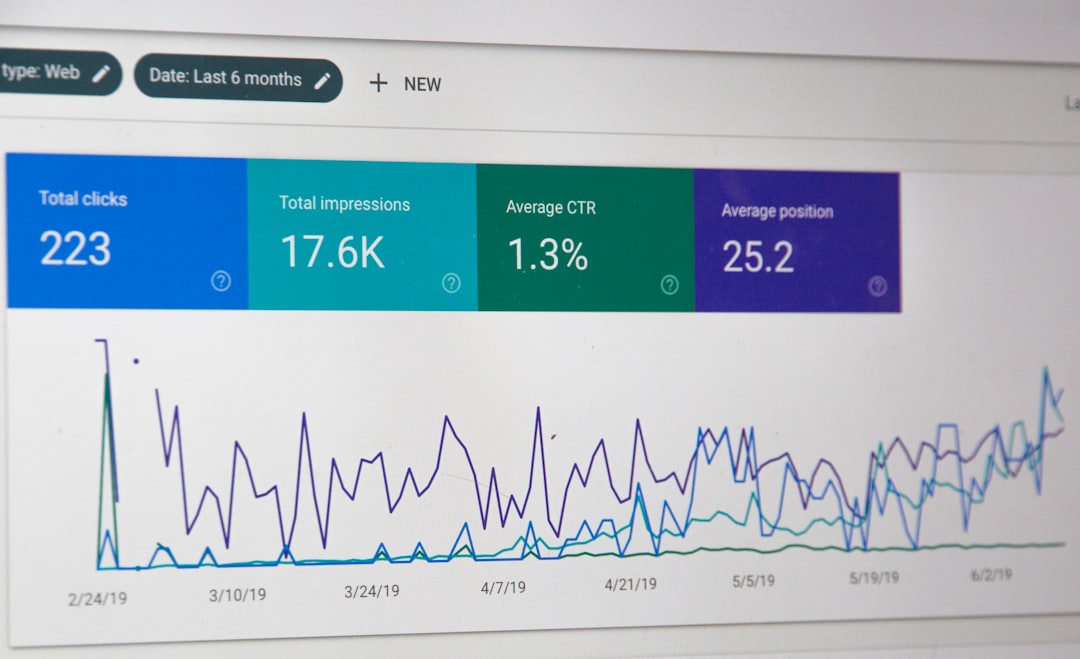
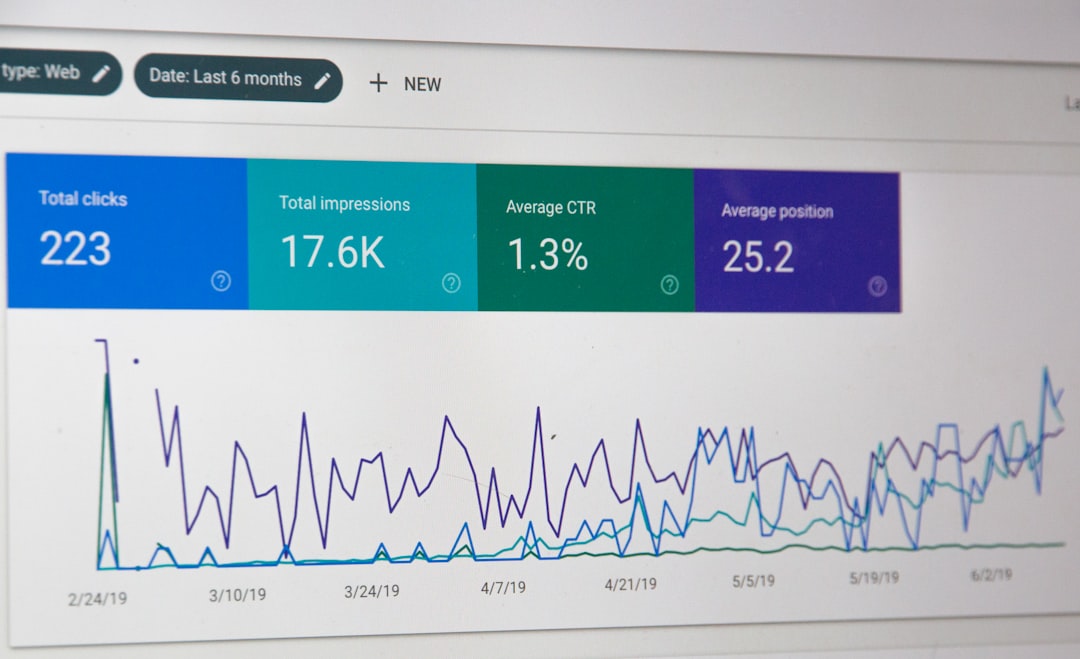
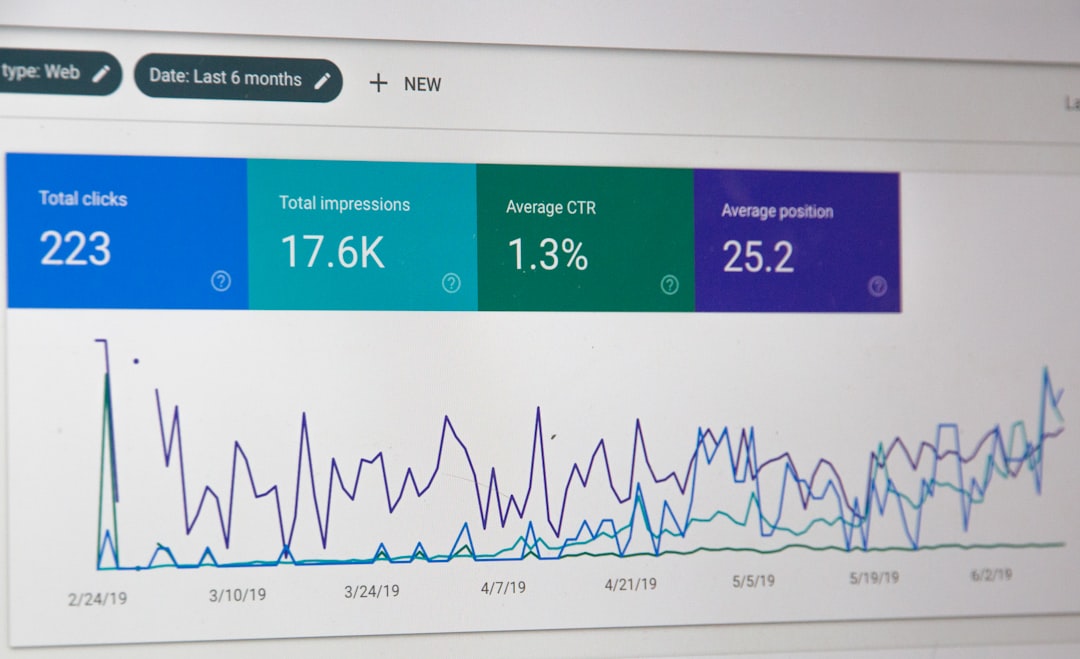
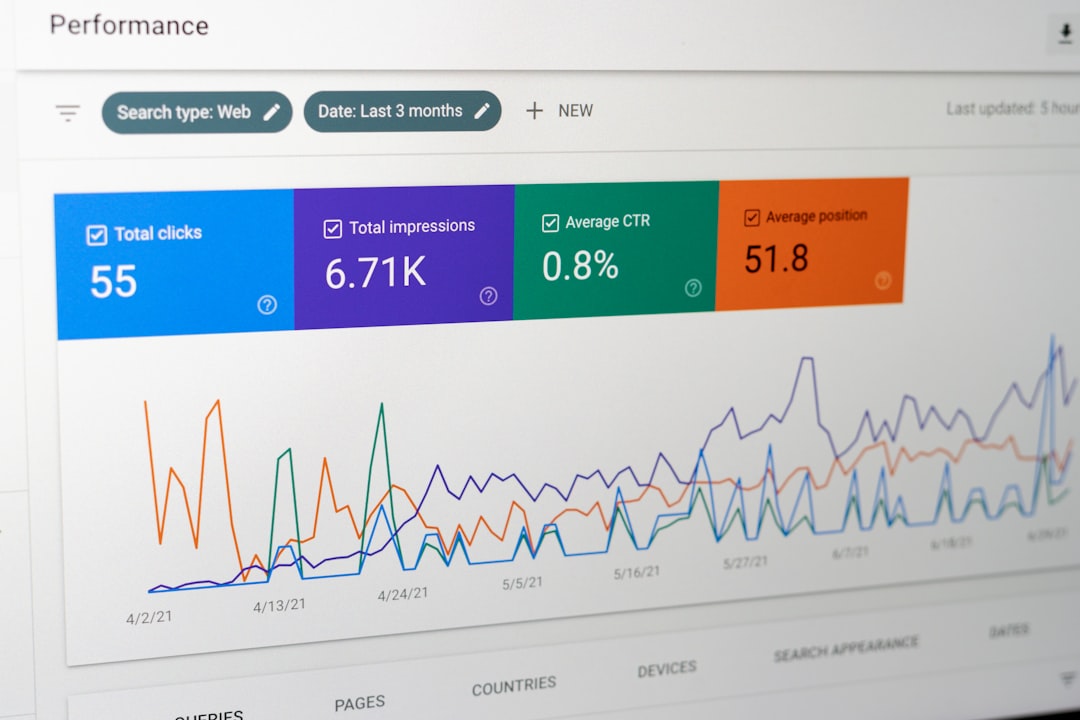
Review organic traffic, search impressions, clicks, keyword visibility, top landing pages, and conversions. This helps identify where the biggest opportunities are.
For example, if a page receives many impressions but few clicks, its search appearance may need improvement. If it receives traffic but generates no leads, the content or conversion path may need attention.
Refresh Existing Content

One of the easiest ways to improve a WordPress SEO strategy is to review existing content.
Older articles may contain outdated information, broken links, weak examples, or sections that no longer match the searcher’s needs.
Content refreshes can include:
- Updating outdated information
- Improving headings
- Adding missing subtopics
- Replacing broken links
- Adding relevant internal links
- Improving readability
- Strengthening the introduction
- Removing unnecessary information
Do not change content simply for the sake of making changes. Focus on improving its usefulness.
Improve Keyword Targeting
Sometimes a page is optimized around a keyword that does not accurately represent what the page offers.
Review whether the target keyword matches the page’s actual purpose and search intent.
For example, a service page should generally target commercial intent, while a detailed tutorial may target informational searches.
Long-tail keywords can also reveal more specific opportunities with clearer user intent.
Strengthen Internal Linking
Internal links are often overlooked.
Look for related pages that could naturally link to one another. A blog article discussing a specific SEO issue, for example, might link to a relevant service page.
A strong internal-linking structure helps users discover related information and gives search engines additional context about the site’s content.
Important pages should not be isolated deep within the website.
Improve Technical SEO

Technical problems can limit the effectiveness of otherwise good SEO work.
Check areas such as:
- Indexing
- XML sitemaps
- Broken links
- Redirects
- Canonical URLs
- Mobile usability
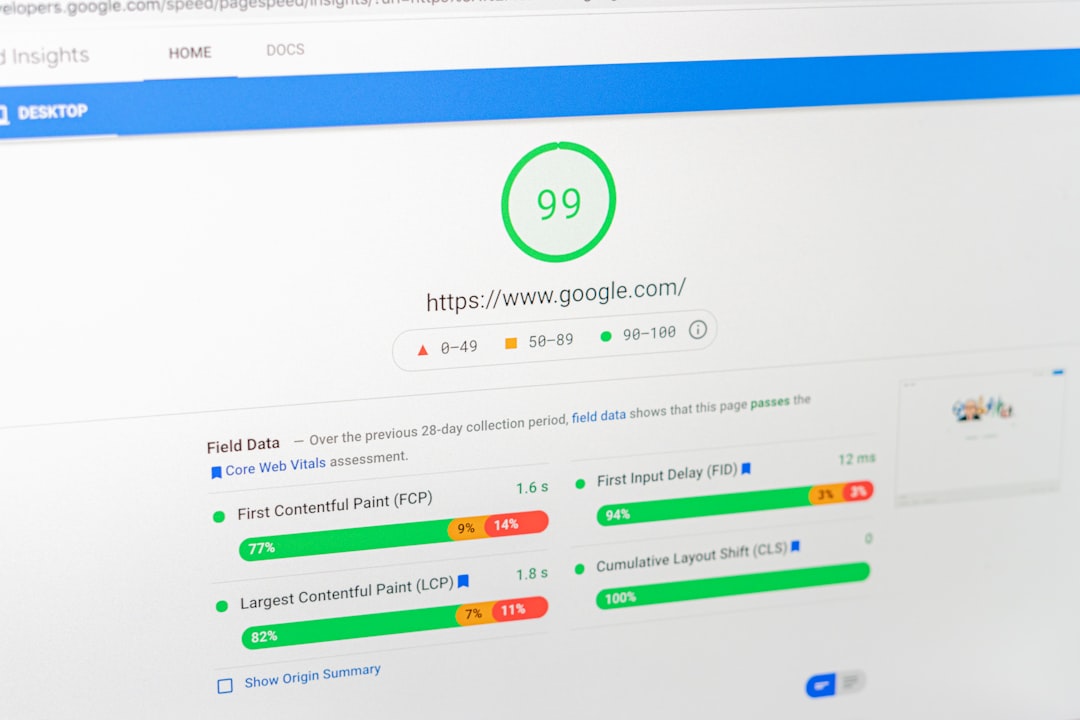
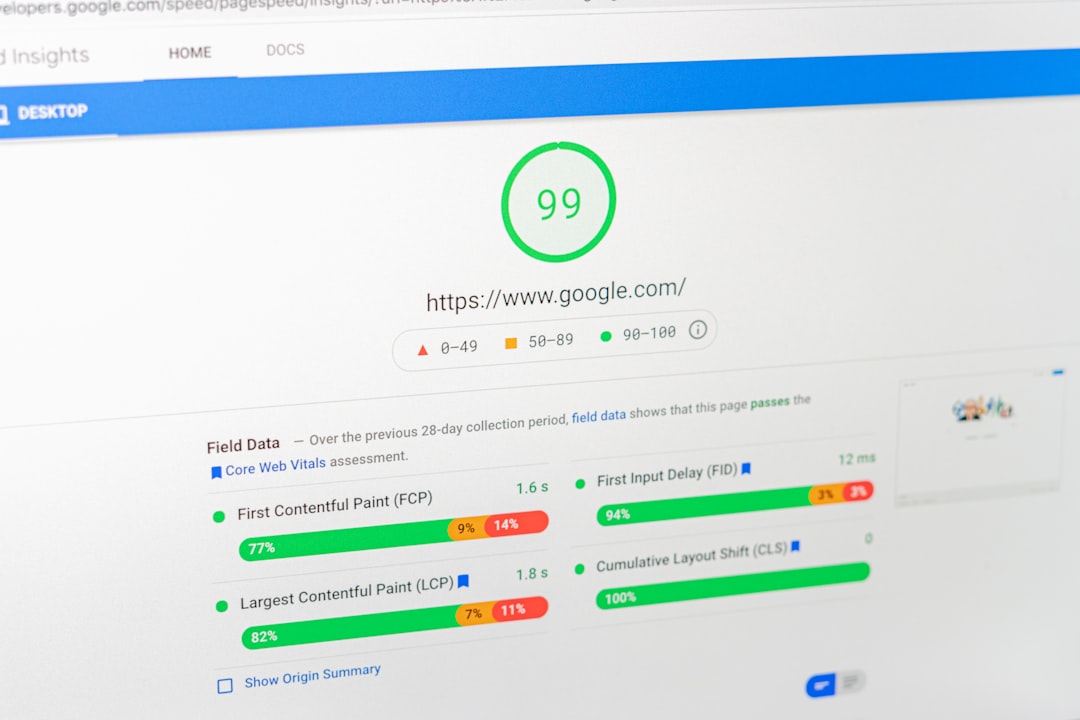
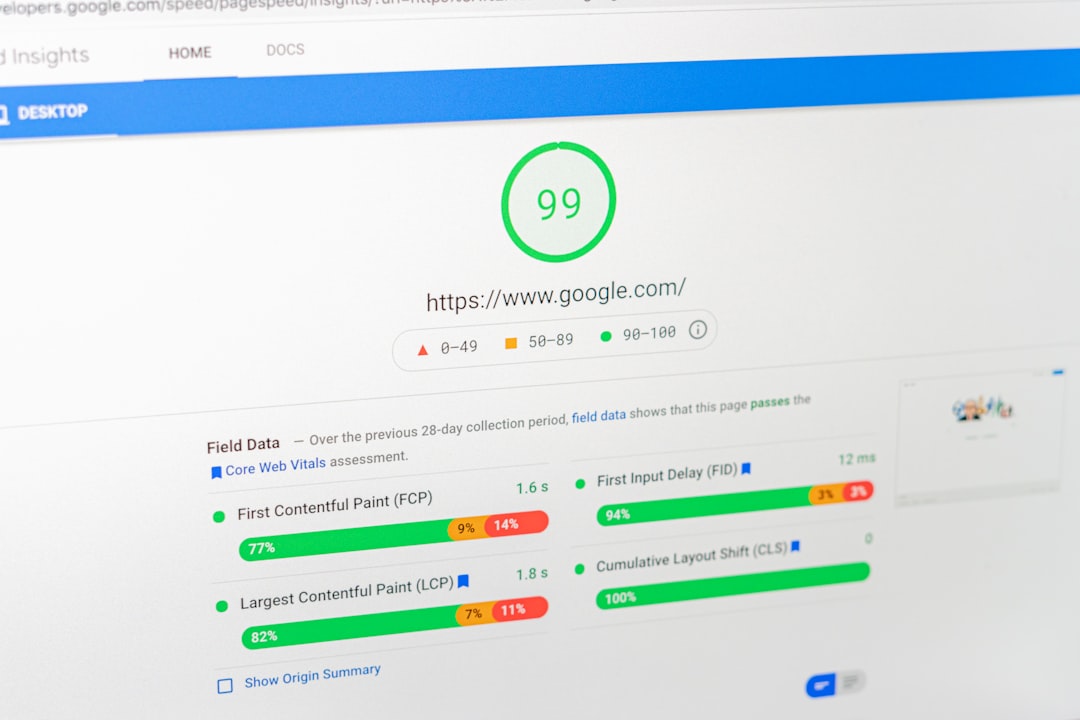
- Page speed
- Duplicate pages
- Plugin conflicts
WordPress websites can change frequently, so technical checks should be part of an ongoing process rather than a one-time task.
Improve Page Experience
SEO is not only about search engines. Visitors need to find information easily.
Review whether pages are:
- Easy to navigate
- Readable on mobile devices
- Fast enough to use comfortably
- Clearly structured
- Free from distracting elements
- Easy to understand
A page can have strong keyword targeting but still perform poorly if visitors struggle to use it.
Create Content Around Real Customer Questions
A better SEO strategy starts with understanding the audience.
Think about the questions customers ask before purchasing a product or service. These questions can become useful blog topics, guides, comparison pages, or supporting resources.
This approach creates content with a genuine purpose rather than producing articles simply to increase the number of pages.
Monitor Competitors Carefully
Competitor research can reveal content gaps and opportunities.
Look at the topics competitors cover, the types of pages they have, and how they structure their content. This does not mean copying them. Instead, use the research to identify areas where your website can provide clearer or more useful information.
Build Authority Naturally
Improving SEO can also involve strengthening the site’s external authority.
Relevant mentions, industry relationships, digital PR, useful resources, and quality backlinks can support long-term visibility.
Avoid treating link quantity as the main objective. Relevance and credibility are more important than collecting links from unrelated websites.
Make SEO an Ongoing Process
The strongest WordPress SEO strategies are continuously improved.
A practical cycle looks like this:
Analyze → Identify Problems → Prioritize → Optimize → Measure → Repeat
Instead of changing dozens of elements at once, prioritize improvements based on their potential impact.
For businesses that do not have the time or technical resources to manage this process, a WordPress SEO company can help with audits, content optimization, technical SEO, keyword research, and ongoing performance tracking.
A better strategy is not necessarily a more complicated one. It is a strategy that is organized, measurable, and focused on the needs of both search engines and real visitors.