Organic traffic can become an important source of visitors for a WordPress website, but increasing it requires more than publishing random blog posts.
A successful strategy combines search intent, useful content, technical optimization, internal linking, website authority, and continuous measurement.
Start With the Right Search Terms
Better organic traffic begins with understanding what your audience searches for.
Instead of targeting only broad keywords, identify specific searches connected to your products, services, and expertise.
For example, a company offering WordPress SEO services could target topics such as:
- WordPress SEO services
- WordPress technical SEO
- WordPress SEO audit
- WordPress speed optimization
- WordPress SEO tips
The goal is to find terms that are relevant to the business and useful to the intended audience.
Match Content to Search Intent
A keyword alone does not tell you exactly what a page should contain.
Consider the searcher’s purpose.
Someone searching “how to improve WordPress speed” probably wants instructions, while someone searching “WordPress SEO services” may be researching professional help.
Your content should match that intent.
If the searcher expects a guide and receives a sales page, the content may not satisfy their needs.
Improve Existing Pages
One of the easiest opportunities for an established website can be improving content that already has some search visibility.
Look for pages that:
- Receive impressions
- Rank for related searches
- Attract some organic clicks
- Have outdated information
- Could provide a more complete answer
Improve the actual content instead of making superficial edits.
Add useful explanations, examples, updated information, and relevant internal links where appropriate.
Build Topic Clusters
Instead of publishing unrelated articles, organize content around important subjects.
For example, a website focused on WordPress SEO could create a central guide and supporting articles about:
Main Topic: WordPress Website SEO
Supporting Topics:
- On-page SEO
- Technical SEO
- Mobile optimization
- Internal linking
- Website speed
- Keyword research
These pages can link to one another naturally.
This creates a more organized resource for both users and search engines.
Strengthen Internal Links
Internal links can help distribute attention across your website and guide visitors toward useful resources.
When writing a new article, look for older relevant pages that deserve a natural link.
Likewise, revisit older articles and add links to newer resources where they genuinely help the reader.
Avoid adding links simply to increase the number of links on a page.
Improve Technical Performance
Organic traffic can be affected by technical problems that prevent search engines from properly accessing or understanding pages.
Review:
- Indexing
- XML sitemap
- Robots.txt
- Canonical URLs
- Redirects
- Broken links
- Mobile usability
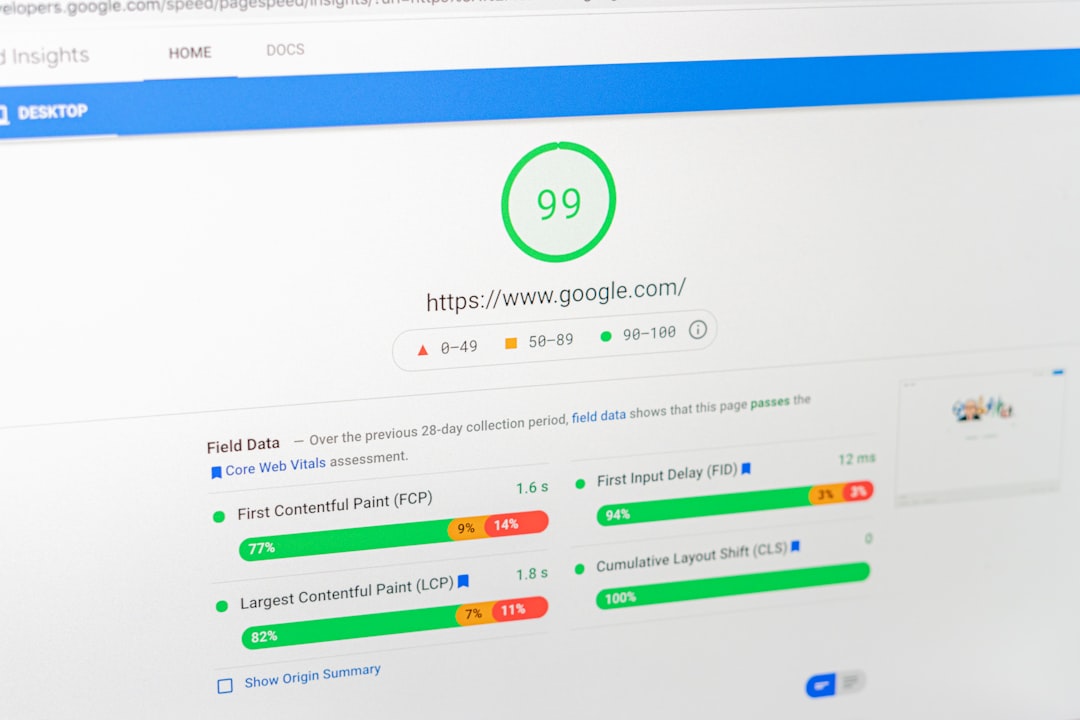
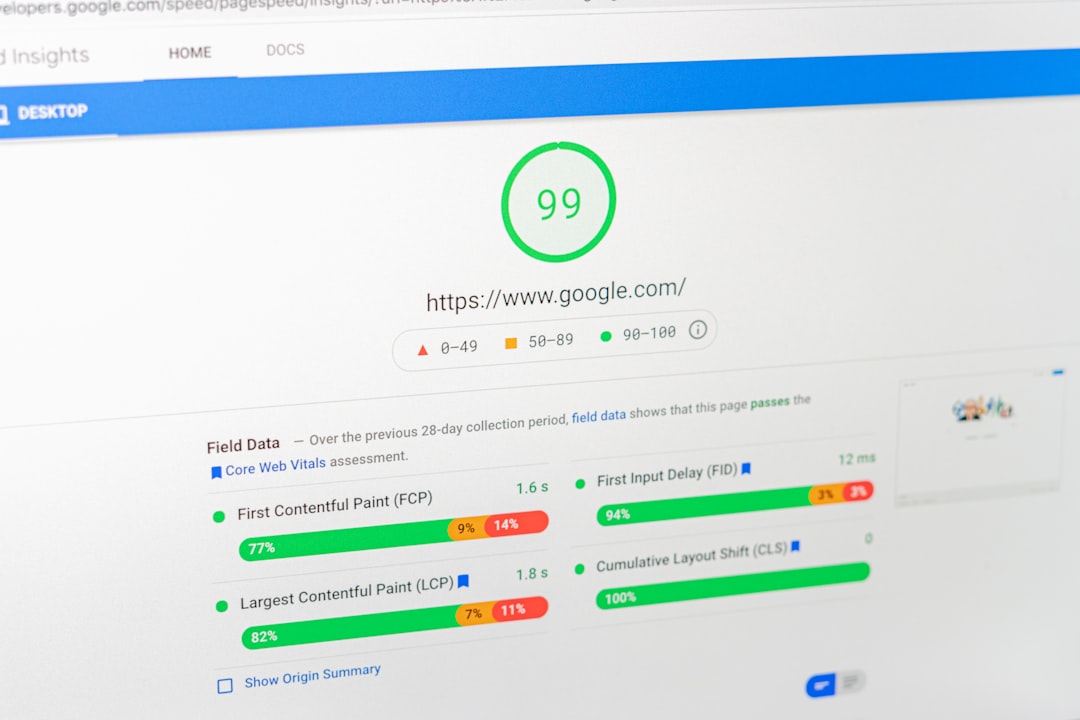
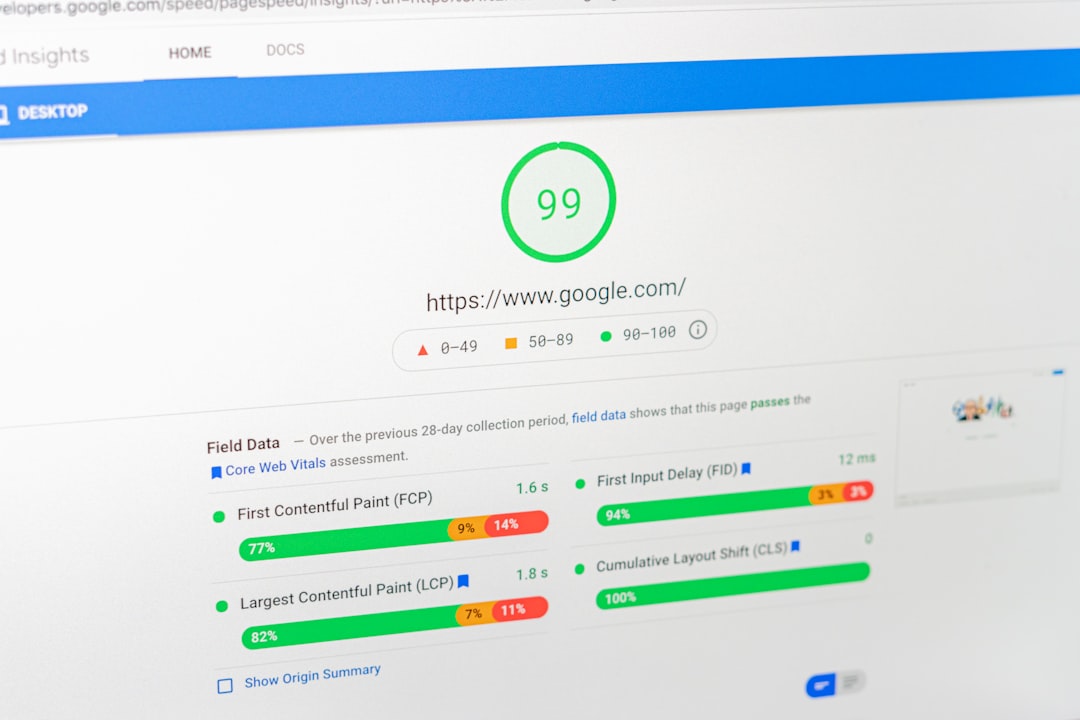
- Page speed
Technical SEO should support your content rather than exist separately from it.
Optimize Page Titles and Search Snippets
A page title should clearly communicate what the page is about.
Meta descriptions should provide a useful summary that encourages the right users to visit.
Avoid exaggerated claims or repetitive keyword use.
The title and description should accurately represent the content visitors will find on the page.
Make Content Easier to Read
Good formatting can improve the experience for people who scan rather than read every word.
Use:
- Short paragraphs
- Clear headings
- Bullets
- Tables where useful
- Relevant examples
- Descriptive links
Large blocks of text can make even good information difficult to consume.
Earn Relevant Authority
Content can become more valuable when other relevant websites reference it.
Create resources that are genuinely worth mentioning, such as:
- Original research
- Detailed guides
- Industry statistics
- Useful tools
- Expert insights
- Comprehensive resources
Outreach should focus on relevance and genuine value rather than sending identical requests to hundreds of unrelated websites.
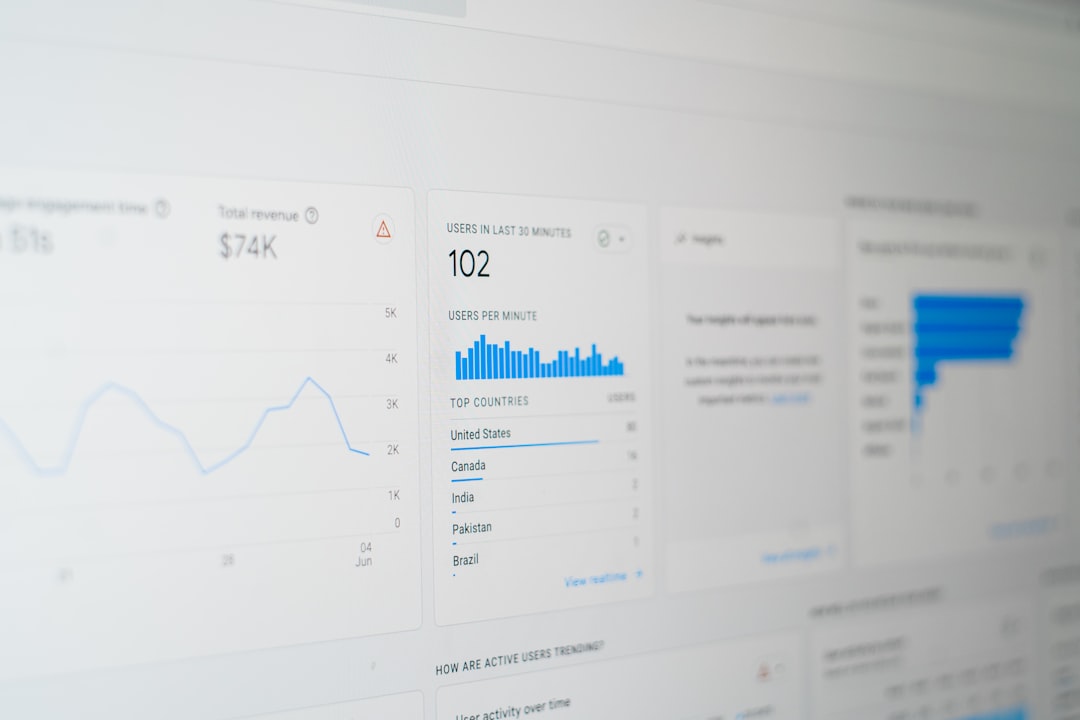
Monitor Organic Performance
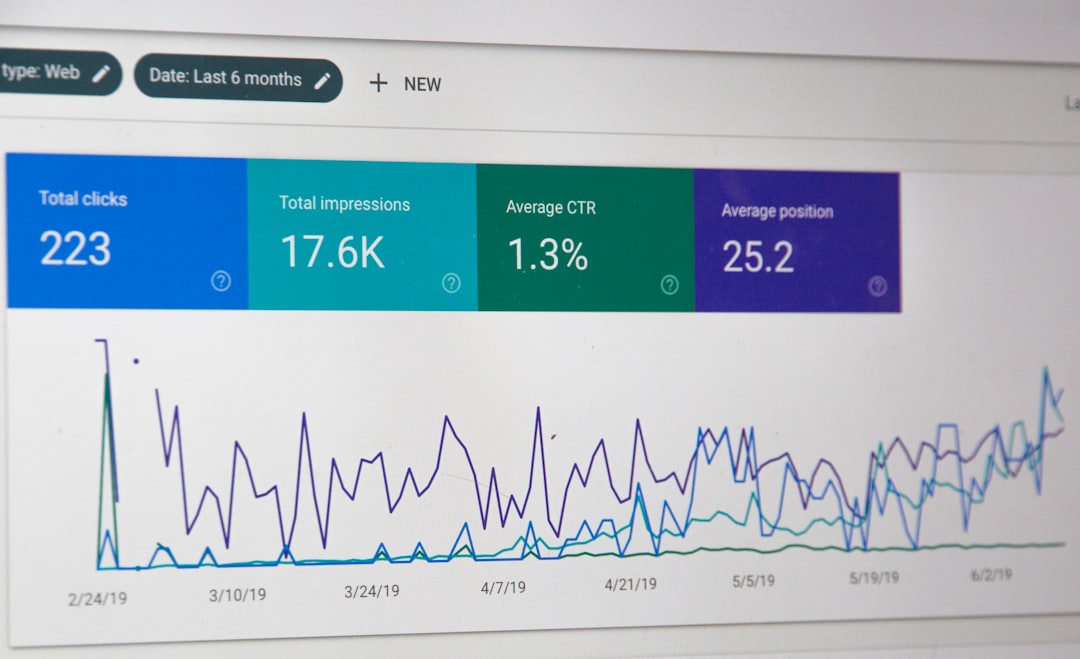
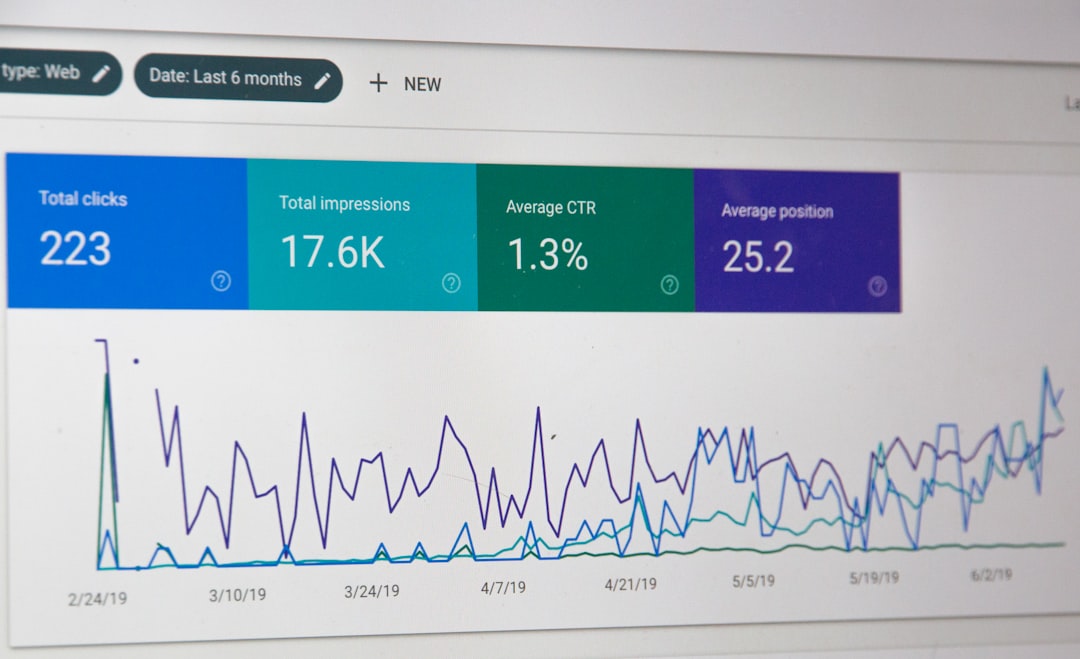
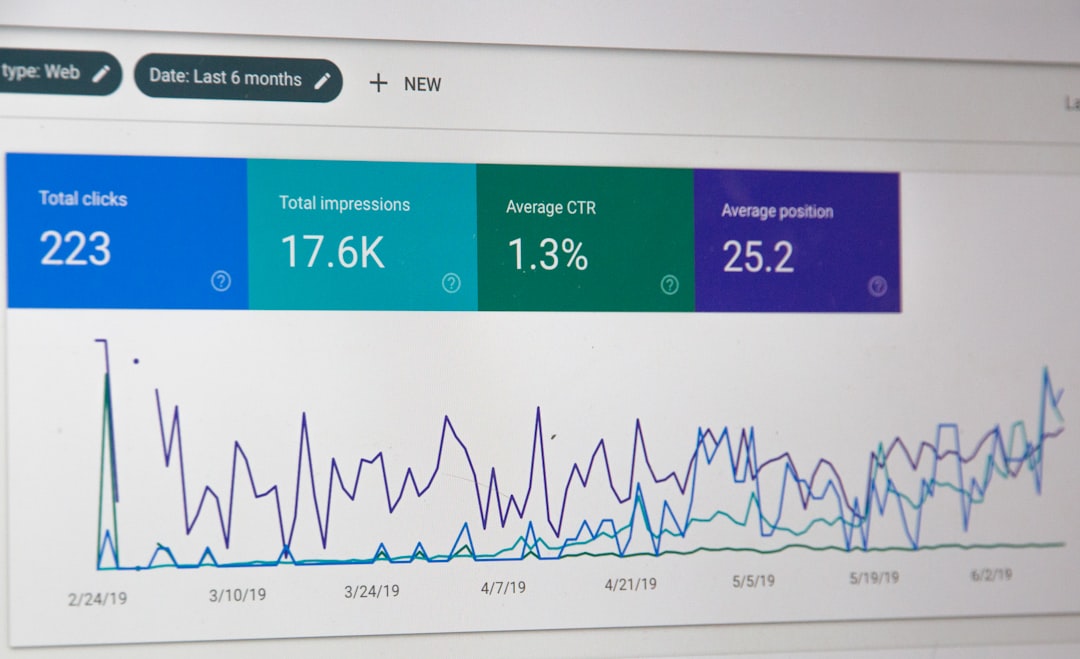
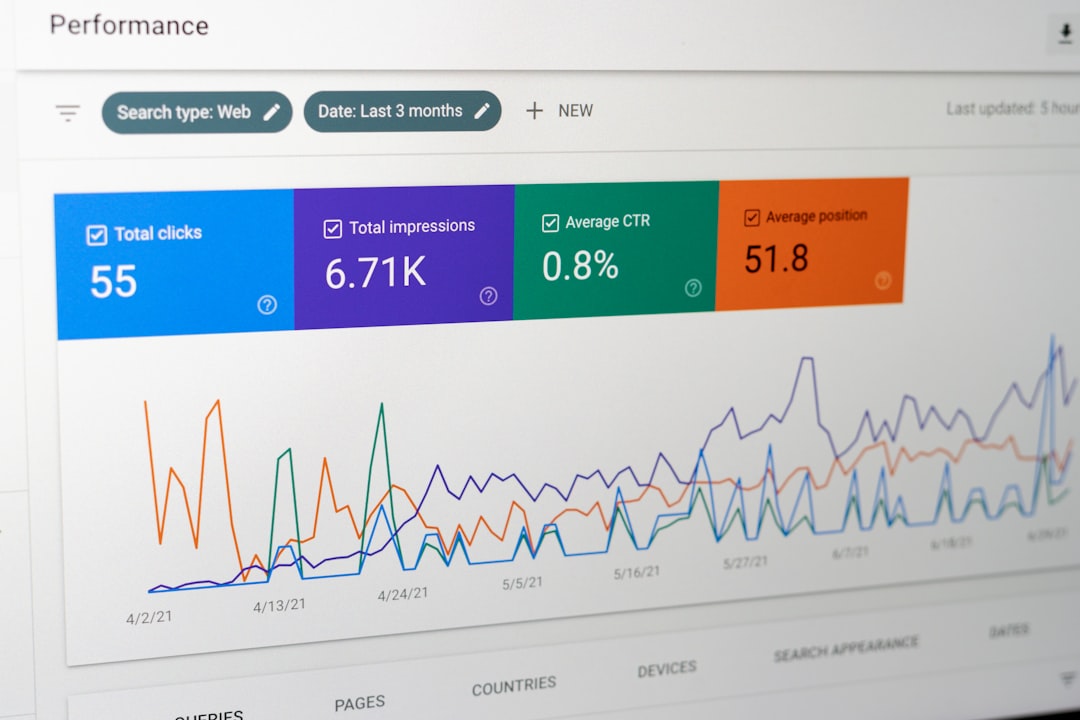
Use search and analytics data to understand what is happening.
Useful measurements include:
| Metric | Purpose |
|---|---|
| Impressions | Measures search visibility |
| Organic clicks | Shows visits from search |
| Search queries | Reveals what users search for |
| Landing pages | Identifies pages attracting visitors |
| Conversions | Connects SEO with business results |
Look for trends instead of judging the strategy based on one day’s data.
Avoid Shortcuts
Be cautious with tactics that promise instant rankings.
Keyword stuffing, copied content, irrelevant backlinks, doorway pages, and other manipulative techniques can create long-term problems.
A sustainable SEO strategy focuses on improving the website itself.
When to Bring in an Expert
If organic traffic remains stagnant despite consistent work, or if the website has complex technical problems, professional assistance can be useful.
A WordPress SEO expert can audit the website, identify opportunities, prioritize improvements, and develop a strategy around your business goals.
Better organic traffic usually comes from many connected improvements rather than one magic SEO trick. Build useful content, maintain a healthy website, understand your audience, and use data to guide the next step.