Mastering WordPress website SEO is not about memorizing every SEO term or installing every available plugin. It is about understanding how search engines discover websites, how users search for information, and how different optimization techniques work together.
A strong approach starts with the basics and gradually moves toward more advanced technical and strategic work.
Understand How SEO Works
Before changing settings, understand the main areas of SEO.
They generally include:
- Technical SEO
- On-page SEO
- Content strategy
- Internal linking
- Off-page SEO
- Local SEO
- Performance optimization
- Measurement and analysis
These areas are connected. Excellent content may struggle if important pages cannot be crawled, while a technically perfect website may receive little traffic if it does not provide useful content.
Learn Keyword Research
Keyword research is one of the foundations of effective SEO.
Start by identifying terms related to your business, products, services, and audience questions.
Do not focus only on search volume. Consider:
- Search intent
- Relevance
- Competition
- Business value
- Topic relationship
For example, a specific search such as “WordPress SEO audit for small business” can reveal a clearer need than a very broad term like “SEO.”
Master On-Page Optimization
On-page SEO involves improving the actual content and elements of a page.
Review:
Page Titles
Create descriptive titles that accurately represent the page.
Headings
Use headings to organize information logically.
Content
Answer the topic clearly and provide useful detail.
Images
Use relevant images with appropriate file sizes and descriptive alternative text.
Internal Links
Connect related pages where the link genuinely helps users.
The objective is to make each page easier to understand and navigate.
Build Strong Technical Knowledge
As you progress, learn how technical elements affect search visibility.
Important concepts include:
- Crawling
- Indexing
- XML sitemaps
- Robots.txt
- Canonical URLs
- Redirects
- Structured data
- Mobile usability
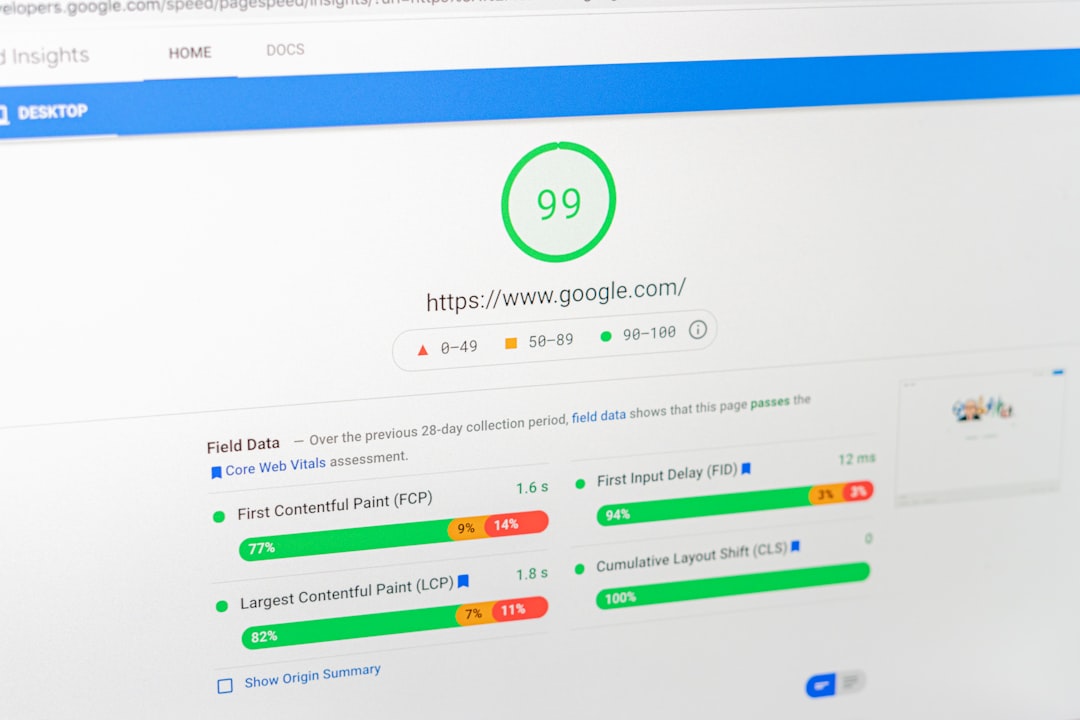
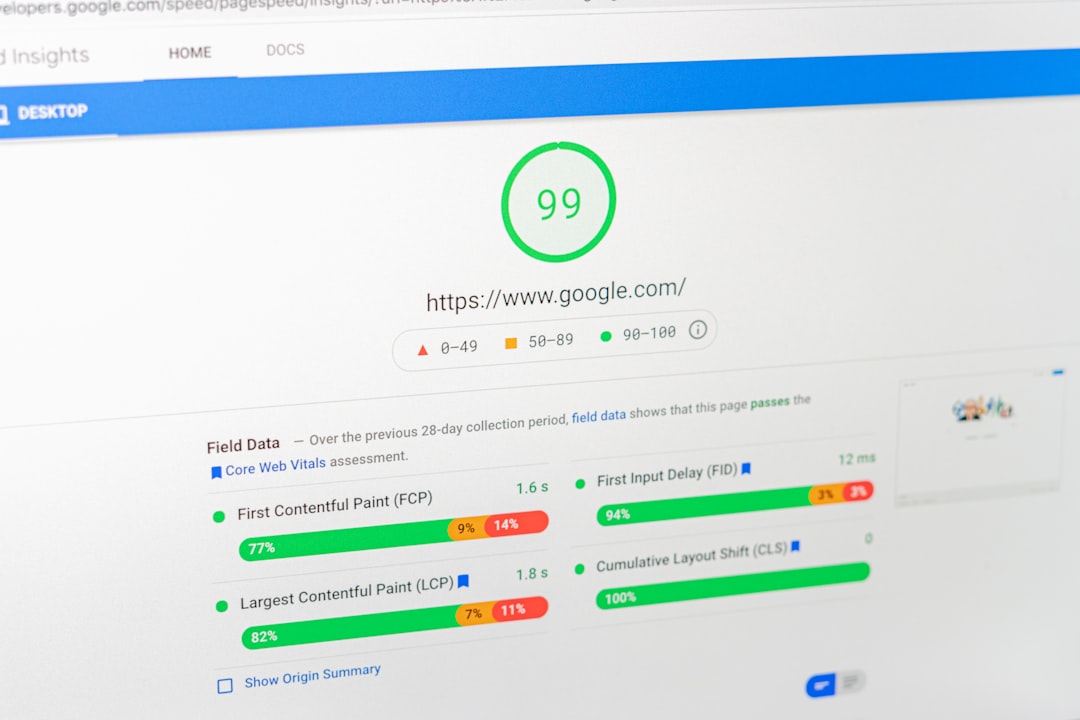
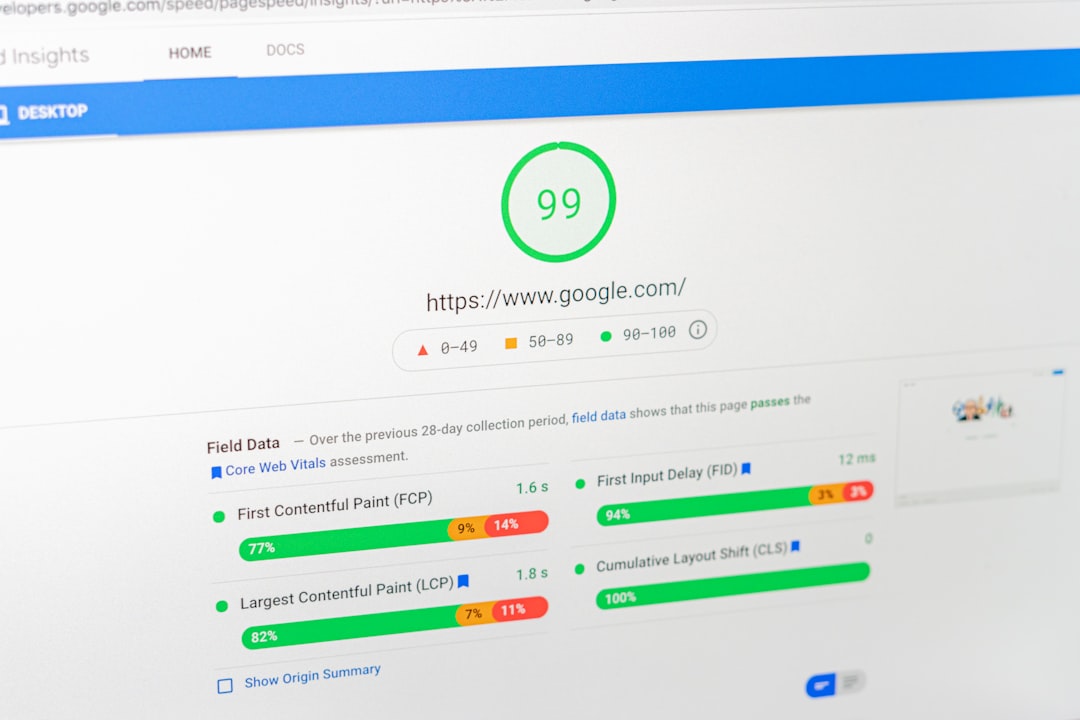
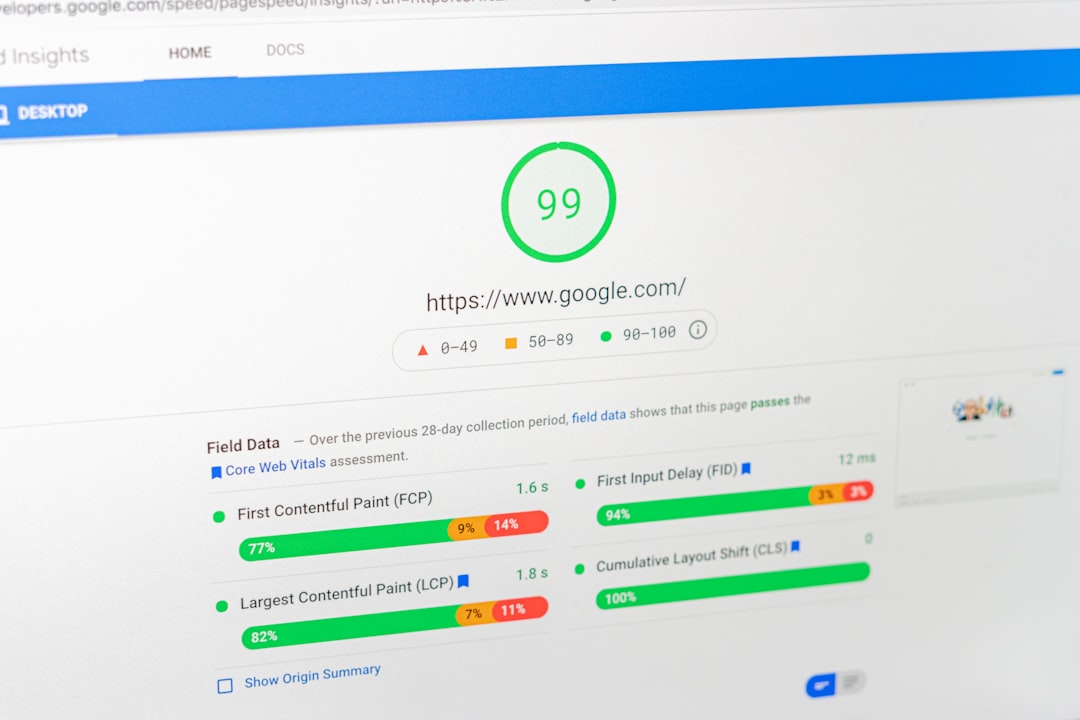
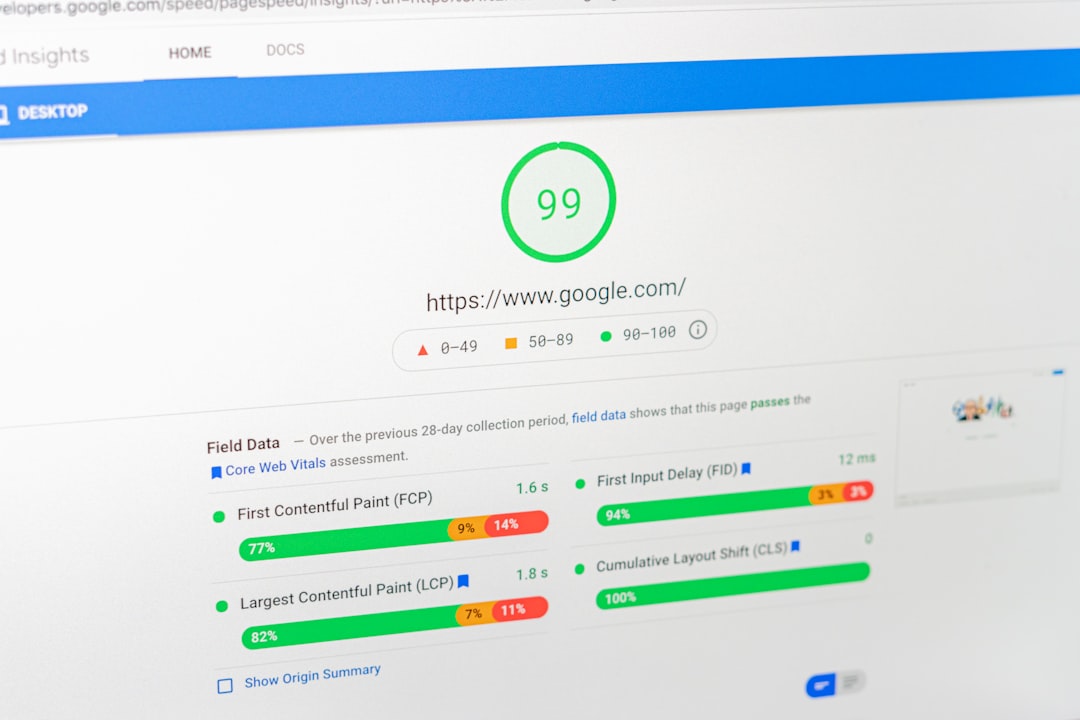
- Core Web Vitals
You do not need to become a developer, but understanding these concepts helps you identify when a WordPress website has technical SEO problems.
Learn WordPress-Specific SEO
WordPress provides many ways to manage SEO efficiently.
Learn how to work with:
- Permalinks
- SEO plugins
- Categories and tags
- Media settings
- Themes
- WordPress menus
- Sitemaps
- Noindex settings
- Redirect tools
Be careful with plugins. More plugins do not automatically mean better SEO.
A simple, properly configured setup is usually easier to maintain.
Develop a Content Strategy
Mastering SEO also means knowing what content to create.
Instead of publishing articles randomly, organize content around important topics.
For example:
Core Topic: WordPress SEO
Supporting Content:
- WordPress technical SEO
- WordPress on-page SEO
- WordPress website speed
- WordPress SEO audit
- WordPress internal linking
This approach creates topical relationships and gives visitors multiple useful resources.
Improve Internal Linking
Internal linking becomes increasingly important as a website grows.
When publishing new content, identify relevant existing pages that can provide additional information.
Likewise, review older pages and connect them to newer resources where appropriate.
Use descriptive anchor text that helps visitors understand what they will find after clicking.
Learn From Search Data
Do not rely entirely on assumptions about what is working.
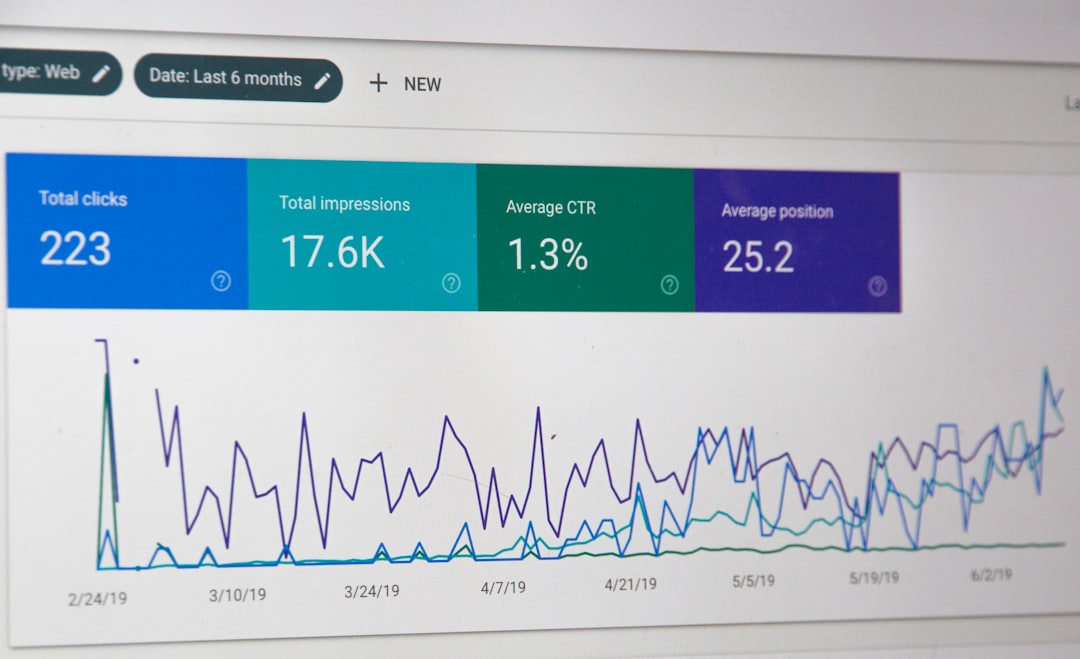
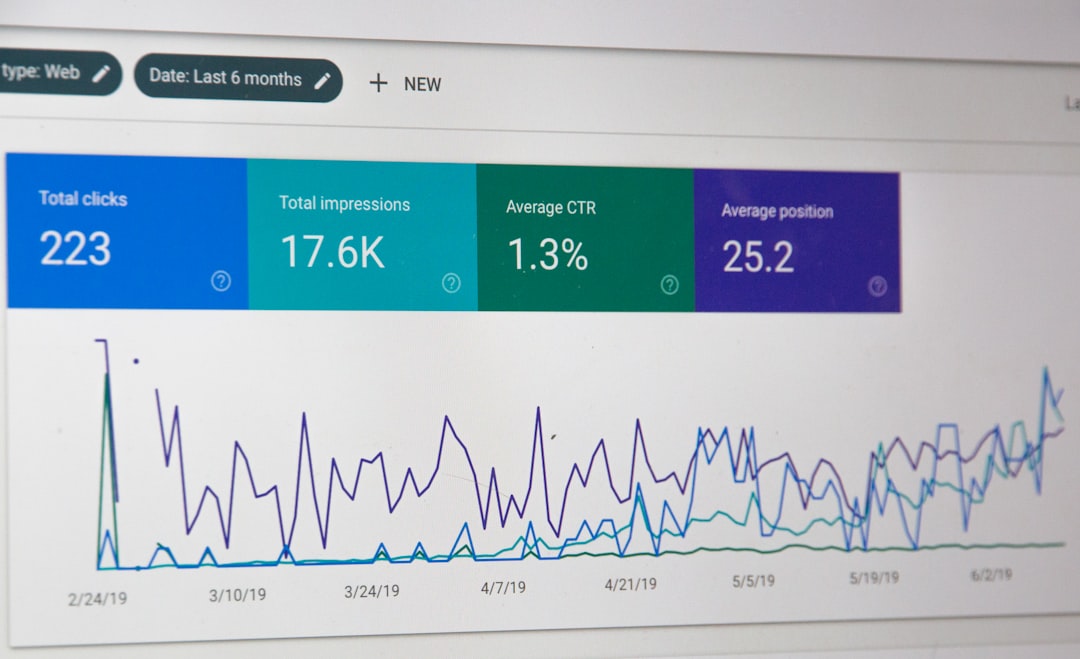
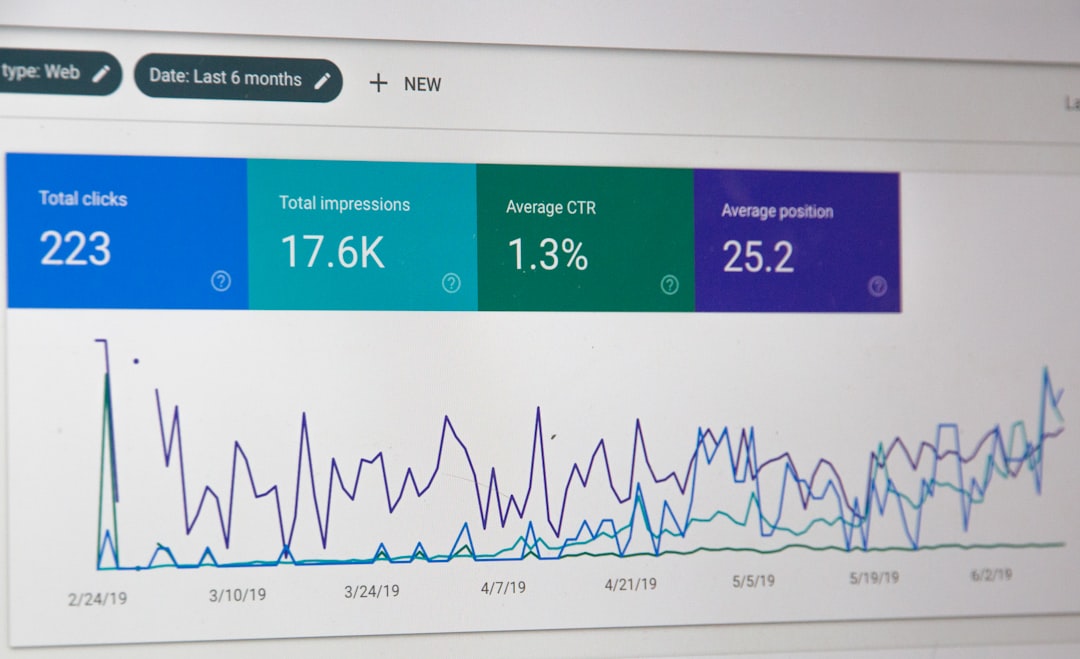
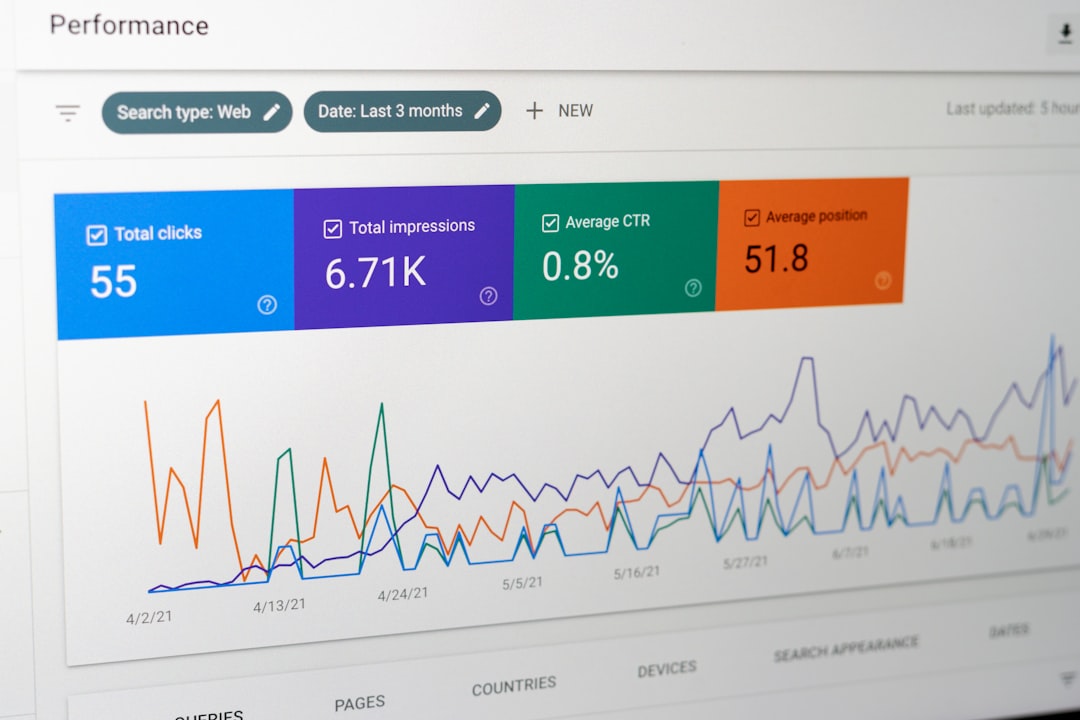
Google Search Console can provide information about:
- Search queries
- Impressions
- Clicks
- Average positions
- Pages appearing in search
Use this information to discover opportunities.
A page that receives impressions for several related queries may provide ideas for further content improvements.
Develop Off-Page SEO Skills
Once your website is technically healthy and content is strong, learn how authority can be developed.
Potential approaches include:
- Digital PR
- Industry partnerships
- Expert contributions
- Original research
- Resource creation
- Relevant outreach
Focus on earning genuine mentions and links rather than collecting links without considering quality or relevance.
Practice Regularly
SEO knowledge improves through practical work.
Audit your own WordPress website or a practice site. Test page structures, analyze search results, review internal links, and study performance data.
Keep notes about changes you make and observe what happens afterward.
This helps turn theoretical knowledge into practical SEO skills.
Think Like an SEO Strategist
Advanced SEO is less about completing checklists and more about prioritization.
When you find ten issues, ask:
Which issue is most likely to affect important pages or business results?
This prevents you from spending hours on minor details while larger problems remain unresolved.
For complex websites, working with a WordPress SEO expert can also provide deeper technical analysis and a structured strategy.
Mastering WordPress website SEO takes time, but the learning path is straightforward: understand the fundamentals, practice consistently, study data, improve technical knowledge, and keep adapting your strategy as the website and search environment change.