A WordPress website can have excellent content and still struggle in search results if important SEO settings are configured incorrectly. Proper configuration helps search engines access the website, understand its pages, and discover important content.
The right settings depend on the website, but several areas deserve attention on almost every WordPress project.
Configure Your Basic Website Settings
Start by reviewing the WordPress settings that affect how the site operates.
Check the website title, tagline, language, timezone, permalink structure, and general site information.
Keep the site title clear and relevant to the business or publication. The tagline should also make sense for visitors rather than being filled with keywords.
Set Up Clean Permalinks

A readable URL structure is easier to understand.
For example:
/wordpress-seo-guide/
is more useful than:
/2026/09/?p=123
For a new website, choose the permalink structure carefully before publishing large amounts of content.
For an established website, do not change URLs casually. If URLs need to change, use appropriate redirects and update internal links.
Check Search Engine Visibility
One of the most important WordPress settings is the option that discourages search engines from indexing the website.
During development, this setting may be useful. After launch, however, it should be checked immediately.
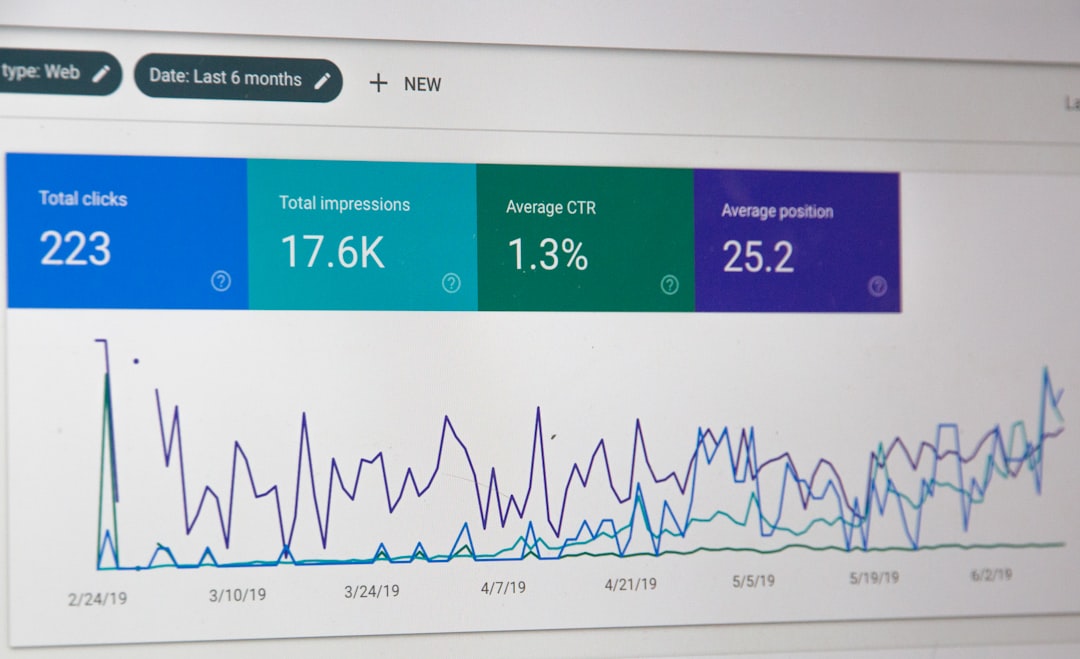
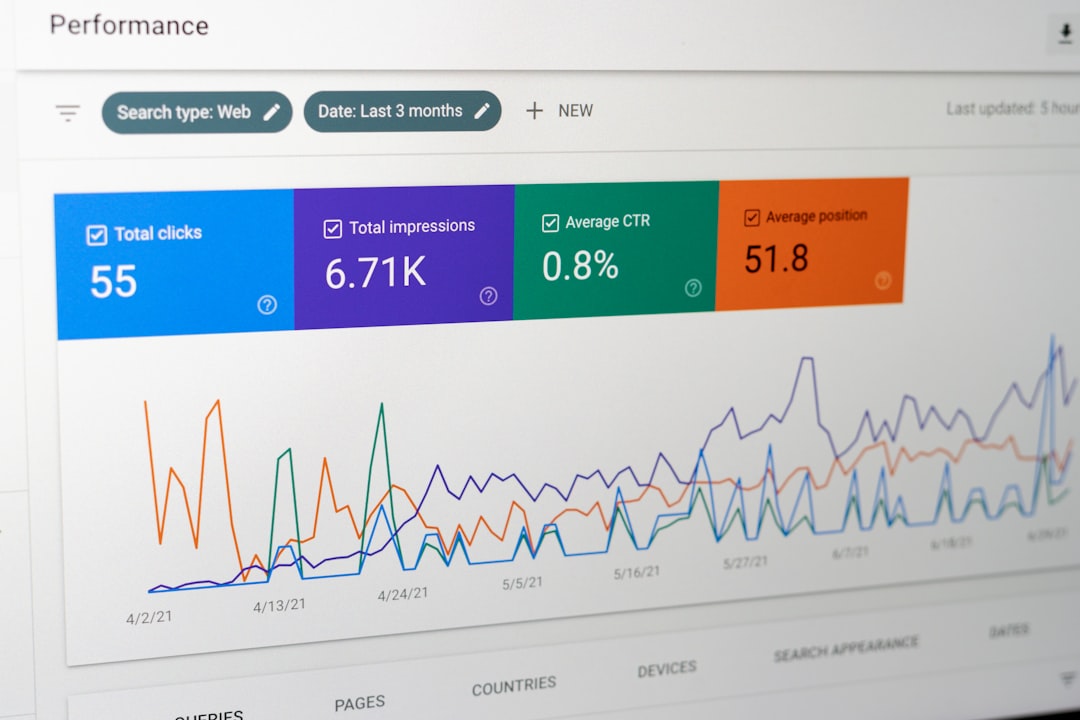
Do not assume that a page is indexed simply because it is published. Verify important URLs using Google Search Console.
Configure Your SEO Plugin
An SEO plugin can simplify many optimization tasks.
Depending on the plugin, you may be able to manage:
- Titles
- Meta descriptions
- XML sitemaps
- Canonical URLs
- Schema
- Social sharing information
- Robots-related settings
Only use one primary SEO plugin for overlapping functions. Multiple SEO plugins can create conflicting metadata or settings.
Configure XML Sitemaps
An XML sitemap provides search engines with a list of URLs that you want them to discover.
Review the sitemap and make sure it mainly contains useful, indexable URLs.
Unnecessary pages such as certain duplicate archives or irrelevant system-generated URLs may not belong in the sitemap.
Submit the sitemap through Google Search Console and monitor its status.
Review Canonical URLs
Canonical tags can help search engines understand which version of a page should be treated as the primary URL when similar or duplicate versions exist.
They should be configured carefully rather than added randomly.
If several URLs display substantially similar content, review whether they should be consolidated, redirected, or handled with canonicalization.
Configure Titles and Meta Descriptions
Important pages should have unique metadata.
A good title explains the page clearly, while a meta description gives users additional context about what they can expect.
Write for people first. Avoid turning these fields into long keyword lists.
Review Robots Settings
Robots-related settings can influence how search engines crawl and index content.
Be especially careful with noindex and disallow directives. A mistake can prevent important pages from appearing in search results.
When making changes, verify the results through appropriate search engine tools.
Optimize Media Settings
WordPress websites often contain large numbers of images.
Configure your media workflow so images are uploaded at sensible dimensions and optimized before publication.
Do not rely entirely on plugins to solve every performance problem. Large original images should ideally be prepared properly before they reach the website.
Check Mobile and Performance Configuration
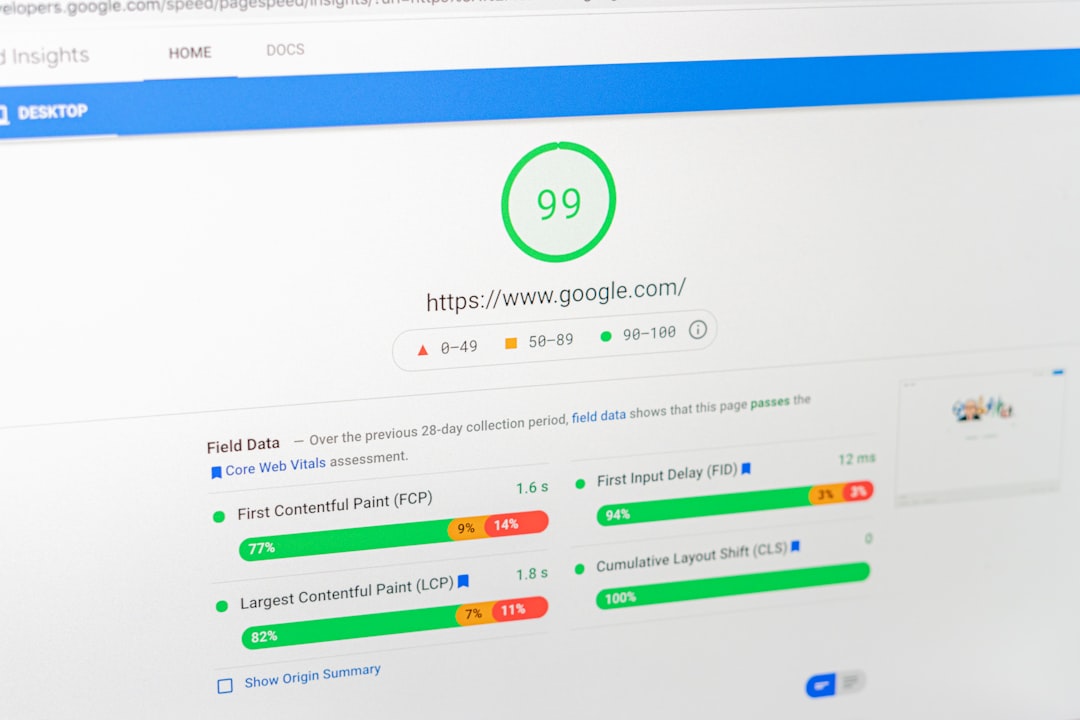
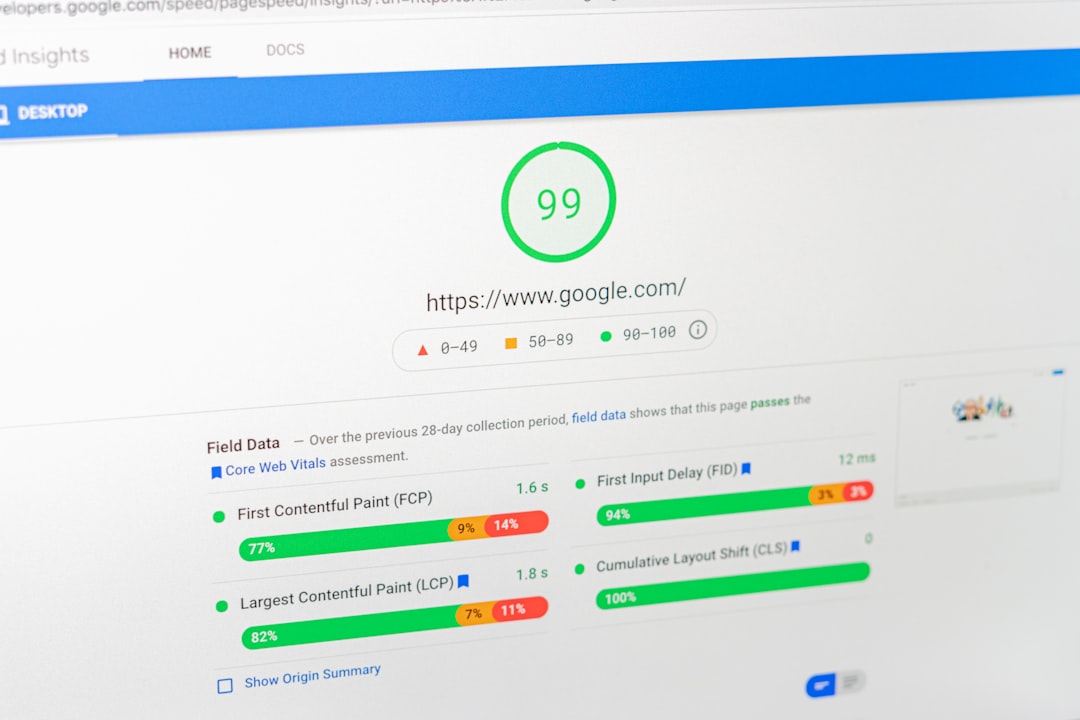
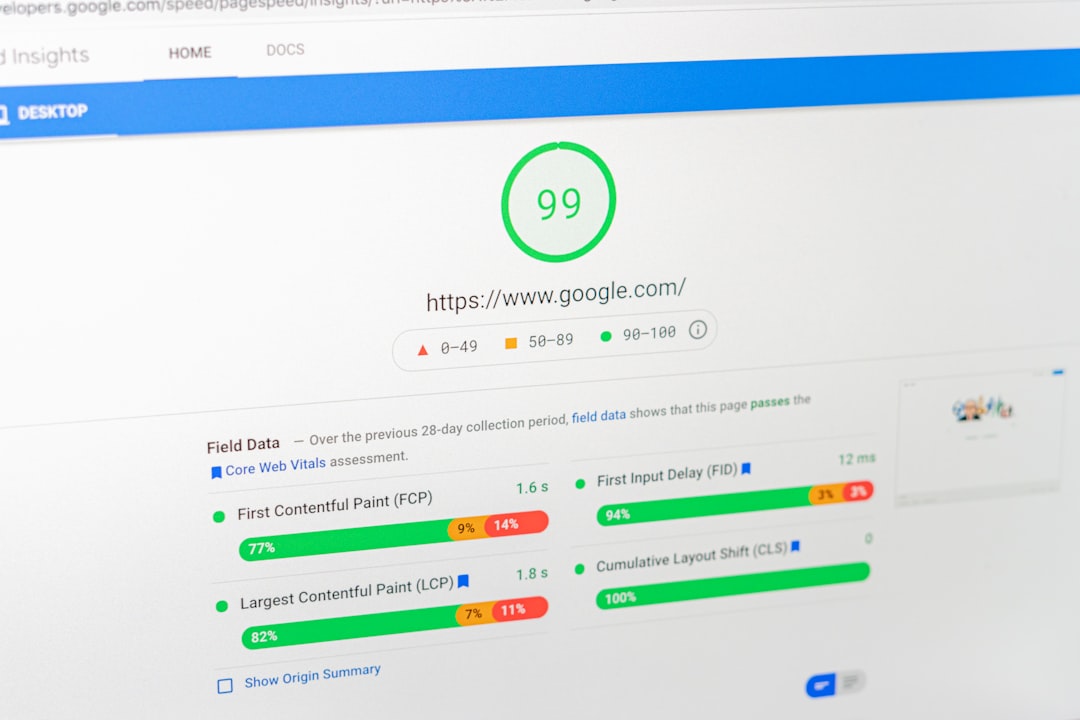
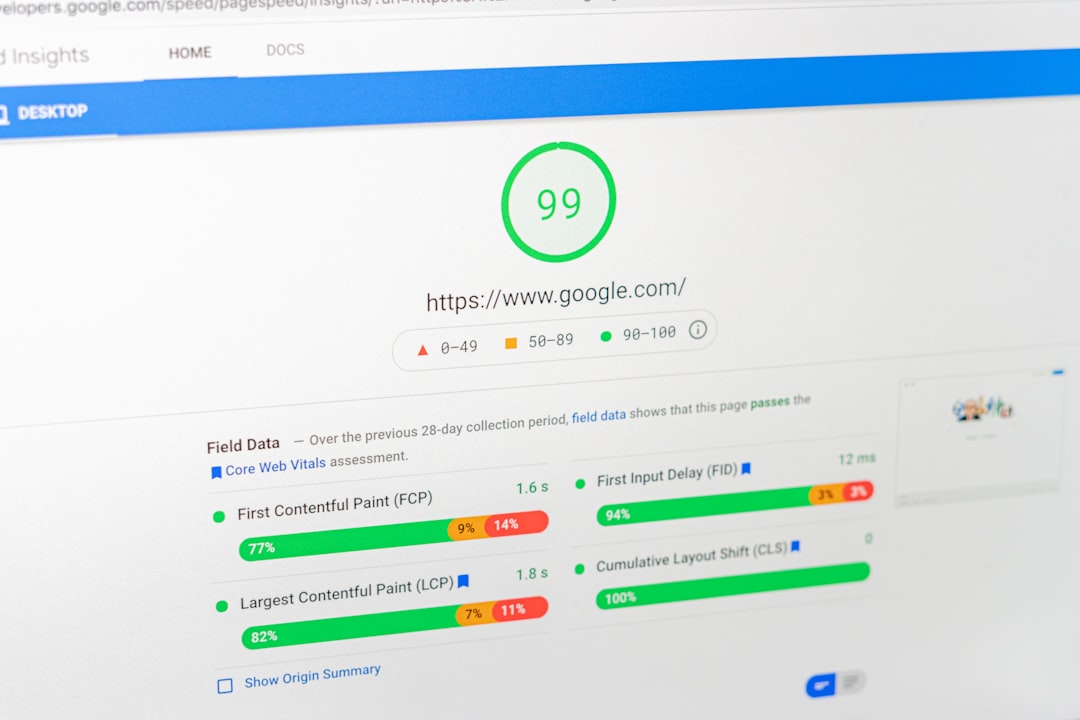
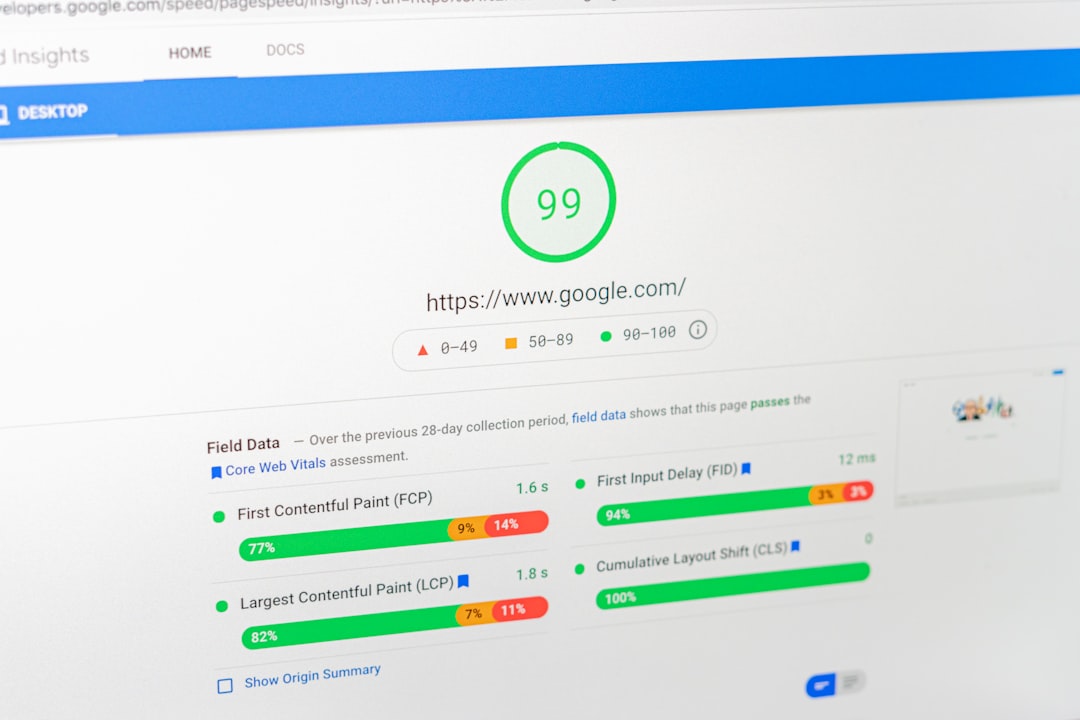
Review how the website behaves on mobile devices and how quickly important pages load.
Look for unnecessary scripts, oversized images, excessive plugins, and other performance issues.
Make changes based on actual testing rather than installing tools without understanding the underlying problem.
Keep WordPress and Plugins Updated
Outdated WordPress installations, themes, and plugins can create security and compatibility issues.
Maintain regular updates and backups. Before major changes, ensure you have a reliable recovery option.
Monitor After Configuration
SEO configuration should not be considered finished immediately after the settings are saved.
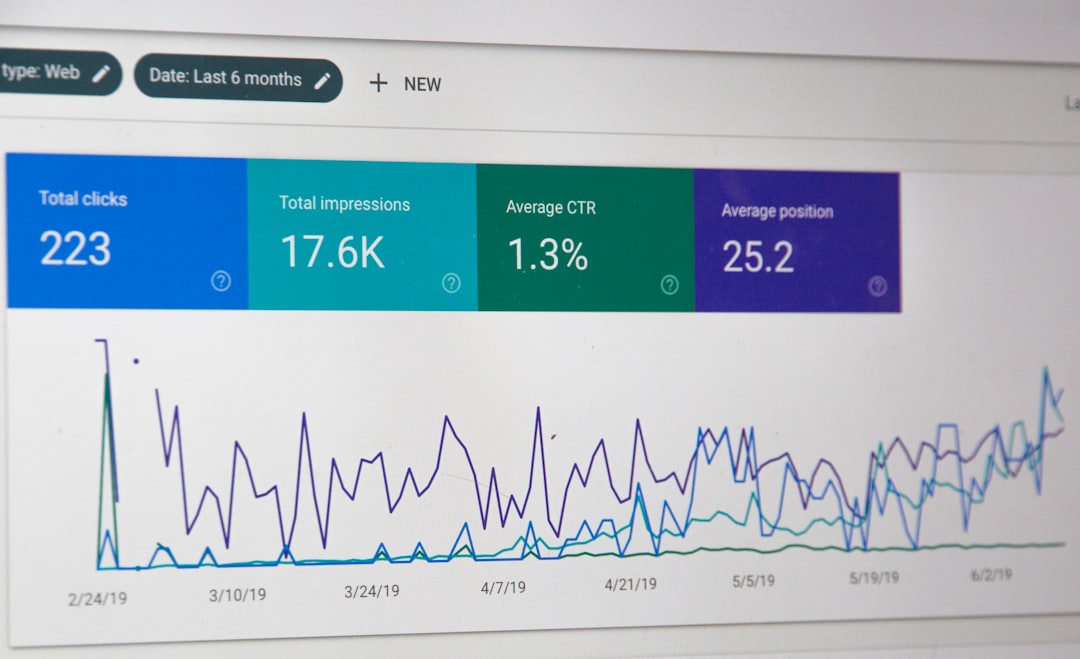
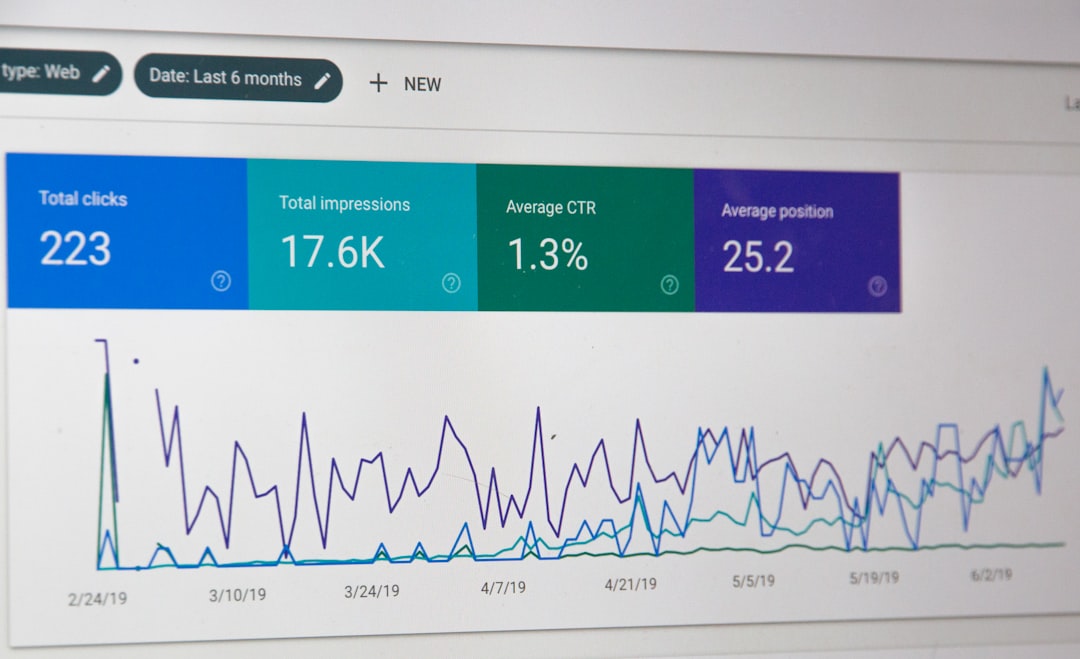
Monitor indexing, search performance, errors, and important page behavior over time.
If the website has complicated technical requirements, migrations, or persistent indexing problems, a WordPress SEO consultant can review the configuration and identify issues that may not be obvious from the WordPress dashboard.
A properly configured website gives your content a stronger technical foundation and makes future SEO work more predictable and manageable.