
WordPress SEO usually breaks down because the work happens out of order, not because one setting is missing. If your rankings are flat, the fastest improvement often comes from following a clear workflow: fix visibility blockers first, then strengthen page targeting, then improve internal links and content support.
A green light in an SEO plugin does not mean the page deserves to rank. Most site owners do not have one catastrophic problem. They have a stack of smaller issues that compound over time. This workflow shows you what to check first on a WordPress website so you stop polishing pages that search engines still struggle to crawl, index, or understand.
If you need a broader foundation before applying this workflow, start with our WordPress SEO practical guide for DIY site owners. If your issue feels more technical and setup-related, our guide on how to fix WordPress SEO setup problems pairs well with the steps below.
What is a WordPress SEO workflow?
A WordPress SEO workflow is a repeatable order of operations for improving search performance. Instead of treating SEO like a random checklist, it helps you decide what to fix first, what can wait, and which tasks actually change visibility instead of just making the dashboard look cleaner.
The key idea is simple: fix the issues that block visibility before the issues that polish visibility. That means indexing and crawl access come before title tweaks. Title and content alignment come before schema enhancements. Internal linking and content expansion come after you know the right pages can actually be found and understood.
Step 1: Check indexing before anything else
If important pages are not indexed correctly, every other SEO task has reduced value. Before editing content or installing tools, confirm that your homepage, service pages, category pages, and priority blog posts are crawlable, indexable, and linked from other live pages.
Start by reviewing your WordPress visibility settings, sitemap status, archive rules, and noindex directives. Look for pages that are published but isolated, archives that should not be indexed, and duplicate page types that pull attention away from your core URLs. On many WordPress sites, the real problem is not weak copy. It is that the wrong pages are being emphasized.
What to review first
Check whether your main pages are included in your sitemap, whether your plugin is outputting the expected metadata, and whether thin archives are being indexed without a reason. Single-author blogs often do not need author archives indexed. Thin tag archives usually create more clutter than value.
One well-configured SEO plugin is enough. Running overlapping plugins often creates duplicate metadata, conflicting canonicals, and competing sitemap outputs. If your setup feels messy, simplify it before you try to optimize anything else.
Step 2: Clean up titles and page targeting
Once indexing is stable, page targeting becomes the next priority. Every important page should target one primary need clearly. If a page tries to rank for several unrelated ideas, or if multiple pages chase the same intent, search engines get mixed signals and users get weaker answers.
Review your homepage, top services, key categories, and existing posts already earning impressions. Tighten titles so they describe the page plainly, match the actual offer or topic, and avoid repetitive boilerplate. The goal is clarity, not keyword stuffing.
| Weak title | Stronger title |
|---|---|
| SEO Services | SEO Company | SEO Expert | WordPress SEO Services for Small Businesses |
| Blog | WordPress SEO Tips for Service Businesses |
| Website Help | How to Fix WordPress SEO Setup Problems |
A stronger title tells both users and search engines what the page is actually about. If your titles are vague, repetitive, or overly broad, fix those before rewriting entire sections of content. In many cases, better targeting starts with naming the page more precisely.
Step 3: Align headings and content with search intent

After titles are cleaned up, make sure the visible page content supports the same promise. The H1, subheadings, opening paragraph, and main sections should all reinforce the same topic and answer the searcher’s likely question quickly.
This is where many WordPress pages drift. The title may target one topic, but the page body wanders into general information, thin filler, or loosely related phrases. Keep one clear topic per page. If a subtopic deserves its own page, give it one and connect it through internal links rather than cramming everything into a single post.
A simple on-page check
Ask four questions. Does the page answer the main question early? Does the H1 match the topic closely? Do the H2 sections cover the obvious next questions? Does the page naturally point readers toward a relevant next step? If not, the issue is usually structure and focus, not missing plugin features.
Step 4: Strengthen internal linking



Internal links are one of the clearest ways to support rankings on WordPress. They help search engines discover pages, understand which topics relate to each other, and interpret which URLs matter most. They also help users move from general information to action pages more naturally.
Link broad educational posts to the service or category pages they support. Link related posts together where the relationship is real and helpful. For example, a workflow post like this should connect readers to deeper resources such as our practical WordPress SEO guide and our tutorial on fixing WordPress SEO setup problems so the site structure reinforces the topic instead of scattering it.
If you are experiencing these symptoms, our team at WordPress SEO Expert can help. A good internal linking review often reveals that important pages are under-supported, not under-written.
Step 5: Review plugin configuration without chasing scores
Plugin settings matter, but they should support the workflow rather than become the workflow. Most SEO plugins are useful for titles, descriptions, canonicals, sitemaps, and indexation controls. Problems start when site owners use plugin scores as the goal instead of treating them as a loose checklist.
Keep your setup simple. Use one primary SEO plugin. Make sure title templates are sensible, archive defaults are intentional, and canonical output is consistent. Then stop tweaking settings that do not solve a real problem. You do not need a perfect score. The goal is a site that loads cleanly, is easy to use, and sends consistent signals about which pages matter most.
Step 6: Improve technical performance on key templates
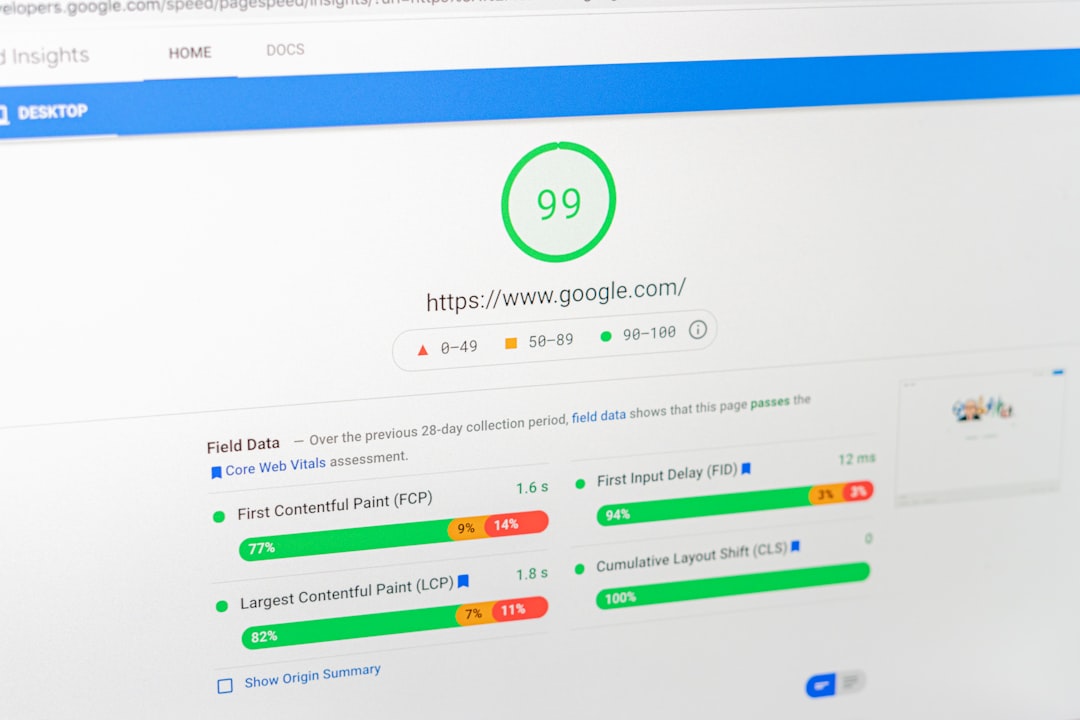
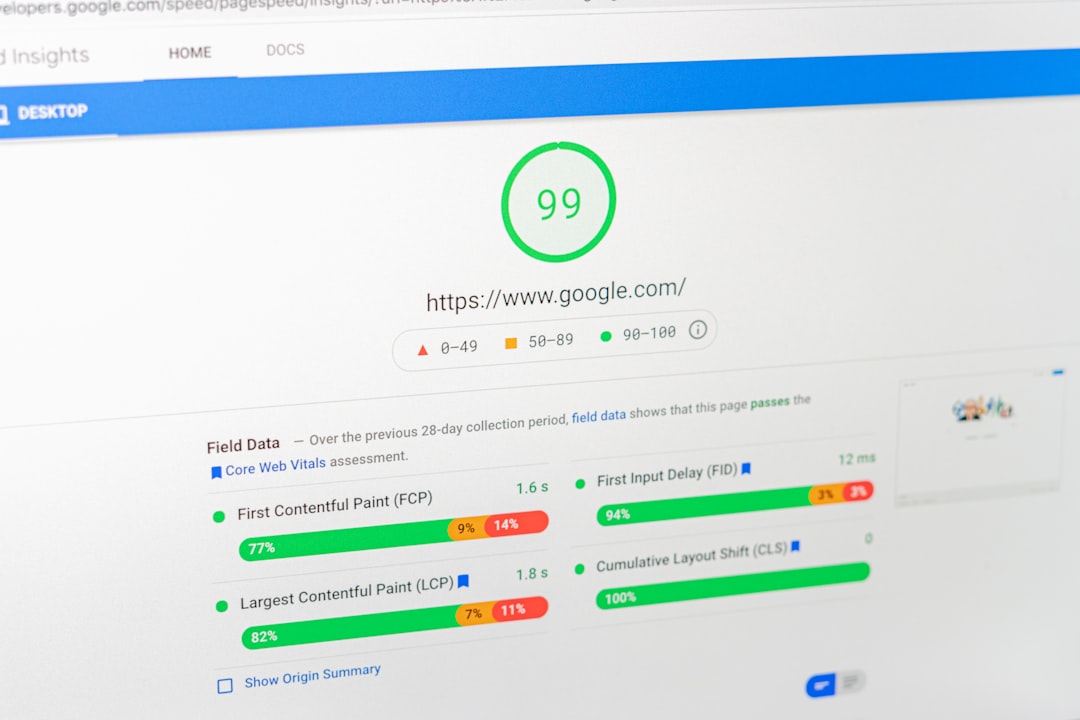
Technical cleanup matters most when it affects usability, crawl efficiency, or page stability. You do not need to obsess over every lab metric, but you do need pages that load predictably and do not bury your main content under heavy scripts, oversized images, or plugin clutter.
Review your homepage, one primary service page, one category page if relevant, and one blog post template. These often behave differently. Compress large images, reduce unnecessary plugins, keep caching simple, and test after major theme or builder changes. A technically heavier design can quietly weaken an otherwise solid SEO plan.
Step 7: Expand content only after the foundation is clear
New content helps when it fills a real gap, targets distinct intent, and supports existing priority pages. It hurts when it creates overlap, cannibalization, or another batch of thin posts that no one can differentiate. Publishing more is not the same as building relevance.
Before writing a new page, ask whether the topic already exists somewhere on the site. If it does, improve that page or merge overlapping pieces instead of creating another version. A stronger site usually comes from consolidation, better links, and clearer targeting rather than volume for its own sake.
Recommended WordPress SEO workflow order
If you want a practical sequence, follow this order every time. It prevents wasted effort and makes it easier to diagnose why rankings are flat. Most sites improve faster when they stop jumping between tactics and start moving through a repeatable process.
| Priority | Task | Why it comes first |
|---|---|---|
| 1 | Indexing and crawl review | Pages cannot perform if search engines cannot access or prioritize them correctly. |
| 2 | Plugin and metadata cleanup | Conflicts create mixed signals across titles, canonicals, and sitemaps. |
| 3 | Title and page-targeting review | Clarifies what each core page should rank for. |
| 4 | Heading and content alignment | Improves topical clarity and user usefulness. |
| 5 | Internal linking improvements | Strengthens discovery, context, and page support. |
| 6 | Technical performance tuning | Supports usability and template-level stability. |
| 7 | New content planning | Expands coverage after the foundation is organized. |
When to get help
If you have already installed the plugins, written the pages, and followed scattered advice but rankings still have not moved, the issue is usually prioritization. A workflow solves that by showing what to ignore for now and what deserves immediate attention.
WordPress SEO Expert can help you figure out whether the real problem is indexing, duplication, weak targeting, internal linking, or plugin clutter. Book a free SEO consultation. No pitch, no pressure. Just an honest look at what your site actually needs and whether your current setup is part of the solution or part of the problem.
Contact WordPress SEO Expert today to schedule a consultation if you want a practical workflow for improving your WordPress website without adding more confusion to the process.