WordPress SEO works best when the setup is simple, consistent, and focused on the pages that matter most. If your rankings are flat, the problem is usually not effort. It is usually a scattered setup with too many moving parts, weak page targeting, or technical settings that send mixed signals.
A green light in an SEO plugin does not mean the page deserves to rank. The real goal is a site that is easy for search engines to crawl, clear about which pages matter most, and useful enough that visitors do not bounce back to the results. This guide walks through a practical WordPress SEO setup in the right order so you can fix what blocks visibility before you polish what already works.
Start With the Basic WordPress SEO Settings
Your first job is to make sure WordPress is not accidentally hiding your site from search engines. Before you touch titles, plugins, or schema, confirm that indexing is allowed and your main pages are reachable through normal site navigation and internal links.
In WordPress, check Settings and make sure search engine visibility is not discouraging indexing. Then review your permalink structure so your URLs stay readable and stable. Clean URLs help users and support crawlability when your site grows. If you want a broader foundation before changing plugin settings, review this practical WordPress SEO guide for DIY site owners.
Keep your structure simple. Your homepage, service pages, category pages that actually help users, and your best posts should be easy to reach within a few clicks. If important pages only exist in a sitemap, they are under-supported.
Use One SEO Plugin, Not Several

One well-configured SEO plugin is enough for most WordPress sites. Running overlapping plugins often creates duplicate metadata, conflicting canonicals, and competing sitemap outputs that make troubleshooting much harder than it needs to be.
Pick one primary SEO plugin and configure it well. That means using it for title templates, meta descriptions, sitemap settings, archive rules, and schema defaults. Avoid stacking extra plugins that repeat the same functions unless there is a specific technical reason. If your current setup feels cluttered, our guide on fixing WordPress SEO setup problems can help you spot common conflicts.
For most site owners, simplicity wins. You do not need more plugin features. You need fewer conflicts and clearer signals.
Set Up Title Tags the Right Way
Title tags are one of the strongest on-page signals you control, so this is worth getting right early. Google recommends descriptive, concise titles and warns against keyword stuffing and repetitive boilerplate in title elements.
That means each important page needs a distinct title that matches the page’s real topic. Do not waste space repeating your brand on every page if it pushes the useful part of the title too far back. Your homepage can carry more brand context, while inner pages should usually lead with the page topic.
| Weak title | Stronger title |
|---|---|
| SEO Services | SEO Company | SEO Expert | WordPress SEO Services for Small Businesses |
| Blog | WordPress SEO Tips for Service Businesses |
| Home | WordPress SEO Consultant for Small Business Sites |
Google’s own documentation on title links is clear on the basics: make titles descriptive, concise, and distinct. That is much more useful than chasing a plugin score.
Write Meta Descriptions for Clicks, Not Rankings

Meta descriptions support clicks by helping searchers understand what is on the page. They are not a shortcut to rankings, but they do help your best pages present a clearer reason to visit.
Write unique descriptions for your homepage, core service pages, top category pages, and the posts that already earn impressions. Keep them specific. Promise a clear answer, benefit, or next step. Google may use your meta description when it better summarizes the page, which is why useful, page-specific copy matters more than generic templates. Google explains this in its guidance on meta descriptions and snippets.
If every page on your site uses the same description pattern, fix that before publishing more content. Repetitive templates create weak search snippets and waste one of the few click-through elements you control.
Clean Up Headings and On-Page Structure

Your pages should be easy to scan for both users and search engines. A clear heading structure helps define the topic, support subtopics, and keep long pages readable without turning them into walls of text.
Use one H1 per page, then organize sections with H2s and H3s. In most WordPress themes, the page or post title already serves as the H1. Your title tag and H1 do not need to be identical, but they should be closely aligned. The title tag can be tighter for search, while the H1 can read more naturally on the page.
This is also where many DIY site owners overcomplicate things. You do not need perfect formatting. You need a logical structure that helps readers find the answer quickly and tells search engines what the page actually covers.
Build Internal Links That Support Important Pages


Internal links help search engines discover pages, understand hierarchy, and connect related topics across your site. They also help visitors move from general information to the page where they actually take action.
Google recommends crawlable HTML links with descriptive anchor text, not vague phrases or JavaScript-dependent links that are hard to parse. In practice, that means linking related articles, supporting posts, and service pages with anchor text that tells the reader what they will find. Google outlines these principles in its link best practices.
Start with your key pages. Make sure each one is linked from at least a few relevant places on the site, not just the navigation. If you are building out a broader content plan, the examples in our practical WordPress SEO guide show how these layers connect.
If you’re experiencing these symptoms, our team at WordPress SEO Expert can help.
Review Indexing, Sitemaps, and Archive Pages
Indexing problems can quietly suppress rankings even when your content looks fine on the surface. This is why technical review should happen before you spend weeks rewriting copy or adding more posts.
Check that your XML sitemap is enabled in your SEO plugin and submitted through Google Search Console. Then review archive settings. Many WordPress sites generate author, date, tag, and attachment pages that add little value and dilute crawl focus. Single-author blogs, in particular, often do better when thin archives are noindexed.
The point is not to remove everything. The point is to keep search engines focused on the pages that deserve visibility. Most site owners do not have one catastrophic problem. They have a stack of smaller issues that compound over time.
Use Schema Carefully
Schema can help search engines understand your pages more clearly, but it is a support layer, not a shortcut. Markup should match the visible content on the page and stay limited to the types that actually fit what users can see.
That matters because many plugins make it easy to turn on every schema option at once. Google’s structured data policies warn against misleading markup and emphasize that structured data should represent the main content users see on the page. You can confirm that in Google’s structured data guidelines.
For most sites, a restrained approach is better. Use the schema your pages actually support, then move on to the issues that affect visibility more directly.
A Practical WordPress SEO Setup Order
The right order saves time and reduces noise. Fix the issues that block visibility before the issues that polish visibility, and you will avoid spending hours on tasks that have little impact while bigger problems remain in place.
| Priority | What to set up or fix | Why it comes first |
|---|---|---|
| 1 | Search visibility, crawl access, and key page discovery | Pages cannot rank if search engines cannot reach them properly |
| 2 | One primary SEO plugin | Reduces metadata conflicts and sitemap confusion |
| 3 | Title tags and page targeting | Clarifies topic relevance for your most important pages |
| 4 | Meta descriptions for core pages | Supports stronger search snippets and better clicks |
| 5 | Internal linking | Strengthens hierarchy and helps search engines discover related pages |
| 6 | Archive cleanup and sitemap review | Keeps attention on the pages that matter most |
| 7 | Schema refinement | Adds clarity after the core setup is already stable |
What to Stop Doing
Stop treating plugin scores as the goal. Stop adding new tools before you understand what the existing tools are already outputting. Stop publishing thin pages just to target slight keyword variations. These habits create noise, not clarity.
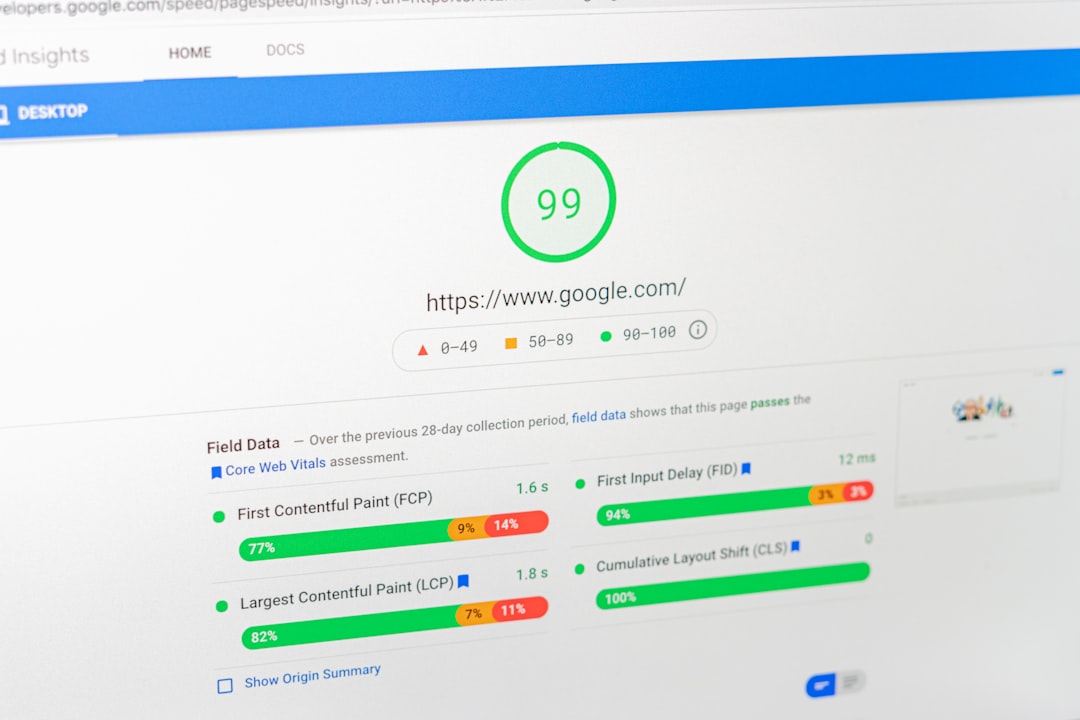
You do not need a perfect score. The goal is a site that loads cleanly, is easy to use, and sends consistent signals about which pages matter most. That usually means fewer plugins, clearer templates, cleaner internal links, and a tighter page map.
When to Get Help With WordPress SEO
If your setup looks fine on the surface but rankings are still flat, the issue is often prioritization rather than effort. A technical review can usually tell you whether the real bottleneck is indexing, duplication, weak internal linking, or page targeting that never matched search intent well in the first place.
WordPress SEO Expert can help you sort out what to fix first without turning your site into a plugin stack experiment. Book a free SEO consultation. No pitch, no pressure. Just an honest look at what your site actually needs and whether your current setup is part of the solution or part of the problem.
Contact WordPress SEO Expert today to schedule a consultation.