
WordPress SEO works best when you follow a sequence, not a pile of random tips. If your rankings are flat, the usual problem is not effort. It is that important fixes are being done out of order, while low-impact tasks get too much attention.
This step-by-step guide shows you what to fix first, what can wait, and how to build a cleaner SEO setup without chasing plugin scores. If you want a broader foundation first, review our practical WordPress SEO guide for DIY site owners.
Step 1: Make Sure Search Engines Can Index Your Site
Start by checking whether your important pages can actually be crawled and indexed. A strong title tag or better copy will not help if search engines are blocked, redirected, or pointed toward the wrong URLs.
In WordPress, begin with the basic visibility settings, your XML sitemap, and your page-level index settings. Look for accidental noindex rules, blocked sections, and pages that are live but hard to reach through internal links. Google’s guidance makes it clear that pages should be reachable through crawlable links and supported by descriptive anchor text.
Check these first:
Your site is not set to discourage search engines from indexing it.
Your sitemap is enabled in your SEO plugin.
Your key pages are linked from navigation or other indexable pages.
Thin archives, internal search pages, and attachment pages are not competing with core pages.
Step 2: Use One SEO Plugin Only
One well-configured SEO plugin is enough. If your site runs overlapping SEO plugins or separate tools that all control metadata, schema, canonicals, and sitemaps, you are more likely to create conflicts than gain any advantage.
This is one of the most common setup problems on WordPress sites. Duplicate metadata, conflicting canonical tags, and multiple sitemap outputs make troubleshooting harder than it needs to be. A green light in an SEO plugin does not mean the page deserves to rank. Clean configuration matters more than plugin quantity.
If your setup feels messy, address those conflicts before changing more settings.
Step 3: Fix Title Tags Before You Rewrite Pages
Title tags usually deserve attention before a full content rewrite. Google recommends descriptive, concise titles and warns against keyword stuffing and repeated boilerplate, so your first goal is clearer page targeting, not cramming in more variations.
Every important page should have a distinct title that matches its purpose. Avoid vague titles like Home or Blog, and avoid stacked phrases that repeat the same keyword in slightly different forms. Shorter, clearer titles usually do a better job of signaling relevance and earning clicks.
| Weak title | Stronger title |
|---|---|
| SEO Services | SEO Company | SEO Expert | WordPress SEO Services for Small Businesses |
| Blog | WordPress SEO Tips for Service Businesses |
| Home | WordPress SEO Consultant for Growing Sites |
Fix the pages that already matter most first: your homepage, service pages, top category pages, and posts that are already getting impressions in Google Search Console.
Step 4: Write Better Meta Descriptions
Meta descriptions support clicks, even though they are not a direct ranking shortcut. Google may use your meta description in search results when it gives a helpful summary of the page, so each important page should have a unique and accurate description.
The mistake to avoid is treating meta descriptions like a place to dump keywords. Write them like short ad copy for the page itself. Tell the reader what they will get, keep the language specific, and make sure the description actually matches the content on the page.
Step 5: Clean Up Headings and On-Page Structure
Your heading structure should make the page easier to understand for both users and search engines. Use one clear H1, then organize the rest of the page with H2s and H3s that reflect the real structure of the topic.
This is not about forcing keywords into every heading. It is about making the page readable, logically organized, and aligned with the searcher’s intent. If the page is trying to answer one main question, the structure should make that obvious right away.
Step 6: Strengthen Internal Links
Internal links are one of the simplest ways to improve site structure and page discovery. Google recommends crawlable links with descriptive anchor text, and every page you care about should be linked from at least one other relevant page on your site.
Look for posts that mention services, related tutorials, or recurring SEO problems, then link them together naturally. This helps search engines understand which pages are related and which ones carry more weight in your site structure. It also helps readers move to the next useful page instead of stopping after one visit.
If you are experiencing these symptoms, our team at WordPress SEO Expert can help. A focused review often shows whether the issue is indexing, duplication, weak targeting, or internal links that do not support your most important pages.
Step 7: Remove Duplicate and Low-Value Pages
Many WordPress SEO problems come from duplication, not from a lack of content. Thin tag pages, author archives on single-author sites, attachment pages, and overlapping posts can dilute signals across too many URLs.
Keep the pages that serve a real purpose. Consolidate overlapping posts, noindex archives that add little value, and make sure your main version of each page is the one your site links to consistently. Fix the issues that block visibility before the issues that polish visibility.
Step 8: Improve Speed Without Chasing Perfect Scores

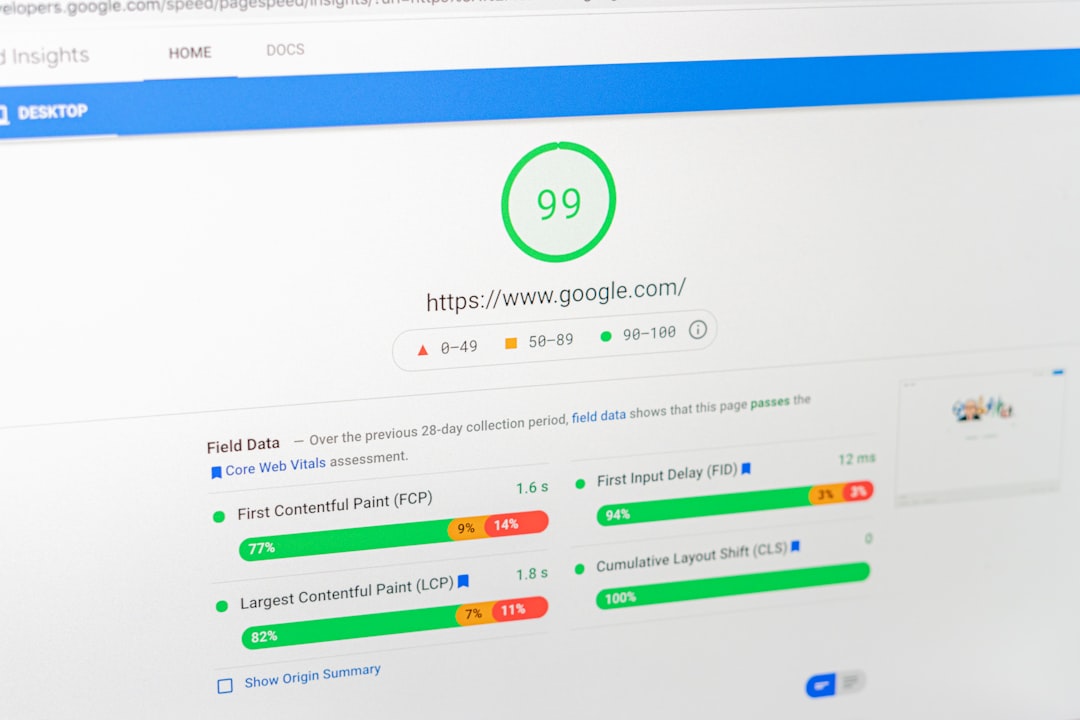
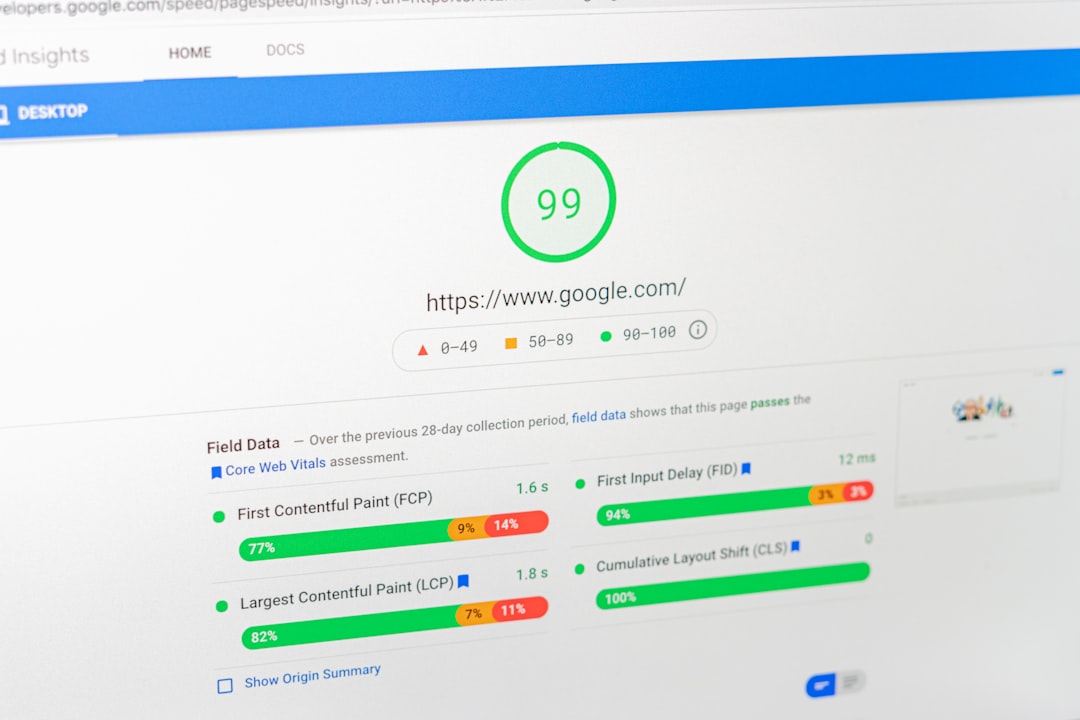
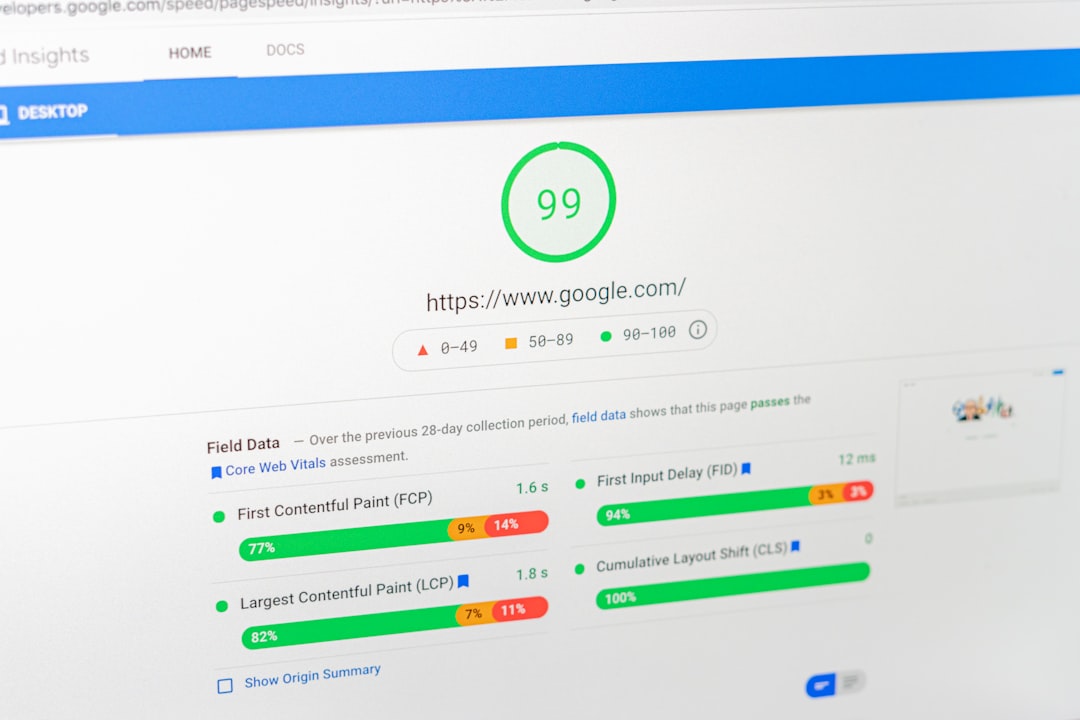
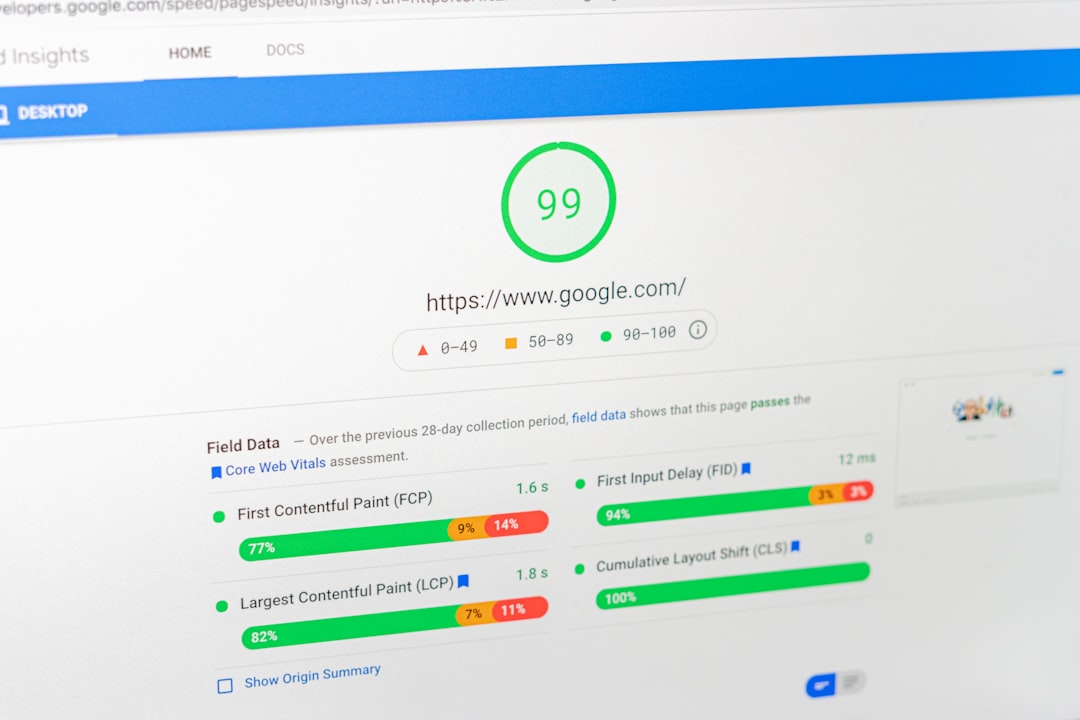
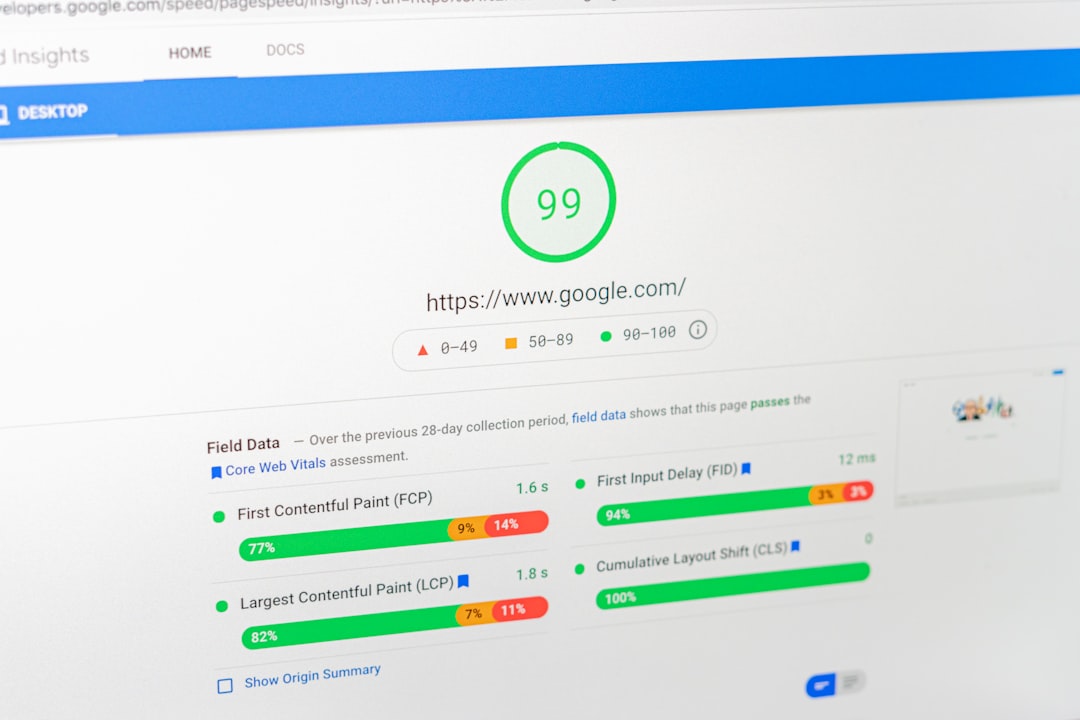
Speed matters most when a site feels heavy, unstable, or slow to use. You do not need a perfect score. The goal is a site that loads cleanly, is easy to use, and sends consistent signals about which pages matter most.
Start with image compression, page caching, fewer unnecessary plugins, and cleaner templates. Heavy page builders, oversized images, and plugin clutter are more common problems than obscure performance tweaks. Test your homepage, a service page, and a blog post separately because each template can behave differently.
Step 9: Match Content to Search Intent
Better rankings usually come from better alignment, not just more words. Each page should target one primary need, whether that is learning, comparing options, or taking action.
If two pages target the same question, they often compete with each other. If one page tries to target every variation, it usually becomes unfocused. Build each page around one main intent, answer it clearly near the top, and support it with useful detail underneath.
Step 10: Review Search Console Before Publishing More

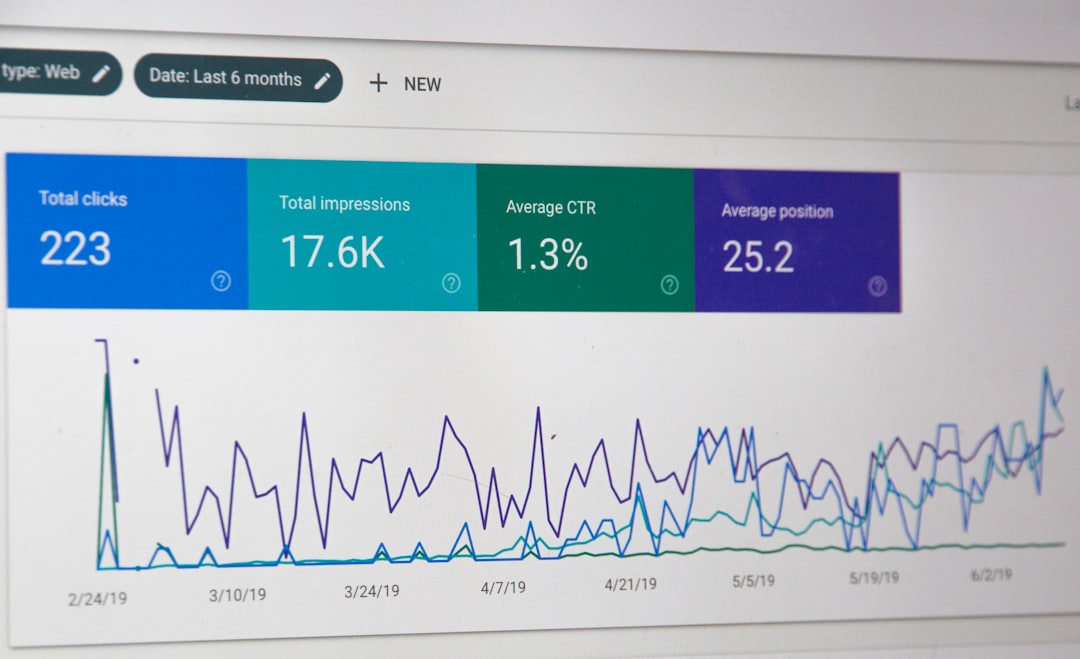
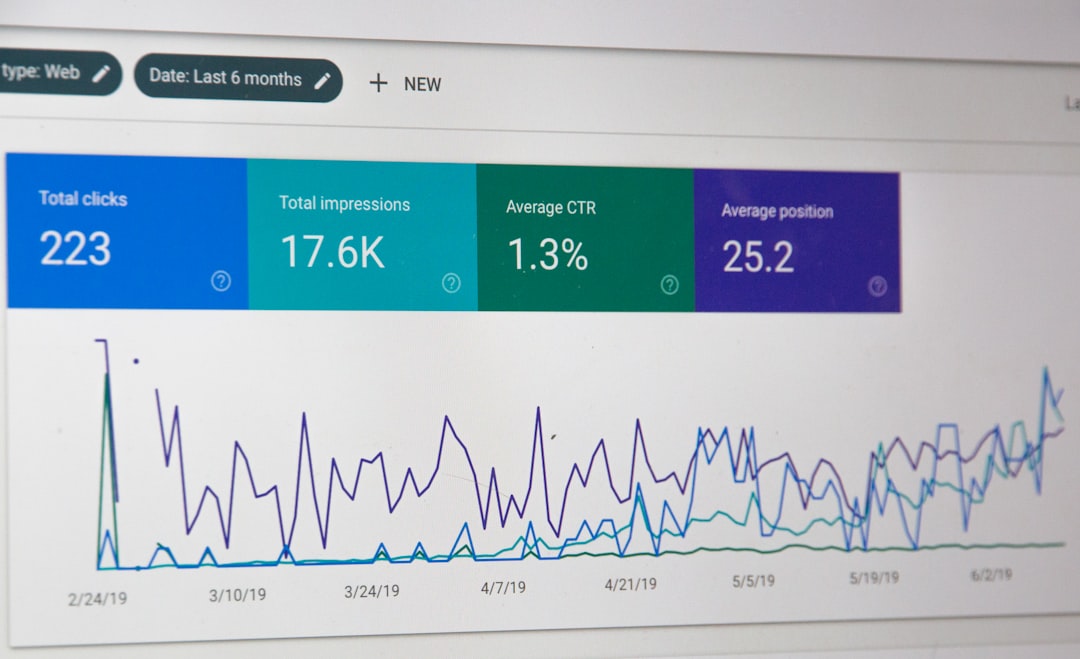
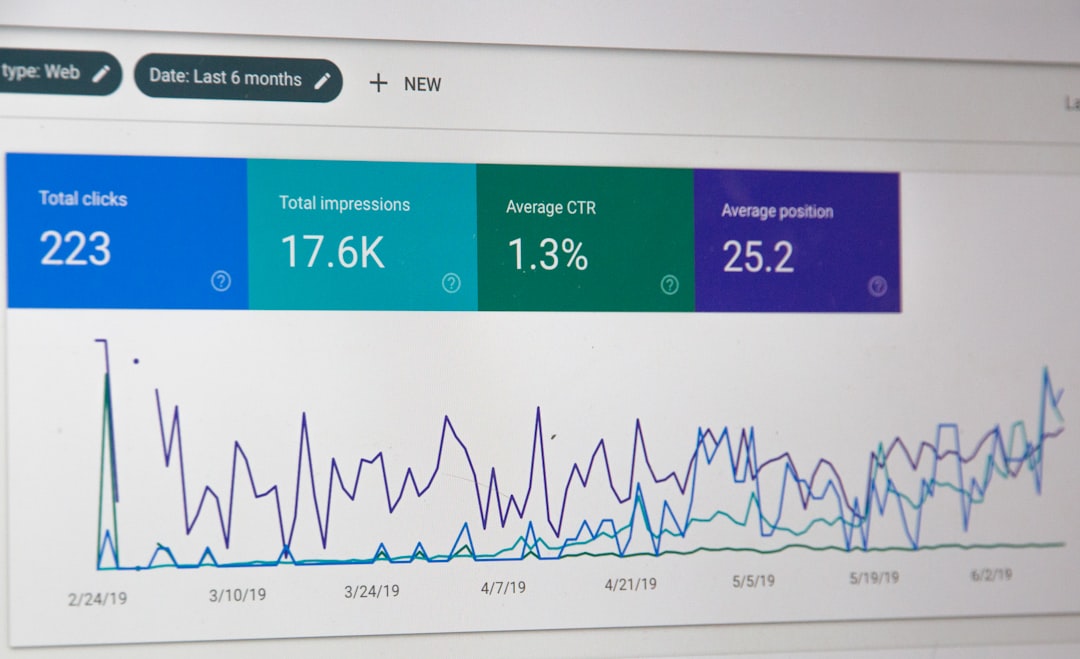
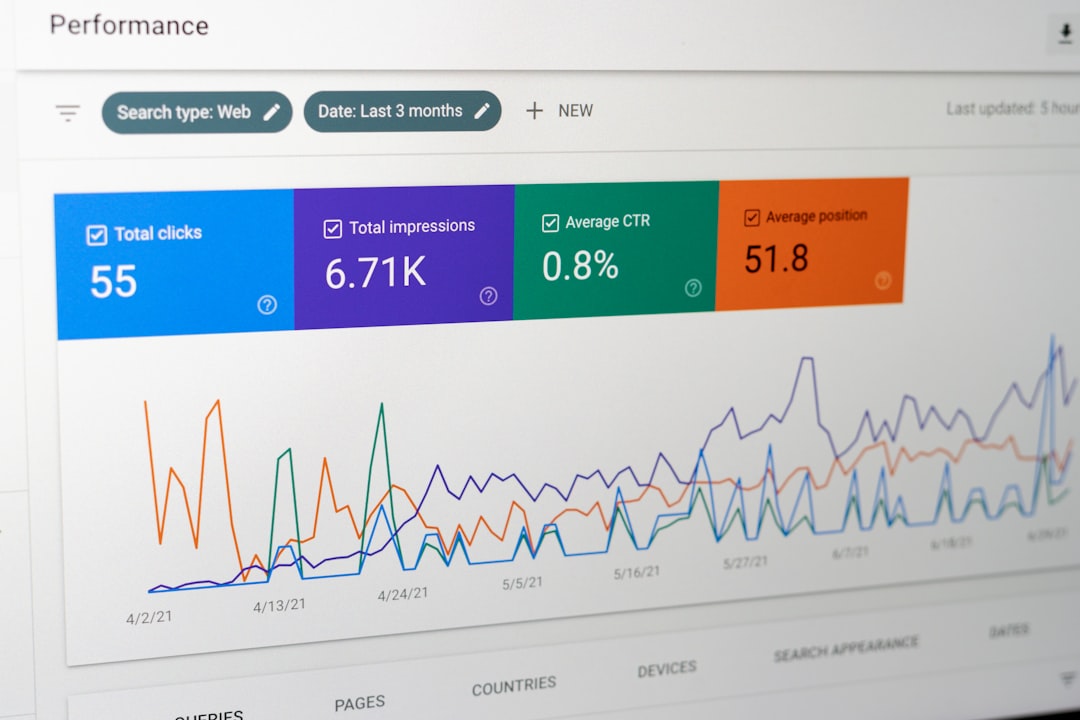
Google Search Console should guide your next moves before you create more content. It helps you see which pages are getting impressions, which queries are connected to those pages, and where rankings are flat because the page needs better targeting or stronger support.
A simple habit works well: review impressions, positions, and indexing issues every month. Then update the pages that already have traction before adding more pages to manage. Most site owners do not need more content first. They need clearer priorities.
A Simple Order of Operations
If you feel overwhelmed, follow the order below. It keeps you focused on the fixes that affect visibility first, instead of getting stuck polishing details that do not solve the underlying issue.
| Priority | What to fix | Why it matters first |
|---|---|---|
| 1 | Indexing and crawl access | Pages cannot rank if search engines cannot reach them |
| 2 | SEO plugin conflicts | Conflicting metadata creates sitewide confusion |
| 3 | Titles and page targeting | Improves relevance and click potential |
| 4 | Internal links | Supports discovery, hierarchy, and context |
| 5 | Duplicate and thin pages | Reduces wasted signals across low-value URLs |
| 6 | Speed and UX | Improves usability after core visibility issues are addressed |
When to Get Help
If you have worked through the basics and rankings are still flat, the problem is usually prioritization, not effort. WordPress SEO Expert can help you figure out whether your site is being held back by technical issues, weak structure, duplication, or content that is not mapped clearly enough to search intent.
Book a free SEO consultation. No pitch, no pressure. Just an honest look at what your site actually needs and whether your current setup is part of the solution or part of the problem.
Contact WordPress SEO Expert today to schedule a consultation if you want a practical plan instead of another generic checklist.