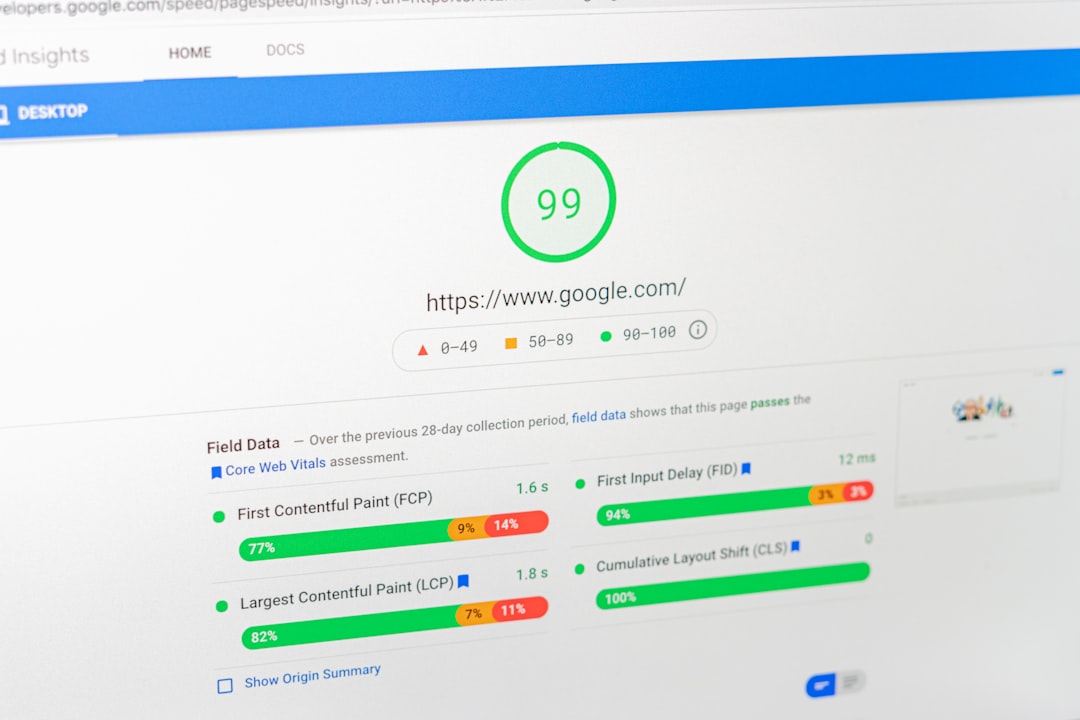

Most WordPress SEO problems come from scattered setup, not lack of effort. If you have installed a plugin, written pages, and still are not seeing traction, the issue is usually prioritization. A green light in an SEO plugin does not mean the page deserves to rank, and a tutorial only helps if it tells you what to fix first.
This WordPress SEO tutorial walks through the basics in the order that actually improves visibility: indexing, site structure, titles, content, internal links, and cleanup. If you want a broader foundation first, review our practical WordPress SEO guide for DIY site owners before you start changing settings.
Start with what search engines can actually access
The first job is making sure your important pages can be crawled and indexed. If search engines cannot reach the right pages, everything else in your SEO setup underperforms. Fix access and indexing problems before you spend time polishing copy or chasing plugin scores.
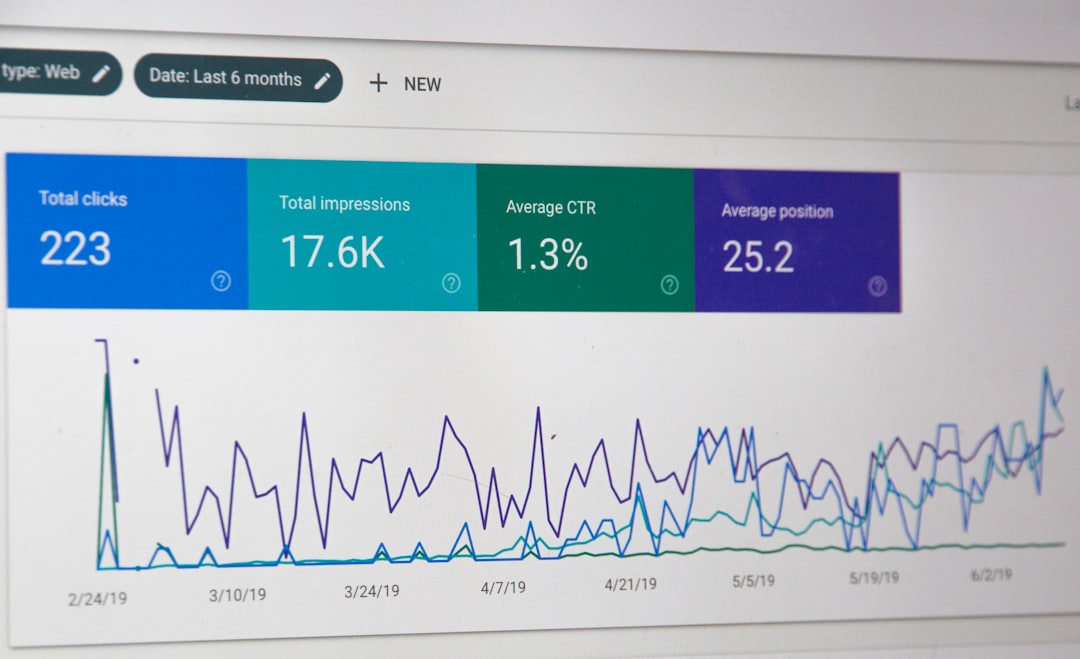
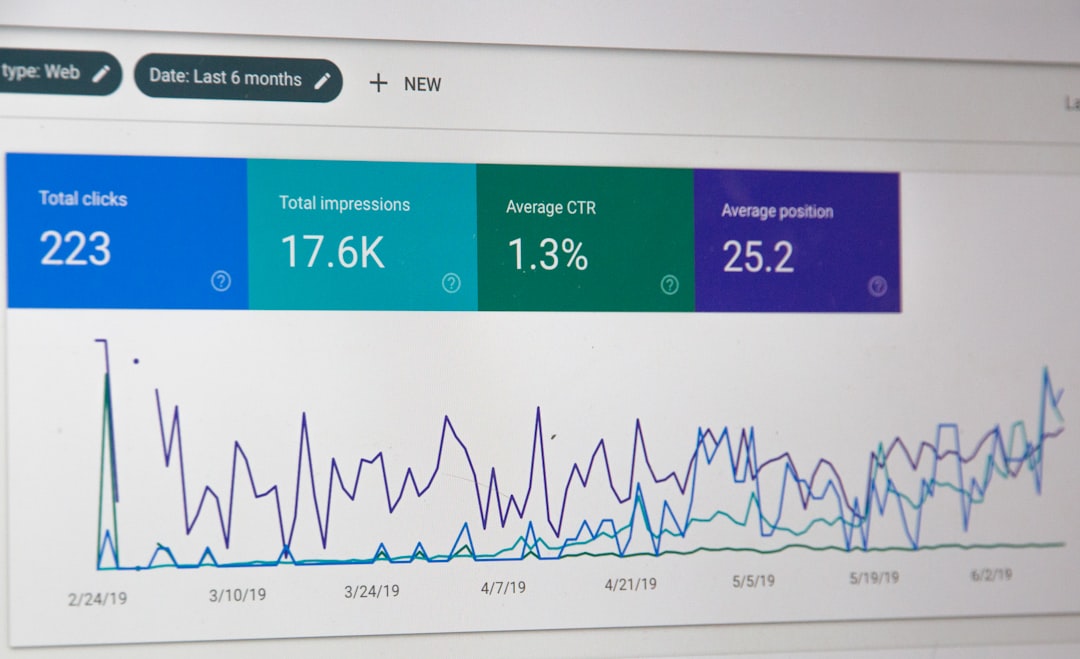
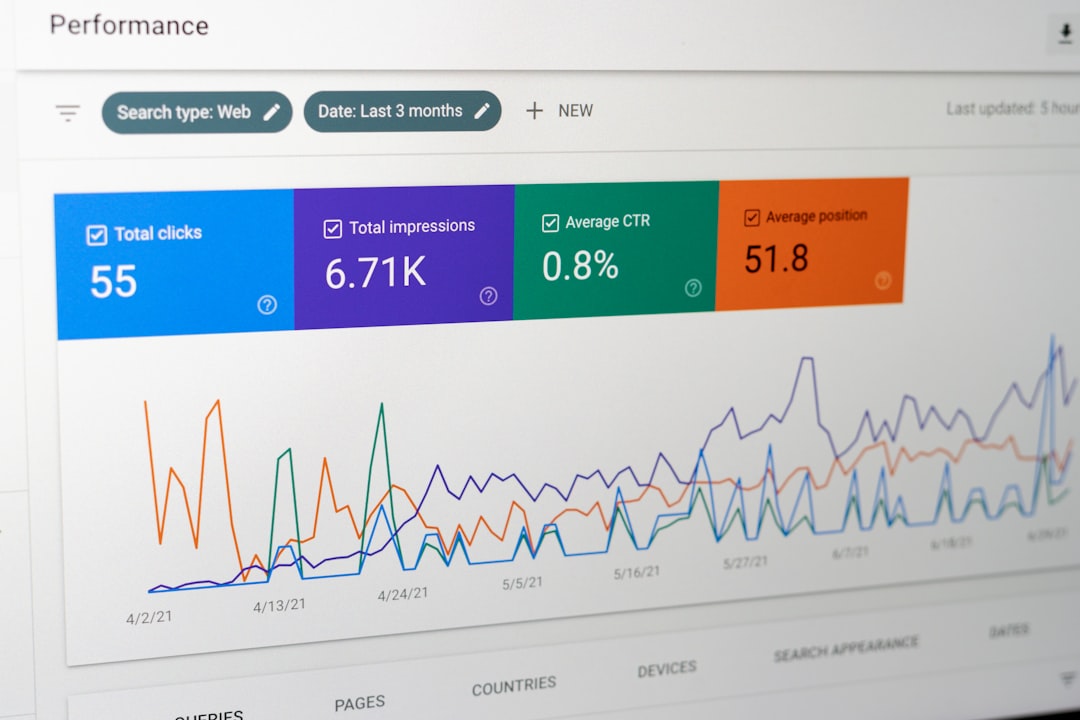
Check your WordPress reading settings, confirm that your XML sitemap is enabled, and review Google Search Console for excluded or non-indexed pages. Google recommends clear crawlable links and descriptive anchor text, which is one reason internal structure matters so much on WordPress sites.
Use one SEO plugin and configure it well
One well-configured SEO plugin is enough for most sites. Running overlapping plugins often creates duplicate metadata, conflicting canonicals, and competing sitemap outputs. Simpler setups are easier to manage and far easier to troubleshoot when rankings flatten.
If your setup already feels messy, clean that up before adding anything new. Our post on how to fix WordPress SEO setup problems explains the most common conflicts and what to review first. You do not need a perfect score. The goal is a site that loads cleanly, is easy to use, and sends consistent signals about which pages matter most.
Write better titles than your plugin template defaults
Your title tag is one of the clearest signals you control. Google recommends descriptive, concise title text and warns against keyword stuffing and repetitive boilerplate. That means generic titles and stuffed variations usually hurt clarity instead of helping relevance.
| Weak title | Stronger title |
|---|---|
| SEO Services | SEO Company | SEO Expert | WordPress SEO Services for Small Businesses |
| Blog | WordPress SEO Tips for Service Businesses |
| Home | Plumbing Repairs in Austin, TX |
Set page titles individually on your most important pages instead of relying fully on one template. Home, service, category, and high-impression blog pages deserve manual review because those are usually the pages that shape both rankings and click-through performance.
Keep headings and page targeting simple
Each page should focus on one primary topic and use a clean heading structure. In practice, that usually means one H1, clear H2 sections, and supporting H3s only where they help the reader. Most weak WordPress pages are not under-optimized. They are trying to cover too many intents at once.
If two pages target the same search need, consolidate them instead of forcing them to compete. Most site owners do not have one catastrophic problem. They have a stack of smaller issues that compound over time, and overlapping pages are one of the most common examples.
Use internal links to show Google which pages matter

Internal links are one of the easiest WordPress SEO wins because they help search engines discover pages, understand hierarchy, and connect supporting content to high-value pages. Every page you care about should be linked from other relevant pages on your site, not left to survive on sitemap discovery alone.
Link related posts with descriptive anchor text, and make sure blog content points readers toward service or product pages where it makes sense. If your site feels disorganized, our guide on how to audit your WordPress SEO setup can help you spot orphan pages, weak structure, and missed linking opportunities. If you are experiencing these symptoms, our team at WordPress SEO Expert can help.
Do not overvalue meta descriptions and schema
Meta descriptions and schema support visibility, but they do not rescue weak targeting or indexing problems. Google may use your meta description as the search snippet when it better summarizes the page, and structured data should match content users can actually see on the page.
That means writing unique descriptions for important pages and only using schema that reflects visible content. Helpful support layers matter, but they sit on top of the fundamentals. Fix the issues that block visibility before the issues that polish visibility.
A simple order of operations for beginners
If you are new to WordPress SEO, work in sequence instead of jumping between random checklists. The right order saves time and prevents you from polishing pages that still have basic technical problems underneath.
| Priority | What to do | Why it matters |
|---|---|---|
| 1 | Check indexing and crawl access | Pages cannot rank if search engines cannot reach them |
| 2 | Remove plugin overlap | Prevents conflicting metadata and sitemap issues |
| 3 | Improve page titles | Clarifies topical relevance and click intent |
| 4 | Strengthen page targeting | Keeps each page focused on one main need |
| 5 | Add internal links | Improves discovery, hierarchy, and page support |
| 6 | Refine meta descriptions and schema | Supports search appearance after the basics are stable |
What this tutorial should change in your approach
The main shift is moving away from plugin-score thinking and toward diagnostic thinking. WordPress SEO works best when you simplify the setup, reduce duplication, and make it obvious which pages deserve attention. More tools rarely fix a weak foundation.
If your rankings are flat and you are not sure whether the real problem is indexing, duplication, weak targeting, or plugin clutter, WordPress SEO Expert can help. Book a free SEO consultation. No pitch, no pressure. Just an honest look at what your site actually needs and whether your current setup is part of the solution or part of the problem.
Contact WordPress SEO Expert today to schedule a consultation if you want a practical roadmap instead of another generic checklist.