
WordPress SEO tutorials often leave site owners with more settings changed than problems solved. The issue is usually not effort. It is that most tutorials treat SEO like a pile of tips instead of a system, so people fix minor settings while bigger indexing, duplication, and internal linking problems stay untouched.
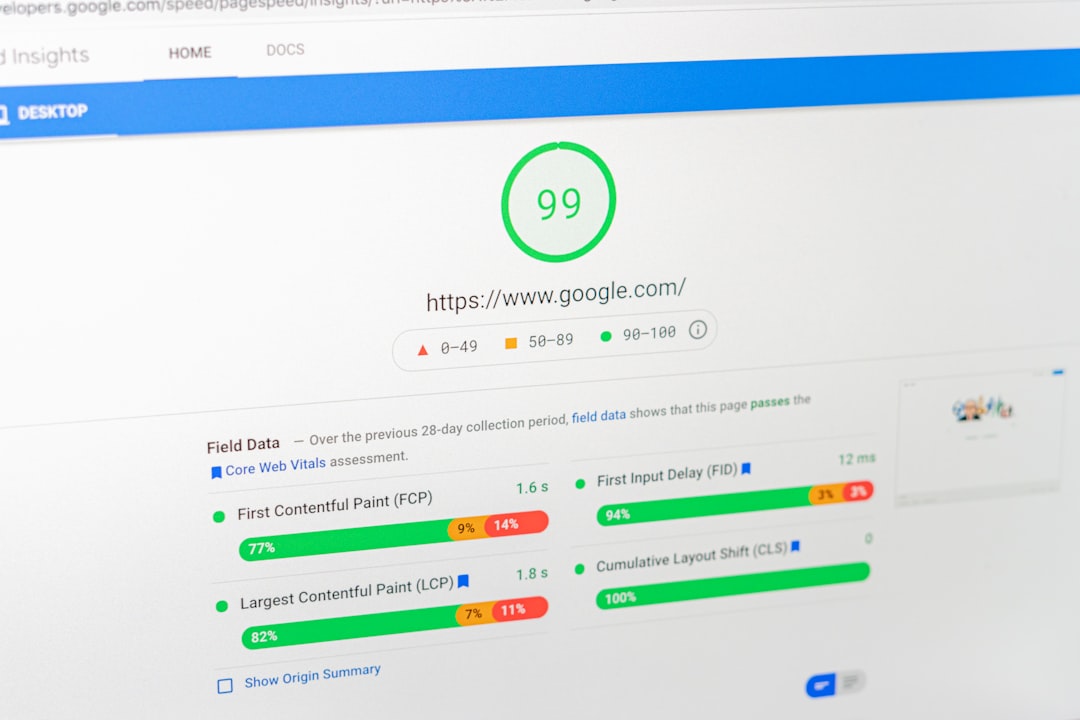
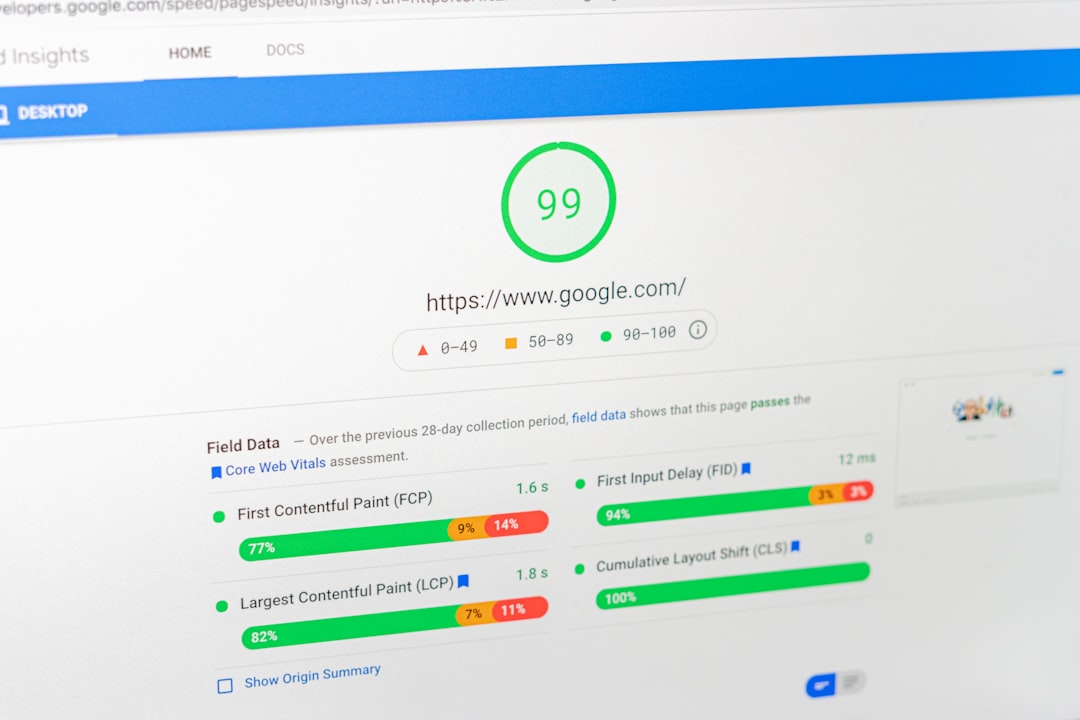
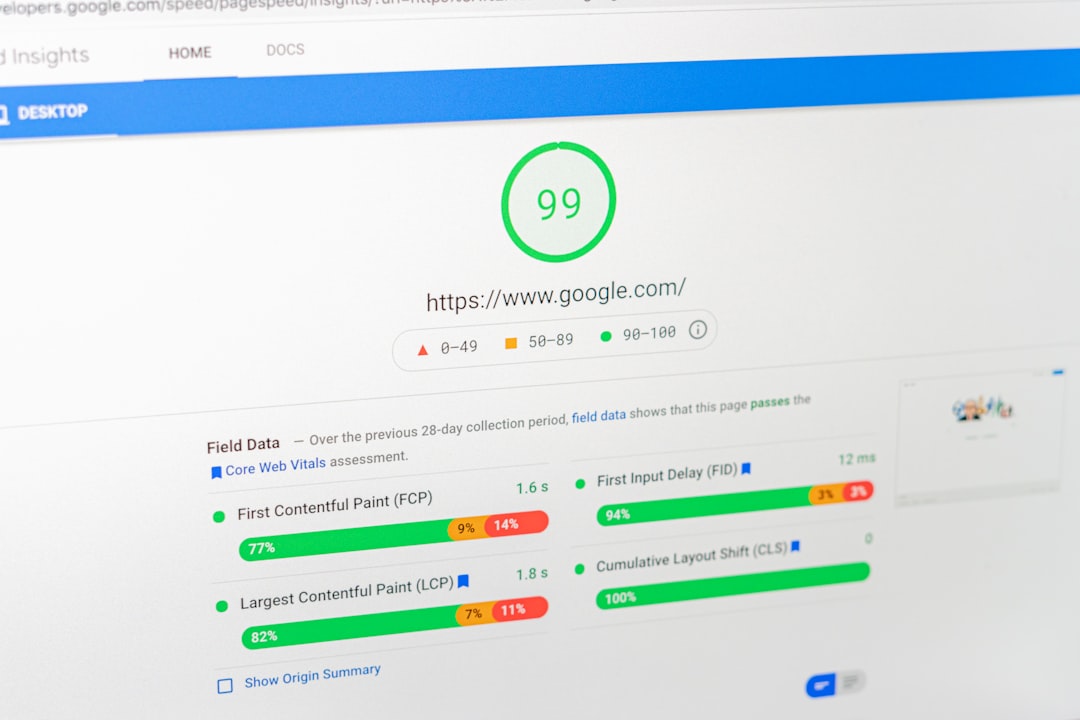
A green light in an SEO plugin does not mean the page deserves to rank. Most stalled sites have a handful of small setup mistakes working together. If you fix the issues that block visibility before the issues that polish visibility, WordPress SEO starts making more sense and produces more consistent results.
What usually goes wrong in WordPress SEO tutorials
Most tutorials explain what each setting does, but not which settings matter first. That is why site owners end up adjusting schema, social previews, or readability scores before checking whether important pages are even crawlable, indexed, and clearly targeted.
A better approach is to work in layers. Start with indexing and crawl access. Then clean up plugin conflicts, duplicate URLs, and title issues. After that, strengthen internal links and content targeting. If you need a broader framework first, this practical WordPress SEO guide for DIY site owners lays out the full sequence.
Issue 1: Too many SEO plugins
One well-configured SEO plugin is enough. Running overlapping plugins often creates duplicate metadata, conflicting canonicals, and competing sitemap output that make rankings harder to diagnose, not easier.
This problem shows up constantly on older WordPress sites and on sites that changed developers. If Yoast, Rank Math, an extra schema plugin, and a separate redirect tool are all trying to control the same signals, the setup becomes noisy fast. Keep one main SEO plugin and remove anything duplicating its core functions.
Solution
Audit every active plugin touching titles, meta descriptions, canonicals, schema, sitemaps, breadcrumbs, or redirects. Pick one primary SEO plugin, migrate the needed settings, and deactivate the rest. If your current stack feels messy, our post on how to fix WordPress SEO setup problems is the right next step.
Issue 2: Title tags copied from weak tutorials
Titles are still one of the clearest on-page signals you control. Google recommends titles that are unique, clear, and concise, and warns against repetitive boilerplate and stuffing multiple keyword variations into the same title.
Many tutorials still encourage patterns that read like a list of keywords rather than a page title. That usually hurts clarity for both users and search engines. Google’s guidance on title links and its SEO starter guide both support writing descriptive page titles instead of repetitive keyword strings.
| Weak title | Stronger title |
|---|---|
| SEO Services | SEO Company | SEO Expert | WordPress SEO Services for Small Businesses |
| Blog | WordPress SEO Tips for Service Businesses |
| Best SEO Tutorial WordPress SEO Tutorial | WordPress SEO Tutorial Problems and Fixes |
Solution
Rewrite the titles of your homepage, primary service pages, and any post already getting impressions in Google Search Console. Keep the main topic clear, avoid repeating synonyms, and use your brand briefly if there is room. Fix the pages that already matter before rewriting low-value content.
Issue 3: Meta descriptions treated like ranking shortcuts
Meta descriptions support clicks, not rankings. Google may use the meta description as the search snippet when it accurately summarizes the page, and it recommends unique descriptions instead of repeating the same text sitewide.
Tutorials often turn meta descriptions into keyword dumps or make them sound optional. Both approaches miss the point. Google’s documentation on meta descriptions and snippets makes it clear that descriptive, page-specific summaries are more useful than copied templates.
Solution
Write a short description for every important page that explains what the user will get. Keep it natural, specific, and aligned with the page itself. Do not try to force every keyword variation into one sentence.
Issue 4: Internal links are too weak to guide Google
Internal links help Google discover pages and understand which pages matter most. Google recommends crawlable HTML links with descriptive anchor text, which means navigation and in-content links still matter more than many tutorials suggest.
On many WordPress sites, important pages are linked from the menu once and nowhere else. Supporting blog posts do not connect to service pages, and related posts sit in isolation. Google’s advice on crawlable links and anchor text reinforces why descriptive internal links are worth fixing early.
Solution
Link supporting posts to your important service or category pages using descriptive phrases. Add links between related posts where the relationship is obvious. Make sure every important page can be reached through normal HTML links, not just from an XML sitemap.
If you are experiencing these symptoms, our team at WordPress SEO Expert can help. A technical review usually makes it clear whether the real problem is weak internal linking, plugin clutter, or poor page targeting.
Issue 5: Schema added without matching visible content
Schema should clarify the page, not decorate it. Google says structured data should represent the main visible content of the page and should not be misleading, which is why adding every available schema type is usually a mistake.
Many tutorials encourage site owners to enable broad schema features just because the plugin offers them. That can create markup that does not fit the page. Google’s structured data guidelines are a better standard than any plugin checklist.
Solution
Use only the schema types that match what users can actually see. For most WordPress sites, that means keeping things simple and reviewing homepage, article, and breadcrumb markup before touching anything more advanced.
A practical order for fixing tutorial mistakes
The right order prevents wasted effort. Fix the problems that suppress visibility first, then improve the elements that support clicks and page quality after the foundation is stable.
| Priority | What to fix | Why it matters first |
|---|---|---|
| 1 | Indexing and crawl access | Pages cannot rank if search engines cannot find or index them. |
| 2 | SEO plugin conflicts | Conflicting outputs can affect titles, canonicals, schema, and sitemaps. |
| 3 | Title tags | They shape topical clarity and click potential. |
| 4 | Duplicate URL cleanup | Helps consolidate signals instead of splitting them across versions. |
| 5 | Internal links | Improves discovery, context, and page hierarchy. |
| 6 | Meta descriptions and schema | They support visibility after the larger issues are handled. |
What to stop doing right now
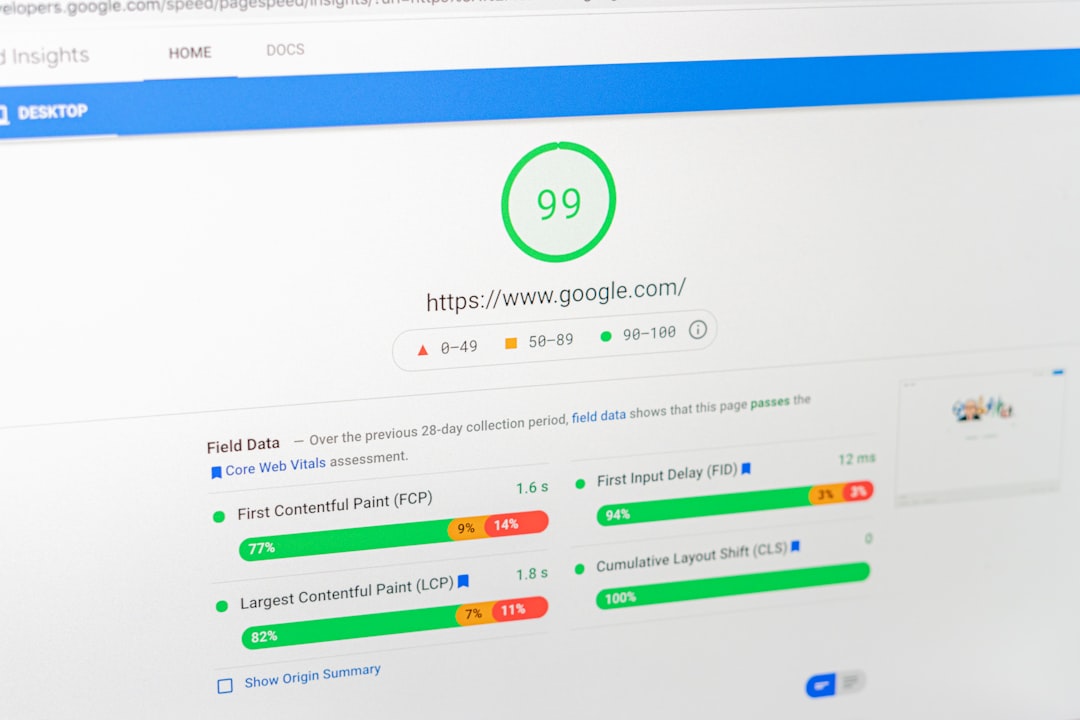
Stop adding plugins every time rankings stall. Stop treating green plugin scores like proof that a page is optimized. Stop publishing thin posts just to cover minor keyword variations. These habits create more clutter than progress.
You do not need a perfect score. The goal is a site that loads cleanly, is easy to use, and sends consistent signals about which pages matter most. A simpler setup usually performs better than a crowded one.
When to get help
If you have followed several WordPress SEO tutorials and still are not sure what is actually wrong, the problem is usually prioritization rather than effort. A focused review can tell you whether the bottleneck is indexing, duplicate URLs, weak internal links, or an overloaded plugin setup.
WordPress SEO Expert can help you sort through the noise and build a cleaner plan. Book a free SEO consultation. No pitch, no pressure. Just an honest look at what your site actually needs and whether your current setup is part of the solution or part of the problem.
Contact WordPress SEO Expert today to schedule a consultation if you want a practical path forward instead of another generic tutorial.